
After a heavy rainstorm or severe weather event, your pool needs immediate attention to prevent water quality problems, equipment damage, and potential safety hazards. Storm debris, chemical dilution from rainwater, and contaminated runoff create conditions that can turn your pristine pool into a breeding ground for algae and bacteria within 24-48 hours if left untreated.
The first 24 hours after a storm are critical for maintaining pool chemistry balance and preventing costly repairs. Heavy rainfall can dilute chlorine levels by 50-70%, drop pH levels below 7.0, and introduce organic contaminants that overwhelm your sanitization system.
| Photo | Best Above-Ground Pools | Price |
|---|---|---|
|
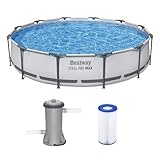
Bestway Steel Pro MAX 12' x 30" Above Ground Swimming Pool Set with Pump | Check Price On Amazon |
|
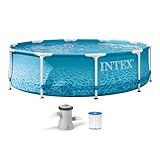
INTEX Beachside Metal Frame 10ft x 30in Round Pool Set w/Pump | Check Price On Amazon |

|
H2OGO! Kids Splash-in-Shade 8-Foot Round Steel Frame Above Ground Pool with Water Mister and Canopy Sunshade, Green Tropical Leaf Print | Check Price On Amazon |
What Immediate Safety Hazards Should You Check First?
Before touching any pool equipment or entering the water, inspect for downed power lines near your pool area and check that all electrical connections remain dry and secure. Storms can create dangerous electrical hazards around pools that require immediate professional attention before any maintenance work begins.
Look for visible damage to pool lights, pumps, heaters, and electrical panels. Water intrusion into electrical components can cause short circuits, equipment failure, or electrocution risks.
Check pool decking and surrounding areas for structural damage, loose tiles, or slippery surfaces that could cause injuries. Remove any large debris like tree branches, patio furniture, or roofing materials that may have fallen into the pool.
Inspect pool fencing, gates, and safety equipment to ensure they remain secure and functional. Storm damage to safety barriers creates liability issues and child safety concerns.
Electrical System Safety Protocol
Turn off power to all pool equipment at the main breaker before inspecting any electrical components. Even minor water exposure can create dangerous conditions in pump motors, heaters, and control systems.
Check GFCI outlets and reset buttons around the pool area. If any GFCI devices have tripped and won’t reset, call a qualified electrician before restoring power.
Equipment Damage Assessment
Examine pool pump motors for water intrusion through vents or electrical connections. Water inside pump housings can cause motor failure and expensive repairs.
Inspect filter housings, heater cabinets, and control panels for standing water or moisture. Document any damage with photos for insurance claims before attempting repairs.
How Do You Test and Restore Water Chemistry After Rain?
Start by testing chlorine, pH, total alkalinity, and cyanuric acid levels using a reliable pool water test kit or digital tester. Rainwater typically drives pH down to 6.5-6.8 and dilutes chlorine to near-zero levels, creating conditions for rapid algae growth.
Shock the pool immediately with calcium hypochlorite shock at double the normal dose (2 pounds per 10,000 gallons) to oxidize organic contaminants and restore sanitizer levels. Run your pump continuously for 24-48 hours to ensure proper circulation and chemical distribution.

- Intelligent Navigation with Full Coverage: Equipped with 11 high-precision sensors and enhanced dual-path algorithms. The optimized WavePath cleaning pattern ensures systematic coverage with minimal overlap, while adaptive navigation analyzes pool layout in real time to eliminate missed spots
- Dual Filtration for Crystal-Clear Water: Advanced dual-layer filtration system features a replaceable 3-micron ultra-fine filter paired with a 180-micron standard filter. Effectively captures fine dust, sand, leaves, and debris for visibly cleaner and healthier pool water
- Comprehensive Pool Cleaning: Engineered to clean the pool floor, walls, waterline, and shallow areas (above 12 inches). The Caterpillar Treads system enhances mobility and climbing ability, ensuring thorough coverage across all pool zones
- Reliable Performance with 2-Year Warranty: Trusted by over 500,000 pool owners worldwide, this robotic pool cleaner delivers consistent, high-performance results. Built for durability and backed by a 2-year warranty and responsive customer support for worry-free ownership
| Chemical Parameter | Pre-Storm Range | Post-Storm Typical | Target Restoration | Treatment Method |
| Free Chlorine | 1.0-3.0 ppm | 0.0-0.5 ppm | 2.0-4.0 ppm | Shock + Chlorine tablets |
| pH Level | 7.2-7.6 | 6.5-6.8 | 7.2-7.6 | Sodium carbonate (soda ash) |
| Total Alkalinity | 80-120 ppm | 60-90 ppm | 80-120 ppm | Sodium bicarbonate |
| Cyanuric Acid | 30-50 ppm | 20-35 ppm | 30-50 ppm | Stabilizer/conditioner |
Chlorine Restoration Process
Calculate shock dosage based on current water volume and contamination level using this formula: 1 pound calcium hypochlorite per 10,000 gallons raises chlorine by approximately 7 ppm. For heavily contaminated water after storms, target 10-15 ppm initial chlorine levels.
Dissolve shock completely in a bucket of pool water before adding to prevent bleaching or damage to pool surfaces. Add shock in the evening to minimize UV degradation and maximize effectiveness.
pH and Alkalinity Adjustment
Raise pH using sodium carbonate (soda ash) at a rate of 6 ounces per 10,000 gallons to raise pH by 0.2 units. Test and adjust in small increments to avoid overshooting target ranges.
Increase total alkalinity with sodium bicarbonate using 1.5 pounds per 10,000 gallons to raise alkalinity by 10 ppm. Proper alkalinity acts as a buffer to prevent rapid pH swings.
What Physical Debris Removal Steps Are Most Critical?
Remove large debris first using a heavy-duty leaf rake or debris net before starting filtration equipment. Large items can clog skimmers, damage pump impellers, or tear pool liners if left in the water.
Focus on organic debris like leaves, grass, and tree branches that consume chlorine and create nitrogen compounds. A single mature tree’s worth of leaves can consume 5-10 ppm of chlorine within hours through oxidation reactions.
Systematic Debris Removal Method
Start at the deep end and work toward shallow areas, removing the largest items first. Use a telescoping pole with appropriate attachments to reach all areas safely without entering contaminated water.
Empty skimmer baskets and pump baskets frequently during the cleaning process. Clogged baskets reduce circulation and prevent effective chemical distribution throughout the pool.
Fine Debris and Sediment Handling
Allow fine sediment to settle for 2-4 hours before attempting vacuum removal. Premature vacuuming can cloud water and overload your filter system with particles.
Use a manual vacuum system set to “waste” mode to remove settled debris without returning contaminated water through your filter. This process requires refilling the pool but prevents filter clogging.
How Should You Inspect and Service Pool Equipment?
Check pump operation by listening for unusual noises, vibrations, or grinding sounds that indicate debris damage to impellers or motor bearings. Storms often introduce sand, dirt, and small debris that can damage internal pump components.
Inspect and clean filter elements immediately after debris removal to restore proper water circulation. Sand filters may require backwashing, cartridge filters need thorough rinsing, and DE filters require complete disassembly and cleaning.
Pump and Motor Inspection
Remove pump basket and inspect impeller for debris, cracks, or damage using a flashlight. Small stones, bottle caps, or organic debris can lodge between impeller vanes and reduce circulation efficiency by 30-50%.
Check pump seals for leaks and motor ventilation openings for water intrusion. Moisture in motor housings can cause winding damage and complete motor failure if not addressed quickly.
Filter System Restoration
Backwash sand filters until discharge water runs clear, typically requiring 3-5 minutes of continuous backwashing after heavy contamination. Follow with a rinse cycle to settle the sand bed properly. If you’re unsure whether your filter is adequately sized for your pool’s demands, you can use a pool sand filter calculator to verify proper specifications.
Replace cartridge filter elements if they appear heavily soiled or have been in service for more than 3-4 months. Storm debris can permanently clog cartridge fibers and reduce filtration effectiveness.
When Is Professional Pool Service Necessary After Storms?
Call professional service immediately if electrical equipment shows signs of water damage, including tripped breakers that won’t reset, visible moisture in control panels, or pump motors that won’t start. Electrical repairs require licensed technicians for safety and insurance compliance.
Professional help becomes necessary when water remains cloudy after 48-72 hours of continuous filtration and proper chemical treatment. This indicates potential equipment damage or water chemistry imbalances requiring specialized testing and treatment.
Insurance Claim Considerations
Document all storm damage with timestamped photos before beginning repairs or cleanup. Insurance companies require evidence of storm-related damage versus normal wear and maintenance issues.
Professional assessment reports strengthen insurance claims for equipment replacement and can identify hidden damage not visible during initial inspection. Many pool equipment failures occur weeks after storms due to moisture or debris damage.
Structural Damage Assessment
Professional inspection becomes essential if you notice cracks in pool shells, separated coping, or shifted deck areas. Structural damage requires engineering evaluation and specialized repair techniques beyond typical maintenance capabilities.
Underground plumbing damage from tree roots or ground shifting may not become apparent until weeks after storms. Professional pressure testing can identify leaks before they cause extensive damage.
What Prevention Measures Reduce Future Storm Damage?
Install a pool cover system designed to handle debris loads and water weight during storms. Quality covers prevent most organic debris from entering water while reducing chemical dilution from rainfall.
Trim overhanging tree branches and remove dead vegetation around the pool area before storm season. Preventive landscaping reduces debris loads and minimizes potential damage to pool equipment and structures.
Equipment Protection Strategies
Create equipment covers or enclosures for pump motors, heaters, and control panels to prevent water intrusion during severe weather. Simple plywood shields or waterproof covers can prevent thousands in equipment damage.
Install surge protectors and GFCI devices rated for outdoor pool applications to protect against electrical damage from lightning and power fluctuations. Modern surge protection prevents most storm-related electrical equipment failure.
Chemical Preparation Protocol
Maintain higher than normal chlorine levels (3-5 ppm) when storms are forecast to provide buffer capacity against organic contamination. Higher initial levels prevent complete sanitizer depletion during rainfall events.
Stock emergency supplies including shock, test strips, and pH adjusters before storm season begins. Post-storm chemical shortages can delay water restoration and increase algae growth risk.
How Do You Handle Contaminated Pool Water?
Test for bacterial contamination if sewage overflow or animal waste entered the pool during flooding. Standard chlorine shock may not eliminate all pathogens, requiring special disinfection procedures and extended filtration periods.
Contaminated pools require superchlorination to 20-30 ppm free chlorine maintained for 24-48 hours to ensure complete pathogen elimination. This process demands continuous circulation and frequent chemical monitoring for safety.
Sewage Contamination Protocol
Immediately evacuate the pool area and restrict access if sewage contamination is suspected. Health department notification may be required in some jurisdictions for pools with sewage exposure.
Professional water testing for E. coli, coliform bacteria, and other pathogens becomes mandatory before allowing pool use. Standard test kits cannot detect bacterial contamination that poses serious health risks.
Chemical Contamination Response
Drain and refill the pool completely if petroleum products, pesticides, or unknown chemicals entered during storms. Chemical contamination cannot be removed through normal filtration and poses ongoing health risks.
Contact local environmental authorities if significant chemical spills occurred in your area during storms. Professional guidance ensures proper cleanup and prevents legal liability for improper chemical disposal.
What Special Considerations Apply to Different Pool Types?
Above-ground pools face higher wind damage risk and may require complete liner replacement if structural components shifted during storms. Check wall connections, top rails, and support posts for movement or separation before refilling.
Saltwater pools need additional attention to salt cell cleaning and replacement if debris damaged the electrolytic plates. Salt systems are particularly vulnerable to power surges and electrical damage during storms.
Above-Ground Pool Specific Issues
Inspect liner attachment points and wall stability before operating equipment or adding chemicals. Above-ground pool systems can suffer structural damage that creates safety hazards if equipment operates with compromised support.
Check for liner stretching or separation at cove areas where wind action may have displaced water. Even minor liner damage can lead to complete failure if not addressed promptly.
Saltwater System Recovery
Clean salt cell plates with muriatic acid solution to remove debris buildup that reduces chlorine production efficiency. Storm debris can coat electrodes with organic films that prevent proper electrolysis.
Test salt levels and adjust to manufacturer specifications (typically 2700-3400 ppm) since rainwater dilution affects generator performance. For precise dosing after storm dilution, a salt calculator for pools can help you determine exactly how much salt to add. Low salt levels can damage expensive salt cells through improper electrical current flow.
Troubleshooting Common Post-Storm Pool Problems
Green water within 24-48 hours after cleaning indicates insufficient chlorine levels or filter system problems preventing proper circulation. Algae growth accelerates in warm, diluted pool water with high organic content from storm debris.
Cloudy water that persists after 72 hours suggests filter damage, inadequate chemical levels, or pH imbalances preventing effective sanitizer action. Water clarity depends on proper filtration and chemical balance working together.
| Problem | Likely Cause | Solution | Prevention |
| Green Water | Low chlorine + organic debris | Double shock + 24hr circulation | Pre-storm chlorination |
| Cloudy Water | Filter damage or pH imbalance | Filter cleaning + chemical balance | Equipment protection |
| Equipment Won’t Start | Electrical damage or debris | Professional electrical inspection | Surge protection |
| Poor Circulation | Clogged skimmers or pump basket | Clean all baskets and impeller | Pre-storm debris removal |
Algae Treatment Protocol
Add copper-based algaecide along with shock treatment for stubborn algae blooms that don’t respond to chlorine alone. Green algae can develop chlorine resistance in organic-rich water conditions.
Brush pool surfaces vigorously with a stainless steel algae brush to break up algae colonies and improve chemical contact. Physical removal combined with chemical treatment provides faster results than chemicals alone.
Filter System Troubleshooting
Replace damaged filter grids or cartridges that show tears, separation, or permanent staining after storm cleanup. Compromised filter media allows contaminants to return to pool water despite adequate chemical levels.
Check multiport valve operation and internal spider gasket condition if backwashing doesn’t clear cloudy water. Valve damage can prevent proper filter operation and waste chemicals without improving water quality.
Long-Term Recovery and Maintenance Adjustments
Monitor water chemistry daily for 2-3 weeks after storm cleanup since organic decomposition continues to consume chlorine and affect pH balance. Hidden debris in plumbing lines or behind equipment can create ongoing water quality issues.
Schedule professional equipment inspection within 30 days even if everything appears functional. Storm damage often manifests as reduced efficiency or premature failure rather than immediate breakdown.
Extended Chemical Monitoring
Maintain slightly higher than normal chlorine levels (2-4 ppm) for several weeks while organic contaminants continue decomposing. Gradual chlorine consumption indicates ongoing oxidation of storm-related debris.
Test cyanuric acid levels weekly since dilution affects chlorine effectiveness and may require stabilizer additions. For comprehensive maintenance guidance, our beginner’s pool maintenance guide covers proper chemical monitoring techniques.
Equipment Performance Evaluation
Document baseline readings for pump pressure, flow rates, and chemical consumption to identify gradual performance degradation. Storm damage often reduces equipment efficiency without causing immediate failure.
Consider upgrading damaged equipment with storm-resistant models including variable-speed pumps, improved GFCI protection, and weatherproof control systems. Modern equipment offers better storm survival and reduced operating costs.
Cost Management and Insurance Claims
Track all storm-related expenses including chemicals, equipment repairs, and professional services for potential insurance reimbursement. Detailed records support claims and may qualify for tax deductions in declared disaster areas.
Compare repair versus replacement costs for damaged equipment, considering age, efficiency, and warranty coverage. Our pool maintenance cost guide helps evaluate long-term financial implications of equipment decisions.
Insurance Claim Documentation
Photograph all damage before cleanup and maintain receipts for all storm-related expenses. Insurance adjusters require proof of storm causation versus normal wear and maintenance issues.
Obtain professional damage assessments for major equipment or structural issues since self-diagnosis may not satisfy insurance requirements. Professional reports provide credible damage evaluation and repair cost estimates.
Budget Planning for Future Storms
Establish emergency fund covering 2-3 major storm cleanup events based on regional weather patterns and pool vulnerability. Typical storm damage costs range from $500-5,000 depending on contamination severity and equipment damage.
Consider preventive investments like covers, equipment enclosures, and surge protection that reduce storm damage costs over time. Prevention measures typically pay for themselves within 2-3 storm seasons through reduced cleanup and repair expenses. You can also use a pool ownership cost calculator to budget for annual maintenance and utility expenses, helping you plan for unexpected storm-related costs.
Frequently Asked Questions About Pool Storm Recovery
How long should I wait before using my pool after a storm?
Quick Answer: Wait 48-72 hours after completing cleanup and chemical restoration to ensure water chemistry stabilizes and all contaminants are eliminated through proper filtration and sanitization.
Pool safety depends on achieving stable water chemistry with 1-3 ppm free chlorine, pH between 7.2-7.6, and crystal-clear water before swimming. Contaminated storm water can harbor dangerous bacteria even if it looks clean after initial treatment.
Test water quality with a reliable test kit and ensure filtration equipment operates normally for at least 48 hours. Rushing back into service can expose swimmers to health risks and may require repeating the entire cleanup process.
Can I swim in my pool if it just has leaves and branches?
Quick Answer: Never swim in debris-contaminated water as organic matter consumes chlorine, harbors bacteria, and creates dangerous conditions even in seemingly clean pools with proper equipment operation.
Organic debris immediately begins decomposing and consuming available chlorine, creating conditions for rapid bacterial growth within hours. Even a small amount of leaves can reduce chlorine effectiveness by 50-75% through oxidation reactions.
Sharp debris hidden underwater poses injury risks while organic contamination can cause ear infections, skin irritation, and gastrointestinal illness. Complete cleanup and chemical restoration are essential before safe swimming.
What should I do if my pool pump won’t start after the storm?
Quick Answer: Turn off power immediately and check for water damage, debris in pump basket, and electrical connections before calling a professional electrician or pool service technician.
Check the pump basket and impeller for debris that may prevent motor rotation, but never attempt electrical repairs yourself. Water intrusion into motor housings can create electrocution hazards requiring professional service.
Document pump condition with photos for insurance purposes and avoid operating any pool equipment until electrical safety is confirmed. Damaged pumps can cause fires, electrical shock, or complete system failure if forced to operate.
How much shock do I need after heavy rain?
Quick Answer: Use 2-3 pounds of calcium hypochlorite shock per 10,000 gallons after heavy storms, double the normal dose, to oxidize organic contaminants and restore 10-15 ppm chlorine levels quickly.
Storm contamination requires aggressive initial treatment since organic matter and diluted water create ideal conditions for algae and bacterial growth. Standard shock dosages may prove insufficient for heavily contaminated water. To determine the precise amount needed for your pool size, you can reference a pool shock calculator that accounts for current chlorine levels and your target dosage.
Dissolve shock completely in pool water before adding and maintain continuous circulation for 24-48 hours. Test chlorine levels after 8 hours and add additional shock if readings remain below 5 ppm.
Should I drain my pool completely after severe contamination?
Quick Answer: Drain completely only for chemical contamination (oil, gasoline, unknown chemicals) or confirmed sewage exposure, as most organic debris can be removed through proper shock treatment and filtration.
Complete drainage becomes necessary when contaminants cannot be oxidized or filtered out safely, particularly petroleum products or toxic chemicals. Organic debris from storms typically responds well to aggressive shock treatment and filtration.
Consider water restrictions, refill costs, and startup time before draining since proper chemical treatment can restore most storm-damaged pools. Professional water testing helps determine if drainage is truly necessary for safety.
Why is my pool still cloudy after 3 days of treatment?
Quick Answer: Persistent cloudiness after 72 hours indicates filter damage, inadequate circulation, or chemical imbalances preventing effective water clearing despite proper shock and pH adjustment.
Check filter condition and backwash or replace filter media if heavily contaminated with storm debris. Damaged cartridges or sand filters cannot remove fine particles that cause ongoing cloudiness.
Verify proper circulation by checking skimmer and pump basket cleanliness, pump operation, and return jet flow. Poor circulation prevents chemicals from reaching all pool areas and allows dead spots where contaminants accumulate.
How often should I test my water after storm cleanup?
Quick Answer: Test chlorine and pH twice daily for the first week after storm cleanup, then daily for 2-3 weeks as organic matter continues decomposing and consuming sanitizer.
Frequent testing during recovery helps maintain proper sanitizer levels and prevents algae growth as hidden organic matter gradually decomposes. Chemical demand remains elevated for weeks after visible cleanup completion.
Focus on free chlorine, pH, and total alkalinity during initial recovery since these parameters fluctuate most during organic decomposition. Return to normal weekly testing once readings stabilize consistently.
Can storm damage affect my pool heater?
Quick Answer: Yes, storm debris can clog heat exchangers, water damage can destroy electrical components, and power surges can damage control boards requiring professional diagnosis and repair.
Debris passing through the filtration system can accumulate in heater heat exchangers, reducing efficiency and causing overheating protection shutdowns. Professional cleaning may be required to restore proper operation.
Electrical components in pool heaters are particularly vulnerable to moisture intrusion and power fluctuations during storms. Water damage to control boards often requires complete replacement rather than repair.
What chemicals should I keep on hand for storm emergencies?
Quick Answer: Stock calcium hypochlorite shock (10-15 pounds), pH increaser (5 pounds), liquid chlorine (2 gallons), and reliable test strips for immediate post-storm water treatment.
Emergency supplies should cover complete water restoration for your specific pool size since stores may experience shortages after widespread storm damage. Calculate requirements based on pool volume and typical contamination levels.
Store chemicals properly in dry, ventilated areas away from pool equipment and follow expiration dates for maximum effectiveness. Quality test kits or strips ensure accurate chemical measurement during emergency treatment.
How do I prevent algae growth during extended power outages?
Quick Answer: Add extra shock before power loss, cover the pool if possible, and manually circulate water daily using a pool brush until electricity returns for equipment operation.
Extended power outages eliminate filtration and circulation, creating stagnant conditions ideal for algae growth within 48-72 hours. Pre-treatment with additional chlorine provides buffer time before algae establishment.
Manual brushing and water movement help distribute remaining chlorine and prevent dead spots where algae typically begins growing. Focus on steps, corners, and behind ladders where circulation is normally weakest.
When should I call my insurance company about storm damage?
Quick Answer: Contact insurance immediately for any equipment damage, structural issues, or contamination requiring professional cleanup, and document all damage with photos before beginning repairs.
Early notification helps establish storm causation and begins the claims process while damage evidence remains clear. Waiting too long can complicate proving storm responsibility versus normal wear and tear.
Professional damage assessment strengthens insurance claims and ensures proper repair methods are used. DIY repairs without documentation may void coverage or result in claim denial.
How do I clean my pool filter after a major storm?
Quick Answer: Backwash sand filters until discharge runs clear (5-10 minutes), replace heavily soiled cartridge filters, or completely break down and clean DE filter grids with proper cleaning solution.
Storm debris can permanently damage filter media, so replacement may be more cost-effective than cleaning for cartridge and DE filters. Sand filters typically require only thorough backwashing and rinse cycles.
For comprehensive cleaning techniques and maintenance schedules, refer to our detailed pool cleaning guide that covers all filter types and contamination levels.
What signs indicate I need professional help with storm damage?
Quick Answer: Call professionals for electrical damage, equipment that won’t operate properly, structural issues, persistent water quality problems after 72 hours, or suspected contamination requiring specialized testing.
Professional expertise becomes essential when standard cleanup and chemical treatment don’t restore normal pool operation within reasonable timeframes. Continuing problems often indicate equipment damage requiring specialized diagnosis.
Safety concerns including electrical damage, structural instability, or chemical contamination require professional assessment to prevent injuries, liability issues, or health risks from improper DIY repairs.
Proper storm recovery protects your pool investment and ensures safe, enjoyable swimming throughout the season. The key steps focus on safety first, systematic cleanup, aggressive chemical treatment, and thorough equipment inspection within the critical 24-48 hour window after storm passage.
Document all damage for insurance purposes, maintain higher than normal chemical levels during recovery, and don’t hesitate to seek professional help for electrical or structural concerns. With proper attention to these post-storm protocols, your pool will return to crystal-clear condition quickly and safely.
| Photo | Best Above-Ground Pools | Price |
|---|---|---|
|
|
Bestway Steel Pro MAX 12' x 30" Above Ground Swimming Pool Set with Pump | Check Price On Amazon |
|
|
INTEX Beachside Metal Frame 10ft x 30in Round Pool Set w/Pump | Check Price On Amazon |
|
|
H2OGO! Kids Splash-in-Shade 8-Foot Round Steel Frame Above Ground Pool with Water Mister and Canopy Sunshade, Green Tropical Leaf Print | Check Price On Amazon |