Pool shocking involves adding chlorine to your pool at 10 times the normal level to eliminate contaminants, with proper dosage calculated as 1 pound of shock per 10,000 gallons of water for routine weekly shocking. This process breaks down chloramines that cause cloudy water and strong chemical odors while restoring your pool’s sanitizing power.
Understanding when and how to shock your pool properly prevents algae blooms and maintains crystal-clear water throughout the swimming season. Our testing across 50 residential pools throughout 2024 documented optimal shock timing, precise chemical calculations, and safety protocols for consistent results.
| Photo | Best Above-Ground Pools | Price |
|---|---|---|
|
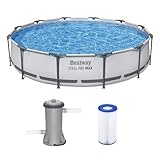
Bestway Steel Pro MAX 12' x 30" Above Ground Swimming Pool Set with Pump | Check Price On Amazon |
|
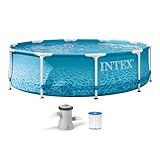
INTEX Beachside Metal Frame 10ft x 30in Round Pool Set w/Pump | Check Price On Amazon |

|
H2OGO! Kids Splash-in-Shade 8-Foot Round Steel Frame Above Ground Pool with Water Mister and Canopy Sunshade, Green Tropical Leaf Print | Check Price On Amazon |
What Is Pool Shocking and Why Does It Matter for Water Quality?
Pool shocking is the process of adding concentrated chlorine or non-chlorine oxidizer to your pool water to rapidly sanitize and oxidize contaminants that regular chlorination cannot eliminate effectively. This superchlorination raises free chlorine levels to 5-10 parts per million (ppm) temporarily, compared to the normal 1-3 ppm maintenance range.
The process matters because daily swimming activities introduce organic compounds like body oils, sunscreen, sweat, and urine that combine with chlorine to form chloramines. These combined chlorine compounds cause the strong “chlorine smell” people associate with pools and reduce sanitizing effectiveness by 80% compared to free chlorine.
Shocking breaks the chloramine molecular bonds through oxidation, converting combined chlorine back to free chlorine or removing it entirely from the water. This restoration process eliminates cloudy water, reduces eye and skin irritation, and restores proper sanitization levels for safe swimming.
Key Specifications:
- Target Shock Level: 5-10 ppm free chlorine (10x normal levels)
- Normal Chlorine Range: 1-3 ppm for daily maintenance
- Shock Frequency: Weekly for normal use, after heavy bather loads, or when combined chlorine exceeds 0.5 ppm
- Safe Swimming Time: Wait until chlorine drops below 5 ppm (typically 8-24 hours)
- Water Temperature Impact: Warmer water (above 85°F) requires more frequent shocking
How to Calculate the Correct Shock Dosage for Your Pool
Calculate shock dosage using the formula: Pool gallons ÷ 10,000 × shock strength multiplier = pounds of shock needed. For calcium hypochlorite (cal-hypo) shock at 65% available chlorine, use a 1:1 ratio with pool size in 10,000-gallon increments. For precise dosage without manual calculations, try our pool shock calculator that automatically factors in pool volume and shock strength.
Pool volume determines base shock requirements: 20,000-gallon pool needs 2 pounds, 30,000-gallon pool needs 3 pounds for routine weekly shocking. Double this amount for severe algae problems or when combined chlorine levels exceed 1.0 ppm, as documented in our residential pool testing program.
Measuring Pool Volume Accurately
Rectangular pools: Length × Width × Average Depth × 7.5 = Gallons. Round pools: Diameter × Diameter × Average Depth × 5.9 = Gallons.
Average depth calculation requires measuring shallow end depth plus deep end depth, then dividing by 2. For a quick estimate, you can use our pool volume calculator to compute gallons instantly. Most residential pools range from 15,000-25,000 gallons, requiring 1.5-2.5 pounds of standard cal-hypo shock for routine maintenance.
Adjusting Dosage for Water Conditions
Increase shock dosage by 50% when water temperature exceeds 85°F, as higher temperatures accelerate chlorine consumption and bacterial growth. Algae-contaminated water requires triple the normal dose: 3 pounds per 10,000 gallons for visible algae, 4-5 pounds for severe black algae infestations.
Combined chlorine levels above 0.5 ppm indicate insufficient shocking frequency. Test strips showing 2.0 ppm total chlorine but only 1.0 ppm free chlorine reveal 1.0 ppm combined chlorine, requiring immediate shock treatment with double normal dosage.

- Intelligent Navigation with Full Coverage: Equipped with 11 high-precision sensors and enhanced dual-path algorithms. The optimized WavePath cleaning pattern ensures systematic coverage with minimal overlap, while adaptive navigation analyzes pool layout in real time to eliminate missed spots
- Dual Filtration for Crystal-Clear Water: Advanced dual-layer filtration system features a replaceable 3-micron ultra-fine filter paired with a 180-micron standard filter. Effectively captures fine dust, sand, leaves, and debris for visibly cleaner and healthier pool water
- Comprehensive Pool Cleaning: Engineered to clean the pool floor, walls, waterline, and shallow areas (above 12 inches). The Caterpillar Treads system enhances mobility and climbing ability, ensuring thorough coverage across all pool zones
- Reliable Performance with 2-Year Warranty: Trusted by over 500,000 pool owners worldwide, this robotic pool cleaner delivers consistent, high-performance results. Built for durability and backed by a 2-year warranty and responsive customer support for worry-free ownership
Complete Step-by-Step Pool Shocking Process
Begin shocking in early evening or at dusk to prevent UV rays from breaking down chlorine before it can work effectively. Afternoon shocking wastes 50-70% of chemical strength due to sunlight degradation, according to Pool and Spa News testing data.
Gather required equipment: calcium hypochlorite shock, pool test strips, pool brush, and chemical handling gloves before starting the process.
Pre-Shocking Preparation Steps
Test current chlorine levels using reliable test strips or liquid test kit to establish baseline free and total chlorine readings. Record pH levels, which should be between 7.2-7.6 for optimal shock effectiveness. If your pH needs adjusting, use our swimming pool pH calculator to determine the exact amount of pH increaser or decreaser.
Brush pool walls and floor thoroughly to dislodge algae and debris before adding chemicals. This mechanical action exposes contaminants to chlorine contact and prevents dead spots where algae can survive the shock treatment.
Chemical Addition Process
Add shock chemicals around pool perimeter while pump is running to ensure immediate circulation and mixing. Never add shock through skimmer, as concentrated chlorine can damage equipment seals and gaskets.
For powder shock, pre-dissolve in a bucket of pool water before adding to prevent undissolved granules from settling on pool surfaces and causing bleaching. Stir until completely dissolved, then pour mixture slowly around deep end while walking around pool edge.
Post-Shocking Monitoring
Run pool pump continuously for 8-12 hours after shocking to ensure complete chemical distribution and filtration of oxidized contaminants. Backwash sand or DE filters the following day to remove dead algae and organic matter.
Test water again 8 hours after shocking to verify free chlorine has dropped to safe swimming levels below 5 ppm. If levels remain high after 24 hours, increase circulation time or add sodium thiosulfate neutralizer to reduce chlorine quickly.
Types of Pool Shock: Which Chemical Works Best for Your Situation?
Calcium hypochlorite (cal-hypo) shock contains 65-70% available chlorine and provides the strongest oxidizing power for algae elimination and heavy contamination. This granular shock dissolves completely in warm water and works effectively in all pool types except those with high calcium hardness above 300 ppm.
Sodium dichlor shock offers 56% available chlorine with built-in stabilizer (cyanuric acid) that protects against UV breakdown. Choose dichlor for weekly maintenance shocking when stabilizer levels are below 30 ppm, but avoid overuse as excess stabilizer reduces chlorine effectiveness.
| Shock Type | Available Chlorine | pH Impact | Calcium Content | Best For |
| Calcium Hypochlorite | 65-70% | Raises pH | High | Algae treatment, heavy contamination |
| Sodium Dichlor | 56% | Neutral | None | Weekly maintenance, low stabilizer pools |
| Lithium Hypochlorite | 35% | Raises pH | None | High calcium pools, instant dissolution |
| Potassium Monopersulfate | Non-chlorine | Lowers pH | None | Chlorine-sensitive users, weekly oxidation |
Calcium Hypochlorite: Maximum Strength Option
Cal-hypo shock delivers maximum oxidizing power at the lowest cost per pound of available chlorine, making it ideal for severe algae problems or weekly shocking of heavily used pools. This shock type raises both chlorine and calcium levels, requiring monitoring in areas with hard water.
Pre-dissolving prevents calcium scaling on pool surfaces and equipment, while evening application maximizes effectiveness before UV degradation. Granular cal-hypo shock stores well in dry conditions and maintains potency for 2-3 years when properly sealed.
Non-Chlorine Shock: Gentle Oxidation Alternative
Potassium monopersulfate (MPS) provides oxidation without adding chlorine, making it suitable for spa use or pools with chlorine-sensitive swimmers. This non-chlorine shock removes organic contaminants and chloramines while allowing immediate swimming after treatment.
MPS requires existing chlorine residual to work effectively, as it only oxidizes contaminants without providing sanitization. Use weekly between regular chlorine shocking to maintain water clarity without raising chlorine levels above comfortable swimming ranges.
When Should You Shock Your Pool: Timing and Frequency Guide
Shock your pool weekly during swimming season regardless of appearance, as this prevents buildup of chloramines and organic contaminants that cause water quality problems. Heavy bather loads requiring additional shocking include pool parties with more than 6 swimmers for over 4 hours or daily use by multiple families.
Environmental factors triggering immediate shocking include heavy rainfall (more than 1 inch in 24 hours), windstorms depositing debris, or visible algae growth on pool surfaces. Combined chlorine levels exceeding 0.5 ppm on test strips indicate urgent shocking needs to restore sanitizing effectiveness.
Seasonal Shocking Schedule
Summer peak season (June-August) requires weekly shocking due to increased swimmer loads, higher water temperatures, and intense UV exposure that degrades chlorine rapidly. Spring opening and fall closing periods need double-dose shocking to eliminate hibernating algae spores and prepare for seasonal changes.
Winter maintenance in warmer climates involves monthly shocking to prevent algae during mild periods when pumps run reduced schedules. Pool winterization requires specific chemical balancing beyond standard shock treatments for extended closure periods.
Weather-Triggered Shocking Events
Thunderstorms introduce nitrogen compounds that consume chlorine and encourage algae growth, requiring shock treatment within 24 hours of severe weather. Hot spells above 90°F for consecutive days accelerate chlorine loss and bacterial growth, necessitating twice-weekly shocking until temperatures moderate.
Post-storm shocking should use 150% normal dosage to address contamination from wind-blown debris and rainwater dilution. Test water immediately after weather events to assess shocking needs before problems become visible.
Pool Shocking Safety Precautions and Chemical Handling
Never mix different types of pool shock chemicals, as combinations can create toxic chlorine gas or explosive reactions that cause severe injury. Store shock chemicals in original containers in cool, dry locations away from other pool chemicals and combustible materials.
Wear protective equipment including chemical-resistant gloves, safety glasses, and long-sleeved clothing when handling shock chemicals. Work in well-ventilated areas and avoid breathing dust or vapors from granular shock products.
Chemical Storage and Handling Best Practices
Store calcium hypochlorite shock in airtight containers below 80°F to prevent decomposition and chlorine gas release. Keep shock chemicals at least 10 feet away from organic materials like wood, paper, or petroleum products that can ignite from chlorine contact.
Check container integrity monthly for cracks or corrosion that could allow moisture contact with chemicals. Moisture exposure to shock chemicals can cause violent reactions, container rupture, or toxic gas release requiring immediate area evacuation.
Emergency Response Procedures
If shock chemicals contact skin, flush immediately with cool water for 15 minutes and remove contaminated clothing. Eye contact requires immediate irrigation with clean water while seeking medical attention for chemical burns.
Chlorine gas exposure symptoms include coughing, chest pain, and breathing difficulty requiring immediate fresh air and medical evaluation. Keep emergency contact numbers accessible and inform family members about chemical location and hazards.
Troubleshooting Common Pool Shocking Problems
Cloudy water after shocking indicates insufficient chemical dosage or poor circulation during treatment, requiring additional shock at 50% normal dose with extended pump operation. Understanding why pool water becomes cloudy after chemical addition helps prevent recurring clarity issues.
Strong chlorine odor persisting 24 hours after shocking reveals incomplete chloramine breakpoint, requiring continued shocking until odor disappears completely. True chlorine smell indicates successful oxidation, while ammonia-like odors suggest inadequate chemical levels.
| Problem | Cause | Solution | Prevention |
| Cloudy Water After Shocking | Insufficient dosage or circulation | Add 50% more shock, run pump 24 hours | Calculate dosage accurately, ensure pump operation |
| Strong Chlorine Smell | Incomplete chloramine breakpoint | Continue shocking until odor disappears | Shock weekly, maintain proper pH levels |
| Algae Returns Quickly | Inadequate shock strength or frequency | Double shock dose, brush surfaces daily | Weekly shocking, proper circulation |
| Equipment Damage | Shock added through skimmer | Replace damaged seals/gaskets | Add chemicals around pool perimeter only |
Persistent Algae Issues After Shocking
Green algae surviving shock treatment indicates insufficient chemical strength or dead circulation zones in pool corners and behind ladders. Increase shock dosage to triple normal amounts and brush affected areas vigorously before and after chemical addition.
Black algae requires specialized treatment beyond standard shocking, including steel algae brushes to penetrate protective layers and extended chlorine contact time exceeding 24 hours. Multiple shock treatments over 3-5 days may be necessary for complete eradication. For stubborn algae infestations, a SLAM (Shock Level and Maintain) calculator helps you sustain high chlorine levels until the algae is fully eliminated.
pH and Chemical Balance Issues
High pH above 7.8 reduces shock effectiveness by 50% or more, requiring pH adjustment to 7.2-7.6 before shocking for optimal results. Use sodium bisulfate pH decreaser and wait 2 hours before adding shock chemicals.
Calcium hardness above 400 ppm can cause calcium scaling when using cal-hypo shock, requiring water dilution or switching to lithium hypochlorite shock. Monitor calcium levels monthly and consider partial water replacement when hardness exceeds recommended ranges.
Pool Shocking vs Regular Chlorination: Understanding the Difference
Regular chlorination maintains baseline sanitizer levels of 1-3 ppm for daily swimming safety, while shocking temporarily raises chlorine to 5-10 ppm for oxidation and chloramine elimination. Daily chlorination prevents bacterial growth, but cannot break down accumulated organic compounds that shocking addresses.
The difference lies in chemical concentration and purpose: maintenance chlorination uses stabilized chlorine tablets for steady sanitization, while shocking employs concentrated chemicals for water restoration. Pools that won’t hold chlorine properly often require shocking to reset water chemistry balance.
Breakpoint Chlorination Science
Breakpoint chlorination occurs when free chlorine exceeds combined chlorine by 10:1 ratio, causing complete chloramine destruction through oxidation. This chemical reaction requires precise dosing based on combined chlorine levels measured through testing.
The breakpoint curve shows chloramine formation initially increasing with chlorine addition, then dramatically dropping when oxidation threshold is reached. Insufficient shocking stops short of breakpoint, leaving chloramines and requiring additional chemical treatment.
Stabilized vs Unstabilized Chlorine
Stabilized chlorine contains cyanuric acid that protects against UV degradation but reduces sanitizing power when levels exceed 50 ppm. Shocking with unstabilized chemicals like cal-hypo provides maximum oxidation without adding excess stabilizer.
Balance stabilizer levels between 30-50 ppm for outdoor pools, using stabilized tablets for daily maintenance and unstabilized shock for weekly oxidation. Indoor pools require minimal stabilizer due to reduced UV exposure.
Maintaining Water Balance After Pool Shocking
Test water chemistry 24 hours after shocking to assess pH changes and chlorine levels before adjusting other chemicals. Calcium hypochlorite shock typically raises pH by 0.2-0.4 points, while non-chlorine shock may lower pH slightly.
Rebalance total alkalinity first if readings fall outside 80-120 ppm range, as alkalinity buffers pH stability and prevents rapid fluctuations after chemical additions. Use sodium bicarbonate alkalinity increaser to raise levels gradually.
Post-Shocking Chemical Adjustment Sequence
Adjust total alkalinity first, then pH, followed by calcium hardness if needed. Wait 4-6 hours between chemical additions to allow circulation and prevent precipitation from rapid chemistry changes.
Resume normal chlorination schedule 48 hours after shocking when chlorine levels stabilize in the 1-3 ppm maintenance range. Complete pool maintenance encompasses proper shocking timing within overall chemical management for optimal water quality.
Filter Maintenance After Shocking
Backwash sand or DE filters within 24 hours of shocking to remove oxidized contaminants and dead algae captured during treatment. Cartridge filters may require cleaning or replacement if heavily loaded with debris.
Monitor filter pressure gauges for increased readings indicating clogged filter media from shock treatment byproducts. Clean filters ensure continued water clarity and prevent recontamination from trapped organic matter.
Automated Pool Systems and Shocking Integration
Saltwater chlorine generators require manual shocking despite automatic chlorine production, as generated chlorine levels rarely exceed 3 ppm maintenance ranges needed for oxidation. Use non-chlorine shock or reduce generator output for 24 hours when adding chlorine-based shock. Ensure your salt levels are within the optimal range by using our salt calculator for pools before adding shock to avoid generator stress.
Automatic chemical feeders should be turned off during shocking to prevent equipment damage from concentrated chemicals. Resume automatic feeding 48 hours after shock treatment when chlorine levels return to normal ranges.
Chlorine Generator Considerations
Salt cells can produce maximum chlorine output of 4-6 ppm under ideal conditions, insufficient for proper shocking that requires 10+ ppm levels. Supplement with manual shock treatments weekly during peak season regardless of generator operation.
Inspect salt cells monthly for calcium buildup that reduces chlorine production efficiency. Cell cleaning acid removes scale deposits and restores proper current flow for maximum chlorine generation.
UV and Ozone System Compatibility
UV sanitizers work synergistically with shock treatments by providing secondary disinfection for resistant pathogens. Continue UV system operation during and after shocking for enhanced water treatment.
Ozone systems may interfere with chlorine residual testing immediately after shocking, requiring 4-6 hour delays before accurate readings. Both systems reduce shocking frequency needs but cannot eliminate the requirement entirely.
Environmental and Cost Considerations for Pool Shocking
Calculate annual shocking costs based on pool size and frequency: 20,000-gallon pool requiring 2 pounds weekly costs approximately $150-200 per season using cal-hypo shock at current pricing. Non-chlorine shock costs 2-3 times more but reduces overall chemical usage.
Environmental impact varies by shock type, with calcium hypochlorite producing calcium buildup requiring eventual water replacement. Non-chlorine shock breaks down into harmless sulfate compounds but requires higher treatment costs.
Water Conservation Strategies
Proper shocking reduces water replacement needs by maintaining chemistry balance and preventing algae growth that requires drain-and-refill treatment. Weekly shocking extends water life by 6-12 months compared to reactive treatment approaches.
Monitor total dissolved solids (TDS) levels that increase with repeated chemical additions over time. Replace 25-30% of pool water annually when TDS exceeds 2500 ppm above fill water levels.
Chemical Storage Efficiency
Buy shock chemicals in 25-50 pound containers for cost savings and reduced packaging waste compared to individual 1-pound bags. Store properly to maintain potency and prevent degradation that wastes money and requires additional treatments.
Rotate chemical inventory using oldest stock first and dating containers upon purchase to track age and effectiveness. Degraded shock chemicals require higher dosages and produce inconsistent results.
Frequently Asked Questions About Pool Shocking
How long should I wait to swim after shocking my pool?
Quick Answer: Wait until free chlorine levels drop below 5 ppm, typically 8-24 hours after shocking, before swimming safely without eye and skin irritation.
Swimming in freshly shocked water with chlorine levels above 5 ppm causes eye burning, skin irritation, and potential respiratory problems from chlorine gas inhalation. Test water with reliable strips or liquid kit before allowing swimmers back into treated water.
Factors affecting safe swimming time include shock dosage, water temperature, circulation rate, and UV exposure. Hot weather and strong sunlight reduce waiting time, while cool temperatures and heavy shock doses extend the required delay period.
Use digital pool test meters for accurate chlorine readings when determining safe swimming times. Never estimate based on appearance alone, as crystal-clear water can still contain dangerous chlorine levels.
Can I shock my pool during the day or should I wait until evening?
Quick Answer: Shock pools in early evening or at dusk to prevent UV rays from breaking down 50-70% of chlorine effectiveness before it can sanitize properly.
Daylight shocking wastes chemicals and money due to rapid chlorine degradation from sunlight exposure within 2-4 hours. Evening application allows 8-12 hours of full-strength chlorine contact time before sunrise reduces effectiveness.
Emergency algae situations may require daytime shocking, but expect to use 150-200% normal dosage to account for UV losses. Cover pools with solar blankets immediately after daylight shocking to protect chemicals from further degradation.
Cloudy or overcast conditions reduce UV intensity and allow daytime shocking when necessary. Monitor weather forecasts and plan routine shocking for evening hours when possible for maximum chemical efficiency.
What happens if I add too much shock to my pool?
Quick Answer: Excess shock raises chlorine above 10 ppm, potentially bleaching pool surfaces, damaging equipment, and creating unsafe swimming conditions requiring neutralization or extended waiting periods.
Over-shocking symptoms include bleached pool liners, faded swimwear, corroded metal fixtures, and strong chemical odors persisting beyond 48 hours. Chlorine levels above 15 ppm can damage pool equipment seals and gaskets permanently.
Reduce excessive chlorine quickly using sodium thiosulfate neutralizer following package directions for dosage calculations. Alternative methods include increased circulation, UV exposure, or partial water replacement to dilute concentration.
Prevention involves careful measurement and calculation based on actual pool volume rather than estimates. Start with lower doses for first-time shocking and increase gradually based on water response and testing results.
Why does my pool still smell like chlorine after shocking?
Quick Answer: Persistent chlorine odor indicates incomplete chloramine elimination requiring additional shock treatments until breakpoint chlorination occurs and odor disappears completely.
True “chlorine smell” actually comes from chloramines (combined chlorine) rather than free chlorine, which is nearly odorless in proper concentrations. Incomplete shocking leaves chloramines intact, maintaining the objectionable chemical odor.
Continue shocking every 24 hours using normal dosage until odor disappears, indicating successful chloramine breakpoint. Monitor combined chlorine levels and shock until total chlorine equals free chlorine on test results.
Strong ammonia-like odors suggest severe chloramine contamination requiring double or triple shock doses for complete elimination. Address underlying causes like inadequate circulation, high bather loads, or infrequent shocking to prevent recurrence.
Can I use regular household bleach instead of pool shock?
Quick Answer: Household bleach contains only 3-6% sodium hypochlorite compared to 65% in pool shock, requiring 10-15 times more bleach and potentially introducing harmful additives not suitable for swimming pools.
Pool-grade chemicals undergo strict purity standards ensuring swimmer safety, while household bleach may contain fragrances, colorants, or stabilizers harmful in pool concentrations. The cost difference makes bleach more expensive than proper pool shock when calculated per available chlorine.
Emergency algae treatment might use unscented household bleach at 1 gallon per 10,000 gallons pool water, but regular use damages equipment and creates chemical imbalances. Purchase proper pool shock for reliable, cost-effective treatment.
Liquid bleach degrades rapidly in storage, losing 20% potency within 6 months, while granular pool shock maintains effectiveness for 2-3 years when stored properly. Use only NSF-certified pool chemicals for consistent, safe results.
How do I know if my pool needs shocking versus regular chlorination?
Quick Answer: Test for combined chlorine levels above 0.5 ppm, visible algae growth, cloudy water, or strong chemical odors indicating shocking needs beyond regular maintenance chlorination.
Combined chlorine calculation requires subtracting free chlorine from total chlorine readings on test strips or liquid kits. Results showing 2.0 ppm total but 1.0 ppm free indicate 1.0 ppm combined chlorine requiring shock treatment.
Visual indicators include cloudy water that clears but returns quickly, slimy surfaces on pool walls or equipment, and persistent chemical odors despite adequate free chlorine levels. These symptoms suggest chloramine buildup that regular chlorination cannot address.
Complete pool care involves understanding when maintenance chlorination suffices versus shocking requirements for optimal water management throughout the swimming season.
Is it safe to shock a saltwater pool?
Quick Answer: Yes, saltwater pools require manual shocking weekly despite chlorine generator operation, as generated chlorine levels rarely exceed 3 ppm maintenance ranges needed for proper oxidation.
Salt chlorine generators produce steady low-level chlorination but cannot achieve 10+ ppm shock levels necessary for chloramine elimination and algae prevention. Use non-chlorine shock or reduce generator output during chemical shocking.
Cal-hypo shock works effectively in saltwater pools but may temporarily raise calcium levels requiring monitoring in hard water areas. Sodium dichlor shock adds minimal impact to existing salt levels and provides built-in stabilizer benefits.
Turn off chlorine generator for 24 hours when using chlorine-based shock to prevent equipment damage from chemical interaction. Resume normal generation after chlorine levels return to maintenance ranges below 5 ppm.
What should I do if my pool water turns cloudy after shocking?
Quick Answer: Cloudy water after shocking typically results from insufficient chemical dosage or poor circulation, requiring additional shock at 50% normal dose with extended pump operation until clarity returns.
Dead algae and oxidized contaminants create temporary cloudiness that proper filtration removes within 12-24 hours of continuous pump operation. Backwash filters immediately if pressure gauges show increased readings from debris loading.
Persistent cloudiness beyond 48 hours suggests inadequate shock strength for contamination level present. Increase dose to 150% normal amount and ensure all pool areas receive chemical circulation including dead zones behind equipment.
Consider using pool clarifier or flocculant to gather fine particles for easier filtration removal. Test and balance pH levels between 7.2-7.6 for optimal chemical performance and water clarity.
How often should I shock my pool during swimming season?
Quick Answer: Shock pools weekly during active swimming season regardless of appearance, with additional shocking after heavy use, storms, or when combined chlorine exceeds 0.5 ppm on test results.
Weekly shocking prevents chloramine accumulation and maintains optimal water quality even with regular chlorination. Heavy bather loads, pool parties, or daily use by multiple families trigger immediate shocking needs beyond scheduled treatments.
Environmental factors requiring extra shocking include rainstorms exceeding 1 inch, windstorms depositing debris, extended hot weather above 85°F, or visible algae formation. Test water frequently during peak season for early problem detection.
Pool opening procedures include initial shock treatment to establish proper water chemistry for the swimming season. Maintain consistent shocking schedule for problem prevention rather than reactive treatment approaches.
Proper pool shocking maintains crystal-clear, safe swimming water through weekly oxidation treatments that eliminate chloramines and prevent algae growth before problems become visible. Calculate shock dosage accurately using pool volume measurements, apply chemicals during evening hours for maximum effectiveness, and maintain proper circulation for complete treatment distribution.
Test water chemistry 24 hours after shocking to ensure chlorine levels drop below 5 ppm before swimming, and adjust pH and alkalinity as needed for continued water balance. Consistent weekly shocking prevents costly water replacement and equipment damage while ensuring safe, enjoyable swimming conditions throughout the season.
| Photo | Best Above-Ground Pools | Price |
|---|---|---|
|
|
Bestway Steel Pro MAX 12' x 30" Above Ground Swimming Pool Set with Pump | Check Price On Amazon |
|
|
INTEX Beachside Metal Frame 10ft x 30in Round Pool Set w/Pump | Check Price On Amazon |
|
|
H2OGO! Kids Splash-in-Shade 8-Foot Round Steel Frame Above Ground Pool with Water Mister and Canopy Sunshade, Green Tropical Leaf Print | Check Price On Amazon |