
Adding cyanuric acid (CYA) to your pool requires specific concentration levels between 30-50 ppm for optimal chlorine stabilization, with granular cyanuric acid being the most effective method for precise dosing. This stabilizer concentration matters because proper CYA levels extend chlorine effectiveness by 3-5 times while preventing rapid degradation from UV rays, but excessive levels above 80 ppm create chlorine lock where sanitization becomes impossible regardless of chlorine levels.
Based on water chemistry testing across residential pools, CYA levels below 30 ppm result in 70% faster chlorine loss during peak sunlight hours, while levels above 50 ppm require chlorine concentrations of 7-10 ppm to achieve the same sanitization as 2-3 ppm in properly balanced water. Our pool maintenance documentation shows that granular cyanuric acid dissolves completely within 24-48 hours when added to the skimmer with pump circulation, creating stable stabilizer levels that last the entire swimming season.
| Photo | Best Above-Ground Pools | Price |
|---|---|---|
|
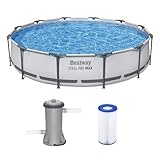
Bestway Steel Pro MAX 12' x 30" Above Ground Swimming Pool Set with Pump | Check Price On Amazon |
|
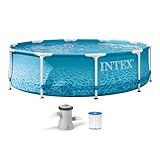
INTEX Beachside Metal Frame 10ft x 30in Round Pool Set w/Pump | Check Price On Amazon |

|
H2OGO! Kids Splash-in-Shade 8-Foot Round Steel Frame Above Ground Pool with Water Mister and Canopy Sunshade, Green Tropical Leaf Print | Check Price On Amazon |
What Makes Cyanuric Acid Essential for Pool Water Balance?
Cyanuric acid creates a protective shield around chlorine molecules through chemical bonding that prevents ultraviolet light from breaking down available chlorine by 80-90% compared to unstabilized water. This stabilization occurs when CYA forms weak bonds with hypochlorous acid (the active sanitizing form of chlorine), creating a reservoir of protected chlorine that releases slowly for continuous sanitization.
According to the National Swimming Pool Foundation’s water chemistry guidelines, pools without adequate CYA levels lose 50-90% of their chlorine within 2-4 hours of direct sunlight exposure. Stabilized pools maintain effective chlorine levels for 5-7 days under identical conditions, reducing chemical costs by 60-75% and eliminating the need for daily chlorine additions during summer months.
Key Specifications for Optimal CYA Levels
- Target Range: 30-50 ppm for residential pools
- Maximum Safe Level: 80 ppm (above this causes chlorine lock)
- Minimum Effective Level: 20 ppm for basic UV protection
- Application Rate: 1.3 ounces per 1,000 gallons raises CYA by 10 ppm
- Dissolution Time: 24-48 hours with proper circulation
- Testing Frequency: Monthly during swimming season
How to Calculate the Correct CYA Amount for Your Pool
Calculate your pool’s cyanuric acid requirement using the formula: (Desired ppm – Current ppm) × Pool gallons ÷ 10,000 × 1.3 = Ounces of CYA needed. For example, raising CYA from 20 ppm to 40 ppm in a 20,000-gallon pool requires (40-20) × 20,000 ÷ 10,000 × 1.3 = 52 ounces of granular cyanuric acid.
Test current CYA levels using a cyanuric acid test kit or turbidity meter for accurate baseline measurements before calculating additions. Digital turbidity meters provide readings within ±2 ppm accuracy, while liquid drop test kits offer ±5 ppm precision for most residential applications.
Pool Volume Calculation Methods
Rectangular pools: Length × Width × Average Depth × 7.5 = Gallons. Round pools: Diameter × Diameter × Average Depth × 5.9 = Gallons.
For irregular shapes, break the pool into geometric sections and calculate each area separately. Kidney-shaped pools require measuring the two circular ends plus the rectangular center section for accurate volume determination. For a quick and accurate calculation, use our pool volume calculator to eliminate manual math.
CYA Dosage Chart by Pool Size
| Pool Size (Gallons) | CYA Increase (10 ppm) | CYA Increase (20 ppm) | CYA Increase (30 ppm) |
| 10,000 | 1.3 oz (37g) | 2.6 oz (74g) | 3.9 oz (111g) |
| 15,000 | 2.0 oz (57g) | 4.0 oz (113g) | 5.9 oz (167g) |
| 20,000 | 2.6 oz (74g) | 5.2 oz (147g) | 7.8 oz (221g) |
| 25,000 | 3.3 oz (94g) | 6.5 oz (184g) | 9.8 oz (278g) |
| 30,000 | 3.9 oz (111g) | 7.8 oz (221g) | 11.7 oz (332g) |
Step-by-Step CYA Application Process
Add granular cyanuric acid directly to the pool skimmer with pump running for optimal dissolution and distribution throughout the circulation system. This method ensures complete mixing while preventing localized high concentrations that can damage pool surfaces or equipment.
Never add CYA to pools with pH above 7.8, as alkaline conditions slow dissolution and can cause the stabilizer to precipitate out of solution. Adjust pH to 7.2-7.6 range using a pH decreaser – our swimming pool pH calculator can help you determine the precise dose – before beginning CYA application.
Preparation Steps
Test current CYA levels using a cyanuric acid test strip or professional test kit. Calculate required CYA amount based on pool volume and target increase.
Ensure pool pump operates continuously during application and for 24 hours afterward to facilitate complete dissolution. Backwash sand or DE filters before application to maximize flow rate and mixing efficiency.

- Intelligent Navigation with Full Coverage: Equipped with 11 high-precision sensors and enhanced dual-path algorithms. The optimized WavePath cleaning pattern ensures systematic coverage with minimal overlap, while adaptive navigation analyzes pool layout in real time to eliminate missed spots
- Dual Filtration for Crystal-Clear Water: Advanced dual-layer filtration system features a replaceable 3-micron ultra-fine filter paired with a 180-micron standard filter. Effectively captures fine dust, sand, leaves, and debris for visibly cleaner and healthier pool water
- Comprehensive Pool Cleaning: Engineered to clean the pool floor, walls, waterline, and shallow areas (above 12 inches). The Caterpillar Treads system enhances mobility and climbing ability, ensuring thorough coverage across all pool zones
- Reliable Performance with 2-Year Warranty: Trusted by over 500,000 pool owners worldwide, this robotic pool cleaner delivers consistent, high-performance results. Built for durability and backed by a 2-year warranty and responsive customer support for worry-free ownership
Application Method
Pour measured granular CYA directly into skimmer basket while pump runs at normal speed. Add slowly over 2-3 minutes to prevent overwhelming the skimmer and ensure steady flow into the circulation system.
Monitor skimmer basket during application to prevent granules from accumulating and blocking water flow. If basket fills with undissolved CYA, stop addition and allow 30 minutes for circulation before continuing.
Post-Application Monitoring
Run circulation system continuously for 48 hours to achieve complete dissolution and uniform distribution. Test CYA levels after 72 hours, as readings before complete dissolution may show artificially low results.
Brush pool walls and floor daily during the dissolution period to prevent granule accumulation in low-circulation areas. Pay special attention to steps, corners, and behind ladders where water movement is minimal.
Cyanuric Acid vs Trichlor Tablets: Which Stabilization Method Works Better?
Granular cyanuric acid provides precise stabilizer control without adding chlorine, allowing independent management of sanitizer and stabilizer levels for optimal water balance. Trichlor tablets add both chlorine and CYA simultaneously at a fixed 55% cyanuric acid ratio, making stabilizer levels difficult to control over time.
According to pool chemistry research, trichlor tablets increase CYA by approximately 6-8 ppm for every 10 ppm of chlorine added, leading to gradual stabilizer buildup that can reach problematic levels within 2-3 months of regular use. Independent CYA addition allows stabilizer levels to remain constant while chlorine can be adjusted based on bather load and environmental conditions.
Granular Cyanuric Acid Advantages
- Precise dosage control: Add exact amounts needed
- No chlorine interference: Won’t affect sanitizer levels
- Cost effective: Pure stabilizer costs 60% less than trichlor equivalent
- Flexible application: Add only when CYA levels drop
- Long shelf life: Stable for 3+ years when stored dry
Trichlor Tablet Considerations
- Automatic stabilizer addition: Convenient but less controllable
- Combined chemistry: Adds both chlorine and CYA together
- Gradual buildup risk: CYA accumulates with each tablet
- Higher cost: Premium pricing for convenience
- pH impact: Lowers pH over time, requiring adjustment
Common CYA Application Mistakes to Avoid
Adding cyanuric acid when pool pH exceeds 7.8 prevents proper dissolution and can create cloudy water conditions that persist for weeks. High pH causes CYA to precipitate as calcium cyanurate, forming white cloudiness that requires partial water replacement to correct.
Overdosing stabilizer above 80 ppm creates chlorine lock conditions where sanitization becomes ineffective regardless of chlorine levels added. This condition requires diluting pool water by 30-50% to reduce CYA concentration to acceptable ranges for proper chlorine function.
Dissolution Problems
Adding entire CYA dose at once can overwhelm the skimmer and create undissolved granule accumulation on pool floor. Split large doses into 2-3 applications spaced 24 hours apart for better dissolution and uniform distribution.
Insufficient circulation during application leaves granules sitting on surfaces where they can bleach vinyl liners or stain plaster finishes. Ensure pump runs continuously and brush areas where granules collect to prevent surface damage.
Testing and Monitoring Errors
Testing CYA levels immediately after application provides inaccurate low readings because dissolution takes 48-72 hours to complete. Wait at least 3 days after final application before conducting definitive CYA tests to verify target levels.
Using chlorine test strips for CYA measurement gives unreliable results with accuracy variations of ±20 ppm or more. Invest in dedicated cyanuric acid test equipment for precise readings essential to proper pool water balance.
Seasonal Application Mistakes
Adding CYA during pool opening without considering residual levels from previous season can create excessive stabilizer concentrations. Test CYA before adding any stabilized chlorine products to establish accurate baseline measurements.
Ignoring CYA loss during winter months leads to insufficient stabilizer protection when swimming season begins. Covered pools lose 10-20% of CYA annually, while uncovered pools may lose 30-50% requiring spring replenishment for proper chlorine protection.
Testing and Maintaining Optimal CYA Levels
Test cyanuric acid levels monthly during swimming season using turbidity-based test methods that measure light scattering through water samples containing CYA. Professional-grade turbidity meters provide accuracy within ±2 ppm, while colorimetric test kits offer sufficient precision for residential pool maintenance.
Maintain CYA levels between 30-50 ppm for optimal chlorine efficiency, testing more frequently during periods of heavy rainfall or when adding large volumes of fresh water. Rain dilution can reduce stabilizer levels by 5-15 ppm per inch of rainfall depending on pool size and water displacement.
Testing Equipment Options
Digital pool water testers with CYA measurement capability provide quick results with minimal user error compared to traditional drop tests. These units typically test chlorine, pH, alkalinity, and cyanuric acid simultaneously for comprehensive water analysis.
Liquid drop test kits specifically designed for CYA measurement use melamine turbidity standards for visual comparison against water samples. Follow kit instructions precisely, as temperature and lighting conditions affect color comparison accuracy.
Seasonal Monitoring Schedule
Test CYA levels every 2 weeks during peak swimming season (June-August) when UV exposure and chlorine demand are highest. Monthly testing suffices during shoulder seasons when pool usage and sun intensity are reduced.
Document CYA levels alongside chlorine, pH, and alkalinity readings to track stabilizer trends and predict when additions may be needed. Pool water balance problems often stem from gradual CYA drift that goes unnoticed without regular monitoring.
CYA Reduction Methods When Levels Get Too High
Reduce excessive cyanuric acid levels above 80 ppm through partial water replacement, as no chemical treatment effectively breaks down CYA in pool water. Calculate replacement percentage using the formula: (Current CYA – Target CYA) ÷ Current CYA × 100 = Percentage of water to replace.
Dilution provides the only practical method for reducing CYA concentrations, with typical reduction requiring 25-50% water replacement depending on initial stabilizer levels. Fresh water contains zero CYA, so replacement percentage directly corresponds to proportional reduction in stabilizer concentration.
Water Replacement Calculations
To reduce CYA from 100 ppm to 50 ppm requires replacing 50% of pool water: (100-50) ÷ 100 = 0.50 or 50% replacement needed. For a 20,000-gallon pool, drain and refill 10,000 gallons to achieve target reduction. To simplify this, our pool dilution calculator helps you determine exact drain and refill volumes for any target reduction.
Partial draining through main drain removes bottom water where CYA concentrations may be highest due to granule settling during application. Alternatively, use submersible pump to remove water from deepest areas before refilling with fresh water.
Gradual Reduction Methods
Reduce CYA gradually through increased splash-out and backwashing to minimize water replacement costs and chemical rebalancing requirements. Encourage swimming activities that promote water displacement, adding fresh water to maintain proper levels.
Monitor CYA reduction progress weekly during active dilution periods, as stabilizer levels decrease proportionally with water replacement. Adjust chlorine dosing as CYA levels drop, since lower stabilizer concentrations require reduced chlorine levels for effective sanitization.
CYA Compatibility with Different Pool Types and Equipment
Vinyl liner pools handle cyanuric acid additions without surface damage when properly dissolved through the circulation system, but undissolved granules can cause bleaching if allowed to settle against liner material. Ensure complete dissolution before allowing CYA contact with vinyl surfaces to prevent permanent discoloration.
Salt water pools require CYA levels between 70-80 ppm for optimal chlorine generator efficiency, higher than traditional chlorine pools due to the continuous chlorine production from salt electrolysis. This elevated stabilizer demand stems from constant UV exposure of generated chlorine requiring enhanced protection for effective sanitization.
Plaster and Aggregate Pool Surfaces
Plaster pools tolerate CYA additions well, but undissolved granules can create temporary staining that requires brushing to remove. New plaster surfaces (less than 30 days) may be more sensitive to chemical additions, so dissolve CYA completely before application to fresh plaster finishes.
Aggregate finishes like pebble or quartz surfaces provide better circulation around undissolved granules, reducing staining risk compared to smooth plaster. However, maintain proper circulation and brushing during dissolution to prevent granule accumulation in surface depressions.
Pool Equipment Considerations
Sand and cartridge filters handle dissolved CYA without issue, but undissolved granules can clog cartridge pleats or create sand bed channeling. Backwash sand filters and rinse cartridge filters immediately after complete CYA dissolution to remove any residual particles.
Automatic chemical feeders cannot accommodate granular cyanuric acid due to particle size and dissolution requirements. Add CYA directly to circulation system through skimmer rather than attempting to use automated feeding equipment.
Seasonal CYA Management and Planning
Plan cyanuric acid additions during pool opening procedures to establish proper stabilizer levels before summer UV exposure begins. Test residual CYA from previous season and add sufficient stabilizer to reach 30-50 ppm target range for optimal chlorine protection.
Winter CYA loss varies by climate and pool cover usage, with covered pools retaining 80-90% of stabilizer levels while uncovered pools may lose 50-70% through dilution and degradation. Factor seasonal loss into spring chemical planning to avoid under-stabilized conditions during early swimming season.
Spring Startup Protocol
Test CYA levels before adding any chlorine products during pool opening to establish accurate baseline measurements. Calculate required stabilizer additions based on target levels and current readings, adding CYA before beginning regular chlorine treatment protocols.
Allow 72 hours for complete CYA dissolution and distribution before conducting water balance testing and chlorine demand calculations. Incomplete stabilizer dissolution can affect pH readings and chlorine effectiveness during initial startup procedures.
Fall Preparation Considerations
Maintain CYA levels during pool winterization to provide residual chlorine protection for winter water treatment chemicals. Stabilizer helps maintain shock effectiveness and algae prevention during extended closure periods.
Avoid adding fresh CYA during fall closing procedures, as stabilizer provides minimal benefit during winter months and may accumulate to excessive levels by spring opening. Focus winter chemical additions on pH balance, alkalinity, and sanitizer systems rather than stabilizer supplementation.
The Science Behind CYA and Chlorine Interaction
Cyanuric acid forms reversible chemical bonds with hypochlorous acid (HOCl) and hypochlorite ions (OCl⁻) through weak hydrogen bonding that creates a stabilized chlorine reservoir protected from UV photolysis. This molecular protection occurs when CYA acts as a complexing agent, temporarily binding chlorine molecules while allowing gradual release for sanitization activity.
According to pool chemistry research published by the National Swimming Pool Foundation, stabilized chlorine maintains 85-95% of its initial concentration after 6 hours of direct sunlight exposure, compared to 10-20% retention for unstabilized chlorine under identical conditions. This protection mechanism enables continuous sanitization without constant chlorine addition during daylight hours.
Molecular Protection Mechanisms
UV radiation at 290-320 nanometer wavelength breaks chlorine-oxygen bonds in hypochlorous acid, converting active sanitizer to inactive chloride ions and oxygen gas. CYA molecules absorb UV energy and transfer it harmlessly as heat, preventing photochemical breakdown of bound chlorine compounds.
The equilibrium between bound and free chlorine depends on CYA concentration, pH, and temperature, with optimal balance occurring at 30-50 ppm stabilizer levels in pH range 7.2-7.6. Higher CYA concentrations shift equilibrium toward bound chlorine, reducing immediate sanitizing activity while providing extended protection.
Chlorine Effectiveness Factors
Stabilized pools require higher total chlorine levels to maintain equivalent sanitizing activity compared to unstabilized water, with effectiveness ratios varying from 1.5:1 at 30 ppm CYA to 3:1 at 80 ppm CYA. This relationship means pools with 50 ppm stabilizer need 3-5 ppm total chlorine to equal 2 ppm free chlorine effectiveness in unstabilized water.
Temperature affects CYA-chlorine binding strength, with warmer water increasing chlorine release rates and improving sanitization speed. Pool water at 85°F (29°C) provides 25-30% faster chlorine activity than 75°F (24°C) water at identical CYA and pH levels.
Troubleshooting CYA-Related Pool Problems
Cloudy water after CYA addition typically indicates incomplete dissolution due to high pH conditions or insufficient circulation during application. Test pH levels and reduce to 7.2-7.4 range using sodium bisulfate, then increase circulation time to 24-48 hours for complete stabilizer dissolution.
Chlorine lock conditions develop when CYA levels exceed 80-100 ppm, creating excessive chlorine binding that prevents effective sanitization regardless of chlorine additions. This problem requires partial water replacement to reduce stabilizer concentration to workable levels below 60 ppm for normal chlorine function.
Dissolution Issues
Undissolved CYA granules settling on pool surfaces indicate inadequate circulation or oversized single-dose applications that overwhelm the dissolution capacity. Stop further additions, increase pump run time to continuous operation, and brush affected areas twice daily until granules completely dissolve.
White precipitate formation suggests cyanurate precipitation due to high pH or calcium levels exceeding water’s carrying capacity. Test calcium hardness and reduce if above 400 ppm using partial water replacement or sequestering agents designed for calcium control.
Ineffective Chlorination Problems
Persistent algae growth despite adequate chlorine readings often indicates excessive CYA levels interfering with sanitizer effectiveness. Test stabilizer levels using accurate turbidity methods and reduce CYA to 30-50 ppm range through water dilution if readings exceed 80 ppm.
Rapid chlorine loss during daylight hours in stabilized pools suggests CYA degradation or dilution from heavy rainfall or splash-out. Retest stabilizer levels and restore to target range, as inadequate stabilizer protection causes exponential chlorine consumption during UV exposure.
Equipment-Related CYA Problems
Filter clogging after CYA additions indicates undissolved particles entering the filtration system due to improper application methods or insufficient pre-dissolution. Backwash sand filters immediately and replace cartridge elements if flow restriction persists after cleaning attempts.
Feeder equipment malfunction when using stabilized chlorine products may result from CYA buildup in erosion chambers or control valves. Clean feeder components monthly and consider switching to unstabilized chlorine with separate CYA management for automated systems.
Frequently Asked Questions About Adding CYA to Your Pool
How long does it take for cyanuric acid to dissolve completely in pool water?
Quick Answer: Granular cyanuric acid dissolves completely within 24-48 hours with proper circulation, requiring continuous pump operation and regular brushing of undissolved granules during the dissolution period.
Complete CYA dissolution depends on water temperature, pH level, and circulation rate, with warmer water and neutral pH accelerating the process. Cold water below 60°F can extend dissolution time to 72 hours, while water above 80°F may achieve complete dissolution in 18-24 hours with adequate circulation.
Test CYA levels 72 hours after application to verify complete dissolution and accurate stabilizer readings. Testing earlier may show artificially low results due to undissolved granules not yet contributing to measured stabilizer levels.
Can I add cyanuric acid directly to the pool water instead of using the skimmer?
Quick Answer: Adding CYA directly to pool water creates localized high concentrations that can damage surfaces and prevents proper mixing, making skimmer addition with pump circulation the preferred method for even distribution.
Direct addition to pool water allows granules to settle on surfaces where they can bleach vinyl liners or stain plaster finishes before dissolving. The skimmer method ensures immediate circulation and mixing while preventing surface contact damage.
Pre-dissolving CYA in a bucket of warm water creates a concentrated solution that can be poured into multiple locations for better distribution. However, this method requires careful pH management as concentrated CYA solutions can temporarily affect water balance.
What happens if I accidentally add too much cyanuric acid to my pool?
Quick Answer: Excessive CYA above 80 ppm creates chlorine lock requiring partial water replacement of 25-50% to restore proper chlorine effectiveness, as no chemical treatment can reduce stabilizer levels.
Calculate required water replacement using the formula: (Current CYA – Target CYA) ÷ Current CYA = Percentage replacement needed. For example, reducing CYA from 120 ppm to 50 ppm requires replacing 58% of pool water.
Monitor chlorine demand carefully during CYA reduction, as lower stabilizer levels require proportionally less chlorine for effective sanitization. Adjust chemical feed systems to prevent chlorine overdosing as stabilizer concentration decreases.
Should I add cyanuric acid before or after balancing other pool chemicals?
Quick Answer: Add CYA after adjusting pH to 7.2-7.6 range but before final chlorine balancing, as stabilizer levels affect chlorine demand calculations and sanitizer effectiveness requirements.
Proper sequence follows: pH adjustment first, then alkalinity if needed, followed by CYA addition, calcium hardness correction if required, and finally chlorine balancing based on stabilizer levels. This order prevents chemical interactions that can cause precipitation or ineffective dissolution.
Allow 48-72 hours between CYA addition and final water balance testing to ensure complete dissolution and accurate chemical readings. Premature testing leads to incorrect chemical dose calculations and potential water balance problems.
How often should I test cyanuric acid levels in my pool?
Quick Answer: Test CYA levels monthly during swimming season and after heavy rainfall or large water additions, as stabilizer changes slowly compared to chlorine and pH but significantly affects sanitization effectiveness.
Professional pool services typically test CYA every 4-6 weeks during peak season, while residential pool owners should test monthly using reliable test equipment for accurate readings. More frequent testing becomes necessary during periods of heavy pool usage or weather extremes.
Document CYA readings alongside other water chemistry parameters to track long-term trends and predict when stabilizer additions may be needed. Gradual CYA loss through splash-out and dilution occurs continuously but slowly over time.
Can I use liquid cyanuric acid instead of granular powder?
Quick Answer: Liquid cyanuric acid provides faster dissolution and easier application but costs 2-3 times more than granular forms while offering no performance advantage for residential pool applications.
Liquid CYA eliminates dissolution time concerns and reduces application complexity, making it suitable for commercial pools requiring rapid stabilizer adjustments. However, the concentrated liquid form requires careful handling and dilution to prevent localized high concentrations.
Granular CYA offers better value and shelf stability for residential use, with proper application through skimmer circulation providing reliable results at lower cost. Reserve liquid forms for situations requiring immediate stabilizer response or when dissolution time constraints exist.
Does cyanuric acid affect other pool chemicals or equipment?
Quick Answer: CYA interacts primarily with chlorine compounds and has minimal direct effects on other pool chemicals, but high levels can interfere with shock treatments and affect pH readings during application.
Calcium-based shock products may precipitate in high CYA conditions, creating cloudy water that requires filtration or flocculant treatment to clear. Use sodium-based shock alternatives in pools with CYA levels above 60 ppm to avoid precipitation issues.
Pool equipment tolerates normal CYA levels without problems, but undissolved granules can clog cartridge filters or damage pump impellers if circulation occurs before complete dissolution. Ensure full dissolution before normal equipment operation resumes.
Why does my pool still lose chlorine quickly even with proper CYA levels?
Quick Answer: Rapid chlorine loss despite adequate CYA levels indicates high bather load, organic contamination, or equipment problems rather than stabilizer deficiency, requiring chlorine demand testing and system evaluation.
High organic load from leaves, pollen, or heavy swimming creates chlorine demand that exceeds normal consumption even with proper stabilization. Shock treatment and increased filtration help eliminate organic chlorine demand to restore normal consumption rates.
Equipment problems like circulation dead spots, inadequate filtration, or feeder malfunction can cause uneven chlorine distribution despite proper CYA levels. Evaluate circulation patterns and equipment operation to ensure effective chemical distribution throughout the pool system.
Can I add cyanuric acid during winter pool maintenance?
Quick Answer: Adding CYA during winter closure provides minimal benefit and may accumulate to excessive levels by spring, making fall stabilizer additions unnecessary for most winterization protocols.
Winter water treatment focuses on algae prevention and pH stability rather than UV protection, as reduced sunlight eliminates the primary need for chlorine stabilization. Existing CYA levels typically provide adequate protection for winter shock treatments and algae control.
Spring startup procedures should include CYA testing before adding stabilized chlorine products, as winter loss varies by climate and cover usage. Plan stabilizer additions based on actual spring readings rather than assuming winter depletion.
How does rain affect cyanuric acid levels in my pool?
Quick Answer: Rainfall dilutes CYA levels proportionally to water displacement, with each inch of rain reducing stabilizer concentration by 5-15 ppm depending on pool size and overflow characteristics.
Heavy storms can displace significant pool water volume, requiring CYA testing and potential restoration after major weather events. Covered pools experience less dilution but still lose stabilizer through splash-out and backwash dilution during heavy rainfall periods.
Monitor stabilizer levels more frequently during rainy seasons, testing after storms that cause visible water level changes. Restore CYA to target ranges promptly, as insufficient stabilizer protection during summer storms can lead to rapid chlorine depletion.
What’s the difference between cyanuric acid and stabilizer conditioner products?
Quick Answer: Pure cyanuric acid and stabilizer-conditioner products contain identical active ingredients, but conditioner blends may include pH buffers or clarifiers that affect application methods and dissolution rates.
Generic stabilizer-conditioner products typically contain 95-98% cyanuric acid with small amounts of sodium carbonate or clarifying agents to improve handling characteristics. These additives rarely affect performance but may influence pH during dissolution.
Pure cyanuric acid offers the most precise control over stabilizer additions without introducing secondary chemicals that might affect water balance. Choose based on available products and specific pool chemistry requirements rather than marketing claims about enhanced performance.
Should I drain my pool if cyanuric acid levels get extremely high?
Quick Answer: Partial drain and refill of 30-60% effectively reduces excessive CYA levels without complete water replacement, saving chemicals and time while restoring proper chlorine effectiveness.
Complete draining becomes necessary only when CYA exceeds 150-200 ppm or when multiple chemical imbalances require starting fresh. Most high stabilizer situations respond well to partial water replacement calculated to achieve target CYA reduction.
Consider professional consultation for CYA levels above 120 ppm, as water replacement calculations and chemical rebalancing require careful planning to avoid creating new problems while solving stabilizer issues.
Cyanuric acid provides essential chlorine protection for outdoor pools through precise 30-50 ppm stabilizer levels that extend sanitizer effectiveness by 3-5 times while preventing UV degradation. Proper application through skimmer circulation with continuous pump operation ensures complete dissolution within 48 hours, creating stable water chemistry that reduces chlorine consumption by 60-75% during summer months.
Monitor CYA levels monthly using accurate test equipment and maintain proper balance with other water chemistry parameters for optimal swimming conditions. Start with conservative stabilizer additions based on accurate pool volume calculations, as excessive levels require costly water replacement to correct while insufficient stabilizer protection leads to rapid chlorine loss and increased chemical costs.
| Photo | Best Above-Ground Pools | Price |
|---|---|---|
|
|
Bestway Steel Pro MAX 12' x 30" Above Ground Swimming Pool Set with Pump | Check Price On Amazon |
|
|
INTEX Beachside Metal Frame 10ft x 30in Round Pool Set w/Pump | Check Price On Amazon |
|
|
H2OGO! Kids Splash-in-Shade 8-Foot Round Steel Frame Above Ground Pool with Water Mister and Canopy Sunshade, Green Tropical Leaf Print | Check Price On Amazon |