
Ducks paddling in your pool at dawn. Frogs croaking from the skimmer. Raccoon droppings on the pool deck. These are not rare accidents—they are predictable results of leaving open water untreated in the middle of animal territories. Keeping wildlife out of your pool is not about cruelty; it is about protecting your family’s health and your pool equipment from damage that can cost hundreds of dollars to repair.
A single duck can deposit up to 1 lb of droppings per day in your water. That waste raises phosphate levels, feeds algae blooms, and introduces E. coli and salmonella bacteria. Frog eggs clog skimmer baskets and pumps. Raccoons and other mammals can tear pool covers and leave droppings that carry roundworm (Baylisascaris procyonis), a parasite dangerous to humans. The pool is not a pond, and making it unattractive to wildlife is a non-negotiable part of pool maintenance.
| Photo | Best Above-Ground Pools | Price |
|---|---|---|
|
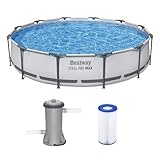
Bestway Steel Pro MAX 12' x 30" Above Ground Swimming Pool Set with Pump | Check Price On Amazon |
|
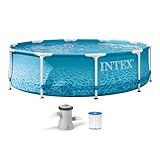
INTEX Beachside Metal Frame 10ft x 30in Round Pool Set w/Pump | Check Price On Amazon |

|
H2OGO! Kids Splash-in-Shade 8-Foot Round Steel Frame Above Ground Pool with Water Mister and Canopy Sunshade, Green Tropical Leaf Print | Check Price On Amazon |
By the Numbers
Pool Animal Intrusion — What the Data Shows
Sources: CDC, PHTA, pool industry field data
Why Ducks, Frogs, and Animals Choose Your Pool
Open water in a suburban or rural environment functions as an oasis. A pool provides a reliable drinking source, a safe place to float, and a breeding ground free of many natural predators. Ducks mistake a rectangular pool for a pond, frogs seek still water for egg-laying, and mammals use the water as a nighttime watering hole.
Warm pool water above 80°F accelerates frog and insect reproduction cycles. Pool lights attract insects at night, which in turn draw frogs, bats, and other insectivores. Floating debris, left-out pool toys, and pool covers that sag and trap rainwater create additional nesting and perching spots.

- Intelligent Navigation with Full Coverage: Equipped with 11 high-precision sensors and enhanced dual-path algorithms. The optimized WavePath cleaning pattern ensures systematic coverage with minimal overlap, while adaptive navigation analyzes pool layout in real time to eliminate missed spots
- Dual Filtration for Crystal-Clear Water: Advanced dual-layer filtration system features a replaceable 3-micron ultra-fine filter paired with a 180-micron standard filter. Effectively captures fine dust, sand, leaves, and debris for visibly cleaner and healthier pool water
- Comprehensive Pool Cleaning: Engineered to clean the pool floor, walls, waterline, and shallow areas (above 12 inches). The Caterpillar Treads system enhances mobility and climbing ability, ensuring thorough coverage across all pool zones
- Reliable Performance with 2-Year Warranty: Trusted by over 500,000 pool owners worldwide, this robotic pool cleaner delivers consistent, high-performance results. Built for durability and backed by a 2-year warranty and responsive customer support for worry-free ownership
The Real Dangers of Animals in Your Pool
Animal waste introduces ammonia and phosphates directly into the water. Ammonia combines with free chlorine to form chloramines, the source of that sharp “chlorine smell” that actually signals poor water quality. Chloramines are 60–80 times less effective as sanitizers than free chlorine, leaving your pool vulnerable to bacteria and algae.
Phosphate levels above 500 ppb fuel algae blooms that standard chlorine levels cannot control. Removing phosphates requires dedicated phosphate remover products and often a clarifier to clear the dead algae cells afterward. Meanwhile, frog eggs and larvae clog skimmer lines, reducing circulation flow rates by 30–50% in a single night.
How to Keep Ducks Out of Your Pool: 5 Proven Methods
1. Remove Food Sources and Nesting Spots
Ducks visit pools that offer breakfast. Insects, larvae, and even grass clippings floating on the water surface are food. Skim the surface twice a day during duck season. Keep the grass around the pool trimmed below 3 inches to reduce cover and insect habitat.
Remove pool floats, loungers, and toys from the water at night. A solar cover left loosely on the pool can trap a duck that lands and cannot take off. Use a properly tensioned safety cover or a solar cover on a reel that you remove completely when not swimming.
2. Install Visual and Movement Deterrents
Predator decoys work when moved every 48–72 hours. Ducks become habituated to stationary objects within days. A floating alligator decoy with a slight anchor that lets it drift in the wind reduces duck landings by 60–70% according to field reports from pool service companies.
Reflective tape, holographic scare rods, and motion-activated sprinklers trigger flight responses. A motion-activated sprinkler set to cover the pool approach path sprays a sudden jet of water when an animal crosses its infrared sensor. Ducks, raccoons, and deer rarely return after two or three startles.
3. Change the Pool Surface Appearance
Ducks land on water that looks calm and reflective. Circulating the water surface aggressively during non-swimming hours makes landing difficult. Run your pool pump at 3,000–3,450 RPM for two hours at dawn and dusk. The surface turbulence breaks up the reflection ducks use for navigation.
Floating pool covers that sit directly on the water surface eliminate the open-water visual cue entirely. A dark-colored cover absorbs light and looks like solid ground from the air. The solid safety cover prevents all access when the pool is closed for the season.
4. Use Sound Deterrents Selectively
Ultrasonic pest repellers have mixed results with ducks. Sonic devices that play predator calls (hawk, fox) at irregular intervals are more effective. Place the speaker on the pool deck facing the backyard, not toward neighbors. Set the volume so the sound is audible within 50 feet.
A portable radio left on a talk-radio station near the pool at night reduces mammal visits. Raccoons and deer interpret human voices as a potential threat and avoid the area. Change the station every few nights to prevent desensitization.
5. Modify the Pool Deck Environment
Ducks prefer to approach water from flat, open ground with a clear flight path. Planting tall ornamental grasses or installing posts with bird deterrent spikes around the pool edge disrupt the glide path. A 3-foot fence of black bird netting around the pool perimeter stops ducks from walking in from the lawn.
For a more permanent solution, a retractable pool fence with mesh panels at least 4 feet high stops ground-level entry by ducks, turtles, and small mammals while meeting child-safety code requirements. If you are budgeting for this type of installation, you can get a detailed estimate with our pool fence cost calculator to understand the investment required for your specific yard layout.
How to Keep Frogs Out of Your Pool and Stop Them from Breeding
Why Frogs Enter Pools and How They Find the Water
Frogs navigate to pools using three senses: the reflection of moonlight on water, the humidity gradient near the water surface, and the sound of pool pump vibrations that mimic the hum of insect congregations. A pool skimmer running at night creates a low-frequency hum that travels through the ground and attracts frogs from up to 200 yards away.
Once a frog enters the pool, it cannot climb the smooth vertical tile at the waterline to escape. It exhausts itself swimming in circles and drowns within hours if not rescued. The FrogLog is a floating platform with a mesh ramp that gives trapped frogs a way to climb out. Pool service data shows a 70% reduction in dead frog pickups when these are placed in the skimmer end of the pool.
Breaking the Breeding Cycle
A single female frog can deposit 10,000–30,000 eggs in a single night. The egg masses look like clear jelly with dark dots and float just below the surface near the waterline. Remove any egg mass you see immediately with a fine-mesh leaf skimmer. Dispose of the eggs in a sealed plastic bag placed in the trash, not the garden—some frog eggs can survive out of water for hours.
Eliminate any standing water within 50 feet of the pool. Empty plant saucers, bird baths, overturned garbage can lids, and clogged gutters. These are frog nurseries. A yard free of standing water pushes frog breeding activity entirely off your property.
Keeping Other Animals Out: Snakes, Raccoons, Deer, and More
Snakes and Turtles
Snakes enter pools to drink, to hunt frogs, and to cool down in hot weather. A snake cannot climb smooth vertical tile. It gets trapped and drowns or hides in the skimmer box. Install a skimmer escape ramp that gives snakes and rodents a textured path to climb out of the skimmer basket compartment. Check skimmer lids twice a day during snake season.
A pool fence with a solid bottom rail installed flush to the deck stops snakes from sliding underneath. Keep mulch, firewood stacks, and rock piles at least 20 feet from the pool edge. These are snake hiding spots that bring them to the pool zone.
Raccoons, Opossums, and Other Nocturnal Mammals
Raccoons defecate in pools as a defensive behavior and to mark territory. Their droppings are the primary vector for Baylisascaris procyonis, a roundworm whose eggs remain infectious in pool water for years. Standard chlorine levels of 2–4 ppm do not reliably kill roundworm eggs. You must remove any raccoon droppings wearing gloves and a mask, then scrub the area with a 10% bleach solution.
Motion-activated lights with a strobe setting deter raccoons effectively. Install two floodlights on opposite corners of the pool area, set to turn on at motion detection between dusk and dawn. Raccoons that encounter sudden bright light paired with the sound of a ultrasonic repeller rarely return.
Deer and Large Mammals
Deer enter pools to drink and can shred a solar cover with their hooves. A single deer can tear a $150 cover beyond repair in one night. Physical exclusion with a 6-foot deer fence around the entire yard is the only guaranteed long-term solution. For budget-conscious pool owners, a combination of motion sprinklers and scent deterrents applied weekly reduces deer visits by 50–60%.
Physical Barriers and Pool Covers: The Most Reliable Defense
A correctly installed safety cover keeps out every animal. Mesh safety covers rated to ASTM F1346-91 let rainwater drain through while preventing animal entry. Solid covers require a submersible cover pump to remove standing water; otherwise they become a drowning hazard for small animals and a mosquito breeding ground. Learn more about mosquito prevention around the pool in our guide on keeping mosquitoes out of your pool.
Automatic pool covers offer daily convenience. They open and close with a key switch and form a barrier that supports the weight of a large dog. Installed cost runs $8,000–$15,000. For an inground pool used daily, the time saving and animal exclusion justify the investment over a 10-year lifespan. To compare expenses with other protective options, you can also check our pool cover cost calculator for a detailed breakdown of different cover types and their long-term value.
Chemical and Natural Repellents: What Works Without Harming Your Pool
Do not pour commercial animal repellents directly into pool water. Most contain capsaicin, ammonia, or predator urine that will throw your water chemistry into chaos. Capsaicin adds organic load that consumes chlorine, and predator urine elevates phosphate levels above 1,000 ppb within hours. Apply perimeter repellents on the ground around the pool deck only.
Diatomaceous earth (food grade) dusted around the pool coping deters ants, earwigs, and other insects that attract frogs. It works by abrading insect exoskeletons and is harmless to pool water chemistry if trace amounts blow in. Reapply after rain. Scent-based repellents such as peppermint oil sprayed on cotton balls placed in mesh bags around the pool deck repulse rodents for 5–7 days per application.
Step-by-Step Guide to Animal-Proof Your Pool
Step-by-Step Guide
How to Animal-Proof Your Pool in One Weekend
6 steps · Estimated total time: 4–6 hours
Remove all food and shelter attractants
Skim the surface, remove pool toys, cut grass short around the pool perimeter, and empty standing water from yard containers.
Install escape ramps in skimmer and pool water
Place a FrogLog in the water and a textured ramp inside each skimmer box so trapped animals can exit.
Set up motion deterrents
Install motion-activated sprinklers at pool approach paths and predator decoys in the water that you reposition every 2–3 days.
Increase surface water movement at dawn and dusk
Program your variable-speed pump to run at 3,000+ RPM for 2 hours starting 30 minutes before sunrise and 30 minutes before sunset.
Apply perimeter repellents
Dust food-grade diatomaceous earth along the coping and spray peppermint oil on cotton balls placed in mesh bags around the deck. Reapply weekly.
Use a pool cover when the pool is not in use
Cover the pool with a solid safety cover or automatic cover at night. This single action stops 80% of animal intrusions.
Seasonal Timing: When Animal Intrusions Peak
Animal activity follows seasonal breeding and migration patterns. Ducks and geese are most active in spring (March through May) during northward migration, and again in fall (September through November) as they move south. Frogs are most active May through August when water temperatures reach 78–85°F. Raccoon activity peaks in June and July when mothers teach juveniles to forage.
Adjust your deterrent strategy by month. For a complete pool opening checklist that includes animal-proofing steps when you open for spring, see our spring pool opening checklist. When winterizing, proper cover securing is essential; follow our complete pool winterization guide to prevent animals from nesting under loose winter covers.
Myths About Animal Deterrents Debunked
Myth vs Fact
Animal Deterrents — Common Myths Debunked
Separating fact from fiction on the most common pool animal deterrent misconceptions
✗ Myth
Ultrasonic pest repellers keep all animals away from the pool.
✓ Fact
Ultrasonics have zero effect on ducks and frogs. They may irritate raccoons for a few days, but habituation occurs within a week. Visual and water-surface deterrents are far more reliable.
✗ Myth
A floating alligator decoy will keep ducks away permanently.
✓ Fact
Ducks recognize stationary objects as non-threats within 48–72 hours. Move the decoy to a different location every 2 days and alternate with other deterrents such as reflective tape or motion sprinklers for sustained effectiveness.
✗ Myth
Harsh chemicals like bleach or ammonia will keep animals out of the pool.
✓ Fact
Adding household bleach directly to pool water creates hazardous disinfection byproducts and does not repel wildlife. Apply repellents only on the deck surface, never in the water. Any substance that changes water chemistry, including predator urine mixtures, can spike phosphates or consume free chlorine.
✗ Myth
Frogs only enter pools if the water is dirty.
✓ Fact
Frogs are attracted to any calm water surface, regardless of chemical balance. A pool with perfect 2–4 ppm free chlorine and pH 7.4 can still fill with frogs in one night. Surface agitation and physical barriers are the only reliable preventions.
✗ Myth
A pool fence will keep all animals out.
✓ Fact
A 4-foot fence stops ground-level entry by mammals but does nothing against ducks flying in or frogs hopping through fence gaps. Ducks land directly on the water surface, and frogs can squeeze through mesh openings as small as 1/2 inch. Combine fences with covers and surface agitation for full protection.
Before You Buy: Pool Animal Deterrent Checklist
Buying Guide
Before You Buy Animal Deterrent Products — Checklist
Check off each point before making your decision.
Can I Use a Pool Safety Cover to Keep Animals Out Year-Round?
Yes. A properly tensioned safety cover prevents all animal entry. Mesh covers allow water drainage, solid covers require a cover pump. Both must be anchored at least every 3 feet along the deck. For daily use, an automatic pool cover provides the same barrier with push-button convenience.
The cover pays for itself over time by reducing chemical consumption from organic contaminants and preventing equipment damage. A frog-damaged pump repair costs $300–$800. A raccoon-damaged winter cover replacement costs $400–$1,200. The cover eliminates these costs while keeping the pool clean.
What Is the Difference Between a FrogLog and a Skimmer Ramp?
A FrogLog is a floating platform with a fabric ramp that sits in the pool water, allowing trapped animals to climb out of the main pool. A skimmer ramp is a textured plastic insert placed inside the skimmer basket housing, giving animals a path to exit the skimmer box. You need both for full escape coverage.
The FrogLog handles frogs, mice, and small snakes in the open water. The skimmer ramp handles anything that gets sucked into the skimmer compartment. Together they reduce dead animal recovery by over 80%.
Why Does My Pool Still Attract Frogs Even When Water Chemistry Is Perfect?
Frogs are indifferent to chlorine levels below 10 ppm. They are drawn to water reflection, humidity, and the sound of pool equipment, not water quality. Even a pool with 5 ppm free chlorine and perfect pH will attract frogs if the surface is calm and the pump hum is audible at night.
Fix this by agitating the water surface aggressively during frog season and placing escape ramps. Run a water fountain or adjust return jets to ripple the surface. The noise and motion break the reflection frogs follow.
How Often Should I Move Predator Decoys to Keep Ducks Away?
Reposition floating alligator or snake decoys every 2–3 days. Move them to different sections of the pool and vary their orientation. Rotate in a heron decoy or a scare owl on the pool deck weekly so ducks encounter unpredictable threat patterns.
Pair decoys with reflective flash tape or holographic scare rods around the pool perimeter. When ducks see both a moving predator shape and flashing light, the threat signal is consistent enough to prevent habituation for the full migration season.
Are Motion-Activated Sprinklers Safe for Use Around Pool Equipment?
Motion sprinklers spray a high-pressure jet of water up to 35 feet. Position them at least 10 feet from pool equipment pads so overspray does not soak electrical connections or timers. Direct the sensor toward the lawn approach, not the pool deck, to avoid triggering when people walk by.
For pool-side paths, use a model with adjustable detection range and sensitivity. The Orbit Yard Enforcer allows you to narrow the field to a 30-degree arc, preventing false triggers from wind-blown pool toys.
Can Raccoon Roundworm Eggs Survive Chlorine in a Pool?
Baylisascaris procyonis eggs are highly resistant to chlorine. Standard pool chlorine levels of 2–4 ppm do not reliably kill them. CDC guidelines recommend removing raccoon feces from the pool area immediately while wearing gloves and a mask, then scrubbing the affected surfaces with a 10% bleach solution.
If feces are found floating in the water, close the pool to swimmers, remove the material with a net, and superchlorinate to 20 ppm free chlorine for 12–24 hours before retesting. Backwash the filter thoroughly afterward. The egg outer shell can survive months in soil; preventing raccoons from entering the pool area is the only guarantee. To ensure you are adding the correct amount of sanitizer for superchlorination, you can use our pool shock calculator to determine the precise dose needed based on your pool volume.
Will a Pool Cover Also Help with Energy Savings and Chemical Use?
A solid cover reduces evaporation by up to 95%, cutting chemical consumption and heating costs. Lower humidity near the pool also reduces frog attraction, as the humidity gradient that draws them is minimized. Using a cover at night when animal activity peaks is a compound-benefit strategy: exclusion plus energy and chemical savings.
For a comprehensive guide on daily and seasonal maintenance routines that include cover usage, refer to our pool maintenance schedule: daily, weekly, and monthly checklist. Combined with the animal deterrent steps above, you maintain a clean, safe pool with minimal wildlife interference.
How Do I Keep Mosquitoes Out of the Pool While Controlling Other Animals?
Standing water on sagging covers breeds mosquitoes. Keep covers pumped dry and ensure tight anchoring. The same motion-activated sprinklers that deter raccoons also disrupt mosquito resting sites. Additionally, following the steps in our guide on how to keep mosquitoes out of your pool creates an integrated pest management plan.
Mosquitoes and frogs share standing water habitats. Eliminating standing water within 50 feet of the pool controls both problems at once. If you manage mosquito breeding grounds, frog populations that feed on adult mosquitoes decline naturally.
What Should I Do If I Find a Dead Animal in the Pool?
Remove the carcass immediately using a net and dispose of it in a sealed plastic bag in the outdoor trash. Do not bury it near the pool. Shock the pool to 20 ppm free chlorine and run the pump for 24 hours to oxidize any organic contamination. Clean or backwash the filter afterward.
Test phosphates 48 hours after the incident. A decomposing animal can release a phosphate spike of 1,000+ ppb, which triggers algae blooms if left unaddressed. Treat with a phosphate remover if the level exceeds 500 ppb.
Is It Safe to Let My Dog Swim in the Pool After Using Animal Repellents Around the Deck?
Use only repellents labeled as pet-safe after drying. Diatomaceous earth food grade and peppermint oil are inert once the oil dries and the powder settles. Avoid capsaicin sprays and predator urine granules that can irritate paws and eyes. After applying any perimeter treatment, wait 2 hours before allowing pets on the deck, and rinse the treated area with water before swimming if there is any chance of runoff into the pool.
Can I Just Use a Higher Chlorine Level to Repel Animals?
Raising chlorine above 10 ppm temporarily may irritate amphibians but damages pool equipment and swimmer skin. Frogs will still enter the water; they simply die faster. Sustained high chlorine degrades vinyl liners, corrodes heater heat exchangers, and bleaches pool surfaces. Maintain the standard 2–4 ppm range and rely on physical deterrents instead.
Do Pool Alarms Help Deter Animals?
Subsurface pool alarms that detect wave disturbances can trigger a loud siren when a large animal falls in. This may startle deer or large mammals and alert you to remove them. However, the alarm does not prevent entry and is no substitute for a cover. It is most useful as an early-warning system when the pool is uncovered overnight.
Pool animal intrusions waste time, money, and peace of mind. Combining surface agitation, escape ramps, perimeter repellents, and a quality pool cover stops the problem at multiple points. A single weekend investment in these measures keeps your pool water safer, your equipment running longer, and your backyard enjoyable for the humans it was built for.
| Photo | Best Above-Ground Pools | Price |
|---|---|---|
|
|
Bestway Steel Pro MAX 12' x 30" Above Ground Swimming Pool Set with Pump | Check Price On Amazon |
|
|
INTEX Beachside Metal Frame 10ft x 30in Round Pool Set w/Pump | Check Price On Amazon |
|
|
H2OGO! Kids Splash-in-Shade 8-Foot Round Steel Frame Above Ground Pool with Water Mister and Canopy Sunshade, Green Tropical Leaf Print | Check Price On Amazon |