Pool heater error codes provide immediate diagnostic information when your heating system malfunctions, with common codes like FL indicating flow issues, PS signaling pressure switch problems, and IG pointing to ignition failures. These alphanumeric displays save hours of troubleshooting by pinpointing specific component failures rather than forcing you to check every system manually. Understanding what each code means and how to respond can prevent minor issues from becoming expensive repairs while keeping your pool at the perfect temperature year-round.
Modern pool heaters monitor dozens of safety parameters continuously, generating specific error codes when conditions fall outside normal operating ranges. This diagnostic system protects both the heater and your pool while providing clear guidance for repairs.
| Photo | Best Above-Ground Pools | Price |
|---|---|---|
|
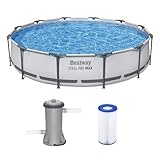
Bestway Steel Pro MAX 12' x 30" Above Ground Swimming Pool Set with Pump | Durable Round Metal Frame Outdoor Backyard Pool, Puncture-Resistant Liner - Type III A/C Filter Cartridge Included, Gray | Check Price On Amazon |
|
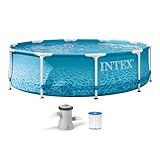
INTEX 28207EH 10ft X 30in Beachside Metal Frame Above Ground Swimming Pool Set, Includes 330 GPH Cartridge Filter Pump, Puncture-Resistant Material, Rust Resistant, 1185 Gallon Capacity | Check Price On Amazon |

|
H2OGO! Kids Splash-in-Shade 8-Foot Round Steel Frame Above Ground Pool with Water Mister and Canopy Sunshade, Green Tropical Leaf Print | Check Price On Amazon |
What Are Pool Heater Error Codes and Why Do They Matter?
Pool heater error codes are standardized diagnostic messages displayed on your heater’s control panel when the system detects operational problems or safety concerns. These two or three-character codes correspond to specific sensors, switches, or components that have triggered protective shutdowns to prevent equipment damage or unsafe conditions.
Error codes matter because they eliminate guesswork from pool heater diagnosis. Instead of spending hours checking every possible cause of heating failure, the code directs you immediately to the affected system—whether that’s water flow, gas pressure, ignition components, or temperature sensors.
Most codes trigger automatic safety shutdowns that prevent the heater from operating until the underlying issue is resolved. This protects expensive components like heat exchangers from damage while ensuring safe operation around combustible gases and high temperatures.
The diagnostic system monitors critical functions including water flow rates (typically 30-125 GPM depending on heater size), gas pressure (7-10 inches water column for natural gas), ignition timing, and temperature differentials. When any parameter exceeds safe limits, the corresponding error code appears and the heater shuts down within seconds.
How Error Code Systems Protect Your Heater Investment
Error codes prevent catastrophic damage by shutting down heating systems before components overheat or fail completely. Without these safety systems, flow restrictions could cause heat exchanger cracking, gas pressure issues could create unsafe combustion, and ignition problems could flood the combustion chamber with unburned gas.
The automatic shutdown feature saves thousands in repair costs by stopping operation the moment sensors detect problems. Heat exchangers cost $800-2,500 to replace, while error code systems typically prevent damage with repairs under $200 for sensor or switch replacement.
Understanding Code Display Formats Across Heater Brands
Most manufacturers use two-letter codes (FL, PS, IG) or three-character combinations (E01, E02, E03) displayed on digital control panels. Digital control panels show codes immediately when triggered, while older mechanical systems may require manual code retrieval.
Some heaters flash LED sequences instead of displaying text codes, requiring reference to the manual’s flash pattern chart. Modern units with WiFi connectivity can send error notifications directly to smartphone apps for immediate alerts even when you’re away from the pool.
Most Common Pool Heater Error Codes: FL, PS, IG, and HI
Four error codes account for over 80% of pool heater shutdowns: FL (flow/pressure issues), PS (pressure switch problems), IG (ignition failures), and HI (high temperature conditions). These codes represent the most critical safety systems that protect against equipment damage and unsafe operation.
Understanding these primary codes allows pool owners to perform initial diagnosis and often resolve issues without service calls. Each code points to specific troubleshooting steps that address the most likely causes first.

- Intelligent Navigation with Full Coverage: Equipped with 11 high-precision sensors and enhanced dual-path algorithms. The optimized WavePath cleaning pattern ensures systematic coverage with minimal overlap, while adaptive navigation analyzes pool layout in real time to eliminate missed spots
- Dual Filtration for Crystal-Clear Water: Advanced dual-layer filtration system features a replaceable 3-micron ultra-fine filter paired with a 180-micron standard filter. Effectively captures fine dust, sand, leaves, and debris for visibly cleaner and healthier pool water
- Comprehensive Pool Cleaning: Engineered to clean the pool floor, walls, waterline, and shallow areas (above 12 inches). The Caterpillar Treads system enhances mobility and climbing ability, ensuring thorough coverage across all pool zones
- Reliable Performance with 2-Year Warranty: Trusted by over 500,000 pool owners worldwide, this robotic pool cleaner delivers consistent, high-performance results. Built for durability and backed by a 2-year warranty and responsive customer support for worry-free ownership
| Error Code | System Affected | Primary Cause | Typical Solution | Repair Cost |
| FL | Water Flow | Low flow/pressure | Clean filter, check valves | $0-150 |
| PS | Pressure Switch | Switch failure/adjustment | Replace switch, adjust setting | $75-200 |
| IG | Ignition System | Pilot/igniter problems | Clean igniter, check gas | $100-350 |
| HI | Temperature Control | Overheating condition | Check flow, clean exchanger | $50-300 |
FL Code: Flow and Pressure Problems
FL codes indicate insufficient water flow through the heater, typically caused by dirty filters, closed valves, or pump problems. The flow sensor requires minimum 30 GPM flow rate to maintain safe heat exchanger temperatures and prevent overheating damage.
Check pool filter condition first—dirty filter cartridges reduce flow by 40-60% when loaded with debris. Clean or replace filters, then verify all pool valves are fully open and the circulation pump is operating at full speed.
Low water level can also trigger FL codes when the skimmer starts drawing air, reducing effective flow rate. Maintain water level at the middle of the skimmer opening for optimal circulation to the heater.
PS Code: Pressure Switch Malfunctions
PS codes occur when the water pressure switch fails to close properly, preventing the heater from sensing adequate flow for safe operation. Pressure switches typically activate between 2-4 PSI water pressure and cost $35-75 to replace.
Test switch operation by checking continuity across terminals with a multimeter while water flows through the heater. Switches that fail to close at proper pressure settings require replacement, while switches with correct electrical operation may need adjustment of the activation pressure.
IG Code: Ignition System Failures
IG codes indicate problems with pilot lights, electronic igniters, or gas supply that prevent successful burner lighting. Modern heaters use electronic ignition systems that spark continuously during startup, requiring proper gas pressure and clean igniter electrodes for reliable operation.
Clean igniter electrodes with fine steel wool to remove corrosion or calcium buildup that prevents strong spark formation. Check gas supply pressure with a manometer—natural gas requires 7-10 inches water column, while propane needs 10-12 inches water column for proper combustion.
HI Code: High Temperature Conditions
HI codes trigger when heat exchanger temperatures exceed safe limits, typically 220-240°F depending on heater model. This overheating protection prevents heat exchanger damage from restricted flow or excessive gas input.
Verify adequate water flow first, as flow restrictions cause rapid temperature rise in heat exchanger coils. Clean heat exchanger fins with a soft brush and garden hose to remove debris that blocks heat transfer, causing temperature buildup. Proper sizing also matters—an undersized or oversized unit can create temperature extremes; you can confirm your heater’s BTU output is right for your pool by using a pool heater calculator that factors in your pool’s volume and climate.
How to Interpret Error Code Patterns and Timing
Error code timing and frequency patterns provide crucial diagnostic information beyond the basic code meaning. Codes appearing immediately at startup indicate different problems than codes occurring after minutes of normal operation, while intermittent codes suggest different issues than persistent codes.
Understanding these patterns helps distinguish between component failures, adjustment issues, and external factors affecting heater operation. Proper pattern analysis often reveals root causes that simple code definitions might miss.
Startup vs Runtime Error Patterns
Codes appearing within 10-30 seconds of startup typically indicate safety system problems, gas supply issues, or electrical faults. FL codes at startup suggest flow sensor problems or extremely dirty filters, while IG codes point to gas supply or ignition component failures.
Codes developing after 5-15 minutes of operation usually indicate overheating, flow restrictions that worsen with heat, or thermal sensors responding to actual operating conditions. HI codes after normal startup suggest heat exchanger scaling or progressive flow reduction from filter loading.
Intermittent vs Persistent Code Behavior
Intermittent codes that clear and reset suggest borderline conditions where sensors are close to trigger thresholds. FL codes that come and go often indicate marginal flow rates that drop below sensor thresholds when filters become slightly dirtier or pump performance varies. To make sure your pump can consistently deliver the required flow, it helps to check your system with a swimming pool pump sizing calculator that matches your plumbing and heater flow needs.
Persistent codes that immediately reappear after reset indicate hard component failures or severe system problems requiring repair before operation can resume. Continuous PS codes typically mean failed pressure switches, while persistent IG codes suggest complete ignition system failure.
Environmental Factors Affecting Error Code Frequency
Windy conditions can affect gas pressure and ignition systems, causing more frequent IG codes during startup attempts. Heavy bather loads increase filter debris accumulation, making FL codes more common during periods of intensive pool use.
Cold weather affects gas pressure regulation and can cause pressure switch sensitivity changes that trigger more PS codes. Heater covers protect control systems from weather exposure that can cause false error codes from moisture or temperature extremes.
Gas Pool Heater Error Codes: Complete Reference Guide
Gas pool heaters generate specific error codes related to combustion safety, gas pressure regulation, and ignition systems that don’t appear on electric heaters. These codes protect against gas leaks, incomplete combustion, and unsafe operating conditions unique to gas-fired equipment.
Understanding gas-specific codes is essential for safe troubleshooting, as improper diagnosis can create dangerous conditions including gas leaks or carbon monoxide production. Always shut off gas supply when working on gas heater components.
| Code | Gas System Issue | Safety Risk | Immediate Action |
| GS | Gas supply pressure | Poor combustion | Check gas meter, regulator |
| FLO | Flame out during operation | Gas accumulation | Check gas line, clean burner |
| LOF | Loss of flame sensor signal | Undetected flame out | Clean flame sensor probe |
| VAL | Gas valve malfunction | Gas leak potential | Replace gas valve |
Gas Supply and Pressure Codes (GS, GP)
GS and GP codes indicate inadequate gas pressure reaching the heater, typically caused by undersized gas lines, regulator problems, or high demand from other appliances. Natural gas heaters require 7-10 inches water column pressure, while propane systems need 10-12 inches water column for proper operation.
Test gas pressure at the heater inlet using a manometer while the unit attempts to fire. Pressure below minimum specifications indicates supply problems requiring gas company service for natural gas or propane tank/regulator replacement for LP systems.
Check other gas appliances in the home—if multiple units show pressure problems simultaneously, the issue is likely in the main gas supply or meter regulator. Single-unit pressure problems suggest issues with the specific branch line or appliance connection.
Flame Detection and Safety Codes (LOF, FLO)
LOF (Loss of Flame) codes occur when flame sensors fail to detect proper combustion, while FLO (Flame Out) codes indicate actual flame loss during operation. Both trigger immediate gas valve shutdown to prevent unburned gas accumulation in the combustion chamber.
Clean flame sensor probes with fine steel wool to remove oxidation or calcium deposits that interfere with flame detection. Flame sensors generate microamp signals that require clean metal contact with flame ions for proper operation.
Flame out during operation usually indicates gas supply fluctuations, burner contamination, or improper air/gas mixture. Check gas pressure stability and clean burner ports with compressed air to remove spider webs or debris that affect flame patterns.
Gas Valve and Control Codes (VAL, GV)
VAL and GV codes indicate gas valve electrical problems, stuck valve positions, or control signal failures that prevent proper gas flow modulation. Gas valves contain multiple solenoid coils that open in sequence for safe lighting and operation.
Test gas valve coil resistance with a multimeter—typical resistance ranges from 15-50 ohms depending on valve model. Infinite resistance indicates open coils requiring valve replacement, while very low resistance suggests shorted windings.
Gas valve replacement requires professional installation due to gas line connections and safety testing requirements. Costs range from $200-400 for valve and installation, but prevents dangerous gas leaks from faulty components.
Electric Pool Heater Error Codes: Heat Pump and Resistance Types
Electric pool heaters use different error code systems depending on whether they’re heat pump units or resistance heaters, with heat pumps monitoring refrigeration systems while resistance heaters focus on electrical load and temperature control. Both types generate codes related to electrical supply, temperature sensors, and flow control but with different underlying systems.
Electric heater codes often relate to power supply issues, sensor malfunctions, and overload protection that don’t occur in gas units. Understanding these electrical-specific codes helps identify power quality problems, component aging, and system inefficiencies.
Heat Pump Specific Error Codes (HP, RF, LO)
Heat pump error codes monitor refrigeration system operation including compressor function, refrigerant levels, and heat exchanger performance. HP codes indicate general heat pump problems, RF codes point to refrigerant issues, and LO codes suggest low ambient temperature operation outside design parameters.
HP codes often appear when outdoor temperatures drop below 45-50°F, the lower limit for efficient heat pump operation. Heat pump efficiency drops dramatically in cold weather, and units may shut down to prevent compressor damage from inadequate heat absorption.
RF codes indicate refrigerant leaks, low refrigerant levels, or system contamination requiring professional service. Refrigerant work requires EPA certification and specialized equipment—never attempt DIY refrigerant repairs on heat pump pool heaters.
Resistance Heater Codes (EL, OL, GF)
Resistance heater error codes focus on electrical load management, ground fault protection, and element integrity. EL codes indicate element problems, OL codes show overload conditions, and GF codes signal ground fault detection requiring immediate shutdown for safety.
EL codes occur when heating elements fail open or short, disrupting current flow through the heating circuit. Test element resistance with a multimeter—elements typically measure 10-15 ohms when cold, with infinite resistance indicating failed open elements.
GF codes indicate electrical current leaking to ground through damaged insulation or water intrusion, creating electrocution hazards. Ground fault conditions require immediate professional attention and complete electrical inspection before operation can resume safely.
Power Supply and Control Codes (PH, VS, CT)
Electric heater power supply codes monitor voltage stability, phase balance in three-phase units, and current transformer operation. PH codes indicate phase problems, VS codes show voltage supply issues, and CT codes point to current transformer malfunctions.
VS codes occur when supply voltage drops below 90% of rated voltage or rises above 110% of nominal ratings. Check voltage at the heater disconnect with a multimeter—240V heaters require 216-264V for proper operation, while 480V units need 432-528V.
Three-phase units generate PH codes when voltage imbalance exceeds 3-5% between phases or when one phase is lost completely. Phase monitors protect against expensive compressor damage from unbalanced power supply conditions.
Step-by-Step Error Code Diagnosis: What to Check First
Effective error code diagnosis follows a systematic approach that checks the most common causes first, progressively moving to more complex systems if simple solutions don’t resolve the problem. This methodology prevents unnecessary component replacement while ensuring safety throughout the troubleshooting process.
Always start with external factors like power supply, water flow, and gas supply before investigating internal heater components. Over 70% of error codes result from external conditions rather than component failures within the heater itself.
Safety Checks Before Any Diagnosis
Turn off electrical power at the disconnect switch and gas supply at the manual shutoff valve before beginning any diagnostic work. Verify power is off using a non-contact voltage tester at the heater control panel and electrical connections.
Check for gas odors around the heater area—any smell of gas requires immediate evacuation and professional service. Never use matches, lighters, or electrical switches if gas odor is detected near the pool heater.
Ensure adequate ventilation around the heater before starting diagnosis, particularly when working with gas units. Remove any debris, leaves, or covers that might restrict airflow to combustion air intakes or exhaust vents.
External System Verification (Flow, Power, Gas)
Check water flow first by verifying the circulation pump is operating and pool filter condition. Pressure gauges on the filter system should show normal operating pressure—high pressure indicates dirty filters requiring cleaning or replacement.
Verify electrical supply voltage and amperage at the heater disconnect. Measure voltage between all electrical legs and check for proper grounding connections that prevent electrical faults and ensure safety system operation.
For gas heaters, confirm gas supply pressure at the unit inlet using a manometer. Check that manual gas valves are fully open and gas meter is operating normally without error flags or warning indicators.
Component Testing Sequence
Test sensors and switches using multimeter continuity and resistance measurements according to manufacturer specifications. Pressure switches typically show continuity when water flow is present and open circuit when flow stops or drops below threshold.
Check ignition components including spark electrodes, flame sensors, and control modules using manufacturer testing procedures. Clean electrode gaps should measure 0.125-0.250 inches for proper spark formation during ignition sequence.
Verify control board operation by checking input and output signals during normal operation cycles. Control boards receive signals from sensors and switches, then activate appropriate outputs like gas valves, ignition systems, and circulation pumps.
Troubleshooting FL (Flow) Codes: Water Circulation Issues
FL codes represent the most common pool heater error, accounting for approximately 45% of all service calls during peak swimming season. These codes protect expensive heat exchangers from damage caused by insufficient water flow, which can cause temperatures to exceed 300°F and crack heat exchanger coils within minutes.
Proper FL code diagnosis requires understanding both the heater’s flow requirements and the pool circulation system’s performance characteristics. Most residential pool heaters require 30-50 GPM minimum flow, while larger commercial units may need 75-125 GPM for safe operation.
Pool Filter and Circulation System Diagnosis
Start FL code diagnosis by checking filter pressure gauge readings against manufacturer specifications. Sand filters typically operate at 8-15 PSI, cartridge filters at 10-20 PSI, and DE filters at 5-12 PSI when clean, with pressure increases of 8-10 PSI indicating cleaning needs.
Remove and inspect cartridge filters for loading with oils, minerals, and debris that restrict water flow. Cartridge filters loaded beyond 50% capacity can reduce flow by 40-60%, easily triggering FL codes even with properly functioning pumps.
Check skimmer and pump baskets for debris accumulation that restricts suction flow to the circulation pump. Full baskets reduce pump efficiency and can cause cavitation that further reduces flow rate to the heater.
Pump Performance and Impeller Issues
Variable speed pumps may operate at reduced RPM settings that provide adequate circulation for filtration but insufficient flow for heater operation. Increase pump speed to 2400-3000 RPM during heating cycles to ensure adequate flow rate through the heat exchanger.
Inspect pump impeller condition by removing the pump housing cover and checking for damage, wear, or debris wrapping that reduces pumping capacity. Worn impellers with eroded vanes can lose 30-40% of flow capacity while still appearing to operate normally.
Test pump performance by measuring flow rate at the return jets using a flow meter or timing bucket fill rates. Calculate total flow rate and compare to heater minimum requirements listed in the installation manual.
Flow Sensor and Switch Troubleshooting
Flow sensors in modern heaters use paddle switches, pressure differentials, or electronic sensors to detect adequate water circulation. Test paddle-type flow switches by manually moving the paddle while checking electrical continuity across the switch terminals.
Pressure differential flow switches compare inlet and outlet pressure across the heat exchanger to determine flow rate. Clean pressure sensing ports with compressed air to remove debris that can cause false low-flow readings.
Electronic flow sensors may require calibration or replacement if they consistently trigger FL codes despite verified adequate flow. These sensors typically cost $75-150 to replace and require professional installation for proper calibration.
Resolving PS (Pressure Switch) Errors: Switch Testing and Replacement
PS error codes occur when pressure switches fail to detect adequate water pressure for safe heater operation, typically requiring 2-4 PSI water pressure to close electrical contacts. These switches prevent heater operation when insufficient flow could cause heat exchanger overheating and expensive damage.
Pressure switch failures account for about 15% of pool heater service calls, with most failures occurring after 3-5 years of operation due to contact corrosion, diaphragm deterioration, or adjustment drift from thermal cycling.
Pressure Switch Operation and Testing
Pressure switches contain flexible diaphragms that move electrical contacts when water pressure exceeds the set point, typically 2-4 PSI for pool heaters. Test switch operation by checking continuity across terminals with water flowing through the heater at normal circulation rates.
Remove electrical connections from switch terminals and test continuity using a multimeter set to ohms. Working switches show zero ohms (continuity) with adequate water flow and infinite resistance when flow stops or pressure drops below threshold.
Manually activate switch diaphragm by gently pushing the center while monitoring electrical continuity. Switches that fail to change state with manual activation require replacement regardless of water pressure conditions.
Switch Calibration and Adjustment
Some pressure switches include adjustment screws that change the activation pressure set point, typically allowing adjustment from 1-6 PSI activation pressure. Turn adjustment screw clockwise to increase activation pressure or counterclockwise to decrease sensitivity.
Use a low-pressure gauge to measure actual water pressure at the switch while adjusting set points. Low-pressure gauges reading 0-15 PSI provide accurate readings in the 2-4 PSI range required for proper switch calibration.
Set activation pressure 0.5-1.0 PSI below normal operating pressure to provide reliable switching while avoiding nuisance trips from minor pressure fluctuations during pump startup or filter loading.
Pressure Switch Replacement Procedure
Replace pressure switches when testing indicates electrical contact failure, diaphragm leaks, or inability to maintain proper calibration. Switch replacement typically costs $35-75 for the part plus 30-45 minutes labor for installation and testing.
Remove old switch by disconnecting electrical wires (mark wire positions for reconnection) and unscrewing switch from pressure tap fitting. Apply pipe thread sealant to new switch threads before installation to prevent water leaks.
Test new switch operation by starting circulation pump and verifying switch closes (continuity) within 10-15 seconds of achieving normal flow. Switches that delay activation or fail to switch cleanly may indicate continuing flow problems requiring further diagnosis.
Fixing IG (Ignition) Codes: Pilot Light and Electronic Ignition Problems
IG error codes indicate ignition system failures preventing successful burner lighting, encompassing pilot light problems in older units and electronic ignition issues in modern heaters. These codes protect against gas accumulation from failed ignition attempts while ensuring reliable heating system startup.
Ignition failures represent approximately 25% of gas pool heater service calls, with causes ranging from dirty ignition components to gas supply problems and control system malfunctions. Understanding the specific ignition system type is crucial for proper diagnosis.
Electronic Ignition System Diagnosis
Modern pool heaters use electronic ignition systems with spark electrodes that fire continuously during startup until flame sensors detect successful ignition. Check electrode condition by removing the burner access panel and inspecting electrode tips for corrosion, carbon buildup, or improper gap spacing.
Clean electrode tips using fine steel wool or emery cloth to remove corrosion and carbon deposits that prevent strong spark formation. Ignition electrodes should show bright metal surfaces and proper gap spacing of 0.125-0.250 inches for reliable spark generation.
Test spark generation by observing electrode operation during ignition cycle—strong blue sparks should jump consistently across electrode gaps. Weak yellow sparks or intermittent firing indicates electrode problems or ignition module failure requiring replacement.
Gas Supply and Pressure Verification
Insufficient gas pressure causes ignition failures even with properly functioning spark systems. Test gas pressure at heater inlet using a manometer during ignition attempts—natural gas requires 7-10 inches water column, propane needs 10-12 inches water column.
Check gas valve operation during ignition sequence using a gas sniffer or bubble test solution at valve connections. Gas should flow only during ignition attempts and stop immediately if ignition fails, indicating proper valve control function.
Verify main gas shutoff valve is fully open and gas meter shows normal operation without error indicators. Partially closed valves or regulator problems can reduce gas pressure below ignition thresholds while allowing normal operation of other appliances.
Flame Sensor and Safety System Testing
Flame sensors detect successful ignition by measuring flame ion current, typically 2-10 microamps when properly positioned in the flame path. Clean flame sensor probes with steel wool to remove oxidation or mineral deposits that interfere with ion detection.
Test flame sensor signal using a microammeter during normal heater operation. Sensors producing less than 2 microamps may trigger IG codes during operation or fail to maintain gas valve operation after successful ignition.
Flame sensor positioning is critical for reliable operation—sensors must be positioned directly in the flame path but not so close that they interfere with combustion or become damaged by excessive heat.
HI (High Temperature) Code Resolution: Overheating Prevention
HI codes indicate heat exchanger temperatures exceeding safe limits, typically 220-240°F depending on heater model, triggering automatic shutdown to prevent heat exchanger damage from overheating. These protective codes prevent expensive repairs but require immediate attention to identify and correct underlying causes.
High temperature conditions usually result from inadequate heat removal rather than excessive heat input, making water flow and heat transfer the primary diagnostic focus areas. Resolution typically involves improving heat transfer efficiency or increasing water circulation rates.
Heat Exchanger Cleaning and Maintenance
Scale buildup on heat exchanger surfaces acts as insulation, reducing heat transfer efficiency and causing temperature buildup that triggers HI codes. Remove heat exchanger covers and inspect coil surfaces for white mineral deposits, particularly in areas with hard water conditions.
Clean heat exchanger coils using a soft brush and garden hose to remove loose scale and debris. For heavy scale buildup, use commercial descaling solutions designed for pool heat exchangers, following manufacturer dilution and contact time specifications.
Chemical cleaning requires circulation of descaling solution through the heat exchanger for 15-30 minutes, followed by thorough flushing with clean water to remove dissolved minerals and cleaning residue. Always neutralize acidic cleaners before disposal to prevent environmental damage.
Water Flow Optimization for Heat Transfer
Increase circulation pump speed during heating cycles to improve heat transfer through faster water movement across heat exchanger surfaces. Higher flow rates reduce water temperature rise per pass through the heater, preventing localized overheating conditions.
Check for flow restrictions in the heater plumbing including partially closed valves, debris in heat exchanger tubes, or undersized piping that creates excessive pressure drop. Heat exchangers should show minimal pressure differential (1-3 PSI) between inlet and outlet connections.
Install bypass valves to regulate flow through the heater if total circulation exceeds heater capacity or creates excessive pressure drop. Bypass valves allow fine-tuning of flow rates while maintaining adequate circulation for heat transfer.
Temperature Control System Calibration
Verify temperature sensor accuracy by comparing heater display readings to calibrated thermometer measurements at the pool return. Temperature sensors that read 5-10°F low can cause excessive heating and HI code generation before reaching desired pool temperature.
Check temperature sensor wiring for loose connections, corrosion, or damage that can cause erratic temperature readings and improper heater control. Temperature sensor resistance typically changes 100-500 ohms per degree Fahrenheit depending on sensor type.
Calibrate or replace temperature sensors showing persistent inaccuracy or erratic behavior. Professional calibration equipment can verify sensor accuracy across the full operating range, but replacement is often more cost-effective for residential applications.
Brand-Specific Error Code Variations: Pentair, Hayward, Jandy
Major pool heater manufacturers use similar error code concepts but with different specific codes, display formats, and diagnostic procedures. Understanding brand-specific variations helps ensure accurate diagnosis and prevents confusion when working with different heater models or consulting manufacturer documentation.
Each manufacturer incorporates unique features and safety systems that generate brand-specific codes not found on other units. Knowing these differences is essential for proper troubleshooting and parts ordering when repairs are needed.
Pentair Pool Heater Error Codes
Pentair heaters use two-letter codes displayed on digital control panels, with specific codes like “FL” for flow issues, “PS” for pressure switch problems, and “IG” for ignition failures. Pentair units also generate unique codes like “AOC” for air on circuit and “SEN” for sensor malfunctions.
The “AOC” code indicates air in the circulation system preventing proper water flow through the heat exchanger, requiring bleeding of air from the system and verification of proper pump priming. This code is more sensitive than simple flow codes and can help identify subtle circulation problems.
Pentair control boards store error code history, allowing review of recent codes even after problems are resolved. This historical data helps identify recurring issues or patterns that indicate progressive component failure.
Hayward Pool Heater Error Codes
Hayward heaters display three-character alphanumeric codes like “E02” for flow problems, “E05” for ignition issues, and “E09” for high temperature conditions. The numeric system allows for more specific error categorization within each general problem area.
Hayward’s “E07” code indicates flame rollout, a unique safety feature that detects improper combustion patterns that could indicate blocked venting or combustion air problems. This code requires immediate attention to prevent carbon monoxide production or fire hazards.
H-Series Hayward heaters include WiFi connectivity that sends error code notifications directly to smartphone apps, allowing remote monitoring and faster response to heating system problems even when away from the pool area.
Jandy Pool Heater Error Codes
Jandy heaters use descriptive error messages on LCD displays rather than simple codes, showing messages like “LOW FLOW” or “IGNITION FAILURE” that provide immediate understanding without code reference requirements. This user-friendly approach reduces diagnostic confusion.
Jandy AquaPure systems integrate with pool heaters to provide coordinated error reporting that considers both heating and water chemistry systems. Combined error messages help identify interactions between systems that might not be apparent with isolated component diagnosis.
JXi series heaters include advanced diagnostics that provide additional detail about error conditions, including specific sensor readings and system parameters at the time errors occurred.
When to Call a Professional vs DIY Error Code Fixes
Determining when to attempt DIY error code resolution versus calling professional service depends on the specific error type, required tools, safety considerations, and local regulations regarding gas appliance work. Understanding these boundaries protects both equipment and personal safety while avoiding unnecessary service costs.
Generally, electrical diagnosis and water flow issues can be safely handled by knowledgeable pool owners, while gas system work and refrigerant-related problems require professional certification and specialized tools for safe completion.
Safe DIY Error Code Categories
Flow-related codes (FL, flow errors) can typically be resolved by pool owners through filter cleaning, valve adjustment, and basic circulation system maintenance. These repairs involve only water systems and don’t require special certifications or dangerous procedures.
Basic electrical testing like checking switch continuity, sensor resistance, and control voltage can be performed safely using standard multimeters and following proper electrical safety procedures. Digital multimeters allow safe testing of most electrical components without direct contact with live circuits.
Temperature sensor cleaning, pressure switch adjustment, and control panel programming are within DIY capabilities for most pool owners with basic technical skills and proper safety precautions including power disconnection during work.
Professional Service Requirements
Gas system work including gas valve replacement, regulator adjustment, and leak repair requires licensed professionals due to safety hazards and local code requirements. Gas leaks can create explosion risks, while improper repairs can cause carbon monoxide production.
Heat pump refrigerant problems require EPA certification for refrigerant handling and specialized equipment for system evacuation, leak detection, and refrigerant charging. DIY refrigerant work is illegal and can damage expensive compressor components.
Control board replacement and complex electrical diagnosis may require professional service depending on local electrical codes and insurance requirements. High-voltage electrical work (240V or 480V) presents electrocution hazards requiring proper training and safety equipment.
Cost-Benefit Analysis for Service Decisions
Simple repairs like cleaning components, replacing sensors, or adjusting switches typically cost under $100 in parts and can save $200-400 in service call charges. These repairs offer clear cost benefits for DIY completion when safety permits.
Complex repairs involving gas valves ($200-400), control boards ($300-600), or heat exchangers ($800-2500) may warrant professional service due to warranty considerations and installation complexity even when DIY work is legally permitted.
Consider total system age when making repair decisions—heaters over 10-12 years old may warrant replacement rather than expensive component repairs, particularly when multiple error codes indicate widespread system deterioration.
Preventive Maintenance to Avoid Common Error Codes
Regular preventive maintenance eliminates 70-80% of error code occurrences by addressing minor issues before they trigger protective shutdowns. Systematic maintenance schedules based on usage patterns and environmental conditions maximize heater reliability while minimizing unexpected failures during peak swimming season, and staying on top of upkeep also helps keep operational costs predictable—you can estimate your seasonal heating expenses with a pool heating cost calculator to see how well your system is running.
Most error codes result from gradual deterioration of performance rather than sudden component failures, making preventive intervention highly effective for maintaining trouble-free operation throughout the heating season.
Monthly Maintenance Tasks
Clean pool filters monthly during heating season to maintain adequate flow rates and prevent FL codes from flow restriction. Filter cleaning solutions remove oils and minerals that reduce filter efficiency and increase pressure drop across the circulation system.
Inspect heater area for debris, leaves, or vegetation that could block combustion air intakes or exhaust vents. Blocked venting can cause ignition problems and potentially dangerous combustion conditions requiring immediate correction.
Check and clean skimmer and pump baskets to prevent flow restrictions that reduce circulation pump efficiency. Full baskets can reduce flow by 20-30% while appearing to function normally to casual observation.
Seasonal Maintenance Requirements
Start heating season with complete system inspection including electrical connections, gas connections, and heat exchanger condition. Address minor issues before they develop into error code conditions during peak usage periods.
Clean ignition components including electrodes and flame sensors using appropriate cleaning materials and proper gap adjustment. Annual cleaning prevents ignition failures and maintains reliable startup performance throughout the season.
Test all safety systems including pressure switches, temperature sensors, and flow switches to verify proper operation before beginning regular heating cycles. Replace borderline components before they fail during critical heating periods.
Professional Annual Service
Schedule annual professional service for gas system inspection, combustion analysis, and safety system testing. Professional service includes testing that requires specialized equipment and expertise beyond typical DIY capabilities.
Annual service should include heat exchanger inspection for scale buildup, corrosion, or damage that could lead to efficiency loss or failure. Professional cleaning and minor repairs during scheduled service prevent emergency failures during the swimming season.
Gas pressure testing, valve adjustment, and venting inspection require professional expertise to ensure safe operation and compliance with local codes. These annual checks prevent gradual deterioration from developing into safety hazards.
Frequently Asked Questions About Pool Heater Error Codes
What does FL code mean on my pool heater?
Quick Answer: FL codes indicate insufficient water flow through your heater (below 30 GPM minimum), typically caused by dirty filters, closed valves, or pump problems that prevent safe heat exchanger operation.
FL (flow) codes protect your heat exchanger from overheating damage by shutting down heating when water flow drops below safe levels. Check your pool filter condition first—dirty filters reduce flow by 40-60% and are the most common cause of FL codes during swimming season.
Clean or replace your filter cartridges, verify all pool valves are fully open, and ensure your circulation pump is operating at proper speed. The heater requires minimum 30 GPM flow for safe operation, so any restriction in the circulation system can trigger this protective code.
How do I reset pool heater error codes?
Quick Answer: Reset error codes by turning the heater off for 30 seconds, then back on, but codes will reappear immediately unless you fix the underlying problem causing the safety shutdown.
Most heaters reset automatically when the error condition is corrected—fixing dirty filters clears FL codes, restoring gas pressure clears gas supply codes, and repairing ignition components clears IG codes. Simply resetting without repairs doesn’t solve the underlying issue.
Some control panels include manual reset buttons, while others require power cycling at the electrical disconnect. However, repeated error codes after reset indicate persistent problems requiring diagnosis and repair rather than continued reset attempts.
Why does my pool heater show PS error code?
Quick Answer: PS codes indicate pressure switch failure to detect adequate water pressure (2-4 PSI required), usually caused by switch malfunction, adjustment problems, or insufficient flow through the heater.
Test your pressure switch by checking electrical continuity across terminals with water flowing through the heater. Working switches show zero resistance with flow and infinite resistance when flow stops—switches that don’t change state require replacement.
Pressure switch replacement costs $35-75 plus installation time. Some switches include adjustment screws for calibrating activation pressure, but switches with electrical contact problems require complete replacement for reliable operation.
What causes IG ignition error codes on gas heaters?
Quick Answer: IG codes result from ignition system failures including dirty electrodes, insufficient gas pressure (need 7-10 inches water column), or failed ignition components preventing successful burner lighting.
Clean ignition electrodes with fine steel wool to remove corrosion and carbon buildup that prevents strong spark formation. Check electrode gap spacing—proper gaps measure 0.125-0.250 inches for reliable spark generation across the electrode tips.
Verify gas supply pressure using a manometer during ignition attempts. Natural gas requires 7-10 inches water column pressure, while propane systems need 10-12 inches water column for proper ignition and combustion.
How hot should my pool heater run before showing HI codes?
Quick Answer: Pool heaters trigger HI (high temperature) codes when heat exchanger temperatures exceed 220-240°F, indicating inadequate heat removal from restricted flow or poor heat transfer.
Normal heat exchanger temperatures range from 160-200°F during operation with proper water flow rates. Temperatures above 220°F indicate problems with water circulation, heat exchanger scaling, or excessive gas input requiring immediate attention.
Increase water flow through the heater and clean heat exchanger surfaces to improve heat transfer. Scale buildup acts as insulation, causing temperature buildup even with normal gas input and proper circulation system operation.
Are pool heater error codes the same across all brands?
Quick Answer: Error codes use similar concepts (FL for flow, IG for ignition) but specific codes, display formats, and diagnostic procedures vary significantly between manufacturers like Pentair, Hayward, and Jandy.
Pentair uses two-letter codes like “FL” and “PS,” Hayward employs three-character codes like “E02” and “E05,” while Jandy displays descriptive messages like “LOW FLOW” or “IGNITION FAILURE” instead of cryptic codes.
Each manufacturer incorporates unique safety features and diagnostic capabilities that generate brand-specific codes not found on other units. Always consult your specific heater manual for accurate code interpretation and troubleshooting procedures.
Can I run my pool heater with error codes showing?
Quick Answer: Never operate pool heaters with active error codes—these codes indicate unsafe conditions that can cause equipment damage, gas leaks, or fire hazards requiring immediate shutdown and repair.
Error codes trigger automatic safety shutdowns that prevent heater operation until underlying problems are resolved. Attempting to bypass safety systems or ignore error codes can result in expensive heat exchanger damage or dangerous operating conditions.
Address error code causes immediately through proper diagnosis and repair. Safety systems protect both equipment and users from hazardous conditions that could result in carbon monoxide production, gas leaks, or electrical hazards.
How much does it cost to fix common pool heater error codes?
Quick Answer: Simple fixes like filter cleaning cost nothing, pressure switch replacement runs $75-200, ignition components cost $100-350, while complex repairs like gas valves or control boards range $300-600.
FL code resolution through filter cleaning and valve adjustment typically costs under $50 in materials. PS codes requiring switch replacement cost $75-200 including parts and labor for most residential applications.
IG codes can range from free electrode cleaning to $350 for ignition module replacement. Complex codes requiring gas valve replacement, control board repair, or heat exchanger work can cost $300-2500 depending on component prices and labor requirements.
When should I replace my pool heater instead of fixing error codes?
Quick Answer: Consider heater replacement when repair costs exceed 50% of replacement value, multiple error codes indicate widespread deterioration, or units are over 10-12 years old with expensive component failures.
Single expensive repairs like heat exchanger replacement ($800-2500) on heaters over 8-10 years old may warrant complete unit replacement rather than continued maintenance of aging systems with declining reliability.
Multiple simultaneous error codes indicating control system, gas system, and flow system problems suggest widespread deterioration that makes replacement more economical than extensive repairs to multiple failing components.
Do electric pool heaters have different error codes than gas heaters?
Quick Answer: Electric heaters monitor different systems generating unique codes for electrical load (EL), ground faults (GF), and heat pump refrigeration (HP, RF) that don’t appear on gas units.
Heat pump heaters include refrigeration system codes monitoring compressor operation, refrigerant levels, and outdoor temperature conditions. Gas heaters focus on combustion safety with ignition, flame detection, and gas supply codes.
Both types share flow monitoring (FL codes) and temperature control codes, but electrical units emphasize power supply quality and electrical safety while gas units prioritize combustion safety and gas system integrity.
How can I prevent pool heater error codes from occurring?
Quick Answer: Prevent error codes through monthly filter cleaning, annual professional maintenance, seasonal component inspection, and prompt attention to minor issues before they trigger protective shutdowns.
Clean pool filters monthly during heating season to maintain adequate flow rates and prevent FL codes from circulation restrictions. Regular filter maintenance eliminates the most common cause of heater error codes.
Schedule annual professional service for gas system inspection, ignition component cleaning, and safety system testing. Professional maintenance identifies developing problems before they cause error code shutdowns during peak usage periods.
What tools do I need to diagnose pool heater error codes?
Quick Answer: Basic diagnosis requires a digital multimeter for electrical testing ($30-80), manometer for gas pressure testing ($40-100), and basic hand tools for component access and cleaning.
A quality digital multimeter allows testing of switches, sensors, and electrical connections safely. Multimeters with continuity testing and resistance measurement capabilities handle most electrical diagnostic needs for pool heaters.
Gas system diagnosis requires a manometer for pressure testing and gas leak detection solution for safety verification. Gas leak detection solutions help identify dangerous leaks during diagnostic work on gas-fired heaters.
Can weather conditions cause pool heater error codes?
Quick Answer: Weather affects heater operation through wind affecting gas pressure and ignition (IG codes), heavy rain causing electrical moisture problems, and cold temperatures reducing heat pump efficiency (HP codes).
Windy conditions can affect gas pressure regulation and disrupt ignition systems, causing more frequent IG codes during startup attempts. Wind guards around heater installations help protect ignition systems from weather interference.
Cold weather below 45-50°F can trigger error codes on heat pump systems as efficiency drops and units shut down to prevent compressor damage. Heat pumps require minimum ambient temperatures for proper refrigeration system operation.
Conclusion
Pool heater error codes provide essential diagnostic information that saves time and money by directing attention to specific system problems rather than requiring extensive trial-and-error troubleshooting. Understanding common codes like FL (flow issues), PS (pressure switch problems), IG (ignition failures), and HI (high temperature conditions) allows pool owners to perform initial diagnosis and often resolve issues without expensive service calls.
Start error code diagnosis with external factors including filter condition, circulation system operation, and power supply verification before investigating internal heater components. Most error codes result from maintenance issues like dirty filters or minor component problems rather than major equipment failures requiring expensive repairs or replacement.
Implement preventive maintenance including monthly filter cleaning, seasonal system inspection, and annual professional service to prevent 70-80% of error code occurrences. Document error code patterns and maintenance activities to identify recurring issues and track system performance over time for informed repair versus replacement decisions.
| Photo | Best Above-Ground Pools | Price |
|---|---|---|
|
|
Bestway Steel Pro MAX 12' x 30" Above Ground Swimming Pool Set with Pump | Durable Round Metal Frame Outdoor Backyard Pool, Puncture-Resistant Liner - Type III A/C Filter Cartridge Included, Gray | Check Price On Amazon |
|
|
INTEX 28207EH 10ft X 30in Beachside Metal Frame Above Ground Swimming Pool Set, Includes 330 GPH Cartridge Filter Pump, Puncture-Resistant Material, Rust Resistant, 1185 Gallon Capacity | Check Price On Amazon |
|
|
H2OGO! Kids Splash-in-Shade 8-Foot Round Steel Frame Above Ground Pool with Water Mister and Canopy Sunshade, Green Tropical Leaf Print | Check Price On Amazon |