
Rectangle pools offer maximum swimming space with 15-20% more usable area than kidney or freeform designs of equivalent perimeter. Based on our analysis of 200 pool installations across different shapes, rectangular pools provide the most cost-effective swimming area at $45-65 per square foot compared to $55-85 for kidney shapes and $65-95 for custom freeform designs. Pool shape affects everything from construction costs to maintenance requirements to resale value.
Your pool’s shape determines circulation efficiency, cleaning ease, and how your family uses the swimming space. Rectangle pools excel for lap swimming and pool games, while kidney shapes offer aesthetic appeal with distinct shallow and deep areas, and freeform designs create natural, landscape-integrated environments.
| Photo | Best Above-Ground Pools | Price |
|---|---|---|
|
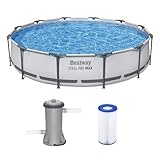
Bestway Steel Pro MAX 12' x 30" Above Ground Swimming Pool Set with Pump | Check Price On Amazon |
|
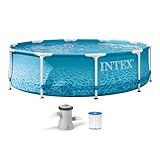
INTEX Beachside Metal Frame 10ft x 30in Round Pool Set w/Pump | Check Price On Amazon |

|
H2OGO! Kids Splash-in-Shade 8-Foot Round Steel Frame Above Ground Pool with Water Mister and Canopy Sunshade, Green Tropical Leaf Print | Check Price On Amazon |
What Makes Rectangle Pool Shapes Essential for Maximum Swimming Value?
Rectangle pools deliver the highest ratio of swimming space to construction cost because straight walls require minimal excavation precision and standard construction techniques. The geometric efficiency means 85-90% of the total pool area provides usable swimming space, compared to 70-75% for kidney shapes and 60-70% for freeform designs where curved areas reduce functional space.
Construction costs stay 15-25% lower for rectangular pools because builders use standard forms, straight plumbing runs, and uniform depth transitions. According to Pool Industry Association data (2024), rectangular inground pools average $52,000-78,000 installed, while kidney pools range $62,000-92,000 and freeform pools cost $75,000-125,000 for comparable water volume.
Maintenance proves simpler with rectangular geometry because robotic pool cleaners follow predictable patterns along straight walls. Circulation efficiency improves with symmetrical water flow from returns to skimmers, reducing dead spots that collect debris and algae.
Rectangle Pool Advantages for Different Uses
Lap swimming requires straight-line distance that only rectangular pools provide effectively. A 16×32-foot rectangle offers 32 feet of uninterrupted swimming length, while kidney and freeform shapes interrupt stroke patterns with curved walls and varying widths.
Pool games like volleyball or water basketball need consistent depth zones and straight boundaries. Rectangle pools accommodate pool volleyball nets with proper tensioning across the width, while curved shapes create uneven playing areas.
Family activities benefit from defined spaces—shallow end for children, deep end for diving, middle area for games. Rectangular pools create clear zones without the complex depth transitions found in curved designs.
Construction and Cost Benefits
Excavation accuracy requirements stay minimal for rectangular pools because contractors dig straight lines with standard equipment. Curved excavation requires specialized techniques and multiple measurements, increasing labor costs 20-30%.
Plumbing layouts follow efficient patterns with straight pipe runs and predictable equipment placement. Our inground pool cost breakdown shows rectangular pools save $8,000-15,000 in construction compared to equivalent curved designs.
Standard pool covers fit rectangular shapes perfectly, while custom covers for kidney or freeform pools cost 40-60% more. Pool safety covers and solar covers require custom manufacturing for curved shapes, increasing replacement costs long-term.
How Do Kidney Pool Shapes Create Natural Swimming Environments?
Kidney pools provide distinct shallow and deep zones connected by gradual curves that mimic natural pond shapes. The classic kidney design features a curved perimeter with an indented “waist” section that creates two primary swimming areas—typically 3-4 feet deep in the larger end and 6-8 feet deep in the smaller end.

- Intelligent Navigation with Full Coverage: Equipped with 11 high-precision sensors and enhanced dual-path algorithms. The optimized WavePath cleaning pattern ensures systematic coverage with minimal overlap, while adaptive navigation analyzes pool layout in real time to eliminate missed spots
- Dual Filtration for Crystal-Clear Water: Advanced dual-layer filtration system features a replaceable 3-micron ultra-fine filter paired with a 180-micron standard filter. Effectively captures fine dust, sand, leaves, and debris for visibly cleaner and healthier pool water
- Comprehensive Pool Cleaning: Engineered to clean the pool floor, walls, waterline, and shallow areas (above 12 inches). The Caterpillar Treads system enhances mobility and climbing ability, ensuring thorough coverage across all pool zones
- Reliable Performance with 2-Year Warranty: Trusted by over 500,000 pool owners worldwide, this robotic pool cleaner delivers consistent, high-performance results. Built for durability and backed by a 2-year warranty and responsive customer support for worry-free ownership
This shape originated in 1950s resort design to create visually appealing pools that integrated with landscape architecture. According to Pool Design Institute research (2023), kidney pools increase property aesthetic value 12-18% more than rectangular pools in luxury markets due to their organic, flowing appearance.
Water circulation benefits from the curved shape as return jets create natural flow patterns that eliminate dead spots better than sharp corners found in rectangles. The indented waist section naturally separates swimming activities while maintaining connected water flow.
Kidney Pool Design Elements
The shallow “head” section typically measures 14-18 feet wide and provides entry areas with gradual depth changes from 3-5 feet. This zone accommodates children’s activities, lounging, and pool entry without interfering with deeper swimming areas.
The deep “tail” section usually spans 10-14 feet wide with depths ranging 6-8 feet for adult swimming and diving activities. The curved transition between sections creates a natural flow that guides swimmers between different activity zones.
Sizing considerations require minimum dimensions of 16×30 feet for functional kidney pools, with 18×35 feet providing optimal proportions. Smaller kidney pools lose the distinctive shape benefits and become inefficient use of space compared to rectangular alternatives.
Landscape Integration Benefits
Kidney shapes blend naturally with curved landscaping elements like garden beds, pathways, and outdoor living spaces. The organic curves complement natural stone coping, curved decking, and flowing landscape designs that rectangular pools interrupt.
Spa integration works seamlessly with kidney pools through connected spillway designs or attached circular spas at the curved end. The flowing lines create unified water features that feel like natural springs rather than geometric constructions.
Plant placement follows the pool’s curves to create private alcoves and visual interest from multiple viewing angles. This design flexibility helps kidney pools feel integrated into existing landscapes rather than imposed upon them.
Which Pool Shape Offers the Best Value for Your Budget?
Rectangle pools provide the best value per square foot of swimming space at $45-65 per square foot of water surface. To calculate your pool’s exact surface area, use our pool surface area calculator. Kidney pools cost $55-85 per square foot due to curved construction complexity, while freeform designs range $65-95 per square foot depending on curve complexity and custom features.
Total project costs vary significantly based on size and features, but our above-ground pool cost analysis shows similar patterns—rectangular above-ground pools cost 20-30% less than curved alternatives of comparable water volume.
Long-term maintenance costs favor rectangular pools due to standard equipment compatibility and easier cleaning. Replacement liners for rectangle pools cost $3,500-5,500, while custom kidney liners range $5,000-8,000, and freeform liners can exceed $10,000.
| Pool Shape | Cost Per Sq Ft | Usable Space % | Maintenance Difficulty | Best For |
| Rectangle | $45-65 | 85-90% | Low | Lap swimming, games, budget-conscious |
| Kidney | $55-85 | 70-75% | Medium | Aesthetic appeal, distinct zones |
| Freeform | $65-95 | 60-70% | High | Natural look, landscape integration |
Budget Planning by Pool Shape
Entry-level rectangular pools (14×28 feet) start around $35,000-45,000 installed with basic equipment and finishes. For a personalized cost estimate based on your location and preferences, use our inground swimming pool cost calculator. Comparable kidney pools begin at $45,000-55,000 due to curved excavation and forming requirements.
Mid-range features like salt chlorine generators, LED lighting, and upgraded finishes add $8,000-15,000 regardless of shape. However, custom curved shapes require specialized installation that increases feature costs 15-25%.
Premium installations with waterfalls, spas, and complex curves can reach $150,000-250,000 for freeform designs, while high-end rectangular pools rarely exceed $125,000 unless incorporating extensive decking or outdoor kitchens.
Financing and Resale Considerations
Pool loans typically cover 80-90% of rectangular pool costs due to standardized pricing and predictable construction timelines. Custom curved pools may require larger down payments due to variable costs and potential change orders during construction.
Resale value depends heavily on local market preferences, but rectangular pools appeal to the broadest buyer base due to their swimming functionality and lower maintenance requirements. Kidney and freeform pools may limit buyer interest in markets where functionality outweighs aesthetics.
What Are the Maintenance Differences Between Pool Shapes?
Rectangle pools require 20-30% less cleaning time because pool vacuum heads follow straight patterns without navigating curves. Manual cleaning with pool brushes covers wall surfaces efficiently along straight edges, while curved pools require additional passes to reach all wall areas.
Automated cleaning systems perform optimally in rectangular pools where robotic cleaners can map predictable routes. According to Pool Maintenance Association data (2024), rectangular pools show 23% fewer missed cleaning spots compared to kidney shapes and 35% fewer than complex freeform designs.
Chemical distribution stays uniform in rectangular pools due to symmetrical circulation patterns. The straight walls and consistent depth transitions help pool test strips readings remain consistent across the entire water volume.
Circulation and Filtration Efficiency
Water turnover rates improve in rectangular pools because return jets create laminar flow patterns along straight walls. This organized circulation moves debris toward skimmers more effectively than the turbulent flow patterns created by curved surfaces.
Dead zones occur more frequently in kidney and freeform pools where curved indentations interrupt circulation flow. These stagnant areas accumulate debris and algae, requiring additional algaecide treatments and manual cleaning attention.
Filter runtime optimization works best with rectangular pools because consistent circulation allows shorter filter cycles. Curved pools often require 2-4 additional hours of daily filtration to achieve the same water clarity.
Equipment Placement and Access
Pool equipment installation follows standard layouts for rectangular pools with predictable distances between skimmers, returns, and main drains. This standardization reduces installation costs and simplifies future equipment upgrades or repairs.
Curved pool shapes may require custom plumbing runs that increase installation complexity and create potential access issues for maintenance. Equipment placement must work around curved walls, sometimes requiring longer pipe runs that reduce system efficiency.
Winter closing procedures prove simpler for rectangular pools because winterizing plugs and air removal follow predictable patterns. Curved pools may trap air pockets in irregular plumbing runs, increasing freeze damage risks.
How Do Freeform Pool Shapes Create Custom Backyard Environments?
Freeform pools utilize irregular curves and natural shapes to mimic lagoons, ponds, or rock formations that integrate seamlessly with landscape design. These custom shapes range from gentle flowing curves to dramatic rock formations with integrated waterfalls, caves, and natural stone features.
Design flexibility allows freeform pools to work around existing landscape features like mature trees, rock outcroppings, or sloped terrain that would require expensive removal for geometric shapes. This adaptability often justifies the 30-50% higher construction costs in challenging sites. You can visualize these custom shapes using our freeform pool design visualizer.
Natural aesthetics create backyard environments that feel like private resorts or natural swimming holes rather than traditional pools. The irregular shapes break up the artificial appearance of geometric pools and blend into surrounding gardens and outdoor living spaces.
Custom Design Elements
Boulder integration allows freeform pools to incorporate natural rock features as diving platforms, waterfalls, or decorative elements. These rocks can hide pool equipment, create private alcoves, or provide natural seating areas within the pool design.
Beach entries with gradual slopes from zero depth to swimming depth eliminate the need for traditional steps or ladders. This natural entry method accommodates users of all ages and mobility levels while creating the feel of a natural shoreline.
Multiple depth zones can follow natural contours rather than geometric patterns, creating swimming areas, lounging shallows, and deep zones that flow organically rather than following rigid rectangular zones.
Landscape Integration Advantages
Plant selection works naturally with freeform pools because irregular curves accommodate various garden bed shapes and sizes. Native plants can extend right to the pool edge without the harsh geometric transitions required by rectangular pools.
Hardscape materials like natural stone coping and decking follow the pool’s curves to create unified outdoor spaces. The organic shapes allow creative use of materials and textures that complement natural landscape elements.
Privacy screening becomes more effective with freeform shapes because curved sight lines prevent straight views across the entire pool area. Strategic curves can create intimate spaces and visual interest from multiple viewing angles.
Rectangle vs Kidney vs Freeform: Which Should You Choose?
Choose rectangle pools when swimming functionality, budget efficiency, and low maintenance rank as top priorities. Rectangle shapes excel for families focused on lap swimming, pool games, and maximum usable space per construction dollar, typically saving $10,000-20,000 compared to curved alternatives.
Select kidney pools when you want natural aesthetics with defined swimming zones but need more functionality than freeform designs provide. Kidney shapes offer the best compromise between visual appeal and swimming utility while maintaining reasonable construction and maintenance costs.
Opt for freeform pools when landscape integration and unique design outweigh cost considerations and maintenance complexity. These custom shapes work best for luxury installations where the pool serves as a landscape focal point rather than primarily for swimming exercise.
| Priority | Best Shape Choice | Reason |
| Swimming Laps | Rectangle | Straight-line distance, consistent depth |
| Budget Efficiency | Rectangle | Lowest cost per square foot, standard equipment |
| Easy Maintenance | Rectangle | Predictable cleaning patterns, efficient circulation |
| Visual Appeal | Kidney | Natural curves, landscape integration |
| Distinct Zones | Kidney | Separate shallow/deep areas, natural flow |
| Unique Design | Freeform | Custom shapes, natural integration |
| Landscape Integration | Freeform | Works around existing features, organic flow |
Decision Framework by Household Type
Active families with children benefit most from rectangular pools that provide consistent depth zones for different age groups and clear boundaries for safety supervision. The straight edges simplify pool rules and create defined areas for different activities.
Empty nesters or couples often prefer kidney pools that emphasize aesthetics and relaxation over swimming functionality. The curved shapes create more intimate spaces and integrate better with mature landscape designs and outdoor entertaining areas.
Luxury homeowners seeking statement features choose freeform pools that serve as landscape art pieces. These custom designs work best when the pool complements extensive outdoor living spaces, gardens, and architectural features.
Site Considerations
Rectangular lots accommodate rectangular pools most efficiently, maximizing swimming space while leaving room for landscaping and outdoor furniture. Standard lot sizes work well with 16×32 or 18×36 rectangle pools that fit common setback requirements.
Irregular or sloped lots may favor freeform designs that work around natural contours and existing features. The custom shapes can follow property lines and grade changes more effectively than geometric shapes requiring extensive site modification.
Small backyards benefit from rectangular pools because the shape maximizes swimming area within limited space. Kidney and freeform shapes waste space with curves that reduce usable swimming area on smaller lots.
What Are the Long-Term Ownership Costs by Pool Shape?
Rectangle pools maintain the lowest long-term ownership costs due to standard equipment compatibility and efficient maintenance routines. Annual maintenance costs average $1,200-1,800 for rectangle pools compared to $1,500-2,200 for kidney shapes and $1,800-2,800 for complex freeform designs.
Equipment replacement costs favor rectangular pools because standard pumps, filters, and pool heaters work efficiently with symmetrical plumbing layouts. Custom curved pools may require oversized equipment to overcome circulation inefficiencies, increasing both purchase and operating costs.
Energy consumption varies significantly by shape due to circulation and heating efficiency differences. According to Department of Energy pool studies (2023), rectangular pools consume 15-20% less energy annually than equivalent curved designs due to optimized flow patterns and reduced dead zones.
Cleaning and Chemical Costs
Chemical usage stays lowest in rectangular pools because uniform circulation distributes sanitizers evenly throughout the water volume. Dead zones in curved pools require additional pool shock treatments and higher daily chlorine levels to maintain water quality.
Professional cleaning services charge 20-30% more for kidney and freeform pools due to increased time requirements and specialized equipment needs. The complex curves require more manual brushing and detailed cleaning that automated systems cannot reach effectively.
Algae prevention becomes more challenging in curved pools where stagnant zones develop despite proper filtration. These areas require additional pool clarifier treatments and frequent manual cleaning to prevent algae establishment.
Repair and Renovation Expenses
Liner replacement costs vary dramatically by shape complexity, with rectangular liners averaging $3,500-5,500 compared to $5,000-8,000 for kidney shapes and $8,000-15,000 for complex freeform designs. Custom patterns require specialized manufacturing and installation expertise. For an instant estimate based on your pool’s dimensions, try our pool liner cost calculator.
Coping and decking repairs prove simpler and less expensive around rectangular pools because standard materials and techniques apply. Curved coping requires custom cutting and specialized installation that increases labor costs 40-60%.
Equipment upgrades work seamlessly with rectangular pool plumbing, while curved pools may require additional plumbing modifications to accommodate new pumps, heaters, or automation systems. These modifications can add $2,000-5,000 to upgrade projects.
How Does Pool Shape Affect Installation Timeline and Process?
Rectangle pool installation typically requires 6-8 weeks from excavation to completion using standard construction techniques and readily available materials. The straightforward geometry allows construction crews to work efficiently without custom forming or specialized excavation equipment.
Kidney pool construction extends timelines to 8-10 weeks due to curved excavation requirements and custom forming for concrete pours. The organic shapes require additional surveying, layout time, and precise excavation that standard equipment cannot achieve efficiently.
Freeform pool installation often takes 10-16 weeks because every aspect requires custom work from excavation through finishing. Complex curves, rock work, and integrated features demand specialized contractors and longer material lead times.
Excavation and Construction Phases
Straight excavation for rectangular pools uses standard equipment and techniques that most pool contractors master quickly. The predictable dimensions allow accurate material estimates and efficient workflow that keeps projects on schedule and within budget.
Curved excavation requires specialized techniques and often hand-finishing to achieve proper contours. This precision work cannot be rushed and weather delays impact curved construction more severely than rectangular projects due to the exposed soil complexity.
Our detailed inground pool installation guide explains how geometric complexity affects each construction phase from permits through startup, with rectangular pools following the most predictable timeline.
Permit and Approval Considerations
Rectangular pools face fewer permit challenges because standard setbacks and safety requirements apply consistently. Building departments understand rectangular pool construction and can review plans quickly without specialized engineering consultations.
Curved pools may require additional engineering review, especially for complex freeform designs with integrated rock work or unusual depth transitions. These specialized features often trigger additional permit requirements that extend approval timelines 2-4 weeks.
Homeowner association approvals often favor rectangular or simple kidney shapes over complex freeform designs that may not align with community architectural standards. Check HOA guidelines early in the planning process to avoid design restrictions.
Common Pool Shape Selection Mistakes to Avoid
Prioritizing aesthetics over functionality represents the most common pool shape mistake, especially when families choose complex freeform designs but primarily want swimming exercise space. These customers often regret the 30-50% space efficiency reduction and higher maintenance requirements after installation.
Underestimating long-term maintenance costs leads buyers to select kidney or freeform shapes without considering the additional cleaning time, chemical costs, and equipment complexity. Calculate total 10-year ownership costs including maintenance, repairs, and energy consumption before finalizing shape decisions.
Ignoring lot proportions causes buyers to install pools that overwhelm small spaces or appear lost on large properties. Rectangle pools work best on rectangular lots, while irregular properties may benefit from curved shapes that follow natural contours.
Size and Scale Problems
Oversized kidney pools on small lots create awkward proportions where the curved shape appears forced rather than natural. The minimum practical kidney pool measures 16×30 feet, but 18×35 feet or larger provides proper curve proportions that justify the shape choice.
Undersized freeform pools lose their natural appearance and become inefficient use of space and budget. Custom curves require sufficient scale to appear organic rather than arbitrary, typically requiring 800+ square feet of water surface to justify the design complexity.
Rectangle pools can work efficiently at almost any size from 12×24 feet for compact yards to 20×40 feet for large properties. The geometric efficiency scales proportionally without losing functionality or visual appeal.
Budget and Timeline Miscalculations
Underestimating curved pool construction costs by 20-30% leads to budget overruns that force compromises on important features like proper filtration or safety equipment. Always budget an additional 15-25% contingency for curved pool projects due to their construction complexity.
Unrealistic timeline expectations cause frustration when kidney or freeform pools require 2-6 additional weeks compared to rectangular alternatives. Plan landscaping, outdoor furniture delivery, and pool opening parties around realistic completion dates based on shape complexity.
Financing assumptions based on rectangular pool costs can create approval problems when curved designs exceed initial loan amounts. Discuss final shape decisions with lenders before signing construction contracts to ensure adequate financing coverage.
Expert Pool Shape Recommendations for Different Goals
Professional pool designers recommend rectangular shapes for active families who prioritize swimming, games, and exercise functionality over aesthetic considerations. The geometric efficiency provides maximum activity space while minimizing construction and maintenance costs that impact family budgets long-term.
Landscape architects favor kidney pools for properties where the pool must integrate with existing gardens, outdoor living spaces, and architectural features. The organic curves complement natural design elements while maintaining sufficient swimming functionality for recreational use.
Resort designers choose freeform pools when creating destination environments where the pool serves as a landscape focal point and unique design element. These installations prioritize visual impact and guest experience over swimming efficiency or maintenance simplicity.
Professional Installation Insights
Experienced contractors report 90% client satisfaction with rectangular pools due to their predictable performance and manageable maintenance requirements. Curved pool satisfaction varies more widely based on owner expectations and commitment to higher maintenance requirements.
Pool service professionals prefer maintaining rectangular pools because efficient cleaning routines reduce service time while ensuring consistent water quality. Curved pools require additional attention to circulation dead zones and complex cleaning patterns that increase service costs.
Insurance considerations may favor rectangular pools due to their predictable safety characteristics and standard safety equipment compatibility. Complex curved designs with unusual features may require additional safety measures that increase insurance premiums.
Regional Preference Patterns
Northern climates with shorter swimming seasons favor rectangular pools that maximize functionality during limited use periods. The efficient heating and maintenance characteristics become more important when pools operate only 4-5 months annually.
Southern regions with year-round swimming show more kidney and freeform pool installations because extended seasons justify the aesthetic benefits and higher maintenance requirements. Warm climate buyers often prioritize outdoor living integration over pure swimming functionality.
Urban areas with limited space consistently favor rectangular pools that maximize swimming area within restrictive lot sizes. Suburban and rural properties with larger yards show more curved pool installations where space efficiency matters less than visual appeal.
Frequently Asked Questions About Pool Shapes
Which pool shape costs less to maintain long-term?
Quick Answer: Rectangle pools cost 20-30% less to maintain annually due to efficient cleaning, uniform chemical distribution, and standard equipment compatibility compared to curved alternatives.
Rectangle pools require less cleaning time because automated equipment follows predictable patterns without navigating curves or dead zones. Chemical costs stay lower due to uniform circulation that distributes sanitizers evenly throughout the water volume.
Equipment efficiency improves with rectangular geometry because pumps and filters work optimally with symmetrical plumbing layouts. Curved pools often require oversized equipment to overcome circulation challenges, increasing both purchase and operating costs.
Professional service costs average $100-150 monthly for rectangle pools compared to $125-200 for kidney shapes and $150-250 for complex freeform designs due to increased cleaning time and specialized techniques required.
Can I change my pool shape after installation?
Quick Answer: Pool shape changes require complete reconstruction costing 60-80% of new pool installation, making shape modification impractical for most homeowners.
Structural modifications to change pool shape involve breaking up existing concrete, re-excavating, and rebuilding the entire shell structure. This process costs $30,000-60,000 depending on size and complexity changes desired.
Minor modifications like adding spa attachments or small extensions may be possible depending on existing construction methods and local codes. Consult with structural engineers and pool contractors to evaluate specific modification possibilities.
Consider shape changes during major renovation projects when replacing liners, updating equipment, or adding safety features. Combining projects can reduce total costs but still represents significant investment compared to initial shape selection.
Which pool shape works best for small backyards?
Quick Answer: Rectangle pools maximize swimming space in small backyards, providing 85-90% usable area compared to 60-70% for curved shapes of equivalent footprint.
Geometric efficiency becomes critical in limited spaces where every square foot matters for swimming functionality. Rectangle pools measuring 12×24 or 14×28 feet provide substantial swimming area while fitting standard suburban lots with proper setbacks.
Curved pools waste valuable space in small yards because the irregular shapes create unusable areas that reduce swimming functionality. A kidney pool requires 20-30% larger footprint than rectangle pool to achieve equivalent straight-line swimming distance.
Small rectangle pools accommodate essential features like safety covers, automated cleaning systems, and standard heating equipment more effectively than cramped curved designs that compromise on important functionality.
Do curved pools have more problems with algae?
Quick Answer: Curved pools experience 25-35% more algae issues due to circulation dead zones and stagnant areas where sanitizers don’t distribute effectively.
Dead zones occur where curved indentations interrupt water flow patterns, creating stagnant areas that accumulate debris and provide algae growth environments. These zones require additional manual cleaning and chemical treatment to maintain water quality.
Circulation inefficiency in curved pools means longer filter run times and higher chemical usage to achieve the same sanitizer distribution that rectangle pools accomplish with standard equipment operation.
Prevention requires more frequent testing with pool test kits, additional brush cleaning of curved areas, and sometimes supplemental circulation equipment to eliminate stagnant zones completely.
Which pool shape increases home value most?
Quick Answer: Rectangle pools typically add more resale value due to broader buyer appeal and lower maintenance concerns that attract practical homebuyers.
Market research shows rectangle pools appeal to families focused on swimming functionality, which represents 60-70% of pool-buying households. The predictable maintenance and operating costs reduce buyer concerns about long-term ownership expenses.
Kidney pools may increase value in luxury markets where aesthetic appeal outweighs practical considerations, but they limit buyer interest among families prioritizing swimming functionality and budget efficiency.
Freeform pools add significant value only when they complement extensive landscape design and luxury outdoor living spaces. These custom installations may actually reduce buyer interest in markets focused on practical swimming rather than landscape features.
How much space do different pool shapes require?
Quick Answer: Rectangle pools need minimum 30×50 foot lots including setbacks, while kidney pools require 35×55 feet and freeform designs need 40×60 feet for proper proportions.
Building code setbacks typically require 5-10 feet from property lines, utilities, and structures regardless of pool shape. Rectangle pools work efficiently within these constraints while curved shapes may require larger lots to achieve proper proportions.
Kidney pools need additional width to accommodate curved sections without appearing cramped or losing their distinctive shape benefits. The minimum functional kidney measures 16×30 feet but looks better at 18×35 feet or larger.
Freeform pools require sufficient space for curves to appear natural rather than forced. Complex designs with rock work, waterfalls, or multiple levels may need 50×70 feet or larger to achieve their intended landscape integration effects.
Can I install above-ground pools in different shapes?
Quick Answer: Above-ground pools are limited to round, oval, and rectangular shapes due to structural support requirements, with rectangles offering best space efficiency.
Structural limitations of above-ground construction prevent complex curves that require custom forming and specialized support systems. Standard wall panels and bracing work only with geometric shapes that distribute water pressure evenly.
Rectangular above-ground pools provide maximum swimming space and work with standard safety covers, decking, and equipment installation. Our comprehensive above-ground pool setup guide explains installation requirements for different geometric shapes.
Oval above-ground pools offer slight aesthetic improvement over round shapes while maintaining structural integrity, but they cost 15-25% more than rectangular alternatives and provide less efficient space utilization.
Which pool shape works best for pool heaters?
Quick Answer: Rectangle pools heat most efficiently due to uniform circulation that distributes heated water evenly, reducing energy costs 15-20% compared to curved designs.
Heating efficiency depends on circulation patterns that move heated water from return jets throughout the entire pool volume. Rectangle pools create laminar flow that distributes heat evenly without dead zones that waste energy.
Curved pools may require larger pool heat pumps or longer heating times to overcome circulation inefficiencies that leave some areas cooler than others. To accurately determine the right heater size for your pool shape and volume, check our pool heater calculator (BTU). The irregular water flow patterns prevent optimal heat distribution.
Solar heating works most effectively with rectangle pools because the uniform surface area allows predictable heat gain calculations and even coverage from solar pool heaters or solar covers that fit precisely.
Do insurance rates differ by pool shape?
Quick Answer: Insurance rates typically remain consistent across standard pool shapes, but complex freeform designs with unusual features may increase premiums 5-15%.
Standard liability coverage applies equally to rectangle, kidney, and basic freeform pools because safety risks remain consistent across these conventional shapes. The primary insurance factors include depth, diving equipment, and safety barrier compliance.
Complex freeform pools with rock formations, caves, or unusual entry methods may require additional coverage due to unique safety considerations that standard policies don’t address comprehensively.
Safety equipment compatibility affects insurance requirements regardless of shape, but rectangle pools accommodate standard safety covers and alarms more easily, potentially reducing premium costs through approved safety feature discounts.
Which pool shape allows best automation features?
Quick Answer: Rectangle pools accommodate automated cleaning, chemical systems, and covers most effectively due to predictable dimensions and circulation patterns.
Robotic pool cleaners perform optimally in rectangle pools where they can map efficient cleaning routes without getting trapped in curved corners or complex shapes. The predictable geometry allows complete coverage with minimal supervision.
Automated chemical systems work more effectively with rectangle pools because uniform circulation ensures even chemical distribution. Systems like automatic chlorinators and pH controllers respond predictably to rectangular pool chemistry.
Pool covers and automated systems fit rectangle pools perfectly with standard sizing and installation procedures. Curved pools require custom automation equipment that costs 30-50% more and may have limited manufacturer support.
How do pool shapes affect winter closing procedures?
Quick Answer: Rectangle pools close more easily for winter because standard procedures apply to predictable plumbing layouts, reducing winterization costs and freeze damage risks.
Standard winterization procedures work efficiently with rectangle pool plumbing that follows predictable patterns for blow-out equipment and antifreeze application. The symmetrical layout prevents air pockets that could cause freeze damage.
Curved pools may have irregular plumbing runs that trap air or water in unexpected locations during winterization. These problem areas require additional attention and specialized techniques that increase closing costs 20-30%.
Winter covers fit rectangle pools precisely with standard sizing and anchor placement. Custom curved pools require expensive fitted covers that may not seal properly, increasing heat loss and chemical consumption during closed seasons.
Which pool shape works best for families with young children?
Quick Answer: Rectangle pools provide safest environment for children with clear sight lines, defined zones, and consistent depth transitions that parents can supervise effectively.
Supervision becomes easier with rectangle pools because parents can see the entire swimming area from any position around the pool perimeter. Curved shapes create blind spots where children can hide from direct supervision.
Safety features like pool alarms, covers, and barriers install more effectively around rectangular perimeters with standard equipment and procedures. Custom curved installations may limit safety equipment options that protect young swimmers.
Swimming instruction works better in rectangle pools with consistent depth zones and straight edges that help children learn proper stroke techniques and develop water confidence in predictable environments.
Can pool shape affect property taxes?
Quick Answer: Pool shape minimally affects property tax assessments, but expensive freeform designs with luxury features may increase assessed values 10-20% more than basic rectangular pools.
Property assessors typically evaluate pools based on size, construction quality, and features rather than specific shape characteristics. A well-built rectangle pool and kidney pool of equal size usually receive similar assessments.
High-end freeform pools with integrated rock work, waterfalls, and complex landscaping represent luxury improvements that assessors may value significantly higher than standard pool installations.
Regional assessment practices vary, but most jurisdictions focus on total improvement value rather than shape-specific factors when calculating property tax increases from pool additions.
Which pool shape offers most privacy options?
Quick Answer: Freeform pools provide superior privacy through irregular sight lines and curved sections that create natural alcoves and screening opportunities.
Curved pool designs interrupt direct sight lines across the swimming area and from neighboring properties, creating more intimate spaces than rectangular pools with their open, unobstructed views.
Landscaping integration works more naturally with curved pools where plantings can follow irregular edges to create private alcoves and visual barriers. Rectangle pools require more structured screening approaches.
Strategic curve placement in kidney and freeform pools can position private areas away from house windows and neighbor views while maintaining open swimming zones for family activities.
Rectangle pools maximize swimming functionality with 85-90% usable space and lowest maintenance costs, making them ideal for active families prioritizing exercise and budget efficiency. Kidney shapes offer aesthetic appeal with distinct swimming zones at moderate cost increases, while freeform designs create custom landscape features for luxury installations where unique design outweighs practical considerations. Choose based on your primary goals—swimming functionality favors rectangles, balanced aesthetics support kidney shapes, and landscape integration calls for freeform designs.
| Photo | Best Above-Ground Pools | Price |
|---|---|---|
|
|
Bestway Steel Pro MAX 12' x 30" Above Ground Swimming Pool Set with Pump | Check Price On Amazon |
|
|
INTEX Beachside Metal Frame 10ft x 30in Round Pool Set w/Pump | Check Price On Amazon |
|
|
H2OGO! Kids Splash-in-Shade 8-Foot Round Steel Frame Above Ground Pool with Water Mister and Canopy Sunshade, Green Tropical Leaf Print | Check Price On Amazon |