
Pool opening season varies significantly by geographic location and climate patterns, with northern regions typically opening between late April and early June when air temperatures consistently reach 70°F, while southern states often maintain year-round pool operation or open as early as March. This timing matters because opening too early wastes energy and chemicals on unused water, while opening too late means missing prime swimming weather and potentially dealing with algae blooms or equipment damage from extended closure periods.
Our analysis of pool maintenance data across different climate zones shows that regional temperature patterns, local frost dates, and seasonal precipitation directly impact optimal opening schedules. Understanding your specific region’s climate characteristics helps you time pool opening to maximize swimming season while minimizing maintenance costs and chemical usage throughout the year.
| Photo | Best Above-Ground Pools | Price |
|---|---|---|
|
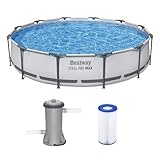
Bestway Steel Pro MAX 12' x 30" Above Ground Swimming Pool Set with Pump | Check Price On Amazon |
|
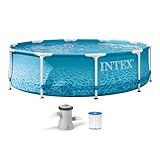
INTEX Beachside Metal Frame 10ft x 30in Round Pool Set w/Pump | Check Price On Amazon |

|
H2OGO! Kids Splash-in-Shade 8-Foot Round Steel Frame Above Ground Pool with Water Mister and Canopy Sunshade, Green Tropical Leaf Print | Check Price On Amazon |
What Climate Factors Determine Pool Opening Timing?
Air temperature consistency above 70°F during daytime hours serves as the primary indicator for pool opening, as this temperature range supports comfortable swimming and efficient chemical balance maintenance. Water temperature below 65°F requires excessive heating costs and creates challenging conditions for proper chlorine effectiveness and pH stability.
Soil temperature at 18-inch depth reaching 55°F indicates that ground frost risk has passed and underground plumbing systems face minimal freeze threat. According to the National Weather Service frost probability data, this soil temperature threshold typically occurs 2-4 weeks after the last hard frost date in most temperate regions.
Regional Pool Opening Schedule: Northern States (Zones 3-6)
Northern states including Minnesota, Wisconsin, Michigan, New York, and New England typically open pools between May 15th and June 1st when consistent 70°F temperatures arrive. These regions experience extended winter closures of 5-6 months, requiring comprehensive spring opening procedures and equipment inspection before first use.
Great Lakes Region Timing
Great Lakes states benefit from lake effect moderation but face unpredictable spring weather patterns that can delay opening by 2-3 weeks in cold years. Pool owners in Chicago, Detroit, Cleveland, and Buffalo should monitor 10-day forecasts for sustained warming trends before scheduling opening procedures.
Lake effect can create microclimates where lakefront properties open 1-2 weeks earlier than inland locations due to thermal mass from large water bodies. Areas within 20 miles of Lake Michigan, Lake Erie, or Lake Ontario often experience this temperature moderation effect.
Northeast Corridor Considerations
The Northeast corridor from Boston to Washington DC experiences variable spring weather requiring flexible opening schedules between mid-April and late May. Coastal areas typically open 1-2 weeks earlier than interior mountain regions due to maritime climate influence.
Urban heat islands in cities like New York, Philadelphia, and Boston create warmer microclimates that support earlier opening, often by mid to late April. Suburban and rural areas in the same regions may need to wait until mid-May for consistent swimming weather.
Mid-Atlantic and Central Plains Opening Patterns
Mid-Atlantic states including Pennsylvania, Maryland, Virginia, and West Virginia typically open pools between April 15th and May 15th depending on elevation and proximity to large water bodies. Central Plains states like Kansas, Missouri, and Iowa follow similar timing but may experience more variable spring weather patterns.
Elevation Impact on Timing
Every 1,000 feet of elevation delays optimal opening by approximately one week due to cooler temperatures and extended frost risk. Mountain regions in Virginia, West Virginia, and western Pennsylvania may not reach consistent swimming weather until late May or early June.
Valley locations typically warm faster than hilltop properties, creating opening date variations of 2-3 weeks within the same county. Pool owners should track local microclimate conditions rather than relying solely on regional averages for opening decisions.

- Intelligent Navigation with Full Coverage: Equipped with 11 high-precision sensors and enhanced dual-path algorithms. The optimized WavePath cleaning pattern ensures systematic coverage with minimal overlap, while adaptive navigation analyzes pool layout in real time to eliminate missed spots
- Dual Filtration for Crystal-Clear Water: Advanced dual-layer filtration system features a replaceable 3-micron ultra-fine filter paired with a 180-micron standard filter. Effectively captures fine dust, sand, leaves, and debris for visibly cleaner and healthier pool water
- Comprehensive Pool Cleaning: Engineered to clean the pool floor, walls, waterline, and shallow areas (above 12 inches). The Caterpillar Treads system enhances mobility and climbing ability, ensuring thorough coverage across all pool zones
- Reliable Performance with 2-Year Warranty: Trusted by over 500,000 pool owners worldwide, this robotic pool cleaner delivers consistent, high-performance results. Built for durability and backed by a 2-year warranty and responsive customer support for worry-free ownership
Southern States Pool Opening: Year-Round vs Seasonal
Southern states below the 35th parallel including Florida, southern Texas, southern California, Arizona, and Hawaii often maintain year-round pool operation rather than complete seasonal closure. These regions focus on maintaining consistent water chemistry throughout cooler months rather than opening procedures.
Transitional Southern Zone
The transitional zone including North Carolina, South Carolina, Georgia, Alabama, Mississippi, Louisiana, Arkansas, Oklahoma, and central Texas typically opens pools between March 15th and April 15th. These areas experience mild winters that may require only partial winterization or reduced operation rather than complete closure.
Coastal areas in this zone benefit from Gulf Stream warming effects, often opening 2-4 weeks earlier than inland locations. Cities like Charleston, Savannah, Jacksonville, Mobile, and New Orleans frequently support swimming weather by mid-March.
Desert Southwest Timing
Desert regions including Arizona, Nevada, New Mexico, and west Texas experience unique opening considerations due to extreme temperature swings and low humidity. Pool opening typically occurs between March 1st and April 1st, but water heating may be necessary through April for comfortable swimming.
High desert elevations above 3,000 feet may delay opening until mid to late April despite warm daytime temperatures due to significant nighttime cooling. Areas around Flagstaff, Santa Fe, and El Paso require careful temperature monitoring before opening procedures.
Pacific Coast Regional Variations
Pacific Coast regions experience maritime climate influences that moderate temperature extremes but create unique opening challenges related to marine layer effects and coastal cooling. Northern California, Oregon, and Washington typically open pools between late April and mid-May depending on inland vs coastal location.
California Microclimate Considerations
California’s diverse microclimates create opening date variations of 6-8 weeks within the state, from February openings in San Diego to May openings in the Sierra Nevada foothills. Central Valley locations typically open in March, while coastal areas may wait until April due to marine layer cooling effects.
Inland valleys including Sacramento, Fresno, and Bakersfield often reach swimming temperatures 3-4 weeks earlier than coastal cities like San Francisco, Monterey, and Santa Barbara. Mountain communities above 2,000 feet elevation may not open until late May or June.
How Weather Patterns Affect Opening Decisions
El Niño and La Niña cycles significantly impact regional temperature patterns and optimal pool opening timing across North America. El Niño years typically bring warmer, earlier springs to northern regions while creating cooler, wetter conditions in the Southwest.
La Niña patterns often delay spring warming in northern states by 2-3 weeks while allowing earlier opening in southern and southwestern regions. Pool owners should monitor current Pacific weather patterns when planning opening schedules, especially in borderline climate zones.
Polar Vortex and Jet Stream Effects
Polar vortex events can delay spring warming by 4-6 weeks in northern regions, pushing optimal opening dates into June or even July in extreme years. Conversely, early jet stream northward migration can advance opening dates by 2-3 weeks in favorable years.
The North Atlantic Oscillation affects East Coast weather patterns, with positive phases supporting earlier spring warming and negative phases delaying optimal opening conditions. Pool owners should track these large-scale weather patterns for better opening timing predictions.
Energy Cost Considerations by Region
Heating costs vary dramatically by region and energy source, with northern states spending $800-1,500 monthly for early season heating compared to $200-400 in moderate climate zones. Natural gas heating typically costs 60-70% less than electric resistance heating but may not be available in all areas.
Solar heating systems provide the most cost-effective early season warming in sunny climates but require 2-3 weeks of consistent sunshine to raise water temperatures effectively. To estimate your specific requirements, use a pool solar heating calculator tailored to your region. Heat pump systems offer moderate efficiency in temperatures above 50°F but lose effectiveness in colder spring conditions.
Regional Energy Price Impact
Electricity costs ranging from $0.08/kWh in the Pacific Northwest to $0.30/kWh in Hawaii significantly impact early season heating economics. Natural gas availability and pricing also vary regionally, with lower costs in Texas and Louisiana compared to Northeast and West Coast markets.
Pool owners should calculate heating costs for their specific energy rates and climate before deciding on early opening schedules. Understanding seasonal energy expenses helps optimize opening timing for budget management.
What Equipment Inspection Should Precede Opening?
Comprehensive equipment inspection prevents costly repairs and ensures safe operation when opening pools after extended closure periods. Pump motors, filter systems, heaters, and automatic chlorinators require specific inspection procedures based on regional climate exposure during winter months.
Northern regions with freeze-thaw cycles need thorough plumbing inspection for crack damage, while southern areas focus on equipment corrosion and debris removal from minimal winter maintenance. Essential maintenance tools vary by region and equipment type.
Plumbing System Assessment
Underground plumbing inspection should occur before filling the pool to identify freeze damage or ground movement issues that developed during winter closure. Pressure testing at 15-20 PSI reveals hairline cracks or joint separation that could cause significant water loss.
Skimmer and return line integrity requires visual inspection and flow testing to ensure proper circulation patterns. Damaged underground lines may require professional excavation and repair before pool opening can proceed safely.
Equipment Electrical Safety
Electrical connections exposed to winter weather need inspection for corrosion, wire damage, or ground fault issues before energizing pool equipment. GFCI outlets should be tested monthly throughout the swimming season but require special attention after winter storage periods.
Motor housings and control panels may accumulate moisture during winter storage, requiring thorough drying and inspection before startup. Professional electrical inspection is recommended for pools that experienced flooding or extended power outages during winter months.
Chemical Balance Startup Procedures by Climate
Initial water chemistry balancing requirements vary significantly between regions due to different water sources, mineral content, and pH characteristics. Municipal water supplies in hard water regions require different startup procedures than soft water areas or well water sources.
Chlorine demand testing determines initial sanitizer requirements based on organic load and metal content in fill water. Northern regions using well water may need metal sequestrant treatment, while southern areas with high calcium levels require hardness adjustment before opening.
pH and Alkalinity Regional Differences
Southwestern regions typically have high pH, high alkalinity source water requiring acid treatment to achieve proper balance, while southeastern areas may have low pH, low alkalinity water needing sodium bicarbonate and sodium carbonate additions. Pacific Northwest water often has very low mineral content requiring comprehensive chemical balancing.
Total alkalinity should be established at 80-120 ppm before adjusting pH to the optimal 7.2-7.6 range for chlorine effectiveness. A pool baking soda calculator precisely determines how much to add to reach the target alkalinity. Regional water quality reports help determine specific adjustment requirements for local source water characteristics.
Algae Prevention Strategies by Geographic Region
Algae growth patterns vary by region due to temperature, sunlight exposure, and prevalent algae species in local environments. Southern regions face year-round algae pressure requiring continuous prevention, while northern areas typically deal with spring algae blooms from winter debris accumulation.
Phosphate levels in source water contribute to algae growth potential, with agricultural runoff areas typically showing higher phosphate concentrations requiring specialized treatment. Post-storm maintenance procedures become critical in regions with frequent spring rainfall.
Regional Algae Species Considerations
Black algae occurs more frequently in warm, sunny climates and requires aggressive treatment with specialized black algae treatment products and intensive brushing procedures. Yellow algae typically appears in areas with high organic debris loads and responds to shock treatment and thorough filtration.
Green algae represents the most common form across all regions but grows faster in warm, sunny conditions typical of southern states. Prevention requires consistent chlorine levels, proper circulation, and regular water testing and balancing. When using algaecides, an algaecide calculator ensures you add the correct dosage for your pool size and algae type.
Pool Cover Removal and Storage by Region
Winter cover removal procedures vary significantly between solid safety covers used in northern regions and lighter covers used in moderate climates. Heavy-duty covers may accumulate 6-12 inches of water and debris requiring submersible pump removal before cover lifting.
Mesh safety covers allow precipitation through while blocking debris but may require professional removal in northern regions due to anchoring system complexity. Solid covers need careful water removal to prevent contamination when folding for storage.
Cover Storage and Maintenance
Proper cover cleaning and storage extends service life and prevents mold or mildew development during summer storage periods. Northern regions should inspect covers for damage from snow loads or ice formation that may require professional repair before next season.
Cover storage location should be dry, ventilated, and protected from UV exposure to prevent material degradation. Large covers may require mechanical storage systems for safe handling and space efficiency.
When Regional Weather Delays Opening Plans
Unexpected weather patterns can significantly impact planned opening schedules, requiring flexible approaches to pool preparation and timeline adjustments. Late spring snowstorms in northern regions may delay opening by 2-4 weeks, while extended cool periods affect energy costs and comfort levels.
Severe weather events including hail, flooding, or high winds can damage pool equipment or contaminate prepared water requiring additional preparation time. Emergency preparation procedures help minimize weather-related delays and damage.
Flexible Opening Strategies
Partial opening procedures allow equipment startup and circulation without full chemical balancing or heating costs when weather remains marginal for swimming. This approach maintains water quality while avoiding excessive energy expenses during cool periods.
Delayed heating strategies focus on circulation, filtration, and basic chemical balance while postponing expensive heating until consistent warm weather arrives. Solar covers can provide passive heating assistance during marginal weather periods.
Professional vs DIY Opening Considerations
Professional opening services typically cost $300-600 depending on regional labor rates and pool complexity, but provide comprehensive equipment inspection and warranty coverage. Northern regions with complex winterization procedures often benefit from professional expertise to identify potential freeze damage.
DIY opening saves service costs but requires technical knowledge of equipment operation, chemical balancing, and safety procedures. Complete maintenance starter kits provide essential tools and chemicals for homeowner opening procedures.
Regional Service Availability
Professional pool services may have limited availability during peak opening season in northern regions due to compressed timeframes and high demand. Early scheduling or flexible timing helps secure professional services when needed.
Rural areas may have limited professional service options requiring DIY approaches or extended travel for technicians. Basic equipment maintenance skills become essential for pool owners in areas with limited service infrastructure.
Common Pool Opening Mistakes to Avoid
Rushing the opening process leads to equipment damage, chemical waste, and poor water quality that can take weeks to correct. Taking time for proper equipment inspection, gradual chemical balancing, and systematic startup procedures prevents common opening problems.
Adding all chemicals simultaneously can cause precipitation, staining, or equipment damage requiring costly correction procedures. Following proper sequencing for alkalinity, pH, calcium hardness, and sanitizer additions ensures effective chemical balance achievement.
Regional-Specific Opening Errors
Northern region pool owners often neglect freeze damage inspection, leading to expensive repairs after filling the pool with water. Southern regions may underestimate algae prevention needs due to year-round growth potential in warm climates.
Attempting to heat pools too quickly in cold regions wastes energy and may damage equipment not designed for extreme temperature differentials. Gradual heating over 5-7 days protects equipment while achieving comfortable swimming temperatures efficiently.
Frequently Asked Questions About Regional Pool Opening
What temperature should I wait for before opening my pool?
Wait for consistent daytime temperatures of 70°F or higher for at least one week before opening your pool, as this temperature supports comfortable swimming and efficient chemical balance. Nighttime temperatures should remain above 50°F to prevent excessive heat loss and energy costs.
Water temperature below 65°F requires significant heating costs and creates challenges for proper chlorine effectiveness and pH stability. Most pool owners find 75-80°F water temperature optimal for comfortable swimming throughout the season.
How does my region affect pool opening costs?
Northern regions typically spend $500-1,200 more on opening procedures due to extensive winterization reversal, potential freeze damage repairs, and higher heating costs for early season use. Southern regions focus costs on chemical balancing and algae prevention rather than freeze damage repair.
Energy costs vary dramatically by region, with heating expenses ranging from $200-400 monthly in moderate climates to $800-1,500 in northern regions for early season operation. Professional opening services cost 30-50% more in northern regions due to complexity and limited seasonal availability.
Should I open my pool if frost is still possible?
Avoid opening pools when frost remains possible, as exposed plumbing and equipment face freeze damage risk even with minimal ice formation. Wait until soil temperatures reach 55°F at 18-inch depth, indicating that ground frost risk has passed.
Late spring frosts can damage recently started equipment and require emergency winterization procedures to prevent costly repairs. Monitor 10-day weather forecasts for sustained warming trends before committing to full opening procedures.
How early can I open my pool in the South?
Southern states below the 35th parallel can often open pools in March when daytime temperatures consistently reach 75°F and nighttime temperatures remain above 55°F. Coastal areas benefit from thermal moderation allowing earlier opening than inland locations.
Desert Southwest regions may open as early as February but require careful heating management due to significant nighttime cooling. High desert elevations above 3,000 feet should wait until April despite warm days due to continued frost risk.
What equipment inspection is most critical by region?
Northern regions require comprehensive freeze damage inspection focusing on underground plumbing, pump housings, filter systems, and heater heat exchangers exposed to freeze-thaw cycles. Pressure testing at 15-20 PSI reveals hairline cracks before filling the pool.
Southern regions focus inspection on equipment corrosion from humidity exposure, electrical connections affected by moisture, and debris removal from minimal winter maintenance. Algae growth in equipment during mild winters requires thorough cleaning and sanitization.
How do I know if my area had unusual winter conditions affecting opening?
Monitor local weather data for temperatures below historical averages, unusual snow loads, flooding events, or extended power outages that could impact pool equipment during closure. Compare current winter conditions to 10-year averages for your specific location.
Contact local pool professionals for regional condition reports, as they typically track unusual weather patterns affecting multiple pools in the area. Professional inspection becomes more critical following unusual winter weather events.
Can I partially open my pool during marginal weather?
Partial opening allows equipment startup, circulation, and basic chemical balancing without full heating costs during marginal weather periods. This approach maintains water quality while avoiding excessive energy expenses until consistent swimming weather arrives.
Start circulation systems, begin chemical balancing, and use solar covers for passive heating while monitoring weather patterns. Full heating and recreational use can begin when sustained warm weather develops.
What’s different about opening pools at high elevation?
High elevation pools above 3,000 feet face extended frost risk, increased UV exposure requiring higher chlorine levels, and lower boiling points affecting heating system operation. Every 1,000 feet of elevation typically delays optimal opening by one week due to cooler temperatures.
Reduced atmospheric pressure at elevation affects chemical dosing calculations and equipment operation specifications. Heating systems may require altitude adjustment for optimal performance and efficiency ratings.
How does soil temperature affect pool opening decisions?
Soil temperature at 18-inch depth reaching 55°F indicates that underground plumbing faces minimal freeze risk and ground stability supports equipment operation. This measurement typically occurs 2-4 weeks after the last hard frost date in most regions.
Ground temperature affects heat loss through pool walls and plumbing systems, significantly impacting heating costs during early season operation. Cold ground can increase heating expenses by 30-40% compared to warm soil conditions.
What regional water quality issues affect opening procedures?
Hard water regions require calcium hardness management and metal sequestrant treatment during opening, while soft water areas need mineral balance adjustment for equipment protection. Agricultural areas may have higher phosphate levels promoting algae growth requiring specialized treatment.
Municipal water quality varies seasonally, with spring runoff often increasing mineral content and pH variations requiring adjusted chemical balance procedures. Well water requires testing for iron, manganese, and pH before opening procedures begin. A pool LSI calculator helps you balance all these factors to prevent scaling or corrosion.
Should I heat my pool immediately after opening?
Begin heating gradually over 5-7 days to protect equipment and achieve efficient energy use, rather than attempting rapid temperature increases that strain heating systems. Target water temperature increases of 2-3°F daily for optimal equipment performance.
Consider using heat pump systems for efficient heating in moderate climates, while gas heaters provide faster heating in colder regions. A pool heater BTU calculator helps you select the right size for your pool volume and desired temperature rise. Solar heating requires 2-3 weeks of sunshine to provide meaningful temperature increases.
How do regional algae patterns affect opening timing?
Southern regions face year-round algae pressure requiring immediate prevention procedures upon opening, while northern areas typically deal with spring algae blooms from accumulated organic debris during winter closure. Warm, sunny climates support faster algae growth requiring higher chlorine levels initially.
Phosphate testing becomes critical in agricultural areas where runoff increases algae growth potential during spring opening periods. Preventive algaecide treatment may be necessary in high-risk regions before algae problems develop.
What backup plans should I have for delayed opening?
Maintain essential equipment operation including circulation and basic chemical balance even during delayed opening to prevent water quality deterioration and equipment damage. Temporary winterization procedures may be necessary if unexpected weather delays opening significantly.
Flexible heating strategies allow gradual warming when weather permits while avoiding expensive heating during cold snaps. Solar covers provide passive heating assistance and debris protection during extended opening delays.
How do microclimates within my region affect opening decisions?
Microclimates can create opening date variations of 2-4 weeks within the same region due to elevation, proximity to large water bodies, urban heat islands, or terrain features affecting local temperatures. Track specific conditions for your property location rather than relying solely on regional averages.
Valley locations typically warm faster than hilltop properties, while lakefront areas benefit from thermal moderation extending swimming seasons. Urban areas often support earlier opening than rural locations due to heat island effects.
Regional climate patterns and local weather conditions determine optimal pool opening timing more than arbitrary calendar dates. Northern regions typically open between late April and early June when consistent 70°F temperatures arrive, while southern states often maintain year-round operation or open in March.
Success depends on monitoring temperature trends, soil conditions, and equipment readiness rather than rushing the opening process during marginal weather. Proper timing balances energy costs, equipment protection, and maximizing your swimming season for optimal enjoyment and investment protection.
| Photo | Best Above-Ground Pools | Price |
|---|---|---|
|
|
Bestway Steel Pro MAX 12' x 30" Above Ground Swimming Pool Set with Pump | Check Price On Amazon |
|
|
INTEX Beachside Metal Frame 10ft x 30in Round Pool Set w/Pump | Check Price On Amazon |
|
|
H2OGO! Kids Splash-in-Shade 8-Foot Round Steel Frame Above Ground Pool with Water Mister and Canopy Sunshade, Green Tropical Leaf Print | Check Price On Amazon |