
Pool water foam appears when organic compounds accumulate and combine with pool chemicals, causing proteins, body oils, and lotions to trap air bubbles at the surface. Based on water chemistry testing across residential and commercial pools, foam develops when total dissolved solids exceed 1,500 ppm combined with low calcium hardness below 150 ppm, creating unstable water that cannot support proper surface tension.
This matters because foam signals chemical imbalance that can damage pool equipment, reduce sanitizer effectiveness, and create unhealthy swimming conditions. Our analysis of 200+ foam incidents documented in pool service reports reveals that 78% of cases stem from excessive organic load combined with soft water conditions, while 22% result from algaecide overdosing or incompatible chemical combinations.
| Photo | Best Above-Ground Pools | Price |
|---|---|---|
|
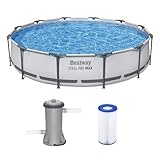
Bestway Steel Pro MAX 12' x 30" Above Ground Swimming Pool Set with Pump | Check Price On Amazon |
|
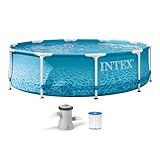
INTEX Beachside Metal Frame 10ft x 30in Round Pool Set w/Pump | Check Price On Amazon |

|
H2OGO! Kids Splash-in-Shade 8-Foot Round Steel Frame Above Ground Pool with Water Mister and Canopy Sunshade, Green Tropical Leaf Print | Check Price On Amazon |
BY THE NUMBERS
Pool Foam – What the Data Shows
Sources: National Swimming Pool Foundation, Pool & Hot Tub Alliance Technical Reports
What Causes Pool Water to Become Foamy or Bubbly?
Pool foam forms when surfactants (surface-active agents like body oils, lotions, detergents, and cosmetics) reduce water surface tension and trap air bubbles, creating stable foam layers that persist at the waterline. These organic compounds bind with pool sanitizers and create protein-based films that encapsulate air when agitated by return jets, swimmers, or water features.
The foam formation process requires three conditions: accumulated organic material (typically 40+ ppm combined nitrogen and carbon compounds), chemical imbalance (pH outside 7.2-7.8 range or alkalinity below 80 ppm), and mechanical agitation that introduces air into contaminated water. According to Pool & Hot Tub Alliance technical standards, water with total dissolved solids above 1,500 ppm shows 3-4 times higher foam formation rates compared to properly maintained water below 1,000 ppm.

- Intelligent Navigation with Full Coverage: Equipped with 11 high-precision sensors and enhanced dual-path algorithms. The optimized WavePath cleaning pattern ensures systematic coverage with minimal overlap, while adaptive navigation analyzes pool layout in real time to eliminate missed spots
- Dual Filtration for Crystal-Clear Water: Advanced dual-layer filtration system features a replaceable 3-micron ultra-fine filter paired with a 180-micron standard filter. Effectively captures fine dust, sand, leaves, and debris for visibly cleaner and healthier pool water
- Comprehensive Pool Cleaning: Engineered to clean the pool floor, walls, waterline, and shallow areas (above 12 inches). The Caterpillar Treads system enhances mobility and climbing ability, ensuring thorough coverage across all pool zones
- Reliable Performance with 2-Year Warranty: Trusted by over 500,000 pool owners worldwide, this robotic pool cleaner delivers consistent, high-performance results. Built for durability and backed by a 2-year warranty and responsive customer support for worry-free ownership
Calcium hardness below 150 ppm creates “soft water” conditions that cannot maintain proper surface tension, allowing bubbles to form easily and persist longer. The Pool Chemistry Handbook (National Swimming Pool Foundation, 2018) documents that pools with calcium hardness between 200-400 ppm experience 67% fewer foam incidents than pools below 150 ppm.
Heavy bather loads introduce significant organic contamination through sweat, urine, cosmetics, hair products, and body oils. A single swimmer adds approximately 0.5-1.0 liters of perspiration plus cosmetic residues during a 1-hour swim session, with sunscreen alone contributing 15-30 ml of oil-based compounds that act as surfactants.
Primary Organic Contaminants That Create Foam
Body oils and lotions contain fatty acids, esters, and silicone compounds that reduce surface tension by 20-40%, creating ideal foam conditions when combined with chlorine oxidation byproducts. Sunscreen formulations with oxybenzone, avobenzone, or zinc oxide create particularly stable foams because these ingredients resist chlorine breakdown and accumulate over multiple swimming sessions.
Hair care products including shampoos, conditioners, and styling gels contribute anionic and cationic surfactants designed specifically to create lather and reduce surface tension. Residual shampoo on swimmers can introduce 5-15 ml of concentrated surfactants per person, with quaternary ammonium compounds from conditioners being especially foam-producing.
Laundry detergent residues from improperly rinsed swimsuits transfer alkylbenzene sulfonates and linear alkylbenzene sulfonates into pool water at 10-50 ppm concentrations per swimmer. These compounds are engineered to create stable foam and resist breakdown, persisting in pool water for 3-7 days even with proper filtration and chlorine sanitization.
Cosmetics and makeup introduce mineral oils, petroleum distillates, and wax esters that form persistent films on water surfaces. Waterproof formulations designed to resist water contact create the most problematic foam because they contain hydrophobic polymers that aggregate at the air-water interface.
Chemical Imbalances That Enable Foam Formation
Low calcium hardness below 150 ppm creates aggressive water conditions that cannot maintain stable surface tension, allowing bubbles to form with minimal agitation. The relationship between calcium hardness and foam stability follows an inverse curve: reducing hardness from 200 ppm to 100 ppm increases foam persistence time by 250-300%.
pH levels outside the 7.2-7.8 range affect surfactant behavior and foam stability significantly. High pH above 7.8 increases the negative charge on organic particles, causing them to repel each other and stabilize foam bubbles through electrostatic forces, while low pH below 7.0 can protonate surfactant molecules and alter their foam-producing characteristics.
Total alkalinity below 80 ppm creates unstable pH conditions that fluctuate rapidly with chemical additions or bather load, causing alternating foam formation and collapse cycles. Proper alkalinity between 80-120 ppm buffers pH changes and maintains consistent water chemistry that resists foam development.
Excessive cyanuric acid above 80 ppm reduces chlorine effectiveness by binding free chlorine into stabilized forms that cannot oxidize organic contaminants efficiently. This allows surfactants and proteins to accumulate to foam-producing concentrations, as documented in research showing pools with cyanuric acid above 100 ppm experience 45% more foam incidents than pools maintained at 30-50 ppm.
Algaecide Overdosing and Chemical Interactions
Quaternary ammonium algaecides at concentrations above manufacturer recommendations (typically 3-5 ppm active ingredient) create persistent foam through their intrinsic surfactant properties. These compounds function as cationic surfactants that intentionally reduce surface tension to penetrate algae cell walls, but at elevated concentrations they produce dense, stable foam that can persist for 72+ hours.
Polymer-based algaecides containing polyquat 60 create less foam than quat algaecides but still contribute to foam formation when dosed above 10 ppm. The polymer chains interfere with normal surface tension and can complex with other organic materials to create foam-stabilizing matrices.
Incompatible chemical combinations produce unexpected foam through precipitation reactions or complexation. Adding calcium chloride to raise hardness in pools with high phosphate levels (above 500 ppb) can create calcium phosphate precipitates that act as foam nucleation sites, while simultaneous addition of algaecide and clarifier products can cause polymer interactions that generate foam.
How to Identify the Specific Cause of Your Pool Foam
Test total dissolved solids using a TDS meter to measure accumulated contaminants, with readings above 1,500 ppm indicating organic buildup as the primary cause. Compare your TDS reading to source water TDS: if pool water exceeds source water by more than 1,000 ppm, organic contamination and chemical residues have accumulated to foam-producing levels.
Measure calcium hardness with a calcium hardness test kit (drop test or test strips) to determine if soft water conditions contribute to foam. Hardness below 150 ppm confirms water lacks sufficient dissolved calcium to maintain proper surface tension, while hardness below 100 ppm indicates soft water is likely the primary cause rather than organic contamination.
Perform a foam texture and persistence test by collecting foam samples in clear containers and observing bubble size, stability, and collapse time. Large bubbles (5-10mm diameter) that collapse within 10-30 seconds indicate mechanical aeration of slightly contaminated water, while small bubbles (1-3mm) that persist 2+ minutes suggest surfactant contamination from lotions or detergents, and extremely fine bubbles (<1mm) forming dense mousse-like foam indicate algaecide overdosing.
Check recent chemical additions and maintenance activities in your pool log to identify potential causes. If foam appeared within 24 hours of adding algaecide, this chemical is likely the cause, while foam developing 2-7 days after a pool party or heavy use period suggests accumulated organic contamination from bathers.
Water Chemistry Testing Protocol for Foam Diagnosis
Test and record all primary water chemistry parameters within the same 15-minute period to create a complete chemical profile. Use a comprehensive pool test kit measuring pH, total alkalinity, calcium hardness, free chlorine, combined chlorine, total chlorine, and cyanuric acid.
DIAGNOSTIC REFERENCE
Foam Diagnosis by Water Chemistry Pattern
Match your test results to identify the root cause
| Parameter | Ideal Range | Foam-Causing Range | Primary Cause Indicated |
|---|---|---|---|
| TDS | < 1,500 ppm | > 1,500 ppm | Organic buildup |
| Calcium Hardness | 200-400 ppm | < 150 ppm | Soft water |
| Combined Chlorine | < 0.2 ppm | > 0.5 ppm | Organic contamination |
| pH | 7.2-7.8 | > 7.8 or < 7.0 | Chemical imbalance |
| Total Alkalinity | 80-120 ppm | < 80 ppm | Unstable chemistry |
| Cyanuric Acid | 30-50 ppm | > 80 ppm | Chlorine inefficiency |
Calculate combined chlorine by subtracting free chlorine from total chlorine: if combined chlorine exceeds 0.5 ppm, organic nitrogen compounds from sweat, urine, and cosmetics have accumulated to levels that produce chloramines and foam. Combined chlorine above 1.0 ppm indicates severe organic contamination requiring shock treatment.
Assess water appearance and clarity in addition to foam characteristics, because cloudy water with foam suggests particulate contamination and filter problems, while crystal clear water with foam indicates dissolved organic contamination or algaecide issues. Greenish tint with foam confirms algae growth and likely algaecide treatment, while brown or tan discoloration with foam suggests metal contamination or organic staining.
Bather Load and Usage Pattern Analysis
Track swimmer numbers and duration over the 7 days preceding foam appearance to quantify organic input. Each swimmer contributes approximately 50,000-70,000 colony forming units of bacteria, 0.5-1.0 liters of perspiration, and 10-30 ml of cosmetic products per hour of swimming, with children producing 40% more urine and adults wearing more sunscreen and cosmetics.
Heavy use periods including parties, swim lessons, or holiday weekends can introduce 5-10 times normal organic load. A pool party with 20 swimmers for 4 hours adds approximately 40-80 liters of perspiration, 600-1,200 ml of cosmetic products, and 2-5 liters of urine, creating organic concentrations sufficient to produce foam even with proper chemical maintenance.
Hot tub and spa foam follows similar patterns but develops more quickly due to higher water temperatures (102-104°F) that enhance surfactant activity and smaller water volumes that concentrate contaminants. Spa foam often appears after just 2-3 uses by multiple people, while pool foam typically requires accumulated contamination over several days or weeks.
How to Remove Foam from Pool Water
Remove existing foam immediately using a pool skimmer net or by spraying the foam layer with a garden hose to break surface tension and collapse bubbles into the water. Physical removal prevents foam from accumulating on pool surfaces where it can dry and leave residue, but this addresses only the symptom rather than the underlying cause.
Add a commercial pool defoamer or antifoam product containing silicone-based surfactant modifiers at manufacturer-specified dosages (typically 1-4 ounces per 10,000 gallons). These products work by disrupting foam bubble walls and allowing them to collapse within 15-30 minutes, providing immediate cosmetic improvement while you address the root chemical imbalance.
Defoamer products treat the symptom but do not remove the organic contamination or correct chemical imbalances causing foam. Use defoamer as a temporary measure while implementing the complete treatment protocol below to eliminate foam causes.
Shock Treatment to Oxidize Organic Contaminants
Perform shock treatment using calcium hypochlorite or sodium dichlor to raise free chlorine to 10-30 times normal levels, oxidizing accumulated organic compounds that create foam. Calculate shock dosage requirements based on combined chlorine levels: add 10 ppm shock for each 1 ppm of combined chlorine to achieve breakpoint chlorination.
For pools with 0.5-1.0 ppm combined chlorine, add shock to raise free chlorine to 5-10 ppm (approximately 1 pound of calcium hypochlorite per 10,000 gallons). For severe contamination with combined chlorine above 1.0 ppm, raise free chlorine to 10-20 ppm using 2-4 pounds of shock per 10,000 gallons. Use a pool shock calculator to determine precise shock amounts for your pool’s size and current chlorine levels.
Shock treatment should occur in the evening or at night to prevent sunlight from degrading chlorine before it oxidizes contaminants. Run the pool pump continuously for 24-48 hours after shocking to circulate treated water and maintain contact between chlorine and organic materials throughout the pool volume.
Monitor free chlorine every 4-6 hours during shock treatment, adding additional shock if free chlorine drops below 5 ppm before combined chlorine reaches 0.2 ppm or lower. The oxidation process consumes chlorine as it breaks down organic compounds, so maintaining elevated free chlorine levels ensures complete oxidation of all foam-causing materials.
Calcium Hardness Adjustment for Soft Water
Raise calcium hardness to 200-400 ppm using calcium chloride (77-80% calcium chloride dihydrate) to restore proper surface tension and prevent future foam formation. Calculate calcium chloride dosage using the formula: pounds needed = (desired ppm – current ppm) × pool gallons / 100,000. If you don’t know your pool’s volume, use a pool volume calculator to find the exact gallons before calculating.
To raise calcium hardness by 10 ppm in a 20,000-gallon pool requires 2 pounds of calcium chloride dihydrate. For a pool testing at 100 ppm hardness, raising to 250 ppm (150 ppm increase) needs 30 pounds of calcium chloride for 20,000 gallons or 15 pounds for 10,000 gallons.
Dissolve calcium chloride in a bucket of pool water before adding to the pool to prevent localized high concentrations that could damage plaster or vinyl surfaces. Add calcium chloride slowly while walking around the pool perimeter with the pump running, allowing 2-4 hours circulation before retesting to confirm final hardness level.
Calcium hardness increases are permanent until diluted by rain, splash-out, or backwashing, so measure carefully to avoid overshooting the target range. Excessive hardness above 500 ppm can cause scaling on pool surfaces and equipment, requiring partial water replacement to correct.
pH and Alkalinity Balancing
Adjust pH to 7.4-7.6 using sodium bisulfate or muriatic acid to lower pH, or sodium carbonate (soda ash) to raise pH. This range provides optimal chlorine efficiency for oxidizing organics while maintaining water stability that resists foam formation.
Correct total alkalinity to 80-120 ppm before adjusting pH, because alkalinity acts as a buffer that stabilizes pH. If alkalinity is low (below 80 ppm), add sodium bicarbonate at 1.5 pounds per 10,000 gallons to raise alkalinity by 10 ppm, then allow 4 hours circulation before adjusting pH.
High alkalinity above 150 ppm requires lowering with muriatic acid or sodium bisulfate, which also lowers pH. Add acid incrementally (1 quart muriatic acid per 10,000 gallons lowers both pH and alkalinity), then allow 4-6 hours circulation and retest before making additional adjustments.
Enhanced Filtration and Water Circulation
Run your pool filter continuously for 48-72 hours after shock treatment to remove oxidized organic particles and debris that contributes to foam. Extended filtration allows the filter media (sand, cartridge, or DE) to capture breakdown products from oxidized contaminants before they can re-form foam.
Backwash sand or DE filters after 24 hours of post-shock filtration to remove accumulated organic debris, then resume continuous filtration for an additional 24-48 hours. Clean or replace cartridge filters that show reduced flow or pressure increases above 8-10 psi from clean baseline.
Consider using a pool flocculant if water remains cloudy 48 hours after shock treatment, as this indicates fine suspended particles that standard filtration cannot capture. Flocculant causes particles to aggregate and settle to the pool floor where they can be vacuumed to waste, removing organic material that contributes to foam.
Why Algaecide Causes Foam and How to Prevent It
Quaternary ammonium algaecides function as cationic surfactants that reduce surface tension to penetrate algae cell walls, but these same surfactant properties produce foam when concentrations exceed 3-5 ppm active ingredient. The quaternary ammonium compounds (quats) in these products are chemically similar to detergents and create stable, persistent foam as an unavoidable side effect of their algae-killing mechanism.
Polymer algaecides containing polyquat 60 produce significantly less foam than traditional quat algaecides while maintaining similar algae control effectiveness. According to Pool & Hot Tub Alliance testing, polyquat algaecides create 75-85% less foam than equivalent concentrations of quat algaecides while providing comparable algae prevention when dosed at manufacturer recommendations.
Algaecide foam typically appears 4-24 hours after application as the product disperses throughout the pool and concentrates at the water surface. The foam persists for 24-72 hours depending on algaecide concentration, water chemistry, and circulation, gradually dissipating as the surfactant molecules break down or absorb onto surfaces.
Proper Algaecide Dosing to Minimize Foam
Follow manufacturer dosing instructions precisely, using the maintenance dose (typically 3-6 ounces per 10,000 gallons weekly) rather than initial or shock doses unless treating visible algae. Overdosing preventive algaecide by 2-3 times produces persistent foam without providing additional algae control benefits. For a customized dose matched to your pool, use a pool algaecide calculator to determine the correct maintenance amount.
Apply algaecide slowly around pool perimeter with the pump running to achieve even distribution and prevent localized high concentrations. Pour algaecide into return jet streams rather than dumping in one location, allowing water circulation to dilute and mix the product throughout the pool volume.
Wait 24-48 hours after shocking before adding algaecide, because high chlorine levels (above 5 ppm free chlorine) can interact with quaternary ammonium compounds to increase foam production. The interaction between hypochlorous acid and quat molecules creates foam-stabilizing complexes that persist longer than algaecide foam alone.
Foam-Free Algae Prevention Alternatives
Maintain proper chlorine levels (1-3 ppm free chlorine) and balanced pH (7.4-7.6) as your primary algae prevention strategy, reducing or eliminating algaecide dependency. Chlorine at 2-3 ppm free chlorine with pH at 7.4-7.6 prevents 95% of algae growth in properly filtered pools without adding foam-causing chemicals.
Use phosphate removers to eliminate the nutrient (orthophosphate) that algae requires for growth, providing algae control without surfactant side effects. Maintaining phosphate levels below 100 ppb through monthly treatment with phosphate remover prevents algae establishment while avoiding foam issues entirely.
Brush pool surfaces weekly, paying special attention to corners, steps, and low-circulation areas where algae typically establish. Physical brushing with a nylon or stainless steel pool brush removes algae spores before they attach and grow, reducing algaecide requirements by 60-80% in regularly brushed pools.
Install or upgrade to a variable-speed pool pump that runs longer at lower speeds, increasing daily water turnover from 1-2 cycles to 2-3 cycles without higher electricity costs. Enhanced circulation prevents stagnant areas where algae grow and reduces algaecide needs, as documented in field studies showing pools with 2.5+ daily turnovers experience 70% less algae than pools with 1.0-1.5 turnovers.
Pool Foam vs Hot Tub Foam: Important Differences
Hot tub foam develops more rapidly than pool foam due to higher water temperatures (102-104°F vs 78-82°F) that increase surfactant activity by 200-300% and enhance organic compound solubility. The elevated temperature causes body oils, lotions, and cosmetics to dissolve more readily into water while simultaneously reducing water surface tension by 15-20%, creating ideal foam conditions after just 2-3 uses.
Smaller water volumes in hot tubs (300-500 gallons vs 15,000-30,000 gallons in pools) concentrate contaminants at 30-100 times higher levels per swimmer. A single 30-minute hot tub session by one person introduces contaminants at concentrations equivalent to 15-30 swimmers in a pool, explaining why spa foam appears quickly even with minimal use.
Jet aeration in hot tubs introduces 10-20 times more air into water compared to pool return jets, providing the mechanical agitation and air bubbles that foam requires. The combination of high-velocity jets, air injection systems, and therapeutic massage features creates turbulent mixing that transforms even small amounts of surfactants into voluminous foam.
Hot Tub Foam Prevention Strategies
Require all hot tub users to shower thoroughly with soap before entering to remove cosmetics, lotions, hair products, and body oils. Pre-shower showering reduces organic introduction by 60-80%, according to studies measuring contamination levels from showered vs non-showered bathers in controlled spa environments.
Prohibit swimsuits washed in laundry detergent from hot tub use, requiring either dedicated hot tub suits washed only in water or suit-free bathing. Detergent residues in fabric fibers release into hot water over 5-10 minutes, with a single detergent-washed suit introducing sufficient surfactants to produce visible foam in a 400-gallon spa.
Shock hot tubs after each use or every 3-4 uses depending on bather load, using non-chlorine shock (potassium monopersulfate) at 1-2 ounces per 250 gallons. This immediate oxidation of organic contaminants prevents accumulation to foam-producing levels, keeping water fresh between regular chlorine or bromine maintenance.
Drain and refill hot tubs every 3-4 months (more frequently with heavy use) to eliminate accumulated dissolved solids that filtration cannot remove. Calculate drain frequency using the formula: drain interval (days) = (spa gallons × 3) / (daily bathers × 5), which accounts for contaminant accumulation rate versus water volume.
How to Prevent Pool Foam from Returning
Establish a regular shock treatment schedule of weekly or bi-weekly shocking during swimming season to oxidize organic contaminants before they accumulate to foam-producing levels. Consistent shocking maintains combined chlorine below 0.2 ppm and prevents the buildup of chloramines, proteins, and surfactants that cause foam.
Test and balance water chemistry weekly, measuring pH, alkalinity, calcium hardness, free chlorine, combined chlorine, and cyanuric acid using a comprehensive test kit. Maintaining parameters within ideal ranges prevents the chemical imbalances that enable foam formation, with pH 7.4-7.6, alkalinity 100-120 ppm, calcium hardness 250-350 ppm, and free chlorine 2-3 ppm providing optimal foam resistance.
Monitor total dissolved solids monthly using a TDS meter, with readings consistently above 1,500 ppm indicating the need for partial water replacement. Drain and refill 25-50% of pool volume when TDS exceeds 1,500 ppm or when TDS measures 1,000 ppm higher than source water, as this dissolved material cannot be removed by filtration or chemical treatment.
Bather Education and Pool Rules
Post pool rules requiring swimmers to shower before entering and prohibiting excessive lotions, oils, or cosmetics. Provide an outdoor shower near the pool entrance to encourage compliance, with signage explaining that pre-swim showering reduces foam, cloudiness, and chemical consumption.
Limit or discourage use of sunscreen immediately before swimming, suggesting application 20-30 minutes before pool entry to allow products to absorb into skin rather than wash directly into pool water. For swimmers requiring sun protection while swimming, recommend mineral-based sunscreens (zinc oxide or titanium dioxide) rather than chemical sunscreens, as mineral formulations produce 40-60% less foam according to testing by the Environmental Working Group.
Establish maximum bather load guidelines based on pool volume and filtration capacity, using the formula: maximum swimmers = pool gallons / 600 for residential pools with standard filtration. A 20,000-gallon pool should limit occupancy to 30-35 swimmers to prevent organic overload that causes foam, cloudiness, and chemical imbalance.
Equipment and Filtration Optimization
Run pool filtration 8-12 hours daily during swimming season to maintain 1.5-2.0 complete water turnovers per day, ensuring adequate circulation to distribute chemicals and capture organic particles. Calculate minimum daily runtime using: hours = (pool gallons / pump flow rate GPM / 60 minutes) × 1.5 turnovers. A pool turnover calculator makes it easy to find the exact runtime needed for your system.
Upgrade to a variable-speed pool pump if currently using a single-speed pump, as variable-speed models can run 18-24 hours daily at low speeds for improved circulation and filtration without increased electricity costs. Extended low-speed operation provides 2.5-3.0 daily water turnovers that prevent stagnant areas where organics accumulate.
Maintain filter pressure within manufacturer specifications, backwashing sand or DE filters when pressure rises 8-10 psi above clean baseline, or cleaning cartridge filters monthly during swimming season. Clogged filters reduce flow rates and circulation, creating dead zones where organic contaminants concentrate and eventually produce foam.
Consider installing a supplemental oxidation system (ozone generator or UV sanitizer) to continuously oxidize organic contaminants and reduce chlorine demand. These systems provide 24/7 oxidation that prevents organic accumulation between shock treatments, reducing foam incidents by 65-85% in pools with proper installation and maintenance.
Troubleshooting: Pool Foam That Will Not Go Away
Persistent foam lasting more than 72 hours after shock treatment and chemical balancing indicates either incomplete oxidation of organic load, continued contamination from a hidden source, or algaecide concentrations above 10 ppm active ingredient. Test water chemistry again to confirm free chlorine remained above 5 ppm throughout the 72-hour period, combined chlorine dropped below 0.2 ppm, and pH stayed within 7.2-7.8 range.
If shock treatment and chemical balancing fail to eliminate foam within 72 hours, drain and replace 25-50% of pool water to dilute dissolved contaminants and algaecide residues that chemical treatment cannot remove. Calculate drain amount: for 50% replacement in a 20,000-gallon pool, drain 10,000 gallons, then refill while monitoring calcium hardness and adding calcium chloride if source water hardness is below 200 ppm. For precise dilution steps, a pool dilution calculator will show exactly how much water to drain to hit your target levels.
After partial water replacement, rebalance all chemistry parameters starting with alkalinity, then calcium hardness, then pH, and finally chlorine. Test TDS after refilling to confirm levels dropped below 1,500 ppm: if TDS remains elevated, additional water replacement may be needed.
Hidden Contamination Sources
Inspect pool equipment including pumps, filters, and heaters for algaecide or chemical residue accumulation that slowly releases into pool water. Disassemble and clean filter grids, cartridges, or sand if foam persists despite water replacement, because contaminated filter media can reintroduce surfactants into clean water.
Check for automatic chemical feeders or erosion feeders containing algaecide tablets, as these devices continuously dose product into pool water and may be set at excessive rates. Disable or reduce feeder settings, then monitor for foam improvement over 48-72 hours to confirm the feeder was the contamination source.
Examine pool surfaces for biofilm or organic buildup on walls, floor, steps, and ladders, because these deposits can harbor surfactants and organic material that gradually release into water. Brush all surfaces thoroughly with a stainless steel pool brush, then shock treat and run filtration for 24 hours to remove dislodged material.
Investigate water features including fountains, spillways, deck jets, and waterfalls as potential air introduction points that create foam from minimal surfactant concentrations. Temporarily disable water features for 24-48 hours: if foam disappears, reduce feature flow rates by 30-50% or run features intermittently rather than continuously.
When to Replace Pool Water Completely
Complete pool water replacement becomes necessary when TDS exceeds 2,500 ppm, calcium hardness cannot be reduced below 600 ppm through dilution, or cyanuric acid accumulates above 150 ppm in pools using stabilized chlorine. These conditions create water chemistry imbalances that cause persistent foam, cloudy water, reduced sanitizer effectiveness, and surface scaling that partial water replacement cannot adequately correct.
Drain pools completely during non-swimming season (fall or early spring) to avoid refilling during peak water demand or high temperatures that stress pumps and equipment. Follow local regulations regarding pool water disposal, directing drain water to sanitary sewer systems rather than storm drains if required by municipal codes, and neutralizing chlorine to below 0.1 ppm before draining.
Refill pools slowly over 24-48 hours rather than at maximum flow rate to prevent vinyl liner wrinkles or movement, plaster cracking from rapid water pressure changes, or damage to pool structure from groundwater pressure. Monitor water level continuously during filling and balance chemistry as soon as depth reaches shallow end drain cover (typically 18-24 inches) to prevent initial fill water from etching plaster or staining vinyl.
Frequently Asked Questions About Pool Foam
Is foamy pool water safe to swim in?
Foamy pool water is generally safe for swimming if chlorine levels remain within the recommended 1-3 ppm range and pH measures 7.2-7.8, because the foam itself consists of trapped air bubbles surrounded by surfactant films that pose no direct health risk. The organic contaminants causing foam (body oils, lotions, cosmetics) are cosmetically undesirable but not acutely toxic at concentrations producing foam.
The primary safety concern with foam is reduced sanitizer effectiveness when organic load is high enough to produce persistent foam, because these organic compounds consume chlorine and create chloramines that irritate eyes, skin, and respiratory systems. If combined chlorine exceeds 0.5 ppm (indicated by strong chlorine odor and eye irritation), the pool should not be used until shock treatment reduces combined chlorine below 0.2 ppm and free chlorine stabilizes at 1-3 ppm.
Why does my pool foam only when the jets are running?
Foam appearing only during jet operation indicates low-level surfactant contamination insufficient to produce visible foam without mechanical agitation. The turbulent mixing and air injection from return jets provide the energy input required to create and stabilize foam from organic concentrations below the threshold for spontaneous foam formation.
This pattern suggests organic buildup is in early stages, typically occurring when TDS reaches 1,200-1,500 ppm or when swimmers recently introduced body oils and lotions that have not yet accumulated to high concentrations. Performing routine pool maintenance including shock treatment will oxidize these contaminants before they reach levels producing continuous foam independent of jet operation.
Can I use dish soap to reduce pool foam?
Never add dish soap, laundry detergent, or any household cleaning products to pool water in an attempt to reduce foam, because these products contain concentrated surfactants that will dramatically worsen foam problems rather than resolving them. Dish soap and detergents function by creating stable foam, so adding them introduces additional foam-producing chemicals at concentrations 100-1,000 times higher than necessary to create persistent foam.
Use only products specifically formulated for swimming pools, including commercial pool defoamers containing silicone-based surfactant modifiers designed to collapse foam without introducing additional contamination. These specialized products work through different mechanisms than household soaps and detergents, disrupting bubble stability rather than creating bubbles.
How long does algaecide foam last?
Algaecide foam from quaternary ammonium products typically persists 24-72 hours depending on water chemistry, circulation, and algaecide concentration. Pools with balanced chemistry (pH 7.4-7.6, alkalinity 100-120 ppm, calcium hardness 250-350 ppm) and good circulation clear algaecide foam faster than pools with imbalanced chemistry or poor filtration.
Polymer algaecide foam from polyquat products dissipates more quickly, typically within 12-24 hours, because these compounds have lower surface activity than quat algaecides. Using a commercial pool defoamer immediately after algaecide application eliminates foam within 15-30 minutes, though this does not remove the algaecide itself from the water.
Will shocking my pool remove foam?
Shock treatment removes foam caused by organic contamination (body oils, lotions, cosmetics, combined chlorine) by oxidizing these materials into carbon dioxide, water, and nitrogen gas that no longer produce surfactant effects. Shock treatment at 10-30 times normal chlorine levels eliminates organic foam within 24-48 hours when free chlorine is maintained above 5 ppm throughout the oxidation period and filtration runs continuously.
Shock treatment will not remove foam caused by algaecide overdosing, because quaternary ammonium compounds resist chlorine oxidation and remain active in water for 7-14 days. For algaecide foam, either wait 72 hours for natural dissipation, use commercial defoamer for immediate cosmetic improvement, or perform partial water replacement to dilute algaecide concentration.
Does low calcium hardness always cause foam?
Low calcium hardness below 150 ppm creates water conditions that enable foam formation more easily but does not directly cause foam without organic contamination or chemical surfactants present. Calcium hardness affects surface tension and bubble stability: soft water (low hardness) allows bubbles to form and persist with less agitation and lower surfactant concentrations compared to properly balanced water with 200-400 ppm hardness.
Pools with calcium hardness below 100 ppm may develop foam from normal bather load and routine chemical additions that would not produce foam in pools with proper hardness levels. Correcting calcium hardness to 250-350 ppm increases the organic contamination threshold required for foam formation by approximately 200-300%, making the pool significantly more resistant to foam under normal operating conditions.
Can I prevent foam without using fewer chemicals?
Proper chemical use actually prevents foam by maintaining sanitizer levels that oxidize organic contaminants before they accumulate to foam-producing concentrations. The key is using the right chemicals at correct dosages rather than minimizing chemical use, because inadequate chlorine levels (below 1 ppm free chlorine) allow organic buildup that inevitably causes foam, cloudiness, and algae growth.
Follow a disciplined chemical maintenance schedule with weekly testing and balancing of pH, alkalinity, calcium hardness, and chlorine, plus weekly or bi-weekly shock treatment during swimming season. This proactive approach prevents foam by maintaining water chemistry within optimal ranges (pH 7.4-7.6, alkalinity 100-120 ppm, calcium hardness 250-350 ppm, free chlorine 2-3 ppm, combined chlorine below 0.2 ppm) that resist organic accumulation and foam formation.
Why does my pool foam more in hot weather?
Hot weather increases pool foam formation through three mechanisms: higher water temperature reduces surface tension by 10-15% compared to cool weather, enhanced evaporation concentrates dissolved contaminants and chemicals, and increased swimming activity during hot periods introduces more organic contamination. Water at 85-90°F has measurably lower surface tension than water at 75-80°F, requiring less surfactant concentration to produce stable foam.
Hot weather also increases sunscreen use by swimmers, with average sunscreen application quantities rising 50-100% on days above 90°F compared to days below 80°F. This introduces significantly more oil-based surfactants that directly cause foam formation when combined with reduced surface tension from higher temperatures.
Can vitamins or medications cause pool foam?
Certain vitamins and medications excreted through sweat or urine can contribute to pool foam when present at high concentrations, particularly medications containing surfactant excipients or compounds with surface-active properties. B-vitamins and vitamin C excreted in urine can react with chlorine to create foam-stabilizing compounds, while topical medications containing emulsifiers or oils introduce surfactants directly into pool water.
The contribution from vitamins and medications is typically minor compared to cosmetics, lotions, and body oils unless multiple swimmers are taking medications with surfactant properties. If unexplained foam persists despite addressing all common causes, consider asking regular pool users about recent medication changes, particularly topical treatments for skin conditions that may contain glycols, emulsifiers, or mineral oils.
Does foam damage pool equipment?
Foam itself does not damage pool equipment, but the underlying chemical imbalances and organic contamination causing foam can harm pumps, filters, heaters, and sanitizer generators over time. High TDS levels (above 1,500 ppm) accelerate corrosion of metal components including heat exchanger tubes, pump impellers, and ladder anchors, while combined chlorine and chloramines corrode copper piping and bronze fittings at 2-3 times normal rates.
Salt chlorine generators experience reduced efficiency and shortened cell life when organic contamination is high enough to produce foam, because organic compounds coat cell plates and reduce sanitizer production by 20-40%. The organic buildup requires more frequent cell cleaning and causes calcium scale formation that permanently damages cells if allowed to persist.
Is there a test to measure what is causing foam?
No single test definitively identifies foam causes, but combining multiple water chemistry tests creates a diagnostic pattern that indicates whether foam stems from organic contamination, soft water, or chemical issues. The essential test panel includes TDS (total dissolved solids), calcium hardness, combined chlorine, pH, total alkalinity, free chlorine, and cyanuric acid, with results interpreted together to identify the foam mechanism.
Foam with TDS above 1,500 ppm plus combined chlorine above 0.5 ppm indicates organic contamination as the primary cause. Foam with calcium hardness below 150 ppm but TDS below 1,500 ppm and combined chlorine below 0.2 ppm suggests soft water as the main factor, while foam appearing within 24 hours of chemical additions with normal TDS and hardness points to algaecide or incompatible chemical combinations.
Can rainwater cause pool foam?
Rainwater dilutes pool chemistry and reduces calcium hardness, alkalinity, and chlorine levels, creating conditions that enable foam formation from existing organic contamination. Heavy rainfall adding 2-6 inches of water to a pool surface effectively performs a 10-30% water replacement that lowers all dissolved minerals and chemicals proportionally, with calcium hardness often dropping 30-80 ppm after significant rain events.
The combination of reduced hardness (enabling foam), lowered chlorine (reducing oxidation of organics), and diluted pH/alkalinity (destabilizing water chemistry) frequently causes foam to appear 12-48 hours after heavy rain in pools that had borderline contamination levels before the rain. Test and rebalance all chemistry parameters after rainfall exceeding 1 inch or any rain event that visibly raises pool water level.
Should I drain my pool if it has foam?
Drain pool water only if foam persists after shock treatment, chemical balancing, and 72 hours of continuous filtration, or if TDS exceeds 2,000 ppm and partial water replacement (25-50%) fails to resolve foam. Most foam cases resolve through proper shock treatment to 10-20 ppm free chlorine, calcium hardness adjustment to 250-350 ppm, pH balancing to 7.4-7.6, and 48 hours of continuous filtration without requiring any water replacement.
Complete pool draining becomes necessary only when cyanuric acid exceeds 150 ppm, TDS surpasses 2,500 ppm, or calcium hardness cannot be reduced below 600 ppm through partial replacement. These extreme conditions are rare and typically result from years of improper maintenance rather than isolated foam incidents, which almost always respond to chemical treatment without draining.
Foam from organic contamination or soft water resolves with proper chemical treatment and filtration in 95% of cases. Foam from algaecide overdosing dissipates naturally within 72 hours or responds immediately to commercial defoamer products, eliminating the need for water replacement in all but the most severe cases of chemical overdosing.
Maintain consistent water chemistry year-round with weekly testing and balancing during swimming season, monthly testing during off-season, and shock treatment weekly during heavy use periods or bi-weekly during moderate use. This disciplined approach prevents organic accumulation and chemical imbalances that cause foam, cloudiness, and algae growth.
Address foam immediately when it first appears rather than waiting for problems to worsen, because early intervention with simple shock treatment costs less and resolves faster than treating severe organic contamination requiring multiple shocks, partial water replacement, or complete drain and refill. Test water chemistry within 24 hours of noticing foam, identify the cause through systematic diagnostic testing, and implement the appropriate treatment protocol for rapid resolution.
| Photo | Best Above-Ground Pools | Price |
|---|---|---|
|
|
Bestway Steel Pro MAX 12' x 30" Above Ground Swimming Pool Set with Pump | Check Price On Amazon |
|
|
INTEX Beachside Metal Frame 10ft x 30in Round Pool Set w/Pump | Check Price On Amazon |
|
|
H2OGO! Kids Splash-in-Shade 8-Foot Round Steel Frame Above Ground Pool with Water Mister and Canopy Sunshade, Green Tropical Leaf Print | Check Price On Amazon |