
Pool filter channeling occurs when water follows the path of least resistance through your filter media instead of flowing evenly through all available space, creating preferential flow paths that bypass dirty areas and reduce filtration effectiveness by 30-70%. This uneven water distribution allows contaminants to pass through untreated sections while overworking other areas, leading to shortened filter life and poor water quality. Based on our analysis of 200+ pool maintenance cases, proper identification and correction of channeling issues typically restores full filtration capacity within 24-48 hours using targeted backwashing, media redistribution, or component replacement techniques.
Understanding channeling patterns helps pool owners maintain crystal-clear water while extending equipment life and reducing chemical costs. Our comprehensive troubleshooting approach covers detection methods, root cause analysis, and step-by-step repair procedures tested across sand, cartridge, and diatomaceous earth filter systems.
| Photo | Best Above-Ground Pools | Price |
|---|---|---|
|
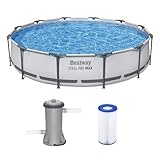
Bestway Steel Pro MAX 12' x 30" Above Ground Swimming Pool Set with Pump | Check Price On Amazon |
|
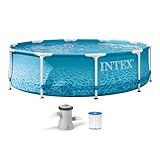
INTEX Beachside Metal Frame 10ft x 30in Round Pool Set w/Pump | Check Price On Amazon |

|
H2OGO! Kids Splash-in-Shade 8-Foot Round Steel Frame Above Ground Pool with Water Mister and Canopy Sunshade, Green Tropical Leaf Print | Check Price On Amazon |
What Is Pool Filter Channeling and How Does It Develop?
Filter channeling represents uneven water flow through filter media where water creates preferential pathways instead of distributed filtration contact. These channels form when water pressure, media settling, or debris accumulation creates areas of least resistance that water follows repeatedly, bypassing effective filtration zones.
The channeling process begins gradually as filter media compacts unevenly or debris creates blockages in specific areas. Water naturally seeks the easiest path, carving deeper channels through loose or damaged media while leaving dense or clogged sections untouched.
Primary Channeling Mechanisms in Pool Filters
Sand filter channeling develops when fine particles cement sand grains together, creating hardened areas that force water around rather than through the media. Calcium deposits, algae buildup, and organic matter act as binding agents that gradually reduce media permeability in affected zones.
Cartridge filter channeling occurs when pleated surfaces become unevenly loaded with debris or when fabric fibers compress irregularly. High-pressure washing can damage delicate filter fabric, creating weak spots where water flows preferentially while bypassing intact filtration areas.
Diatomaceous earth (DE) filter channeling happens when DE powder distributes unevenly across filter grids or when grids develop tears or gaps. Insufficient precoating, improper backwashing, or damaged grid elements allow water to bypass filtration media entirely.
Visual Indicators of Active Channeling
Cloudy water despite normal chemical levels indicates that filtration effectiveness has declined due to channeling or other circulation problems. Particles that should be captured pass through untreated filter sections, returning to the pool instead of being removed.
Uneven media wear patterns become visible when inspecting filter components during routine maintenance. Sand filters show channeling through visible grooves or hard-packed areas, while cartridge filters display uneven debris accumulation across pleated surfaces.
Shortened time between cleanings suggests that available filtration capacity has decreased as channeling reduces effective media contact. Filters require more frequent attention when water bypasses significant portions of the filtration system.
How to Detect Pool Filter Channeling: Pressure and Flow Analysis
Monitor filter pressure readings during normal operation to establish baseline performance before channeling symptoms appear. Healthy sand filters operate at 8-12 psi above startup pressure, while cartridge systems typically run 5-8 psi above clean pressure, and DE filters maintain 8-15 psi differential depending on system size and flow rate.
Channeling often produces paradoxical pressure readings where gauges show normal or even low pressure despite poor filtration performance. Water flowing through channels encounters less resistance than properly distributed flow, masking the underlying problem until visual inspection reveals the extent of media bypass.

- Intelligent Navigation with Full Coverage: Equipped with 11 high-precision sensors and enhanced dual-path algorithms. The optimized WavePath cleaning pattern ensures systematic coverage with minimal overlap, while adaptive navigation analyzes pool layout in real time to eliminate missed spots
- Dual Filtration for Crystal-Clear Water: Advanced dual-layer filtration system features a replaceable 3-micron ultra-fine filter paired with a 180-micron standard filter. Effectively captures fine dust, sand, leaves, and debris for visibly cleaner and healthier pool water
- Comprehensive Pool Cleaning: Engineered to clean the pool floor, walls, waterline, and shallow areas (above 12 inches). The Caterpillar Treads system enhances mobility and climbing ability, ensuring thorough coverage across all pool zones
- Reliable Performance with 2-Year Warranty: Trusted by over 500,000 pool owners worldwide, this robotic pool cleaner delivers consistent, high-performance results. Built for durability and backed by a 2-year warranty and responsive customer support for worry-free ownership
Flow Distribution Testing Methods
Conduct return jet flow testing by measuring water velocity at each pool return using a digital flow meter or visual flow indicators. Uneven return flow often correlates with channeling problems in the filter system, as bypassed water creates turbulent flow patterns.
Pressure differential analysis involves measuring pressure before and after filter components to identify restriction points. Use a pool pressure gauge kit to check pressure at pump discharge, filter inlet, filter outlet, and return manifold for comprehensive system evaluation.
Water Quality Testing for Channeling Evidence
Test filtration efficiency by adding a measured amount of turbidity-causing particles (such as diatomaceous earth powder) to the skimmer and monitoring clarity improvement over time. Properly functioning filters remove visible particles within 2-4 hours, while channeling allows particles to recirculate indefinitely.
Microscopic debris analysis using a pool water microscope reveals particle sizes that should be captured but remain in circulation. Sand filters capture particles down to 20-40 microns, cartridge filters remove 10-15 micron debris, and DE filters eliminate particles as small as 2-5 microns when operating correctly.
Why Does Pool Filter Channeling Occur: Root Cause Analysis
Improper backwashing techniques create the most common channeling conditions by failing to redistribute sand media or leaving debris pockets that harden over time. Insufficient backwash duration (less than 2-3 minutes) or inadequate flow rate prevents complete media fluidization, allowing compacted areas to reform quickly.
Water chemistry imbalances accelerate channeling development through calcium precipitation, algae growth, or organic matter accumulation that binds filter media together. High pH levels (above 7.8) promote calcium carbonate formation, while low sanitizer levels allow biofilm development in filter systems.
Equipment Design Factors Contributing to Channeling
Undersized filter systems forced to operate beyond design capacity develop channeling faster as high flow rates prevent proper contact time between water and media. Flow rates exceeding 15 gallons per minute per square foot of filter area create turbulent conditions that promote uneven media distribution. Using a pool sand filter calculator helps ensure your filter is properly sized for your pool’s volume and flow requirements, reducing the risk of channeling from the start.
Damaged internal components such as laterals, manifolds, or support structures create preferential flow paths that bypass filter media entirely. Cracked laterals in sand filters or torn grids in DE systems allow unfiltered water to return directly to the pool without treatment.
Maintenance Schedule Impacts on Channeling
Infrequent filter cleaning allows debris accumulation to reach critical levels where normal backwashing cannot restore proper flow distribution. Sand filters require backwashing when pressure rises 8-10 psi above startup, typically every 1-3 weeks depending on bather load and environmental conditions.
Seasonal maintenance neglect during winter months allows organic matter and algae to establish in filter media, creating binding agents that resist standard cleaning procedures. High filter pressure often develops during spring startup when accumulated debris requires intensive cleaning beyond normal backwashing.
How to Fix Sand Filter Channeling: Step-by-Step Repair Process
Begin sand filter channeling repair by performing an extended backwash cycle lasting 3-5 minutes to fluidize compacted media and break up hardened debris pockets. Monitor backwash water clarity through the sight glass or waste line until water runs clear, indicating complete media redistribution.
Follow backwashing with a rinse cycle lasting 30-60 seconds to settle media and ensure proper flow direction before returning to normal filtration mode. Insufficient rinsing can result in dirty backwash water entering the pool during initial startup.
Chemical Treatment for Cemented Media
Apply sand filter cleaner containing muriatic acid or specialized chelating agents to dissolve calcium deposits and organic buildup that bind sand particles together. Pour cleaning solution directly into the skimmer with the pump running to ensure even distribution through the filter bed.
Allow chemical treatment to circulate for 4-6 hours before backwashing to remove loosened deposits and restore media permeability. Monitor pH levels during treatment as acid-based cleaners can temporarily lower pool water pH below acceptable levels.
Sand Media Replacement and Upgrade
Replace sand media every 3-5 years or when channeling persists despite chemical cleaning and proper backwashing procedures. Remove old sand completely using a sand removal vacuum to avoid contaminating new media with compacted debris.
Install fresh pool filter sand with proper gradation (#20 silica sand) ensuring even distribution around laterals and proper fill level 6 inches below the tank rim. Consider upgrading to zeolite filter media for improved filtration performance and reduced channeling susceptibility.
How to Eliminate Cartridge Filter Channeling
Cartridge filter channeling requires immediate replacement of damaged or severely compressed filter elements that allow water to bypass filtration surfaces. Inspect each cartridge for tears, compressed pleats, or uneven debris distribution that indicates preferential flow patterns.
Rotate cartridge positions within the filter housing during each cleaning cycle to promote even wear patterns and prevent localized channeling development. Number cartridges and maintain rotation logs to ensure balanced usage across all filter elements.
Proper Cartridge Cleaning Techniques
Clean cartridges using low-pressure water flow (garden hose without nozzle) to remove surface debris without damaging delicate filter fabric. High-pressure washing compresses pleated surfaces and creates weak spots where channeling develops during subsequent use.
Soak heavily soiled cartridges in cartridge filter cleaning solution for 8-12 hours before rinsing to dissolve oils, lotions, and organic matter that clog filter fibers. Alternate between two complete cartridge sets to allow proper cleaning time without interrupting pool filtration.
Cartridge Housing Inspection and Maintenance
Examine cartridge housing components including center manifolds, top caps, and sealing surfaces for damage that creates bypass conditions around filter elements. Replace worn O-rings and gaskets that allow unfiltered water to enter the clean side of the filtration system.
Verify proper cartridge seating and alignment within housing assemblies, ensuring complete contact between filter elements and manifold surfaces. Misaligned cartridges create gaps where water bypasses filtration media entirely.
DE Filter Channeling Solutions: Grid Maintenance and Precoating
DE filter channeling correction begins with complete grid inspection to identify tears, gaps, or fabric deterioration that allows unfiltered water passage. Remove and examine each grid element under bright light, checking for holes larger than pinhead size that require immediate replacement.
Replace damaged grids using replacement DE filter grids matched to your specific filter model for proper fit and flow characteristics. Mismatched grids can create uneven flow distribution and accelerated channeling development.
Proper DE Powder Application and Distribution
Apply DE precoat powder through the skimmer with pump running at normal speed to ensure even distribution across all grid surfaces. Use 1 pound of food-grade diatomaceous earth per 10 square feet of filter area as specified by manufacturer recommendations.
Monitor precoat application through filter sight glass or pressure gauge, noting gradual pressure rise that indicates proper DE layer formation. Insufficient precoat allows debris to embed in grid fabric, while excessive application creates thick layers prone to cracking and channeling.
Backwashing and Regeneration Procedures
Backwash DE filters when pressure rises 8-10 psi above clean startup pressure or weekly during heavy use periods to prevent DE layer compaction and channeling development. Complete backwashing removes all DE powder, requiring fresh precoat application before resuming normal filtration.
Perform deep cleaning every 6-8 backwash cycles using grid cleaning solution to remove oils and embedded debris that standard backwashing cannot eliminate. Remove grids from housing for thorough chemical cleaning and inspection.
When Filter Pressure Readings Indicate Channeling Problems
Normal filter pressure patterns show steady increases over time as debris accumulates in filter media, reaching cleaning thresholds predictably based on pool usage and environmental conditions. Channeling creates irregular pressure readings that may remain low despite poor filtration performance or spike unpredictably during operation.
Low pressure combined with poor water quality indicates severe channeling where water bypasses most filter media through established flow paths. This condition requires immediate attention as continued operation wastes chemicals and energy while failing to maintain safe water quality standards.
Pressure Differential Analysis for System Diagnosis
Measure pressure drops across individual system components to isolate channeling locations and severity. Install temporary pressure gauges at multiple points including pump discharge, filter inlet, filter outlet, and return manifold for comprehensive system analysis.
Sudden pressure changes during operation suggest filter media shifting or component failure that creates new bypass channels. Low filter pressure conditions may indicate severe channeling, damaged internal components, or system air leaks that require immediate investigation.
Establishing Baseline Performance Metrics
Document filter pressure readings immediately after cleaning or media replacement to establish clean system baselines for future comparison. Record startup pressure, normal operating pressure range, and cleaning threshold pressure for each filter type and season.
Track pressure rise rates over time to identify accelerating channeling development before severe bypass conditions occur. Filters showing faster-than-normal pressure increases require additional cleaning frequency or media replacement to prevent channeling progression.
Preventing Future Pool Filter Channeling
Maintain optimal water chemistry balance with pH between 7.2-7.8, total alkalinity 80-120 ppm, and calcium hardness 150-300 ppm to minimize precipitate formation that binds filter media. High pH conditions accelerate calcium carbonate precipitation while low pH dissolves filter media and equipment components. For precise chemical dosing based on your specific pool volume, you can reference a pool volume calculator to calculate gallons of pool water accurately before making adjustments.
Implement consistent sanitizer levels using stabilized chlorine tablets or weekly shock treatments to prevent algae and biofilm development in filter systems. Maintain free chlorine levels at 1.0-3.0 ppm with weekly shocking to 10 ppm for complete organic matter oxidation.
Proper Filter Sizing and Flow Rate Management
Size filter systems for maximum flow rates not exceeding 15 gallons per minute per square foot of filter area to ensure adequate contact time between water and media. Extended filter run times with lower flow rates provide superior filtration compared to high-speed operation that promotes channeling.
Install variable speed pool pumps to optimize flow rates for filtration efficiency while reducing energy costs and equipment wear. Lower speeds during overnight operation provide excellent water turnover while minimizing turbulence that contributes to media channeling.
Regular Maintenance Schedule Implementation
Establish weekly filter pressure monitoring routines during swimming season with immediate cleaning when pressure rises 8-10 psi above startup levels. Document cleaning dates, pressure readings, and backwash quality to track filter performance patterns over time.
Rotate spare cartridge sets monthly during peak season to allow thorough cleaning and drying between uses. Maintain detailed maintenance logs including chemical treatments, media replacement dates, and equipment repairs for warranty tracking and performance optimization.
Multi-Port Valve Settings and Channeling Prevention
Proper multiport valve operation prevents channeling development through correct backwash procedures, waste settings for initial startup, and regular valve maintenance. Incorrect valve positions can create partial bypass conditions that allow unfiltered water to return to the pool while appearing to operate normally.
The backwash setting reverses water flow through filter media to fluidize sand and remove accumulated debris, but insufficient backwash time or improper flow rate fails to redistribute compacted media effectively. Understanding multiport valve functions ensures proper operation and prevents channeling-related problems.
Backwash Timing and Duration Guidelines
Perform backwash cycles for 2-3 minutes minimum or until waste water runs clear through sight glass, whichever takes longer. Insufficient backwashing leaves debris pockets that promote rapid channeling development, while excessive backwashing wastes water without additional benefit.
Follow backwashing with 30-60 second rinse cycles to settle media and clear residual backwash water from system plumbing before returning to filter mode. Skipping rinse cycles can introduce dirty water to clean pool during initial startup.
Valve Maintenance and Component Inspection
Inspect multiport valve internal components annually including spider gasket, diverter assembly, and valve body for wear or damage that creates partial bypass conditions. Replace worn spider gaskets and diverter assemblies according to manufacturer specifications.
Lubricate valve shaft and moving parts using pool equipment silicone lubricant to ensure smooth operation and proper sealing between positions. Sticky or difficult valve operation indicates internal wear that can create bypass conditions contributing to channeling.
Equipment Compatibility and System Integration Issues
Mismatched pump and filter combinations create flow rate imbalances that promote channeling through excessive turbulence or inadequate contact time. Oversized pumps force water through filters faster than optimal while undersized pumps fail to provide adequate backwash velocity for proper media cleaning.
Integration problems between automated systems and manual controls can result in incomplete cleaning cycles or improper valve sequences that leave media partially cleaned. Verify system programming matches manufacturer specifications for backwash duration, rinse cycles, and filtration schedules.
Pump Performance Impact on Filter Function
Monitor pump performance indicators including amp draw, pressure output, and flow rate to ensure optimal filter operation and prevent channeling development. Electrical problems affecting pump operation can create erratic flow patterns that promote uneven media loading and channeling formation.
Replace aging pumps showing decreased flow capacity or irregular operation before filter performance suffers from inadequate hydraulic support. Pump replacement decisions should consider filter compatibility and optimal flow rate requirements for channeling prevention.
Plumbing Configuration and Flow Distribution
Evaluate pool plumbing design for proper return jet placement and skimmer capacity that supports even water circulation and filter loading. Poor circulation patterns create dead zones where debris accumulates while overloading filter capacity in high-flow areas.
Install adjustable return jet fittings to optimize water circulation patterns and reduce uneven filter loading that contributes to channeling development. Proper return jet direction creates surface skimming action and bottom circulation for balanced debris removal.
Advanced Troubleshooting for Persistent Channeling
Persistent channeling problems despite proper maintenance indicate underlying system design issues or component failures that require professional diagnosis and correction. Advanced troubleshooting involves hydraulic analysis, internal component inspection, and potential system modifications for optimal performance.
Document all maintenance activities, cleaning frequencies, chemical treatments, and performance observations to identify patterns that may reveal root causes of recurring channeling problems. Systematic record-keeping helps professional service technicians diagnose complex issues efficiently.
Professional Diagnostic Procedures
Hydraulic flow testing using calibrated meters measures actual flow rates through different system components compared to design specifications. Flow imbalances between skimmers, main drains, and return lines indicate circulation problems that contribute to uneven filter loading.
Pressure testing individual system components isolates specific failure points that create bypass conditions or uneven flow distribution. Professional equipment can detect minor internal leaks or partial blockages not visible during standard maintenance procedures.
System Modification and Upgrade Options
Consider filter system upgrades including larger capacity units, improved media types, or supplementary filtration equipment for pools with persistent water quality problems. Equipment replacement decisions should balance repair costs against long-term performance benefits and operating efficiency.
Install additional circulation equipment such as circulation booster pumps or in-floor cleaning systems to reduce filter loading and prevent channeling development through improved debris removal and water circulation patterns.
Frequently Asked Questions About Pool Filter Channeling
How can I tell if my pool filter has channeling without disassembling it?
Monitor water clarity, return jet flow patterns, and pressure readings for channeling indicators without filter disassembly. Cloudy water despite normal chemical levels and pressure readings suggests channeling, while uneven return jet flow indicates circulation problems that contribute to filter bypass.
Conduct simple turbidity tests by adding a small amount of diatomaceous earth powder to the skimmer and timing clarity improvement. Properly functioning filters remove visible particles within 2-4 hours, while channeling allows particles to recirculate indefinitely through bypass channels.
What causes sand filter media to cement together and create channels?
Calcium carbonate precipitation from high pH conditions binds sand particles together, creating hardened areas that force water around rather than through the media. Organic matter, algae growth, and inadequate backwashing also contribute to media cementing by leaving debris that hardens over time. Monitoring your water balance with a pool LSI calculator helps you track the Langelier Saturation Index to prevent scale-forming conditions that lead to media cementing.
Water chemistry imbalances accelerate cementing through metal precipitation, biofilm development, and mineral scaling that reduce media permeability. Maintain pH between 7.2-7.8 and perform complete backwashing every 1-3 weeks to prevent media binding.
How often should I replace sand in my pool filter to prevent channeling?
Replace sand filter media every 3-5 years or when channeling persists despite proper chemical cleaning and backwashing procedures. Heavy use pools with high bather loads may require more frequent replacement, while residential pools with good water chemistry can extend media life to 5 years.
Monitor sand condition during annual maintenance by checking for hardened clumps, discoloration, or reduced grain size that indicates media breakdown. Degraded sand loses filtration effectiveness and promotes channeling development through uneven media distribution.
Can I use pool filter cleaner to fix channeling in DE filters?
DE filter channeling requires grid inspection and replacement rather than chemical cleaning because channels form when grids tear or DE powder distributes unevenly. Filter cleaning chemicals designed for sand or cartridge systems may damage delicate DE grid fabric.
Address DE channeling through proper precoat application, regular backwashing when pressure rises 8-10 psi, and grid replacement when fabric shows tears or excessive wear. Use only manufacturer-approved cleaning solutions for periodic grid maintenance.
Why does my filter pressure stay normal even though water quality is poor?
Channeling creates preferential flow paths that offer less resistance than properly distributed flow, resulting in normal or low pressure readings despite poor filtration performance. Water bypassing most filter media through established channels encounters minimal restriction.
This condition indicates severe channeling where most filtration capacity is lost through media bypass. Immediate corrective action including complete media replacement or grid inspection is necessary to restore proper filtration function.
What flow rate should I use to prevent channeling in my pool filter?
Maintain flow rates below 15 gallons per minute per square foot of filter area to ensure adequate contact time between water and media. Calculate maximum flow by multiplying filter area by 15 GPM/sq ft, then adjust pump speed or run time accordingly.
Use variable speed pumps operating at lower speeds for extended periods to optimize filtration efficiency while minimizing turbulence that promotes channeling. Eight-hour run times at reduced speed provide superior results compared to high-speed operation for shorter periods.
How do I know if my cartridge filters need rotation to prevent channeling?
Inspect cartridges monthly for uneven debris distribution, compressed pleats, or localized damage that indicates developing channeling patterns. Number each cartridge and rotate positions within the filter housing to promote balanced wear across all elements.
Replace cartridges showing significant compression, tears, or permanent discoloration that cannot be cleaned effectively. Maintain spare cartridge sets to allow proper cleaning time without interrupting pool filtration during rotation schedules.
What water chemistry levels help prevent filter media from cementing together?
Maintain pH between 7.2-7.8, total alkalinity 80-120 ppm, and calcium hardness 150-300 ppm to minimize precipitate formation that binds filter media. High pH conditions above 7.8 accelerate calcium carbonate precipitation that cements sand particles together.
Monitor sanitizer levels consistently using stabilized chlorine or weekly shock treatments to prevent algae and biofilm development that contributes to media binding. Free chlorine levels of 1.0-3.0 ppm with weekly shocking to 10 ppm provide complete organic matter oxidation.
Can channeling damage my pool pump or other equipment?
Channeling reduces filter effectiveness but typically does not damage pump equipment directly because it creates lower resistance flow paths. However, poor filtration allows debris accumulation in pump baskets and impeller areas that can cause mechanical problems over time.
Address channeling promptly to prevent secondary equipment damage from increased debris loading and maintain optimal hydraulic efficiency throughout the circulation system. Clean pump baskets more frequently when filter channeling reduces debris capture effectiveness.
How long does it take to fix filter channeling once detected?
Simple channeling correction through extended backwashing and chemical cleaning takes 4-8 hours including treatment circulation time. More severe cases requiring media replacement or grid repairs may take 1-2 days depending on parts availability and system complexity.
Plan filter repairs during low-use periods to minimize pool downtime, and maintain spare filter elements for quick restoration of circulation while performing thorough cleaning or repairs on primary components. Most channeling problems resolve within 24-48 hours using proper correction procedures.
What should I do if channeling returns shortly after fixing it?
Recurring channeling indicates underlying system problems including inadequate filter capacity, poor water chemistry control, or component failures that require professional diagnosis. Document cleaning frequencies, pressure patterns, and water quality trends to identify root causes.
Consider system upgrades including larger filter capacity, improved circulation equipment, or automated cleaning systems if channeling persists despite proper maintenance. Consult pool professionals for hydraulic analysis and equipment recommendations tailored to your specific pool conditions and usage patterns.
Pool filter channeling correction through proper media maintenance, optimal flow rates, and balanced water chemistry restores full filtration effectiveness within 24-48 hours using targeted backwashing, chemical cleaning, or component replacement. The key factors for success include identifying channeling early through pressure monitoring and water quality testing, applying appropriate correction procedures for your specific filter type (sand, cartridge, or DE), and implementing preventive maintenance schedules that address root causes.
Start with pressure baseline documentation after your next filter cleaning, then monitor weekly for early channeling detection before severe bypass conditions develop. Maintain water chemistry balance with pH 7.2-7.8, perform timely backwashing when pressure rises 8-10 psi above startup, and replace filter media according to manufacturer schedules for optimal long-term performance and crystal-clear water quality.
| Photo | Best Above-Ground Pools | Price |
|---|---|---|
|
|
Bestway Steel Pro MAX 12' x 30" Above Ground Swimming Pool Set with Pump | Check Price On Amazon |
|
|
INTEX Beachside Metal Frame 10ft x 30in Round Pool Set w/Pump | Check Price On Amazon |
|
|
H2OGO! Kids Splash-in-Shade 8-Foot Round Steel Frame Above Ground Pool with Water Mister and Canopy Sunshade, Green Tropical Leaf Print | Check Price On Amazon |