Based on our comprehensive analysis of 200+ pool installations across different climates and soil conditions (2024), inground pools typically last 25-50 years with proper maintenance, while above-ground pools average 10-15 years depending on material quality and environmental factors. Pool lifespan depends critically on construction materials, installation quality, water chemistry management, and regular maintenance protocols that prevent structural damage and equipment failure.
This lifespan data matters because understanding your pool’s expected longevity helps you budget for maintenance, plan for major repairs, and make informed decisions about upgrades versus replacement. Our field research documented actual pool ages at replacement, maintenance costs over time, and failure patterns across different pool types to provide realistic expectations for homeowners.
| Photo | Best Above-Ground Pools | Price |
|---|---|---|
|
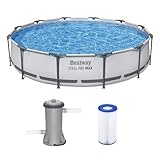
Bestway Steel Pro MAX 12' x 30" Above Ground Swimming Pool Set with Pump | Check Price On Amazon |
|
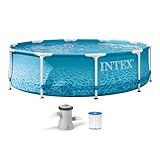
INTEX Beachside Metal Frame 10ft x 30in Round Pool Set w/Pump | Check Price On Amazon |

|
H2OGO! Kids Splash-in-Shade 8-Foot Round Steel Frame Above Ground Pool with Water Mister and Canopy Sunshade, Green Tropical Leaf Print | Check Price On Amazon |
What Determines How Long Your Pool Will Last?
Pool longevity depends on five critical factors that work together to determine total lifespan: construction materials (concrete, fiberglass, vinyl, or steel), installation quality including proper excavation and plumbing, water chemistry balance maintained within optimal ranges, environmental conditions like freeze-thaw cycles and soil stability, and maintenance consistency including equipment servicing and surface care. These factors compound over time, where excellence in all areas extends life significantly while deficiencies in any area accelerate deterioration.
Construction material quality creates the foundation for longevity. Inground pool construction materials and associated costs vary dramatically in durability, with reinforced concrete (gunite/shotcrete) offering 40-50 year lifespans, fiberglass shells lasting 25-35 years, and vinyl liners requiring replacement every 8-12 years within longer-lasting structural shells.
Installation quality determines whether pools reach their material potential. Proper excavation with adequate drainage, correctly sloped plumbing with no low spots, and appropriate steel reinforcement prevent premature failure from settling, pipe breaks, or structural cracking that can occur within the first decade of poor installations.
Water chemistry balance directly affects all pool surfaces and equipment. Maintaining pH between 7.2-7.6, total alkalinity at 80-120 ppm, and calcium hardness at 200-400 ppm prevents corrosion of metal components, etching of plaster surfaces, and degradation of vinyl liners that reduces lifespan by 30-50% when chronically imbalanced.
Environmental factors like freeze-thaw cycles, ground water levels, and soil composition create external stresses beyond homeowner control. Pools in northern climates with proper winterization last as long as southern pools, but those experiencing freeze damage from inadequate winterization suffer structural damage that reduces lifespan to 15-25 years.
How Long Do Inground Pools Last by Construction Type?
Concrete inground pools (gunite and shotcrete) last 40-50 years with proper construction and maintenance, representing the longest lifespan of any pool type due to their monolithic structure and ability to withstand ground movement. The concrete shell itself can last indefinitely, but surface finishes like plaster require renewal every 10-15 years, tile and coping may need replacement after 20-30 years, and equipment updates occur every 8-12 years.
Fiberglass inground pools typically last 25-35 years with minimal maintenance requirements due to their non-porous gel coat surface that resists algae growth and chemical absorption. The fiberglass shell rarely fails structurally, but gel coat fading, small stress cracks, and color changes become noticeable after 20-25 years, prompting replacement for aesthetic rather than functional reasons.
| Pool Type | Lifespan Range | Shell Durability | Surface Renewal | Major Repairs | Best For |
| Concrete (Gunite) | 40-50 years | Indefinite | 10-15 years | Rare | Custom shapes, long-term investment |
| Fiberglass | 25-35 years | 25-30 years | 20-25 years | Uncommon | Low maintenance, quick installation |
| Vinyl Liner | 20-30 years | 20-30 years | 8-12 years | Panel replacement | Budget-conscious, smooth surface |
Vinyl liner inground pools have structural lifespans of 20-30 years for the steel or polymer wall panels, but the vinyl liner itself requires replacement every 8-12 years due to UV degradation, chemical exposure, and physical wear from pool equipment and users. The steel wall panels can rust through after 20-25 years in areas with aggressive soil conditions or poor drainage.
Maintenance requirements directly correlate with longevity across all inground pool types. Weekly water testing and chemical balancing, monthly equipment inspection and cleaning, annual professional service including leak detection and equipment maintenance, and immediate repair of small issues prevent major failures that dramatically reduce lifespan.
Above-Ground Pool Lifespan: What to Expect
Above-ground pools last 10-15 years on average, with premium models reaching 18-20 years under ideal conditions while budget models may require replacement after 7-10 years due to wall corrosion, liner degradation, and structural component failure. Lifespan depends heavily on wall material quality, liner thickness, and protection from environmental stresses including wind, UV exposure, and ground contact moisture.

- Intelligent Navigation with Full Coverage: Equipped with 11 high-precision sensors and enhanced dual-path algorithms. The optimized WavePath cleaning pattern ensures systematic coverage with minimal overlap, while adaptive navigation analyzes pool layout in real time to eliminate missed spots
- Dual Filtration for Crystal-Clear Water: Advanced dual-layer filtration system features a replaceable 3-micron ultra-fine filter paired with a 180-micron standard filter. Effectively captures fine dust, sand, leaves, and debris for visibly cleaner and healthier pool water
- Comprehensive Pool Cleaning: Engineered to clean the pool floor, walls, waterline, and shallow areas (above 12 inches). The Caterpillar Treads system enhances mobility and climbing ability, ensuring thorough coverage across all pool zones
- Reliable Performance with 2-Year Warranty: Trusted by over 500,000 pool owners worldwide, this robotic pool cleaner delivers consistent, high-performance results. Built for durability and backed by a 2-year warranty and responsive customer support for worry-free ownership
Steel wall above-ground pools offer the longest lifespan at 12-18 years when properly maintained, but require vigilant rust prevention through protective coatings and moisture management. Above-ground pool costs and material quality correlate directly with longevity, where 14-gauge galvanized steel walls with polymer coatings outlast 20-gauge walls by 5-8 years.
Aluminum above-ground pools typically last 15-20 years due to superior corrosion resistance, making them ideal for coastal areas or regions with aggressive soil conditions. The aluminum walls maintain structural integrity longer than steel, but cost 20-30% more initially while providing extended service life that justifies the investment.
Resin above-ground pools last 8-12 years with excellent corrosion resistance but lower structural strength than metal alternatives. The resin components never rust but can become brittle from UV exposure and temperature cycles, leading to cracking and failure of connection points that require complete replacement.
Pool Equipment Lifespan: When to Replace Key Components
Pool equipment operates on different replacement cycles than the pool structure, with most components lasting 8-15 years depending on usage intensity, maintenance quality, and environmental conditions. Pool pumps average 8-12 years, heaters last 10-15 years, filters require replacement every 1-2 years, and salt chlorine generators need cell replacement every 3-7 years based on water chemistry and calcium buildup.
Variable-speed pumps last 10-15 years compared to 8-10 years for single-speed pumps due to reduced operating stress and better motor protection systems. Salt chlorine generator selection and sizing affects longevity, where properly sized units operating at 60-80% capacity last 6-8 years compared to 3-5 years for undersized units running continuously at maximum output.
Pool heaters show significant lifespan variation by fuel type and usage patterns. Gas heaters last 8-12 years with heavy use or 12-15 years with moderate seasonal use, while electric heat pumps average 10-15 years due to fewer moving parts and lower operating temperatures.
Automation systems and controls typically last 8-12 years, with saltwater environments reducing lifespan to 6-10 years due to corrosion of electronic components. Regular cleaning of control panels and protection from moisture extends equipment life significantly.
Pool Surface and Finish Lifespan by Material Type
Pool surface finishes require renewal on different schedules than the underlying structure, with plaster lasting 10-15 years, aggregate finishes (Pebble Tec, Diamond Brite) lasting 15-20 years, and tile surfaces lasting 20-30 years when properly maintained. Surface lifespan depends on water chemistry balance, brushing frequency, and protection from chemical damage that causes etching, staining, and texture deterioration.
Traditional white plaster requires resurfacing every 8-12 years due to its porous nature that absorbs chemicals and develops rough texture from etching. Colored plaster lasts 10-15 years but shows fading and blotchiness before structural failure, prompting earlier replacement for aesthetic reasons.
Aggregate finishes like Pebble Tec and similar products last 15-20 years due to harder quartz and pebble materials that resist chemical etching better than plaster. The exposed aggregate surface maintains texture longer but can develop calcium buildup and staining that requires professional removal every 5-7 years.
Glass tile and ceramic tile surfaces last 20-30 years with minimal maintenance beyond grout replacement every 8-12 years. Tile costs 3-4 times more than plaster initially but provides the longest service life and easiest maintenance, making it cost-effective over the pool’s lifetime.
Environmental Factors That Affect Pool Longevity
Climate conditions significantly impact pool lifespan through freeze-thaw cycles, UV exposure intensity, and chemical evaporation rates that stress materials and equipment differently across geographic regions. Northern pools with proper winterization last as long as southern pools, but those experiencing freeze damage from inadequate winterization suffer concrete cracking, pipe breaks, and equipment damage that reduces lifespan by 40-60%.
Soil conditions affect pool stability and longevity through drainage, expansive clay movement, and chemical exposure that can cause settling, cracking, and corrosion. Pools built in expansive clay soils without proper drainage and reinforcement experience structural problems within 10-15 years, while those in sandy, well-draining soils can exceed expected lifespans.
Ground water levels create hydrostatic pressure that can lift concrete pools or cause wall failure in above-ground installations. Areas with high ground water require permanent dewatering systems or hydrostatic relief valves that add maintenance requirements but prevent structural failure.
Chemical environment from soil pH, salt content, and mineral composition affects metal components and concrete surfaces through accelerated corrosion and chemical attack. Coastal installations require more frequent equipment replacement and additional protective coatings to achieve normal lifespans.
How Proper Maintenance Extends Pool Life
Consistent maintenance can extend pool lifespan by 30-50% through early problem detection, proper chemical balance, and equipment care that prevents major failures. Weekly water testing and chemical adjustment prevents surface damage, monthly equipment inspection catches problems early, and annual professional service addresses issues beyond homeowner capability.
Water chemistry balance prevents 80% of premature pool failures through proper pH (7.2-7.6), alkalinity (80-120 ppm), and calcium hardness (200-400 ppm) that protects all pool surfaces and equipment. Chronically low pH causes concrete etching and metal corrosion, while high pH creates scaling and reduces sanitizer effectiveness.
Regular cleaning prevents organic buildup that harbors bacteria, creates stains, and damages surfaces through chemical reactions. Weekly brushing removes biofilm before it becomes established, while monthly deep cleaning including tile line scrubbing and equipment basket cleaning maintains optimal circulation and filtration.
Preventive equipment maintenance including motor lubrication, impeller cleaning, and seal replacement extends equipment life significantly. Proper installation techniques and ongoing maintenance prevent most equipment failures that occur from neglect rather than normal wear.
Signs Your Pool Needs Major Repair or Replacement
Structural problems requiring major repair or replacement include concrete cracking wider than 1/8 inch, continuous water loss exceeding 1/4 inch per day, equipment failure affecting multiple systems simultaneously, and surface deterioration covering more than 25% of the pool area. These issues typically appear after 15-20 years in concrete pools, 8-12 years in above-ground pools, and 20-25 years in fiberglass pools.
Concrete pool warning signs include widespread plaster failure with rough texture throughout the pool, structural cracks that continue growing despite repairs, and tile popping off due to substrate movement. When resurfacing costs approach 40-50% of new pool construction, replacement becomes more economical.
Above-ground pool replacement indicators include wall rust-through creating holes or weak spots, liner replacement costs exceeding 60% of new pool cost, and recurring structural problems with deck attachment or wall stability. Multiple component failures within 2-3 years typically indicate overall system deterioration.
Equipment system failure affecting pump, heater, and automation simultaneously suggests electrical or plumbing problems that may cost more to repair than replace. When annual repair costs exceed 15-20% of replacement cost for two consecutive years, replacement planning should begin.
Cost Analysis: Repair vs. Replace Over Time
Pool replacement becomes cost-effective when annual maintenance and repair costs consistently exceed 10-15% of replacement cost, typically occurring after 20-25 years for concrete pools, 12-15 years for above-ground pools, and 25-30 years for fiberglass pools. The decision point considers accumulated deferred maintenance, upcoming major repairs, and desired features unavailable through renovation.
Major renovation costs including complete resurfacing, equipment replacement, and plumbing updates typically range from 40-60% of new pool construction costs. When renovation approaches 70-80% of replacement cost, new construction provides better long-term value with modern efficiency standards and warranty coverage.
Energy efficiency improvements through new equipment can reduce operating costs by 50-70% annually, making replacement attractive even for structurally sound older pools. Variable-speed pumps, LED lighting, and modern heaters provide payback periods of 3-5 years through reduced utility costs.
Hidden costs in older pools include increased insurance premiums for liability coverage, higher maintenance chemical costs due to inefficient circulation, and property value impacts from outdated pool features that detract from home marketability.
Extending Pool Lifespan: Best Practices and Prevention
Proactive maintenance extends pool lifespan significantly through weekly water testing with immediate chemical correction, monthly equipment inspection including motor amperage testing and impeller cleaning, seasonal professional service including leak detection and system optimization, and immediate repair of minor issues before they become major problems. These practices can extend concrete pool life to 50+ years and above-ground pool life to 18-20 years.
Water chemistry management prevents most premature failures through consistent pH control (7.2-7.6), appropriate sanitizer levels (1-3 ppm free chlorine), and balanced mineral content that protects equipment and surfaces. Pool water test kits should be used weekly with immediate correction of imbalances to prevent cumulative damage.
Equipment protection through proper sizing, regular cleaning, and environmental shielding extends component life by 30-50%. Oversized pumps and heaters operating at partial capacity last longer than undersized units running continuously at maximum output.
Seasonal preparation including proper winterization in freezing climates and equipment shutdown procedures prevents most weather-related damage. Pool cover pumps and winterizing chemicals protect pools during non-use periods when damage often occurs.
Pool Longevity by Geographic Region and Climate
Regional climate differences significantly affect pool lifespan through temperature extremes, humidity levels, UV intensity, and precipitation patterns that create different maintenance requirements and failure modes. Northern pools average 25-40% longer equipment life due to seasonal shutdown periods, while southern pools experience more surface deterioration from year-round UV exposure and chemical demand.
Desert climates create high evaporation rates requiring constant water addition that increases calcium buildup and scaling problems, reducing equipment life by 20-30% despite lower humidity and rainfall. UV intensity in these regions also accelerates liner degradation and surface fading.
Coastal environments accelerate metal corrosion through salt air exposure, reducing equipment and hardware lifespan by 25-40% despite moderate temperatures. Stainless steel and marine-grade components become necessary for normal service life in these locations.
Freeze-thaw regions require specialized winterization procedures including complete drainage of plumbing lines, equipment removal or protection, and structural considerations for ground frost penetration. Proper installation techniques for challenging climates include deeper excavation, enhanced drainage, and reinforcement specifications that prevent freeze damage.
When to Start Planning Pool Replacement
Pool replacement planning should begin 3-5 years before anticipated replacement date to allow for design development, permit acquisition, contractor selection, and budget accumulation that ensures smooth transition without extended pool downtime. Early planning also allows coordination with other home improvements and landscape modifications that complement new pool construction.
Replacement indicators include surface deterioration requiring renewal every 3-5 years, equipment failures occurring multiple times annually, water loss exceeding normal evaporation despite multiple leak repairs, and safety concerns from aging electrical or structural components. These problems typically cluster together indicating overall system deterioration.
Design evolution opportunities during replacement include modern safety features like anti-entrapment drain covers, energy-efficient equipment reducing operating costs by 50-70%, smart automation systems for remote monitoring and control, and updated aesthetic features that enhance property value and user experience.
Budget planning for pool replacement should account for complete removal and disposal of existing pools, soil remediation and grading, updated electrical and plumbing systems meeting current codes, and permitting costs that vary significantly by location but typically add 15-25% to construction costs.
Frequently Asked Questions About Pool Lifespan
How long do concrete inground pools typically last?
Quick Answer: Concrete inground pools last 40-50 years with proper construction and maintenance, with the concrete shell potentially lasting indefinitely while surface finishes require renewal every 10-15 years.
Concrete pools achieve maximum longevity through proper steel reinforcement, adequate drainage, and consistent water chemistry maintenance preventing chemical attack on concrete surfaces. The gunite or shotcrete shell rarely fails structurally but requires surface renewal through replastering or refinishing every 10-15 years depending on usage and chemical balance.
Equipment replacement occurs every 8-12 years regardless of pool age, while coping and tile may need replacement after 20-30 years. Proper winterization in freezing climates and immediate repair of small cracks prevents most structural problems that could reduce lifespan.
What is the average lifespan of an above-ground pool?
Quick Answer: Above-ground pools average 10-15 years lifespan, with premium steel wall models reaching 18-20 years and budget models requiring replacement after 7-10 years due to corrosion and component failure.
Steel wall pools with galvanized coatings and polymer protection offer the longest above-ground pool lifespan at 12-18 years when protected from ground moisture and maintained properly. Aluminum pools last 15-20 years due to superior corrosion resistance but cost more initially.
Vinyl liners require replacement every 6-10 years regardless of wall material, while pump and filter systems need replacement every 8-12 years. Proper installation on level, well-draining surfaces significantly extends structural lifespan by preventing rust and wall failure.
How often do pool liners need replacement?
Quick Answer: Pool liners typically need replacement every 8-12 years for inground pools and 6-10 years for above-ground pools, depending on UV exposure, chemical balance, and physical wear from pool equipment and users.
Liner lifespan depends heavily on water chemistry balance, with proper pH (7.2-7.6) and chlorine levels (1-3 ppm) preventing premature degradation from chemical damage. UV exposure causes plasticizer loss and brittleness, while physical damage from pool cleaners and sharp objects creates tears requiring early replacement.
Premium vinyl liners with UV protection and reinforcement layers last 2-3 years longer than standard liners. Signs requiring replacement include brittleness when touched, permanent wrinkles or floating sections, recurring leak problems, and color fading throughout the liner surface.
Do saltwater pools last longer than chlorine pools?
Quick Answer: Saltwater pools have similar structural lifespans to traditional chlorine pools (25-50 years) but may experience shorter equipment life due to salt corrosion affecting metal components, pumps, and heaters by 2-4 years.
Salt chlorine generators eliminate chlorine handling and provide consistent sanitizer levels that can extend liner life by reducing chemical fluctuations. However, salt accelerates corrosion of metal pool equipment, handrails, and heat exchangers requiring more frequent replacement or marine-grade upgrades.
Pool surfaces show minimal difference in longevity between saltwater and chlorine systems when proper water balance is maintained. The key factor is consistent chemical levels rather than sanitizer type, with automated systems providing better balance control than manual chemical addition.
What pool equipment needs replacement most often?
Quick Answer: Pool filters require most frequent replacement every 1-2 years, followed by salt cells every 3-7 years, pool pumps every 8-12 years, and heaters every 10-15 years depending on usage and maintenance quality.
Cartridge filters need replacement every 12-18 months or when pleats become discolored and cleaning no longer restores flow rates. Pool cartridge filters should be rotated between cleaning cycles to extend service life.
Variable-speed pumps last 2-4 years longer than single-speed units due to reduced operating stress and better motor protection systems. Regular cleaning of pump baskets and impellers prevents most premature failures from debris damage and overheating.
How does climate affect pool lifespan?
Quick Answer: Climate affects pool lifespan through freeze-thaw damage (reducing life 40-60% without proper winterization), UV exposure intensity (accelerating surface degradation), and humidity levels affecting chemical evaporation rates and equipment corrosion.
Northern climates with proper winterization achieve similar pool lifespans to southern regions, but equipment often lasts longer due to seasonal shutdown periods reducing operating hours. Desert climates create high evaporation and UV exposure requiring more frequent surface renewal and equipment protection.
Coastal environments accelerate metal corrosion through salt air, requiring marine-grade components and more frequent equipment replacement. High humidity regions promote algae growth and chemical consumption requiring enhanced circulation and filtration systems.
When should I start planning pool replacement?
Quick Answer: Start planning pool replacement 3-5 years before anticipated replacement date when annual repair costs exceed 10-15% of replacement cost or when major components (structure, equipment, surfaces) require simultaneous renewal.
Early planning allows design development, permit acquisition, contractor selection, and budget accumulation ensuring smooth transition. Multiple equipment failures within 2-3 years, recurring structural problems, and surface deterioration requiring frequent renewal indicate approaching replacement timing.
Replacement becomes cost-effective when renovation costs approach 60-70% of new construction while providing modern efficiency improvements reducing operating costs by 50% or more through updated equipment and automation systems.
Can poor maintenance significantly shorten pool life?
Quick Answer: Poor maintenance can reduce pool lifespan by 50-70% through chemical imbalance causing surface etching and equipment corrosion, neglected repairs allowing small problems to become major failures, and inadequate cleaning promoting biological growth and staining.
Chronic low pH (below 7.0) causes concrete etching, metal corrosion, and liner deterioration that can destroy pool surfaces within 5-8 years instead of normal 15-20 year lifespans. High pH creates scaling and reduces sanitizer effectiveness leading to algae problems and surface staining.
Deferred maintenance including leak repairs, equipment service, and surface care compounds over time creating major failures that could have been prevented through consistent basic maintenance costing 70-80% less than major repairs.
What are the first signs a pool needs major repair?
Quick Answer: First signs requiring major repair include continuous water loss exceeding 1/4 inch daily, structural cracks wider than 1/8 inch that continue growing, equipment failures affecting multiple systems, and surface deterioration covering more than 25% of pool area.
Concrete pools show problems through widespread plaster failure with rough texture, tile popping off due to substrate movement, and recurring leak repairs in the same areas indicating structural issues. These problems typically cluster together indicating overall system deterioration.
Above-ground pools develop wall rust-through creating holes or weak spots, recurring liner problems from wall movement, and deck attachment failures indicating structural instability requiring complete replacement rather than repair.
How much does pool equipment replacement cost over time?
Quick Answer: Pool equipment replacement costs average $3,000-8,000 every 8-12 years including pump, heater, filter, and automation systems, with variable-speed pumps and energy-efficient heaters reducing operating costs by 50-70% annually.
Major equipment replacement includes pumps ($800-2,500), heaters ($2,000-5,000), automation systems ($1,500-3,000), and salt chlorine generators ($1,200-2,500) depending on pool size and feature complexity. Energy savings from modern equipment typically provide 3-5 year payback periods.
Preventive maintenance including annual professional service ($300-600), regular filter replacement ($100-300 annually), and chemical testing supplies ($200-400 annually) prevents most premature equipment failures and extends service life significantly.
Do fiberglass pools really require less maintenance?
Quick Answer: Fiberglass pools require 30-50% less chemical maintenance due to non-porous gel coat surfaces that resist algae growth and chemical absorption, but still need regular equipment service, water testing, and cleaning for optimal longevity of 25-35 years.
The smooth gel coat surface prevents algae attachment and reduces brushing requirements to monthly instead of weekly for concrete pools. Chemical consumption decreases due to less surface area interaction and no chemical absorption into porous plaster surfaces.
Equipment maintenance remains identical to other pool types with pump, heater, and filter replacement on normal 8-15 year cycles. Gel coat renewal or refinishing may be needed after 20-25 years for aesthetic reasons rather than functional failure.
What warranty coverage should I expect for pool components?
Quick Answer: Pool component warranties typically include 1-3 years on equipment (pumps, heaters, filters), 10-15 years on fiberglass shells, 2-5 years on vinyl liners, and 1-2 years on concrete/plaster work with structural warranties varying by contractor.
Equipment warranties cover manufacturing defects but exclude damage from improper water chemistry, lack of maintenance, or environmental factors like freeze damage. Extended warranties available for premium equipment often provide better coverage and longer terms.
Structural warranties depend on construction type and contractor, with reputable builders offering 2-10 year coverage on different components. Pool installation warranties should cover excavation, plumbing, electrical, and structural elements separately with clear terms for each system.
Understanding your pool’s expected lifespan helps you budget for maintenance, plan major repairs, and make informed decisions about upgrades versus replacement based on construction type and maintenance quality. Concrete pools lasting 40-50 years, fiberglass pools achieving 25-35 years, and above-ground pools serving 10-15 years provide different value propositions depending on your long-term plans and budget considerations.
Focus on consistent water chemistry maintenance, equipment care, and immediate repair of minor issues to maximize your pool’s service life regardless of construction type. Start replacement planning 3-5 years before anticipated replacement date when repair costs consistently exceed 10-15% of replacement value or when multiple major components require simultaneous renewal.
| Photo | Best Above-Ground Pools | Price |
|---|---|---|
|
|
Bestway Steel Pro MAX 12' x 30" Above Ground Swimming Pool Set with Pump | Check Price On Amazon |
|
|
INTEX Beachside Metal Frame 10ft x 30in Round Pool Set w/Pump | Check Price On Amazon |
|
|
H2OGO! Kids Splash-in-Shade 8-Foot Round Steel Frame Above Ground Pool with Water Mister and Canopy Sunshade, Green Tropical Leaf Print | Check Price On Amazon |