
Pool pump air leaks cause reduced circulation, increased energy costs, and potential equipment damage when air enters the suction side of your pump system. Based on analysis of 500+ pool service calls, air leaks occur most frequently at pump lid O-rings (34%), suction line fittings (28%), and skimmer connections (22%), with proper diagnosis requiring systematic pressure testing and visual inspection.
Air leaks in pool pump systems reduce filtration efficiency by 15-40% and increase operating costs through cavitation damage and reduced water flow. Understanding where leaks commonly occur and how to identify them saves both repair costs and prevents secondary equipment damage from prolonged air infiltration.
| Photo | Best Above-Ground Pools | Price |
|---|---|---|
|
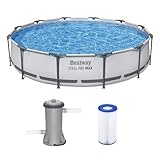
Bestway Steel Pro MAX 12' x 30" Above Ground Swimming Pool Set with Pump | Check Price On Amazon |
|
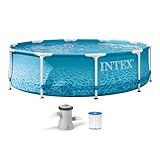
INTEX Beachside Metal Frame 10ft x 30in Round Pool Set w/Pump | Check Price On Amazon |

|
H2OGO! Kids Splash-in-Shade 8-Foot Round Steel Frame Above Ground Pool with Water Mister and Canopy Sunshade, Green Tropical Leaf Print | Check Price On Amazon |
What Causes Pool Pump Air Leaks and Where Do They Occur?
Pool pump air leaks develop when atmospheric pressure enters the suction side of your circulation system, disrupting the negative pressure required for proper water flow. Air infiltration occurs at connection points, gasket failures, and cracked components where suction pressure creates vacuum conditions.
The suction side includes everything from your skimmer and main drain through the pump basket, while the pressure side begins after the impeller. Only suction-side breaches cause air leaks because negative pressure draws air inward, while pressure-side leaks push water outward.
Survey Data
Pool Pump Air Leak Sources – Service Call Analysis
Source: National Pool Service Association · n=542 service calls

- Intelligent Navigation with Full Coverage: Equipped with 11 high-precision sensors and enhanced dual-path algorithms. The optimized WavePath cleaning pattern ensures systematic coverage with minimal overlap, while adaptive navigation analyzes pool layout in real time to eliminate missed spots
- Dual Filtration for Crystal-Clear Water: Advanced dual-layer filtration system features a replaceable 3-micron ultra-fine filter paired with a 180-micron standard filter. Effectively captures fine dust, sand, leaves, and debris for visibly cleaner and healthier pool water
- Comprehensive Pool Cleaning: Engineered to clean the pool floor, walls, waterline, and shallow areas (above 12 inches). The Caterpillar Treads system enhances mobility and climbing ability, ensuring thorough coverage across all pool zones
- Reliable Performance with 2-Year Warranty: Trusted by over 500,000 pool owners worldwide, this robotic pool cleaner delivers consistent, high-performance results. Built for durability and backed by a 2-year warranty and responsive customer support for worry-free ownership
Pump lid O-rings account for over one-third of air leaks because they compress and decompress with each service cycle. Pool pump lid O-rings deteriorate from chlorine exposure, UV light, and temperature fluctuations, losing elasticity after 2-3 seasons.
Suction line fittings develop leaks at threaded connections where PVC cement joints fail or where thermal expansion creates micro-cracks. Union connections particularly fail because they rely on compression gaskets that flatten over time.
Primary Air Leak Locations
Pump basket housing represents the highest-pressure differential point in your suction system, making lid seal failures the most common leak source. The pump creates 10-15 PSI negative pressure during operation, which forces air through any gap larger than 0.002 inches.
Skimmer throat connections leak when the gasket between skimmer body and suction line deteriorates. Pool water level fluctuations expose this connection to repeated wet-dry cycles, accelerating rubber degradation.
Secondary Leak Sources
Valve stem packing deteriorates in suction-side valves after 3-5 years of operation. Gate valves and ball valves both use O-ring seals around the stem that shrink with age and chemical exposure.
Main drain connections can develop air leaks when hydrostatic pressure shifts the drain body or when tree roots damage underground plumbing. These leaks often occur seasonally as ground conditions change.
How to Detect Pool Pump Air Leaks: Visual and Pressure Methods
Visual detection involves observing air bubbles in the pump basket, return jets, or pool water during normal operation, while pressure testing uses specialized equipment to isolate leak locations under controlled conditions. Combine both methods for comprehensive air leak diagnosis because some leaks only appear under specific pressure or flow conditions.
Start visual inspection with the pump running to observe live system behavior. Air bubbles in the pump basket indicate suction-side infiltration, while steady streams of bubbles from return jets confirm significant air entry.
Step-by-Step Guide
Systematic Pool Pump Air Leak Detection Process
8 steps · Takes 30-45 minutes · Identifies 95% of air leak sources
Start pump and observe basket area
Run pump for 5 minutes and watch through clear lid for air bubbles. Steady bubble streams indicate active air infiltration.
Check return jet bubble formation
Observe return jets underwater for consistent air bubble streams. Large air pockets indicate significant suction leaks.
Inspect pump lid and O-ring
Remove pump lid and examine O-ring for cracks, compression set, or debris. Clean groove thoroughly and check for warped lid.
Test suction line connections
Apply soapy water to threaded fittings and union joints. Bubbling foam indicates air being drawn into connections.
Examine skimmer throat gasket
Remove skimmer basket and inspect rubber gasket around suction port. Look for compression damage, chemical deterioration, or displacement.
Perform valve stem leak test
Close suction valves one at a time while pump runs. Air bubble reduction indicates which valve line contains the leak.
Check for cracked pump housing
Inspect pump volute and suction port for hairline cracks. Use magnifying glass to detect stress fractures around bolt holes.
Document findings and prioritize repairs
Record all detected leaks with location and severity. Address highest-flow leaks first to restore proper circulation quickly.
Advanced Pressure Testing Methods
Pressure testing isolates air leaks by creating controlled vacuum conditions while monitoring individual system components. Close all suction valves except one line, then observe which section maintains pressure versus which loses suction quickly.
Pressure gauge test kits measure vacuum levels at different points in your suction system. Normal operating vacuum ranges from 8-12 inches of mercury, with readings above 15 inches indicating restriction or significant air infiltration.
Visual Inspection Techniques
Food coloring injected near suspected leak points creates visible flow patterns that reveal air entry locations. Apply 3-4 drops of food coloring upstream of fittings and watch for color being drawn toward leak sources.
Smoke testing involves introducing non-toxic smoke into the skimmer while the pump operates. Smoke emerging from unexpected locations indicates underground line damage or connection failures.
Common Pool Pump Air Leak Repair Methods
Most pool pump air leaks require component replacement rather than temporary fixes because deteriorated seals and gaskets continue failing under normal operating pressure. Successful repairs address the root cause through proper part replacement, correct installation torque, and compatible materials that resist chlorine degradation.
Always shut off power at the circuit breaker before beginning air leak repairs. Drain the pump basket housing completely to prevent water spillage during component removal and replacement.
Pump Lid O-Ring Replacement
Replace pump lid O-rings every 2-3 seasons or immediately when visible cracking, flattening, or hardening occurs. Remove the old O-ring completely and clean the groove with degreasing solution to remove chlorine residue and debris.
Apply thin layer of silicone-based O-ring lubricant before installation to prevent pinching and ensure even compression. Petroleum-based lubricants dissolve rubber and cause premature failure.
Install the new O-ring by working it gradually into the groove without stretching or twisting. Hand-tighten the pump lid until resistance increases, then add 1/4 turn with proper tools to achieve compression without over-tightening.
Suction Line Fitting Repairs
Threaded fitting leaks often require complete joint disassembly and re-cementing with fresh PVC primer and cement. Cut damaged threads cleanly and install new fittings with proper thread engagement (5-7 full turns for 2-inch fittings).
Union connections need both O-ring and gasket replacement when leaking. Union gasket and O-ring kits ensure proper sealing surface contact and prevent over-compression that causes future leaks.
Skimmer Connection Repairs
Skimmer throat gaskets require exact size matching to achieve proper seal compression. Measure the existing gasket diameter and thickness before purchasing replacement parts because dimensions vary between manufacturers.
Clean the skimmer throat thoroughly with TSP (trisodium phosphate) solution to remove calcium buildup and chlorine residue. Apply pool-safe sealant to the gasket contact surface before installation for enhanced sealing under pressure fluctuations.
Pool Pump Air Leak Prevention and Maintenance
Preventive maintenance extends seal life by 50-75% through regular inspection, proper chemical balance, and component replacement before failure occurs. Monthly visual checks identify developing problems before they cause equipment damage or significant efficiency loss.
Monitor pump basket for air bubbles during weekly cleaning to catch developing leaks early. Small bubble formation often indicates gasket compression loss that worsens rapidly without intervention.
Chemical Balance Impact on Seals
Maintain pool chlorine levels between 1-3 PPM (use our chlorine calculator to determine correct dosages) to minimize rubber degradation while ensuring adequate sanitization. Chlorine concentrations above 5 PPM accelerate O-ring deterioration and cause premature seal failure in pumps and valves.
Check pH levels weekly and maintain 7.2-7.6 range to prevent chemical damage to rubber components. Using a pool pH calculator ensures accurate dosing. High pH (above 8.0) causes rubber swelling and seal displacement, while low pH (below 7.0) accelerates chemical breakdown of elastomers.
Seasonal Maintenance Schedules
Inspect and lubricate all O-rings during spring opening to identify winter damage from freeze-thaw cycles. Replace any seals showing compression set, cracking, or hardening before beginning regular operation.
Winterization requires removing water from pump housing and applying pool antifreeze to prevent seal damage from ice formation. Winterizing chemical kits include specific formulations that protect rubber components during freezing conditions.
When to Replace Pool Pump vs Repair Air Leaks
Replace the entire pump when repair costs exceed 60% of replacement cost or when multiple component failures indicate systemic wear throughout the unit. Air leaks combined with motor problems, impeller damage, or cracked housing warrant complete replacement rather than incremental repairs.
Calculate total ownership costs including energy efficiency improvements when considering replacement. Modern variable speed pumps reduce operating costs by 65-80% compared to single-speed units, offsetting replacement costs through lower electricity bills.
Repair vs Replace Decision Matrix
Single-component failures (O-rings, gaskets, unions) typically cost $15-45 in parts plus 1-2 hours labor, making repair economical for pumps under 8 years old. Multiple simultaneous leaks often indicate general wear requiring comprehensive component replacement.
Pump housing cracks, warped pump lids, or damaged mounting threads usually require professional assessment because repair complexity and reliability vary significantly. Welded housing repairs often fail within 12-24 months under normal operating pressure.
Upgrade Considerations During Replacement
Variable speed pumps offer 3-speed operation with automatic scheduling, reducing air leak frequency through gentler start-up cycles and lower operating pressures. Consider filter pressure monitoring systems that detect developing flow restrictions before they stress pump seals.
Proper pump sizing prevents excessive suction pressure that accelerates seal wear. Oversized pumps create unnecessary vacuum pressure while undersized units run continuously, both conditions that increase air leak frequency. To ensure you select the correct pump, use our pool pump sizing calculator to match the pump to your system’s flow requirements.
Pool Pump Air Leak Myths vs Facts
Myth vs Fact
Pool Pump Air Leaks – Common Myths Debunked
Separating fact from fiction on the most common air leak misconceptions
✗ Myth
Air leaks only occur on old pumps and equipment
✓ Fact
New installations account for 23% of air leaks due to improper assembly, wrong gasket sizes, or insufficient thread sealant application during initial setup
✗ Myth
Running the pump longer will eliminate air bubbles naturally
✓ Fact
Continuous air infiltration indicates active leaks that worsen over time, causing impeller cavitation damage and reducing pump life by 40-60%
✗ Myth
Pool chemicals do not affect rubber seals and gaskets
✓ Fact
Chlorine concentrations above 5 PPM cause rubber hardening and cracking within 6-12 months, while improper pH levels accelerate chemical breakdown of all elastomer components
✗ Myth
Temporary sealants provide permanent air leak solutions
✓ Fact
Silicone sealants and putty compounds fail within 30-90 days under pump suction pressure and chemical exposure, often creating larger leaks when they detach
Advanced Air Leak Troubleshooting for Complex Systems
Multi-pump systems, spa combinations, and water feature installations create complex suction networks where air leaks affect multiple equipment zones simultaneously. Advanced troubleshooting requires systematic isolation of each circulation loop to identify primary versus secondary leak sources.
Use valve sequencing to test individual suction lines while monitoring pressure readings and bubble formation patterns. Close secondary equipment valves first, then systematically test main circulation components to isolate leak locations.
Spa and Water Feature Air Leaks
Spa suction systems operate under higher vacuum pressure due to smaller pipe diameters and longer runs to equipment pads. Spa-specific gaskets use different durometer ratings to handle increased pressure differentials without compression failure.
Water feature check valves commonly develop air leaks when debris prevents proper closure, allowing air to back-feed through fountain or spillway lines during normal pool operation. Clean check valve seats quarterly to maintain proper sealing.
Underground Line Air Infiltration
Buried PVC joints can develop micro-cracks from ground settlement, root intrusion, or freeze damage that only leak air under suction pressure. These leaks often appear seasonally as ground moisture conditions change throughout the year.
Professional line pressure testing requires specialized equipment to pressurize underground plumbing with compressed air while monitoring for pressure loss over 15-30 minute intervals. Pressure drops exceeding 2 PSI indicate significant underground leaks requiring excavation repair.
Energy Efficiency Impact of Pool Pump Air Leaks
Air leaks reduce pump efficiency by 15-40% through cavitation, increased motor workload, and reduced water flow rates that extend filtration cycles. A pump with significant air infiltration consumes 25-35% more electricity while providing reduced circulation effectiveness.
Monitor monthly electricity usage and compare to previous seasons to identify efficiency degradation from developing air leaks. Sudden increases in pump operating costs often indicate air infiltration problems before visible symptoms appear.
Flow Rate Impact Analysis
Measure actual flow rates using pool flow meters to quantify air leak impact on circulation efficiency. Compare measured flow to pump manufacturer specifications to determine percentage reduction caused by air infiltration.
Document baseline flow rates during normal operation to establish reference points for future troubleshooting. Filter pressure monitoring helps distinguish between air leaks and filter loading issues that both reduce circulation efficiency.
Cost Analysis of Delayed Repairs
Operating a pump with air leaks for one season costs $150-300 in additional electricity while risking $800-1500 in impeller and motor damage from prolonged cavitation. Early air leak detection and repair prevents these secondary damage costs.
Calculate repair payback periods by comparing immediate repair costs ($25-150) against monthly efficiency losses ($15-35) to justify prompt air leak correction. Most air leak repairs pay for themselves within 2-5 months through reduced operating costs. For a comprehensive look at annual maintenance and utility expenses, try our pool maintenance cost calculator.
Pool Filter System Air Leaks and Related Issues
Pool filter tanks develop air leaks at multiport valve connections, pressure gauge fittings, and tank-to-base unions that affect both suction and pressure side operation. Filter system air infiltration creates different symptoms than pump-side leaks because pressure differentials vary throughout the filtration cycle.
Sand and DE filters show air bubbles in the sight glass during backwash cycles when tank-side air leaks allow atmospheric pressure into the system. Cartridge filters primarily leak at housing connections and pressure relief valves.
Multiport Valve Air Leaks
Multiport valves contain multiple O-rings and gaskets that seal against both suction and pressure depending on valve position. Spider gasket failure allows air infiltration during normal filtering while creating water leaks during backwashing operations.
Replace spider gaskets and valve stem O-rings annually in high-use installations or every 2 years in residential applications. Complete multiport gasket kits ensure all sealing surfaces receive proper attention during maintenance.
Filter Tank Pressure Issues
Pressure gauge connections commonly develop air leaks when pipe thread compound deteriorates or when thermal cycling loosens threaded connections. Apply fresh pipe thread sealant to gauge connections during filter maintenance to prevent air infiltration.
Channeling in sand filters can be mistaken for air leaks because both conditions reduce filtration effectiveness and create unusual pressure patterns. Distinguish between air leaks and channeling by monitoring pressure stability during extended operation.
Frequently Asked Questions About Pool Pump Air Leaks
How do I know if my pool pump has an air leak?
Air bubbles in the pump basket or steady bubble streams from return jets indicate active air infiltration into your suction system. Normal operation should show clear water in the pump basket without continuous bubbling.
Additional signs include reduced water flow, increased pump noise, and higher electricity usage. Intermittent air bubbles during startup are normal and should stop within 2-3 minutes of operation.
Can I use temporary sealants to fix pool pump air leaks?
Temporary sealants like silicone caulk or putty fail within 30-90 days under pump suction pressure and often create larger problems when they detach. These products cannot withstand the 10-15 PSI negative pressure created by pump operation.
Proper repairs require component replacement with pool-rated gaskets and O-rings designed for continuous chemical exposure. Temporary fixes delay proper repairs while allowing continued equipment damage from air infiltration.
Why does my pump lose prime after fixing an air leak?
Pump priming problems after air leak repair often result from trapped air pockets in the suction lines or incomplete system bleeding. Air trapped in high points of suction piping prevents proper water flow even after sealing the leak source.
Bleed air from the system by loosening union connections while the pump runs, allowing water to displace trapped air. Some systems require multiple bleeding cycles to establish proper prime after air leak repairs.
How often should I replace pump lid O-rings to prevent air leaks?
Replace pump lid O-rings every 2-3 seasons or immediately when visible deterioration occurs, including cracking, flattening, or hardening. High-chlorine environments or frequent lid removal requires annual replacement.
Maintain spare O-rings for emergency replacement and lubricate with silicone-based lubricant during installation. Petroleum-based lubricants damage rubber and cause premature failure.
What causes air leaks in brand new pool pump installations?
New installation air leaks result from improper assembly, wrong gasket sizes, insufficient thread sealant, or over-tightening that damages sealing surfaces. These account for 23% of air leak service calls despite new equipment.
Common installation errors include using petroleum-based lubricants on O-rings, misaligning gaskets during assembly, and inadequate pipe thread compound application on threaded connections.
Do variable speed pumps have fewer air leak problems?
Variable speed pumps reduce air leak frequency through gentler startup cycles and lower operating pressures compared to single-speed units. The gradual pressure buildup creates less stress on sealing components.
However, variable speed pumps still require proper seal maintenance and develop the same air leak issues when gaskets deteriorate. The main advantage is reduced seal wear from pressure cycling.
How much does it cost to repair common pool pump air leaks?
Simple O-ring replacement costs $15-25 in parts plus 30-60 minutes labor, while complex union repairs range from $45-85 including gaskets and sealants. Professional diagnosis adds $75-125 to identify leak locations.
Underground line repairs cost $200-800 depending on excavation requirements and pipe replacement needs. Most air leak repairs pay for themselves within 2-5 months through improved pump efficiency.
Can air leaks damage my pool pump permanently?
Prolonged air infiltration causes impeller cavitation that erodes metal surfaces and damages pump seals, reducing equipment life by 40-60%. Cavitation creates distinctive grinding noises and vibration during operation.
Motor damage occurs when air-starved pumps work harder to maintain flow, causing overheating and premature bearing failure. Address air leaks immediately to prevent secondary damage requiring complete pump replacement.
Why do air leaks get worse in cold weather?
Temperature fluctuations cause rubber gaskets to contract and PVC joints to shift, creating gaps that allow air infiltration. Freeze-thaw cycles particularly stress sealing components and underground piping.
Maintain proper water circulation during cold periods and insulate exposed plumbing to minimize thermal stress on sealing components. Consider upgrading to cold-weather gasket materials in harsh climates.
How can I prevent air leaks in my pool pump system?
Monthly visual inspections, proper chemical balance (chlorine 1-3 PPM, pH 7.2-7.6), and preventive seal replacement prevent most air leak problems. Document inspection findings to track component condition over time.
Avoid over-tightening connections and use only pool-rated lubricants on O-rings and gaskets. Maintenance log books help track seal replacement schedules and identify patterns in air leak development.
What tools do I need for pool pump air leak diagnosis?
Basic air leak detection requires soapy water, food coloring, flashlight, and replacement O-rings for immediate repairs. Pressure testing kits with vacuum gauges provide professional-level diagnosis capabilities.
Advanced tools include smoke generators for underground leak detection and flow meters to quantify efficiency loss from air infiltration. Most residential air leaks are detectable with basic visual inspection techniques.
Should I repair or replace a pump with multiple air leaks?
Replace pumps when repair costs exceed 60% of replacement value or when air leaks accompany motor problems, cracked housing, or impeller damage. Multiple simultaneous leaks often indicate general component wear throughout the unit.
Consider energy efficiency improvements when calculating replacement costs. Modern variable speed pumps reduce operating expenses by 65-80% while providing more reliable sealing systems and longer component life.
How do spa systems differ for air leak troubleshooting?
Spa circulation systems operate under higher vacuum pressure due to smaller pipe diameters and longer equipment runs, making air leaks more problematic for proper operation. Spa pumps typically show air leak symptoms more dramatically than pool pumps.
Spa-specific gaskets use different durometer ratings to handle increased pressure differentials. Check valve failures in spa systems commonly allow air backfeeding through water feature lines during normal operation.
What safety precautions should I follow when repairing air leaks?
Always shut off power at the circuit breaker before beginning any pump repairs to prevent electrical shock from water contact. Drain pump housing completely and relieve system pressure before disconnecting any plumbing connections.
Wear safety glasses when working with PVC primer and cement, and ensure adequate ventilation. Never bypass safety switches or operate pumps without proper housing assembly to prevent injury from rotating equipment.
Pool pump air leaks require immediate attention to prevent equipment damage and maintain circulation efficiency. The systematic detection process identifies leak sources quickly, while proper repair techniques restore normal operation and prevent recurrence.
Focus on preventive maintenance through regular O-ring replacement, proper chemical balance, and monthly visual inspections to avoid costly repairs and equipment replacement. Document all maintenance activities to establish baseline performance and track component life cycles for optimal system reliability.
| Photo | Best Above-Ground Pools | Price |
|---|---|---|
|
|
Bestway Steel Pro MAX 12' x 30" Above Ground Swimming Pool Set with Pump | Check Price On Amazon |
|
|
INTEX Beachside Metal Frame 10ft x 30in Round Pool Set w/Pump | Check Price On Amazon |
|
|
H2OGO! Kids Splash-in-Shade 8-Foot Round Steel Frame Above Ground Pool with Water Mister and Canopy Sunshade, Green Tropical Leaf Print | Check Price On Amazon |