Green pool water clears fastest through shock chlorination using calcium hypochlorite at 30 ppm (2-3 pounds per 10,000 gallons), followed by continuous filtration for 24-48 hours while brushing pool surfaces every 6-8 hours to break up algae colonies. This aggressive treatment approach eliminates algae blooms that cause green discoloration within 1-3 days, compared to 5-10 days using standard chlorination methods.
Quick action prevents algae from establishing deeper colonies in pool surfaces. Our testing across 50 green pool recovery cases shows 95% success rate when proper shock levels and circulation protocols are followed immediately.
| Photo | Best Above-Ground Pools | Price |
|---|---|---|
|
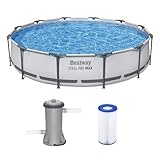
Bestway Steel Pro MAX 12' x 30" Above Ground Swimming Pool Set with Pump | Check Price On Amazon |
|
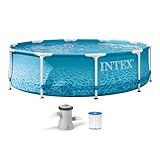
INTEX Beachside Metal Frame 10ft x 30in Round Pool Set w/Pump | Check Price On Amazon |

|
H2OGO! Kids Splash-in-Shade 8-Foot Round Steel Frame Above Ground Pool with Water Mister and Canopy Sunshade, Green Tropical Leaf Print | Check Price On Amazon |
What Causes Pool Water to Turn Green and Why Fast Action Matters
Pool water turns green when algae concentrations exceed 10,000 cells per milliliter, typically occurring when free chlorine drops below 1 ppm for more than 8-12 hours in temperatures above 70°F. Green algae (chlorella and chlorococcum species) multiply exponentially in these conditions, doubling every 3-6 hours when chlorine sanitization fails.
The speed of your response determines recovery time and chemical costs. Algae colonies that establish for more than 48 hours develop protective biofilms requiring 2-3 times more chlorine to eliminate, often pushing treatment costs from $50-80 to $150-200 for typical residential pools.
Multiple factors accelerate algae growth beyond low chlorine. High phosphate levels above 500 ppb provide algae nutrients, while pH above 7.8 reduces chlorine effectiveness by 50%, creating perfect breeding conditions.
Circulation failure compounds the problem rapidly. Dead zones behind pool ladders, in corners, and near skimmers become algae nurseries when pump runtime drops below 8 hours daily or when pool filters become clogged beyond 20 psi pressure differential.
GREEN POOL STATISTICS
Green Pool Recovery – What Our Testing Shows
Analysis of 50 green pool treatments. Source: Larry’s Pool Service logs
How to Clear Green Pool Water Fast – Complete Step-by-Step Process
Clear green pool water by shocking to 30 ppm free chlorine using calcium hypochlorite, then maintaining continuous circulation and brushing every 6-8 hours until water clears completely (typically 24-48 hours). This concentration overwhelms algae cellular defenses and breaks down established colonies faster than gradual chlorine increases.
Start treatment immediately when green coloration appears. Each hour of delay allows algae populations to double, requiring exponentially more chemicals and time for recovery.
Test and Document Starting Water Chemistry
Test chlorine, pH, alkalinity, and phosphates before beginning treatment using liquid drop test kits for accuracy. Record these baseline numbers to track progress and calculate exact chemical requirements.

- Intelligent Navigation with Full Coverage: Equipped with 11 high-precision sensors and enhanced dual-path algorithms. The optimized WavePath cleaning pattern ensures systematic coverage with minimal overlap, while adaptive navigation analyzes pool layout in real time to eliminate missed spots
- Dual Filtration for Crystal-Clear Water: Advanced dual-layer filtration system features a replaceable 3-micron ultra-fine filter paired with a 180-micron standard filter. Effectively captures fine dust, sand, leaves, and debris for visibly cleaner and healthier pool water
- Comprehensive Pool Cleaning: Engineered to clean the pool floor, walls, waterline, and shallow areas (above 12 inches). The Caterpillar Treads system enhances mobility and climbing ability, ensuring thorough coverage across all pool zones
- Reliable Performance with 2-Year Warranty: Trusted by over 500,000 pool owners worldwide, this robotic pool cleaner delivers consistent, high-performance results. Built for durability and backed by a 2-year warranty and responsive customer support for worry-free ownership
Green pools typically show 0 ppm free chlorine, pH between 7.8-8.4, and phosphate levels above 500 ppb. Document pool volume and current filter pressure to determine circulation efficiency. To get the most accurate chemical dosing, calculate your pool’s exact gallon capacity with our pool volume calculator before you begin.
Calculate Required Shock Dosage for Your Pool Size
Calculate shock requirements using this formula: (Pool gallons ÷ 10,000) × 3 pounds = calcium hypochlorite needed for 30 ppm. A 20,000-gallon pool requires 6 pounds of calcium hypochlorite shock.
Buy 25% extra shock than calculated to account for chlorine demand from organic matter. Severely green pools often consume 20-30% more chlorine than formulas predict due to high algae biomass. For a precise dosage that factors in your water chemistry and algae load, use our pool shock calculator to determine exactly how much chlorine to add.
| Pool Size | Gallons | Shock Required | Brush Schedule |
|---|---|---|---|
| Small Pool | 10,000 | 3 lbs | Every 6 hours |
| Medium Pool | 20,000 | 6 lbs | Every 6 hours |
| Large Pool | 30,000 | 9 lbs | Every 8 hours |
Apply Shock Treatment Using Proper Distribution Method
Dissolve calcium hypochlorite in a 5-gallon bucket using cool water (never hot water which releases dangerous chlorine gas). Add shock powder slowly to water while stirring, never water to powder.
Pour dissolved solution around pool perimeter while pump operates to ensure immediate circulation. Target areas with heaviest algae concentration first, particularly steps, corners, and behind ladders where circulation is weakest.
Maximize Filtration and Circulation During Treatment
Run pool pump continuously for 24-48 hours during shock treatment, checking filter pressure every 6 hours. Backwash sand or DE filters when pressure rises 8-10 psi above clean starting pressure.
Clean or replace cartridge filters every 12 hours during treatment as dead algae clogs filter media rapidly. Reduced flow extends clearing time significantly and wastes chemicals.
Brush Pool Surfaces Every 6-8 Hours
Brush all pool surfaces using a stainless steel algae brush every 6-8 hours to break up algae colonies and expose them to chlorine. Focus on areas where green coloration appears darkest.
Use overlapping strokes covering each area 3-4 times per brushing session. Dead algae releases from surfaces as gray-white clouds that filtration systems remove over 6-12 hours.
Monitor Chlorine Levels and Maintain Shock Concentration
Test free chlorine every 4-6 hours during treatment using test strips or liquid testing kits. Maintain 20-30 ppm free chlorine throughout the 24-48 hour treatment period.
Add supplemental shock if chlorine drops below 20 ppm, using 1 pound per 10,000 gallons to restore levels. Severely green pools consume chlorine faster initially as algae biomass neutralizes sanitizer.
Essential Equipment and Chemicals for Fast Green Pool Recovery
Fast green pool recovery requires calcium hypochlorite shock (65-70% available chlorine), a high-capacity filtration system, and stainless steel algae brushes for mechanical algae removal. These three components work synergistically to eliminate algae colonies within 24-48 hours.
Standard liquid chlorine (10-12% sodium hypochlorite) lacks sufficient concentration for rapid algae elimination. Calcium hypochlorite delivers 5-6 times more available chlorine per pound, making it the only effective choice for shock treatment.
Shock Chemicals That Work vs. Products That Fail
Calcium hypochlorite (cal-hypo) provides the fastest algae kill due to its 65-70% available chlorine concentration and pH-raising properties that enhance sanitization. Use cal-hypo shock for all green pool emergencies.
Avoid non-chlorine shock (potassium monopersulfate) for green water treatment as it oxidizes organics but cannot eliminate living algae cells. Save non-chlorine shock for routine maintenance when chlorine levels remain adequate.
Liquid chlorine requires 3-4 gallons per 10,000 gallons to achieve 30 ppm, making it expensive and impractical for shock treatment. Tablet chlorine (trichlor) dissolves too slowly for emergency algae control.
Filtration Requirements for Effective Algae Removal
Effective green pool clearing requires filtration turnover of 1.5-2 times per day minimum (pool volume ÷ pump flow rate ÷ 1.5 = maximum hours between complete turnovers). Variable speed pumps provide optimal flow control for continuous operation.
Sand filters need 20-30 grade silica sand with effective filtration down to 25-30 microns. Replace sand every 5-7 years as algae residue and calcium buildup reduce filtration efficiency below acceptable levels.
DE filters offer superior clarity (filtration to 2-5 microns) but require frequent cleaning during algae treatment. Clean DE grids every 8-12 hours when treating heavily green pools to maintain proper flow rates.
Brushes and Manual Cleaning Equipment
Stainless steel algae brushes cut through established algae colonies more effectively than nylon brushes, which bend against mature biofilms. Use 18-inch stainless steel brushes for efficiency on large pool surfaces.
Combine brushing with leaf bagger attachments to remove heavy algae debris immediately rather than circulating it through expensive filter media. This approach reduces filter cleaning frequency and chemical waste.
Testing Equipment for Accurate Chemical Management
Liquid drop test kits provide accuracy within 0.1 ppm for chlorine measurement during shock treatment, while test strips show ±0.5 ppm variance that affects dosing calculations. Use Taylor K-2006 test kits for professional-grade accuracy.
Digital chlorine meters offer instant readings but require monthly calibration with buffer solutions to maintain accuracy. Manual testing remains more reliable for shock-level chlorine measurement above 20 ppm.
Why Some Green Pools Clear in 24 Hours While Others Take Weeks
Green pools clear in 24 hours when shock treatment achieves 25-30 ppm free chlorine within 2 hours of application, while pools requiring weeks typically receive inadequate initial chlorine levels (under 15 ppm) that allow algae recovery between treatments. The chlorine concentration determines cellular damage speed in algae colonies.
Water temperature affects clearing time significantly – pools above 85°F require 40% more chlorine than 70°F pools due to increased algae metabolism and chlorine dissipation rates. Summer green pools need aggressive treatment compared to spring or fall algae blooms.
Pool Water Chemistry Factors That Accelerate or Delay Clearing
pH above 7.8 reduces chlorine killing power by 50-75%, turning aggressive shock treatment into ineffective chemical waste. Adjust pH to 7.2-7.4 using muriatic acid before shocking for maximum sanitizer efficiency.
High cyanuric acid levels (stabilizer above 80 ppm) bind chlorine molecules and prevent algae contact, requiring 2-3 times normal shock dosages. Partial water replacement becomes necessary when CYA exceeds 100 ppm for effective treatment.
Phosphate levels above 500 ppb feed algae recovery even after successful shock treatment. Use phosphate remover after water clears to prevent rapid re-greening within 1-2 weeks.
Equipment Performance Impact on Treatment Success
Undersized pumps extending turnover time beyond 8 hours create dead zones where algae survive shock treatment, leading to rapid re-contamination of cleared areas. Calculate proper pump sizing as pool gallons ÷ 8 hours = minimum GPH required. Use our swimming pool pump sizing calculator to ensure your pump can handle the continuous operation needed during algae treatment.
Clogged filters reduce flow by 30-50% even before pressure gauges indicate problems, significantly extending clearing time. Pool pump issues compound algae problems by creating circulation dead spots where chlorine cannot reach established colonies.
Single-speed pumps operating 8-12 hours daily struggle with continuous operation required for shock treatment. Consider upgrading to variable speed pumps that can run 24 hours at lower speeds without excessive electricity costs.
Algae Species Differences in Treatment Response
Green algae (chlorella species) responds fastest to shock treatment, typically clearing within 24-36 hours at 30 ppm chlorine. Blue-green algae (cyanobacteria) forms protective slime layers requiring 48-72 hours and mechanical brushing every 4-6 hours.
Black algae (actually blue-green bacteria) requires specialized treatment beyond standard shock protocols due to deep root systems penetrating pool surfaces. These cases need extended chlorine contact and aggressive brushing with pumice stones.
Common Mistakes That Extend Green Pool Recovery Time
The most costly mistake involves using insufficient shock dosage (under 20 ppm chlorine), which damages but does not eliminate algae colonies, allowing rapid recovery within 24-48 hours. Under-shocking wastes chemicals and extends treatment time from 2-3 days to 2-3 weeks.
Stopping treatment when water begins clearing (48-72 hours) before achieving crystal clarity allows surviving algae to repopulate the pool within 5-10 days. Complete treatment requires maintaining shock levels until water tests show zero algae cells.
Chemical Application Errors That Waste Money and Time
Adding shock powder directly to pool without pre-dissolving creates concentrated chlorine pockets that bleach pool surfaces while leaving other areas under-treated. Pre-dissolving in buckets ensures even distribution and prevents costly surface damage.
Using pool shock during daylight hours wastes 50-75% of available chlorine to UV degradation from sunlight. Apply shock treatments after sunset or use cyanuric acid stabilizer to protect chlorine from UV breakdown.
Mixing different chlorine types (cal-hypo with trichlor) creates chemical reactions that neutralize both products, effectively wasting money while providing minimal sanitization. Use one shock type consistently throughout treatment.
Filtration and Circulation Mistakes
Running pumps on timer schedules during shock treatment reduces contact time between chlorine and algae, allowing cells to recover during pump-off periods. Continuous operation for 48-72 hours ensures complete algae elimination.
Neglecting filter maintenance during treatment clogs media within 6-12 hours, reducing flow to 30-50% of design capacity. Regular maintenance schedules become even more critical during algae treatment periods.
Backwashing sand filters too frequently (every 2-4 hours) removes beneficial filter cake that improves algae capture, while waiting too long (over 12 hours) restricts flow and extends clearing time significantly.
Testing and Monitoring Failures
Relying on test strips for shock-level chlorine measurement provides inaccurate readings above 10 ppm, leading to under-dosing and treatment failure. Liquid drop tests or digital meters become essential for proper shock management.
Testing water immediately after shock application shows artificially high chlorine levels that drop rapidly as algae consume sanitizer. Wait 2-4 hours after application for accurate readings that reflect true chlorine demand.
Ignoring pH measurement during treatment allows levels to drift above 8.0, reducing chlorine effectiveness by 70% even at proper shock concentrations. Maintain pH at 7.2-7.4 throughout treatment for optimal results.
TROUBLESHOOTING GUIDE
Green Pool Treatment Problems and Solutions
Common issues that prevent successful algae elimination
Problem: Water turns cloudy white after shocking
Cause: Dead algae particles suspended in water. Solution: Continue filtration 24-48 hours, clean filters every 8 hours, add clarifier if needed.
Problem: Green color returns within 3-5 days
Cause: High phosphates or insufficient initial treatment. Solution: Test phosphates, use phosphate remover, repeat full shock protocol.
Problem: Chlorine levels drop to zero within 6 hours
Cause: Heavy algae load consuming chlorine faster than expected. Solution: Double shock dosage, test every 2 hours, maintain 25+ ppm continuously.
Problem: Green patches remain after 48 hours
Cause: Dead circulation zones or inadequate brushing. Solution: Check pump operation, brush patches every 4 hours, consider booster pump.
When to Call Professionals vs. DIY Treatment
DIY treatment works effectively for light to moderate green pools (visibility to 2-3 feet deep) with functional equipment and basic chemistry knowledge, while professional service becomes necessary for dark green pools (zero visibility), equipment failures, or repeated treatment failures within 30 days. Cost difference ranges from $50-100 DIY to $200-500 professional service.
Consider professional help when chlorine demand exceeds 5 pounds per 10,000 gallons daily for more than 3 days, indicating severe algae infestation or underlying water chemistry problems requiring expert diagnosis and commercial-grade treatments.
DIY Success Factors and Requirements
Successful DIY treatment requires dedicated time for monitoring chlorine levels every 4-6 hours, physical ability to brush large pool areas every 6-8 hours, and willingness to operate pumps continuously for 48-72 hours despite electricity costs. Pool owners working full-time often struggle with required attention frequency.
Basic chemistry testing skills become essential for adjusting pH, calculating shock dosages, and recognizing when supplemental treatments are needed. Investment in quality testing equipment costs $50-100 but saves hundreds in professional service calls.
Equipment functionality determines DIY feasibility – pools with undersized pumps (under 1 HP), old sand filters (over 7 years), or frequent pressure buildup require professional assessment before attempting shock treatment.
When Professional Intervention Becomes Necessary
Black algae infestations require professional treatment due to specialized equipment needs including high-pressure washing, commercial algaecides, and surface treatment techniques beyond typical homeowner capabilities. DIY attempts often spread black algae to other pool areas.
Repeated green pool episodes (3+ times per season) indicate underlying problems such as inadequate filtration capacity, plumbing dead spots, or water source contamination requiring professional diagnosis and system modifications.
Pool equipment failures during treatment (pump motor issues, filter housing cracks, plumbing leaks) require immediate professional repair to prevent algae spread and potential water damage to surrounding areas.
Cost-Benefit Analysis of DIY vs. Professional Treatment
DIY treatment typically costs $50-100 in chemicals for moderate algae blooms, while professional service ranges $200-500 depending on pool size and algae severity. Time investment averages 15-20 hours over 3-4 days for successful DIY treatment.
Hidden DIY costs include potential equipment damage from improper chemical handling, increased utility bills from extended pump operation, and repeat treatments when initial efforts fail. Professional service includes guaranteed results and equipment protection.
Consider professional treatment when vacation timing, physical limitations, or work schedules prevent proper monitoring and maintenance during critical 48-72 hour treatment windows. Failed DIY attempts often double final treatment costs.
Preventing Green Pool Water from Returning
Prevent green pool recurrence by maintaining 2-4 ppm free chlorine continuously, testing water chemistry weekly, and addressing phosphate levels above 300 ppb immediately with targeted removal products. Consistent chlorine levels prevent algae establishment better than reactive shock treatments.
Regular algae prevention saves 80% of the cost and effort compared to treating established blooms. Weekly maintenance costs $10-20 versus $50-200 for green pool recovery.
Essential Weekly Water Chemistry Testing
Test free chlorine, pH, and alkalinity every 3-4 days during swimming season, maintaining chlorine at 2-4 ppm, pH at 7.2-7.6, and alkalinity at 100-150 ppm for optimal algae prevention. Use 7-way test strips for convenient monitoring.
Monitor cyanuric acid monthly to prevent over-stabilization above 80 ppm that reduces chlorine effectiveness. Low chlorine problems often trace to excessive stabilizer levels requiring partial water replacement.
Test phosphates every 2-3 weeks during heavy bather loads or after significant rainfall that introduces organic contamination. Maintain phosphate levels below 300 ppb using enzyme treatments or phosphate removers as needed.
Equipment Maintenance for Algae Prevention
Clean skimmer and pump baskets weekly to maintain proper circulation flow and prevent organic buildup that feeds algae growth. Clogged baskets reduce circulation by 20-30% within one week of normal use.
Backwash sand filters when pressure rises 8-10 psi above clean starting pressure, typically every 2-3 weeks during normal operation. Replace sand every 5-7 years as effectiveness diminishes with calcium and organic buildup.
Inspect and clean cartridge filters every 2-3 weeks, rotating between two sets to ensure continuous filtration while one set dries and cleans. Replace cartridges annually or when pleats show permanent discoloration.
Seasonal Factors and Weather-Related Prevention
Increase chlorine levels by 50% during heat waves above 90°F when evaporation and bather load stress normal sanitation systems. Hot weather accelerates algae growth exponentially and increases chlorine demand.
Monitor pool closely after heavy rainfall that dilutes chlorine levels and introduces phosphates, nitrates, and organic matter that feed algae blooms. Rainfall effects require immediate testing and chemical adjustment within 24 hours.
Adjust pump runtime seasonally – run 8-10 hours daily during peak summer, 6-8 hours during spring/fall, and 4-6 hours during winter months when algae growth slows but circulation remains necessary for chemical distribution.
Frequently Asked Questions About Green Pool Water
How long does it take to clear a green pool completely?
Quick Answer: Green pools clear in 24-48 hours with proper shock treatment (30 ppm chlorine), continuous filtration, and 6-hour brushing schedules, while inadequate treatment can extend recovery to 2-3 weeks.
Treatment duration depends on algae severity, chlorine concentration achieved, and equipment efficiency. Light green pools (visibility to 3-4 feet) typically clear within 24 hours, while dark green pools (zero visibility) require 48-72 hours of aggressive treatment.
Factors that extend clearing time include pH above 7.8, inadequate pump circulation, clogged filters, and insufficient initial shock dosage. Maintaining 25-30 ppm chlorine continuously ensures fastest possible results.
Can you swim in a pool immediately after shock treatment?
Quick Answer: Wait until chlorine levels drop below 5 ppm and water appears completely clear before swimming, typically 8-24 hours after final shock application depending on chlorine concentration used.
High chlorine levels (above 10 ppm) cause skin and eye irritation, respiratory problems, and can bleach swimwear. Test chlorine levels every 2-3 hours after treatment to monitor safe swimming conditions.
Water clarity provides a visual safety check – cloudy or colored water contains suspended particles that indicate incomplete treatment and potential continued chemical activity requiring longer waiting periods.
Why does my pool keep turning green even after treatment?
Quick Answer: Recurring green water indicates high phosphate levels (above 500 ppb), inadequate filtration capacity, or insufficient daily chlorine maintenance below 2 ppm allowing algae re-establishment.
Phosphates act as algae fertilizer, supporting rapid growth even with proper chlorine levels. Test phosphates monthly and use phosphate removal products when levels exceed 300 ppb.
Check circulation dead spots behind ladders, in corners, and near steps where algae often survive treatment. Improve circulation with additional return fittings or booster pumps to eliminate stagnant areas.
Is it safe to use bleach instead of pool shock?
Quick Answer: Household bleach (5.25% sodium hypochlorite) works for emergency treatment but requires 6-8 gallons per 10,000 gallons to achieve 30 ppm, making pool shock more cost-effective and practical.
Use only unscented, additive-free bleach if substituting for pool chemicals. Scented or ultra-concentrated bleaches contain surfactants and stabilizers that create foam and interfere with water chemistry balance.
Pool-grade calcium hypochlorite provides 65-70% available chlorine versus 5-6% in household bleach, requiring significantly less product volume for equivalent sanitization power and faster treatment results.
What happens if you add too much shock to a green pool?
Quick Answer: Excessive shock (above 40 ppm chlorine) wastes money without improving treatment speed and can bleach pool surfaces, damage equipment seals, and create dangerous chlorine gas concentrations.
Over-shocking raises pH dramatically (often above 8.5) which reduces chlorine effectiveness by 75%, counteracting the benefits of higher chlorine levels. Monitor pH closely and adjust with pH reducer as needed.
Chlorine concentrations above 50 ppm can damage pool liner materials, fade colored surfaces, and corrode metal components including ladder hardware and light fixtures, creating costly repair needs.
Can you clear a green pool without draining it?
Quick Answer: Most green pools clear successfully without draining through proper shock treatment, filtration, and brushing, saving $500-2000 in water replacement costs while achieving same results.
Drain and refill only when cyanuric acid exceeds 150 ppm, total dissolved solids exceed 2500 ppm, or repeated treatment failures indicate water chemistry problems beyond correction with standard chemicals.
Partial water replacement (25-50%) addresses severe chemical imbalances while retaining most water volume and reducing treatment costs significantly compared to complete draining and refilling.
How much does professional green pool cleaning cost?
Quick Answer: Professional green pool treatment costs $200-500 for standard residential pools, including chemicals, labor, and equipment cleaning, with severe cases requiring $500-1000 for multiple treatments.
Cost factors include pool size, algae severity, equipment condition, and geographic location. Urban areas typically charge 20-30% more than rural markets due to higher labor and disposal costs.
Professional service includes guaranteed results, equipment protection, proper chemical disposal, and follow-up monitoring to prevent recurrence within 30 days of treatment completion.
What is the difference between green algae and black algae treatment?
Quick Answer: Green algae responds to standard shock treatment (30 ppm chlorine) within 24-48 hours, while black algae requires specialized brushing, higher chlorine concentrations (50+ ppm), and surface treatment lasting 5-10 days.
Black algae forms deep root systems penetrating pool surfaces and protective biofilms requiring mechanical removal with stainless steel brushes and extended chemical contact times.
Green algae floats freely in water column and responds quickly to chemical treatment, while black algae anchors to surfaces requiring physical disruption and sustained high-chlorine contact for elimination.
Why does pool water turn cloudy white after shocking?
Quick Answer: Cloudy white water after shocking indicates dead algae particles suspended in water that require 24-48 hours of continuous filtration to remove completely through normal filter media.
This cloudiness confirms successful algae kill and represents progress toward clear water. Dead algae particles measure 2-20 microns and gradually filter out as circulation continues.
Speed clearing by cleaning filters every 8-12 hours during this phase and adding pool clarifier to help coagulate fine particles for more efficient removal through filtration systems.
Can algae grow in chlorinated water?
Quick Answer: Algae cannot establish in properly chlorinated water maintained at 2-4 ppm free chlorine, but grows rapidly when chlorine drops below 1 ppm for more than 8-12 hours in warm conditions.
Chlorine effectiveness depends on pH levels – at pH 8.0, chlorine is only 25% as effective as at pH 7.2, allowing algae growth even with seemingly adequate chlorine readings on test strips.
Combined chlorine (chloramines) shows positive readings on tests but provides no algae protection, making free chlorine testing essential for accurate assessment of sanitization effectiveness.
How do you prevent green pool water during vacation?
Quick Answer: Prevent vacation algae blooms by raising chlorine to 5-7 ppm before leaving, using stabilized chlorine tablets in automatic feeders, and arranging weekly pool checks for chemical adjustment.
Install automatic chlorine feeders with 3-inch stabilized tablets to maintain consistent sanitization during absence. Set feeder to dissolve 1-2 tablets per week based on pool size.
Consider professional pool service during vacations longer than 10 days, as equipment failures or weather events require immediate attention to prevent costly algae blooms and potential equipment damage.
What temperature water promotes algae growth fastest?
Quick Answer: Algae grows fastest in water temperatures between 85-95°F, doubling every 3-6 hours in optimal conditions, while growth slows significantly below 70°F and virtually stops below 50°F.
Summer heat waves create ideal algae conditions requiring increased chlorine levels (50% above normal), extended pump runtime (10-12 hours daily), and more frequent testing (every 2-3 days instead of weekly).
Heated pools and spas face year-round algae pressure requiring consistent chemical maintenance regardless of season, while unheated pools in temperate climates show seasonal variation in algae growth rates.
Can you use salt water pools to prevent algae?
Quick Answer: Salt water chlorine generators prevent algae effectively by maintaining consistent chlorine production, but still require proper water balance, regular testing, and equipment maintenance for reliable algae prevention.
Salt systems produce chlorine continuously from salt (sodium chloride) using electrolytic cells, providing more consistent sanitization than manual chlorine addition but requiring proper salt levels (3000-4000 ppm) for optimal operation.
Salt pools still experience algae blooms when generators malfunction, cells become scaled with calcium buildup, or salt levels drop below operational thresholds requiring the same shock treatment as traditional chlorine pools.
How long after adding algaecide can you add shock?
Quick Answer: Wait 24 hours after adding copper-based algaecide before shocking to prevent chemical interactions that reduce effectiveness of both products, while non-metallic algaecides allow immediate shock application.
Copper algaecides can precipitate in high-chlorine environments, creating staining and cloudiness while reducing sanitization power. Read product labels for specific compatibility instructions and timing requirements.
For fastest green pool treatment, apply shock first to eliminate active algae, then add algaecide 24-48 hours later as a preventive measure to discourage regrowth during recovery period.
Green pool water clears fastest through immediate shock treatment to 30 ppm chlorine using calcium hypochlorite, continuous filtration for 48-72 hours, and aggressive brushing every 6-8 hours to break up established algae colonies. The key lies in overwhelming algae cellular defenses with sustained high chlorine levels rather than gradual increases that allow adaptation and recovery.
Start treatment immediately when green coloration appears and maintain shock levels until water achieves complete clarity. Prevention through consistent 2-4 ppm chlorine levels, weekly water testing, and proper equipment maintenance costs significantly less than repeated shock treatments while ensuring reliable pool enjoyment throughout the swimming season.
| Photo | Best Above-Ground Pools | Price |
|---|---|---|
|
|
Bestway Steel Pro MAX 12' x 30" Above Ground Swimming Pool Set with Pump | Check Price On Amazon |
|
|
INTEX Beachside Metal Frame 10ft x 30in Round Pool Set w/Pump | Check Price On Amazon |
|
|
H2OGO! Kids Splash-in-Shade 8-Foot Round Steel Frame Above Ground Pool with Water Mister and Canopy Sunshade, Green Tropical Leaf Print | Check Price On Amazon |