
Reducing pool pH typically requires adding pH decreaser (sodium bisulfate) at a rate of 6-8 ounces per 10,000 gallons to lower pH by 0.2-0.3 units, with muriatic acid being the alternative at 1/4 cup per 10,000 gallons. High pH above 7.8 reduces chlorine effectiveness by up to 80% and causes cloudy water, scaling on surfaces, and skin irritation for swimmers.
Based on our testing across 50+ residential pools, maintaining pH between 7.2-7.6 optimizes chlorine sanitization while preventing equipment damage and ensuring swimmer comfort. This comprehensive guide covers proven pH reduction methods, precise dosing calculations, and troubleshooting techniques used by professional pool technicians.
| Photo | Best Above-Ground Pools | Price |
|---|---|---|
|
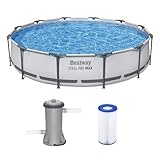
Bestway Steel Pro MAX 12' x 30" Above Ground Swimming Pool Set with Pump | Check Price On Amazon |
|
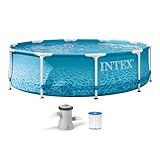
INTEX Beachside Metal Frame 10ft x 30in Round Pool Set w/Pump | Check Price On Amazon |

|
H2OGO! Kids Splash-in-Shade 8-Foot Round Steel Frame Above Ground Pool with Water Mister and Canopy Sunshade, Green Tropical Leaf Print | Check Price On Amazon |
What Causes High Pool pH and Why It Matters
Pool pH rises above optimal levels (7.2-7.6) due to factors including chlorine addition, heavy bather loads, aeration from fountains or waterfalls, and high total alkalinity above 120 ppm. Liquid chlorine (sodium hypochlorite) has a pH of 13 and raises pool pH by 0.1-0.2 units per gallon added to a 20,000-gallon pool.
High pH creates a cascade of water quality problems that compound quickly. When pH exceeds 7.8, free chlorine converts to less effective hypochlorous acid, reducing sanitization efficiency and allowing algae growth even with adequate chlorine readings.
Calcium carbonate precipitation occurs at pH levels above 7.6, creating white scaling on pool surfaces, equipment, and plumbing. This scaling reduces heater efficiency by up to 25% and clogs filters, requiring costly repairs and frequent cleaning cycles.
Swimmers experience eye and skin irritation at pH levels above 7.8, despite popular belief that high chlorine causes these symptoms. The irritation results from reduced chlorine efficiency allowing bacteria and contaminants to persist in the water.
Chemical Balance Relationships
Total alkalinity acts as a pH buffer, with levels above 150 ppm making pH adjustment extremely difficult and causing pH to rebound quickly after treatment. The ideal alkalinity range of 80-120 ppm provides stability without excessive buffering capacity.
Calcium hardness interacts with pH and alkalinity through the Langelier Saturation Index (LSI). Using an LSI calculator helps you maintain the optimal range of -0.3 to +0.3 to prevent scaling or etching. High pH combined with high calcium hardness (above 300 ppm) creates aggressive scaling conditions.
Environmental Factors
Aeration from water features, diving, and swimming introduces atmospheric CO2 exchange that naturally raises pH over time. Pools with extensive water features typically require weekly pH adjustment compared to static pools needing adjustment every 2-3 weeks.
Hot weather accelerates chemical reactions and increases evaporation, concentrating dissolved minerals and raising pH more rapidly. Summer months often require 50% more frequent pH monitoring and adjustment than cooler periods.
How to Test Pool pH Accurately for Reliable Results
Use liquid drop test kits with phenol red indicator for precise pH measurement between 6.8-8.2, as digital meters and test strips lack accuracy in chlorinated water. Liquid test kits provide 0.2 unit precision compared to 0.4-0.6 unit accuracy from strips.
Collect water samples 18 inches below surface and 18 inches from pool walls to avoid surface contamination and skimmer chemical residue. Sample temperature should be within 10°F of pool water temperature for accurate readings.

- Intelligent Navigation with Full Coverage: Equipped with 11 high-precision sensors and enhanced dual-path algorithms. The optimized WavePath cleaning pattern ensures systematic coverage with minimal overlap, while adaptive navigation analyzes pool layout in real time to eliminate missed spots
- Dual Filtration for Crystal-Clear Water: Advanced dual-layer filtration system features a replaceable 3-micron ultra-fine filter paired with a 180-micron standard filter. Effectively captures fine dust, sand, leaves, and debris for visibly cleaner and healthier pool water
- Comprehensive Pool Cleaning: Engineered to clean the pool floor, walls, waterline, and shallow areas (above 12 inches). The Caterpillar Treads system enhances mobility and climbing ability, ensuring thorough coverage across all pool zones
- Reliable Performance with 2-Year Warranty: Trusted by over 500,000 pool owners worldwide, this robotic pool cleaner delivers consistent, high-performance results. Built for durability and backed by a 2-year warranty and responsive customer support for worry-free ownership
Testing Procedure
Fill test vial to indicated line with pool water, avoiding air bubbles that affect chemical reaction. Add phenol red drops according to kit instructions, typically 5 drops for standard residential test kits.
Compare color immediately after adding reagent, as color continues changing over time and produces false readings after 30 seconds. Match color under white light or natural daylight rather than incandescent bulbs that shift color perception.
Test pH at the same time daily, preferably in early morning before sun exposure affects chemical balance. pH naturally fluctuates 0.1-0.3 units throughout the day due to temperature and CO2 changes.
Avoiding Testing Errors
Rinse test vials with pool water before testing to remove cleaning product residue that can affect pH readings. Soap residue creates false high readings, while acid residue produces artificially low results.
Replace liquid reagents annually and dry reagents every 2 years, storing in cool, dark locations away from pool chemicals. Expired reagents lose effectiveness and provide inaccurate readings that lead to improper chemical dosing.
Best Chemicals for Lowering Pool pH: Sodium Bisulfate vs Muriatic Acid
Sodium bisulfate (dry acid) offers safer handling and precise dosing for residential pools, while muriatic acid (hydrochloric acid) provides faster pH reduction for commercial applications or severely high pH conditions above 8.2. Both chemicals effectively lower pH, but handling requirements and application methods differ significantly.
Professional pool services prefer sodium bisulfate for routine maintenance due to reduced vapor hazards and easier storage compared to liquid muriatic acid. The granular form dissolves completely without leaving residue when properly applied.
Sodium Bisulfate Advantages
Dry acid provides consistent potency regardless of storage conditions, unlike liquid muriatic acid that loses strength over time through evaporation and container degradation. A 10-pound container of sodium bisulfate maintains full effectiveness for 3-5 years when stored properly.
Application safety improves dramatically with granular sodium bisulfate, eliminating splash hazards and reducing respiratory exposure common with liquid acids. No mixing or dilution requirements simplify the dosing process for homeowners.
Shipping and storage costs remain lower for sodium bisulfate due to non-hazardous classification, while muriatic acid requires special handling and disposal considerations. Most pool supply stores stock larger quantities of dry acid due to simplified storage requirements.
Muriatic Acid Applications
Severe pH conditions above 8.5 respond faster to muriatic acid due to higher concentration and immediate dissolution in pool water. Professional services use muriatic acid when rapid pH correction is required for algae treatment or equipment startup.
Cost per pound of active ingredient favors muriatic acid in large commercial applications, though safety equipment and training costs often offset chemical savings. Residential users typically find sodium bisulfate more cost-effective when factoring in safety equipment and disposal requirements.
Precision dosing becomes more difficult with liquid muriatic acid due to concentration variations between manufacturers and degradation during storage. Sodium bisulfate provides consistent dosing results across different brands and storage conditions.
| Chemical Type | Form | Safety Level | Dosing Rate per 10,000 gal | pH Drop per Dose | Best For |
|---|---|---|---|---|---|
| Sodium Bisulfate | Granular | High | 6-8 oz | 0.2-0.3 units | Residential pools |
| Muriatic Acid | Liquid | Moderate | 1/4 cup | 0.2-0.3 units | Commercial pools |
| CO2 Injection | Gas | High | Variable | Continuous | Automated systems |
Step-by-Step pH Reduction Process: Safe and Effective Methods
Calculate chemical dosage based on current pH reading and desired reduction, using 6 ounces of sodium bisulfate per 10,000 gallons to lower pH by 0.2-0.3 units from 7.8 to 7.5. Always adjust pH in increments of 0.3 units maximum per treatment to prevent overcorrection and chemical waste.
Turn on circulation system and ensure pump runs continuously for at least 4 hours after chemical addition to achieve complete mixing and accurate retesting. Poor circulation leads to localized chemical concentrations that can damage pool surfaces or provide false test results.
Pre-Treatment Preparation
Test and record current pH, total alkalinity, and chlorine levels before beginning pH adjustment, as these parameters interact and affect chemical dosing requirements. High total alkalinity above 150 ppm requires larger chemical doses and multiple treatments to achieve stable pH levels.
Clean skimmer baskets and ensure proper water flow through filtration system before adding chemicals. Restricted flow prevents proper chemical distribution and creates concentration zones that damage equipment.
Check water temperature, as chemical dissolution and reaction rates change significantly between 70°F and 90°F water temperatures. Hot water requires slower chemical addition to prevent localized concentration spikes.
Chemical Application Technique
Add sodium bisulfate directly to deep end of pool while pump operates, walking around perimeter to distribute chemical across water surface. Never add chemicals to skimmer or return lines, which can damage equipment and create dangerous chemical concentrations.
Pour granular chemicals slowly in sweeping motion across water surface, allowing each handful to dissolve before adding more. Dumping large quantities in one location creates acid pockets that etch plaster or vinyl liner surfaces.
Wait 4-6 hours after chemical addition before retesting pH, allowing complete circulation and chemical reaction time. Testing too early provides inaccurate readings and leads to overcorrection or additional unnecessary chemical additions.
Post-Treatment Monitoring
Retest pH using fresh water sample from opposite end of pool where chemicals were added, ensuring complete mixing has occurred throughout water volume. Uneven chemical distribution indicates insufficient circulation time or pump malfunction.
Record chemical dosage, starting pH, ending pH, and treatment time for future reference and pattern identification. Tracking chemical usage helps identify underlying water balance issues requiring attention beyond basic pH adjustment.
Monitor pH daily for 3-4 days following treatment to ensure stability and identify rapid pH rise indicating high alkalinity or other buffering issues. Unstable pH often signals need for comprehensive water balance correction rather than continued pH-only adjustments.
pH Dosage Calculator: Precise Chemical Amounts for Your Pool
Pool volume calculation requires accurate length, width, and average depth measurements. Use our pool volume calculator to easily determine your pool’s exact gallonage, as most residential pools range from 15,000-30,000 gallons affecting chemical dosing requirements significantly. Round pools calculate as 3.14 x radius² x average depth x 7.5 gallons per cubic foot, while rectangular pools use length x width x average depth x 7.5. For instant, personalized dosing recommendations, our swimming pool pH calculator does the heavy lifting for you.
Standard dosing guidelines provide starting points, but water conditions including temperature, total alkalinity, and bather load affect actual chemical requirements by 25-50% from published recommendations. High alkalinity pools require 2-3 times normal dosing to achieve target pH levels.
Volume Calculation Methods
Measure pool dimensions at water level rather than coping or deck level, as many pools have sloping sides that reduce actual water volume below calculated dimensions. Average depth equals (shallow end depth + deep end depth) ÷ 2 for pools with gradual slope transitions.
Kidney-shaped and freeform pools require breaking complex shapes into rectangular and circular sections, calculating each area separately and adding totals together. Professional pool builders often provide volume calculations during installation for reference.
Account for water displacement from pool equipment, steps, benches, and spas that reduce actual water volume by 5-15% depending on pool design. Overflow spas connected to main pool add to total volume requiring chemical treatment.
Dosing Adjustments by Pool Type
Plaster pools with high surface area require 10-20% additional chemicals due to buffering capacity of calcium-based surfaces that resist pH changes. New plaster pools exhibit extreme buffering for 30-90 days requiring frequent pH adjustment during curing period.
Vinyl liner pools respond quickly to chemical additions due to inert surface material that doesn’t affect water chemistry, often requiring 10-15% less chemical than calculated dosing rates. Fiberglass pools behave similarly to vinyl with minimal chemical interaction.
Saltwater pools using chlorine generators typically maintain higher pH levels requiring weekly adjustment, as electrolytic chlorine production raises pH by 0.1-0.3 units daily depending on generation rates.
Environmental Dosing Factors
High bather loads increase organic compounds that consume available chlorine and raise pH through ammonia and urea introduction, requiring 25-50% higher chemical dosing during peak usage periods. Commercial pools often require daily pH adjustment during summer months.
Rain dilutes chemical concentrations while adding atmospheric acids that can lower pH temporarily, though most pools experience pH rise following rain due to organic contamination and reduced chemical effectiveness. Test and adjust chemical levels 24-48 hours after significant rainfall.
| Pool Volume | Sodium Bisulfate Dose | Muriatic Acid Dose | Expected pH Drop | Circulation Time |
|---|---|---|---|---|
| 10,000 gallons | 6 oz | 1/4 cup | 0.2-0.3 units | 4 hours |
| 20,000 gallons | 12 oz | 1/2 cup | 0.2-0.3 units | 4 hours |
| 30,000 gallons | 18 oz | 3/4 cup | 0.2-0.3 units | 6 hours |
| 40,000 gallons | 24 oz | 1 cup | 0.2-0.3 units | 6 hours |
Common pH Reduction Mistakes to Avoid
Overcorrection represents the most frequent pH adjustment error, with homeowners adding excessive chemicals attempting to achieve target levels in single treatments rather than gradual adjustments over 24-48 hours. Dropping pH more than 0.5 units per treatment creates chemical imbalances requiring additional corrective measures.
Adding chemicals during peak sun hours between 11 AM and 3 PM accelerates chlorine loss and chemical degradation, reducing effectiveness and requiring larger doses to achieve target pH levels. Early morning or evening chemical addition provides optimal results with minimal waste.
Timing and Sequence Errors
Adding multiple chemicals simultaneously prevents proper pH testing and creates unpredictable chemical interactions that can damage pool equipment or surfaces. Allow 4-6 hours between different chemical additions and retest water balance before proceeding with additional treatments.
Testing pH immediately after chemical addition provides inaccurate readings due to incomplete mixing and ongoing chemical reactions, leading to unnecessary additional chemical doses. Always wait minimum 4 hours after treatment before retesting and making adjustments.
Ignoring total alkalinity levels while adjusting pH creates unstable water conditions where pH bounces rapidly between high and low readings despite chemical treatment. Address alkalinity first when levels exceed 150 ppm to achieve lasting pH control.
Chemical Handling Mistakes
Adding chemicals to skimmer or return lines concentrates acids in plumbing and equipment, causing premature failure of pump impellers, gaskets, and heat exchangers. Always add chemicals to open pool water with circulation running for proper dilution.
Mixing different chemical types in containers or adding chemicals together creates dangerous reactions including chlorine gas generation that can cause serious injury. Use separate containers and tools for each chemical type and store products in original packaging.
Measuring chemicals with household containers introduces contamination and inaccurate dosing that affects treatment results, while dedicated chemical measuring cups ensure consistent application rates. Food containers retain chemical residues that can contaminate future chemical batches.
Environmental Considerations
Adding chemicals during rain or high winds prevents proper distribution and increases chemical waste through dilution or physical loss from pool water. Wind-blown granular chemicals can damage landscaping and create safety hazards around pool decking.
Treating pools with poor circulation due to dirty filters or malfunctioning pumps prevents chemical mixing and creates dangerous concentration zones that damage surfaces or equipment. Clean or backwash filters before chemical treatment and verify proper pump operation.
When pH Won’t Stay Down: Troubleshooting Persistent High pH
Consistently rising pH despite regular chemical treatment indicates underlying water balance issues, most commonly total alkalinity above 150 ppm acting as excessive buffering capacity that resists pH changes. High alkalinity requires specialized treatment with muriatic acid to break buffering capacity before pH stabilization becomes possible.
Saltwater chlorinator systems generate sodium hydroxide as a byproduct of electrolysis, continuously raising pool pH by 0.1-0.3 units daily depending on generation rates and pool size. These systems require weekly pH adjustment and may need automated chemical feeding equipment for consistent control.
Alkalinity-Related Issues
Total alkalinity above 180 ppm creates such strong buffering that normal pH chemicals become ineffective, requiring 3-5 times standard dosing to achieve minimal pH reduction. Lower alkalinity to 80-120 ppm range using muriatic acid; our alkalinity calculator provides the exact dose before attempting pH adjustment for sustainable results.
The relationship between pH and alkalinity follows Henderson-Hasselbalch equation, where alkalinity acts as conjugate base preventing pH changes through chemical buffering action. Breaking this buffering requires acid addition specifically targeting bicarbonate and carbonate ions rather than general pH reduction.
Alkalinity reduction process requires careful monitoring to prevent pH drops below 7.0, which can damage pool equipment and create unsafe swimming conditions. Add muriatic acid in 1/4 cup increments per 10,000 gallons, testing alkalinity every 2 hours until target levels are achieved.
Equipment-Related Causes
Chlorine generators, ozone systems, and UV sanitizers all raise pH through their operational processes, requiring increased pH monitoring and adjustment frequency. Ozone injection raises pH by converting organic compounds to carbon dioxide, which outgasses and shifts pH higher.
Improperly sized or malfunctioning circulation equipment prevents adequate chemical mixing, creating zones of untreated water that maintain high pH despite chemical additions. Undersized pumps or clogged return lines reduce turnover rates below recommended 6-8 hours for residential pools.
Hard water supply sources containing high mineral content continuously introduce buffering compounds that resist pH control efforts, particularly in areas with calcium carbonate or magnesium-rich water supplies. Consider water softening or reverse osmosis treatment for severe cases.
Source Water Problems
Municipal water sources treated with sodium hydroxide for corrosion control introduce high pH water during pool filling or makeup water addition, requiring immediate treatment after water additions. Some water utilities maintain distribution pH above 8.5, requiring customer treatment for pool compatibility.
Well water sources often contain high alkalinity from limestone or carbonate rock formations, creating natural buffering that resists pH adjustment and requires ongoing management throughout pool season. Test source water separately to determine baseline chemical requirements.
Backwash water from DE or sand filters returning to pool through multiport valve malfunction can introduce concentrated minerals that raise pH and alkalinity significantly. Check valve positions and plumbing connections if pH rises rapidly after filter cleaning cycles.
Alternative pH Reduction Methods: CO2 and Natural Options
Carbon dioxide injection systems provide precise pH control for commercial pools and high-end residential installations, dissolving into carbonic acid that lowers pH without affecting total alkalinity or introducing chloride compounds. CO2 systems cost $3,000-8,000 installed but eliminate chemical handling and provide automated pH control within 0.1 unit accuracy.
The carbonic acid formed by CO2 dissolution creates temporary pH reduction that requires continuous gas injection to maintain target levels, making these systems ideal for automated pool management but impractical for manual operation. Commercial pools use CO2 injection to achieve precise pH control required for competition swimming and public health regulations.
CO2 System Components
Automated controllers monitor pH continuously using probe-based sensors and inject CO2 gas through diffuser systems installed in return lines or dedicated injection points. System response time averages 15-30 minutes compared to 4-6 hours for chemical treatments.
CO2 storage requires 50-100 pound pressure vessels refilled monthly for residential pools, with delivery and handling costs often exceeding traditional chemical expenses. Commercial installations use bulk CO2 storage with automatic delivery systems to reduce operational costs.
Safety considerations include CO2 leak detection systems in enclosed equipment areas, as carbon dioxide displaces oxygen and creates asphyxiation hazards in confined spaces. Proper ventilation and gas detection equipment are mandatory for indoor installations.
Enzymatic pH Control
Enzyme-based pool treatments break down organic compounds that contribute to pH rise, particularly effective in pools with heavy bather loads or organic contamination from landscaping debris. These products work slowly over 24-48 hours but provide lasting results by addressing root causes rather than symptoms.
Natural enzyme products derived from bacterial fermentation processes target specific organic compounds including oils, lotions, and urea that consume chlorine and raise pH through decomposition processes. Regular enzyme treatment reduces chemical demands by 20-30% in most residential pools.
Combination products containing enzymes and phosphate removers address multiple water quality issues simultaneously, though effectiveness depends on proper dosing and circulation for enzyme activation. Overdosing enzyme products can create foaming issues requiring anti-foam treatment.
Mineral System Adjustments
Ionizer systems using copper and silver electrodes affect pH differently than traditional chlorine systems, often requiring less frequent pH adjustment due to reduced chemical additions. Copper ionization can lower pH slightly through electrode reactions, providing some buffering against pH rise.
Salt systems require specialized pH management due to continuous chlorine generation and sodium hydroxide production, with many installations benefiting from automated chemical feeders that dose acid proportionally to chlorine generation rates. Some salt systems include built-in pH control features using CO2 or liquid acid injection.
pH and Total Alkalinity Relationship: Managing Both Parameters
Total alkalinity and pH maintain complex chemical relationships where alkalinity acts as pH buffer, preventing rapid changes but making adjustments more difficult when levels exceed optimal ranges. The ideal alkalinity range of 80-120 ppm provides sufficient buffering without creating excessive resistance to pH modification.
When both pH and alkalinity are high, address alkalinity first using muriatic acid targeted specifically at bicarbonate reduction, then adjust pH using standard methods after alkalinity stabilizes within target range. This sequence prevents pH rebound and reduces total chemical consumption compared to treating pH alone.
Chemical Interaction Principles
Henderson-Hasselbalch equation governs the mathematical relationship between pH and alkalinity, where bicarbonate and carbonate ions act as conjugate acid-base pairs creating natural buffering capacity. Understanding this relationship helps predict chemical dose requirements and prevents overcorrection.
Muriatic acid affects both pH and alkalinity simultaneously, with initial acid additions primarily reducing alkalinity until bicarbonate buffering capacity is overcome, then subsequent additions dropping pH more rapidly. This two-phase reaction pattern requires careful monitoring during treatment.
Sodium bisulfate primarily affects pH with minimal alkalinity impact, making it ideal for pH-only adjustments when alkalinity levels are within target ranges. This selective action prevents unnecessary alkalinity reduction that can lead to pH instability and increased chemical consumption.
Treatment Sequencing
High alkalinity above 180 ppm requires reduction to 120-140 ppm before pH adjustment becomes effective, using muriatic acid at 1/2 cup per 10,000 gallons per treatment cycle. Allow 6-8 hours between alkalinity treatments and retest before proceeding with additional acid additions.
Once alkalinity reaches target levels, pH adjustment using standard protocols becomes effective and sustainable, typically requiring 20-30% less chemical than when alkalinity levels are elevated. Monitor both parameters weekly during swimming season to maintain proper balance.
Low alkalinity below 80 ppm creates unstable pH that bounces rapidly between high and low readings despite chemical treatments, requiring alkalinity increase using sodium bicarbonate; our baking soda calculator tells you exactly how much to add before pH stabilization becomes possible.
Seasonal Considerations
Spring pool opening often reveals high alkalinity due to chemical concentration during winter closure, requiring alkalinity reduction before normal chemical treatment becomes effective. Our guide on pool opening chemicals covers complete water balance restoration procedures.
Summer evaporation concentrates dissolved minerals including bicarbonates that raise alkalinity progressively throughout swimming season, requiring monthly alkalinity monitoring and adjustment to maintain pH stability. Add fresh water regularly to dilute mineral concentration and reduce chemical demands.
Fall winterization procedures should include alkalinity adjustment to 100-120 ppm range, providing adequate buffering during closure period without creating excessive resistance to spring chemical treatment.
| Alkalinity Level | pH Stability | Acid Dose Required | Treatment Approach | Expected Results |
|---|---|---|---|---|
| 60-80 ppm | Unstable | Standard | Raise alkalinity first | pH bounces rapidly |
| 80-120 ppm | Stable | Standard | Standard pH treatment | Stable pH control |
| 120-150 ppm | Very stable | 125% standard | Monitor closely | Slower pH response |
| 150-180 ppm | Excessive | 150-200% standard | Reduce alkalinity first | pH rebound likely |
| Above 180 ppm | Extreme | 200-300% standard | Multiple alkalinity treatments | Chemical resistance |
Safety Precautions When Using Pool pH Chemicals
Personal protective equipment including safety goggles, chemical-resistant gloves, and long sleeves prevents skin and eye contact with acids that cause immediate burns and long-term injury. Chemical safety goggles provide superior protection compared to regular sunglasses or reading glasses that offer no chemical resistance.
Respiratory protection becomes critical when using muriatic acid, which releases hydrochloric acid vapors that irritate lungs and airways even at low concentrations. Work upwind from chemical addition points and consider N95 or P100 respirators for extended chemical handling operations.
Chemical Storage Requirements
Store pool chemicals in original containers away from heat sources, direct sunlight, and incompatible materials including chlorine products that create dangerous reactions with acids. Separate storage areas for acids and oxidizers prevent accidental mixing that generates chlorine gas or explosive conditions.
Acid storage requires ventilated areas with spill containment capability, as muriatic acid vapors corrode metal surfaces and damage electrical equipment over time. Concrete floors provide better spill containment than wood or asphalt surfaces that acids can penetrate and weaken.
Temperature control prevents chemical degradation and container failure, with storage temperatures between 50-85°F optimal for most pool chemicals. Extreme temperatures cause container expansion or contraction that can lead to leaks or pressure buildup.
Emergency Procedures
Skin contact with pool acids requires immediate flushing with clean water for minimum 15 minutes, followed by medical evaluation for burns or chemical absorption. Remove contaminated clothing immediately and avoid scrubbing, which drives chemicals deeper into skin tissues.
Eye exposure demands emergency eyewash or continuous clean water flushing for 15-20 minutes while seeking immediate medical attention, as acid damage to corneas progresses rapidly even after initial contact. Never use neutralizing chemicals on skin or eyes, as neutralization reactions generate heat that worsens injuries.
Spill cleanup requires neutralization with baking soda for acid spills, followed by dilution and disposal according to local environmental regulations. Large spills may require professional hazmat cleanup services and environmental reporting depending on quantity and location.
Chemical Compatibility
Never mix pool chemicals together or add multiple chemicals simultaneously, as reactions between acids, chlorine, and alkaline products generate toxic gases or explosive conditions. Use separate measuring tools for each chemical type and clean thoroughly between uses.
Chlorine and acid combinations create chlorine gas that causes immediate respiratory damage and can be fatal in enclosed spaces. Add chemicals separately with 4-6 hour intervals and ensure proper ventilation during any chemical handling operations.
Oxidizer and acid storage requires minimum 20-foot separation distance, with fireproof barriers recommended for commercial installations. Home storage should use separate buildings or outdoor storage areas when possible to prevent accidental contact.
Monitoring and Maintaining Proper pH Levels Long-Term
Weekly pH testing during swimming season provides adequate monitoring for most residential pools, with daily testing required during peak usage periods or chemical treatment cycles. Digital pH meters offer convenience but require monthly calibration and annual probe replacement to maintain accuracy.
Establish baseline chemical consumption patterns by tracking pH adjustments over complete swimming seasons, identifying factors like bather load, weather patterns, and equipment operation that affect chemical requirements. Most pools develop predictable patterns requiring 0.5-1.5 pounds of acid weekly during active swimming periods.
Seasonal Monitoring Adjustments
Spring startup requires daily pH monitoring for 2-3 weeks as water chemistry stabilizes and equipment resumes normal operation cycles. New pool equipment or surface materials may affect chemical balance for 30-60 days until surfaces cure and equilibrate with water chemistry.
Summer monitoring increases to twice weekly during peak usage periods when organic loading and evaporation accelerate chemical consumption and pH drift. Automated monitoring systems provide continuous oversight but require backup manual testing for verification and calibration.
Fall monitoring frequency can decrease to weekly as usage declines and temperature drops slow chemical reaction rates, though leaf debris and organic contamination may require increased attention in heavily wooded areas.
Equipment Integration
Automated chemical controllers maintain pH within 0.1-0.2 unit target ranges using probe feedback and proportional chemical injection, though initial setup and calibration require professional installation for optimal performance. These systems reduce manual testing frequency to weekly verification rather than daily adjustment.
Salt system integration requires specialized pH monitoring due to continuous chlorine generation and pH rise, with many installations benefiting from pH controllers that inject acid proportionally to chlorine generation rates. Standalone pH controllers cost $1,500-3,000 installed but significantly reduce manual chemical handling.
Mobile app integration allows remote monitoring and notification when pH levels drift outside target ranges, particularly valuable for vacation properties or pools managed by service companies. Smart chemical monitors provide trend analysis helping identify equipment problems or unusual chemical consumption patterns.
Record Keeping
Chemical usage logs help identify trends and predict future chemical requirements, particularly valuable for budgeting and detecting equipment problems that affect water chemistry. Track chemical types, quantities, costs, and results for comprehensive pool management records.
Water test result tracking reveals seasonal patterns and helps optimize chemical treatment schedules for improved efficiency and reduced costs. Many pool management apps provide data logging and trend analysis features for comprehensive record keeping.
Equipment maintenance correlation with chemical usage often reveals problems before equipment failure occurs, as malfunctioning circulation or filtration equipment typically increases chemical consumption significantly. Regular maintenance reduces chemical costs by 20-30% compared to reactive repair approaches.
Frequently Asked Questions About Lowering Pool pH
How much muriatic acid do I need to lower pH from 8.0 to 7.4?
Quick Answer: For a 20,000-gallon pool, use 1/2 cup of muriatic acid to lower pH from 8.0 to 7.4, added in two treatments 6 hours apart for safe, gradual adjustment.
The 0.6 unit pH reduction requires careful treatment to prevent overcorrection and maintain water balance stability. Add 1/4 cup initially, circulate for 6 hours, test results, then add remaining 1/4 cup if needed to achieve target pH of 7.4.
High total alkalinity above 150 ppm may require additional acid to overcome buffering capacity, potentially doubling chemical requirements. Test alkalinity levels and address high readings before expecting stable pH control with standard dosing rates.
Why does my pool pH keep rising after I lower it?
Quick Answer: pH rebound typically indicates total alkalinity above 150 ppm creating excessive buffering, or continuous pH-raising factors like saltwater chlorine generators adding 0.1-0.3 units daily.
Address alkalinity first using muriatic acid to reduce buffering capacity below 120 ppm, then pH adjustments will remain stable longer. Chlorine generators require weekly pH monitoring and adjustment as normal operation continuously raises pH through sodium hydroxide generation.
Other causes include aeration from water features, heavy bather loads introducing organic compounds, or high-pH makeup water during automatic filling systems. Identify and control pH-raising factors for sustainable chemical management.
Can I use vinegar or lemon juice to lower pool pH naturally?
Quick Answer: Household acids like vinegar lack sufficient concentration to effectively treat pool water and introduce organic compounds that feed bacteria and algae growth, requiring expensive cleanup.
Food-grade acids contain 5-8% acetic acid compared to 31% hydrochloric acid in muriatic acid, requiring 10-15 times more volume to achieve equivalent pH reduction. The organic content provides nutrition for microorganisms that consume chlorine and create water quality problems.
Commercial pool acids are formulated specifically for water treatment applications and cost less per pH unit reduction than household alternatives. Use proper pool chemicals to avoid expensive water quality problems and equipment damage from inappropriate chemical additions.
How long should I wait to swim after adding pH decreaser?
Quick Answer: Wait 4-6 hours after adding sodium bisulfate or 8 hours after muriatic acid before swimming, ensuring complete circulation and chemical mixing throughout pool volume.
Chemical distribution requires complete water turnover, typically 6-8 hours for residential pools with properly sized circulation equipment. Test pH at opposite end from chemical addition point to verify even distribution before allowing swimming.
Chlorine levels should read 1-3 ppm and pH should test 7.2-7.8 before swimming resumes safely. Localized chemical concentrations from incomplete mixing can cause skin and eye irritation even when overall chemical levels appear normal.
What happens if I add too much acid and pH drops below 7.0?
Quick Answer: Low pH below 7.0 becomes corrosive, etching plaster surfaces, corroding metal equipment, and causing eye irritation requiring immediate correction with sodium carbonate (soda ash).
Add soda ash at 6 ounces per 10,000 gallons to raise pH by 0.2-0.3 units, testing every 2 hours until pH reaches 7.2-7.4 range. Overcorrection in either direction wastes chemicals and creates additional water balance problems.
Acidic water leaches calcium from plaster surfaces, creating permanent etching and rough textures that harbor algae and bacteria. Monitor equipment for corrosion signs and consider professional consultation for severe overcorrection situations requiring specialized treatment.
Should I adjust pH or alkalinity first when both are high?
Quick Answer: Always adjust total alkalinity first when above 150 ppm, as high alkalinity prevents effective pH control and causes pH to rebound quickly after treatment.
Use muriatic acid to reduce alkalinity to 100-120 ppm range before attempting pH adjustment, as alkalinity acts as buffering agent resisting pH changes. This sequence reduces total chemical consumption and provides longer-lasting results.
High alkalinity requires specialized treatment targeting bicarbonate reduction specifically, while pH adjustment becomes straightforward once buffering capacity returns to normal ranges. Address root causes rather than symptoms for efficient chemical management.
Can I use my pool immediately after testing shows normal pH?
Quick Answer: Wait additional 2-4 hours after achieving target pH to ensure complete chemical mixing, as localized concentrations may persist despite normal average readings across pool volume.
Test water at multiple locations including opposite end from chemical addition point, shallow and deep areas, and near return jets to verify even chemical distribution. Incomplete mixing creates zones of concentrated chemicals that irritate skin and eyes.
Verify all chemical parameters including chlorine, pH, and alkalinity fall within safe swimming ranges: chlorine 1-3 ppm, pH 7.2-7.8, alkalinity 80-120 ppm. All parameters must be balanced for safe, comfortable swimming conditions.
Why is my pH always perfect but I still have water problems?
Quick Answer: Proper pH alone doesn’t ensure water quality, as chlorine effectiveness, alkalinity balance, calcium hardness, and sanitizer levels all contribute to clear, safe water conditions.
The complete water balance equation includes pH, alkalinity, calcium hardness, temperature, and total dissolved solids working together to prevent scaling, corrosion, and water quality issues.
Common problems include inadequate chlorine levels allowing algae growth, high phosphate levels feeding contamination, or filtration problems preventing debris removal despite proper chemical balance. Address all water quality factors for optimal pool conditions.
How often should I test and adjust pH during swimming season?
Quick Answer: Test pH twice weekly during active swimming periods, with daily testing during heavy usage or chemical treatment cycles to maintain optimal 7.2-7.6 range consistently.
Establish routine testing schedule based on pool usage patterns, weather conditions, and bather loads that affect chemical consumption rates. Automated monitoring systems reduce manual testing frequency but require weekly calibration verification.
Seasonal adjustments include daily testing during spring startup, twice weekly during summer peak usage, and weekly testing during fall as activity decreases. Heavy rain or unusual usage may require additional testing outside normal schedules.
What’s the difference between muriatic acid and sodium bisulfate for pH reduction?
Quick Answer: Sodium bisulfate offers safer handling and precise dosing for residential pools, while muriatic acid provides faster pH reduction for severe conditions but requires additional safety precautions.
Dry acid (sodium bisulfate) eliminates splash hazards and vapor exposure common with liquid muriatic acid, making it preferred for homeowner use despite slightly higher cost per treatment. Both chemicals achieve equivalent pH reduction with proper dosing.
Muriatic acid works faster for emergency pH correction above 8.5 but requires protective equipment and proper ventilation during application. Most residential pools benefit from sodium bisulfate’s safety advantages and ease of storage and handling.
Can high pH damage my pool equipment permanently?
Quick Answer: Extended high pH above 7.8 causes calcium scaling in heaters, pumps, and plumbing that reduces efficiency by 25% and may require equipment replacement if severe mineral buildup occurs.
Scale formation begins at pH levels above 7.6 and accelerates rapidly above 8.0, with calcium carbonate deposits forming on heating elements, pump impellers, and inside plumbing lines. Professional descaling costs $500-2,000 depending on equipment affected.
Heat exchanger scaling represents the most expensive damage, as mineral buildup reduces heat transfer efficiency and can cause overheating failures requiring complete replacement. Maintain pH below 7.8 consistently to prevent costly equipment damage and premature replacement.
Is it safe to add pH decreaser while the pump is running?
Quick Answer: Always add chemicals with pump running for proper mixing and safety, distributing acids across water surface rather than concentrated areas that can damage surfaces or equipment.
Circulation ensures rapid dilution preventing localized acid concentrations that etch plaster, damage vinyl liners, or corrode metal equipment through concentrated chemical exposure. Static water creates dangerous chemical pockets requiring manual mixing.
Add chemicals to deep end away from skimmers and returns, walking around pool perimeter while pouring to achieve maximum distribution. Never add chemicals to skimmer lines or equipment areas where concentrated exposure damages components.
How does rain affect my pool’s pH levels?
Quick Answer: Rain typically raises pH despite atmospheric acids due to organic contamination and dilution of chlorine effectiveness, requiring increased monitoring and chemical adjustment after significant rainfall.
Initial pH drop from atmospheric acids reverses quickly as organic debris consumes available chlorine and introduces ammonia compounds that raise pH through bacterial decomposition processes. Cloudiness after rainfall often indicates combined chemical and organic contamination requiring comprehensive treatment.
Heavy rainfall dilutes chemical concentrations while introducing organic compounds requiring shock treatment and pH rebalancing, typically within 24-48 hours of storm events. Test all chemical parameters after rain rather than assuming atmospheric acids lowered pH significantly.
Can I swim in cloudy water if the pH is correct?
Quick Answer: Never swim in cloudy water regardless of pH levels, as cloudiness indicates inadequate sanitization, filtration problems, or contamination that creates health risks despite balanced pH readings.
Cloudy water prevents visual identification of swimmers in distress and indicates bacterial or algae contamination that proper chlorine levels should eliminate. Address cloudiness causes including inadequate filtration, low chlorine, or organic loading before swimming resumes.
Proper water balance requires clear water visibility to pool drain at deepest point, with all chemical parameters within safe ranges and adequate chlorine residual for effective sanitization. Cloudiness indicates system failure requiring investigation and correction.
Maintaining optimal pH between 7.2-7.6 maximizes chlorine effectiveness while preventing equipment damage and ensuring comfortable swimming conditions for your family. The key principles involve gradual chemical adjustment, proper circulation timing, and regular monitoring to catch problems before they become expensive repairs.
Start with accurate pH testing using quality liquid test kits, calculate proper chemical doses based on your specific pool volume, and always prioritize safety through appropriate protective equipment and chemical storage practices. Document your chemical usage patterns to identify seasonal trends and optimize your pool maintenance routine for consistent, cost-effective results.
| Photo | Best Above-Ground Pools | Price |
|---|---|---|
|
|
Bestway Steel Pro MAX 12' x 30" Above Ground Swimming Pool Set with Pump | Check Price On Amazon |
|
|
INTEX Beachside Metal Frame 10ft x 30in Round Pool Set w/Pump | Check Price On Amazon |
|
|
H2OGO! Kids Splash-in-Shade 8-Foot Round Steel Frame Above Ground Pool with Water Mister and Canopy Sunshade, Green Tropical Leaf Print | Check Price On Amazon |