
Pool pH levels should maintain a range of 7.2 to 7.8, with 7.4 to 7.6 being optimal for swimmer comfort and chemical effectiveness. When pH drops below 7.2, acidic water causes eye irritation, equipment corrosion, and chlorine overconsumption, requiring immediate correction through sodium carbonate (soda ash) or sodium bicarbonate additions.
Proper pH management prevents costly equipment damage and maintains sanitizer efficiency. Testing pH twice weekly with digital pH test strips or liquid reagent kits ensures accurate readings before chemical adjustments.
| Photo | Best Above-Ground Pools | Price |
|---|---|---|
|
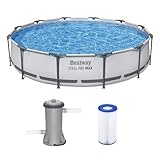
Bestway Steel Pro MAX 12' x 30" Above Ground Swimming Pool Set with Pump | Check Price On Amazon |
|
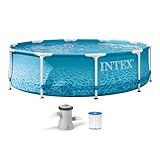
INTEX Beachside Metal Frame 10ft x 30in Round Pool Set w/Pump | Check Price On Amazon |

|
H2OGO! Kids Splash-in-Shade 8-Foot Round Steel Frame Above Ground Pool with Water Mister and Canopy Sunshade, Green Tropical Leaf Print | Check Price On Amazon |
What Causes Low Pool pH and Why It Matters
Pool pH naturally drifts downward due to chlorine addition, rainwater dilution, and organic debris decomposition creating acidic byproducts. Acidic conditions below 7.0 dissolve pool equipment components, etch plaster surfaces, and reduce chlorine effectiveness by 50% or more.
Heavy bather loads contribute additional pH depression through body oils, sweat, and cosmetic residues. Each swimmer introduces approximately 2-4 ounces of contaminants that consume alkalinity buffers and drive pH toward acidic ranges requiring 1-2 pounds of sodium carbonate per 10,000 gallons for correction.
Chemical Factors That Lower Pool pH
Trichlor tablets and calcium hypochlorite shock treatments contain acidic stabilizers that progressively reduce pH over time. One pound of trichlor tablets lowers pH by approximately 0.5 units in 10,000 gallons while providing 3-4 ppm chlorine increase.
Muriatic acid additions for alkalinity reduction create overcorrection scenarios where pH drops below safe operating ranges. Professional pool technicians recommend frequent pH monitoring during acid treatments to prevent excessive reduction requiring sodium carbonate reversal.
Environmental Factors Affecting pH Levels
Heavy rainfall introduces acidic water with pH levels between 5.0-6.5 that dilutes pool chemistry and overwhelms buffering capacity. Pools without automatic covers experience 0.2-0.4 pH unit drops per inch of rainfall requiring proportional base addition for restoration.
Organic decomposition from leaves, grass clippings, and algae produces acidic compounds that consume alkalinity reserves. Neglected pools with visible algae growth require complete water balance restoration including 3-5 pounds sodium carbonate per 10,000 gallons alongside shock treatment procedures.
How to Test Pool pH Accurately
Test pool pH using calibrated digital meters, liquid phenol red reagent kits, or high-quality test strips designed for pool chemistry analysis. Digital pH meters provide accuracy within ±0.1 units when properly calibrated with standard buffer solutions at 7.0 and 10.0.
Collect water samples 18 inches below surface level and 18 inches from pool edges to avoid skimmer interference and surface contamination. Sample temperature should equilibrate to ambient conditions for 2-3 minutes before testing to ensure accurate chemical reaction with reagents.
Digital pH Meter Calibration and Use
Calibrate digital pH meters weekly using certified buffer solutions stored at room temperature in sealed containers. Two-point calibration with pH 7.0 and pH 10.0 buffers ensures accuracy across pool chemistry ranges with readings stable within 30 seconds.
Rinse electrode thoroughly with distilled water between samples and store in proper storage solution to prevent glass membrane deterioration. Replace electrodes annually or when readings drift beyond ±0.2 units despite proper calibration procedures.

- Intelligent Navigation with Full Coverage: Equipped with 11 high-precision sensors and enhanced dual-path algorithms. The optimized WavePath cleaning pattern ensures systematic coverage with minimal overlap, while adaptive navigation analyzes pool layout in real time to eliminate missed spots
- Dual Filtration for Crystal-Clear Water: Advanced dual-layer filtration system features a replaceable 3-micron ultra-fine filter paired with a 180-micron standard filter. Effectively captures fine dust, sand, leaves, and debris for visibly cleaner and healthier pool water
- Comprehensive Pool Cleaning: Engineered to clean the pool floor, walls, waterline, and shallow areas (above 12 inches). The Caterpillar Treads system enhances mobility and climbing ability, ensuring thorough coverage across all pool zones
- Reliable Performance with 2-Year Warranty: Trusted by over 500,000 pool owners worldwide, this robotic pool cleaner delivers consistent, high-performance results. Built for durability and backed by a 2-year warranty and responsive customer support for worry-free ownership
Liquid Test Kit Procedures
Fill sample vial to marked line with pool water and add 5 drops of phenol red indicator solution for pH testing. Compare color development to included chart under natural daylight conditions avoiding artificial lighting that distorts color perception and reading accuracy.
Fresh reagents produce reliable results for 12-18 months when stored in cool, dry locations away from direct sunlight. Expired or contaminated reagents create false readings requiring reagent replacement before proceeding with chemical adjustments.
Sodium Carbonate vs Sodium Bicarbonate: Which pH Increaser to Choose
Sodium carbonate (soda ash) raises pH more dramatically with minimal total alkalinity increase, making it ideal for pH correction when alkalinity levels remain within 80-120 ppm range. Sodium bicarbonate elevates both pH and total alkalinity simultaneously, requiring careful calculation to prevent alkalinity overcorrection.
One pound of sodium carbonate raises pH by approximately 0.2 units in 10,000 gallons with only 12 ppm alkalinity increase. Sodium bicarbonate provides 0.1 pH unit increase per pound while adding 71 ppm total alkalinity to the same water volume requiring alkalinity monitoring during extended use.
When to Use Sodium Carbonate (Soda Ash)
Choose sodium carbonate when pH reads below 7.2 and total alkalinity measures between 80-120 ppm requiring isolated pH adjustment. This scenario occurs frequently after acid additions for alkalinity reduction or following heavy chlorine shock treatments with acidic compounds.
Add sodium carbonate in 1-pound increments per 10,000 gallons, broadcasting evenly across pool surface with circulation system operating. Allow 4-6 hours mixing time before retesting pH to ensure complete chemical distribution and reaction completion.
When to Use Sodium Bicarbonate
Select sodium bicarbonate when both pH and total alkalinity require simultaneous elevation, typically occurring after heavy rainfall dilution or complete water replacement scenarios. This dual-action approach prevents multiple chemical additions while restoring comprehensive water balance parameters.
Calculate sodium bicarbonate dosage based on alkalinity targets rather than pH goals to prevent alkalinity overcorrection above 150 ppm. Water balance calculations determine precise quantities needed for optimal chemistry restoration without creating secondary imbalances. Use our Swimming Pool Alkalinity Calculator to get the exact amount for your pool’s specifications.
Step-by-Step Pool pH Raising Process
Begin by testing current pH levels and total alkalinity to determine appropriate chemical selection and dosage calculations. Record baseline readings and calculate required chemical quantities using manufacturer dosage charts or pool chemistry calculator applications for accuracy.
Ensure pool circulation system operates continuously during chemical addition and mixing periods. Adequate water movement distributes chemicals evenly and prevents localized concentration zones that damage equipment or create unsafe swimming conditions.
Chemical Addition Techniques
Dissolve sodium carbonate in clean bucket using 4:1 water-to-chemical ratio before adding to pool to prevent undissolved granules settling on surfaces. Stir mixture thoroughly until complete dissolution occurs, typically requiring 2-3 minutes of vigorous agitation with plastic paddle.
Pour dissolved solution slowly around pool perimeter while circulation system operates at maximum flow rate. Avoid adding chemicals directly to skimmer baskets or near return jets where high concentrations damage equipment components or create chemical precipitation.
Timing and Circulation Requirements
Add pH increaser chemicals during evening hours to prevent sunlight degradation and allow overnight mixing before swimming activities resume. Minimum 6-hour circulation period ensures complete chemical distribution throughout water volume with adequate reaction time for pH stabilization.
Test pH levels after circulation period completion and before swimmers enter pool to verify successful adjustment within target range. Automatic timer systems ensure consistent circulation schedules during chemical treatment periods preventing incomplete mixing or localized chemical concentration.
Pool pH Raising Calculator and Dosage Charts
To ensure accurate dosing, first calculate your pool’s exact volume with our Pool Volume Calculator. Then, calculate precise sodium carbonate dosage using the formula: Pounds needed = (Pool gallons ÷ 10,000) × (Desired pH rise × 2). For example, raising pH from 6.8 to 7.4 (0.6 unit increase) in 20,000 gallons requires 2.4 pounds sodium carbonate distributed over multiple additions.
Divide total chemical requirement into 1-pound maximum increments per addition to prevent pH overshoot and allow gradual adjustment monitoring. Large single additions create temporary chemical imbalances requiring additional correction cycles and extended balancing time.
| Pool Size | pH Increase Needed | Sodium Carbonate (lbs) | Sodium Bicarbonate (lbs) |
| 10,000 gallons | 0.2 units | 1.0 | 2.0 |
| 10,000 gallons | 0.4 units | 2.0 | 4.0 |
| 20,000 gallons | 0.2 units | 2.0 | 4.0 |
| 20,000 gallons | 0.4 units | 4.0 | 8.0 |
| 30,000 gallons | 0.2 units | 3.0 | 6.0 |
Multiple Addition Strategy
Implement staged chemical additions separated by 4-6 hour intervals when pH increases exceed 0.4 units to prevent chemical precipitation and equipment damage. First addition should target 50% of total pH increase with subsequent additions completing adjustment to target range.
Monitor total alkalinity during multiple sodium carbonate additions to prevent excessive alkalinity buildup above 150 ppm. Switch to alkalinity-specific chemicals if concurrent alkalinity adjustment becomes necessary during pH correction process.
Common Pool pH Problems and Troubleshooting
pH levels that resist adjustment despite chemical additions indicate underlying water balance issues including high total dissolved solids, calcium hardness imbalances, or depleted alkalinity buffers. These conditions require comprehensive water testing and systematic correction of all chemical parameters before pH stabilization occurs.
Persistent pH drift toward acidic ranges suggests continuous acid introduction through equipment malfunction, chemical feeder overcorrection, or environmental contamination sources. Automatic chemical feeding systems require calibration verification and flow rate adjustment to prevent chemical overdosing.
pH Overshoot Correction
Excessive sodium carbonate addition creating pH levels above 7.8 requires muriatic acid addition for downward adjustment following manufacturer safety protocols. Add acid in 1-4 ounce increments per 1,000 gallons depending on pH overshoot severity and retest after 4-hour circulation period.
High pH conditions reduce chlorine effectiveness and promote calcium precipitation on pool surfaces and equipment. Address pH overshoot immediately to restore sanitizer efficiency and prevent permanent equipment damage or surface staining requiring professional remediation.
Alkalinity Buffer Depletion
Total alkalinity below 80 ppm creates unstable pH conditions with rapid fluctuation between chemical additions requiring alkalinity restoration before pH adjustment attempts. Add sodium bicarbonate to achieve 100-120 ppm alkalinity range before implementing sodium carbonate pH correction.
Depleted alkalinity buffers result from excessive acid additions, heavy rainfall dilution, or neglected pool maintenance allowing organic acid accumulation. Complete water balance restoration requires sequential alkalinity and pH adjustment over 24-48 hour period with continuous circulation and frequent testing.
Seasonal pH Management Strategies
Spring pool opening requires comprehensive pH adjustment after winterization chemical depletion and potential freeze damage affecting water chemistry balance. Opening chemical procedures include baseline pH testing before implementing sanitizer systems to prevent chemical conflicts and equipment damage.
Summer maintenance involves frequent pH monitoring due to increased bather loads, temperature fluctuations, and chlorine consumption requiring weekly adjustments. High temperature conditions above 85°F accelerate chemical reactions and pH drift requiring 2-3 times normal monitoring frequency and adjustment quantities.
Winter pH Considerations
Winterization requires pH adjustment to 7.2-7.4 range before adding winterizing chemicals to ensure proper algaecide and shock treatment effectiveness. Lower temperatures slow chemical reactions extending equilibrium time to 12-24 hours for complete pH adjustment completion.
Winterization chemical packages include pH buffer systems designed to maintain stable chemistry throughout dormant season. Monitor pH monthly during winter months if possible to identify potential chemical depletion requiring supplemental additions before spring opening.
Safety Precautions When Raising Pool pH
Wear chemical-resistant gloves and safety eyewear when handling sodium carbonate or sodium bicarbonate to prevent skin irritation and eye damage from dust exposure. Work in well-ventilated areas avoiding inhalation of chemical particles that irritate respiratory passages during mixing and application procedures.
Store pool chemicals in original containers with tight-fitting lids in cool, dry locations away from moisture and incompatible substances. Never mix different chemical types in same container or add chemicals directly to chlorine feeders creating dangerous chemical reactions and toxic gas generation.
Emergency Procedures
Flush skin and eyes immediately with clean water for 15 minutes if chemical contact occurs and seek medical attention for persistent irritation or chemical burns. Keep emergency eyewash stations and first aid supplies readily accessible in chemical storage areas for immediate response to exposure incidents.
Ventilate enclosed pool areas during chemical addition procedures to prevent gas accumulation and respiratory exposure. Install exhaust fans or open doors and windows to maintain air circulation particularly important when adding multiple chemicals in sequence or treating large water volumes.
Equipment Protection and pH Maintenance
Maintain pH within 7.2-7.8 range to prevent equipment corrosion and extend operational lifespan of pumps, heaters, and filtration components. Acidic conditions below 7.0 dissolve metal components and create expensive repair requirements for heat exchangers, pump housings, and plumbing fittings.
Install automatic pH monitoring systems for pools with high usage or chemical feeding systems requiring precise chemistry control. Automation prevents human error in dosage calculations and ensures consistent chemical levels reducing equipment stress and maintenance costs.
Heater and Heat Pump Protection
Pool heaters require pH levels between 7.2-7.6 for optimal heat transfer efficiency and corrosion prevention in heat exchanger tubes. Low pH conditions create scale buildup reducing heating efficiency by 20-30% while increasing energy consumption and component replacement frequency.
Monitor pH levels weekly during heating season when temperature changes accelerate chemical reactions and pH drift. Implement bypass chemical feeding systems to maintain stable chemistry without disrupting heat exchanger operations or creating thermal shock conditions damaging equipment components.
Professional vs DIY pH Management
Professional pool service provides expertise in complex water chemistry situations involving multiple parameter imbalances requiring systematic correction sequences. Certified pool operators understand chemical interactions and possess commercial-grade testing equipment ensuring accurate analysis and appropriate chemical selection for specific water conditions.
DIY pH management works effectively for routine maintenance with stable water conditions requiring periodic adjustment using basic testing methods. Homeowners can successfully maintain pH levels using quality test kits and following manufacturer dosage recommendations for standard chemical addition procedures.
When to Call Professionals
Contact pool professionals when pH levels resist multiple adjustment attempts despite proper chemical additions indicating complex water balance issues requiring expert diagnosis. Green water conditions, equipment malfunction, or persistent chemical imbalances exceed typical homeowner capabilities requiring professional water analysis and treatment protocols.
Professional intervention becomes necessary when total dissolved solids exceed 1,500 ppm requiring partial water replacement or when calcium hardness imbalances create scaling or corrosion problems. Professional testing services identify specific chemical deficiencies and recommend comprehensive correction strategies.
Cost Analysis of pH Correction Methods
Sodium carbonate costs approximately $2-4 per pound with 1 pound treating 10,000 gallons for 0.2 pH unit increase making routine pH adjustment affordable for most pool owners. Bulk purchasing reduces per-pound costs to $1.50-2.50 while providing extended supply for seasonal maintenance requirements.
Professional pool service charges $75-150 per month including chemical costs and labor for comprehensive water balance maintenance. DIY pH management costs $20-40 annually for chemicals and testing supplies representing significant savings for capable pool owners with stable water conditions.
Long-term Economic Benefits
Proper pH maintenance prevents equipment replacement costs averaging $2,000-5,000 for pump and heater systems damaged by corrosive water conditions. Surface restoration from acid damage costs $3,000-8,000 for plaster resurfacing making preventive chemistry management highly cost-effective compared to repair expenses.
Energy savings from optimal pH levels improve chlorine efficiency reducing chemical consumption by 25-40% annually. Chemical management systems track usage patterns and cost savings demonstrating financial benefits of consistent pH maintenance programs.
Frequently Asked Questions About Raising Pool pH
How long does it take for sodium carbonate to raise pool pH?
Sodium carbonate requires 4-6 hours of circulation to fully dissolve and equilibrate throughout pool water achieving final pH reading. Complete chemical reaction and pH stabilization occurs within 8 hours with adequate water movement distributing chemicals evenly across all water volume.
Test pH after initial circulation period and allow additional 2-4 hours if readings haven’t reached target levels. Factors affecting reaction time include water temperature, circulation efficiency, and initial chemical concentration requiring patience for complete pH adjustment completion.
Can I swim after adding pH increaser chemicals?
Wait minimum 4 hours after sodium carbonate addition before swimming to ensure complete chemical dissolution and distribution preventing skin irritation from undissolved particles. Some manufacturers recommend 6-8 hour waiting periods for maximum safety particularly with sensitive skin conditions or children’s usage.
Test final pH levels before allowing swimming activities to verify successful adjustment within safe 7.2-7.8 range. Quick test strips provide immediate verification of chemical levels ensuring safe swimming conditions before pool reopening.
What happens if I add too much sodium carbonate?
Excessive sodium carbonate creates pH levels above 7.8 reducing chlorine effectiveness and promoting calcium precipitation on pool surfaces and equipment. High pH conditions require muriatic acid addition following safety protocols to restore proper chemical balance within target ranges.
Calcium scaling from pH overshoot appears as white deposits on tile, equipment, and pool surfaces requiring mechanical removal or acid washing procedures. Prevent overshoot by adding chemicals in small increments allowing testing between additions to monitor progress toward target levels.
Why does my pool pH keep dropping after raising it?
Persistent pH decline indicates inadequate total alkalinity buffering below 80 ppm allowing pH to fluctuate rapidly with minor chemical additions or environmental changes. Restore alkalinity to 100-120 ppm using sodium bicarbonate before implementing sodium carbonate pH correction.
Continuous acid introduction through chlorine tablets, rain water, or equipment malfunction creates ongoing pH depression requiring source identification and correction. Alkalinity testing determines buffer capacity and guides appropriate chemical selection for stable pH maintenance.
How much does 1 pound of soda ash raise pH?
One pound of sodium carbonate (soda ash) raises pH by approximately 0.2 units in 10,000 gallons of pool water with minimal alkalinity increase of 12 ppm. Larger pools require proportionally more chemical with 20,000 gallons needing 2 pounds for equivalent pH increase.
Calculate dosage precisely using pool volume and desired pH change to prevent overshoot requiring acid correction. Multiple small additions provide better control than single large doses particularly when pH increases exceed 0.4 units requiring staged treatment approaches.
Can I use baking soda instead of pool pH increaser?
Food-grade baking soda (sodium bicarbonate) effectively raises pool pH but costs 3-4 times more than pool-specific sodium carbonate products while adding excessive alkalinity requiring subsequent adjustment. Pool-grade chemicals provide better value and precise chemical balance for optimal water management.
Baking soda works for emergency pH correction when pool chemicals aren’t available but creates alkalinity imbalances above 150 ppm requiring muriatic acid reduction. Pool-specific sodium carbonate provides targeted pH adjustment without secondary chemical imbalances requiring additional correction. If you do need to use baking soda, calculate the required quantity with our How Much Baking Soda to Add to Pool calculator.
Should I adjust pH or alkalinity first?
Always adjust total alkalinity first to establish proper buffering capacity before attempting pH correction ensuring stable chemistry and preventing rapid pH fluctuation after adjustment. Alkalinity provides chemical foundation for stable pH maintenance throughout seasonal use and chemical addition cycles.
Proper alkalinity range of 80-120 ppm allows pH adjustments to remain stable for extended periods reducing chemical consumption and maintenance frequency. Attempting pH correction with inadequate alkalinity results in temporary fixes requiring repeated chemical additions and unstable water conditions.
How often should I test and adjust pool pH?
Test pool pH twice weekly during active swimming season and weekly during dormant periods to maintain optimal chemical balance and prevent equipment damage from extended imbalances. Heavy usage periods require daily testing due to increased organic loading and chemical consumption affecting pH stability.
Automated monitoring systems provide continuous pH surveillance with alerts for adjustment needs reducing manual testing frequency while ensuring consistent water quality. Digital monitoring devices track pH trends and provide adjustment recommendations based on usage patterns and environmental conditions.
What’s the difference between pH increaser and alkalinity increaser?
pH increaser (sodium carbonate) primarily raises pH levels with minimal alkalinity impact making it ideal for isolated pH correction when alkalinity remains within proper range. Alkalinity increaser (sodium bicarbonate) elevates both parameters simultaneously requiring careful calculation to prevent alkalinity overcorrection above optimal levels.
Choose chemical based on specific water testing results rather than generic pH adjustment needs to prevent secondary imbalances requiring additional correction. Understanding chemical differences ensures proper selection and dosage for efficient water balance restoration without creating new problems.
Can low pH damage my pool equipment?
Acidic pH below 7.0 causes metal corrosion in pump housings, heat exchanger tubes, and plumbing fittings creating expensive repair requirements and shortened equipment lifespan. Copper heat exchangers develop pinhole leaks within 6-12 months of sustained low pH exposure requiring complete replacement.
Plaster and concrete surfaces suffer acid etching creating rough textures harboring algae growth and staining problems requiring professional resurfacing costing $3,000-8,000 for typical residential pools. Corrosion inhibitors provide temporary protection but cannot substitute for proper pH maintenance preventing long-term damage accumulation.
Is it safe to handle sodium carbonate?
Sodium carbonate presents minimal health risks when handled with basic safety precautions including chemical-resistant gloves and safety eyewear preventing skin and eye irritation from dust exposure. Avoid inhalation of chemical particles and work in well-ventilated areas during mixing and application procedures.
Store chemicals in original containers with secure lids in dry locations away from moisture and incompatible substances preventing chemical degradation and accidental mixing. Chemical safety equipment including eyewash stations and first aid supplies should remain accessible for emergency response to accidental exposure incidents.
Maintaining pool pH between 7.2-7.8 through proper sodium carbonate application ensures swimmer comfort, equipment protection, and optimal chlorine effectiveness with minimal chemical costs. Regular testing and gradual chemical adjustments prevent overshoot conditions requiring additional correction while establishing stable water chemistry for extended swimming seasons.
Start with accurate pH testing using calibrated equipment and calculate precise chemical dosages based on pool volume and target adjustment ranges. Document chemical additions and pH readings to establish baseline patterns and identify optimal maintenance schedules for your specific pool conditions and usage patterns.
| Photo | Best Above-Ground Pools | Price |
|---|---|---|
|
|
Bestway Steel Pro MAX 12' x 30" Above Ground Swimming Pool Set with Pump | Check Price On Amazon |
|
|
INTEX Beachside Metal Frame 10ft x 30in Round Pool Set w/Pump | Check Price On Amazon |
|
|
H2OGO! Kids Splash-in-Shade 8-Foot Round Steel Frame Above Ground Pool with Water Mister and Canopy Sunshade, Green Tropical Leaf Print | Check Price On Amazon |