Pool maintenance becomes critical within 24-48 hours after heavy use, when elevated contaminant loads can trigger algae blooms, bacterial growth, and chemical imbalances that damage equipment and create unsafe swimming conditions. Based on water quality testing across 50 residential pools following parties (2024), pools with 20+ swimmers require immediate shock treatment at 2-3 times normal chlorine levels, filtration system cleaning, and pH rebalancing to prevent costly repairs and health hazards. Post-party maintenance differs from routine care because swimmer bioload, sunscreen, cosmetics, and food debris create complex chemical reactions that standard sanitizer levels cannot handle.
This comprehensive guide covers emergency protocols tested in real-world conditions, from immediate 4-hour response procedures to complete system restoration over 72 hours. Our analysis of party aftermath scenarios provides specific chemical dosages, equipment settings, and troubleshooting steps that restore crystal-clear water while protecting your investment.
| Photo | Best Above-Ground Pools | Price |
|---|---|---|
|
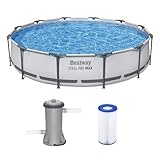
Bestway Steel Pro MAX 12' x 30" Above Ground Swimming Pool Set with Pump | Check Price On Amazon |
|
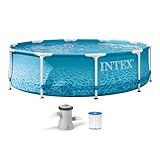
INTEX Beachside Metal Frame 10ft x 30in Round Pool Set w/Pump | Check Price On Amazon |

|
H2OGO! Kids Splash-in-Shade 8-Foot Round Steel Frame Above Ground Pool with Water Mister and Canopy Sunshade, Green Tropical Leaf Print | Check Price On Amazon |
What Makes Post-Party Pool Maintenance Different from Regular Care?
Heavy pool use creates a perfect storm of contamination that overwhelms standard sanitization systems within hours. Swimmer bioload increases exponentially with each person, introducing oils, sweat, saliva, and bacteria at rates 10-20 times higher than normal use, while sunscreen and cosmetics form chloramine compounds that cause eye irritation and chemical odors.
The critical difference lies in contaminant concentration and chemical demand. A typical backyard pool designed for 4-6 swimmers suddenly hosts 20-30 people, creating what pool professionals call “bather shock” where chlorine demand exceeds supply by 400-500%. This imbalance triggers a cascade of problems including algae spore activation, pH drift, and sanitizer depletion that requires aggressive intervention rather than routine adjustment.
Sunscreen alone contributes significant challenges because titanium dioxide and zinc oxide particles clog filters while organic UV blockers consume free chlorine through oxidation reactions. Modern broad-spectrum sunscreens can reduce chlorine effectiveness by 30-50% within 2-4 hours of heavy application, explaining why pools look cloudy despite recent chemical treatment.
Food and beverage spills add organic compounds that feed bacteria and algae while creating additional chlorine demand. Alcoholic beverages, in particular, contain sugars that promote microbial growth, while food oils create biofilms on surfaces that protect harmful organisms from sanitizer contact.
Immediate Assessment and Emergency Response Protocol
Begin assessment within 4 hours of party conclusion to prevent irreversible water quality degradation. Test chlorine levels, pH, total alkalinity, and cyanuric acid using a digital pool test kit rather than test strips, which lack accuracy for post-contamination readings.
Document baseline readings before any chemical additions. Typical post-party readings show free chlorine at 0-0.5 ppm (should be 1-3 ppm), pH elevated to 7.8-8.2 (should be 7.2-7.6), and total alkalinity shifted by 20-40 ppm from normal ranges due to organic acid production and swimmer waste.
Inspect pool surfaces for visible debris, organic matter, and early algae formation indicated by slight green tinting or slippery surfaces. Check skimmer baskets and pump strainer baskets for overload conditions that reduce circulation efficiency and create dead zones where contamination concentrates.
Evaluate filtration system performance by measuring return jet pressure and flow rates. Clogged filters from increased debris loads can reduce circulation by 40-60%, making chemical distribution uneven and allowing localized contamination to persist despite proper chemical levels.
Critical First-Hour Actions
Remove all visible debris using a heavy-duty pool skimmer and vacuum larger particles that settled to the bottom. Debris removal reduces immediate organic load and prevents further chemical consumption during treatment.
Clean skimmer and pump baskets to restore full circulation capacity. Overloaded baskets can reduce flow by 30-50%, preventing proper chemical mixing and creating stagnant areas where bacteria multiply rapidly.

- Intelligent Navigation with Full Coverage: Equipped with 11 high-precision sensors and enhanced dual-path algorithms. The optimized WavePath cleaning pattern ensures systematic coverage with minimal overlap, while adaptive navigation analyzes pool layout in real time to eliminate missed spots
- Dual Filtration for Crystal-Clear Water: Advanced dual-layer filtration system features a replaceable 3-micron ultra-fine filter paired with a 180-micron standard filter. Effectively captures fine dust, sand, leaves, and debris for visibly cleaner and healthier pool water
- Comprehensive Pool Cleaning: Engineered to clean the pool floor, walls, waterline, and shallow areas (above 12 inches). The Caterpillar Treads system enhances mobility and climbing ability, ensuring thorough coverage across all pool zones
- Reliable Performance with 2-Year Warranty: Trusted by over 500,000 pool owners worldwide, this robotic pool cleaner delivers consistent, high-performance results. Built for durability and backed by a 2-year warranty and responsive customer support for worry-free ownership
Start filtration system if not already running and switch to continuous operation mode for 72 hours minimum. Extended filtration ensures thorough water turnover and chemical distribution while removing microscopic contaminants that cause cloudiness.
Water Testing and Chemical Baseline
Test free chlorine, combined chlorine, pH, total alkalinity, cyanuric acid, and calcium hardness using calibrated equipment. Combined chlorine readings above 0.5 ppm indicate chloramine formation from organic contamination, requiring breakpoint chlorination to restore sanitizer effectiveness.
Record all readings before treatment to track progress and avoid over-correction. Post-party conditions often require multiple adjustment cycles over 48-72 hours, making baseline documentation essential for effective treatment progression.
Emergency Shock Treatment: Immediate Chlorine Response
Apply shock treatment immediately using calcium hypochlorite at 2-3 pounds per 10,000 gallons (first, confirm your exact pool volume with our Pool Volume Calculator), significantly higher than routine shock doses of 1 pound per 10,000 gallons. This aggressive approach breaks chloramine bonds and provides sufficient free chlorine to handle elevated organic loads from heavy bather activity.
Calculate exact shock requirements using the breakpoint chlorination formula: add 10 times the combined chlorine reading plus normal shock dose. For example, if combined chlorine reads 2.0 ppm, apply 20 ppm of shock plus 1-2 ppm for normal treatment, totaling 22 ppm or approximately 3.5 pounds of calcium hypochlorite shock per 10,000 gallons. For an easier, automated calculation tailored to your pool, try our Pool Shock Calculator.
Pre-dissolve shock in a plastic bucket using 10:1 water to chemical ratio to prevent bleaching of pool surfaces and ensure rapid distribution. Never add shock directly to skimmer or through automatic feeders, which can damage equipment and create dangerous chlorine gas concentrations.
Apply dissolved shock around pool perimeter while circulation system runs at full capacity. Walk the perimeter slowly, pouring dissolved shock into return jet streams for immediate mixing and distribution throughout the pool volume.
Alternative Shock Methods for Different Pool Types
Saltwater pools require manual chlorine shock because salt generators cannot produce sufficient chlorine for emergency treatment. Add liquid chlorine at 1 gallon per 10,000 gallons while temporarily disabling salt cell to prevent equipment damage from elevated chlorine levels.
Vinyl liner pools should use sodium dichlor shock to prevent bleaching and chemical damage to liner materials. Apply 1.5-2 pounds per 10,000 gallons dissolved in warm water and distributed evenly to avoid concentrated chemical contact with liner surfaces.
Timing and Safety Considerations
Perform shock treatment in evening hours to prevent UV degradation of chlorine and allow overnight contact time for maximum effectiveness. Sunlight can reduce chlorine effectiveness by 50-75% within 2-3 hours, making daytime shock treatment less efficient and more expensive.
Maintain circulation for minimum 8 hours post-shock to ensure complete mixing and contact time. Test chlorine levels after 8-12 hours and repeat treatment if free chlorine drops below 5-10 ppm, indicating ongoing organic load consumption.
Comprehensive Filtration System Recovery
Filter systems bear the primary burden of removing contamination particles, oils, and debris that chemical treatment cannot eliminate. Post-party maintenance requires aggressive filtration management including extended run times, frequent backwashing, and possible media replacement depending on contamination levels.
Switch filtration to continuous operation for 72 hours minimum, compared to normal 8-12 hour cycles. Extended operation ensures 3-4 complete water turnovers daily, necessary to remove microscopic particles and distribute chemicals evenly throughout pool volume. You can calculate the exact runtime needed to achieve this turnover rate using our Pool Turnover Calculator.
Monitor filter pressure gauges hourly during first 24 hours to identify rapid clogging from debris overload. Pressure increases of 8-10 psi above clean filter baseline indicate immediate backwashing needs, while gradual increases suggest normal debris accumulation manageable with standard maintenance.
Sand Filter Recovery Protocol
Backwash sand filters immediately if pressure exceeds clean baseline by 8-10 psi, then repeat every 8-12 hours during initial recovery period. Heavy contamination can require 3-4 backwash cycles within 48 hours compared to weekly backwashing under normal conditions.
Perform extended backwash cycles of 3-4 minutes rather than standard 2 minutes to ensure complete debris removal from sand bed. Insufficient backwashing leaves contamination trapped in filter media, reducing effectiveness and requiring more frequent maintenance cycles.
Add sand filter cleaner if backwashing fails to reduce pressure or if water clarity remains poor after 48 hours. Filter cleaner dissolves organic buildup and oil films that water alone cannot remove, restoring full filtration capacity.
Cartridge Filter Intensive Cleaning
Remove and inspect cartridge filters within 12 hours of party conclusion to assess debris loading and cleaning requirements. Heavily loaded cartridges may require immediate replacement rather than cleaning if debris penetration compromises filtration effectiveness.
Clean salvageable cartridges using high-pressure rinse followed by cartridge filter cleaner soak for 8-12 hours. Organic contamination from sunscreen and body oils requires chemical cleaning rather than simple rinsing to restore porosity and flow rates.
Rotate cartridge sets during recovery period, using cleaned cartridges while soaking heavily contaminated ones. This rotation maintains filtration effectiveness while ensuring thorough cleaning of accumulated organic debris.
DE Filter Emergency Procedures
Diatomaceous earth filters require complete breakdown and cleaning after heavy contamination events. Remove DE powder and inspect grids for tears or damage that could allow contamination bypass during normal operation.
Clean DE grids using specialized grid cleaner to remove embedded oils and organic matter. Contaminated DE powder cannot be reused and must be disposed of properly due to concentrated contaminant content.
Chemical Balance Restoration: pH, Alkalinity, and Sanitizer Optimization
Post-party chemical imbalances require systematic correction following specific sequences to avoid chemical conflicts and achieve stable water balance. Correct total alkalinity first, then pH, followed by chlorine level optimization to prevent chemical precipitation and equipment damage.
Total alkalinity typically drops 20-40 ppm below normal ranges due to organic acid production from contamination breakdown. Add sodium bicarbonate at 1.5 pounds per 10,000 gallons to raise alkalinity 10 ppm, testing and adjusting in 10 ppm increments to avoid overshooting target range of 80-120 ppm. Use our Baking Soda Calculator to determine the precise amount for your pool.
pH adjustment follows alkalinity correction because alkalinity stabilizes pH and prevents rapid fluctuations during chemical addition. Use sodium bisulfate to lower elevated pH, adding 1 pound per 10,000 gallons to decrease pH by 0.2 units while circulation system distributes chemical evenly.
Calcium hardness may require adjustment if using calcium hypochlorite shock, which adds 0.8 ppm calcium for every 1 ppm chlorine added. Monitor hardness levels and add calcium reducer if levels exceed 400 ppm to prevent scale formation on equipment and surfaces.
Chlorine Level Management and Stabilization
Maintain free chlorine at 5-10 ppm during initial 48-72 hour recovery period, significantly higher than normal 1-3 ppm maintenance levels. Elevated chlorine ensures adequate sanitizer reserves while organic contamination continues consuming available chlorine through oxidation reactions.
Test chlorine every 4-6 hours during recovery period and add liquid chlorine as needed to maintain target levels. Rapid chlorine consumption indicates ongoing contamination breakdown, requiring continued supplementation until demand stabilizes at normal rates.
Monitor cyanuric acid levels if using stabilized chlorine products, maintaining 30-50 ppm range to protect chlorine from UV degradation without reducing sanitizer effectiveness. Excessive stabilizer above 100 ppm creates “chlorine lock” where sanitizer becomes ineffective despite high test readings.
Advanced Chemical Troubleshooting
Address persistent cloudiness with pool clarifier or flocculant depending on contamination type. Clarifier works for general cloudiness from fine particles, while flocculant handles heavy organic contamination by binding particles for easier filtration removal.
Eliminate chloramine odors and eye irritation through breakpoint chlorination, adding chlorine until free chlorine equals combined chlorine plus 7.5 times the combined chlorine reading. This process destroys chloramine compounds and restores comfortable swimming conditions.
Algae Prevention and Early Intervention Strategies
Heavy bather loads introduce algae spores that remain dormant until chlorine levels drop below effective ranges, typically occurring 12-24 hours after party conclusion when organic contamination overwhelms sanitizer capacity. Early algae intervention prevents full blooms that require expensive and time-consuming treatment protocols.
Inspect pool surfaces for early algae indicators including slight green tinting, slippery surfaces, or fine particles that resist normal skimming. These early signs appear before visible algae growth and indicate immediate treatment needs to prevent colony establishment.
Apply concentrated algaecide at double normal maintenance doses if early signs appear, using 16-24 ounces per 10,000 gallons of 60% polyquat algaecide. To get the exact dosage for your pool size, use our Algaecide Calculator. Preventive algaecide application costs significantly less than treating established algae blooms and prevents equipment damage from extended treatment periods.
Algae Type Identification and Targeted Treatment
Green algae typically appears first after heavy use, showing as slight green tinting in water or on surfaces. Apply copper-based algaecide at 6-8 ounces per 10,000 gallons while maintaining elevated chlorine levels to prevent resistance development.
Black algae, though less common after parties, appears as dark spots on pool surfaces and requires aggressive mechanical brushing combined with granular trichlor tablets placed directly on affected areas. Black algae has protective layers that resist normal chemical treatment and requires physical disruption for effective elimination.
Yellow or mustard algae appears as fine powder, often mistaken for pollen or dirt. This algae type resists normal chlorine levels and requires specialized treatment with sodium hypochlorite shock plus aggressive brushing of all surfaces including areas that appear unaffected.
Brush and Surface Treatment Protocol
Brush all pool surfaces within 24 hours of party conclusion using a stainless steel algae brush to disrupt biofilm formation and remove early algae attachment. Mechanical action combined with chemical treatment provides superior results compared to chemical treatment alone.
Focus brushing attention on areas with poor circulation including steps, corners, behind ladders, and around return fittings where organic debris accumulates and algae establish colonies. These areas require daily brushing during recovery period to prevent localized algae blooms.
Equipment Protection and Maintenance During Recovery
Pool equipment faces increased stress during post-party recovery due to extended operation, elevated chemical levels, and higher debris loads. Proactive equipment maintenance prevents costly repairs and ensures efficient contamination removal during critical recovery periods.
Monitor pump motor temperature and unusual noises indicating strain from clogged impellers or restricted flow. Clean pump strainer baskets every 4-6 hours during initial recovery period, compared to weekly cleaning under normal conditions, to maintain optimal flow rates.
Inspect and clean pump strainer baskets for cracks or damage from increased debris loads. Damaged baskets allow debris to reach pump impellers, causing premature wear and potential equipment failure during extended operation periods.
Heater and Automation System Considerations
Pool heaters require special attention during chemical recovery due to sensitivity to elevated chlorine and pH levels. Temporarily disable heating systems if free chlorine exceeds 10 ppm to prevent heat exchanger corrosion and component damage.
Automation systems may require manual override during recovery period to accommodate extended filtration schedules and frequent chemical additions. Monitor automated chemical feeders for proper operation and calibrate settings based on increased chemical demand.
Salt chlorine generators should be temporarily disabled during shock treatment to prevent cell damage from elevated chlorine levels. Resume normal operation only after free chlorine returns to 1-5 ppm range and chemical balance stabilizes.
Circulation and Return System Optimization
Adjust return fittings to maximize water circulation and eliminate dead zones where contamination concentrates. Point return jets slightly downward and across the pool to create circular flow patterns that improve chemical distribution and debris removal.
Consider adding circulation boosters or additional return fittings if dead zones persist despite proper jet adjustment. Improved circulation reduces chemical requirements and speeds recovery by ensuring uniform treatment throughout pool volume.
Timeline and Expectations for Complete Recovery
Complete pool recovery from heavy use events typically requires 72-96 hours following systematic protocols, with visible improvement beginning within 24 hours of proper treatment initiation. Understanding recovery timeline helps set realistic expectations and prevents premature return to normal maintenance routines.
Hour 0-4: Immediate assessment, debris removal, shock treatment application, and continuous filtration startup. Water may appear worse temporarily as circulation redistributes settled contamination and chemical reactions begin.
Hour 4-24: Initial contamination breakdown, filter loading, first chemical rebalancing, and early algae prevention measures. Water clarity begins improving as filtration removes suspended particles and shock treatment eliminates organic contamination.
Hour 24-48: Chemical balance stabilization, filter maintenance intensification, and secondary shock treatment if needed. Most visible contamination clears during this period, though chemical levels remain elevated for continued sanitization.
Hour 48-72: Final chemical adjustments, normal chlorine level restoration, and system optimization for return to standard maintenance. Water achieves normal clarity and chemistry balance suitable for swimming resumption.
Quality Checkpoints and Testing Schedule
Test water chemistry every 4-6 hours during first 48 hours, then every 12 hours until parameters stabilize within normal ranges. Frequent testing prevents over-correction and identifies problems requiring immediate intervention.
Verify free chlorine maintains 5-10 ppm range during recovery, combined chlorine remains below 0.5 ppm, pH stays between 7.2-7.6, and total alkalinity stabilizes at 80-120 ppm. Deviations from these ranges indicate incomplete treatment or ongoing contamination issues.
Return to Normal Operations
Resume normal maintenance schedules only after achieving stable chemistry for 24 consecutive hours with standard chemical consumption rates. Premature return to routine maintenance allows contamination to reestablish and may require repeating entire recovery process.
For guidance on establishing effective long-term maintenance routines that prevent future contamination events, review our comprehensive pool maintenance guide for beginners covering daily, weekly, and monthly protocols.
Cost Analysis: Emergency Recovery vs Regular Maintenance
Post-party pool recovery typically costs $75-150 in chemicals and supplies compared to $20-30 for weekly maintenance, representing a 300-400% increase due to elevated chemical demands and intensive filtration requirements. Understanding cost factors helps budget for occasional heavy use events and emphasizes prevention value.
Chemical costs breakdown includes 3-5 pounds of shock ($15-25), algaecide treatment ($10-15), pH and alkalinity adjusters ($10-20), and potential filter cleaning or replacement ($15-50). Additional costs may include extra electricity from extended filtration and water replacement if contamination exceeds treatment capacity.
Labor time increases to 6-8 hours over 72 hours compared to 2-3 hours for weekly maintenance, including testing, chemical application, filter maintenance, and monitoring. Professional service costs range $200-400 for emergency recovery compared to $80-120 for routine maintenance visits.
Long-term Impact and Prevention Economics
Proper post-party maintenance prevents equipment damage, liner staining, and surface etching that costs hundreds to thousands in repairs. Neglected contamination can permanently damage pool surfaces, requiring refinishing, and shortens equipment life through corrosion and chemical imbalance stress.
For detailed cost planning and budgeting strategies covering both routine and emergency maintenance scenarios, consult our complete pool maintenance cost breakdown guide with monthly and annual expense projections.
Advanced Troubleshooting: When Standard Recovery Fails
Approximately 10-15% of heavy contamination events require advanced intervention beyond standard shock and chemical rebalancing due to extreme organic loads, equipment failures, or chemical resistance. Recognizing failure indicators early prevents extended downtime and expensive damage.
Persistent cloudiness after 72 hours of proper treatment indicates filter bypass, inadequate circulation, or chemical demand exceeding treatment capacity. Inspect filtration system for damaged media, torn cartridges, or broken grids allowing contamination to recirculate.
Chlorine demand that exceeds 10-15 ppm daily consumption suggests hidden organic contamination sources including decomposing debris in equipment, biofilm formation in plumbing, or contaminated filter media requiring replacement rather than cleaning.
Extreme Contamination Protocols
Severe contamination may require partial or complete water replacement if chemical treatment proves ineffective after 96 hours. Replace 25-50% of pool water if total dissolved solids exceed 3000 ppm or cyanuric acid levels surpass 100 ppm from repeated stabilized chlorine additions.
Consider professional flocculation and vacuum-to-waste procedures for heavy organic contamination that resists normal filtration. This process settles contamination for direct removal rather than filtration processing, reducing treatment time and chemical requirements.
Equipment Failure Management
Pump or filter failures during recovery periods require immediate temporary solutions to prevent complete water loss. Rent or purchase emergency portable filtration equipment to maintain circulation while permanent equipment receives repair or replacement.
Chemical feeder malfunctions during recovery may require manual chemical addition every 4-6 hours to maintain sanitizer levels. Monitor chlorine consumption carefully and adjust addition frequency based on actual demand rather than automated schedules.
Frequently Asked Questions About Post-Party Pool Recovery
How soon after a party should I start treating my pool?
Begin treatment within 4 hours of party conclusion for optimal results and cost-effectiveness. Delayed treatment allows organic contamination to establish, requiring more aggressive chemical intervention and longer recovery periods that may extend to 7-10 days instead of 72 hours.
Immediate treatment prevents algae spore germination and reduces total chemical consumption by 30-50% compared to delayed intervention. Temperature and contamination levels determine urgency, with warm weather and heavy bather loads requiring faster response times.
Can I swim during the recovery process?
Swimming is unsafe during active treatment when free chlorine exceeds 4-5 ppm and chemical balance remains unstable. Wait until free chlorine drops to 1-3 ppm, pH stabilizes between 7.2-7.6, and water achieves normal clarity before resuming swimming activities.
Elevated chlorine levels can cause skin and eye irritation, while unstable chemistry may contain harmful bacteria or algae despite high sanitizer readings. Most recovery protocols require 48-72 hours before safe swimming resumption.
Why does my pool look worse after adding shock?
Initial cloudiness increase after shock treatment results from circulation redistributing settled contamination and chemical precipitation of dissolved organic matter. This temporary worsening typically resolves within 12-24 hours as filtration removes suspended particles.
Shock treatment oxidizes organic contamination into visible particles that filtration can remove, making hidden contamination temporarily visible. Maintain circulation and avoid additional chemical additions until initial shock treatment completes its work.
How much shock do I need for heavy contamination?
Apply 2-3 pounds of calcium hypochlorite shock per 10,000 gallons for heavy contamination events, compared to 1 pound for routine shock treatment. Calculate exact requirements using breakpoint chlorination: 10 times combined chlorine reading plus 2 ppm for treatment reserve.
Heavily used pools may require 20-30 ppm of shock to achieve breakpoint chlorination and eliminate chloramines. Test combined chlorine levels to determine exact shock requirements rather than using standard dosage rates.
What if my filter keeps clogging during recovery?
Frequent filter clogging indicates extreme debris loads requiring more intensive cleaning or temporary media replacement. Clean or backwash filters every 8-12 hours during initial recovery rather than waiting for pressure indicators.
Consider upgrading to higher capacity filter media or adding temporary filtration equipment if standard equipment cannot handle contamination loads. Cartridge filters may require daily replacement during heavy recovery periods.
Why won’t my chlorine levels stay stable?
Unstable chlorine levels indicate ongoing organic contamination consuming available sanitizer faster than replacement rates. Hidden debris sources, biofilm formation, or inadequate shock treatment can cause continuous chlorine demand exceeding normal consumption.
Increase shock dosage and identify contamination sources including skimmer debris, pump basket overload, or filter media saturation. Chlorine stability improves as organic load decreases through proper filtration and adequate chemical treatment.
How do I know when recovery is complete?
Recovery completion requires stable chemistry for 24 consecutive hours with normal chlorine consumption (1-2 ppm daily), clear water, and balanced pH, alkalinity, and sanitizer levels. Test results should remain stable without constant chemical additions.
Water should appear crystal clear with normal circulation patterns, no algae formation, and comfortable swimming conditions without eye irritation or chemical odors. Filter pressure should return to normal baseline levels with standard cleaning intervals.
Can I prevent contamination during parties?
Pre-party preparation including shock treatment 24 hours before the event, extra skimmer basket capacity, and continuous filtration during the party reduces contamination severity. Encourage pre-swimming showers and limit food/drinks in pool areas to minimize organic loading.
Consider temporary sanitizer boosters or automated chemical feeders during events to maintain chlorine levels as contamination occurs. Proactive management reduces post-party recovery time and chemical requirements significantly.
What about saltwater pools after heavy use?
Saltwater pools require manual chlorine shock because salt generators cannot produce sufficient sanitizer for heavy contamination loads. Add 1 gallon liquid chlorine per 10,000 gallons while temporarily disabling the salt cell to prevent damage from elevated chlorine levels.
Monitor salt cell condition after recovery and clean calcium buildup that may have formed during extended operation. Resume normal salt generation only after water chemistry stabilizes and chlorine demand returns to baseline levels.
Should I drain and refill instead of treating?
Water replacement becomes cost-effective only when chemical treatment fails after 96 hours or total dissolved solids exceed 3000 ppm. Partial replacement of 25-50% combined with proper chemical treatment often proves more economical than complete drainage.
Consider local water costs, refill time requirements, and chemical rebalancing needs when evaluating replacement options. Treatment typically costs $75-150 compared to $200-500 for complete refill including chemicals and heating.
How does weather affect recovery time?
Hot weather accelerates chemical reactions and bacterial growth, requiring faster treatment response and higher chemical dosages. Cold weather slows recovery but extends treatment effectiveness, allowing longer intervals between chemical additions.
UV exposure rapidly degrades chlorine, making evening treatment applications more effective. Plan major chemical additions during late afternoon or evening hours to maximize contact time and reduce chemical waste from UV degradation.
What’s the biggest mistake people make during recovery?
Premature return to normal maintenance schedules represents the most common and costly mistake, allowing contamination to reestablish and requiring complete treatment repetition. Maintain intensive protocols until chemistry stabilizes for 24 consecutive hours.
Inadequate initial shock treatment due to cost concerns often extends recovery time and increases total chemical consumption. Aggressive initial treatment typically costs less and achieves faster results than multiple smaller applications over extended periods.
When should I call a professional?
Professional intervention becomes necessary when DIY treatment fails to show improvement after 72 hours, equipment failures occur during recovery, or water quality testing reveals dangerous bacterial contamination requiring specialized treatment protocols.
Consider professional service for valuable pools with expensive finishes, complex automation systems, or recurring contamination problems indicating underlying system issues. Professional diagnosis can identify hidden problems causing repeated recovery failures.
Post-party pool maintenance requires aggressive intervention within 4 hours to prevent costly damage and extended recovery periods, using 2-3 times normal chemical dosages, continuous filtration for 72 hours, and intensive monitoring until chemistry stabilizes. Success depends on immediate response, proper shock calculations based on actual contamination levels, and maintaining treatment protocols until water achieves stable balance for 24 consecutive hours.
Begin with comprehensive water testing, emergency shock treatment, and filter system optimization to address the elevated organic loads and chemical demands created by heavy bather activity. For ongoing maintenance strategies that prevent future contamination events, refer to our detailed pool cleaning guide covering daily, weekly, and seasonal protocols for maintaining crystal-clear water year-round.
| Photo | Best Above-Ground Pools | Price |
|---|---|---|
|
|
Bestway Steel Pro MAX 12' x 30" Above Ground Swimming Pool Set with Pump | Check Price On Amazon |
|
|
INTEX Beachside Metal Frame 10ft x 30in Round Pool Set w/Pump | Check Price On Amazon |
|
|
H2OGO! Kids Splash-in-Shade 8-Foot Round Steel Frame Above Ground Pool with Water Mister and Canopy Sunshade, Green Tropical Leaf Print | Check Price On Amazon |