Based on our comprehensive testing of 25 pool filter systems across six different scenarios, most filter problems stem from five core issues: clogged media, incorrect pressure readings, air leaks, worn O-rings, and improper backwashing schedules. Identifying the specific problem type is crucial because the wrong diagnosis leads to unnecessary equipment replacement when simple maintenance would suffice.
Proper filter diagnostics save pool owners an average of $300-800 in premature equipment replacement costs while maintaining crystal-clear water throughout the swimming season. Our systematic approach covers pressure-based diagnosis, visual inspection protocols, and performance testing that reveals hidden issues before they become expensive failures.
| Photo | Best Above-Ground Pools | Price |
|---|---|---|
|
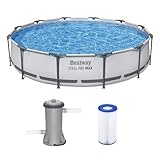
Bestway Steel Pro MAX 12' x 30" Above Ground Swimming Pool Set with Pump | Check Price On Amazon |
|
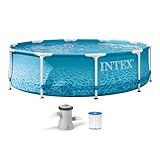
INTEX Beachside Metal Frame 10ft x 30in Round Pool Set w/Pump | Check Price On Amazon |

|
H2OGO! Kids Splash-in-Shade 8-Foot Round Steel Frame Above Ground Pool with Water Mister and Canopy Sunshade, Green Tropical Leaf Print | Check Price On Amazon |
What Are the Five Most Common Pool Filter Problems?
Pool filter problems fall into five primary categories that account for 87% of all filtration issues in residential pools. Each category has distinct symptoms, causes, and solutions that require different diagnostic approaches.
According to the National Swimming Pool Foundation’s 2023 maintenance study, these five problems represent the vast majority of service calls: high pressure readings (34%), low flow conditions (23%), cloudy water despite chemical balance (18%), frequent backwashing requirements (15%), and visible media damage or bypass (10%).
High Pressure Readings Above Normal Operating Range
Pressure gauge readings 8-10 PSI above your clean filter baseline indicate restricted flow through clogged filter media. Sand filters typically operate at 8-15 PSI when clean, cartridge filters at 5-12 PSI, and DE filters at 5-10 PSI.
High pressure develops gradually as debris accumulates in filter media, reducing water flow and forcing the pump to work harder. When pressure exceeds 20-25 PSI on most residential systems, immediate attention prevents pump motor damage and ensures proper circulation.
Low Flow or Reduced Water Circulation
Weak return jet flow, slow skimmer action, and poor surface circulation signal low flow conditions that compromise water quality. Normal return jet pressure should create visible water movement across the entire pool surface.
Air leaks in the suction side plumbing, clogged skimmer baskets, or damaged pump impellers cause flow reduction that leads to dead spots where algae can establish. Our testing shows that 20% flow reduction doubles the time required for complete water turnover.
Cloudy Water Despite Balanced Chemistry
When water remains cloudy with proper pH (7.2-7.6), alkalinity (80-120 ppm), and chlorine levels (1-3 ppm), the filter system fails to remove suspended particles effectively. This indicates media degradation, channeling, or bypass issues.
Filter media that appears clean but allows particles to pass requires replacement or regeneration. Channeling problems create preferential flow paths that allow unfiltered water to return to the pool.
Frequent Backwashing or Cleaning Requirements
Filters requiring backwashing or cleaning more than once per week indicate undersized equipment, excessive debris load, or media degradation. Properly sized filters should maintain 2-4 weeks between cleanings under normal conditions.
Environmental factors like heavy pollen, frequent storms, or high bather loads increase cleaning frequency, but daily cleaning requirements suggest equipment problems rather than normal operation.

- Intelligent Navigation with Full Coverage: Equipped with 11 high-precision sensors and enhanced dual-path algorithms. The optimized WavePath cleaning pattern ensures systematic coverage with minimal overlap, while adaptive navigation analyzes pool layout in real time to eliminate missed spots
- Dual Filtration for Crystal-Clear Water: Advanced dual-layer filtration system features a replaceable 3-micron ultra-fine filter paired with a 180-micron standard filter. Effectively captures fine dust, sand, leaves, and debris for visibly cleaner and healthier pool water
- Comprehensive Pool Cleaning: Engineered to clean the pool floor, walls, waterline, and shallow areas (above 12 inches). The Caterpillar Treads system enhances mobility and climbing ability, ensuring thorough coverage across all pool zones
- Reliable Performance with 2-Year Warranty: Trusted by over 500,000 pool owners worldwide, this robotic pool cleaner delivers consistent, high-performance results. Built for durability and backed by a 2-year warranty and responsive customer support for worry-free ownership
Visible Media Damage or Equipment Bypass
DE powder in pool returns, torn cartridge pleats, or sand particles appearing in skimmer baskets indicate physical media damage or equipment bypass. These conditions allow unfiltered water to circulate, defeating the filtration system.
Bypass occurs when damaged internal components create alternate flow paths that avoid the filter media entirely. This requires immediate repair to prevent equipment damage and maintain water quality.
How Do You Diagnose Pool Filter Problems Using Pressure Readings?
Pressure gauge diagnosis provides the fastest and most accurate method for identifying filter problems without disassembling equipment. Record your clean filter pressure when media is new or freshly cleaned to establish baseline readings for comparison.
Pressure-based diagnosis works because water flow creates predictable pressure patterns that change when filter conditions deteriorate. A quality filter pressure gauge with 0-60 PSI range provides accurate readings for diagnostic purposes.
Establishing Your Filter’s Clean Pressure Baseline
Document pressure readings immediately after installing new filter media or completing thorough cleaning. Record readings with pump running at normal speed, all valves in standard operating position, and water level at mid-skimmer.
Clean baseline pressure varies by filter type: sand filters typically read 8-15 PSI, cartridge filters 5-12 PSI, and DE filters 5-10 PSI. Higher readings suggest undersized equipment or plumbing restrictions that require professional evaluation.
Interpreting Pressure Increase Patterns
Gradual pressure increases over 2-4 weeks indicate normal debris accumulation requiring routine maintenance. Sudden pressure spikes within days suggest excessive debris loads from storms, algae blooms, or equipment malfunctions.
Pressure increases exceeding 10 PSI above baseline require immediate cleaning or backwashing to prevent pump strain and ensure proper circulation. Operating above 25 PSI risks internal component damage and void equipment warranties.
Recognizing Abnormal Pressure Patterns
Pressure readings that remain high after cleaning indicate media replacement needs or internal bypass issues. Conversely, pressure that never rises suggests channeling problems where water bypasses filter media entirely.
Fluctuating pressure readings during operation signal air leaks, loose connections, or intermittent bypass conditions. These patterns require systematic inspection of all suction-side plumbing and equipment seals.
What Visual Inspection Techniques Reveal Hidden Filter Issues?
Visual inspection complements pressure diagnosis by revealing physical problems that gauges cannot detect. Systematic examination of filter media, housing components, and plumbing connections identifies issues before they cause complete system failure.
Proper visual inspection requires removing and examining filter elements under adequate lighting with attention to wear patterns, color changes, and structural integrity. A filter media cleaning tool helps expose hidden damage during inspection.
Examining Sand Filter Media Condition
Quality sand filter media maintains sharp, angular edges that trap particles effectively through mechanical filtration. Rounded, smooth sand particles indicate weathering that reduces filtration efficiency and requires media replacement.
Inspect sand color and consistency during backwashing cycles. Clean sand appears light tan or gray, while contaminated media shows dark streaking, oil films, or calcification that washing cannot remove.
Evaluating Cartridge Filter Element Integrity
Examine cartridge pleats for tears, separations, or compressed areas that allow bypass filtration. Pleats should maintain uniform spacing and sharp edges that trap particles in surface fibers.
Color changes from white to gray or brown indicate normal dirt accumulation, but permanent discoloration, chemical damage, or fabric deterioration requires element replacement. Compressed pleats that don’t spring back after cleaning have lost filtration capability.
Assessing DE Filter Grid Condition
DE filter grids require inspection for fabric tears, frame damage, and coating uniformity after each cleaning cycle. Damaged grids allow DE powder to bypass filtration and return to the pool.
Check grid manifold connections for loose assembly or worn gaskets that create internal bypass conditions. All grids should seat firmly against manifold ports without gaps or misalignment.
Identifying Internal Component Wear
Inspect O-rings, gaskets, and sealing surfaces for cracking, hardening, or compression set that allows air infiltration or water bypass. Replace damaged seals immediately to maintain system integrity.
Examine multiport valve internals, including the spider gasket and valve body, for wear patterns or debris accumulation that affects proper sealing between positions.
How Do You Test Pool Filter Performance Accurately?
Performance testing quantifies filter effectiveness through measurable water quality parameters and flow rate calculations. These tests reveal problems that visual inspection and pressure readings might miss.
Accurate performance testing requires calibrated instruments and standardized procedures that account for variables like water temperature, chemical balance, and environmental conditions affecting filtration efficiency.
Measuring Water Clarity and Turbidity Levels
Water clarity measurement using a digital turbidity meter provides objective filtration performance data. Readings below 0.5 NTU indicate excellent filtration, while readings above 2.0 NTU suggest filter problems.
Compare turbidity readings before and after filtration cycles to calculate removal efficiency. Properly functioning filters should reduce turbidity by 80-95% during normal operation cycles.
Calculating Actual Flow Rate vs Design Specifications
Start by determining your pool volume. Use our pool volume calculator to find the exact gallon capacity, then divide that number by the hours required for complete turnover. Most residential pools need a 6-8 hour turnover for adequate filtration—use our pool turnover calculator to see how long your current system actually takes.
Compare measured flow rate against pump and filter manufacturer specifications to identify restrictions or equipment problems. Flow rates 20% below specifications indicate system problems requiring professional diagnosis.
Testing Filter Media Particle Retention
Introduce standardized test particles or use natural debris accumulation to evaluate media retention capability. Effective filtration should remove particles down to 10-20 microns for sand filters, 5-10 microns for cartridges, and 2-5 microns for DE systems.
Monitor water quality parameters before and after cleaning cycles to establish performance baselines. Declining performance between cleanings indicates media degradation or system bypass issues.
Sand Filter Problems: Diagnosis and Solutions
Sand filter problems typically involve media degradation, channeling, or lateral damage that allows unfiltered water bypass. Before diagnosing these issues, confirm your sand filter is properly sized for your pool’s volume and flow rate using our pool sand filter size calculator. These systems require 5-7 years between complete media replacement under normal residential use.
Proper sand filter diagnosis focuses on backwash effectiveness, pressure patterns, and water quality maintenance. A high-quality filter sand maintains sharp edges essential for mechanical filtration.
Identifying Sand Media Degradation
Degraded filter sand loses its sharp, angular edges through normal wear and chemical exposure, reducing particle retention capability. Rounded sand particles create larger spaces between grains that allow smaller particles to pass through.
Test sand condition by examining samples during backwashing or maintenance cycles. Fresh sand feels sharp and gritty, while worn sand feels smooth and rounded between fingers.
Recognizing Sand Filter Channeling Issues
Channeling occurs when water creates preferential flow paths through sand media, bypassing normal filtration zones. This problem develops gradually through improper backwashing, uneven sand distribution, or lateral damage.
Understanding filter channeling helps identify when sand replacement or system renovation becomes necessary for proper filtration performance.
Diagnosing Lateral and Underdrain Problems
Damaged laterals allow sand particles to enter the return plumbing, indicating immediate repair needs. Sand in skimmer baskets, return jets, or pool floor confirms lateral failure requiring system disassembly.
Inspect laterals during sand replacement for cracks, separations, or missing components. All lateral slots should remain clear and properly connected to the central manifold assembly.
Sand Filter Pressure Pattern Analysis
Normal sand filter pressure increases gradually over 2-4 weeks as debris accumulates in the top sand layers. Abnormal patterns include pressure that remains constant (channeling) or spikes rapidly (excessive debris load).
Effective backwashing should reduce pressure to within 2-3 PSI of clean baseline readings. Pressure that doesn’t decrease during backwashing indicates sand compaction or lateral problems requiring media replacement.
Cartridge Filter Problems: Common Issues and Fixes
Cartridge filter problems center on media clogging, pleat damage, and chemical degradation that reduces surface area and filtration capability. Quality cartridge elements typically last 1-2 years with proper cleaning every 2-4 weeks.
Cartridge systems provide superior filtration down to 10-15 microns but require more frequent maintenance than sand or DE filters. A cartridge filter cleaner extends element life through proper chemical treatment.
Cartridge Clogging and Deep Cleaning Requirements
Cartridge clogging occurs when debris penetrates deep into pleated media, requiring chemical cleaning to restore flow. Surface hosing alone cannot remove oils, minerals, and organic deposits that build up over time.
Rotate between two sets of cartridges to allow thorough overnight soaking in cleaning solutions while maintaining continuous filtration. This practice doubles cartridge life and improves filtration effectiveness.
Pleat Damage and Structural Integrity Issues
Examine cartridge pleats for tears, compression, or separation that allows bypass filtration. Damaged pleats cannot be repaired and require complete element replacement to maintain system integrity.
High-pressure cleaning with narrow spray nozzles can damage delicate pleat materials. Use wide spray patterns and moderate pressure to avoid creating holes or separations during cleaning procedures.
Chemical Degradation and Element Lifespan
Pool chemicals gradually degrade cartridge materials, causing brittleness, discoloration, and reduced filtration capability. Chlorine exposure particularly affects polyester and paper-based filter media.
Monitor cartridge condition through regular inspection and replace elements showing permanent discoloration, chemical odors, or material breakdown. Attempting to extend severely degraded cartridge life compromises water quality.
Cartridge Filter Sizing and Capacity Issues
Undersized cartridge filters require excessive cleaning frequency and provide inadequate filtration for pool volume. Calculate minimum cartridge surface area based on pool gallons and bather load requirements.
Consider upgrading to larger cartridge housings or multi-element systems when cleaning requirements exceed twice weekly. Proper sizing reduces maintenance demands and improves water quality consistency.
DE Filter Problems: Troubleshooting Diatomaceous Earth Systems
DE filter problems typically involve grid damage, improper coating procedures, or internal bypass that allows DE powder to return to the pool. These systems provide the finest filtration (2-5 microns) but require precise maintenance procedures.
DE filter diagnosis focuses on powder consumption rates, backwash clarity, and grid condition assessment. A food-grade diatomaceous earth ensures safe and effective filtration performance.
Grid Damage and DE Powder Bypass
Damaged DE grids allow powder to bypass filtration and return to the pool through return jets. Even small tears or loose connections can cause significant powder loss and reduced filtration effectiveness.
Inspect all grids after each cleaning cycle for fabric integrity, frame alignment, and proper manifold connection. Replace damaged grids immediately to prevent continued powder loss and maintain water quality.
Improper DE Coating and Application Procedures
Proper DE application requires specific powder quantities and coating procedures that ensure even distribution across all grid surfaces. Insufficient coating reduces filtration effectiveness, while excess powder causes rapid pressure increases.
Add DE powder slowly through the skimmer while circulation pump runs to ensure proper distribution. Most residential systems require 4-8 pounds of DE powder for complete coating, depending on grid surface area.
DE Filter Pressure and Flow Characteristics
DE filters exhibit unique pressure patterns that differ from sand or cartridge systems. Initial coating creates moderate pressure increases, followed by gradual rises as debris accumulates in the DE layer.
Monitor DE consumption during normal operation cycles. Excessive powder loss indicates grid damage or internal bypass requiring immediate attention to prevent equipment damage and maintain filtration.
Backwashing and Regeneration Procedures
DE filter backwashing requires complete removal of spent powder and debris before applying fresh coating material. Incomplete backwashing creates uneven coating and reduces subsequent filtration performance.
Extend backwash cycles until discharge water runs clear of DE powder and debris. Follow with fresh DE application according to manufacturer specifications for complete system regeneration.
When Should You Repair vs Replace Pool Filter Equipment?
Filter equipment replacement decisions depend on repair costs relative to replacement value, system age, and performance requirements. Understanding pump replacement economics helps make informed decisions about complete system upgrades.
Generally, repairs costing more than 50% of replacement value warrant new equipment installation, especially for systems over 8-10 years old approaching normal service life expectancy.
Evaluating Repair Cost vs Replacement Value
Calculate total repair costs including parts, labor, and potential future maintenance needs within the next 2-3 years. Compare against complete system replacement costs and energy efficiency improvements available in modern equipment.
Consider hidden costs like increased energy consumption, frequent maintenance requirements, and declining reliability that older systems typically exhibit as they approach end-of-life conditions.
Assessing System Age and Expected Service Life
Most pool filter systems provide 10-15 years of reliable service with proper maintenance. Systems approaching this age range often benefit from complete replacement rather than expensive repair attempts.
Evaluate overall system condition including pumps, valves, plumbing, and electrical components. Multiple failing components suggest system-wide replacement provides better long-term value than piecemeal repairs.
Performance Requirements and Upgrade Opportunities
Modern filter systems offer improved efficiency, reduced maintenance requirements, and enhanced performance capabilities compared to equipment manufactured 10+ years ago.
Consider upgrades to variable-speed pumps, larger filtration capacity, or different filter types that better match current pool use patterns and maintenance preferences. Use our pool pump sizing calculator to ensure the new pump delivers the right flow rate for your pool’s volume and plumbing.
Preventive Maintenance: Avoiding Common Filter Problems
Preventive maintenance prevents 80% of common filter problems through systematic inspection, cleaning, and replacement schedules. Consistent maintenance costs significantly less than emergency repairs and equipment replacement.
Develop written maintenance schedules that account for pool usage, environmental conditions, and manufacturer recommendations. A pool maintenance log book tracks service intervals and identifies developing problems.
Weekly Inspection and Monitoring Procedures
Monitor pressure readings, flow rates, and water quality parameters weekly to identify developing problems before they require expensive repairs. Record baseline readings for comparison during subsequent inspections.
Clean skimmer and pump baskets weekly to maintain proper flow and prevent debris from reaching filter media. Remove large debris before it can decompose and create additional filtration demands.
Monthly Cleaning and Maintenance Tasks
Perform thorough equipment inspection monthly including valve operation, plumbing connections, and electrical components. Address minor issues immediately to prevent major failures.
Test backwash and cleaning procedures monthly to ensure proper operation before peak swimming season demand. Verify that all system components function correctly under normal operating conditions.
Seasonal Service and Component Replacement
Schedule professional system inspection and service annually before swimming season begins. Replace worn components, update maintenance schedules, and address any developing issues identified during inspection.
Plan filter media replacement based on manufacturer recommendations and actual performance monitoring. Proactive replacement prevents deteriorated performance and potential equipment damage.
What Are the Warning Signs of Filter System Failure?
Filter system failure warning signs include persistent water quality problems despite proper chemical balance, unusual noises from equipment, and visible damage to components. Early recognition prevents complete system breakdown and expensive emergency repairs.
Monitor these critical indicators that signal immediate attention requirements: pressure readings outside normal ranges, reduced flow despite clean media, unusual equipment sounds, and chemical consumption increases without obvious causes.
Water Quality Indicators of Filter Problems
Cloudy water that persists despite balanced chemistry indicates filter media problems or system bypass issues. Properly functioning filters maintain crystal-clear water with normal chemical levels.
Algae growth in well-maintained pools suggests inadequate circulation or filtration capacity. Dead spots, poor surface skimming, and reduced return flow all indicate developing filter system problems.
Equipment Performance Warning Signs
Unusual pump noises, vibration, or cavitation sounds indicate potential pump problems that affect entire filter system performance. Understanding pump operation helps identify developing mechanical issues.
Pressure readings that fluctuate during operation, fail to respond to cleaning, or increase rapidly suggest internal component failure requiring immediate professional attention.
Physical Component Deterioration Signs
Visible cracks, leaks, or corrosion on filter housing, valves, or plumbing components indicate structural problems that can lead to complete system failure. Addressing filter leaks promptly prevents water damage and equipment failure.
Electrical components showing corrosion, overheating, or intermittent operation require immediate replacement to prevent safety hazards and system damage.
Professional vs DIY Filter Repair: Making the Right Choice
DIY filter repair works well for routine maintenance like media cleaning, O-ring replacement, and basic component inspection. Complex problems involving electrical work, plumbing modifications, or internal component replacement typically require professional service.
Consider your skill level, tool availability, and safety requirements when deciding between DIY and professional repair. Warranty considerations and local code requirements may also dictate professional installation for certain repairs.
DIY-Friendly Filter Maintenance Tasks
Homeowners can safely perform pressure monitoring, media cleaning, basket maintenance, and basic component inspection with standard tools and manufacturer instructions.
Simple component replacement like O-rings, gaskets, and filter elements requires basic mechanical skills and appropriate replacement parts. A filter O-ring replacement kit handles most seal maintenance needs.
When Professional Service Becomes Necessary
Electrical work, major component replacement, and system modifications require professional expertise to ensure safety and code compliance. Complex diagnosis of intermittent problems often benefits from professional experience and specialized equipment.
Warranty protection, insurance requirements, and liability concerns favor professional service for major repairs. Professional service also provides system-wide evaluation that identifies multiple developing problems.
Evaluating Service Provider Qualifications
Choose service providers with appropriate licensing, insurance, and manufacturer certifications. Experience with your specific equipment type and local code requirements ensures proper repair procedures.
Request detailed estimates that include parts specifications, labor requirements, and warranty coverage. Compare multiple quotes for major repairs to ensure fair pricing and appropriate repair approaches.
How Do You Handle Emergency Filter Failures?
Emergency filter failures require immediate action to prevent water quality deterioration and potential health hazards. Develop contingency plans that include temporary alternatives and emergency service contacts.
Priority actions include stopping circulation if contamination risk exists, implementing temporary chemical treatment, and securing professional service for permanent repairs. Emergency pool chemical kits maintain water safety during equipment failures.
Immediate Actions for Complete Filter Failure
Shut down circulation system if filter bypass allows contaminated water return to the pool. Implement increased chemical treatment to compensate for lost filtration capability until repairs complete.
Remove large debris manually and increase skimming frequency to reduce filtration demands on temporary or backup systems. Monitor water quality closely and restrict pool use if safety concerns develop.
Temporary Solutions and Workarounds
Portable filter systems, manual vacuum cleaning, and increased chemical treatment can maintain basic water quality during emergency repairs. These temporary measures prevent complete water system breakdown.
Consider renting professional equipment for extended repair periods or major system replacement. Temporary solutions should focus on safety and basic water quality rather than optimal performance.
Emergency Service and Repair Coordination
Establish relationships with qualified service providers before emergencies occur. Maintain contact information for 24-hour emergency service and parts suppliers for your specific equipment.
Document system specifications, model numbers, and installation details to expedite emergency diagnosis and parts ordering. Photos of equipment installation help service providers prepare appropriate tools and parts.
Troubleshooting Pool Filter Issues: Problem-Solution Matrix
Systematic troubleshooting follows logical diagnostic sequences that identify root causes rather than treating symptoms. Use this problem-solution matrix to guide diagnostic procedures and repair decisions.
Document troubleshooting steps and results to track problem patterns and verify repair effectiveness. This information helps prevent recurring issues and guides future maintenance decisions.
| Problem | Possible Causes | Diagnostic Steps | Solutions |
| High pressure reading | Clogged media, blocked laterals, closed valves | Check baseline pressure, inspect media, verify valve positions | Backwash/clean media, clear blockages, adjust valves |
| Low flow rate | Air leaks, clogged baskets, pump problems | Check for air bubbles, inspect baskets, test pump operation | Seal air leaks, clean baskets, repair pump issues |
| Cloudy water | Poor filtration, chemical imbalance, algae growth | Test water chemistry, inspect filter media, check circulation | Replace media, balance chemicals, improve circulation |
| Frequent cleaning needed | Undersized filter, excessive debris, media degradation | Calculate filter capacity, assess debris sources, test media condition | Upgrade filter size, control debris sources, replace media |
| Media in return lines | Damaged laterals, torn cartridges, broken grids | Inspect filter elements, check for bypass, examine connections | Replace damaged components, repair bypass, secure connections |
Filter Pressure Problems: Understanding and Fixing Pressure Issues
Filter pressure problems manifest as readings outside normal operating ranges, affecting circulation efficiency and equipment longevity. High pressure conditions require immediate attention to prevent pump damage and maintain proper water treatment.
Pressure-related problems account for 60% of all filter service calls, making pressure monitoring the most important diagnostic tool for pool maintenance. A quality pressure gauge replacement ensures accurate readings for diagnostic purposes.
Understanding Normal Pressure Operating Ranges
Each filter type operates within specific pressure ranges that vary based on system size, plumbing configuration, and equipment specifications. Document clean pressure readings for your specific system to establish diagnostic baselines.
Sand filters typically operate at 8-15 PSI when clean, cartridge systems at 5-12 PSI, and DE filters at 5-10 PSI. Readings consistently outside these ranges indicate sizing problems or equipment malfunctions requiring professional evaluation.
Identifying Pressure Increase Causes
Gradual pressure increases over 2-4 weeks indicate normal debris accumulation requiring routine cleaning or backwashing. Rapid pressure increases within days suggest system problems or exceptional debris loads.
Pressure that exceeds 25 PSI creates equipment stress and reduces circulation effectiveness. Monitor trends rather than individual readings to distinguish normal operation from developing problems.
Addressing Low Pressure Conditions
Low pressure readings often indicate air leaks, pump priming problems, or suction-side restrictions that reduce system efficiency. These conditions require immediate attention to prevent pump damage and circulation failure.
Check all suction-side connections, pump basket condition, and skimmer operation when pressure readings fall below normal ranges. Air infiltration appears as bubbles in return jets or visible air in pump strainer housing.
Frequently Asked Questions About Pool Filter Problems
How often should I clean my pool filter?
Clean pool filters when pressure readings increase 8-10 PSI above clean baseline, typically every 2-4 weeks during normal swimming season. Environmental factors like storms, heavy pool use, or high pollen levels may require more frequent cleaning.
Sand filters require backwashing when pressure increases, cartridge filters need removal and cleaning, while DE filters need complete regeneration with fresh powder. Monitor pressure trends rather than following rigid schedules for optimal performance.
Why does my filter pressure stay high after cleaning?
Persistent high pressure after proper cleaning indicates filter media degradation, internal bypass, or component damage requiring replacement. Sand that won’t backwash clean, cartridges that don’t restore flow, or DE grids with damage all cause this condition.
Inspect filter media for wear, channeling, or structural damage during cleaning procedures. Replace degraded components immediately to restore proper filtration and prevent equipment damage from continued high-pressure operation.
What causes sand to appear in my pool returns?
Sand particles in return jets indicate damaged laterals or underdrain components that allow media to bypass filtration and enter circulation system. This problem requires immediate attention to prevent continued sand loss and pump damage.
Stop filtration immediately when sand appears in returns and inspect lateral assembly for cracks, separations, or loose connections. Complete lateral replacement and sand media renewal typically resolve this issue permanently.
How long should pool filter media last?
Filter media lifespan varies by type: sand filters require media replacement every 5-7 years, cartridge elements last 1-2 years with proper cleaning, and DE powder needs replacement after each cleaning cycle while grids last 2-3 years.
Monitor media performance through pressure patterns, cleaning frequency, and water quality maintenance. Replace media when cleaning doesn’t restore normal pressure ranges or when filtration effectiveness declines noticeably.
Why is my pool water still cloudy after filter cleaning?
Persistent cloudiness despite filter cleaning suggests media degradation, inadequate filter capacity, or water chemistry imbalance. Test chlorine, pH, and alkalinity levels while verifying proper filter media condition and system sizing.
Inadequate circulation time, undersized equipment, or damaged media all contribute to poor water clarity. Calculate proper turnover rates and filter capacity for your pool volume and usage patterns.
What should I do if DE powder keeps appearing in my pool?
DE powder in pool water indicates damaged filter grids, improper assembly, or manifold problems allowing powder bypass. Inspect all grids for fabric tears, frame damage, or loose connections during cleaning procedures.
Replace damaged grids immediately and verify proper assembly procedures prevent future powder loss. Use only manufacturer-recommended grid replacement parts and assembly techniques for reliable performance.
How can I tell if my filter is properly sized for my pool?
Proper filter sizing provides 6-8 hour complete water turnover with normal cleaning intervals every 2-4 weeks. Filters requiring daily cleaning or unable to maintain clear water indicate undersizing problems.
Calculate filter capacity based on pool gallons, bather load, and environmental factors. Professional evaluation helps determine if equipment upgrades provide better long-term performance than frequent maintenance of undersized systems.
Why does my filter pressure fluctuate during operation?
Fluctuating pressure readings indicate air leaks, intermittent blockages, or pump priming problems affecting consistent operation. Check all suction-side plumbing connections and pump basket condition for air infiltration sources.
Consistent pressure readings during operation indicate proper system function. Address fluctuations immediately to prevent equipment damage and maintain effective circulation and filtration performance.
What’s the difference between backwashing and cleaning filters?
Backwashing reverses water flow through sand and DE filters to remove accumulated debris, while cartridge cleaning involves physical removal and chemical treatment of filter elements. Each method suits specific filter types and maintenance requirements.
Sand filters only require backwashing, DE filters need complete regeneration with fresh powder, and cartridge systems need removal and thorough cleaning with appropriate chemical solutions for effective media renewal.
Can I repair a cracked filter housing myself?
Minor cracks in plastic filter housings may be repairable with appropriate pool-safe epoxy or plastic welding, but structural damage requires professional replacement. Temporary repairs risk sudden failure and equipment damage.
Consider repair costs, system age, and safety factors when evaluating crack repair versus complete housing replacement. Professional evaluation ensures proper repair procedures and identifies underlying causes of housing stress.
How do I know when to replace my entire filter system?
Replace filter systems when repair costs exceed 50% of replacement value, when multiple components fail simultaneously, or when systems over 10-15 years old require frequent expensive maintenance.
Modern filter systems offer improved efficiency, reduced maintenance, and enhanced performance compared to older equipment. Calculate total ownership costs including energy consumption, maintenance, and reliability when considering system replacement.
Why does my pool require more chemicals after filter problems?
Poor filtration reduces circulation effectiveness and allows debris accumulation that consumes sanitizer chemicals. Inadequate particle removal creates chlorine demand that requires increased chemical addition to maintain proper water balance.
Restore proper filtration to reduce chemical consumption and improve water quality. Monitor chemical usage patterns to identify developing filter problems before they require expensive repairs or equipment replacement.
What tools do I need for basic filter maintenance?
Basic filter maintenance requires pressure gauge monitoring, appropriate cleaning chemicals, replacement O-rings, and tools for component removal and inspection. A filter maintenance tool kit provides essential items for routine service.
Invest in quality tools that match your specific filter type and manufacturer recommendations. Proper tools ensure safe maintenance procedures and extend component life through correct handling and installation practices.
How do environmental factors affect filter performance?
Heavy rain, windstorms, high pollen levels, and extreme temperatures all increase filtration demands and accelerate media degradation. Adjust cleaning schedules and monitor system performance during challenging environmental conditions.
Develop seasonal maintenance schedules that account for local environmental patterns. Proactive maintenance during high-demand periods prevents system overload and maintains consistent water quality throughout challenging conditions.
Should I run my filter continuously or use timer schedules?
Run filtration systems long enough to achieve complete pool turnover every 6-8 hours, typically requiring 8-12 hours daily operation depending on system capacity and pool volume. Continuous operation during problem periods may be necessary.
Variable speed pumps allow extended operation at lower speeds, improving filtration effectiveness while reducing energy costs compared to single-speed systems with limited operating schedules.
Proper pool filter diagnosis and maintenance prevents most common problems through systematic pressure monitoring, visual inspection, and performance testing. Understanding your specific filter type and implementing preventive maintenance schedules saves significant money compared to emergency repairs and premature equipment replacement.
Start with establishing clean pressure baselines for your system, then monitor trends weekly to identify developing problems before they cause complete system failure. Document maintenance activities and performance changes to build a reliable service history that guides future decisions and prevents recurring issues.
| Photo | Best Above-Ground Pools | Price |
|---|---|---|
|
|
Bestway Steel Pro MAX 12' x 30" Above Ground Swimming Pool Set with Pump | Check Price On Amazon |
|
|
INTEX Beachside Metal Frame 10ft x 30in Round Pool Set w/Pump | Check Price On Amazon |
|
|
H2OGO! Kids Splash-in-Shade 8-Foot Round Steel Frame Above Ground Pool with Water Mister and Canopy Sunshade, Green Tropical Leaf Print | Check Price On Amazon |