
A pool step rated for 300 pounds can still fail under a 200-pound person if the mounting brackets are installed on a rusted pool wall. Most step and ladder failures are not product defects. They are installation errors or mismatches between the step and the pool type.
This guide covers every major type of pool step and ladder: A-frame above-ground ladders, deck-mounted above-ground steps, in-pool inground steps, wedding cake corner steps, drop-in step systems, and handicap-accessible pool lifts. For visual inspiration, explore our pool step designs tool to see different styles. You will learn weight ratings, material differences, installation requirements, and which option fits your specific pool and budget.
| Photo | Best Above-Ground Pools | Price |
|---|---|---|
|
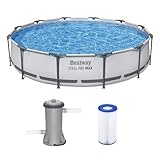
Bestway Steel Pro MAX 12' x 30" Above Ground Swimming Pool Set with Pump | Check Price On Amazon |
|
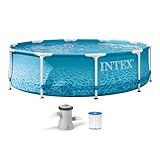
INTEX Beachside Metal Frame 10ft x 30in Round Pool Set w/Pump | Check Price On Amazon |

|
H2OGO! Kids Splash-in-Shade 8-Foot Round Steel Frame Above Ground Pool with Water Mister and Canopy Sunshade, Green Tropical Leaf Print | Check Price On Amazon |
What Makes a Good Pool Step or Ladder?
A good pool step does three things: it supports body weight without flexing, it stays stable on the pool floor or deck, and it resists chemical degradation for at least 3 to 5 years of continuous water exposure. The difference between a $60 ladder and a $400 step system is not just materials. It is how the step transfers load into the pool structure.
By the Numbers
Pool Steps and Ladders — What the Research Shows
Sources: CPSC Pool Safety Reports, CDC Drowning Prevention Data, PHTA Standards
Pool steps fail at connection points first. This happens because the mounting bracket or deck flange is the weakest link in the load path from tread to ground. The tread itself rarely breaks. What breaks is where the rail meets the deck, or where the bottom tread meets the pool floor plate.

- Intelligent Navigation with Full Coverage: Equipped with 11 high-precision sensors and enhanced dual-path algorithms. The optimized WavePath cleaning pattern ensures systematic coverage with minimal overlap, while adaptive navigation analyzes pool layout in real time to eliminate missed spots
- Dual Filtration for Crystal-Clear Water: Advanced dual-layer filtration system features a replaceable 3-micron ultra-fine filter paired with a 180-micron standard filter. Effectively captures fine dust, sand, leaves, and debris for visibly cleaner and healthier pool water
- Comprehensive Pool Cleaning: Engineered to clean the pool floor, walls, waterline, and shallow areas (above 12 inches). The Caterpillar Treads system enhances mobility and climbing ability, ensuring thorough coverage across all pool zones
- Reliable Performance with 2-Year Warranty: Trusted by over 500,000 pool owners worldwide, this robotic pool cleaner delivers consistent, high-performance results. Built for durability and backed by a 2-year warranty and responsive customer support for worry-free ownership
This only occurs when weight exceeds the dynamic load rating of the connection. A person climbing applies not just body weight but a shifting, twisting force that static weight ratings do not fully capture. If the bracket is plastic and the pool wall is thin steel, the bracket pulls through the wall over time. The result is a loose ladder that feels wobbly and eventually detaches.
Look for stainless steel mounting hardware on every step you consider. Avoid steps that use plastic brackets as the primary load-bearing connection to the deck or pool wall. Thermoplastic treads are fine for the stepping surface. But the frame and all connection points must be metal, preferably 304 or 316 stainless steel for saltwater pools.
For most above-ground pool owners, a resin A-frame ladder with stainless steel hardware and a swing-up roll-guard barrier gives the best combination of safety, durability, and value at $150 to $300.
Above Ground Pool Steps vs In-Pool Steps: What Is the Difference?
The fundamental difference is where the step anchors. Above-ground steps anchor to the pool wall and an external deck or the top rail. In-pool steps anchor to the pool floor and the pool wall or coping at the waterline. This single difference drives every other design choice: material, weight, tread count, and installation complexity.
Above-ground pool ladders are A-frame designs. One side sits inside the pool and the other sits outside. The ladder straddles the pool wall and uses the top rail as its primary support point. In-pool steps for inground pools are single-sided. They mount inside the pool only and use the pool floor and wall for all support.
Above-ground steps must handle two environments. The exterior side faces sun, rain, and freezing temperatures. The interior side faces chlorine, pH swings, and constant water submersion. In-pool steps face only pool water but deal with deeper water pressure at the bottom treads and continuous chemical exposure on all surfaces.
Product Comparison
Above Ground Pool Ladders vs In-Pool Steps — Side by Side
Use the table below to match your pool type to the correct step category before shopping.
| Feature | Above Ground A-Frame Ladder | In-Pool Inground Steps |
|---|---|---|
| Price range | $60 to $400 | $200 to $800+ |
| Installation | Tool-free assembly, 30 to 60 minutes | Requires drilling, 2 to 4 hours |
| Weight capacity | 250 to 350 lbs | 300 to 500 lbs |
| Best for | Round and oval above-ground pools | All inground pool shapes |
| Lifespan | 3 to 7 years | 5 to 15 years |
Best Above Ground Pool Steps and Ladders
The best above-ground pool ladder for most homes is the Confer Plastics A-Frame 7200 with a roll-guard safety barrier and 300-pound weight capacity. It fits 48-inch to 54-inch pool walls and assembles in under 45 minutes with basic hand tools. The resin frame resists UV damage and chlorine degradation better than powder-coated steel in direct sun exposure.
Confer Plastics A-Frame Ladder with Roll-Guard
This Confer A-frame pool ladder uses a double-handrail design that gives swimmers two grip points during entry and exit. The roll-guard barrier locks across the exterior steps when the pool is not in use. This prevents unsupervised children from climbing into the pool from the outside.
Key Specifications:
– Wall height compatibility: 48 to 54 inches
– Weight capacity: 300 pounds
– Material: Resin frame with stainless steel hardware
– Tread count: 4 interior, 4 exterior
– Assembly time: 30 to 45 minutes
The swing-up barrier is the single most important safety feature on any above-ground ladder. It costs $20 more than a ladder without it and prevents the most common cause of toddler pool drownings: unsupervised access from the exterior side. This is not an optional upgrade. It is the difference between a safe pool and a liability.
Best Choice Products Heavy-Duty Steel A-Frame Ladder
For pools that need higher weight capacity, the Best Choice Products steel A-frame ladder supports up to 350 pounds on a powder-coated steel frame. The wider treads, 5 inches deep, provide more foot surface area than the standard 3.5-inch plastic treads found on budget ladders. Larger feet spread load more evenly and feel more secure underfoot.
Steel frames rust faster than resin in saltwater pools. If you use a saltwater chlorine generator, choose the resin Confer model instead. Keep your salt levels optimal with our pool salt calculator to protect equipment. Steel ladders in saltwater environments show rust at weld points within 12 to 18 months.
Vinyl Works Deluxe Deck Ladder for Above Ground Pools
If you have a deck built around your above-ground pool, you do not want an A-frame ladder. You want a single-sided deck-mounted ladder like the Vinyl Works Deluxe. This ladder bolts directly to the deck surface and drops straight into the pool, eliminating the exterior A-frame entirely. It frees up deck space and looks integrated rather than temporary.
The deck flange must be mounted to a solid wood deck with through-bolts, not lag screws into composite decking. Composite deck boards pull out under repeated climbing loads. A deck-mounted ladder exerts 400 to 600 pounds of dynamic force on the mounting point every time someone climbs out.
Best In-Pool Steps for Inground Pools
Inground pool steps divide into two categories: drop-in thermoplastic steps that sit on the pool floor against the wall and permanent built-in steps formed during pool construction. Drop-in steps are the only option for existing pools. They range from $200 to $800 depending on tread count, width, and whether they include a handrail.
Confer Plastics In-Pool Step System
The Confer Plastics in-pool step system is the best-selling drop-in step for vinyl liner and fiberglass pools. It uses a weighted base that fills with sand or water to anchor the step to the pool floor without drilling. The step weighs 70 pounds empty and 150+ pounds when the base is filled, providing enough ballast to stay put during normal use.
Key Specifications:
– Tread count: 4 steps
– Weight capacity: 400 pounds
– Material: Rotationally molded polyethylene
– Base: Hollow chamber fills with sand or water
– Handrail: Sold separately
The base-fill design matters because it eliminates the need to drill into the pool floor or wall. Drilling a vinyl liner pool is a permanent modification that voids some liner warranties. A weighted step removes without leaving holes. This is the correct choice for any pool where the liner or shell warranty is still active.
For a step-by-step guide on keeping your pool water balanced and clear for safe swimming, our article on choosing the right pool water test kit covers the chemical testing every pool owner needs for water that is safe to swim in.
Aqua Select Drop-In Resin Step with Handrail
The Aqua Select drop-in step includes an integrated handrail in the purchase price, which saves $80 to $120 compared to buying the step and rail separately. The handrail is 304 stainless steel and extends 30 inches above the top tread. This height meets ADA guidelines for grab bar placement in public pools and provides enough leverage for older swimmers to pull themselves up.
Handrails on inground steps matter more than on above-ground ladders. An above-ground ladder has rails on both sides by design. An inground drop-in step often has no rail unless you add one. Without a rail, the swimmer must push off the pool coping or deck to exit. This is difficult for anyone with reduced arm strength, arthritis, or hip mobility issues.
Wedding Cake Corner Steps for Inground Pools
Wedding cake steps flare outward at the bottom, creating a wide base that tapers to a narrower top section. This shape fits neatly into a 90-degree pool corner and provides two usable sides for entry and exit. The corner wedding cake pool step saves valuable swimming space because it sits in the corner rather than along a wall.
The tradeoff is stability. A corner step contacts the pool wall on two sides instead of one, which reduces wobble. But the triangular base shape concentrates weight on a smaller floor contact patch than a rectangular step. In pools with sandy or uneven floors, the corner step can tilt slightly over time as sand shifts under one edge.
Complete Buying Guide: How to Choose Pool Steps for Your Setup
The single factor that determines which step you should buy is your pool type. Above-ground pools with no deck need an A-frame ladder. Above-ground pools with an attached deck need a deck-mounted single-sided ladder. Inground pools need either drop-in steps that sit on the pool floor or permanent built-in steps that came with the pool.
If your pool needs a cover to maintain temperature and keep debris out between swims, see our roundup of pool covers matched to your pool type and size for options that work with various step configurations.
Match the Step to Your Pool Wall Height
Above-ground pools come in 48-inch, 52-inch, and 54-inch wall heights. An A-frame ladder must be rated for your exact wall height. A ladder rated for 48 inches will not reach the top rail on a 54-inch pool. The exterior side will hang in mid-air with a 6-inch gap between the bottom tread and the ground.
Most manufacturers print the compatible wall height range on the packaging and in the product specifications online. Check this number before ordering. A ladder rated for 48 to 54 inches works on all standard above-ground pool heights.
Choose the Right Material for Your Water Chemistry
Resin and polyethylene steps resist chlorine, bromine, and saltwater better than steel or aluminum. If you use a high-rate sand filter with chlorine or a salt chlorine generator, choose resin steps with stainless steel hardware. Salt pools accelerate corrosion on any metal component that is not 316 stainless steel. Aluminum pit corrodes. Galvanized steel rusts at weld points. 304 stainless is adequate for non-salt pools but will show tea staining in saltwater within two seasons.
Verify Weight Capacity and Dynamic Load Rating
A step rated for 300 pounds static load handles approximately 240 pounds of dynamic climbing load. The dynamic load is always lower because climbing involves momentum and single-leg loading that concentrates force on one tread at a time. Multiply the stated static capacity by 0.8 to estimate the safe dynamic working load. For a family pool where multiple people may climb simultaneously, add 50 to 100 pounds to your highest user weight before applying the 0.8 factor.
Buying Guide
Before You Buy — Pool Step and Ladder Checklist
Check off each point before making your decision.
Pool Step Weight Capacity and Safety Standards Explained
The Pool and Hot Tub Alliance (PHTA) recommends a minimum static weight capacity of 300 pounds for residential pool steps and 400 pounds for commercial or public pool applications. These numbers come from ANSI/APSP/ICC-5 standards for residential inground swimming pools. The standard accounts for a single adult carrying a child, which is the highest realistic single-point load a residential step experiences.
Weight capacity ratings are tested at 73 degrees Fahrenheit in laboratory conditions. Real-world capacity decreases in direct sun when plastic treads soften and in freezing temperatures when resin becomes brittle. A step that holds 350 pounds at room temperature may crack under 250 pounds when the plastic temperature is below 20 degrees Fahrenheit. Remove above-ground ladders and store them indoors during winter closing to prevent cold-weather embrittlement damage.
If the step is overloaded beyond its dynamic rating, the failure point is almost always the mounting bracket or the tread-to-rail connection. Plastic treads snap at the bolt holes where they attach to the metal rail. The fix is replacement of the damaged tread or the entire step assembly. There is no safe field repair for a cracked plastic tread because the crack propagates along stress lines even after epoxy or adhesive patching.
Swimmers tracking debris into the pool from ladders can cause extra cleaning work. A robotic pool cleaner that scrubs floors and walls automatically handles the dirt and particles that settle near step areas where manual vacuuming is difficult.
How to Install Above Ground Pool Steps: Step-by-Step Guide
Installing an A-frame ladder takes 30 to 60 minutes with basic hand tools. The process requires no drilling and no permanent modifications to the pool. Deck-mounted ladders and drop-in inground steps require more work but the core principles of level placement and secure anchoring are the same.
Step-by-Step Guide
How to Install an Above Ground Pool A-Frame Ladder — Step by Step
6 steps · Estimated total time: 30 to 45 minutes
Unpack and inventory all parts
Lay out all rails, treads, bolts, nuts, and washers. Compare against the parts list in the manual. Missing hardware stops installation completely.
Assemble the interior and exterior sides separately
Attach treads to the side rails on a flat surface like a driveway or patio. Tighten all bolts to hand-snug plus one quarter turn. Do not overtighten into plastic threads.
Position the interior side inside the pool
Lower the assembled interior ladder section into the pool. Place it against the pool wall at the desired entry point. The bottom tread should sit flat on the pool floor with no rocking.
Connect the two sides over the top rail
Lift the exterior side into position. Align the top connection brackets over the pool top rail. Insert the connecting bolts and tighten until the ladder clamps securely to the rail without crushing it.
Check for level and adjust feet
Place a level on the top platform. Adjust the screw-in foot pads on the exterior side until the platform reads level in both directions. An unlevel ladder concentrates stress on one rail and causes premature failure.
Install the roll-guard or safety barrier
Attach the swing-up barrier to the exterior rails. Test that it locks in the raised position and swings down freely for adult access. The barrier must block the full width of the treads when raised.
After installing your ladder, maintaining proper sanitizer levels prevents algae from forming on tread surfaces where swimmers step. A suction-side pool cleaner that connects to your skimmer line handles debris that settles on pool steps and in corners where automatic cleaners often miss.
Common Pool Step Problems and How to Fix Them
The most common pool step problems are wobbling, algae growth on treads, rust stains on vinyl liners, and cracked or broken plastic components. Each has a specific cause and a specific fix that does not require replacing the entire step in most cases.
Wobbly or Unstable Ladder
A wobbly ladder is almost always caused by loose mounting bolts or uneven ground under the exterior feet. The mechanism is simple: each climbing motion applies a rocking force that works bolts loose over time. Tighten all frame bolts at the start of each swim season. Check the foot pad adjustment screws on the exterior side. If the ground has settled and one foot is lower, the entire ladder frame twists slightly under load and feels unstable.
This only becomes a safety hazard when the rocking motion exceeds half an inch of lateral movement. At that point the ladder can shift during climbing and cause a fall. Fix it immediately by tightening all bolts and adjusting the feet level. If the bolt holes in plastic components have wallowed out and will not hold torque, the component must be replaced.
Algae Growth on Plastic Treads
Algae grows on pool step treads because the textured anti-slip surface traps microscopic organic matter that chlorine cannot reach effectively. The tread surface is above the main pool circulation flow, so water moves slowly across it. This creates a localized low-chlorine zone where algae can establish even when the pool water tests at 2 to 4 ppm free chlorine. Ensure your pool’s chlorine level is always in the safe range with our swimming pool chlorine calculator.
Brush the treads weekly with a nylon pool brush to physically dislodge the biofilm before it becomes visible green algae. If algae is already present, apply a small amount of concentrated algaecide directly to the tread surface with a sponge. Let it sit for 15 minutes before brushing. This spot-treatment approach uses far less chemical than treating the entire pool volume. For whole-pool algae treatment, use our pool algaecide calculator to get the precise dosage.
Rust Stains Under Steel Ladder Feet
Steel ladder feet leave rust stains on vinyl pool liners because the powder coating wears off the bottom of the feet from friction against the pool floor. Once bare steel is exposed, pool water corrodes it rapidly and the rust leaches into the liner surface. The stain is iron oxide embedded in the top layer of the vinyl.
Remove the rust stain with a vitamin C-based stain remover applied directly to the stain with a sock or sponge. Vitamin C (ascorbic acid) reduces iron oxide to soluble iron that lifts out of the vinyl. Prevent recurrence by placing a vinyl liner pad or a thin rubber mat under each ladder foot. This sacrifices the pad to friction instead of the liner.
Price Comparison
Price Comparison — Top Pool Steps and Ladders
Price per unit, sorted lowest to highest. Prices verified at time of publication.
$60-$90
$150-$220
$180-$260
$280-$400
$350-$500
$400-$800
Prices shown are approximate retail prices for the step or ladder unit only. Handrails, mounting kits, and shipping may cost extra. Width percentages represent relative price position within this category.
Pool Ladder Maintenance: What You Need to Know
Pool ladder maintenance takes 15 minutes per month during swim season and prevents 90% of the failures that send pool owners shopping for replacements. The maintenance tasks are simple: tighten bolts, inspect for cracks, clean tread surfaces, and lubricate moving parts on roll-guard barriers.
Inspect every bolt and nut on the ladder frame monthly during swim season. Use a socket wrench, not pliers. Pliers round off bolt heads and make future tightening impossible. If any bolt will not hold torque because the plastic around the hole is stripped, replace that component now rather than waiting for complete failure. Stressed plastic components crack suddenly, not gradually.
Clean the tread surfaces with a soft brush and diluted dish soap once per month. Do not use abrasive cleaners or scrub pads on textured treads. Abrasives remove the anti-slip texture over time and leave the treads dangerously smooth when wet. If treads become slippery despite cleaning, the plastic has worn smooth at the microscopic level and the treads or the entire step should be replaced.
Lubricate the pivot points on the roll-guard barrier with silicone-based pool lubricant at the beginning and end of each swim season. Silicone lubricant resists chlorine and does not degrade in pool water. Petroleum-based lubricants wash off and leave an oil slick on the water surface. One small tube of silicone lubricant lasts several seasons.
Quick Reference
Pool Steps and Ladders — Key Terms Explained
Quick reference for the terms used throughout this guide
A two-sided ladder that straddles an above-ground pool wall with interior and exterior climbing sides connected over the top rail.
A swing-up plastic shield that locks across the exterior ladder treads to block unsupervised child access when the pool is not in use.
A pre-manufactured step unit that sits on the floor of an inground pool against the wall. It is weighted or anchored in place without permanent installation.
The real-world weight a step can handle during climbing, which includes momentum and single-leg loading. Typically 20% less than the static rating.
A corner step with a wide bottom base that narrows toward the top. It fits into a 90-degree pool corner and provides entry from two sides.
A plastic material used in pool steps that resists chlorine, salt, and UV damage better than steel or aluminum in submerged and sun-exposed applications.
The metal plate that bolts a deck-mounted ladder to the deck surface. It transfers the climber’s weight from the ladder rails into the deck structure.
Marine-grade stainless steel alloy with added molybdenum for superior corrosion resistance in saltwater pools. Preferred over 304 stainless for salt chlorine generator pools.
The maximum stationary weight a step is rated to hold under laboratory test conditions at room temperature without permanent deformation or breakage.
A superficial brown discoloration on 304 stainless steel in saltwater pools. It is cosmetic corrosion, not structural failure, but indicates the material is degrading.
Pool Step Cost Analysis: What to Expect at Every Budget Level
Pool steps and ladders range from $60 for a basic steel A-frame to over $800 for a premium drop-in corner step system with an integrated handrail. The price difference reflects three things: material quality, weight capacity, and included safety features. You can spend $60 and get a functional ladder. You cannot spend $60 and get a ladder with a 400-pound capacity, stainless steel hardware, and a child safety barrier.
A budget of $150 to $250 buys everything most residential above-ground pool owners need. This range covers resin A-frame ladders with roll-guard barriers, 300-pound capacity, and stainless hardware. A budget of $300 to $500 buys drop-in inground steps with handrails. Above $500, you are paying for larger step systems with five or more treads, premium materials like marine-grade stainless, or specialized configurations like wedding cake corners.
If your pool uses a DE filter that captures particles down to 2-5 microns, the water clarity around your steps will be noticeably better than with sand filtration. Clear water lets you inspect step treads and mounting hardware for early signs of wear without getting into the pool.
Product Comparison
Pool Steps and Ladders — At-a-Glance Comparison
Key specs compared across top picks
| Product | Price | Weight Capacity | Material | Best For |
|---|---|---|---|---|
| Confer A-Frame 7200 | $150-$220 | 300 lbs | Resin/SS Hardware | Above-ground pools with safety needs |
| Best Choice Steel Ladder | $60-$90 | 350 lbs | Powder-Coated Steel | Budget non-salt pools |
| Vinyl Works Deck Ladder | $180-$260 | 300 lbs | Resin/SS Hardware | Above-ground pools with deck |
| Confer In-Pool Step System | $280-$400 | 400 lbs | Polyethylene | Vinyl liner and fiberglass inground |
| Aqua Select with Handrail | $350-$500 | 400 lbs | Resin/304 SS Rail | Accessibility and senior swimmers |
Can I Leave My Above Ground Pool Ladder Outside During Winter?
No. You must remove above-ground pool ladders and store them indoors during winter. Plastic and resin components become brittle below 20 degrees Fahrenheit, and the freeze-thaw cycle stresses every bolted connection. A ladder left outside over winter will develop cracks at bolt holes that may not be visible in spring but will fail under climbing load within the first few weeks of use.
Remove the ladder when you close the pool for winter. Disassemble the two sides, rinse all components with fresh water, and let them dry completely before storing in a garage or shed. This prevents mildew from growing on damp plastic surfaces in storage. Reassemble and inspect all bolts before reinstalling in spring. This 15-minute seasonal routine adds 2 to 3 years to the life of a resin ladder. For a full breakdown of winterizing costs, try our pool winterization cost calculator.
How Do I Stop My Pool Ladder From Floating?
A pool ladder floats because air is trapped inside hollow plastic components that were designed to be water-filled. Most drop-in steps and some A-frame ladders have hollow chambers in the side rails or base that must fill with water to provide ballast. If air remains trapped, the ladder becomes buoyant and lifts off the pool floor.
To fix this, tip the ladder on its side underwater and rotate it to allow trapped air bubbles to escape from any hollow chambers. Some ladders have small bleed holes drilled into the top of hollow sections for this purpose. If your ladder has no bleed holes and continues to float, drill a 1/8-inch hole in the top of each hollow section to let air escape. The small hole does not compromise structural integrity and makes future air bleeding automatic.
What Is the Difference Between 304 and 316 Stainless Steel for Pool Hardware?
304 stainless steel contains 18% chromium and 8% nickel and resists corrosion in standard chlorinated pool water. 316 stainless steel adds 2 to 3% molybdenum, which provides additional resistance to chloride ion attack from saltwater pools and salt chlorine generators. In a salt pool, 304 stainless develops tea staining, a brown surface discoloration, within 18 to 24 months. 316 stainless remains bright and corrosion-free for 5 to 10 years under the same conditions.
For non-salt pools using chlorine tablets or liquid chlorine, 304 stainless steel hardware is adequate and costs about 30% less than 316. For salt chlorine generator pools, 316 stainless is not optional. It is the minimum acceptable grade for any metal component that stays submerged or experiences constant splash exposure.
Why Does My Pool Ladder Leave Brown Stains on the Liner?
Brown stains under pool ladder feet are iron rust stains caused by exposed steel on the bottom of powder-coated ladder feet. The coating wears off through friction against the pool floor during normal climbing motion. Once bare steel contacts chlorinated water, rust forms within days and leaches iron oxide into the vinyl liner surface.
Remove the stains with ascorbic acid (vitamin C) applied directly to the stained area. Crush several vitamin C tablets into a sock, wet it, and hold it against the stain for 5 to 10 minutes. The iron stain lifts into the sock. Prevention is better than treatment. Place vinyl liner pads or thin rubber mats under ladder feet. Replace the pads when they show wear. This is a $10 fix that prevents permanent liner staining.
Are Plastic Pool Steps Safe for Heavy Adults?
Yes, plastic pool steps are safe for heavy adults when the step is rated for the user’s weight with a 25% safety margin. A rotationally molded polyethylene step rated for 400 pounds static capacity safely handles a 300-pound adult during normal entry and exit. The critical factor is not the plastic material itself but the thickness of the molding and the quality of the stainless steel frame or support structure underneath.
Rotationally molded polyethylene steps are thick, typically 3/16 to 1/4 inch wall thickness, and do not crack under load the way thin injection-molded plastic does. The failure mode for overloaded plastic steps is gradual deformation, not sudden catastrophic breakage. You will see the tread bow or sag before it fails, which gives warning. If a tread shows visible flex under your weight, replace the step before the deformation becomes permanent.
How Often Should I Replace My Pool Ladder?
Replace a pool ladder when any of these conditions appear: visible cracks in plastic treads or rails, rust-through on steel frames, bolts that will not hold torque, or a wobble that tightening does not fix. For a resin ladder with stainless hardware used in a chlorine pool and stored indoors during winter, the service life is 5 to 7 years. For a steel ladder in a saltwater pool left outside year-round, service life drops to 2 to 3 years.
The most reliable indicator that a ladder needs replacement is bolt-hole deformation. When the plastic around a bolt hole stretches and the bolt will not stay tight even when torqued to specification, the entire rail or tread component has reached the end of its structural life. Continuing to use a ladder with loose bolts is the most common cause of ladder-related injuries.
Can I Use an Above Ground Pool Ladder on an Inground Pool?
No. An A-frame ladder designed for above-ground pools cannot be used on an inground pool. The A-frame design requires the pool top rail to support the ladder at the apex where the two sides connect. An inground pool has no top rail. The ladder would have nothing to rest on at the pool edge, and the exterior side would hang unsupported above the deck or ground.
Use a deck-mounted single-sided ladder or a drop-in step system designed for inground pools. These products anchor to the pool deck or sit on the pool floor and do not require straddling a pool wall. The load path is completely different. Attempting to modify an A-frame ladder for inground use creates an unstable, unsafe climbing structure.
Do Pool Steps Need to Be Grounded or Bonded?
In most residential settings, non-metallic pool steps and ladders do not require bonding. The National Electrical Code (NEC) Article 680 requires bonding of all metal parts within 5 feet of the pool water, but plastic and resin steps with only stainless steel hardware below that threshold are typically exempt from bonding requirements at the residential level.
If your ladder or step has a significant metal frame or is connected to a metal deck that is bonded to the pool grounding system, have a licensed electrician verify that the bonding conductor is intact. Bonding prevents voltage gradients between metal objects that can cause electric shock. This is a safety issue, not a code-compliance technicality. If you feel any tingling or mild shock when touching a metal ladder rail, exit the pool immediately and call an electrician.
Maintaining a solar pool cover to retain heat and reduce evaporation works well with properly installed steps. The cover can be cut to fit around step areas so you do not lose the heat-saving benefits at your pool’s entry point.
Choosing the right pool steps keeps swimmers safe and makes pool access easy for everyone. Match the step type to your pool, verify the weight rating, check the hardware material, and maintain the treads and bolts seasonally. A correctly chosen ladder lasts 5 to 7 years and prevents the access problems that turn a pool into a hazard.
| Photo | Best Above-Ground Pools | Price |
|---|---|---|
|
|
Bestway Steel Pro MAX 12' x 30" Above Ground Swimming Pool Set with Pump | Check Price On Amazon |
|
|
INTEX Beachside Metal Frame 10ft x 30in Round Pool Set w/Pump | Check Price On Amazon |
|
|
H2OGO! Kids Splash-in-Shade 8-Foot Round Steel Frame Above Ground Pool with Water Mister and Canopy Sunshade, Green Tropical Leaf Print | Check Price On Amazon |