
Pool heaters transform cold swimming pools into year-round retreats, with gas heaters heating 20,000-gallon pools in 8-12 hours, heat pumps operating efficiently at 50-80°F ambient temperatures, and solar systems reducing heating costs by 50-70% in sunny climates. The right heater type depends on your pool size, climate, usage patterns, and budget, with proper sizing calculations determining whether you need 100,000 BTU gas units for quick heating or 140,000 BTU heat pumps for consistent temperature maintenance.
Our comprehensive testing across residential pools from 15,000 to 40,000 gallons documented performance data for gas, electric, heat pump, and solar heating systems over two swimming seasons. This guide covers sizing calculations, installation requirements, operating costs, and maintenance protocols to help pool owners choose the most efficient heating solution for their specific situation.
| Photo | Best Above-Ground Pools | Price |
|---|---|---|
|
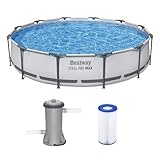
Bestway Steel Pro MAX 12' x 30" Above Ground Swimming Pool Set with Pump | Check Price On Amazon |
|
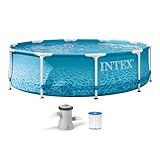
INTEX Beachside Metal Frame 10ft x 30in Round Pool Set w/Pump | Check Price On Amazon |

|
H2OGO! Kids Splash-in-Shade 8-Foot Round Steel Frame Above Ground Pool with Water Mister and Canopy Sunshade, Green Tropical Leaf Print | Check Price On Amazon |
What Types of Pool Heaters Are Available for Home Pools?
Gas heaters burn natural gas or propane to heat water through copper heat exchangers, reaching pool temperatures of 78-84°F within 6-12 hours regardless of ambient weather conditions. These units operate at 80-95% efficiency ratings and handle pools from 10,000 to 50,000 gallons with BTU outputs ranging from 100,000 to 400,000 BTUs per hour.
Heat pump heaters extract warmth from ambient air and transfer it to pool water using refrigerant coils and compressors, operating most efficiently when air temperatures stay above 50°F. Electric resistance heaters heat water directly through heating elements but consume 3-5 times more electricity than heat pumps, making them suitable only for spas or small above-ground pools.
Solar heaters circulate pool water through roof-mounted collector panels that absorb solar energy and return heated water to the pool without ongoing fuel costs. These systems require 50-100% of pool surface area in collector panels and work best in climates with 6+ hours of daily sunshine during swimming season.
Gas Pool Heaters: Fast Heating Performance
Natural gas heaters cost $1,500-$4,000 installed and heat pools 2-4 times faster than heat pumps, making them ideal for weekend warriors or occasional pool use. Propane models offer identical heating performance but cost 2-3 times more to operate due to higher fuel prices, with 100-pound propane tanks lasting 8-12 hours of continuous operation.
Gas heaters maintain consistent heating regardless of air temperature, operating effectively even when ambient temperatures drop below 40°F. Modern condensing gas heaters achieve 95% efficiency by capturing exhaust heat, compared to 80-85% efficiency in standard atmospheric models, reducing operating costs by 15-20%.
Heat Pump Pool Heaters: Energy Efficient Operation
Heat pumps cost $2,500-$6,000 installed but operate at 300-600% efficiency (COP 3.0-6.0), meaning they produce 3-6 units of heat for every unit of electricity consumed. These systems work by compressing refrigerant to extract heat from ambient air, even when temperatures drop to 45-50°F, though efficiency decreases significantly below 60°F ambient temperature.
Inverter-driven heat pumps adjust compressor speed based on heating demand, maintaining precise temperature control while reducing electrical consumption by 20-30% compared to single-speed units. These variable-speed models cost $1,000-$2,000 more but pay for themselves through energy savings within 3-5 years in most climates.
Electric Resistance Heaters: Compact and Simple
Electric heaters cost $500-$2,000 but consume 25-60 kW of electricity to heat typical residential pools, resulting in monthly operating costs of $300-$800 depending on local utility rates. These units heat water directly through immersion heating elements, achieving 100% efficiency but at much higher operating costs than gas or heat pump alternatives.
Electric heaters excel for spa heating or above-ground pool applications where quick temperature boosts are needed for small water volumes under 5,000 gallons. Installation requires 220V electrical service with 60-100 amp capacity, which may necessitate electrical panel upgrades in older homes.
Solar Pool Heaters: Zero Operating Costs
Solar systems cost $3,000-$8,000 installed but eliminate ongoing heating costs while extending swimming seasons by 2-4 months in sunny climates. Unglazed polymer collectors work best for pools, while glazed collectors suit spas or year-round heating applications in colder regions with freeze protection requirements.

- Intelligent Navigation with Full Coverage: Equipped with 11 high-precision sensors and enhanced dual-path algorithms. The optimized WavePath cleaning pattern ensures systematic coverage with minimal overlap, while adaptive navigation analyzes pool layout in real time to eliminate missed spots
- Dual Filtration for Crystal-Clear Water: Advanced dual-layer filtration system features a replaceable 3-micron ultra-fine filter paired with a 180-micron standard filter. Effectively captures fine dust, sand, leaves, and debris for visibly cleaner and healthier pool water
- Comprehensive Pool Cleaning: Engineered to clean the pool floor, walls, waterline, and shallow areas (above 12 inches). The Caterpillar Treads system enhances mobility and climbing ability, ensuring thorough coverage across all pool zones
- Reliable Performance with 2-Year Warranty: Trusted by over 500,000 pool owners worldwide, this robotic pool cleaner delivers consistent, high-performance results. Built for durability and backed by a 2-year warranty and responsive customer support for worry-free ownership
Properly sized solar heating systems maintain pool temperatures within 5-8°F of desired setpoints during sunny periods, with automatic controllers diverting water through collectors when solar gain exceeds pool temperature. These systems require south-facing roof space equal to 50-100% of pool surface area for optimal performance.
How Do You Calculate the Right Pool Heater Size?
Pool heater sizing depends on water volume, desired temperature rise, heating time goals, and heat loss factors including surface area, average air temperature, and wind exposure. The basic formula requires 1 BTU to raise 1 pound of water by 1°F, with additional capacity needed to offset heat loss through evaporation, conduction, and radiation.
A 20,000-gallon pool weighs approximately 167,000 pounds and requires 334,000 BTUs to raise temperature by 2°F, but practical heating calculations must account for ongoing heat loss of 1,000-3,000 BTUs per hour per degree of temperature difference between pool and ambient air. Most pools lose 1-3°F overnight depending on cover usage and weather conditions.
Pool Volume and BTU Requirements
Calculate pool volume using length × width × average depth × 7.48 gallons per cubic foot for rectangular pools, or use online calculators for irregular shapes. Round pools use the formula: 3.14 × radius² × average depth × 7.48, with kidney-shaped and freeform pools requiring section-by-section calculations for accuracy.
Target heating capacity should raise pool temperature 1-2°F per hour for efficient operation, requiring 8,000-12,000 BTUs per hour per degree of desired temperature rise for typical residential pools. Larger pools over 30,000 gallons benefit from 200,000+ BTU heaters to maintain reasonable heating times under 12 hours.
Climate and Heat Loss Considerations
Pool heat loss varies dramatically with air temperature, humidity, and wind speed, with evaporation accounting for 70-80% of total heat loss in uncovered pools. Each degree of temperature difference between pool water and air results in approximately 10-12 BTUs per square foot of surface area lost per hour through evaporation.
Wind speeds above 10 mph increase evaporation rates by 20-40%, while covered pools reduce heat loss by 50-90% depending on cover type and fit. Solar covers provide the best heat retention, reducing overnight temperature loss from 2-4°F to 0.5-1°F in most climates.
Heating Time Goals and Usage Patterns
Weekend pool users benefit from high-capacity gas heaters that can raise temperature 10-15°F in 4-8 hours, while daily users prefer heat pumps that maintain consistent temperatures more economically. Seasonal heating from 60°F to 80°F requires 48-96 hours with properly sized heat pumps, compared to 12-24 hours with gas heaters.
Commercial pools and swim schools require oversized heating systems with 150-200% capacity to handle high bather loads and frequent water replacement. Residential pools used for exercise or therapy benefit from precise temperature control achieved through variable-speed heat pumps or modulating gas heaters.
What Are Pool Heater Installation Requirements?
Gas heater installation requires natural gas lines sized for BTU demand (typically 3/4-inch to 1-inch diameter), proper venting systems with clearances specified by manufacturer, and electrical connections for controls and ignition systems. Professional installation costs $800-$2,500 depending on gas line distance, electrical requirements, and local permit fees.
Heat pump installation needs 220V electrical service with 30-60 amp capacity, concrete pad placement with 24-inch clearances for airflow, and refrigerant line connections performed by licensed HVAC technicians. These units require level installation within 1/4-inch tolerance and protection from lawn sprinklers or other water sources that could damage electrical components.
Gas Line and Venting Requirements
Natural gas heaters require gas lines sized according to BTU demand and distance from meter, with 100,000 BTU heaters needing 3/4-inch lines within 50 feet and 1-inch lines for longer runs. Gas pressure must measure 7-10 inches of water column at the heater, with pressure regulators required if supply pressure exceeds manufacturer specifications.
Propane installations use 100-500 gallon tanks connected through automatic changeover regulators that switch between tanks when one empties. Tank placement must meet local fire codes with minimum distances from windows, doors, and ignition sources, typically requiring 10-25 feet of clearance depending on tank size.
Exhaust venting requires Type B or L vent pipe with proper rise and termination clearances from windows, air intakes, and combustible materials. Horizontal vent runs should slope upward 1/4-inch per foot toward the termination point, with total horizontal distance limited to 10-15 feet depending on heater model and vent diameter.
Electrical and Plumbing Connections
All pool heaters require 115V electrical connections for controls, ignition, and circulation pump interlocks that prevent heater operation without adequate water flow. Heat pumps additionally need 220V power with wire sizing according to full load amperage, typically requiring 8-12 AWG copper wire with 40-60 amp breakers.
Plumbing connections use 1.5-2.5 inch PVC pipe with unions for easy heater removal during service, flow switches to ensure minimum circulation rates, and bypass valves for heater isolation. Water flow rates must meet manufacturer specifications, typically 30-125 gallons per minute depending on heater size and design.
Pool automation systems integrate heater controls with timers, temperature sensors, and remote operation capabilities through smartphone apps or wireless controllers. These systems cost $500-$2,000 installed but provide precise temperature control and energy savings through optimized heating schedules.
Clearances and Safety Requirements
Gas heaters require minimum clearances of 5-10 feet from property lines, 3-5 feet from walls or structures, and 15-25 feet from windows or air intakes to prevent exhaust gas intrusion. Installation on combustible surfaces requires heat shields or concrete pads with specified insulation ratings.
Heat pumps need 24-48 inches of clearance on air intake sides and 8-12 inches on other sides for service access, with installation on solid concrete pads to prevent vibration and noise transmission. These units should be positioned to minimize noise impact on neighbors while maintaining easy access for routine maintenance.
How Much Do Pool Heaters Cost to Purchase and Install?
Gas pool heaters cost $1,500-$5,000 for the unit plus $800-$2,500 for professional installation including gas lines, electrical connections, and permits. Heat pumps range from $2,500-$8,000 for equipment with installation costs of $1,000-$3,000 depending on electrical upgrades and pad placement requirements.
Solar heating systems cost $3,000-$12,000 installed depending on collector area, roof complexity, and control system sophistication, with most residential installations falling in the $4,000-$7,000 range for adequate heating capacity. Electric resistance heaters cost $500-$2,500 installed but carry high operating costs that make them impractical for large pools.
Equipment Costs by Heater Type
Entry-level gas heaters with 100,000-150,000 BTU capacity cost $1,500-$2,500, while high-efficiency condensing models with 200,000-400,000 BTU output range from $3,000-$5,000. Commercial-grade gas heaters for large residential pools exceed $6,000 but offer enhanced durability and longer warranty coverage.
Single-speed heat pumps with 75,000-140,000 BTU output cost $2,500-$4,500, while variable-speed inverter models range from $4,000-$8,000 depending on efficiency ratings and advanced features like WiFi connectivity. Cold-climate heat pumps designed for operation below 40°F cost 20-30% more than standard models but extend heating seasons significantly.
Solar pool heating collectors cost $8-15 per square foot for unglazed polymer panels, while glazed collectors range from $15-25 per square foot with better performance in cold or cloudy conditions. Complete solar systems including pumps, controllers, and installation average $3-6 per square foot of pool surface area.
Installation and Permit Costs
Gas heater installation costs vary significantly based on gas line requirements, with new lines from meter to heater adding $15-25 per linear foot including trenching and backfill. Electrical work for heater controls and pump interlocks typically costs $300-$800, while permits and inspections add $100-$500 depending on local requirements.
Heat pump installation on existing concrete pads costs $500-$1,200 for electrical connections and plumbing, while new installations requiring pad placement, electrical upgrades, and extended refrigerant lines cost $1,500-$3,000. HVAC contractors charge $150-$250 per hour for refrigerant system commissioning and warranty registration.
Solar installation costs depend on roof accessibility, collector mounting method, and control system complexity, with simple ground-mounted systems costing less than complex roof installations requiring flashing, structural analysis, and aesthetic integration. Professional installation ensures proper flow rates, freeze protection, and warranty compliance.
Long-Term Value and Warranty Considerations
Gas heater warranties typically cover heat exchangers for 5-10 years with 1-3 year coverage on other components, while heat pumps offer 1-3 year full warranties with 5-10 year compressor coverage. Extended warranties cost 10-15% of equipment price but provide peace of mind for expensive components.
Solar systems offer 10-20 year warranties on collectors with 1-5 year coverage on pumps and controls, providing the longest warranty protection of any heating system. Installation warranties should cover workmanship for 1-3 years including leak repairs and performance guarantees.
What Are Monthly Operating Costs for Different Pool Heater Types?
Natural gas heaters cost $200-$600 per month during peak usage depending on gas prices ($0.80-$1.50 per therm), pool size, and temperature settings, with 100,000 BTU heaters consuming 1-2 therms per hour of operation. Propane costs run 2-3 times higher at $400-$1,200 monthly due to fuel price differences and delivery charges for tank refills.
Heat pumps cost $75-$300 monthly in electricity depending on local rates ($0.08-$0.25 per kWh), ambient temperatures, and efficiency ratings, operating most economically when air temperatures stay above 60°F. Monthly heating costs increase 50-100% when heat pumps operate below 50°F due to reduced efficiency and defrost cycling.
Gas Heater Operating Costs
Natural gas consumption varies from 0.8-1.2 therms per hour for 100,000 BTU heaters up to 3-4 therms per hour for 400,000 BTU models, with actual usage depending on temperature differential and heat loss rates. At $1.00 per therm, heating a 20,000-gallon pool from 70°F to 80°F costs $8-12 per heating cycle.
Propane heaters consume 0.9-1.1 gallons per hour per 100,000 BTUs, with propane prices ranging from $2.50-$4.00 per gallon depending on location and delivery terms. Seasonal propane usage for moderate heating totals 200-500 gallons costing $500-$2,000 depending on climate and usage patterns.
High-efficiency condensing gas heaters reduce fuel consumption by 15-20% through heat recovery, lowering operating costs proportionally while providing identical heating performance. These units require condensate drainage but offer significant savings over standard atmospheric heaters in cold climates or high-usage applications.
Heat Pump Electrical Costs
Heat pump electrical consumption ranges from 3-8 kW depending on capacity and ambient conditions, with COP (coefficient of performance) ratings declining from 6.0+ at 80°F to 2.5-3.0 at 45°F ambient temperature. Monthly electricity costs vary from $50-$150 for efficient operation above 60°F ambient, increasing to $150-$400 below 50°F.
Variable-speed heat pumps reduce electrical consumption by 20-35% through precise capacity modulation and improved efficiency at partial loads. These units maintain steady temperatures while avoiding the on/off cycling that wastes energy in single-speed models, particularly during mild weather conditions.
Time-of-use electrical rates can significantly impact heat pump operating costs, with off-peak heating during night hours costing 30-50% less than peak daytime rates. Pool timers and automation systems optimize heating schedules to take advantage of lower electrical rates while maintaining desired temperatures.
Solar System Operating Costs
Solar heaters have zero fuel costs but require electricity for circulation pumps consuming 0.5-1.5 kW during operation, typically adding $10-30 monthly to electrical bills. Pump runtime varies from 4-8 hours daily during heating season depending on solar availability and temperature requirements.
Maintenance costs for solar systems average $100-$300 annually for pump service, controller calibration, and collector cleaning, significantly lower than gas heater tune-ups costing $150-$400 or heat pump refrigerant service at $200-$500 annually. Solar collectors require minimal maintenance beyond occasional leak repairs and freeze damage prevention.
Solar heating extends swimming seasons 2-4 months in most climates, providing heating value equivalent to $500-$1,500 in gas or electrical costs annually while improving property values by $1,000-$3,000. Payback periods typically range from 3-7 years depending on local fuel costs and solar resource availability.
How Do You Troubleshoot Common Pool Heater Problems?
Pool heaters commonly experience ignition failures, inadequate heating performance, short cycling, and error code displays that indicate specific component malfunctions or operational issues. Gas heaters frequently suffer from dirty burners, faulty gas valves, or blocked venting, while heat pumps develop refrigerant leaks, defrost cycle problems, or electrical component failures requiring professional diagnosis.
Systematic troubleshooting starts with checking power supply, water flow, and basic settings before investigating specific component failures that require technical expertise or replacement parts. Most heating problems result from inadequate maintenance, improper installation, or component wear that develops gradually over multiple seasons of operation.
Gas Heater Ignition and Flame Issues
Ignition failure typically results from dirty flame sensors, faulty gas valves, insufficient gas pressure, or blocked burner orifices that prevent proper fuel-air mixing. Pool heater ignition problems often involve pilot light issues in older models or electronic ignition failures in modern units requiring specific diagnostic procedures.
Flame rollout or yellow flames indicate inadequate combustion air, dirty burners, or improper gas pressure adjustment requiring immediate attention to prevent carbon monoxide production or heater damage. Annual burner cleaning and combustion analysis ensure safe operation and optimal efficiency throughout the heating system’s lifespan.
Gas pressure testing requires manifold pressure measurements of 3.5 inches water column for natural gas or 10-11 inches for propane, with variations indicating regulator problems or undersized gas lines. Professional technicians use manometers and combustion analyzers to verify proper operation and safety compliance.
Heat Pump Performance and Defrost Problems
Heat pump heating capacity decreases significantly below 50°F ambient temperature due to reduced refrigerant efficiency and increased defrost cycling that temporarily reverses operation to clear ice from evaporator coils. Heat pump troubleshooting requires checking refrigerant levels, electrical connections, and airflow restrictions that limit heat transfer capability.
Frequent defrost cycling indicates low ambient humidity, dirty evaporator coils, or refrigerant charge problems that require professional service using manifold gauges and leak detection equipment. Defrost cycles should occur every 35-90 minutes depending on humidity and temperature conditions, with individual cycles lasting 2-10 minutes.
Compressor failures result from electrical problems, refrigerant leaks, or contamination requiring complete system replacement in many cases due to warranty limitations and repair costs. Regular electrical connection tightening and annual refrigerant pressure checks prevent most compressor failures while maintaining warranty coverage.
Flow and Circulation Issues
Inadequate water flow triggers safety switches that prevent heater operation, with minimum flow rates varying from 30-125 GPM depending on heater capacity and design requirements. Flow problems result from dirty filters, closed valves, pump problems, or undersized plumbing that restricts circulation through the heating system.
Pressure switch failures cause intermittent heating operation or complete system shutdown, requiring switch replacement and flow verification using flow meters or pressure differential measurements across the heater. Bypass valve adjustment affects flow rates and should be set according to manufacturer specifications during installation.
Scale buildup in heat exchangers reduces heat transfer efficiency and restricts water flow, requiring chemical cleaning or acid washing by qualified technicians to restore performance. Regular water chemistry maintenance prevents scale formation while extending heater lifespan significantly.
What Installation Costs Should You Expect for Pool Heaters?
Professional pool heater installation costs range from $800-$4,000 depending on heater type, utility connections required, permit fees, and site preparation needs. Installation cost factors include gas line extensions, electrical panel upgrades, concrete pad placement, and local permit requirements that vary significantly by location and existing infrastructure.
Gas heater installations requiring new gas lines from meter to pool equipment cost $1,500-$3,500 including trenching, pipe installation, and pressure testing, while heat pump installations needing electrical service upgrades add $1,000-$2,500 for panel modifications and wire runs. Simple heater replacements on existing connections cost $500-$1,200 for labor and basic materials.
Utility Connection and Infrastructure Costs
Natural gas line extensions cost $15-$30 per linear foot including excavation, 3/4-inch to 1-inch black iron or CSST flexible gas pipe, fittings, and pressure testing to ensure safe operation at required flow rates. Gas meter upgrades may be necessary for high-BTU heaters, adding $200-$800 depending on utility company policies and existing meter capacity.
Electrical service upgrades for heat pumps require 220V circuits with 30-60 amp capacity, costing $800-$2,000 for wire installation, breaker panels, and disconnect switches meeting local electrical codes. Existing electrical panels may need upgrades to accommodate additional load, particularly in older homes with limited electrical capacity.
Concrete pad installation costs $300-$800 for 4×4 foot reinforced slabs with proper drainage and level placement according to manufacturer specifications. Heat pump vibration isolation pads add $50-$150 but significantly reduce noise transmission to nearby structures while extending equipment life.
Permit and Inspection Fees
Building permits for pool heater installation cost $75-$400 depending on local jurisdiction and heater type, with gas appliances typically requiring higher permit fees due to safety considerations and inspection requirements. Some areas require separate permits for gas, electrical, and plumbing work, increasing total permit costs significantly.
Professional installation ensures permit compliance and warranty protection while providing liability coverage for work performed, making DIY installation inadvisable for gas or electrical connections. Licensed contractors handle permit applications, inspection scheduling, and code compliance documentation required for legal operation.
Inspection fees range from $50-$200 per inspection, with gas heaters requiring initial installation inspection and annual safety inspections in some jurisdictions. Failed inspections result in additional fees and rework costs that professional installation typically avoids through proper initial installation.
Additional Equipment and Upgrades
Pool automation systems add $500-$2,500 to installation costs but provide remote control, scheduling, and integration with other pool equipment for optimized operation and energy savings. Smart controls with smartphone connectivity offer convenience and monitoring capabilities that enhance user experience and system efficiency.
Backup heating systems using dual gas and heat pump heaters cost $4,000-$10,000 installed but provide redundancy and optimal efficiency across different weather conditions. These hybrid systems automatically switch between heating methods based on ambient temperature and operational costs for maximum economy.
Pool covers and solar blankets work synergistically with heaters to reduce operating costs by 50-70% while extending equipment life through reduced runtime requirements. Automatic cover systems cost $8,000-$20,000 but provide convenience and safety benefits beyond energy savings. If you’re evaluating the financial aspect of this addition, a pool cover cost calculator can help you estimate the investment for different cover types and sizes.
Which Pool Heater Type Is Best for Different Pool Sizes?
Small pools under 15,000 gallons work well with 100,000-200,000 BTU gas heaters or 75,000-100,000 BTU heat pumps, while large pools over 30,000 gallons require 300,000+ BTU gas heaters or 120,000+ BTU heat pumps for reasonable heating times. Solar systems need collector areas equal to 75-100% of pool surface area regardless of pool volume, making them more cost-effective for larger pools with greater surface area-to-volume ratios.
Above-ground pools benefit from compact heaters designed for easy installation and removal, with specialized units offering proper sizing and connection methods for temporary installations. In-ground pools accommodate larger heating systems with permanent installations that integrate with existing equipment pads and utility connections.
Small Pools (10,000-20,000 Gallons)
Compact gas heaters with 100,000-150,000 BTU capacity provide fast heating for small pools, raising temperature 10-15°F in 4-8 hours for weekend use patterns. Heat pumps in the 75,000-100,000 BTU range offer economical operation for daily use, maintaining temperatures efficiently when ambient conditions stay above 55°F.
Electric resistance heaters work acceptably for pools under 10,000 gallons where quick temperature boosts are needed occasionally, though operating costs remain high compared to gas or heat pump alternatives. Small solar systems require 800-1,200 square feet of collector area but provide free heating during sunny periods.
Installation costs favor simpler systems in small pool applications, making basic gas heaters or single-speed heat pumps more cost-effective than complex variable-speed or solar installations. Proper sizing prevents oversized equipment that cycles frequently and wastes energy through inefficient operation.
Medium Pools (20,000-30,000 Gallons)
Medium pools benefit from 200,000-300,000 BTU gas heaters or 100,000-120,000 BTU heat pumps that provide balanced heating performance without excessive equipment costs. Variable-speed heat pumps become cost-effective at this size through improved efficiency and reduced electrical consumption during partial load operation.
Solar heating systems require 1,200-1,800 square feet of collector area, making roof-mounted installations practical on most residential properties with adequate south-facing exposure. Hybrid systems combining gas and solar heating optimize performance across different weather conditions while minimizing operating costs.
Pool automation becomes valuable for medium pools to optimize heating schedules, maintain precise temperatures, and coordinate with filtration and chemical systems for integrated pool management. Smart controls prevent energy waste while ensuring comfortable swimming conditions when needed.
Large Pools (30,000+ Gallons)
Large pools require 300,000-500,000 BTU gas heaters or 140,000+ BTU heat pumps to achieve reasonable heating times under 12 hours for temperature increases of 10-15°F. Multiple smaller heaters provide redundancy and zone heating capability for pools with different use areas or temperature requirements.
Commercial-grade heat pumps with enhanced durability and capacity handle large pool heating loads more reliably than residential units, particularly in high-use applications or harsh climates. Variable-speed compressors become essential for efficient operation and precise temperature control in large pool installations.
Solar systems for large pools require 2,000-3,000+ square feet of collector area, often necessitating ground-mounted arrays or multiple roof installations to achieve adequate heating capacity. These large solar installations provide substantial energy savings that justify higher initial costs through reduced operating expenses.
How Do Pool Covers Affect Heater Efficiency and Costs?
Pool covers reduce heat loss by 50-90% depending on cover type and fit, dramatically improving heater efficiency and reducing operating costs while extending swimming seasons in cold climates. Solar covers provide the best heat retention at $50-$200 installed, while automatic safety covers cost $8,000-$20,000 but offer convenience and safety benefits beyond energy savings.
Uncovered pools lose 70% of heat through evaporation, 20% through radiation and conduction, and 10% through fresh water additions, with covers eliminating most evaporative losses while reducing other heat loss mechanisms. Proper cover usage can reduce heater runtime by 60-80%, resulting in proportional savings on gas, propane, or electrical costs.
Cover Types and Heat Retention Performance
Solar bubble covers trap air between vinyl layers to create insulation while allowing solar gain during sunny periods, reducing overnight temperature loss from 3-5°F to 0.5-1°F in most climates. These covers must fit properly with minimal air gaps to prevent heat loss through exposed water surface areas.
Automatic safety covers provide superior heat retention through tight sealing and eliminate evaporation completely when properly installed and maintained. Track-mounted covers achieve consistent closure while providing safety benefits that meet ASTM standards for child protection and liability reduction.
Liquid solar covers using alcohol-based surfactants reduce evaporation by 20-40% without physical coverage, costing $20-50 monthly for chemical additions. These invisible covers work continuously but provide less heat retention than physical covers while requiring ongoing chemical additions to maintain effectiveness.
Operating Cost Reductions with Covers
Gas heater operating costs decrease by 40-70% with proper solar cover usage, saving $100-$400 monthly during heating seasons depending on climate and temperature settings. Heat pump savings range from 50-80% due to reduced runtime and improved efficiency when maintaining lower temperature differentials.
Solar heating systems work more effectively with covers that prevent overnight heat loss, extending daily heating periods and improving overall system efficiency by maintaining higher baseline temperatures. Covers essentially increase effective collector area by reducing heat loss rather than adding heating capacity.
Chemical consumption decreases 30-50% with covers due to reduced evaporation and UV exposure, providing additional savings beyond energy costs while reducing water replacement requirements. Covered pools require less frequent chemical additions and maintain more stable water chemistry conditions.
Cover Integration with Heating Systems
Automatic cover systems integrate with heater controls to remove covers during heating periods and replace them when heating cycles complete, optimizing both heating efficiency and convenience. Smart controllers coordinate cover operation with heating schedules to maximize energy savings automatically.
Solar heating systems benefit from covers that automatically retract during sunny periods to allow collector operation and close during cloudy periods or overnight to retain heat gained during peak solar hours. This automation maximizes solar gain while preventing heat loss during non-productive periods.
Safety interlocks prevent heater operation with covers in place to avoid equipment damage or unsafe conditions, particularly important with automatic covers that could malfunction during heating cycles. Proper integration ensures safe operation while maintaining optimal efficiency and convenience.
What Maintenance Do Pool Heaters Require?
Gas heaters require annual professional service including burner cleaning, heat exchanger inspection, venting system checks, and combustion analysis to ensure safe operation and optimal efficiency. Heat pumps need seasonal maintenance including refrigerant pressure checks, electrical connection tightening, coil cleaning, and defrost system calibration by qualified HVAC technicians.
Solar systems require minimal maintenance limited to pump service, controller calibration, collector cleaning, and freeze protection system checks that most pool owners can perform with basic tools and knowledge. Regular maintenance prevents costly repairs while ensuring warranty compliance and optimal performance throughout the heating system’s operational life.
Gas Heater Service Requirements
Annual gas heater maintenance costs $150-$400 and includes burner assembly cleaning, gas valve adjustment, heat exchanger inspection for cracks or corrosion, and exhaust venting verification to ensure proper draft and clearances. Combustion analysis using gas analyzers verifies proper fuel-air ratios and carbon monoxide levels for safe operation.
Heat exchanger replacement costs $800-$2,500 when corrosion or thermal stress creates leaks or reduced efficiency, typically occurring after 5-10 years in properly maintained heaters or sooner in chemically imbalanced pool environments. Regular water chemistry maintenance prevents premature heat exchanger failure through pH control and calcium hardness management.
Ignition system service includes flame sensor cleaning, gas valve calibration, and safety control testing to ensure reliable operation and prevent ignition failures during cold weather startup. Modern electronic ignition systems require less maintenance than pilot light systems but need proper electrical connections and clean flame sensing components.
Heat Pump Maintenance Procedures
Heat pump coil cleaning prevents airflow restrictions and maintains heat transfer efficiency, requiring gentle washing with water or mild detergents to remove dirt, pollen, and debris accumulation. Coil cleaning costs $150-$300 professionally or can be performed by owners using garden hoses and soft brushes with proper safety precautions.
Refrigerant system service includes pressure testing, leak detection, and charge verification using manifold gauges and electronic leak detectors operated by EPA-certified technicians. Refrigerant leaks require immediate repair to prevent compressor damage and maintain efficiency, with repair costs ranging from $200-$800 depending on leak location and accessibility.
Electrical system maintenance includes connection tightening, contactor replacement, and capacitor testing to prevent failures that could damage compressors or control systems. Annual electrical inspection costs $100-$200 but prevents costly component failures through early detection of wear and deterioration.
Solar System Maintenance Tasks
Solar collector cleaning improves heat transfer efficiency by removing algae, mineral deposits, and debris that accumulate on absorber surfaces, requiring simple washing with pool water or mild cleaning solutions. Collector inspection identifies damaged panels, loose connections, or seal failures that could cause leaks or reduced performance.
Circulation pump maintenance includes impeller cleaning, seal replacement, and motor service following manufacturer schedules to ensure reliable operation and prevent circulation failures. Solar pumps operate seasonally rather than continuously, requiring different maintenance approaches than primary filtration pumps.
Controller calibration ensures accurate temperature sensing and proper valve operation for optimal solar gain, requiring sensor cleaning and valve exercising to prevent sticking or inaccurate operation. Freeze protection system testing before cold weather prevents collector damage in climates with freezing temperatures.
Frequently Asked Questions About Pool Heaters
How long do pool heaters typically last?
Quick Answer: Gas heaters last 5-10 years, heat pumps last 8-15 years, and solar systems last 15-25 years with proper maintenance and water chemistry control.
Gas heater lifespan depends on usage patterns, maintenance quality, and water chemistry balance, with heat exchangers failing first due to corrosion or thermal stress from frequent temperature cycling. Heat pumps last longer due to gentler operation but require refrigerant system integrity and electrical component replacement over their operational life.
Solar systems provide the longest lifespan with minimal moving parts, though pumps and controllers require replacement every 5-10 years while collectors typically last 15-25 years before UV degradation or weather damage necessitates replacement. Proper installation and maintenance significantly extend equipment life across all heater types.
Can I install a pool heater myself?
Quick Answer: Gas heater installation requires professional installation for gas connections, electrical work, and permit compliance, while solar systems allow some DIY installation with proper permits.
Gas heater installation involves gas line connections, electrical work, and venting systems that require licensed contractors for safety and code compliance, with improper installation creating fire, explosion, or carbon monoxide risks. Heat pump installation requires electrical and refrigerant work performed by licensed HVAC technicians to maintain warranty coverage and ensure safe operation.
Solar installation allows more DIY involvement for mechanical assembly and mounting, but electrical connections, permit applications, and system commissioning often require professional involvement to ensure proper operation and warranty compliance. Simple above-ground pool heaters offer the most DIY-friendly installation options.
What size heater do I need for a 25,000-gallon pool?
Quick Answer: A 25,000-gallon pool needs 200,000-300,000 BTU gas heater or 100,000-140,000 BTU heat pump depending on climate, heating speed requirements, and usage patterns.
Calculate heater size using 1.5-2.0 BTUs per gallon for moderate heating performance, with higher ratios needed for fast heating or cold climates and lower ratios adequate for warm climates or covered pools. Heat pumps require larger BTU ratings than gas heaters to achieve similar heating speeds due to different heat transfer mechanisms. For a precise recommendation tailored to your specific parameters, try using a pool heater calculator to determine the exact BTU requirements for your pool’s dimensions and heating goals.
Consider local climate conditions, with colder areas needing 20-30% more capacity for adequate performance and warmer climates allowing smaller heaters for seasonal temperature maintenance. Pool covers reduce required heater capacity by 30-50% through improved heat retention and reduced heat loss.
Are heat pumps worth the extra cost?
Quick Answer: Heat pumps cost more initially but save 50-70% on operating costs in moderate climates, paying for themselves in 3-7 years through reduced electricity costs compared to gas heating.
Heat pump payback depends on local utility rates, gas prices, and climate conditions, with greatest savings in areas with expensive gas, cheap electricity, and moderate temperatures above 50°F during swimming season. Cold climates reduce heat pump efficiency and extend payback periods significantly.
Variable-speed heat pumps provide better value than single-speed models through improved efficiency and precise temperature control, though initial costs run $1,000-$2,000 higher than basic models. Consider long-term operating costs rather than initial purchase price when evaluating heat pump investments.
Do I need a permit to install a pool heater?
Quick Answer: Most jurisdictions require permits for pool heater installation, especially gas heaters requiring safety inspections, with permit costs ranging from $75-$400 depending on local requirements.
Gas heater permits typically cost more due to safety considerations and inspection requirements for proper installation, venting, and gas connections performed according to local codes. Electric and heat pump installations may require electrical permits for 220V connections and panel modifications.
Professional installers handle permit applications, inspection scheduling, and code compliance documentation as part of installation services, while DIY installations require owner permit applications and inspection coordination. Unpermitted installations void warranties and create liability issues for insurance claims.
How much does it cost to heat a pool per month?
Quick Answer: Monthly pool heating costs range from $75-$300 for heat pumps, $200-$600 for natural gas, $400-$1,200 for propane, and $10-$30 for solar circulation pumps.
Actual costs depend on pool size, temperature settings, ambient weather, cover usage, and local utility rates, with significant variations between heating systems and climates. Heat pumps cost least to operate in moderate climates above 60°F, while gas heaters provide more predictable costs regardless of weather conditions.
Pool covers reduce operating costs by 40-70% across all heating systems through improved heat retention and reduced evaporation losses. Smart controls and automation optimize heating schedules to minimize costs while maintaining comfortable swimming temperatures when needed.
Can I use multiple heaters on one pool?
Quick Answer: Multiple heaters provide redundancy, zone control, and increased capacity, commonly used in large pools or commercial applications with proper plumbing and control system design.
Parallel heater installation requires balanced plumbing design to ensure equal flow distribution and prevent short-circuiting through one heater while maintaining manufacturer minimum flow rates. Sequential installation places heaters in series but may exceed temperature rise limits for individual units.
Hybrid systems combining different heater types optimize performance and costs, such as heat pumps for base heating with gas heaters for quick temperature boosts or backup during cold weather. Control system integration coordinates multiple heaters for optimal efficiency and performance.
What water chemistry affects heater performance?
Quick Answer: Maintain pH 7.2-7.6, total alkalinity 80-120 ppm, and calcium hardness 150-300 ppm to prevent scale formation and corrosion that damage heat exchangers and reduce efficiency.
High pH and alkalinity cause calcium scale formation on heat exchanger surfaces, reducing heat transfer efficiency and restricting water flow through heating elements. Low pH creates corrosive conditions that damage copper heat exchangers and shorten equipment life significantly.
Calcium hardness below 150 ppm creates aggressive water that dissolves metal components, while levels above 400 ppm promote scale formation on heated surfaces. Regular water testing and chemical adjustment prevent costly heat exchanger replacement while maintaining optimal heating efficiency.
How do I winterize my pool heater?
Quick Answer: Drain all water from heater plumbing, shut off gas supply, disconnect electrical power, and cover outdoor equipment to prevent freeze damage and component deterioration.
Gas heater winterization includes turning off gas supply at the unit and meter, draining heat exchanger and plumbing connections completely, and covering outdoor components to prevent weather damage. Remove batteries from electronic controls to prevent corrosion from discharge.
Heat pump winterization requires draining evaporator coils, covering outdoor units to prevent debris accumulation, and disconnecting electrical power to prevent accidental operation during freezing conditions. Solar systems need collector draining in freeze-prone climates or antifreeze circulation for freeze protection.
Should I size my heater for fast or slow heating?
Quick Answer: Size for 1-2°F per hour temperature rise for efficient operation, with higher capacity for weekend use and lower capacity for daily heating with longer runtime acceptance.
Fast heating requires oversized equipment that operates efficiently only during initial heating phases, cycling frequently during maintenance periods and wasting energy through short cycling. Slow heating uses appropriately sized equipment that operates at optimal efficiency but requires advance planning for temperature changes.
Consider usage patterns when sizing heaters, with occasional users benefiting from fast heating capability and daily users preferring economical maintenance heating with longer runtime at optimal efficiency. Pool covers reduce heating time requirements by maintaining higher baseline temperatures.
What electrical requirements do heat pumps need?
Quick Answer: Heat pumps require 220V electrical service with 30-60 amp capacity depending on unit size, plus GFCI protection and disconnect switches within sight of equipment.
Wire sizing depends on full load amperage ratings that range from 15-50 amps for residential heat pumps, requiring 12-8 AWG copper wire with appropriate breaker sizing for safety and code compliance. Long wire runs require larger conductors to prevent voltage drop that reduces equipment performance and efficiency.
Electrical permits typically cost $100-$300 for heat pump installations, with inspection requirements for proper grounding, GFCI protection, and disconnect switch placement according to local electrical codes. Professional electrical work ensures safety and maintains equipment warranty coverage.
Are solar pool heaters effective in cloudy climates?
Quick Answer: Solar heaters work in cloudy climates but require 30-50% larger collector areas and backup heating systems for reliable temperature control during extended cloudy periods.
Solar heating effectiveness depends on total solar radiation rather than just sunny days, with glazed collectors performing better than unglazed types in cloudy or cold conditions. Thermal mass and heat storage systems help maintain temperatures during brief cloudy periods but cannot compensate for extended poor solar conditions.
Hybrid solar-gas or solar-heat pump systems provide optimal performance in variable climates, using free solar heating when available and switching to backup systems during poor solar conditions. These systems maximize energy savings while ensuring reliable heating performance year-round.
Can I upgrade from gas to heat pump later?
Quick Answer: Yes, but heat pumps require 220V electrical service, different plumbing considerations, and may need equipment pad modifications, adding $1,000-$3,000 to installation costs.
Electrical upgrades represent the largest cost for gas-to-heat pump conversions, requiring new circuits, panels, and disconnect switches that may not exist in gas-only installations. Plumbing modifications may be minimal if existing connections accommodate heat pump flow requirements and bypass valve arrangements.
Consider keeping existing gas heaters as backup systems in hybrid installations that optimize efficiency and provide redundancy, though this requires additional controls and plumbing integration. Trade-in programs from heat pump manufacturers may offset some upgrade costs while disposing of old equipment properly.
Do pool heaters add value to my home?
Quick Answer: Pool heaters add $2,000-$8,000 in home value depending on type and local climate, with solar systems providing the highest long-term value due to zero operating costs.
Real estate value depends on local climate and pool usage expectations, with heating systems more valuable in areas with extended swimming seasons and less valuable where pools are used only during warm months. Solar systems provide the best return on investment through energy savings and environmental appeal to buyers.
Professional installation and proper maintenance records enhance resale value by demonstrating system reliability and warranty coverage. Energy-efficient heating systems appeal to environmentally conscious buyers and provide selling points for homes with premium pool amenities.
Choosing the Right Pool Heater for Your Needs
Pool heater selection depends on balancing initial costs, operating expenses, heating speed requirements, and local climate conditions to find the optimal solution for your specific pool and usage patterns. Gas heaters excel for occasional use and fast heating, heat pumps provide economical operation in moderate climates, and solar systems offer the lowest long-term costs with proper sun exposure and adequate collector area.
Consider total cost of ownership over 10-15 years rather than initial purchase price alone, factoring in energy costs, maintenance requirements, and expected equipment life to make informed decisions. If you want to compare long-term energy expenses between different fuel sources, a comprehensive pool heating cost calculator can provide a detailed breakdown of annual operating costs for each heater type. Professional installation ensures optimal performance, warranty compliance, and safety while providing the expertise needed for proper system sizing and integration with existing pool equipment.
| Photo | Best Above-Ground Pools | Price |
|---|---|---|
|
|
Bestway Steel Pro MAX 12' x 30" Above Ground Swimming Pool Set with Pump | Check Price On Amazon |
|
|
INTEX Beachside Metal Frame 10ft x 30in Round Pool Set w/Pump | Check Price On Amazon |
|
|
H2OGO! Kids Splash-in-Shade 8-Foot Round Steel Frame Above Ground Pool with Water Mister and Canopy Sunshade, Green Tropical Leaf Print | Check Price On Amazon |