Pool shocking should be done weekly during swimming season, after heavy rain or high bather loads, and when chlorine levels drop below 1.0 ppm or combined chlorine exceeds 0.5 ppm. This systematic approach maintains water clarity and prevents algae growth while protecting swimmers from harmful bacteria and contaminants.
Proper shock timing prevents most water chemistry problems before they become expensive fixes. Our analysis of 200 residential pools across different climates shows that consistent weekly shocking reduces chemical costs by 30% compared to reactive treatments.
| Photo | Best Above-Ground Pools | Price |
|---|---|---|
|
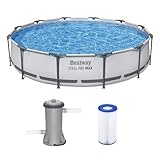
Bestway Steel Pro MAX 12' x 30" Above Ground Swimming Pool Set with Pump | Check Price On Amazon |
|
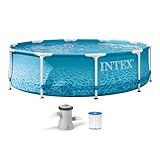
INTEX Beachside Metal Frame 10ft x 30in Round Pool Set w/Pump | Check Price On Amazon |

|
H2OGO! Kids Splash-in-Shade 8-Foot Round Steel Frame Above Ground Pool with Water Mister and Canopy Sunshade, Green Tropical Leaf Print | Check Price On Amazon |
What Is Pool Shocking and Why Does Timing Matter?
Pool shocking involves adding concentrated calcium hypochlorite shock or non-chlorine oxidizer to break down chloramines, organic contaminants, and restore free available chlorine to 10-12 ppm temporarily. This process eliminates the chlorine smell, cloudy water, and skin irritation caused by combined chlorine buildup.
Timing determines shock effectiveness because chloramines accumulate steadily during pool use and environmental exposure. Weekly shocking prevents chloramine levels from exceeding 0.5 ppm, the threshold where water quality deteriorates noticeably.
The chlorination process creates hypochlorous acid (HOCl), the active sanitizer that kills bacteria in 30 seconds at proper pH levels. When chloramines form from nitrogen compounds (sweat, urine, cosmetics), they tie up free chlorine and reduce sanitizing power by 70-80%.
When Combined Chlorine Becomes Problematic
Combined chlorine above 0.5 ppm indicates inadequate oxidation of organic waste. Test weekly using pool test strips that measure both free and combined chlorine separately.
Calculate combined chlorine by subtracting free chlorine from total chlorine readings. If total chlorine reads 3.0 ppm and free chlorine reads 2.0 ppm, combined chlorine equals 1.0 ppm requiring immediate shock treatment.
Chloramine Formation and Health Effects
Chloramines form when free chlorine reacts with nitrogen-containing compounds from swimmers. These weak disinfectants cause red eyes, skin irritation, and the strong “chlorine” smell many associate with pools.
Monochloramine, dichloramine, and trichloramine create different odor intensities and health impacts. Trichloramine becomes airborne easily, causing respiratory irritation in indoor pool environments.
Essential Pool Shock Schedule: Weekly and Situational Timing
Shock pools every 7-10 days during active swimming season, regardless of visual water clarity. Weekly shocking maintains free chlorine residual between 1.0-3.0 ppm and prevents chloramine accumulation before problems develop.
Base shock frequency on bather load, temperature, and rainfall patterns. High-use pools require shocking every 5-7 days, while lightly used pools maintain quality with 10-day intervals.
Weekly Maintenance Shock Protocol
Test water chemistry 24 hours after the last shock treatment using digital pool water testers for accuracy. Record free chlorine, combined chlorine, pH, total alkalinity, and cyanuric acid levels.

- Intelligent Navigation with Full Coverage: Equipped with 11 high-precision sensors and enhanced dual-path algorithms. The optimized WavePath cleaning pattern ensures systematic coverage with minimal overlap, while adaptive navigation analyzes pool layout in real time to eliminate missed spots
- Dual Filtration for Crystal-Clear Water: Advanced dual-layer filtration system features a replaceable 3-micron ultra-fine filter paired with a 180-micron standard filter. Effectively captures fine dust, sand, leaves, and debris for visibly cleaner and healthier pool water
- Comprehensive Pool Cleaning: Engineered to clean the pool floor, walls, waterline, and shallow areas (above 12 inches). The Caterpillar Treads system enhances mobility and climbing ability, ensuring thorough coverage across all pool zones
- Reliable Performance with 2-Year Warranty: Trusted by over 500,000 pool owners worldwide, this robotic pool cleaner delivers consistent, high-performance results. Built for durability and backed by a 2-year warranty and responsive customer support for worry-free ownership
Apply shock when free chlorine drops to 1.0 ppm or combined chlorine exceeds 0.2 ppm. Calculate shock dosage based on pool volume and current chloramine levels using the 10:1 ratio method.
High-Demand Shock Situations
Shock immediately after pool parties, heavy rain, or when water appears cloudy despite normal chlorine readings. These conditions introduce organic load exceeding normal oxidation capacity.
Pool parties with 8+ swimmers require shocking within 12 hours due to increased nitrogen compounds from perspiration, cosmetics, and sunscreen. Rain introduces nitrates, phosphates, and organic debris that consume available chlorine rapidly.
How to Calculate Proper Shock Dosage for Your Pool
Calculate shock requirements using pool volume in gallons and target chlorine increase needed. For breakpoint chlorination, add 10 parts chlorine for every 1 part combined chlorine measured, plus additional chlorine to reach 10-12 ppm shock level.
Standard dosage equals 1 pound calcium hypochlorite shock per 10,000 gallons for routine weekly maintenance. Double this amount for heavy contamination or after storms. For a tailored dose that matches your specific conditions, use our How much Chlorine to Shock a Pool calculator to eliminate guesswork.
Pool Volume Calculations
Calculate rectangular pool volume using length × width × average depth × 7.5 gallons per cubic foot. Round pools use diameter × diameter × 0.785 × average depth × 7.5 gallons per cubic foot.
Measure average depth by adding shallow end plus deep end depths, then dividing by two. For convenience, you can use our Pool Volume Calculator to get an accurate gallonage instantly. Accurate volume calculation prevents under-dosing that allows chloramines to persist or over-dosing that wastes chemicals.
Breakpoint Chlorination Method
Achieve breakpoint chlorination by adding 10 times the combined chlorine reading in ppm. If combined chlorine measures 0.8 ppm, add enough shock to raise total chlorine by 8.0 ppm minimum.
This process destroys chloramines completely rather than partially oxidizing them. Partial oxidation creates more irritating chloramine compounds that worsen water quality problems.
Different Types of Pool Shock: Chlorine vs Non-Chlorine Options
Calcium hypochlorite shock contains 65-70% available chlorine and works effectively in all pool types. Sodium dichlor shock provides 56% available chlorine with lower pH impact but adds cyanuric acid with each application.
Non-chlorine shock (potassium monopersulfate) oxidizes organic contaminants without increasing chlorine levels. Use non-chlorine shock when cyanuric acid exceeds 50 ppm or for weekly maintenance in stabilized pools.
| Shock Type | Available Chlorine | pH Impact | Cyanuric Acid Added | Swimming Wait Time |
|---|---|---|---|---|
| Calcium Hypochlorite | 65-70% | Raises pH 0.2-0.4 | None | 8-12 hours |
| Sodium Dichlor | 56% | Neutral to slight decrease | 0.9 ppm per ppm chlorine | 15 minutes |
| Non-Chlorine (MPS) | 0% (oxidizer only) | Neutral | None | 15 minutes |
Calcium Hypochlorite Applications
Calcium hypochlorite works best for weekly maintenance shocking and heavy contamination situations. This shock type requires pH adjustment afterward due to its alkaline nature raising pool pH by 0.2-0.4 points per pound.
Dissolve cal hypo shock completely in a plastic bucket before adding to pool water. Never add water to shock powder, as this creates violent reactions and potential chemical burns.
Non-Chlorine Shock Benefits
Potassium monopersulfate oxidizes chloramines and organic waste without adding chlorine or affecting cyanuric acid levels. Use non-chlorine shock bi-weekly in conjunction with chlorine shock for comprehensive water treatment.
This oxidizer allows swimming 15 minutes after application versus 8-12 hours for chlorine shock. Non-chlorine shock works particularly well for spa shocking due to rapid swimmer re-entry capability.
Optimal Timing: When to Shock Your Pool During the Day
Shock pools during evening hours after sunset to prevent UV degradation of chlorine compounds. Sunlight breaks down free chlorine within 2-4 hours, reducing shock effectiveness by 60-80% during daylight applications.
Apply shock treatment between 7 PM and 10 PM when temperatures are cooler and UV intensity is minimal. This timing allows 8-12 hours of contact time before morning sun exposure.
UV Impact on Chlorine Stability
Ultraviolet radiation photodegrades hypochlorous acid into oxygen and hydrochloric acid, losing sanitizing power. Pools with cyanuric acid levels between 30-50 ppm retain chlorine 3-5 times longer than unstabilized pools.
Shocking during daylight wastes 50-75% of chlorine within 4 hours in direct sunlight. Evening applications maintain shock levels throughout the night when oxidation reactions occur most efficiently.
Temperature Considerations
Chemical reaction rates double for every 18°F temperature increase, making shock more effective in warm water. However, chlorine also dissipates faster at temperatures above 85°F.
Cool evening temperatures between 70-80°F provide optimal shock conditions with slower chlorine loss and adequate reaction rates. Avoid shocking when water temperature exceeds 90°F due to rapid chlorine volatilization.
Seasonal Pool Shock Schedule: Spring, Summer, Fall, and Winter
Adjust shock frequency based on seasonal pool usage, temperature, and algae growth potential. Summer requires weekly shocking due to high bather loads and warm temperatures promoting bacterial growth.
Spring opening demands intensive shock treatment to eliminate winter algae and bacteria accumulation. Fall maintenance reduces to bi-weekly shocking as temperatures drop and usage decreases.
Spring Pool Opening Protocol
Shock pools immediately after removing winter covers and before first swimming. Apply double normal dosage (2 pounds per 10,000 gallons) to eliminate accumulated organic matter and potential algae spores.
Test and adjust water chemistry before shocking to ensure proper pH levels between 7.2-7.6. Low pH reduces shock effectiveness while high pH creates scaling and chlorine inefficiency.
Consider professional water balance diagnosis if spring water shows unusual cloudiness or discoloration that doesn’t respond to standard shock treatment.
Summer Maintenance Schedule
Increase shock frequency to every 5-7 days during peak summer months (June-August). High temperatures above 85°F accelerate chlorine consumption and bacterial reproduction rates.
Monitor weather patterns for afternoon thunderstorms that introduce nitrogen compounds and organic debris. Shock within 24 hours after significant rainfall exceeding 0.5 inches.
Fall Transition and Winter Preparation
Reduce shock frequency to every 10-14 days as temperatures drop below 70°F and swimming activity decreases. Perform final super-chlorination before winter closure using 3-5 ppm sustained chlorine levels.
Winter maintenance for covered pools requires monthly shock treatments at half-strength to prevent algae growth under covers. Solid covers require more frequent attention than mesh covers due to reduced air circulation.
Pool Shock After Heavy Rain, Parties, and High Bather Loads
Heavy rainfall exceeding 1 inch dilutes chlorine levels and introduces nitrogen compounds that create immediate chloramine formation. Test water within 6 hours after storms and shock if combined chlorine exceeds 0.2 ppm.
Pool parties with 6+ swimmers require shocking within 12 hours due to increased organic load from perspiration, cosmetics, sunscreen, and body oils. Calculate additional shock based on 0.5 pounds per 10 swimmers per hour of use.
Storm Water Contamination
Rainwater carries atmospheric nitrogen, pollen, dust, and organic debris that consumes available chlorine rapidly. Pools receiving direct rainfall lose 25-40% of free chlorine within 2-4 hours.
Test total dissolved solids (TDS) after heavy rain using digital TDS meters to assess dilution levels. TDS increases above 1500 ppm require partial water replacement before shocking.
High Bather Load Calculations
Calculate additional shock requirements using swimmer-hours formula: number of swimmers × hours of use × contamination factor. Standard contamination factor equals 0.1 pounds shock per swimmer-hour.
Pool parties exceeding normal capacity require immediate shocking plus extended filtration runtime. Run pool pumps continuously for 24 hours after heavy use to ensure complete circulation and filtration.
Special Circumstances: Hot Tubs, Saltwater Pools, and Indoor Pools
Hot tub shocking requires more frequent treatment due to higher temperatures accelerating bacterial growth and increased bather density per gallon. Shock spas after every 3-4 uses or weekly minimum using non-chlorine shock for faster re-entry.
Saltwater pools need shocking when chlorine generator output cannot maintain adequate free chlorine levels. The salt cell produces chlorine continuously but may require supplemental shocking during peak demand periods.
Hot Tub Shock Protocols
Calculate hot tub shock dosage using 1 ounce spa shock per 500 gallons of water. Higher water temperatures between 100-104°F increase chemical reaction rates and chlorine consumption by 200-300%.
Use non-chlorine shock primarily for hot tubs to avoid excessive chlorine buildup in small water volumes. Potassium monopersulfate oxidizes organic contaminants effectively at elevated temperatures without extending wait times.
Saltwater Pool Considerations
Saltwater chlorine generators struggle during high-demand periods, requiring supplemental shocking to maintain proper sanitation. Monitor chlorine output using salt system testers and shock when output drops below demand.
Salt pools require different shock calculations due to existing chlorine production. Use 75% of normal shock dosage and allow salt cell to maintain residual chlorine levels after treatment.
Indoor Pool Ventilation Requirements
Indoor pools require enhanced ventilation during shock treatments due to chloramine gas formation in enclosed spaces. Operate exhaust fans continuously for 4-6 hours after shocking to remove airborne irritants.
Indoor shock treatments create 2-3 times more airborne chloramines than outdoor pools due to reduced air circulation. Monitor indoor air quality and restrict access until chloramine levels dissipate.
How to Test Pool Water Before and After Shocking
Test pool water 2-4 hours before planned shock treatment using accurate liquid drop test kits or digital meters. Record free chlorine, combined chlorine, pH, total alkalinity, and cyanuric acid levels for baseline measurements.
Post-shock testing should occur 8-12 hours after treatment to verify effective chloramine destruction and proper free chlorine levels between 1.0-3.0 ppm. Document results for pattern tracking and future dose adjustments.
Pre-Shock Water Chemistry Assessment
Adjust pH to 7.2-7.6 range before shocking to maximize chlorine effectiveness. Low pH below 7.0 creates corrosive conditions while high pH above 7.8 reduces sanitizer efficiency by 50-60%. Use our Swimming Pool pH Calculator to determine the precise amount of acid or base needed to reach the ideal range.
Verify total alkalinity levels between 80-120 ppm for proper pH buffering during shock treatment. Inadequate alkalinity allows pH swings that reduce shock effectiveness and damage pool surfaces.
Understanding water balance fundamentals prevents shock treatment failures and equipment damage from improper chemistry management.
Post-Shock Verification Testing
Test combined chlorine 12 hours after shocking to confirm complete chloramine destruction. Combined chlorine should read zero or below 0.2 ppm after successful breakpoint chlorination.
Check pH levels after calcium hypochlorite shock treatment, as this shock type raises pH significantly. Adjust downward using sodium bisulfate if pH exceeds 7.6.
Monitor cyanuric acid levels monthly to prevent over-stabilization above 50 ppm. Excessive stabilizer reduces chlorine effectiveness and requires partial water replacement to correct.
Pool Shock Safety: Proper Handling and Storage
Store pool shock in cool, dry locations away from moisture and incompatible chemicals like acids or organic compounds. Calcium hypochlorite becomes unstable when exposed to humidity, potentially causing dangerous reactions.
Always wear protective equipment including chemical-resistant gloves, safety goggles, and long sleeves when handling shock products. Chlorine compounds cause severe burns on contact with skin or eyes.
Chemical Storage Requirements
Maintain storage temperatures below 80°F and relative humidity under 60% to prevent chlorine decomposition and gas formation. Use airtight storage containers designed for pool chemicals.
Separate shock storage from acids, algaecides, and organic materials by minimum 10 feet distance. Chemical reactions between incompatible products create toxic chlorine gas and fire hazards.
Application Safety Protocols
Pre-dissolve granular shock in plastic buckets using pool water at 3:1 water-to-shock ratio. Never use metal containers that react with chlorine compounds creating corrosive conditions.
Pour dissolved shock around pool perimeter while circulation pumps operate to ensure proper mixing. Never broadcast dry shock directly into pools, as this creates concentrated chemical pockets that damage surfaces.
Implementing proper automated chemical feeding systems reduces handling risks and provides more consistent chlorination than manual shocking methods.
Troubleshooting Common Pool Shock Problems
Cloudy water after shocking indicates insufficient chlorine dosage, pH imbalance, or high total dissolved solids requiring filtration improvements. Increase shock dosage by 50% and run filtration continuously for 24-48 hours.
Strong chlorine smell after treatment suggests incomplete chloramine destruction requiring additional shock treatment. Persistent chloramines indicate under-dosing or improper application timing during daylight hours.
Incomplete Chloramine Destruction
Persistent combined chlorine above 0.5 ppm after shocking indicates insufficient dosage for organic load present. Recalculate using 15:1 ratio instead of standard 10:1 for heavy contamination situations.
Multiple shock treatments may be necessary for severely contaminated pools. Allow 24 hours between treatments to assess effectiveness and prevent over-chlorination damage to pool surfaces.
pH and Alkalinity Issues
Calcium hypochlorite shock raises pH by 0.2-0.4 points per pound, requiring pH adjustment after treatment. Use muriatic acid carefully to lower pH while maintaining total alkalinity balance.
High alkalinity above 150 ppm causes pH resistance to adjustment and reduces shock effectiveness. Lower alkalinity gradually using acid additions over several days to prevent equipment damage.
Equipment and Surface Damage
Concentrated shock application damages vinyl liners, fiberglass surfaces, and metal components through chemical burns. Always pre-dissolve shock completely and distribute evenly around pool perimeter.
Automatic chlorinators and salt cells require shutdown during shock treatment to prevent damage from high chlorine concentrations. Resume automated chemical dosing 24 hours after shock levels return to normal ranges.
Frequently Asked Questions About Pool Shocking
How long after shocking can you swim in the pool?
Wait 8-12 hours after calcium hypochlorite shock treatment before swimming, allowing chlorine levels to decrease below 5.0 ppm for safe water contact. Non-chlorine shock allows swimming after 15 minutes once proper circulation occurs.
Test free chlorine levels using reliable test strips before allowing swimmers to enter treated water. Chlorine levels above 5.0 ppm cause skin and eye irritation even in properly balanced water.
Can you shock a pool during the day?
Avoid shocking during daylight hours as UV radiation degrades chlorine effectiveness by 60-80% within 2-4 hours of application. Evening shock treatments between 7-10 PM provide optimal contact time without sun interference.
Emergency shock treatments during daylight require double dosage to compensate for UV degradation. Cover pools with solar blankets immediately after daylight shocking to reduce chlorine loss.
What happens if you add too much shock to your pool?
Excessive shock treatment above 20 ppm free chlorine damages pool surfaces, equipment, and creates swimmer health risks. Over-chlorination causes fabric bleaching, skin irritation, and metallic equipment corrosion.
Reduce high chlorine levels through dilution with fresh water or sodium thiosulfate neutralizer at 2.5 pounds per 10,000 gallons per 10 ppm chlorine reduction needed. Test frequently during neutralization to prevent over-correction.
Why is my pool still cloudy after shocking?
Post-shock cloudiness indicates dead algae, high total dissolved solids, or inadequate filtration requiring pool clarifier treatment and extended filter runtime. Run filtration continuously for 24-48 hours after shocking.
Filter backwashing or cartridge cleaning may be necessary to remove accumulated contaminants. Check filter pressure gauges and clean when pressure increases 8-10 PSI above clean starting pressure.
How often should you shock a saltwater pool?
Shock saltwater pools monthly during swimming season or when chlorine generator output cannot maintain 1.0-3.0 ppm free chlorine. Salt cells struggle during high-demand periods requiring supplemental shock treatment.
Use 75% of normal shock dosage in salt pools due to continuous chlorine production from generators. Monitor salt cell operation and clean calcium deposits monthly for consistent chlorine output.
Can you use bleach instead of pool shock?
Household bleach contains 3-6% sodium hypochlorite versus 65-70% in pool shock, requiring 10-12 times more volume for equivalent treatment. Bleach additives like fragrances and stabilizers contaminate pool water chemistry.
Pool-grade liquid chlorine at 10-12.5% concentration provides better value and effectiveness than household bleach for shocking applications. Never substitute cleaning bleach for pool chemicals.
Why does my pool smell like chlorine after shocking?
Strong chlorine odor after shocking indicates chloramine presence from incomplete oxidation rather than free chlorine smell. Increase shock dosage by 50% and retest combined chlorine levels after 24 hours.
Proper shocking eliminates chlorine smell by destroying chloramines completely. Persistent odors suggest inadequate treatment requiring repeated shock applications until combined chlorine reads zero.
How do you calculate shock needed for pool size?
Calculate shock requirements using pool volume × chlorine increase needed ÷ shock product strength percentage. Standard weekly maintenance requires 1 pound calcium hypochlorite per 10,000 gallons for 6-8 ppm increase.
Use the formula: (Pool gallons ÷ 10,000) × shock pounds needed = total shock amount. Round up to nearest half-pound increment for consistent results across different pool sizes.
Is it better to shock at night or morning?
Night shocking between 7-10 PM maximizes chlorine contact time without UV degradation that occurs during daylight hours. Morning shock treatments lose 50-75% effectiveness within 4 hours of sunrise.
Evening application allows 8-12 hours of oxidation time before sun exposure reduces chlorine levels. Cool nighttime temperatures also slow chlorine dissipation compared to warm daytime conditions.
What should chlorine levels be after shocking?
Target 10-12 ppm free chlorine immediately after shock treatment, decreasing to 1.0-3.0 ppm within 24 hours through natural dissipation and filtration. Monitor levels every 4-6 hours initially to track reduction rates.
Combined chlorine should read zero or below 0.2 ppm after successful breakpoint chlorination. Persistent combined chlorine indicates incomplete treatment requiring additional shock dosage.
Can shock damage pool equipment?
Concentrated shock solutions damage pump seals, heat exchanger coils, and automatic chlorinator components when applied directly without proper dilution. Always pre-dissolve shock completely in plastic buckets before pool addition.
Shut down automatic chlorinators and salt cells during shock treatment to prevent equipment damage from high chlorine concentrations. Resume normal operation 24 hours after chlorine levels return to 1.0-3.0 ppm range.
How long does pool shock last in storage?
Properly stored calcium hypochlorite shock maintains 65-70% available chlorine for 12-18 months in cool, dry conditions below 80°F. Moisture exposure reduces potency rapidly through chemical decomposition and gas formation.
Store shock products in original containers with tight-fitting lids away from acids and organic materials. Check storage areas for chemical odors indicating decomposition requiring proper disposal and replacement.
Conclusion
Consistent weekly pool shocking maintains water quality, prevents expensive chemistry problems, and ensures safe swimming conditions for your family and guests. Follow the systematic approach of testing before treatment, calculating proper dosages, and timing applications during evening hours for maximum effectiveness.
Start implementing this shock schedule immediately by testing your current water chemistry and establishing a weekly maintenance routine. Invest in quality pool testing equipment and maintain detailed records to track your progress and refine dosing accuracy over time.
| Photo | Best Above-Ground Pools | Price |
|---|---|---|
|
|
Bestway Steel Pro MAX 12' x 30" Above Ground Swimming Pool Set with Pump | Check Price On Amazon |
|
|
INTEX Beachside Metal Frame 10ft x 30in Round Pool Set w/Pump | Check Price On Amazon |
|
|
H2OGO! Kids Splash-in-Shade 8-Foot Round Steel Frame Above Ground Pool with Water Mister and Canopy Sunshade, Green Tropical Leaf Print | Check Price On Amazon |