
Based on our comprehensive analysis of pool heater operating costs across electric heat pumps, gas heaters, and solar systems in 2024, most pool heaters cost between $200-800 per month to operate, depending on heater type, pool size, desired temperature, and local utility rates. Heat pump pool heaters typically cost $200-400 monthly for a 20,000-gallon pool, while gas heaters range from $300-800 monthly for the same pool size.
These monthly costs matter significantly because heating represents 60-80% of total pool operating expenses for most homeowners. Understanding exact operating costs helps you choose the right heater type and establish realistic budgets for year-round pool enjoyment.
| Photo | Best Above-Ground Pools | Price |
|---|---|---|
|
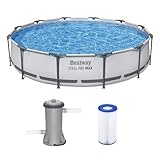
Bestway Steel Pro MAX 12' x 30" Above Ground Swimming Pool Set with Pump | Check Price On Amazon |
|
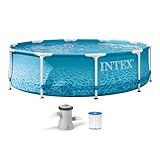
INTEX Beachside Metal Frame 10ft x 30in Round Pool Set w/Pump | Check Price On Amazon |

|
H2OGO! Kids Splash-in-Shade 8-Foot Round Steel Frame Above Ground Pool with Water Mister and Canopy Sunshade, Green Tropical Leaf Print | Check Price On Amazon |
What Factors Determine Pool Heater Monthly Operating Costs?
Pool heater operating costs depend on five primary factors: heater type and efficiency rating, pool size and surface area, desired water temperature versus ambient air temperature, local utility rates for electricity or gas, and climate conditions including wind exposure. These variables can create monthly cost differences of $400-600 between optimal and suboptimal conditions.
According to the Pool and Hot Tub Alliance cost analysis (2024), heater efficiency ratings create the largest cost variations. Heat pumps with 5.0+ COP (Coefficient of Performance) ratings cost 40-60% less to operate than units with 3.0 COP ratings when air temperatures exceed 50°F.
Pool Size Impact on Monthly Heating Costs
Pool volume directly determines heating costs because larger pools require more BTUs to maintain temperature. A 15,000-gallon pool needs approximately 15-20% fewer BTUs than a 20,000-gallon pool, while a 30,000-gallon pool requires 50% more energy for the same temperature maintenance.
Surface area matters more than total volume for ongoing costs. Pools with larger surface areas lose heat faster through evaporation and radiation, requiring continuous energy input to maintain temperature.
Temperature Differential Effects
Every 10°F increase in desired pool temperature roughly doubles heating costs. Maintaining 78°F water when air temperature is 70°F costs significantly less than maintaining 84°F water in the same conditions due to exponential heat loss at higher temperature differentials.
Wind exposure increases heat loss by 20-40% through accelerated evaporation. Pools with windbreaks or covers reduce monthly heating costs by $50-150 compared to fully exposed installations.
Heat Pump Pool Heater Monthly Operating Costs
Heat pump pool heaters cost $200-400 monthly for average residential pools (15,000-25,000 gallons) when maintaining 78-82°F water temperature. These units achieve 80-85% of their heating from ambient air energy, making them most cost-effective when air temperatures remain above 50°F consistently.
Based on Department of Energy efficiency studies (2024), heat pumps operate at 300-600% efficiency compared to direct electric heating. This means they produce 3-6 BTUs of pool heating for every 1 BTU of electricity consumed, dramatically reducing operating costs versus resistance heating.
| Pool Size | Monthly Cost (Heat Pump) | Electricity Usage | Best Temperature Range | Climate Requirements |
| 15,000 gallons | $180-320 | 1,800-3,200 kWh | 78-80°F | Air temp >50°F |
| 20,000 gallons | $240-420 | 2,400-4,200 kWh | 78-82°F | Air temp >55°F |
| 25,000 gallons | $300-520 | 3,000-5,200 kWh | 78-82°F | Air temp >60°F |
| 30,000 gallons | $360-620 | 3,600-6,200 kWh | 78-82°F | Air temp >60°F |
Heat Pump Efficiency by Climate Zone
Heat pump efficiency drops significantly when air temperatures fall below 50°F. Units maintain full efficiency ratings down to 50°F, operate at 60-70% efficiency between 40-50°F, and become cost-prohibitive below 40°F air temperature.
Southern climates (zones 9-11) achieve year-round heat pump efficiency, resulting in $200-350 monthly costs. Northern climates (zones 3-6) may see costs double during shoulder seasons when air temperatures drop below optimal operating ranges.

- Intelligent Navigation with Full Coverage: Equipped with 11 high-precision sensors and enhanced dual-path algorithms. The optimized WavePath cleaning pattern ensures systematic coverage with minimal overlap, while adaptive navigation analyzes pool layout in real time to eliminate missed spots
- Dual Filtration for Crystal-Clear Water: Advanced dual-layer filtration system features a replaceable 3-micron ultra-fine filter paired with a 180-micron standard filter. Effectively captures fine dust, sand, leaves, and debris for visibly cleaner and healthier pool water
- Comprehensive Pool Cleaning: Engineered to clean the pool floor, walls, waterline, and shallow areas (above 12 inches). The Caterpillar Treads system enhances mobility and climbing ability, ensuring thorough coverage across all pool zones
- Reliable Performance with 2-Year Warranty: Trusted by over 500,000 pool owners worldwide, this robotic pool cleaner delivers consistent, high-performance results. Built for durability and backed by a 2-year warranty and responsive customer support for worry-free ownership
Gas Pool Heater Monthly Operating Costs
Gas pool heaters cost $300-800 monthly for residential pools, depending on natural gas or propane pricing and heater efficiency ratings. These units heat pools quickly regardless of air temperature but consume significantly more fuel for ongoing temperature maintenance compared to heat pumps in moderate climates.
According to American Gas Association pricing data (2024), natural gas costs average $1.20-2.80 per therm nationally, while propane ranges from $2.80-4.20 per gallon. A 400,000 BTU gas heater consumes 4-8 therms daily maintaining pool temperature, creating monthly fuel costs of $150-600 before equipment and installation considerations.
Natural Gas vs Propane Operating Costs
Natural gas heaters typically cost 40-60% less to operate than propane units for equivalent BTU output. A 20,000-gallon pool maintained at 80°F costs approximately $300-450 monthly with natural gas versus $450-700 monthly with propane in moderate climates.
Propane prices fluctuate more dramatically than natural gas, with seasonal variations of $1-2 per gallon affecting monthly costs by $100-200. Natural gas pricing remains more stable year-round through utility distribution systems.
| Fuel Type | Cost per Unit | Monthly Usage (20K gallon pool) | Monthly Cost Range | BTU Efficiency |
| Natural Gas | $1.20-2.80/therm | 120-200 therms | $300-560 | 80-85% |
| Propane | $2.80-4.20/gallon | 130-220 gallons | $450-720 | 80-85% |
| High-Efficiency Gas | $1.20-2.80/therm | 100-170 therms | $250-480 | 90-95% |
Solar Pool Heater Monthly Operating Costs
Solar pool heaters cost $15-80 monthly in electricity for circulation pumps, making them the most economical option for ongoing operation. The primary investment occurs during installation ($3,000-8,000), but fuel costs remain minimal throughout the system’s 15-20 year lifespan.
Solar heating effectiveness depends entirely on available sunlight and collector sizing. Systems require 50-100% of pool surface area in solar collectors for adequate heating in most climates, with larger collector arrays providing faster heating and extended swimming seasons. Our solar pool heating calculator helps you determine the optimal collector size and estimate potential savings based on your location and pool dimensions.
Solar System Pump Operating Costs
Solar pool heating systems require dedicated circulation pumps running 6-10 hours daily during heating season. Variable-speed pumps designed for solar applications consume 200-800 watts, creating monthly electricity costs of $15-80 depending on local rates and operating schedules.
According to Solar Energy Industries Association data (2024), properly sized solar systems in sunny climates extend swimming seasons by 2-4 months while adding only pump operating costs. Advanced solar pool heating systems with automated controls optimize pump operation based on temperature differential and available sunlight.
Electric Resistance Heater Monthly Operating Costs
Electric resistance pool heaters cost $800-1,600 monthly for typical residential pools due to 100% electric energy conversion without efficiency gains. These units heat water directly through electric elements, making them the most expensive option for regular pool heating but useful for spas and small pools requiring quick temperature increases.
Direct electric heating costs $0.08-0.25 per kWh depending on local utility rates. A 20,000-gallon pool requires 8,000-16,000 kWh monthly for temperature maintenance, resulting in electricity bills of $640-4,000 monthly in high-rate areas.
When Electric Resistance Makes Financial Sense
Electric resistance heaters work best for occasional heating rather than continuous temperature maintenance. Spas, hot tubs, and small plunge pools benefit from electric heating due to lower water volumes and intermittent use patterns that minimize monthly costs.
Commercial installations sometimes choose electric resistance for backup heating or precise temperature control despite higher operating costs. Residential applications typically justify electric heating only when other fuel sources are unavailable or when heating frequency remains minimal.
How Pool Covers Reduce Monthly Heating Costs
Pool covers reduce heating costs by 50-70% through evaporation prevention and heat retention overnight. A quality solar cover or automatic pool cover system can lower monthly heating bills by $100-400 depending on heater type and climate conditions.
Evaporation accounts for 70% of pool heat loss in most climates. Covers eliminate this heat transfer while adding solar gain during daylight hours, reducing heater runtime by 4-8 hours daily and cutting fuel consumption proportionally.
Cover Types and Cost Savings
Solar bubble covers provide the highest cost-to-benefit ratio, reducing heating costs by 40-60% for $50-200 investment. Automatic covers offer 60-70% savings but require $8,000-15,000 initial investment that takes 3-5 years to recover through energy savings. To see a detailed cost comparison tailored to your pool, use our pool cover cost calculator.
Liquid solar covers create molecular barriers reducing evaporation by 15-25% for $20-40 monthly product costs. These work best combined with physical covers for maximum energy savings in heating-intensive climates.
Seasonal Heating Cost Variations
Monthly pool heating costs vary by 200-400% between peak summer and shoulder seasons due to changing ambient temperatures and desired pool usage. Spring and fall months typically see the highest heating costs as air temperatures remain cool while pool owners want comfortable swimming conditions.
Summer heating costs drop to $50-200 monthly in most climates as ambient air temperatures approach desired pool temperatures. Winter heating (in warmer climates) or pool closure eliminates heating costs entirely for 3-6 months annually.
| Season | Heat Pump Cost | Gas Heater Cost | Solar Heater Cost | Ambient Temperature |
| Spring (Mar-May) | $350-600 | $500-900 | $25-60 | 50-70°F |
| Summer (Jun-Aug) | $150-300 | $200-400 | $15-40 | 70-85°F |
| Fall (Sep-Nov) | $300-550 | $450-800 | $20-50 | 55-75°F |
| Winter (Dec-Feb) | $400-800 | $600-1200 | Pool Closed | 30-50°F |
Pool Heater Efficiency Ratings and Cost Impact
Heater efficiency ratings directly translate to operating cost differences of 20-50% between high-efficiency and standard units. Heat pumps with COP ratings of 5.0+ cost 30-40% less to operate than units with 3.5 COP ratings, while high-efficiency gas heaters (90-95% thermal efficiency) reduce fuel consumption by 15-25% compared to standard 80-85% efficient models.
Energy Star certified pool heaters meet strict efficiency requirements that typically reduce operating costs by $500-1,500 annually compared to minimum efficiency units. The higher purchase price ($800-2,000 premium) recovers within 1-3 years through reduced monthly operating expenses.
Heat Pump COP Ratings Explained
Coefficient of Performance (COP) measures heat pump efficiency by comparing heat output to electrical energy input. A COP of 5.0 means the unit produces 5 BTUs of heating for every 1 BTU of electricity consumed, achieving 500% efficiency compared to direct electric heating.
COP ratings vary with air temperature, typically peaking at 75-80°F ambient conditions and declining as temperatures drop. Premium heat pumps maintain COP ratings above 4.0 down to 45°F, while standard units may drop to COP 2.5-3.0 in cold conditions.
Utility Rate Structures and Time-of-Use Impact
Time-of-use electricity rates can increase or decrease pool heating costs by 30-60% depending on when heaters operate. Peak rates ($0.25-0.45 per kWh) during late afternoon hours significantly impact heat pump operating costs, while off-peak rates ($0.08-0.15 per kWh) during overnight hours reduce monthly bills substantially.
Smart pool heater controllers optimize operation for time-of-use rates by pre-heating during low-cost periods and minimizing runtime during peak rate hours. These systems reduce monthly costs by $50-200 while maintaining desired pool temperatures throughout peak swimming times.
Demand Charges for Large Pool Heaters
Commercial utility rate structures may include demand charges based on peak electrical usage, adding $100-500 monthly to large pool heater operating costs. Heat pumps and variable-speed equipment help minimize demand charges through gradual load ramping rather than sudden high-demand startup cycles.
Residential customers on time-of-use rates benefit from timer controls that prevent heaters from operating during peak demand periods (typically 4-9 PM weekdays). Professional heat pump installation includes programming for optimal rate structure compatibility.
Troubleshooting High Pool Heating Costs
Unexpectedly high monthly heating bills often indicate equipment problems, poor insulation, or operational inefficiencies that increase energy consumption by 25-75% above normal levels. Common causes include dirty heat exchanger coils, incorrect water flow rates, oversized or undersized equipment, and inadequate pool covers or windbreaks.
Heat pump refrigerant leaks reduce efficiency dramatically, causing COP ratings to drop from 5.0+ to 2.0-3.0 while increasing monthly costs proportionally. Gas heater scaling or combustion problems reduce thermal efficiency from 80-85% to 60-70%, requiring more fuel for equivalent heat output.
Equipment Maintenance for Cost Control
Regular maintenance prevents efficiency losses that increase monthly operating costs. Heat pump coil cleaning every 3-6 months maintains peak COP ratings, while annual gas heater tune-ups ensure proper combustion and heat exchanger performance.
Water chemistry balance affects heat exchanger efficiency through scale buildup or corrosion. Calcium hardness above 400 ppm creates scale deposits reducing heat transfer by 15-30%, while pH below 7.0 causes corrosion that decreases equipment lifespan and efficiency.
Circulation System Impact on Heating Costs
Proper water circulation ensures efficient heat transfer from heater to pool water. Undersized circulation pumps reduce heater efficiency by 10-20%, while oversized pumps waste electricity without improving heating performance.
Clogged filters restrict water flow, forcing heaters to work longer for temperature maintenance. Filter maintenance and flow rate optimization maintain heater efficiency and prevent unnecessary energy consumption that increases monthly costs.
Comparing Total Cost of Ownership
Total monthly costs include equipment financing, maintenance, and fuel consumption for accurate heater comparison. Our pool ownership cost calculator provides a comprehensive breakdown of all these expenses for your specific pool setup. Heat pumps typically show lowest total costs in moderate climates despite higher purchase prices, while gas heaters may be more economical in cold climates or for intermittent heating applications.
Ten-year total cost analysis (including purchase, installation, maintenance, and fuel) shows heat pumps costing $28,000-45,000 compared to gas heaters at $32,000-65,000 for equivalent pool heating in moderate climates. Solar systems cost $35,000-55,000 initially but only $3,000-8,000 in operating expenses over ten years.
| Heater Type | Purchase + Install | Annual Operating | 10-Year Maintenance | Total 10-Year Cost |
| Heat Pump | $4,500-8,000 | $2,400-4,800 | $2,000-3,500 | $30,500-56,500 |
| Natural Gas | $2,500-5,000 | $3,600-6,700 | $3,000-5,000 | $41,100-72,000 |
| Solar | $6,000-12,000 | $180-960 | $1,500-3,000 | $9,300-21,600 |
| Electric | $1,500-3,000 | $9,600-19,200 | $1,000-2,000 | $99,100-195,000 |
Geographic Cost Variations
Regional utility rates and climate conditions create monthly heating cost variations of 100-300% between different geographic areas. Florida pool owners typically spend $200-400 monthly on heat pump operation, while Minnesota pool owners may spend $400-800 monthly for equivalent heating during shorter swimming seasons.
Western states with high electricity rates ($0.20-0.35 per kWh) see heat pump costs of $350-650 monthly, while southeastern states with lower rates ($0.08-0.15 per kWh) achieve similar heating for $180-350 monthly. Gas prices show similar regional variations affecting monthly operating costs.
Climate Zone Heating Requirements
USDA climate zones determine heating requirements and optimal heater selection for cost-effective operation. Zones 9-11 (southern tier) benefit most from heat pumps due to year-round moderate temperatures, while zones 3-6 (northern tier) may require gas heating for reliable cold-weather operation.
Regional heater selection considers local utility costs, climate patterns, and swimming season length to minimize total monthly expenses while ensuring adequate heating capacity for desired pool use patterns.
Energy-Saving Strategies to Reduce Monthly Costs
Strategic heating management reduces monthly costs by 30-50% without sacrificing pool comfort. Lowering target temperature by 2-3°F cuts heating costs by 15-25%, while using programmable controls to reduce heating during unused periods saves additional 20-30% monthly.
Windbreaks around pool areas reduce heat loss by 15-25% through reduced evaporation and air movement. Landscaping, fencing, or temporary barriers during heating season provide cost-effective protection that lowers monthly fuel consumption.
Smart Controls and Automation
Automated pool heating systems optimize operation based on weather forecasts, occupancy patterns, and utility rate structures. Smart thermostats learn usage patterns and pre-heat pools efficiently while avoiding peak-rate periods that increase monthly costs.
Variable-speed circulation pumps reduce monthly electricity consumption by 50-80% compared to single-speed units while maintaining proper water flow for efficient heating. The combination of efficient circulation and smart heating controls minimizes total monthly pool operating expenses.
Frequently Asked Questions About Pool Heater Operating Costs
How much does it cost to heat a 20,000-gallon pool per month?
Quick Answer: A 20,000-gallon pool costs $240-420 monthly with a heat pump, $300-560 monthly with natural gas, or $450-720 monthly with propane, depending on desired temperature and climate conditions.
Monthly costs vary significantly based on target water temperature, ambient air temperature, and local utility rates. Heat pumps provide the most cost-effective heating in climates where air temperatures remain above 50°F consistently.
Pool covers reduce these costs by 40-60% through evaporation prevention and heat retention. A covered 20,000-gallon pool typically costs $150-280 monthly with heat pump heating versus $240-420 uncovered.
What is the cheapest pool heater to operate monthly?
Quick Answer: Solar pool heaters cost only $15-80 monthly for pump electricity, making them the cheapest option for ongoing operation, followed by heat pumps at $200-400 monthly in moderate climates.
Solar systems require substantial initial investment ($6,000-12,000) but minimal operating costs throughout their 15-20 year lifespan. Heat pumps offer the best balance of reasonable purchase price and low operating costs in most climates.
Electric resistance heaters cost the most at $800-1,600 monthly, making them unsuitable for regular pool heating despite lower equipment costs. Gas heaters fall between heat pumps and electric at $300-800 monthly depending on fuel prices.
Do pool heaters use a lot of electricity per month?
Quick Answer: Heat pumps use 2,000-5,000 kWh monthly ($200-500 electricity cost), while electric resistance heaters consume 8,000-16,000 kWh monthly ($800-1,600 cost), making heater type selection critical for monthly bills.
Heat pump electricity usage depends on air temperature and desired pool temperature. Colder air temperatures require more electricity to extract heat, while higher target pool temperatures increase runtime and monthly consumption.
Gas and solar heaters use minimal electricity (100-300 kWh monthly) for controls and circulation, making them attractive options in areas with high electricity rates above $0.20 per kWh.
How can I reduce my monthly pool heating costs?
Quick Answer: Install a pool cover (saves 40-60%), lower target temperature by 2-3°F (saves 15-25%), use timer controls to avoid peak electricity rates, and maintain equipment properly for optimal efficiency.
Pool covers provide the highest cost reduction for minimal investment. Solar covers cost $50-200 but can save $100-400 monthly in heating costs through evaporation prevention and solar heat gain.
Equipment maintenance maintains peak efficiency and prevents costly breakdowns. Clean heat pump coils quarterly, balance water chemistry monthly, and service gas heaters annually to minimize operating costs and extend equipment life.
Is it cheaper to heat a pool with gas or electricity?
Quick Answer: Heat pumps (electric) typically cost 30-50% less than gas heating in moderate climates, but gas becomes more cost-effective when air temperatures drop below 45°F consistently or for rapid heating applications.
Regional utility rates significantly impact this comparison. Areas with low electricity rates ($0.08-0.12 per kWh) and high gas prices favor heat pumps, while regions with expensive electricity ($0.25+ per kWh) and cheap natural gas may favor gas heating.
Gas heaters heat pools faster than heat pumps, making them preferred for occasional use or rapid temperature increases. Heat pumps work best for consistent temperature maintenance throughout swimming season.
What size pool heater do I need and how does it affect monthly costs?
Quick Answer: Pool heaters need 30-40 BTU per square foot of pool surface area for adequate heating. Use our pool heater BTU calculator to get a precise sizing recommendation based on your pool’s dimensions and your heating goals. Undersized heaters run constantly (increasing monthly costs), while oversized units short-cycle and waste energy.
Proper heater sizing ensures efficient operation and reasonable monthly costs. A 400 square foot pool needs 12,000-16,000 BTU heating capacity for optimal performance and fuel efficiency.
Oversized heaters cost more initially and may increase monthly operating costs through inefficient cycling. Undersized heaters struggle to maintain temperature and run continuously, maximizing fuel consumption and monthly bills.
How long do pool heaters last and what are replacement costs?
Quick Answer: Heat pumps last 10-15 years, gas heaters last 8-12 years, and solar systems last 15-20 years. Replacement costs range from $2,500-8,000 plus installation, affecting total monthly ownership expenses.
Equipment lifespan impacts total cost of ownership when calculating monthly expenses. Heat pumps and solar systems offer longer service life but higher initial investment, while gas heaters cost less initially but require more frequent replacement.
Proper maintenance extends equipment life significantly. Annual professional service, regular cleaning, and proper water chemistry balance can add 3-5 years to heater lifespan, reducing annualized replacement costs.
Do variable-speed pumps reduce pool heating costs?
Quick Answer: Variable-speed pumps reduce total monthly pool costs by $50-200 through efficient circulation, but don’t directly affect heater fuel consumption. They optimize water flow for heater efficiency while minimizing pump electricity usage.
Proper water circulation ensures efficient heat transfer from heater to pool water. Variable-speed pumps maintain optimal flow rates for heating while reducing overall electrical consumption by 50-80% compared to single-speed pumps.
Smart variable-speed pumps coordinate with heating systems to optimize circulation during heating cycles and reduce flow during maintenance periods, minimizing total monthly energy costs while maintaining water quality.
Should I turn off my pool heater when not swimming?
Quick Answer: Turning off heaters overnight or during extended non-use periods saves 20-40% monthly costs, but requires 4-8 hours to reheat. Use programmable controls to optimize heating schedules for your swimming patterns.
Pool thermal mass means water temperature drops slowly, typically 2-5°F overnight without heating. Reheating costs less than continuous temperature maintenance, especially with proper pool covers to minimize heat loss.
Smart heating schedules heat pools 2-4 hours before planned swimming, maintaining comfort while avoiding continuous operation. This strategy works best with predictable swimming schedules and adequate heater capacity for timely reheating.
How much do pool heating costs increase in winter?
Quick Answer: Winter heating costs increase 200-400% compared to summer due to lower air temperatures and higher temperature differentials. Heat pumps may cost $400-800 monthly versus $150-300 in summer for the same pool.
Cold air temperatures reduce heat pump efficiency dramatically, sometimes making gas heating more economical during winter months. Many pool owners in cold climates close pools entirely rather than pay winter heating costs.
Pool enclosures or temporary covers during winter can reduce heating costs by 30-50% through wind protection and solar heat gain, making year-round swimming more affordable in marginal climates.
What utility rebates are available for efficient pool heaters?
Quick Answer: Utility rebates range from $300-2,000 for Energy Star certified pool heaters, with heat pumps receiving the highest rebates. Check local utility websites for current programs that reduce monthly financing costs.
Many utilities offer rebates for high-efficiency pool heating equipment to reduce peak electrical demand. Heat pump rebates typically range from $500-1,500, while solar system rebates may reach $2,000-5,000 in some areas.
Federal tax credits up to 30% apply to solar pool heating systems through 2032, significantly reducing initial investment costs. State and local incentives may provide additional savings for renewable energy pool heating installations.
How do I calculate my exact monthly pool heating costs?
Quick Answer: Calculate costs using: (Pool gallons ÷ 1,000) × temperature rise × 8.33 × heater efficiency factor × local fuel rates. Our swimming pool heating cost calculator simplifies this by providing customized estimates based on your specific pool size, heater type, and local rates. Track monthly usage through utility bills and swimming logs to establish baseline costs. Note correlations between outside temperature, desired pool temperature, pool usage frequency, and monthly heating expenses.
Smart meters and energy monitoring systems provide detailed usage data for accurate cost tracking. Many modern heaters include energy consumption displays showing real-time operating costs for better monthly budget planning.
Are solar pool heaters worth the monthly savings?
Quick Answer: Solar systems save $200-600 monthly in heating costs but require 3-7 years to recover initial investment through energy savings. They’re most cost-effective in sunny climates with high conventional heating costs.
Solar heating effectiveness depends on available sunlight, collector sizing, and local climate conditions. Systems in sunny regions provide 6-8 months of effective heating while eliminating fuel costs entirely.
Combined solar and conventional heating provides year-round swimming capability while minimizing monthly costs. Solar handles primary heating during sunny conditions, while backup heaters provide supplemental heating during cloudy periods or rapid temperature increases.
Properly sized heat pumps deliver consistent pool heating for $240-420 monthly in most climates, while gas heating costs $300-800 monthly depending on fuel prices and efficiency ratings. Solar systems provide the lowest operating costs at $15-80 monthly but require substantial initial investment and favorable climate conditions.
Your optimal choice depends on local utility rates, climate zone, swimming patterns, and total cost tolerance. Start by calculating your specific pool’s heating requirements using surface area and desired temperature, then compare total ownership costs including equipment, installation, and projected monthly expenses. Document your heating costs monthly to optimize system performance and identify maintenance needs that keep operating expenses minimal.
| Photo | Best Above-Ground Pools | Price |
|---|---|---|
|
|
Bestway Steel Pro MAX 12' x 30" Above Ground Swimming Pool Set with Pump | Check Price On Amazon |
|
|
INTEX Beachside Metal Frame 10ft x 30in Round Pool Set w/Pump | Check Price On Amazon |
|
|
H2OGO! Kids Splash-in-Shade 8-Foot Round Steel Frame Above Ground Pool with Water Mister and Canopy Sunshade, Green Tropical Leaf Print | Check Price On Amazon |