Adding pool chemicals in the correct sequence prevents dangerous reactions and ensures optimal water balance. The proper order is: circulation first, then pH adjustment, followed by alkalinity, chlorine sanitizer, calcium hardness, and finally specialty chemicals like algaecides or clarifiers.
This sequencing matters because certain chemicals neutralize others when added simultaneously, wasting money and creating ineffective water treatment. Understanding chemical interaction prevents equipment damage and maintains swimmer safety through proper sanitization.
| Photo | Best Above-Ground Pools | Price |
|---|---|---|
|
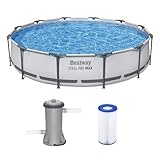
Bestway Steel Pro MAX 12' x 30" Above Ground Swimming Pool Set with Pump | Durable Round Metal Frame Outdoor Backyard Pool, Puncture-Resistant Liner - Type III A/C Filter Cartridge Included, Gray | Check Price On Amazon |
|
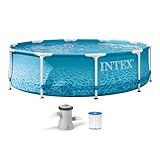
INTEX 28207EH 10ft X 30in Beachside Metal Frame Above Ground Swimming Pool Set, Includes 330 GPH Cartridge Filter Pump, Puncture-Resistant Material, Rust Resistant, 1185 Gallon Capacity | Check Price On Amazon |

|
H2OGO! Kids Splash-in-Shade 8-Foot Round Steel Frame Above Ground Pool with Water Mister and Canopy Sunshade, Green Tropical Leaf Print | Check Price On Amazon |
Why Chemical Order Matters for Pool Safety and Efficiency
Chemical interactions determine whether your pool treatment succeeds or fails catastrophically. Adding chlorine before pH adjustment can cause the chlorine to dissipate rapidly, leaving your pool unsanitized and vulnerable to algae growth within 24-48 hours.
The chemistry behind proper sequencing involves solubility rates and chemical stability in water. According to Pool Chemistry Standards (2013), pH levels outside the 7.2-7.6 range reduce chlorine effectiveness by up to 80%, making proper pH adjustment the critical first step. For precise dosage calculations when adjusting your water chemistry, you can use a swimming pool pH calculator to determine exact amounts needed based on your pool volume and current readings.
Incorrect chemical order creates several expensive problems. Simultaneous addition of calcium hardness increaser with pH decreaser forms calcium sulfate precipitate that clouds water permanently. Digital pool test kits help monitor these interactions by providing precise measurements before each chemical addition.
Temperature affects chemical reaction speed significantly. Pool water above 85°F accelerates chemical reactions, requiring 30% longer wait times between additions to prevent precipitation and gas formation that damages pool equipment.
The Complete Chemical Addition Sequence: Step by Step
Start with proper water circulation running for at least 30 minutes before adding any chemicals. This ensures even distribution and prevents localized chemical concentrations that damage pool surfaces or create dead zones.
Turn on your pool pump system and verify water movement through all returns and skimmers. Dead spots in circulation create areas where chemicals concentrate, potentially bleaching vinyl liners or etching plaster surfaces.
| Step | Chemical Type | Wait Time | Target Range | Notes |
| 1 | pH Adjustment | 30 minutes | 7.2-7.6 | Foundation for all other chemicals |
| 2 | Total Alkalinity | 1 hour | 80-120 ppm | Stabilizes pH levels |
| 3 | Calcium Hardness | 2 hours | 200-400 ppm | Prevents equipment corrosion |
| 4 | Chlorine Sanitizer | 4 hours | 1-3 ppm free chlorine | Primary sanitization |
| 5 | Specialty Chemicals | 8-24 hours | Per product label | Algaecides, clarifiers, enzymes |
pH Adjustment: The Critical Foundation
pH adjustment comes first because it controls the effectiveness of every subsequent chemical addition. Water with improper pH renders chlorine nearly useless, with pH below 7.0 creating corrosive conditions and pH above 7.8 reducing sanitizer potency to less than 20%.
Measure pH using calibrated digital pH meters rather than test strips for accuracy within 0.1 pH units. Test strips show variance of ± 0.3 pH units, enough error to cause significant treatment failures.
For pH below 7.2, add pH increaser (sodium carbonate) at 6 ounces per 10,000 gallons to raise pH by 0.2 units. For pH above 7.6, use pH decreaser (sodium bisulfate) at 8 ounces per 10,000 gallons to lower pH by 0.2 units.
Never add pH adjusters directly to the skimmer or in concentrated doses. Pour slowly around the pool perimeter while circulation runs, allowing 30 minutes for complete mixing before testing again.

- Intelligent Navigation with Full Coverage: Equipped with 11 high-precision sensors and enhanced dual-path algorithms. The optimized WavePath cleaning pattern ensures systematic coverage with minimal overlap, while adaptive navigation analyzes pool layout in real time to eliminate missed spots
- Dual Filtration for Crystal-Clear Water: Advanced dual-layer filtration system features a replaceable 3-micron ultra-fine filter paired with a 180-micron standard filter. Effectively captures fine dust, sand, leaves, and debris for visibly cleaner and healthier pool water
- Comprehensive Pool Cleaning: Engineered to clean the pool floor, walls, waterline, and shallow areas (above 12 inches). The Caterpillar Treads system enhances mobility and climbing ability, ensuring thorough coverage across all pool zones
- Reliable Performance with 2-Year Warranty: Trusted by over 500,000 pool owners worldwide, this robotic pool cleaner delivers consistent, high-performance results. Built for durability and backed by a 2-year warranty and responsive customer support for worry-free ownership
Weather affects pH stability dramatically. Rain lowers pH by introducing carbonic acid, while heavy bather loads and organic debris raise pH through nitrogen compounds and body oils.
Total Alkalinity: Your pH Buffer System
Total alkalinity adjustment follows pH because alkalinity acts as a buffer, preventing rapid pH swings that destabilize water chemistry. Proper alkalinity levels (80-120 ppm) keep pH stable for 7-10 days under normal conditions.
Low alkalinity (below 80 ppm) causes pH bounce, where pH fluctuates wildly between additions, making chemical balancing nearly impossible. High alkalinity (above 120 ppm) locks pH in place, requiring excessive acid additions that increase total dissolved solids dangerously.
Use alkalinity increaser (sodium bicarbonate) at 1.5 pounds per 10,000 gallons to raise alkalinity by 10 ppm. Add slowly to the deep end while brushing the pool floor to prevent temporary cloudiness from undissolved granules. To determine the precise amount of baking soda your specific pool requires, a pool baking soda calculator can help you calculate the exact dosage based on your current alkalinity reading and target level.
To lower alkalinity, use muriatic acid carefully at 1 quart per 10,000 gallons to reduce alkalinity by 10 ppm. Pour acid into a bucket of water (never water into acid) and distribute around pool perimeter during circulation.
Test alkalinity 1 hour after addition using alkalinity test strips or a complete water test kit. Alkalinity changes slowly, so resist adding more chemical if initial results seem unchanged.
Calcium Hardness: Protecting Your Pool Equipment
Calcium hardness balancing prevents both corrosion from soft water and scaling from hard water conditions. Target ranges of 200-400 ppm protect metal equipment while preventing calcium deposits on pool surfaces.
Soft water (below 200 ppm calcium) aggressively seeks minerals, attacking pool equipment, plaster, and grout joints. This corrosion releases metals into water, causing staining and equipment failure within 2-3 years of exposure.
Add calcium chloride at 1.25 pounds per 10,000 gallons to increase hardness by 10 ppm. Dissolve completely in a bucket before adding to prevent undissolved granules from settling on pool surfaces and creating permanent stains.
Hard water (above 400 ppm) deposits calcium scale on equipment, reducing heating efficiency and clogging filter systems. Scale formation accelerates in water above 82°F and at pH levels above 7.8.
For detailed water balance troubleshooting when calcium levels create ongoing issues, consult our comprehensive guide on diagnosing and fixing pool water balance problems for advanced solutions.
Chlorine Addition: Primary Sanitization
Chlorine sanitizer addition occurs only after pH, alkalinity, and calcium hardness reach proper ranges because these factors determine chlorine effectiveness and stability. Properly balanced water allows chlorine to maintain 1-3 ppm free chlorine for optimal sanitization.
Choose between stabilized chlorine tablets for daily maintenance or liquid chlorine for shock treatments. Tablets provide slow, steady release through automatic feeders, while liquid chlorine offers immediate sanitization for algae treatment.
Calculate chlorine demand based on bather load and environmental factors. Heavy use periods require 30% more chlorine, while hot weather above 85°F doubles chlorine consumption through faster decomposition rates.
For automated chemical management, consider installing an automatic chemical feeder system that maintains consistent chlorine levels without daily manual additions.
Never mix different chlorine types simultaneously. Combining calcium hypochlorite with trichlor creates dangerous chlorine gas and calcium precipitation that permanently damages pool equipment.
Chlorine Stabilizer Considerations
Stabilized chlorine products contain cyanuric acid that protects chlorine from UV degradation but accumulates over time. Monitor stabilizer levels monthly, keeping them between 30-50 ppm for outdoor pools.
Excessive stabilizer (above 100 ppm) creates chlorine lock, where chlorine becomes unable to sanitize effectively despite showing proper test readings. This condition requires partial water replacement to correct.
Shocking vs Daily Chlorination
Weekly shocking with calcium hypochlorite shock eliminates combined chloramines that cause eye irritation and chlorine odor. Shock treatments require 10-20 ppm chlorine levels, administered in evening hours to prevent UV degradation. When you need to determine exactly how much shock to add, consulting a pool shock calculator helps you figure out the right amount of chlorine for your pool size and current condition.
Daily chlorination maintains baseline sanitization between shock treatments. Use automatic feeders or manual daily additions to sustain 1-3 ppm free chlorine consistently.
Specialty Chemical Integration: Algaecides and Clarifiers
Specialty chemicals like algaecides, clarifiers, and enzymes require fully balanced water chemistry before addition because their effectiveness depends on optimal pH and sanitizer levels. Adding these products to unbalanced water wastes money and creates water quality problems.
Algaecide application prevents algae growth but cannot replace proper chlorination for sanitization. Apply polyquat algaecide at 16 ounces per 20,000 gallons weekly for prevention, or copper-based algaecide for existing algae problems.
Wait 8-24 hours between chlorine shock treatments and algaecide addition because high chlorine levels neutralize some algaecide types, particularly organic compounds that rely on enzyme action for effectiveness.
Clarifiers coagulate small particles for easier filtration but require proper circulation and clean filter media to work effectively. Add clarifying agents to clear water only, as they worsen existing cloudiness when used incorrectly.
Enzyme Treatments for Organic Waste
Enzyme treatments break down oils, lotions, and organic debris that create scum lines and reduce water clarity. Add monthly during heavy use periods or weekly for spas and hot tubs with higher organic loads.
Enzyme effectiveness requires water temperatures between 60-104°F and pH levels between 7.0-8.0 for optimal bacterial activity. These products work slowly over 48-72 hours, requiring patience for visible results.
Metal Sequestrants for Stain Prevention
Metal sequestrants prevent iron, copper, and manganese from precipitating as colored stains on pool surfaces. Add metal control products before adding chlorine when filling pools with well water or after equipment installation.
Test for metals using metal test kits when water shows unusual discoloration or after electrical storms that may introduce metals from atmospheric sources.
Common Chemical Order Mistakes That Damage Your Pool
Adding chlorine before pH adjustment wastes 60-80% of chlorine effectiveness and creates harmful chloramine compounds that irritate eyes and respiratory systems. This mistake costs pool owners hundreds of dollars annually in unnecessary chemical purchases.
Simultaneous addition of acid and base chemicals creates violent neutralization reactions that generate heat and potentially dangerous gas emissions. Always wait 30 minutes between pH adjusters and other chemical additions.
Mixing calcium hardness increaser with acid-based chemicals forms insoluble calcium sulfate that permanently clouds water and requires professional remediation costing $500-1,200 to correct through water replacement and equipment cleaning.
Adding algaecide immediately after shock treatment neutralizes both chemicals, creating expensive treatment failures that allow algae blooms to establish in 48-72 hours despite chemical addition.
The Precipitation Problem
Chemical precipitation occurs when incompatible chemicals form insoluble compounds that cloud water and clog equipment. Common precipitation reactions include calcium-sulfate from mixing hardness increaser with acid, and metal hydroxides from adding alkalinity increaser to water containing dissolved metals.
Prevent precipitation by testing water thoroughly before chemical addition and maintaining 30-minute minimum intervals between different chemical types. Use comprehensive test kits that measure all chemical parameters simultaneously.
Equipment Damage from Chemical Misuse
Concentrated chemical addition directly to skimmers or returns damages pump seals, corrodes heat exchanger coils, and etches interior surfaces of filter housings. Always pre-dissolve granular chemicals and distribute around pool perimeter during circulation.
Automated chemical systems require proper programming and calibration to prevent overdosing that damages equipment and creates unsafe swimming conditions. Consider upgrading to automated chemical dosing systems for precise chemical control.
Seasonal Chemical Management Strategies
Pool opening requires specific chemical sequencing to restore water balance safely after winter dormancy. Begin with debris removal and equipment inspection before starting chemical addition protocols.
Spring opening chemicals include shock treatment, pH adjustment, alkalinity balancing, and algae prevention in that precise order. Our detailed guide on essential pool opening chemicals provides complete product lists and dosage calculations.
Summer maintenance focuses on consistent daily chemical addition to combat increased bather loads, higher temperatures, and intense UV exposure that accelerates chemical consumption rates by 40-60% compared to spring conditions.
Pool winterization requires reverse chemical sequencing, starting with shock treatment, followed by algaecide, then pH and alkalinity adjustment for long-term storage stability. Check our comprehensive guide to winterization chemicals and procedures for cold-weather pool protection.
Hot Weather Chemical Adjustments
Temperatures above 85°F accelerate chemical reactions and increase chlorine consumption significantly. Double normal chlorine dosages during heat waves and test water daily rather than weekly during extreme weather periods.
High temperature water also promotes algae growth and bacterial proliferation that requires more frequent shock treatments. Increase shock frequency to twice weekly during sustained hot weather periods.
Heavy Rain Chemical Recovery
Heavy rainfall dilutes chemical levels and introduces contaminants that destabilize water balance within hours. Test and adjust all chemical parameters immediately after significant rainfall events exceeding 1 inch.
Post-storm chemical addition follows normal sequencing but requires larger quantities to compensate for dilution effects. Start with double normal dosages and retest 4-6 hours later for proper balance confirmation.
Testing and Monitoring Chemical Levels
Accurate water testing determines proper chemical dosages and prevents costly treatment mistakes that damage equipment or create unsafe swimming conditions. Test frequency should match pool usage intensity and environmental conditions.
Daily testing during peak season includes free chlorine, pH, and total alkalinity using accurate test strips or digital meters. Weekly testing should include calcium hardness, cyanuric acid, and total dissolved solids for complete water analysis.
Professional water analysis every 4-6 weeks provides laboratory-grade accuracy that identifies trace problems before they become expensive failures. Many pool stores offer free professional testing with detailed chemical recommendations.
Record test results in a maintenance log to track chemical trends and identify seasonal patterns that affect water balance. This data helps predict chemical needs and prevents reactive treatments that cost more than preventive maintenance.
Digital vs Strip Testing Accuracy
Digital pool testers provide accuracy within ± 0.1 ppm for chlorine and ± 0.05 pH units compared to ± 0.5 ppm and ± 0.3 pH units for quality test strips. This precision prevents under-treatment that allows algae growth or over-treatment that wastes chemicals.
Calibrate digital testers monthly using buffer solutions to maintain accuracy over time. Replace probe tips annually or when readings become inconsistent compared to fresh test strip results.
Temperature Effects on Testing
Water temperature affects test reagent reactions and color development in colorimetric tests. Conduct all testing at water temperatures between 60-90°F for accurate results, allowing samples to cool if necessary.
Cold water below 60°F slows reagent reactions, showing falsely low readings, while hot water above 90°F accelerates reactions, indicating artificially high chemical levels that lead to under-dosing errors.
Emergency Chemical Response Protocols
Chemical emergencies require immediate action to prevent equipment damage, surface staining, and potential safety hazards. Common emergencies include accidental overdosing, chemical mixing accidents, and contamination events.
Chlorine overdose (above 10 ppm free chlorine) requires immediate pool evacuation and sodium thiosulfate addition at 2 pounds per 10,000 gallons to neutralize excess chlorine safely. Test every 30 minutes until chlorine drops below 5 ppm before allowing swimming.
pH crashes below 6.8 create corrosive conditions that damage metal equipment and etch plaster surfaces within hours. Add pH increaser immediately at double normal dosages and retest every 15 minutes until pH exceeds 7.0.
Metal contamination from equipment failure or well water introduction requires immediate addition of metal sequestrant before chlorine addition to prevent permanent staining of pool surfaces.
Algae Bloom Emergency Treatment
Severe algae blooms require aggressive shock treatment with calcium hypochlorite at 20-30 ppm chlorine levels, applied only after pH adjustment to 7.2-7.4 for maximum effectiveness. Continue daily shocking until water clears completely.
Brush all surfaces vigorously during algae treatment to break up protective biofilms that shield algae from chemical action. Run filtration continuously and backwash frequently to remove dead algae debris.
Equipment Contamination Response
Chemical spills in equipment areas require immediate dilution with water and pH neutralization before runoff reaches landscaping or drainage systems. Keep chemical spill kits accessible for rapid response to accidents.
Contaminated filter media should be replaced immediately rather than cleaned when exposed to incompatible chemicals that could create ongoing water quality problems or equipment damage.
Frequently Asked Questions About Pool Chemical Order
Can I add all chemicals at once to save time?
Never add multiple chemicals simultaneously as chemical interactions neutralize effectiveness and can create dangerous reactions. Each chemical type requires 30 minutes to 2 hours for proper mixing before adding the next chemical in the sequence.
Simultaneous addition wastes money through chemical neutralization and creates precipitation that clouds water permanently. Follow the proper sequence: pH, alkalinity, calcium hardness, chlorine, then specialty chemicals with appropriate wait times.
What happens if I add chlorine before adjusting pH?
Adding chlorine to unbalanced pH water reduces chlorine effectiveness by 60-80% and creates harmful chloramine compounds that cause eye irritation and strong chlorine odors. The chlorine dissipates rapidly, leaving your pool unsanitized within 24 hours.
High pH levels above 7.8 render chlorine nearly inactive, while low pH below 7.0 causes chlorine to off-gas dangerously. Always adjust pH to 7.2-7.6 before adding any chlorine products to ensure proper sanitization.
How long should I wait between different chemical additions?
Wait 30 minutes between pH adjusters and alkalinity products, 1 hour between alkalinity and calcium hardness, 2 hours between calcium and chlorine, and 8-24 hours between chlorine shock and specialty chemicals like algaecides or clarifiers.
These intervals allow complete mixing and chemical reactions to stabilize before introducing new chemicals that might interact. Running circulation during wait periods speeds mixing and reduces required wait times by 25-30%.
Is it safe to swim immediately after adding chemicals?
Swimming safety depends on chemical type and concentration levels after addition. Wait 30 minutes after pH or alkalinity adjustments, 1 hour after calcium hardness changes, 4 hours after routine chlorine addition, and 8-24 hours after shock treatments before swimming.
Test water before allowing swimming to confirm chlorine levels between 1-3 ppm, pH between 7.2-7.8, and no visible cloudiness or chemical residue. High chemical concentrations cause skin and eye irritation even if levels test within normal ranges.
Why does my pool get cloudy after adding chemicals?
Cloudiness results from chemical precipitation when incompatible chemicals mix, undissolved granules settling, or pH imbalance causing calcium carbonate formation. Most cloudiness clears within 6-12 hours with proper filtration and circulation.
Prevent cloudiness by pre-dissolving all granular chemicals, adding chemicals to the deep end during circulation, maintaining proper chemical sequence, and ensuring adequate filtration runtime of 8-12 hours daily during treatment periods.
Can I use different brands of chemicals together?
Different brands use varying chemical compounds that may interact unpredictably when mixed. Stick with single manufacturer product lines when possible, or research chemical compatibility before combining different brands of the same chemical type.
Read all product labels for compatibility warnings and active ingredient percentages. Some brands use different stabilizers, buffers, or carriers that affect pH, dissolving rates, and interaction potential with other chemicals.
What should I do if I accidentally mixed incompatible chemicals?
Stop all chemical additions immediately and run circulation continuously to dilute the mixture. Test water every 30 minutes and be prepared to drain and refill if precipitation or dangerous gas formation occurs.
Common incompatible mixtures include acid with chlorine (creates chlorine gas), calcium with acid (forms precipitate), and different types of chlorine products (creates unstable compounds). Seek professional help for severe reactions or equipment damage.
How do I know if my water is properly balanced before adding chlorine?
Test pH (7.2-7.6), total alkalinity (80-120 ppm), and calcium hardness (200-400 ppm) using accurate test methods before adding chlorine. All three parameters must be within range for chlorine to work effectively and safely.
Water that passes these tests provides optimal conditions for chlorine sanitization, prevents equipment damage, and maintains swimmer comfort. For a comprehensive assessment of your water’s overall balance, the pool LSI calculator evaluates the Langelier Saturation Index to predict whether your water will cause scaling or corrosion. Unbalanced water wastes chemicals and creates ongoing maintenance problems that cost significantly more than proper initial balancing.
Why do my chemicals seem to disappear quickly?
Rapid chemical consumption indicates underlying water balance problems, high bather loads, environmental contamination, or equipment issues affecting circulation and filtration efficiency. High temperatures and intense sunlight also accelerate chemical breakdown significantly.
Check for proper water balance first, then evaluate circulation time, filter condition, and environmental factors. Address root causes rather than simply adding more chemicals, which creates expensive cycles of constant chemical addition without solving the underlying problem.
Should I shock my pool weekly even if water looks clear?
Weekly shocking eliminates combined chloramines and organic buildup that reduces water quality even when water appears clear. These invisible contaminants cause eye irritation, chlorine odors, and reduced sanitizer effectiveness that becomes apparent only after problems develop.
Shock with calcium hypochlorite at 10-20 ppm chlorine level during evening hours when UV exposure won’t degrade the treatment. Test chlorine levels before swimming and maintain proper chemical sequence when adding shock treatments to existing chemical programs.
Can cold weather affect my chemical addition schedule?
Cold water below 60°F slows chemical reactions and dissolution rates, requiring longer wait times between chemical additions and extended circulation periods for complete mixing. Chemical effectiveness decreases significantly in cold water conditions.
Extend wait times by 50-100% during cold weather and increase circulation runtime to ensure proper chemical distribution. Some chemicals may require warming to room temperature before addition to prevent precipitation in cold water.
What’s the difference between liquid and granular chemicals for sequencing?
Liquid chemicals mix faster and require shorter wait times (15-30 minutes) between additions, while granular chemicals need complete dissolution before adding subsequent chemicals, typically requiring 30 minutes to 2 hours depending on water temperature and circulation.
Granular chemicals provide more concentrated treatment and longer storage life but require pre-dissolution in buckets for even distribution. Liquid chemicals offer convenience and faster integration but cost more per treatment and have shorter shelf life.
How often should I test water during chemical balancing?
Test before each chemical addition and 30 minutes after addition to confirm proper dosing and mixing. During initial balancing, test every 2-4 hours until all parameters stabilize within target ranges for 24 consecutive hours.
Established pools require daily testing during active use and weekly testing during low-use periods. Increase testing frequency during weather extremes, heavy bather loads, or when addressing water quality problems that require multiple chemical adjustments.
Is it better to add small amounts frequently or large amounts less often?
Small, frequent additions maintain stable water chemistry and prevent shock to beneficial bacteria and equipment components. Large additions create chemical spikes that waste product through rapid dissipation and can damage pool surfaces or equipment.
Add chemicals in increments of 50% maximum recommended dosage and test before adding more. This approach prevents overdosing, reduces precipitation risk, and maintains consistent water quality that requires less chemical input over time.
Proper chemical sequencing protects your pool investment by preventing equipment damage, surface staining, and water quality problems that cost thousands to correct. Follow the order of pH adjustment, alkalinity balancing, calcium hardness, chlorine sanitization, and specialty chemicals with appropriate wait times for optimal results.
Start building your chemical routine with accurate testing and quality products that work reliably in your specific pool conditions. Document your results to develop a maintenance schedule that keeps water balanced year-round while minimizing chemical costs and equipment wear.
| Photo | Best Above-Ground Pools | Price |
|---|---|---|
|
|
Bestway Steel Pro MAX 12' x 30" Above Ground Swimming Pool Set with Pump | Durable Round Metal Frame Outdoor Backyard Pool, Puncture-Resistant Liner - Type III A/C Filter Cartridge Included, Gray | Check Price On Amazon |
|
|
INTEX 28207EH 10ft X 30in Beachside Metal Frame Above Ground Swimming Pool Set, Includes 330 GPH Cartridge Filter Pump, Puncture-Resistant Material, Rust Resistant, 1185 Gallon Capacity | Check Price On Amazon |
|
|
H2OGO! Kids Splash-in-Shade 8-Foot Round Steel Frame Above Ground Pool with Water Mister and Canopy Sunshade, Green Tropical Leaf Print | Check Price On Amazon |