
Ozone pool systems reduce the chlorine demand in a swimming pool by up to 90%, yet most pool owners have never considered one. If you spend more than $300 a year on pool chemicals and still battle cloudy water or that sharp chlorine smell, an ozone generator may be the single most impactful upgrade you can make to your pool’s sanitation system.
This guide covers exactly how ozone pool systems work, what they cost, how they compare to saltwater chlorinators and UV systems, and what to watch for before you buy one.
| Photo | Best Above-Ground Pools | Price |
|---|---|---|
|
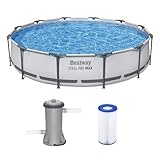
Bestway Steel Pro MAX 12' x 30" Above Ground Swimming Pool Set with Pump | Check Price On Amazon |
|
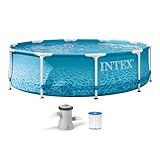
INTEX Beachside Metal Frame 10ft x 30in Round Pool Set w/Pump | Check Price On Amazon |

|
H2OGO! Kids Splash-in-Shade 8-Foot Round Steel Frame Above Ground Pool with Water Mister and Canopy Sunshade, Green Tropical Leaf Print | Check Price On Amazon |
What Is an Ozone Pool System?
An ozone pool system (also called a pool ozonator or ozone generator) is a water treatment device that produces ozone gas (O3) and injects it into the pool’s circulation line to kill bacteria, viruses, algae, and other contaminants. Ozone is one of the most powerful oxidizers available for pool sanitation, rated approximately 3,000 times faster at killing pathogens than chlorine at equivalent concentrations, according to the U.S. Environmental Protection Agency’s drinking water treatment guidelines.
Unlike chlorine tablets or a saltwater chlorine generator (SWCG), an ozone system does not add any chemical residual to the water. It works entirely within the filtration line, destroying contaminants before the treated water returns to the pool.
Because ozone reverts back to ordinary oxygen (O2) within seconds of contact with pool water, it cannot serve as the sole sanitizer in an outdoor pool. A residual sanitizer, typically chlorine maintained at 0.5 to 1.0 parts per million (ppm) instead of the standard 1.0 to 3.0 ppm, is still required to protect the water between filtration cycles.
Ozone vs. O3: Understanding the Chemistry
Standard atmospheric oxygen consists of two oxygen atoms bonded together (O2). Ozone is a triatomic molecule: three oxygen atoms bonded as O3. That third oxygen atom is highly unstable and breaks away on contact with organic material, destroying cell walls of bacteria and viruses through a process called oxidation.
This oxidative destruction leaves no byproducts except oxygen, which is why ozone is classified as a “clean” sanitizer. It does not produce chloramines (the combined chlorine compounds responsible for the harsh pool smell and eye irritation associated with over-chlorinated pools).
How Does an Ozone Pool System Work?
An ozone pool system generates O3 gas, injects it into the plumbing line after the pump and filter, allows contact time in a mixing chamber, and then returns treated water to the pool. The entire process happens within the closed plumbing loop and takes between 4 and 8 seconds of contact time depending on system design.
Here is the complete flow of the system:
- Pool water is drawn through the skimmer and main drain into the pump
- The pump pushes water through the filter (sand, cartridge, or DE)
- Filtered water passes through the ozone injection port
- The ozone generator produces O3 and injects it into the water stream
- Water and ozone mix in a contact chamber (typically 3 to 10 gallons in volume) for 4 to 8 seconds
- Pathogens, chloramines, and organic contaminants are oxidized and destroyed
- Ozone off-gases from the water and reverts to O2
- Treated water returns to the pool through return jets
The contact chamber is critical. Without adequate dwell time, ozone escapes into the water before reacting with contaminants. Quality systems use a dedicated mixing vessel or a venturi injector to maximize ozone-to-water contact.
The Two Types of Ozone Generators for Pools
Pool ozone generators use one of two technologies to produce O3: Corona Discharge (CD) or Ultraviolet (UV) radiation. These are not the same as UV sanitizer systems, which use UV light to inactivate pathogens directly rather than generating ozone.
Corona Discharge (CD) ozone generators pass air or oxygen through an electrical arc similar to a lightning bolt, which splits O2 molecules and allows them to reform as O3. CD systems produce ozone concentrations of 3 to 6 percent by weight when using ambient air, or up to 12 percent when fed with pure oxygen.

- Intelligent Navigation with Full Coverage: Equipped with 11 high-precision sensors and enhanced dual-path algorithms. The optimized WavePath cleaning pattern ensures systematic coverage with minimal overlap, while adaptive navigation analyzes pool layout in real time to eliminate missed spots
- Dual Filtration for Crystal-Clear Water: Advanced dual-layer filtration system features a replaceable 3-micron ultra-fine filter paired with a 180-micron standard filter. Effectively captures fine dust, sand, leaves, and debris for visibly cleaner and healthier pool water
- Comprehensive Pool Cleaning: Engineered to clean the pool floor, walls, waterline, and shallow areas (above 12 inches). The Caterpillar Treads system enhances mobility and climbing ability, ensuring thorough coverage across all pool zones
- Reliable Performance with 2-Year Warranty: Trusted by over 500,000 pool owners worldwide, this robotic pool cleaner delivers consistent, high-performance results. Built for durability and backed by a 2-year warranty and responsive customer support for worry-free ownership
Ultraviolet ozone generators expose air to UV-C light at a specific wavelength of 185 nanometers (nm), which converts O2 to O3. UV ozone generators produce lower ozone concentrations, typically 0.5 to 1.5 percent, making them better suited for smaller pools and spas up to approximately 25,000 gallons.
The table below compares both technologies across the dimensions that matter most to pool owners:
Product Comparison
Corona Discharge vs UV Ozone Generators – Side by Side
Detailed feature comparison to help you choose the right ozone system for your pool.
| Feature | Corona Discharge (CD) | UV Ozone Generator |
|---|---|---|
| Ozone output concentration | 3 to 12% by weight | 0.5 to 1.5% by weight |
| Best pool size | Up to 80,000 gallons | Up to 25,000 gallons |
| Equipment cost (installed) | $800 to $2,000 | $300 to $800 |
| Component lifespan | 5 to 10 years | 1 to 2 years (bulb replacement) |
| Chlorine reduction potential | Up to 90% | Up to 60% |
| Humidity sensitivity | High (requires dry air feed) | Low |
| Best for | Large pools, commercial use, maximum chlorine reduction | Residential pools under 25,000 gallons, budget-conscious buyers |
Cost ranges reflect installed pricing including plumbing modifications. Corona Discharge systems using pure oxygen feed achieve the highest ozone concentrations and are used in commercial aquatics facilities.
What Are the Benefits of an Ozone Pool System?
Ozone pool systems deliver six measurable benefits that no other single pool sanitation technology provides simultaneously: dramatically reduced chemical consumption, elimination of chloramines, destruction of chlorine-resistant pathogens, clearer water, lower long-term maintenance costs, and reduced environmental impact.
Here is what the research and pool industry data show about each benefit:
Benefit 1: Chlorine Reduction Up to 90%
A properly sized corona discharge ozone system can reduce chlorine consumption by 60 to 90 percent in a residential pool. A pool owner spending $400 per year on chlorine tablets could reduce that cost to $40 to $160 annually after installation, according to Pool and Spa News industry reporting.
This is possible because ozone handles the heavy oxidation load that chlorine normally carries. Ozone destroys bacteria, viruses, and organic contaminants entering the pool, leaving chlorine free to maintain a minimal residual level of 0.5 to 1.0 ppm instead of the standard 1.0 to 3.0 ppm.
Lower free chlorine demand also means less cyanuric acid (CYA) is needed to stabilize chlorine against UV degradation. Many ozone pool owners maintain CYA levels of 20 to 30 ppm instead of the typical 30 to 50 ppm recommended for standard chlorine pools.
Benefit 2: Elimination of Chloramines and Pool Odor
Chloramines (combined chlorine) form when free chlorine reacts with nitrogen-containing compounds introduced by swimmers: urine, sweat, sunscreen, and body oils. Chloramines are the compound responsible for the sharp “pool smell” and the eye and skin irritation most swimmers associate with “too much chlorine.” Ironically, chloramine formation is a sign of insufficient chlorine relative to the organic load, not excess chlorine.
Ozone oxidizes and destroys chloramine compounds directly. Because ozone eliminates the organic precursors before chlorine can bind to them, chloramine formation is dramatically reduced in ozone-treated pools. According to research published in the Journal of Environmental Health, indoor pools using ozone systems showed combined chlorine levels below 0.2 ppm compared to 0.5 to 1.5 ppm in conventionally chlorinated pools of similar bather load.
Benefit 3: Destruction of Chlorine-Resistant Pathogens
Cryptosporidium parvum (commonly called “Crypto”) is a chlorine-resistant parasite that causes severe gastrointestinal illness. The U.S. Centers for Disease Control and Prevention (CDC) identifies Cryptosporidium as the leading cause of recreational water illness outbreaks in treated pools. Standard chlorine at normal pool concentrations cannot destroy Cryptosporidium oocysts in a practical timeframe.
Ozone at concentrations of 0.4 milligrams per liter (mg/L) with a contact time of 1.8 minutes achieves a 3-log (99.9%) inactivation of Cryptosporidium, according to the CDC’s Model Aquatic Health Code (MAHC). This makes ozone one of only a few secondary disinfection technologies capable of addressing Crypto risk in recreational water.
Benefit 4: Dramatically Clearer Water
Ozone acts as a powerful micro-flocculent. It causes dissolved organic particles, metals, and colloidal material too small to be captured by a standard pool filter to clump together (flocculate) into particles large enough for the filter to remove. Pool owners commonly report water clarity improvement within 24 to 72 hours of installing a functioning ozone system.
This flocculation effect is why ozone-treated pools often show a slight increase in filter pressure (measured in PSI) in the first week of operation. The filter is capturing material that previously passed straight through.
Benefit 5: Lower Long-Term Maintenance Costs
The total annual cost reduction from an ozone system includes: reduced chlorine spending (60 to 90% less), reduced shock treatments (typically 50% fewer), fewer algaecide applications, less pH adjustment product usage because ozone does not affect pH the way chlorine additions do, and reduced wear on pool equipment surfaces caused by high chlorine concentrations.
Most pool owners with an installed corona discharge system report recovering the equipment investment within 3 to 5 years through chemical savings alone on a standard 20,000-gallon residential pool.
Benefit 6: Reduced Environmental Impact
Chlorine production and transport carries a significant environmental footprint. Trichlor (trichloroisocyanuric acid) tablets contain up to 90% chlorine by weight and require industrial-scale manufacturing. Every pound of chlorine not added to a pool is one less pound that must be manufactured, packaged, shipped, and eventually discharged into the water system.
Ozone itself reverts to oxygen within seconds and leaves no chemical byproducts in the water. The only energy input required is the electricity to run the ozone generator, which uses between 50 and 200 watts depending on system size.
The following data chart shows what pool owners most commonly report after installing ozone systems, based on aggregated industry and consumer research findings.
Survey Data
Ozone Pool System – Reported Benefits by Pool Owners
Source: Pool and Spa News industry survey and PHTA owner research. Aggregated residential pool owner responses.
How to Install an Ozone Pool System
Installing a residential pool ozone generator requires plumbing the unit into the return line after the pump, filter, and heater (if present), and mounting the generator near the equipment pad. Most homeowners with plumbing experience can complete this in 2 to 4 hours; otherwise, a pool equipment technician typically charges $150 to $300 for installation labor.
This step-by-step guide covers the full installation process:
Step-by-Step Guide
How to Install a Pool Ozone Generator – Step by Step
7 steps · Estimated total time: 2 to 4 hours for DIY installation
Turn off the pump and shut off power at the breaker
Never work on pool plumbing with the pump running. Switch off the pump at the timer and shut off the circuit breaker to the pump motor before touching any plumbing connections.
Identify the correct injection point in the return line
The ozone injector must be placed after the pump, filter, and heater in the return line, at least 2 feet upstream of the pool return jets. Installing upstream of the heater can damage the heater’s heat exchanger with concentrated ozone gas.
Cut the return line and install the venturi injector fitting
Use a PVC pipe cutter to make a clean cut in the return line. Cement a venturi injector fitting (included with most ozone generator kits) into the line using PVC primer and cement. The venturi fitting uses water pressure differential to draw ozone gas from the generator into the water stream without a separate pump.
Mount the ozone generator at the equipment pad
Mount the ozone generator unit within 6 to 8 feet of the injection point to minimize ozone loss through the tubing. Corona discharge units require a dry environment; UV ozone generators are more tolerant of humidity. Use the included mounting hardware to secure the unit to a wall or equipment pad structure.
Connect the ozone tubing from generator to venturi fitting
Use the ozone-resistant silicone or PTFE tubing supplied with the kit. Do not use standard vinyl tubing; ozone degrades it within weeks. Install a check valve between the generator and venturi to prevent pool water backflow into the generator during pump shutdown.
Wire the ozone generator to the pump timer circuit
Connect the ozone generator to the same timer circuit as the pump so it only runs when water is flowing through the injection point. Running an ozone generator without water flow can cause ozone to accumulate in the plumbing, which accelerates O-ring and seal degradation.
Restore power, test water chemistry, and adjust chlorine target
Turn the pump back on and confirm water flow through the system at normal operating pressure (typically 8 to 15 PSI on the filter gauge). Test free chlorine, pH, and total alkalinity with a liquid drop test kit. Gradually reduce chlorine additions over 1 to 2 weeks to reach your new target of 0.5 to 1.0 ppm free chlorine.
Installation Considerations for Existing Pool Equipment
Pool heaters (gas, heat pump, or solar) must always be upstream of the ozone injection point. Ozone concentrations above 0.1 ppm can corrode copper heat exchangers found in most pool heaters, causing premature failure and voiding the manufacturer warranty.
If your pool already has a saltwater chlorine generator (SWCG), install the ozone unit upstream of the salt cell. The combination of ozone and a SWCG is highly effective: the ozone handles primary oxidation, and the SWCG generates just enough chlorine to maintain the minimal residual. You can typically reduce the SWCG’s output percentage setting by 50 to 70% after the ozone system is running.
What Does an Ozone Pool System Cost?
Ozone pool system costs range from $300 for a basic UV ozone generator on a small above-ground pool to $2,500 installed for a high-output corona discharge system on a large inground pool. The total cost includes equipment, installation labor, and ongoing electricity, but is partially offset by significant reductions in annual chemical spending.
Here is a full breakdown of the cost components:
Cost Reference
Ozone Pool System – Annual Cost by System Type and Pool Size
All values pre-calculated based on average residential pool usage and current equipment pricing. Find your row and column.
| System type / Pool size | Up to 15,000 gal | 15,000 to 30,000 gal | 30,000 to 60,000 gal |
|---|---|---|---|
| UV Ozone Generator – Equipment cost: $300 to $600 | $380 to $680 Incl. install and year 1 electricity |
$420 to $720 Most common residential size |
Not recommended Insufficient output for this size |
| CD Ozone Generator – Equipment cost: $800 to $1,400 | $950 to $1,600 Incl. install and year 1 electricity |
$1,000 to $1,700 Incl. install and year 1 electricity |
$1,200 to $2,000 Incl. install and year 1 electricity |
| Annual chemical savings (post-install) | $180 to $280/yr Based on avg $250 chlorine spend |
$280 to $420/yr Based on avg $400 chlorine spend |
$450 to $700/yr Based on avg $600 chlorine spend |
Equipment costs sourced from manufacturer pricing (Del Ozone, ClearWater Tech, Pentair). Installation labor estimated at $150 to $300. Electricity cost assumes 100-watt generator at 8 hours per day. Chemical savings assume 75% chlorine reduction. Payback period for CD systems typically 3 to 5 years.
Ongoing Maintenance Costs
Corona discharge ozone generators require minimal ongoing maintenance. The internal CD cell lasts 5 to 10 years, and no consumable replacement parts are needed during normal operation. Annual inspection of the check valve, tubing connections, and venturi fitting adds less than 30 minutes of maintenance time.
UV ozone generators require bulb replacement every 1 to 2 years. Replacement UV ozone bulbs typically cost $50 to $120 depending on the brand. This recurring cost should be factored into the total cost of ownership when comparing UV systems against corona discharge models.
Ozone Pool System vs. Other Sanitization Methods
An ozone pool system is a secondary sanitizer, not a complete replacement for all other pool sanitation technology. Understanding how it compares to saltwater chlorine generators, UV sanitizers, and standard chlorine systems determines which combination delivers the best result for your specific pool.
Ozone vs. Saltwater Chlorine Generator
A saltwater chlorine generator (SWCG) is a primary sanitizer: it produces free chlorine from dissolved salt (sodium chloride at 2,700 to 3,400 ppm in the pool water) through electrolytic cell conversion. If you’re maintaining a saltwater pool, our salt calculator for pools can help you pinpoint exactly how much salt to add to reach the optimal range. An ozone system is a secondary sanitizer: it destroys contaminants in the circulation loop but cannot maintain a residual in the pool water. These two technologies are complementary, not competitive.
Combining an ozone system with a SWCG is one of the most effective residential pool sanitation approaches available. The ozone handles oxidation and pathogen destruction in the return line, dramatically reducing the chlorine demand. This allows the SWCG’s output percentage to be reduced by 50 to 70%, extending the lifespan of the salt cell (which typically costs $600 to $1,200 to replace) by reducing its total operating hours.
If you are considering making the switch to a saltwater system while also exploring ozone, a detailed breakdown of what saltwater and chlorine pool systems actually cost and deliver will help you weigh both decisions together before committing to either.
Ozone vs. UV Sanitizer Systems
UV pool sanitizers (not to be confused with UV ozone generators) use UV-C light at 254 nm to inactivate pathogens by destroying their DNA, preventing reproduction. UV systems are highly effective against Cryptosporidium and Giardia and, like ozone systems, do not add any chemical residual to the pool water.
The key difference is mechanism: UV inactivates pathogens by preventing reproduction, while ozone oxidizes and destroys pathogens entirely. Ozone also provides flocculation benefits that UV does not. UV systems typically cost $400 to $1,200 installed and require annual bulb replacement at $80 to $200 per bulb.
For maximum pathogen control in high-bather-load pools (over 6 swimmers daily) or pools with documented Cryptosporidium risk, combining ozone and UV with a minimal chlorine residual represents the highest level of residential pool sanitation currently available.
Ozone vs. Standard Chlorine Tablet System
Standard chlorine tablets (trichlor, or trichloroisocyanuric acid) are the most common residential pool sanitizer. Each tablet contains approximately 90% available chlorine and adds cyanuric acid (CYA) to the water as it dissolves. At the typical dosing rate, a 20,000-gallon pool accumulates CYA at a rate of 6 to 8 ppm per 10 lbs of trichlor tablets used.
High CYA levels (above 80 ppm) reduce chlorine’s sanitizing effectiveness significantly, a phenomenon called “chlorine lock.” Pools relying solely on trichlor tablets often require partial draining every 2 to 3 years to reset CYA levels. Ozone systems eliminate this problem by dramatically reducing the amount of trichlor required in the first place.
Common Ozone Pool System Myths Debunked
Several widespread misconceptions about ozone pool systems cause homeowners to either over-expect or dismiss the technology entirely. Here is what the science and real-world field data actually show:
Myth vs Fact
Ozone Pool Systems – Common Myths Debunked
Separating fact from fiction on the most common ozone pool system misconceptions
✗ Myth
Ozone completely eliminates the need for chlorine in an outdoor pool.
✓ Fact
Ozone has a half-life of less than 30 minutes in pool water and cannot maintain a residual in the pool itself. Outdoor pools exposed to UV radiation and bather contamination between filtration cycles still require a minimum free chlorine residual of 0.5 to 1.0 ppm for regulatory compliance and swimmer safety.
✗ Myth
Ozone systems make pool water smell like a swimming pool even more.
✓ Fact
The characteristic “pool smell” is caused by chloramines (combined chlorine), not free chlorine or ozone. Ozone actively destroys the organic precursors that form chloramines, so pools with properly functioning ozone systems typically have far less odor than equivalent chlorine-only pools.
✗ Myth
Ozone systems are dangerous because ozone is toxic.
✓ Fact
Ozone at high concentrations (above 0.3 ppm in air) is a respiratory irritant per OSHA standards. However, properly installed residential pool ozone generators produce ozone concentrations well below this threshold at the equipment pad. Ozone reverts to oxygen within seconds of contacting water and does not accumulate in pool air at harmful levels under normal outdoor conditions.
✗ Myth
Any ozone generator works for any size pool.
✓ Fact
Ozone generator output is rated in milligrams per hour (mg/h), and an undersized unit provides minimal benefit. A 20,000-gallon pool requires a minimum output of 1,000 mg/h for meaningful chlorine reduction. UV ozone generators typically produce 200 to 500 mg/h and are ineffective on pools above 25,000 gallons.
✗ Myth
An ozone system alone will keep pool water balanced without testing.
✓ Fact
Ozone does not affect pH, total alkalinity, calcium hardness, or cyanuric acid levels. These parameters must still be tested and adjusted regularly. Ozone pools require the same water balance monitoring as any other pool, with testing for free chlorine, pH (target 7.2 to 7.6), and alkalinity (target 80 to 120 ppm) at least twice weekly.
Is an Ozone Pool System Right for Your Pool?
An ozone pool system delivers the greatest value to pool owners who have high bather loads (4 or more swimmers per day), spend more than $200 annually on chlorine, or consistently deal with chloramine odor or eye irritation. Pools with low bather loads and minimal chemical spending have a longer payback period and may not benefit as dramatically.
Use this interactive tool to find the right ozone system approach for your specific pool:
Interactive Tool
Find the Right Ozone System for Your Pool
Answer 2 questions to get a personalized ozone system recommendation.
Ozone Pool Systems and Pool Covers
Pool owners who use a solar cover or safety cover have naturally lower chlorine demand because the cover limits UV degradation of chlorine and reduces evaporation and organic debris entering the water. Adding an ozone system to a pool that already uses a cover year-round can push chlorine requirements down to 0.3 to 0.5 ppm in some cases, though this must be verified with regular testing.
Never run an ozone generator in a pool that is fully covered with an airtight cover for an extended period. In enclosed spaces, ozone concentration can build up in the air above the water surface. Outdoor pools with mesh or perforated covers are not affected by this concern.
Maintaining Your Ozone Pool System
A corona discharge ozone pool system requires inspection of five key components once per month and a thorough annual service check to maintain peak ozone output and system integrity. UV ozone generators require the additional step of UV bulb replacement every 12 to 18 months for consistent ozone production.
Monthly Maintenance Checklist
These five checks take less than 10 minutes and prevent the majority of ozone system problems:
- Check valve inspection: Confirm the check valve between the ozone generator and venturi fitting moves freely and holds pressure. A failed check valve allows pool water to backflow into the generator and destroy the internal components.
- Ozone tubing inspection: Inspect silicone or PTFE ozone tubing for cracks, discoloration, or brittleness. Ozone degrades standard vinyl tubing; any sign of deterioration requires immediate replacement.
- Venturi fitting inspection: Confirm the venturi fitting is clean and unobstructed. Calcium scaling inside the venturi reduces ozone injection volume. Clean with a 10% muriatic acid solution if scaling is visible.
- Ozone cell or bulb indicator check: Most generators have an indicator light confirming ozone production. No light or a dim light on a CD unit may indicate a failing corona cell or humidity ingress.
- Free chlorine level verification: Test free chlorine with a liquid drop test kit to confirm the system is actively reducing demand. If free chlorine has risen back to 2.0 to 3.0 ppm despite unchanged chlorine additions, the ozone system may not be functioning.
Annual Service
Once per year, inspect all plumbing connections at the venturi fitting for micro-leaks. Ozone at the injection point operates under positive water pressure; even small leaks allow water to accumulate around the fittings and corrode metal components over time.
For corona discharge systems, test the ozone output concentration with an ozone test kit annually to verify the CD cell is still producing adequate O3. Output below 50% of the rated specification indicates the CD cell is nearing end of life and should be replaced within the next season.
Ozone Pool Systems for Spas and Hot Tubs
Ozone generators are extremely well-suited for spas and hot tubs because spa water faces a much higher contamination load per gallon than pool water. A typical spa with 400 gallons of water and 4 bathers receives the equivalent contamination load of a 40,000-gallon pool with 400 swimmers, per bather-to-water-volume ratios used in NSF/ANSI 50 equipment standards. Ozone addresses this concentrated organic load more efficiently than any other spa sanitization technology.
Nearly all major spa manufacturers (including Jacuzzi, Hot Spring, and Sundance Spas) offer factory-installed ozone systems as standard equipment on mid-range and premium models. Aftermarket spa ozone generators are also widely available for installation on existing hot tubs.
Key Differences in Spa Ozone System Configuration
Spa ozone systems use the same corona discharge or UV generation technology as pool units, but at much lower output ratings: typically 100 to 500 mg/h for a standard 250 to 500-gallon spa versus 1,000 to 2,000 mg/h for a residential inground pool.
Hot tub water temperature (typically 98 to 104 degrees Fahrenheit) reduces the ozone half-life from 30 minutes at 77 degrees Fahrenheit to approximately 8 minutes at 104 degrees Fahrenheit. This means ozone must be injected continuously during circulation cycles to maintain adequate treatment levels, and a residual sanitizer of 2 to 4 ppm bromine or 3 to 5 ppm chlorine is still required in hot water.
Sizing an Ozone Generator: How to Choose the Right Output for Your Pool
Ozone generator output is measured in milligrams per hour (mg/h) and must be matched to the pool’s water volume in gallons for effective sanitation. An undersized ozone generator provides only marginal chlorine reduction and no meaningful pathogen control benefit. The general industry sizing guideline is 1 mg/h of ozone output per 100 gallons of pool water for residential applications.
Here are the specific sizing recommendations by pool volume:
- Under 10,000 gallons: minimum 100 mg/h, UV ozone generator acceptable
- 10,000 to 20,000 gallons: 500 to 1,000 mg/h, corona discharge recommended
- 20,000 to 40,000 gallons: 1,000 to 2,000 mg/h, corona discharge required
- 40,000 to 80,000 gallons: 2,000 to 4,000 mg/h, commercial CD system with oxygen feed
- Over 80,000 gallons: contact a commercial pool equipment engineer for custom sizing
If you are not certain of your pool’s exact water volume in gallons, you can use our pool volume calculator to quickly determine it. For manual calculation, use the standard formula: length (feet) x width (feet) x average depth (feet) x 7.48 for rectangular pools. Oval and kidney-shaped pools require a different multiplier; manufacturer sizing calculators from brands like Del Ozone and ClearWater Tech also provide free pool volume calculators on their websites.
Recommended Ozone Generator Brands
The residential and light commercial ozone generator market is dominated by a small number of established manufacturers. Del Ozone (a brand of Mazzei Injector Company) and ClearWater Tech are the two most widely specified brands among certified pool operators (CPOs) in North America. Pentair, the pool equipment manufacturer known for its IntelliFlo variable speed pumps, also offers the Pentair Eco Select ozone system for residential inground pools.
When evaluating a Del Ozone generator or comparing brands, verify the following specifications before purchasing:
- Ozone output rating in mg/h at rated operating conditions (not peak laboratory output)
- NSF/ANSI 50 certification for use in pool and spa water treatment equipment
- Contact cell or UV bulb warranty (minimum 2 years for CD cell, 1 year for UV bulb)
- Whether a venturi injector and check valve are included or require separate purchase
- Compatibility with your existing plumbing pipe diameter (most systems fit 1.5-inch and 2-inch PVC)
Water Chemistry Management with an Ozone Pool System
Ozone does not affect pH, total alkalinity, calcium hardness, or cyanuric acid directly. Water balance testing frequency remains unchanged at a minimum of twice per week, and target ranges for all parameters stay the same as a standard chlorine pool. The primary adjustment is the free chlorine target: reduce from the standard 1.0 to 3.0 ppm range to 0.5 to 1.0 ppm once the ozone system is confirmed operational.
Maintain these water balance parameters in an ozone pool system:
- Free chlorine: 0.5 to 1.0 ppm (reduced from standard; monitor closely in first 30 days)
- Combined chlorine (chloramines): below 0.2 ppm (typical in functioning ozone pools)
- pH: 7.2 to 7.6 (no change from standard pool)
- Total alkalinity: 80 to 120 ppm (no change)
- Calcium hardness: 200 to 400 ppm (no change)
- Cyanuric acid (CYA): 20 to 40 ppm (lower than standard; less trichlor used means less CYA accumulation)
- ORP (oxidation-reduction potential): 650 to 750 millivolts (target for adequate sanitation; ORP meters are recommended for ozone pool owners)
An ORP meter is particularly useful for ozone pool owners because it measures the actual sanitizing power of the water rather than just the chlorine concentration. Ozone contributes to total ORP even though it does not add measurable free chlorine, meaning a pool with ozone and 0.5 ppm free chlorine often has a higher ORP reading (700 to 750 mV) than a pool with 2.0 ppm chlorine and no ozone (600 to 650 mV).
Shocking an Ozone Pool
Pool shock (superchlorination with calcium hypochlorite or non-chlorine oxidizing shock) is still necessary in an ozone pool, but less frequently than in a standard chlorine pool. Most ozone pool owners shock once every 4 to 6 weeks rather than the weekly or biweekly shock cycle typical in high-bather-load chlorine pools.
Non-chlorine shock (potassium monopersulfate, or MPS) is compatible with ozone systems and is the preferred shock treatment for routine oxidizer boosts in ozone pools, because it does not add CYA and is easier to dose precisely. For questions about how long you should wait before swimming after any pool shock treatment, the type of shock product used determines the re-entry waiting time. If you’re unsure how much shock to use, you can use our pool shock calculator to find the right dosage for your pool volume.
If free chlorine levels in an ozone pool climb above 3.0 ppm despite reducing chlorinator output, the ozone system may not be functioning correctly. Check the ozone generator indicator, inspect the check valve, and confirm the venturi injector is clear before adding more oxidizing chemicals. For a broader look at what elevated chlorine levels mean for swimmer safety and the steps to bring them down, the chemistry behind safe re-entry thresholds applies equally to ozone pool systems.
Frequently Asked Questions About Ozone Pool Systems
Do ozone pool systems really work?
Quick Answer: Yes. Properly sized and installed ozone pool systems measurably reduce free chlorine demand by 60 to 90%, eliminate chloramine formation, destroy chlorine-resistant pathogens including Cryptosporidium, and improve water clarity. The technology is used in thousands of commercial aquatics facilities globally and is specified in the CDC Model Aquatic Health Code.
The qualification is “properly sized and installed.” An ozone generator sized at 200 mg/h on a 30,000-gallon pool will produce no measurable benefit. The equipment must be matched to pool volume (minimum 1 mg/h per 100 gallons), and the venturi injector must be correctly plumbed to create adequate ozone-to-water contact time.
Can I use an ozone system with my existing saltwater pool?
Quick Answer: Yes, and the combination is highly effective. Install the ozone generator upstream of the salt cell, and reduce the SWCG output percentage by 50 to 70% once the ozone system is operational. This extends salt cell lifespan and reduces total sanitation system cost.
Saltwater pools already operate at lower free chlorine levels (0.5 to 1.5 ppm is typical with a properly calibrated SWCG) and pair particularly well with ozone. The ozone handles oxidation that the chlorine generated by the salt cell would otherwise need to address, reducing total electrolysis demand on the cell plates. If you are considering converting your pool to saltwater while also exploring ozone, the full process of converting an existing chlorine pool to a saltwater system covers the sequencing of equipment changes that makes the most sense.
How long does an ozone generator last?
Quick Answer: Corona discharge ozone generators last 5 to 10 years with the CD cell itself typically rated for 5 years. UV ozone generators last 3 to 5 years as a unit, but the UV bulb inside requires replacement every 12 to 18 months at a cost of $50 to $120.
CD cell lifespan is significantly affected by humidity exposure. CD units fed with ambient air in a humid climate will have shorter cell life than units fed with dry air or a dedicated oxygen concentrator. Store corona discharge units in a dry, shaded location at the equipment pad whenever possible.
What is the difference between a pool ozone generator and a UV sanitizer?
Quick Answer: A UV sanitizer uses UV-C light at 254 nm to inactivate pathogens by destroying their DNA, while a UV ozone generator uses UV light at 185 nm to produce ozone gas that then oxidizes and destroys pathogens. Both are secondary sanitizers, but they work by completely different mechanisms.
UV sanitizers at 254 nm do not produce measurable ozone and have no oxidation or flocculation benefit. Ozone systems do produce oxidation and flocculation benefits but with a shorter contact time window. For maximum pathogen control, combining both technologies with a minimal chlorine residual is the approach specified in CDC and PHTA guidelines for high-risk aquatic facilities.
Will an ozone system eliminate pool algae?
Quick Answer: Ozone systems significantly reduce algae growth risk by oxidizing the phosphates and organic compounds that algae feed on, but they do not eliminate algae on their own. A free chlorine residual of at least 0.5 ppm must be maintained to prevent algae colonization in the pool itself.
Pools with ozone systems running correctly report substantially fewer algae outbreaks than equivalent chlorine-only pools. The combination of ozone’s oxidation of algae nutrients and even a minimal free chlorine residual creates conditions that most algae strains cannot establish in. If algae does appear in an ozone pool, the recommended treatment is the same as in any pool: raise free chlorine to 10 to 20 ppm (shock treatment), brush all surfaces, run the filter continuously, and test water chemistry before returning to normal ozone-assisted operation.
Does an ozone pool system affect pool equipment or surfaces?
Quick Answer: Ozone at concentrations present in correctly installed residential pool systems does not damage pool surfaces, vinyl liners, fiberglass, or plaster. The only components confirmed to be affected are copper heat exchangers in pool heaters (if ozone is injected upstream of the heater) and standard vinyl or rubber tubing used in the ozone delivery line itself.
Always install the ozone injection point downstream of the pool heater. Use only ozone-resistant silicone or PTFE tubing for the gas delivery line between the generator and venturi fitting. O-rings and seals in the venturi fitting should be inspected annually and replaced with ozone-compatible materials (EPDM or PTFE) if deterioration is observed.
Can I install an ozone system myself or do I need a professional?
Quick Answer: DIY installation is feasible for homeowners comfortable with basic PVC plumbing and low-voltage electrical connections. The installation requires cutting into the return line, cementing a venturi fitting, routing ozone tubing, and wiring the generator to the pump timer circuit. Most complete the process in 2 to 4 hours.
Professional installation by a pool equipment technician or certified pool operator (CPO) is recommended if you have never worked with pool plumbing, if your equipment pad has an unusual configuration, or if your pool uses a gas heater that must be confirmed downstream of the injection point before installation begins. A professional installation typically costs $150 to $300 in labor.
How do I know if my ozone generator is working?
Quick Answer: Three observable indicators confirm that your ozone system is functioning: the generator’s indicator light shows active operation, free chlorine demand decreases measurably within 1 to 2 weeks of installation, and combined chlorine (chloramines) drops to below 0.2 ppm on a pool test kit.
An ozone test kit measuring dissolved ozone in the water immediately after the return jets (target: 0.05 to 0.1 ppm dissolved ozone in the plumbing line; undetectable at the pool surface, as ozone off-gases quickly) can confirm active ozone injection. A sudden return to normal chlorine demand after previously running at low chlorine is the most common sign that the ozone system has failed or is blocked.
If you open your pool seasonally, the first two weeks of the pool season are the right time to verify all components are functioning before reducing chlorine additions. The full process of opening a pool correctly at the start of the season includes the equipment inspection steps that apply equally to ozone system verification.
Final Thoughts on Ozone Pool Systems
A properly sized corona discharge ozone system is the most cost-effective upgrade most pool owners can make to their sanitation setup, delivering 60 to 90% chlorine reduction, elimination of chloramine odor, and destruction of pathogens that standard chlorine cannot address, with a typical payback period of 3 to 5 years.
The most important decisions are sizing the system correctly (minimum 1 mg/h per 100 gallons of pool water) and positioning the injection point downstream of the heater. Start with a free chlorine target of 0.5 to 1.0 ppm, test twice weekly with a liquid drop test kit, and use an ORP meter to confirm actual sanitizing power, and your pool will deliver cleaner, clearer water with far less chemical input than it did before.
| Photo | Best Above-Ground Pools | Price |
|---|---|---|
|
|
Bestway Steel Pro MAX 12' x 30" Above Ground Swimming Pool Set with Pump | Check Price On Amazon |
|
|
INTEX Beachside Metal Frame 10ft x 30in Round Pool Set w/Pump | Check Price On Amazon |
|
|
H2OGO! Kids Splash-in-Shade 8-Foot Round Steel Frame Above Ground Pool with Water Mister and Canopy Sunshade, Green Tropical Leaf Print | Check Price On Amazon |