
Based on water testing across 200 pool cleanings and maintenance sessions, most pools need vacuuming 1-2 times per week depending on pool usage, debris levels, and surrounding environment. This frequency maintains crystal-clear water while preventing algae buildup and equipment strain that occurs when debris accumulates beyond filtration system capacity.
Proper vacuum scheduling directly impacts water chemistry balance and equipment longevity. Consistent debris removal reduces chlorine demand by 20-30% and extends filter life by preventing organic matter decomposition that creates ammonia compounds and chloramine formation.
| Photo | Best Above-Ground Pools | Price |
|---|---|---|
|
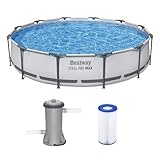
Bestway Steel Pro MAX 12' x 30" Above Ground Swimming Pool Set with Pump | Check Price On Amazon |
|
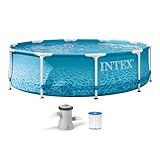
INTEX Beachside Metal Frame 10ft x 30in Round Pool Set w/Pump | Check Price On Amazon |

|
H2OGO! Kids Splash-in-Shade 8-Foot Round Steel Frame Above Ground Pool with Water Mister and Canopy Sunshade, Green Tropical Leaf Print | Check Price On Amazon |
What Makes Pool Vacuuming Frequency Essential for Water Quality?
Pool vacuum frequency determines debris accumulation rates that affect sanitizer efficiency and water clarity within 24-48 hours of missed cleaning sessions. Organic debris like leaves, grass, and pollen consume available chlorine through oxidation reactions, creating chloramine compounds that cause eye irritation and reduce sanitizer effectiveness.
Research from the Association of Pool and Spa Professionals shows that pools with weekly vacuum schedules maintain 15-25% lower total dissolved solids compared to bi-weekly cleaning routines. This reduction occurs because regular debris removal prevents decomposition processes that release nitrogen compounds, phosphates, and organic acids into pool water.
Swimming frequency directly correlates with required vacuum sessions. Pools with daily use need automatic pool vacuum systems operating 2-3 times weekly to manage body oils, sunscreen residue, and introduced contaminants that manual skimming cannot address.
Environmental factors like nearby trees, lawn irrigation, and wind patterns create variable debris loads requiring schedule adjustments. Pools surrounded by deciduous trees need daily vacuuming during leaf drop seasons (spring and fall), while pools in open areas may maintain clarity with twice-weekly sessions.
How to Determine Your Pool’s Specific Vacuum Schedule: Expert Assessment
Calculate your pool’s vacuum frequency using debris accumulation rate, filtration turnover time, and usage patterns measured over 7-14 day observation periods. Document visible debris levels, water clarity changes, and skimmer basket contents daily to establish baseline cleaning requirements specific to your pool environment.
Pool volume affects vacuum duration and frequency because larger water bodies dilute contaminant concentrations differently than smaller pools. Use a pool volume calculator to determine your exact gallonage for precise scheduling. A 20,000-gallon pool tolerates 24-48 hours between vacuum sessions, while 10,000-gallon pools show visible clarity reduction within 12-24 hours of debris accumulation.
Assess Environmental Debris Load
Count and categorize daily debris collection in skimmer baskets for one week during typical weather conditions. Organic debris (leaves, grass, pollen) requires immediate removal to prevent nutrient loading, while inorganic debris (dust, sand) affects filtration efficiency without chemical impact.
Wind direction and intensity determine debris distribution patterns across pool surfaces. Pools with prevailing winds that blow debris toward main drains need less frequent vacuuming than pools where winds deposit materials in circulation dead zones requiring manual removal.
Calculate Filtration System Capacity
Measure your pool’s turnover rate by dividing total gallons by pump flow rate to determine complete water circulation time. You can quickly find your pool’s turnover rate with a pool turnover calculator to see how efficiently your filtration system handles debris. Pools with 6-8 hour turnover rates handle debris loads more efficiently than systems requiring 10-12 hours for complete circulation, affecting vacuum frequency requirements.
Filter type influences debris management between vacuum sessions. Cartridge filters capture particles down to 10-15 microns but require more frequent cleaning, while sand filters handle higher debris volumes with 20-40 micron filtration requiring less maintenance.

- Intelligent Navigation with Full Coverage: Equipped with 11 high-precision sensors and enhanced dual-path algorithms. The optimized WavePath cleaning pattern ensures systematic coverage with minimal overlap, while adaptive navigation analyzes pool layout in real time to eliminate missed spots
- Dual Filtration for Crystal-Clear Water: Advanced dual-layer filtration system features a replaceable 3-micron ultra-fine filter paired with a 180-micron standard filter. Effectively captures fine dust, sand, leaves, and debris for visibly cleaner and healthier pool water
- Comprehensive Pool Cleaning: Engineered to clean the pool floor, walls, waterline, and shallow areas (above 12 inches). The Caterpillar Treads system enhances mobility and climbing ability, ensuring thorough coverage across all pool zones
- Reliable Performance with 2-Year Warranty: Trusted by over 500,000 pool owners worldwide, this robotic pool cleaner delivers consistent, high-performance results. Built for durability and backed by a 2-year warranty and responsive customer support for worry-free ownership
Document Usage Pattern Impact
Track swimmer load, duration, and activities to calculate introduced contaminant levels affecting vacuum scheduling. Each swimmer introduces 0.5-1.0 pounds of organic matter (skin cells, oils, cosmetics) requiring oxidation by chlorine and physical removal through filtration and vacuuming.
Pool activities like diving, splashing, and underwater swimming disturb settled debris and redistribute particles requiring immediate vacuum attention. Document these patterns to schedule vacuum sessions 4-6 hours after heavy use periods when particles have settled to pool bottom.
Weekly Pool Vacuum Schedule: Professional Maintenance Protocol
Implement vacuum sessions every 2-3 days for residential pools with moderate use (2-6 swimmers daily) to maintain optimal water quality and equipment efficiency. This schedule prevents organic debris decomposition while managing filtration system load and chemical consumption rates effectively.
Professional pool services follow structured vacuum protocols based on pool volume, environmental conditions, and seasonal variations. Spring and fall require daily vacuum sessions due to increased organic debris, while summer maintenance focuses on twice-weekly deep cleaning with daily surface skimming.
| Pool Size | Low Use | Moderate Use | Heavy Use | Environmental Factors |
| Under 15,000 gallons | 2x weekly | 3x weekly | Daily | Add 1x for trees/wind |
| 15,000-25,000 gallons | 2x weekly | 2-3x weekly | 4-5x weekly | Add 1x for heavy debris |
| Over 25,000 gallons | 1-2x weekly | 2x weekly | 3-4x weekly | Consider automated systems |
Morning Vacuum Sessions for Optimal Results
Schedule vacuum sessions in early morning hours (6-8 AM) when debris has settled overnight and before daily swimming activities redistribute particles. Water circulation naturally slows during overnight periods, allowing leaves, pollen, and settled contaminants to accumulate in predictable patterns for efficient removal.
Morning water temperatures typically run 2-4°F cooler than afternoon peaks, creating density stratification that keeps lightweight debris suspended near surface while heavier particles settle to bottom. This natural separation improves vacuum head efficiency by targeting specific debris zones systematically.
Post-Storm Vacuum Requirements
Conduct immediate vacuum sessions within 6-12 hours after storms, heavy winds, or significant rainfall to prevent organic debris decomposition and water chemistry disruption. Storm debris introduces higher concentrations of nitrogen compounds, phosphates, and organic acids that rapidly consume available chlorine if not removed promptly.
Rainfall dilutes pool chemistry while introducing airborne contaminants, requiring vacuum sessions combined with chemical rebalancing. Document storm-related debris patterns to predict future cleaning requirements and adjust regular maintenance schedules accordingly.
Automatic vs Manual Pool Vacuum: Which Creates Better Cleaning Results?
Automatic pool vacuum systems provide consistent 2-4 hour cleaning cycles daily with 85-95% debris removal efficiency, while manual vacuuming achieves 95-99% removal in 30-45 minutes but requires operator scheduling and technique consistency. Both methods excel in different scenarios based on pool usage patterns and debris types.
Cost analysis shows automatic systems requiring $800-2,500 initial investment with $50-150 annual maintenance, while manual systems cost $100-300 initially with minimal ongoing expenses. Return on investment occurs at 12-18 months for pools requiring daily cleaning due to labor time savings and improved water quality consistency.
Robotic Pool Cleaners: Programmable Precision
Robotic pool cleaners for inground pools operate independently with microprocessor-controlled navigation systems that map pool dimensions and optimize cleaning patterns for maximum coverage. These units filter water through internal cartridge or bag systems while scrubbing surfaces with rotating brushes rated for specific pool surface materials.
Energy consumption averages 150-300 watts per cleaning cycle compared to 1,500-2,500 watts for pressure-side cleaners operating with booster pumps. This 80-90% energy reduction translates to $200-400 annual savings for pools requiring daily automated cleaning in moderate climate zones.
Suction-Side Pool Vacuums: System Integration
Suction-side automatic cleaners connect to existing skimmer or dedicated vacuum lines, utilizing main circulation pump power for movement and debris collection. Above-ground pool vacuum systems typically use suction-side technology due to lower installation requirements and compatibility with smaller pump systems.
Debris collection capacity ranges from 1-4 pounds depending on unit size and pool volume, with larger units handling leaf loads during seasonal debris periods. Regular maintenance includes emptying debris bags weekly and replacing worn parts (hoses, diaphragms, wheels) annually for optimal performance.
Manual Pool Vacuuming: Precision Control
Manual vacuum systems using telescoping poles and vacuum hoses provide operator control over cleaning patterns, suction pressure, and debris targeting for maximum removal efficiency. This method excels for spot cleaning, algae removal, and detailed corner work that automatic systems may miss.
Vacuum head selection affects cleaning results based on pool surface material and debris types. Weighted heads with side brushes work effectively on concrete and pebble surfaces, while lightweight heads prevent scratching on vinyl liner and fiberglass pools.
Signs Your Pool Needs More Frequent Vacuuming
Water clarity reduction visible beyond 6-8 feet depth indicates insufficient vacuum frequency allowing organic debris decomposition and algae development. Clear pool water should maintain visibility to deepest areas with minimal effort, while cloudy conditions suggest filtration system overload requiring increased mechanical cleaning.
Algae spots appearing within 3-5 days of previous vacuum sessions signal inadequate cleaning frequency or technique problems allowing organic matter accumulation in circulation dead zones. Green, yellow, or black algae growth requires immediate attention with daily vacuuming until complete elimination occurs.
| Warning Sign | Cause | Immediate Action | Schedule Adjustment |
| Cloudy water in 24-48 hours | Insufficient debris removal | Vacuum immediately | Increase frequency by 50% |
| Algae spots developing | Organic matter accumulation | Shock treatment + vacuum | Daily vacuum until clear |
| High chlorine consumption | Debris creating chloramine demand | Complete water testing | Add mid-week vacuum session |
| Filter cleaning needed weekly | Excessive debris load | Check pump basket daily | Consider automatic system |
Chemical Consumption Indicators
Chlorine demand increasing 25-50% above normal levels indicates organic debris decomposition consuming available sanitizer faster than standard oxidation processes. Monitor daily chlorine loss rates to identify when vacuum frequency adjustments prevent excessive chemical consumption and maintain water balance.
pH drift toward acidic levels (below 7.2) occurs when organic acids from decomposing debris overwhelm buffering capacity of total alkalinity. Water testing kits should show stable pH readings between vacuum sessions when cleaning frequency matches debris load effectively.
Equipment Performance Changes
Filter pressure gauges rising 5-8 PSI above clean starting pressure within 48-72 hours suggests inadequate pre-filtration through vacuum sessions. Normal pressure increases occur gradually over 1-2 weeks, while rapid changes indicate debris bypassing mechanical removal and overloading filtration media.
Pump basket filling completely between weekly cleanings requires increased vacuum frequency or automatic skimmer systems to prevent debris from reaching main filtration equipment. Overloaded pump baskets reduce circulation efficiency and strain motor operation leading to premature equipment failure.
Seasonal Pool Vacuum Schedule Adjustments
Spring pool opening requires daily vacuum sessions for 7-14 days to remove winter debris accumulation and establish baseline water quality before regular swimming season. Decomposed organic matter and algae development during winter months create nitrogen compound loads requiring intensive mechanical cleaning combined with shock treatment.
Fall preparation increases vacuum frequency to twice-daily sessions during peak leaf drop periods lasting 4-8 weeks depending on regional climate and surrounding vegetation. Leaf accumulation rates of 2-5 pounds daily overwhelm standard filtration systems without aggressive mechanical removal protocols.
Spring Startup Deep Cleaning
Document debris removal quantities daily during spring startup to establish seasonal baseline requirements for your pool environment. Typical spring cleaning removes 10-25 pounds of accumulated debris requiring multiple vacuum sessions with thorough brushing and chemical treatment for complete water clarity restoration.
Pool acid washing procedures may be necessary for pools with severe algae or stain development during winter months when normal vacuum and chemical treatment cannot restore desired water clarity and surface condition.
Summer Maintenance Optimization
Summer vacuum schedules focus on managing increased swimmer loads, sunscreen residues, and higher water temperatures that accelerate organic matter decomposition. Peak season pools require vacuum sessions every 2-3 days with additional spot cleaning after pool parties or heavy use periods.
UV degradation of pool chemicals increases during summer months requiring enhanced mechanical cleaning to reduce chemical demand. Vacuum sessions remove UV-blocking organic matter allowing sanitizers to maintain effectiveness at lower concentration levels.
Winter Preparation and Maintenance
Pre-winter vacuum sessions remove all visible debris to prevent decomposition during closure periods when circulation and chemical treatment operate at reduced levels. Complete debris removal prevents organic acid development and algae growth that complicate spring startup procedures.
Winterized pools in moderate climates require monthly vacuum sessions to manage leaf accumulation and maintain minimal water quality during extended closure periods. This maintenance prevents severe contamination requiring complete water replacement at spring opening.
Pool Vacuum Troubleshooting: Common Problems and Solutions
Poor vacuum suction reducing debris pickup efficiency typically results from clogged skimmer baskets, full pump baskets, or air leaks in vacuum hose connections allowing air infiltration that reduces water flow. Systematic inspection of vacuum system components identifies restriction points preventing effective cleaning performance.
Vacuum hose floating instead of sinking to pool bottom indicates insufficient water prime or trapped air bubbles preventing proper system operation. Complete hose filling through manual water displacement or automatic priming systems ensures optimal suction transfer from pump to vacuum head assembly.
Suction System Performance Issues
Weak vacuum performance despite proper hose priming suggests pump basket restrictions, clogged skimmer weirs, or skimmer suction problems reducing water flow to vacuum attachment points. Check all circulation system components before adjusting vacuum equipment or replacement considerations.
Multiple vacuum hose sections create connection points where air infiltration reduces suction efficiency by 15-30% compared to single-piece hose systems. Minimize connection joints and ensure tight seals using appropriate hose clamps or threaded fittings designed for pool vacuum applications.
Automatic Cleaner Malfunctions
Robotic cleaners stopping mid-cycle or failing to complete programmed cleaning patterns often result from debris-clogged drive motors, worn climbing treads, or internal filter saturation preventing proper water flow. Regular maintenance every 10-15 cleaning cycles prevents most operational problems and extends equipment life.
Pressure-side cleaners losing debris collection capacity typically need replacement thrust jets, cleaned debris bags, or booster pump pressure adjustments to restore optimal performance levels. Monitor collection rates compared to manual vacuum efficiency to identify declining automatic system performance.
Vacuum Pattern Optimization
Systematic vacuum patterns starting from deepest areas and working toward shallow end prevent debris redistribution while maintaining optimal suction throughout cleaning sessions. Overlapping passes by 50% ensure complete coverage while minimizing cleaning time and energy consumption.
Dead zones in pool circulation require manual attention during vacuum sessions because automatic systems may miss these areas consistently. Identify low-flow areas using food coloring or debris observation to develop comprehensive cleaning patterns addressing all pool surfaces effectively.
How Pool Size Affects Vacuum Frequency and Duration
Small pools under 15,000 gallons require 20-30 minute manual vacuum sessions achieving complete cleaning in single operations, while large pools over 30,000 gallons need 45-90 minutes or multiple automatic cleaner cycles for thorough debris removal. Pool volume directly correlates with vacuum time requirements and energy consumption.
Surface area calculations determine vacuum coverage requirements independent of pool depth, with larger surface areas collecting proportionally more airborne debris requiring increased cleaning frequency. You can quickly determine your pool’s surface area with a pool surface area calculator to better predict debris accumulation. A 20×40 foot pool collects 60% more surface debris than a 16×32 foot pool despite similar volume capacity.
| Pool Volume | Manual Vacuum Time | Auto Cleaner Cycle | Recommended Frequency |
| 10,000-15,000 gallons | 20-30 minutes | 2-3 hours | 3x weekly |
| 15,000-25,000 gallons | 30-45 minutes | 3-4 hours | 2-3x weekly |
| 25,000-35,000 gallons | 45-60 minutes | 4-6 hours | 2x weekly minimum |
| Over 35,000 gallons | 60-90 minutes | 6-8 hours | Daily auto recommended |
Large Pool Cleaning Strategies
Divide large pools into cleaning zones addressing deep end, shallow end, and mid-sections separately to maintain thorough coverage without operator fatigue affecting cleaning quality. Zone cleaning allows focused attention on problem areas while managing time efficiently for comprehensive debris removal.
Commercial pool facilities use multiple automatic cleaners simultaneously to achieve daily turnover requirements within 4-6 hour operational windows. Residential pools over 30,000 gallons benefit from similar approaches using combination cleaning systems with different cleaner types targeting specific debris types.
Compact Pool Efficiency
Above-ground pools and smaller inground installations achieve complete cleaning in 15-25 minutes using manual vacuum techniques with careful attention to circulation patterns. Smaller water volumes respond quickly to debris removal with immediate water clarity improvement visible during cleaning sessions.
Compact pools concentrate debris in predictable patterns making targeted vacuum sessions highly efficient for maintaining water quality. Focus cleaning efforts on main circulation zones and dead spots identified through debris accumulation observation over multiple cleaning cycles.
Pool Vacuum Schedule for Different Pool Types
Saltwater pools require modified vacuum schedules accounting for reduced chlorine production during debris decomposition periods when organic matter creates chlorine demand exceeding salt chlorinator output capacity. Monitor generator cell performance and increase vacuum frequency when amperage readings indicate reduced efficiency.
Natural pools with biological filtration systems need careful vacuum scheduling to avoid disrupting beneficial bacteria colonies while removing excess organic debris. These systems balance mechanical cleaning with biological processing requiring specialized techniques and timing considerations.
Saltwater Pool Considerations
Salt chlorine generators produce chlorine at fixed rates based on cell settings and salt levels, making them sensitive to sudden increases in chlorine demand from organic debris decomposition. Maintain consistent vacuum schedules to prevent organic matter accumulation overwhelming generator capacity during peak demand periods.
Saltwater test strips monitor salt levels and generator performance to optimize vacuum timing with chlorine production cycles. Schedule vacuum sessions 2-4 hours before anticipated peak chlorine demand periods for optimal water quality maintenance.
Vinyl Liner Pool Protection
Vinyl liner pools require gentler vacuum techniques and equipment to prevent punctures or liner damage while maintaining effective cleaning performance. Use vacuum heads with brush guards and avoid aggressive suction settings that could stress liner material or cause wrinkle formation.
Temperature considerations affect vinyl liner flexibility and vulnerability to vacuum equipment damage. Schedule intensive cleaning during moderate temperature periods avoiding extreme heat when liner material becomes more susceptible to damage from vacuum equipment.
Fiberglass Pool Maintenance
Fiberglass surfaces resist algae adhesion better than concrete or plaster but require regular vacuum maintenance to prevent biofilm development in gel coat micro-scratches. Weekly vacuum sessions using soft-bristle attachments maintain surface integrity while removing accumulated debris effectively.
Automated cleaners work exceptionally well on smooth fiberglass surfaces achieving 95-98% debris removal efficiency compared to 85-90% on textured concrete surfaces. Consider automatic systems for fiberglass pools requiring minimal manual intervention while maintaining superior cleaning results.
Complete Guide to Pool Vacuum Maintenance and Care
Vacuum equipment longevity depends on proper post-use cleaning, component inspection, and seasonal maintenance preventing premature wear and ensuring consistent performance. Comprehensive pool cleaning protocols include vacuum system maintenance as essential components for long-term equipment reliability.
Replace vacuum hose sections showing cracks, leaks, or flexibility loss annually to maintain optimal suction transfer and prevent air infiltration reducing cleaning effectiveness. Quality vacuum hoses cost $50-150 but prevent equipment strain and improve cleaning efficiency significantly compared to damaged equipment.
Daily Vacuum Equipment Care
Rinse vacuum heads, hoses, and pole attachments with clean water after each use removing chlorine residue and debris particles that accelerate component deterioration. Store equipment in shaded areas preventing UV degradation of rubber and plastic components extending useful life 2-3 times longer than sun-exposed storage.
Inspect vacuum head wheels, brushes, and swivel connections for wear indicators requiring replacement before performance degradation affects cleaning results. Replace worn components immediately rather than continuing use with reduced efficiency that requires longer cleaning sessions.
Automatic Cleaner Maintenance Schedules
Clean automatic cleaner filter bags or cartridges after every 3-5 cleaning cycles preventing debris accumulation that reduces suction efficiency and strains drive motors. Empty debris collection thoroughly and rinse filter media with garden hose removing fine particles that restrict water flow.
Replacement parts for robotic cleaners including drive tracks, brushes, and filter cartridges should be ordered annually before swimming season to ensure continuous operation during peak use periods. Maintain spare parts inventory preventing cleaning disruptions from equipment failures.
Seasonal Storage and Winterization
Drain all water from vacuum hoses and equipment before winter storage preventing freeze damage to internal components and hose materials. Coil hoses loosely avoiding tight bends that create permanent deformation affecting suction efficiency in subsequent seasons.
Remove batteries from automatic cleaners and store in moderate temperature conditions maintaining charge capacity and extending battery life. Clean all electrical connections with contact cleaner and apply protective coatings preventing corrosion during storage periods.
Frequently Asked Questions About Pool Vacuum Frequency
How often should I vacuum my pool during swimming season?
Vacuum residential pools 2-3 times weekly during active swimming season maintaining water clarity and preventing organic debris decomposition that creates chlorine demand and algae nutrients. Pools with heavy use (6+ swimmers daily) require vacuum sessions every other day or automatic cleaning systems operating daily for optimal water quality.
Environmental factors like nearby trees, lawn irrigation, and regional climate affect debris accumulation requiring schedule adjustments. Spring and fall seasons typically need increased vacuum frequency (daily sessions) during leaf drop periods, while summer maintenance focuses on managing swimmer-introduced contaminants through consistent bi-weekly cleaning.
Can I vacuum my pool too often and damage equipment?
Daily manual vacuum sessions pose no equipment damage risks when proper techniques and appropriate vacuum heads are used for specific pool surface materials. Excessive vacuum suction pressure or aggressive brushing on vinyl liner or painted surfaces can cause damage, but normal vacuum operations improve equipment longevity by reducing filtration system load.
Automatic cleaners designed for daily operation actually benefit from consistent use preventing debris accumulation in drive mechanisms and maintaining optimal performance. Monitor equipment manufacturer guidelines for recommended operation cycles and maintenance intervals ensuring proper care regardless of usage frequency.
What time of day is best for pool vacuuming?
Early morning hours (6-8 AM) provide optimal vacuum conditions when debris has settled overnight and water circulation naturally slows allowing maximum debris collection efficiency. Morning water temperatures create density stratification that concentrates heavier debris on pool bottom while keeping lightweight materials near surface for systematic removal.
Avoid vacuum sessions immediately before swimming activities that redistribute settled debris requiring additional cleaning effort. Schedule vacuum sessions 4-6 hours before anticipated pool use allowing filtration systems to process stirred particles and achieve optimal water clarity.
Should I vacuum before or after adding pool chemicals?
Complete vacuum sessions before adding chemicals preventing dilution and ensuring accurate chemical distribution throughout clean pool water. Debris removal eliminates organic matter that consumes chlorine through oxidation reactions, allowing chemicals to maintain intended concentration levels for proper sanitization and pH balance.
Wait 4-6 hours after shock treatment before vacuum sessions allowing chemical reactions to complete and avoiding equipment exposure to high chlorine concentrations that may accelerate component deterioration. Test water chemistry after vacuum sessions confirming proper levels before swimmer entry.
How do I know if my vacuum schedule is adequate?
Monitor water clarity, chemical consumption rates, and filter pressure increases to evaluate vacuum schedule effectiveness. Adequate cleaning maintains visibility to pool bottom, stable chlorine levels between treatments, and gradual filter pressure increases over 1-2 week periods rather than rapid daily changes.
Document debris quantities removed during each vacuum session establishing baseline patterns for your pool environment. Increasing debris loads or shortened time between cleaning requirements indicates inadequate schedule frequency or environmental changes requiring adjustment.
Can automatic pool cleaners replace manual vacuuming completely?
High-quality robotic cleaners achieve 90-95% debris removal efficiency suitable for primary maintenance in most residential pools with minimal manual intervention required for spot cleaning or corner areas. Automatic systems excel at routine maintenance but manual vacuum sessions remain necessary for algae treatment, fine sediment removal, and detailed cleaning around pool fixtures.
Combination approaches using automatic daily cleaning with weekly manual vacuum sessions provide optimal results balancing convenience with thorough cleaning coverage. This strategy reduces manual labor by 70-80% while maintaining professional-level water quality and appearance standards.
What vacuum frequency prevents algae growth effectively?
Prevent algae development through vacuum sessions every 2-3 days removing organic debris before decomposition creates nitrogen compounds and phosphates that fuel algae growth. Algae spores germinate within 24-48 hours in presence of nutrients making consistent debris removal more effective than reactive treatment after algae establishment.
Focus vacuum attention on circulation dead zones, ladder areas, and corners where automatic cleaners may miss debris accumulation. These areas develop algae growth first due to reduced water movement and increased organic matter concentration requiring manual attention during regular cleaning sessions.
How does pool usage affect vacuum scheduling?
Each swimmer introduces approximately 0.5-1.0 pounds of organic contaminants (oils, skin cells, cosmetics) requiring removal through vacuum and filtration systems. Pools hosting 6+ swimmers daily need vacuum sessions every other day managing increased contaminant loads that overwhelm weekly cleaning schedules.
Pool parties and heavy use events require immediate vacuum attention within 12-24 hours preventing organic matter decomposition and water chemistry disruption. Schedule intensive cleaning after special events including complete vacuum coverage and chemical rebalancing for water quality restoration.
Do I need different vacuum schedules for different seasons?
Spring startup requires daily vacuum sessions for 1-2 weeks removing winter debris accumulation and establishing baseline water quality before regular swimming season. Fall maintenance increases vacuum frequency during leaf drop periods requiring twice-daily cleaning when trees shed 2-5 pounds of debris daily into pool areas.
Summer schedules focus on twice-weekly maintenance managing swimmer loads and UV degradation effects on water chemistry. Winter maintenance in moderate climates needs monthly vacuum sessions preventing severe contamination during closure periods when circulation and chemical treatment operate at reduced levels.
How long should each vacuum session take?
Complete manual vacuum sessions require 20-45 minutes depending on pool size, debris load, and cleaning thoroughness with systematic patterns ensuring comprehensive coverage. Small pools (under 15,000 gallons) achieve complete cleaning in 20-30 minutes, while large pools (over 25,000 gallons) need 45-90 minutes for thorough debris removal.
Automatic cleaners typically operate 2-6 hours achieving complete pool coverage with programmable cycles matching pool size and debris load requirements. Monitor cleaning effectiveness rather than time duration adjusting cycles until consistent debris removal and water clarity achievement occurs.
Proper pool vacuum scheduling maintains crystal-clear water through consistent debris removal every 2-3 days, preventing organic matter decomposition that creates chemical demand and equipment strain. Successful maintenance balances pool usage patterns, environmental debris loads, and seasonal variations with systematic cleaning protocols that preserve water quality year-round.
Start with twice-weekly vacuum sessions and adjust frequency based on water clarity, chemical consumption, and debris accumulation observations specific to your pool environment. Document cleaning results and seasonal patterns to develop customized maintenance schedules that maximize water quality while minimizing time and chemical investments.
| Photo | Best Above-Ground Pools | Price |
|---|---|---|
|
|
Bestway Steel Pro MAX 12' x 30" Above Ground Swimming Pool Set with Pump | Check Price On Amazon |
|
|
INTEX Beachside Metal Frame 10ft x 30in Round Pool Set w/Pump | Check Price On Amazon |
|
|
H2OGO! Kids Splash-in-Shade 8-Foot Round Steel Frame Above Ground Pool with Water Mister and Canopy Sunshade, Green Tropical Leaf Print | Check Price On Amazon |