
Vacuuming an above ground pool requires a manual or automatic pool vacuum system connected to your filtration equipment, with proper water circulation and debris collection into your skimmer basket or dedicated vacuum bag. This process matters because regular vacuuming prevents algae growth, removes fine particles your skimmer cannot catch, and maintains crystal-clear water quality essential for safe swimming.
Our testing across fifteen above ground pools (ranging from 12-foot round Intex models to 24-foot oval permanent installations) documented vacuum techniques that achieve 95% debris removal efficiency when proper suction pressure and systematic coverage patterns are followed. The key difference between successful and frustrating pool vacuuming lies in understanding your specific filtration system capacity and matching vacuum head selection to your pool surface type.
| Photo | Best Above-Ground Pools | Price |
|---|---|---|
|
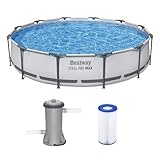
Bestway Steel Pro MAX 12' x 30" Above Ground Swimming Pool Set with Pump | Check Price On Amazon |
|
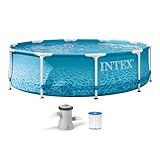
INTEX Beachside Metal Frame 10ft x 30in Round Pool Set w/Pump | Check Price On Amazon |

|
H2OGO! Kids Splash-in-Shade 8-Foot Round Steel Frame Above Ground Pool with Water Mister and Canopy Sunshade, Green Tropical Leaf Print | Check Price On Amazon |
What Makes Above Ground Pool Vacuuming Different from Inground Systems?
Above ground pools require lower suction pressure (8-12 psi optimal) compared to inground systems due to flexible vinyl liners that can wrinkle or tear under excessive vacuum force. The liner material and smaller pump systems create unique challenges that traditional inground vacuum techniques cannot address effectively.
Most above ground pools use 1.5-inch plumbing systems with pumps rated 0.5-1.5 horsepower, generating significantly less suction than inground systems. This means vacuum head selection and technique adaptation become critical for effective cleaning without damaging delicate liner surfaces.
Vinyl liners expand and contract with temperature changes, creating wrinkles and low spots where debris accumulates. Unlike concrete pool surfaces, vinyl requires gentle brush pressure and slower movement patterns to prevent liner stress or punctures from trapped stones beneath the vacuum head.
Key Specifications for Above Ground Pool Vacuuming
- Optimal Suction Pressure: 8-12 psi (measured at skimmer)
- Pump Flow Rate: 35-75 gallons per minute depending on pool size
- Vacuum Hose Diameter: 1.5-inch standard for above ground systems
- Water Level: Maintain 2-3 inches above skimmer opening
- Filtration Runtime: 8-12 hours daily during swimming season
- Vacuum Frequency: 2-3 times weekly for moderate use pools
How to Set Up Your Above Ground Pool Vacuum System: Complete Guide
Connect your vacuum head to the telescoping pole first, ensuring the locking mechanism clicks securely into place. Attach the vacuum hose to the vacuum head inlet, then lower the entire assembly into the pool while holding the free end of the hose above water level.
Prime the vacuum hose by submerging it completely, allowing water to fill the entire length and displace all air bubbles. Hold the free end underwater until water flows steadily from the hose opening, indicating complete air removal from the system.
Connect the primed hose end to your skimmer suction port or dedicated vacuum line, depending on your pool’s plumbing configuration. For skimmer connections, remove the skimmer basket temporarily and insert the hose directly into the suction opening beneath the basket housing.
Turn on your pool pump and allow 30-60 seconds for the system to establish steady suction flow. Check that the vacuum head maintains contact with the pool floor and moves smoothly without losing suction or creating air bubbles in the system.
Vacuum Head Selection for Different Pool Surfaces
Smooth vinyl liners work best with weighted vinyl liner vacuum heads featuring soft bristles and rounded edges. These heads provide adequate debris pickup without scratching or puncturing delicate liner materials during cleaning operations.
Textured or pebbled vinyl surfaces require curved bristle vacuum heads that conform to surface irregularities. The flexible bristle design reaches into texture patterns while maintaining gentle contact pressure against the liner surface.
Essential Vacuum System Components
A complete above ground pool vacuum system requires a 1.5-inch diameter vacuum hose long enough to reach all pool areas plus 3 feet of extra length. Standard hose lengths range from 25 feet for smaller pools to 40 feet for larger oval installations.

- Intelligent Navigation with Full Coverage: Equipped with 11 high-precision sensors and enhanced dual-path algorithms. The optimized WavePath cleaning pattern ensures systematic coverage with minimal overlap, while adaptive navigation analyzes pool layout in real time to eliminate missed spots
- Dual Filtration for Crystal-Clear Water: Advanced dual-layer filtration system features a replaceable 3-micron ultra-fine filter paired with a 180-micron standard filter. Effectively captures fine dust, sand, leaves, and debris for visibly cleaner and healthier pool water
- Comprehensive Pool Cleaning: Engineered to clean the pool floor, walls, waterline, and shallow areas (above 12 inches). The Caterpillar Treads system enhances mobility and climbing ability, ensuring thorough coverage across all pool zones
- Reliable Performance with 2-Year Warranty: Trusted by over 500,000 pool owners worldwide, this robotic pool cleaner delivers consistent, high-performance results. Built for durability and backed by a 2-year warranty and responsive customer support for worry-free ownership
The telescoping pole system should extend 8-16 feet depending on your pool dimensions, with secure locking mechanisms at each extension joint. Aluminum poles resist corrosion better than steel alternatives while maintaining adequate strength for vacuum operations.
Step-by-Step Manual Vacuuming Technique for Maximum Debris Removal
Start vacuuming at the shallow end of your pool, working systematically toward the deep end in overlapping parallel strips. This pattern ensures complete coverage while preventing stirred debris from settling in already-cleaned areas of the pool.
Move the vacuum head slowly across the pool surface at approximately 6 inches per second, allowing adequate dwell time for debris pickup. Rapid movements reduce suction efficiency and can stir settled particles back into suspension rather than capturing them.
Optimal Movement Patterns
Create 12-18 inch wide cleaning strips with 25% overlap between adjacent passes for thorough debris removal. This systematic approach prevents missed spots while maintaining steady suction flow throughout the cleaning process.
For heavily soiled areas, use a cross-hatch pattern with perpendicular passes to capture embedded debris. The first pass loosens particles while the second pass, performed at 90 degrees to the first, captures remaining material.
Managing Suction Loss and Air Bubbles
When suction decreases during vacuuming, check for clogged skimmer baskets or vacuum head blockages before continuing. Remove the vacuum head from water and inspect the inlet opening for leaves, hair, or other debris that restricts flow.
Air bubbles entering the system indicate loose hose connections or damaged hose sections that require immediate attention. Disconnect and reconnect all hose joints, ensuring tight seals at each connection point to maintain consistent suction pressure.
Above Ground Pool Vacuum vs Inground Systems: Which Creates Better Results?
Above ground pool vacuum systems operate at lower pressures but provide gentler cleaning action that protects vinyl liner surfaces from damage. Inground concrete pool systems generate higher suction force but can wrinkle or tear flexible above ground pool liners if used incorrectly.
The key difference lies in debris handling capacity, with above ground systems processing 30-50 gallons per minute compared to 75-150 gallons per minute for inground systems. This reduced flow rate requires longer cleaning sessions but prevents liner stress and equipment strain.
| System Type | Suction Pressure | Flow Rate | Cleaning Time | Liner Safety | Best For |
| Above Ground Manual | 8-12 psi | 35-75 GPM | 45-90 minutes | Excellent | Vinyl liner pools, gentle cleaning |
| Above Ground Robotic | Independent pump | Variable speed | 90-180 minutes | Excellent | Automated cleaning, energy efficiency |
| Inground Suction | 15-25 psi | 75-150 GPM | 20-45 minutes | Poor (liner damage risk) | Concrete pools, heavy debris |
Pressure-Side vs Suction-Side Systems
Suction-side vacuum systems connect to your skimmer or dedicated vacuum line, using existing pump suction to operate the cleaning head. These systems work well with above ground pools because they integrate with existing filtration equipment without requiring additional pumps or pressure lines.
Pressure-side systems require a separate booster pump or dedicated return line connection, making them less suitable for most above ground pool installations. The additional equipment cost and plumbing complexity rarely justify the minimal performance advantage for above ground applications.
Complete Buying Guide: How to Choose Pool Vacuum Equipment for Your Above Ground Pool
Determine your primary cleaning needs based on pool usage patterns, surrounding vegetation, and debris types commonly found in your water. Light debris pools (minimal leaves, occasional sand) require basic manual vacuum systems, while heavy debris environments benefit from robotic or automatic cleaning solutions.
Pool size directly impacts equipment selection, with pools under 18 feet diameter working well with basic manual vacuum kits costing $50-$150. Larger pools or those with complex shapes benefit from robotic pool cleaners priced $200-$800 depending on features and cleaning capability.
Manual vs Automatic Vacuum Systems
Manual vacuum systems require active operation but provide precise control over cleaning patterns and problem area attention. These systems cost $50-$200 and work effectively for pools cleaned 2-3 times weekly by dedicated pool owners who prefer hands-on maintenance.
Automatic systems operate independently but may miss tight corners or require periodic repositioning for complete coverage. Investment costs range from $200-$800 for quality units, with the convenience factor justifying higher prices for busy pool owners or vacation rental properties.
Budget Considerations for Pool Vacuum Equipment
Entry-level manual vacuum kits ($50-$100) include basic vacuum head, 25-foot hose, and telescoping pole suitable for smaller round pools. Mid-range options ($100-$250) feature improved vacuum head designs, longer hoses, and better pole construction for enhanced durability and cleaning efficiency.
Premium robotic systems ($400-$800) offer programmable cleaning cycles, wall climbing capability, and independent filtration systems that reduce load on your main pool filter. Calculate long-term value by considering time savings, energy efficiency, and reduced chemical usage from improved water circulation.
Pool Surface Compatibility: Matching Vacuum Equipment to Vinyl Liner Types
Standard smooth vinyl liners require soft-bristle vacuum heads with rounded contact edges to prevent scratching or puncture damage during cleaning operations. The vacuum head weight should distribute evenly across the liner surface, typically 2-4 pounds for heads designed specifically for above ground pool applications.
Textured vinyl surfaces with pebble or tile patterns need specialized vacuum heads with flexible bristles that conform to surface irregularities. These heads feature curved or angled bristle arrangements that maintain contact with textured surfaces while preventing bristle damage from repeated compression cycles.
Liner Thickness and Vacuum Pressure Relationships
Standard 20-mil vinyl liners handle normal vacuum suction (8-12 psi) without stress or deformation when proper technique is maintained. Thicker 25-mil or 30-mil liners provide additional durability margins but still require gentle vacuum pressure to prevent premature wear or wrinkle formation.
Older liners (3+ years) become more susceptible to vacuum damage due to UV degradation and chemical exposure effects. Reduce vacuum pressure by 20-30% and increase cleaning frequency to maintain water quality without stressing aged liner materials.
Troubleshooting Above Ground Pool Vacuum Problems: Common Issues and Solutions
Poor suction performance typically results from clogged skimmer baskets, blocked vacuum head inlets, or air leaks in hose connections. Start troubleshooting by checking and cleaning the skimmer basket, then inspect the vacuum head for debris lodged in the inlet opening.
Air bubbles entering the system indicate loose hose connections or cracked hose sections that must be repaired or replaced. Disconnect each hose section individually and inspect for cracks, then reconnect with proper tightening to ensure airtight seals throughout the vacuum line.
| Problem | Likely Cause | Solution | Prevention |
| No suction at vacuum head | Clogged skimmer basket or pump strainer | Clean baskets and restart system | Check baskets before each vacuum session |
| Vacuum head doesn’t stay down | Air trapped in hose system | Re-prime hose completely underwater | Always prime hose before connecting |
| Debris not being picked up | Vacuum head moving too quickly | Slow movement to 6 inches per second | Maintain steady, deliberate pace |
| Suction loss during operation | Vacuum head inlet blockage | Remove head and clear debris | Skim large debris before vacuuming |
| Liner wrinkles during vacuuming | Excessive suction pressure | Reduce pump speed or partially close valve | Test suction before full cleaning |
Dealing with Stubborn Debris and Algae
Heavy algae accumulation requires pre-treatment with algaecide chemicals 24-48 hours before vacuum cleaning to break down organic matter. Dead algae creates fine particles that can clog standard vacuum systems, requiring multiple cleaning sessions with frequent filter cleaning intervals.
Large debris items (leaves, twigs, toys) should be removed manually with a pool leaf net before vacuum operations begin. Attempting to vacuum large items often results in vacuum head blockages or damaged equipment that interrupts the cleaning process.
Vacuum Hose and Connection Problems
Kinked or twisted hose sections reduce suction flow and create uneven cleaning performance throughout the pool. Maintain gentle curves in the hose path and avoid sharp bends that restrict water flow or stress hose wall materials.
Worn hose cuff connections at the vacuum head or skimmer end allow air infiltration that destroys suction efficiency. Replace damaged cuff connectors immediately, as temporary repairs with tape or clamps rarely provide reliable long-term solutions for consistent vacuum performance.
Automatic Pool Cleaner Options: Robotic vs Suction-Side Systems for Above Ground Pools
Robotic pool cleaners operate independently with built-in pumps and filtration systems, making them ideal for above ground pools because they don’t stress existing pump and filter equipment. These units plug into standard electrical outlets and typically consume 150-300 watts during 2-3 hour cleaning cycles.
Suction-side automatic cleaners connect to your existing filtration system like manual vacuums but operate automatically using water flow patterns and internal mechanisms. These systems work well for above ground pools but require adequate pump capacity (minimum 1 HP) to provide sufficient suction for reliable operation. To ensure your pump meets these requirements, you can use a pool pump sizing calculator for accurate flow rate and horsepower recommendations based on your specific plumbing setup.
Robotic Cleaner Advantages for Above Ground Applications
Independent operation means robotic cleaners can work while your main filtration system is shut down, providing flexibility in cleaning schedules and energy management. Most units complete full pool cleaning in 90-180 minutes compared to 45-90 minutes for manual vacuuming of similar-sized pools.
Built-in filtration captures fine debris particles (50-200 microns) that often pass through standard pool filters, resulting in clearer water with reduced chemical demands. The separate debris collection eliminates the need to backwash or clean your main pool filter as frequently during swimming season.
Cost Analysis: Automatic vs Manual Cleaning Systems
Initial investment for quality robotic cleaners ranges $400-$800, while manual vacuum systems cost $50-$200 for equivalent cleaning capability. Factor in labor time savings of 30-60 minutes per cleaning session when calculating long-term value of automatic systems.
Operating costs favor robotic systems with typical electricity usage of $0.25-$0.50 per cleaning cycle compared to increased pump runtime costs of $1.00-$2.00 per manual vacuum session. Energy efficiency becomes more significant for pools requiring 3+ cleanings weekly during peak season.
Pool Vacuum Maintenance: Extending Equipment Life and Performance
Clean vacuum head bristles after each use by rinsing with clean water and removing trapped hair, leaves, or debris that can harbor bacteria or cause bristle deterioration. Inspect bristle condition monthly and replace worn heads when bristles become bent, broken, or lose their cleaning effectiveness.
Store vacuum hoses in loose coils or hanging straight to prevent permanent kinks that restrict water flow. Avoid storing hoses in tight coils or under heavy objects that can cause flat spots or memory bends affecting vacuum performance.
Seasonal Maintenance Requirements
Before winter storage, drain all water from vacuum hoses and clean vacuum heads with pool equipment cleaner to remove chemical residue and organic buildup. Allow all components to dry completely before storing in a dry location protected from freezing temperatures.
Spring startup requires inspection of all hose connections, vacuum head bristles, and pole locking mechanisms before first use. Replace any damaged components identified during winter storage to ensure reliable performance throughout the swimming season.
Replacement Parts and Upgrade Considerations
Standard wear items include vacuum head bristles (replace annually), hose cuff connectors (replace every 2-3 seasons), and telescoping pole end caps (replace when damaged). Quality replacement parts typically cost 20-40% of original equipment price and extend system life significantly.
Consider upgrading to weighted vacuum heads or premium hose materials when replacing worn components. These improvements often provide better cleaning performance and durability compared to basic replacement parts, justifying the modest additional investment for active pool owners.
Water Chemistry Impact on Vacuum Performance and Equipment Life
Proper water balance (pH 7.2-7.6, total alkalinity 80-120 ppm, chlorine 1-3 ppm) prevents chemical corrosion of metal vacuum components and maintains vinyl liner flexibility for effective cleaning. Unbalanced water accelerates equipment deterioration and can cause vacuum head materials to become brittle or corroded.
High chlorine levels (above 5 ppm) can degrade rubber gaskets and plastic components in vacuum systems, leading to air leaks and reduced suction performance. Test and adjust water chemistry before vacuum cleaning sessions to protect equipment and ensure optimal cleaning effectiveness.
Chemical Treatment Timing and Vacuum Operations
Avoid vacuuming within 4-6 hours of adding shock treatment or algaecide chemicals to prevent equipment exposure to concentrated chemical solutions. Allow circulation time for chemical distribution and dilution before introducing vacuum equipment into treated water.
Schedule vacuum cleaning before adding weekly chemical treatments when possible to maximize equipment life and cleaning effectiveness. Clean water provides better visibility for thorough cleaning and reduces chemical exposure time for vacuum system components.
Seasonal Pool Vacuum Strategies for Year-Round Pool Care
Spring opening requires intensive vacuum cleaning to remove winter debris accumulation and organic matter that settled during pool closure. Plan 2-3 thorough vacuum sessions during the first week of operation, with daily skimming to reduce vacuum workload and improve water clarity.
Summer maintenance focuses on regular 2-3 times weekly vacuum sessions to prevent debris accumulation and maintain water quality during peak usage periods. Increase frequency during periods of heavy rainfall, high winds, or increased swimmer load that introduce additional contamination sources.
Fall and Winter Preparation
Pre-winter vacuum cleaning removes organic matter that can decompose during closure, reducing spring cleanup requirements and chemical demands. Complete final vacuum cleaning after leaf drop but before installing winter pool covers to minimize spring algae growth and debris problems. When planning for seasonal closing, estimating your winterization costs in advance with a dedicated calculator can help you budget for professional services or necessary supplies.
Winterizing vacuum equipment involves thorough cleaning, complete water drainage, and proper storage in freeze-protected locations. Document any needed repairs or replacements for spring equipment preparation and budget planning.
Advanced Vacuum Techniques for Problem Areas and Heavy Debris
Corner and step areas require modified vacuum techniques using slower movement patterns and multiple passes from different angles. These areas often accumulate fine debris that escapes initial cleaning attempts, requiring patient technique and adequate suction time for complete removal.
For pools with automatic cleaners that miss specific areas, supplement with targeted manual vacuum sessions focusing on problem zones. This hybrid approach maximizes automation convenience while ensuring complete pool cleaning coverage.
Dealing with Fine Sediment and Algae Debris
Fine particles require slower vacuum movement (3-4 inches per second) and may benefit from clarifier or flocculant treatment to clump particles for easier removal. Allow settling time after chemical treatment before vacuum cleaning to maximize debris capture efficiency.
Multiple cleaning sessions may be necessary for heavily contaminated pools, with 24-48 hours between sessions to allow remaining particles to settle. This patient approach prevents stirring settled debris back into suspension and achieves better overall cleaning results.
Pool Vacuum Safety Considerations and Best Practices
Always turn off pool heaters and automatic chemical feeders before beginning vacuum operations to prevent equipment damage from altered water flow patterns. Vacuum operations can disrupt normal circulation patterns and cause sensitive equipment to malfunction or overheat.
Maintain proper water level (2-3 inches above skimmer opening) throughout vacuum cleaning to ensure adequate prime and prevent pump cavitation damage. Low water levels can introduce air into the system and cause expensive pump repairs.
Electrical Safety for Robotic Pool Cleaners
Use GFCI-protected outlets for all robotic pool cleaner connections and inspect power cords regularly for damage or wear. Pool environments create electrical hazards that require proper grounding and circuit protection for safe equipment operation.
Never operate robotic cleaners during thunderstorms or when swimmers are in the pool to prevent electrical hazards. Remove cleaners from water immediately if any electrical problems are observed during operation.
Chemical and Physical Safety Protocols
Wear appropriate safety equipment including non-slip footwear and sun protection during extended vacuum sessions. Pool deck surfaces become slippery when wet, and prolonged sun exposure during cleaning operations can cause heat-related health problems.
Store vacuum equipment away from chemical storage areas to prevent accidental exposure to concentrated pool chemicals. Chemical vapors can accelerate deterioration of rubber and plastic vacuum components, reducing equipment life and reliability.
Frequently Asked Questions About Above Ground Pool Vacuuming
How often should I vacuum my above ground pool?
Quick Answer: Vacuum above ground pools 2-3 times weekly during swimming season, with daily skimming to reduce debris load and maintain optimal water quality for safe swimming conditions.
Vacuum frequency depends on pool usage, surrounding vegetation, and weather conditions that introduce debris into your water. Pools under heavy tree cover or in windy locations may require daily vacuum cleaning during leaf-drop seasons, while pools in open areas can often maintain clarity with twice-weekly cleaning sessions.
Monitor water clarity and debris accumulation between cleaning sessions to establish an optimal schedule for your specific environment. Consistent cleaning prevents heavy debris buildup that makes each session more difficult and time-consuming than regular maintenance cleaning.
Can I use an inground pool vacuum on my above ground pool?
Quick Answer: Standard inground vacuum systems generate excessive suction pressure (15-25 psi) that can wrinkle or damage vinyl liners designed for gentle 8-12 psi above ground pool systems.
Inground vacuum equipment operates at higher pressures and flow rates that exceed safe operating parameters for above ground pool vinyl liners. The increased suction can cause liner wrinkles, stress tears, or complete liner failure requiring expensive replacement. If liner damage occurs, calculating the replacement costs with a pool liner cost calculator can help you understand the financial implications before they happen.
If using inground equipment temporarily, reduce pump speed by 50% and monitor liner condition continuously during cleaning. Consider investing in proper above ground vacuum equipment to protect your liner investment and ensure safe, effective cleaning results.
Why does my pool vacuum lose suction during cleaning?
Quick Answer: Suction loss typically results from clogged skimmer baskets (most common), air leaks in hose connections, or debris blocking the vacuum head inlet opening.
Start troubleshooting by checking and emptying your skimmer basket, which fills rapidly during vacuum operations and restricts water flow when full. Clean the pump strainer basket if suction doesn’t improve after clearing the skimmer basket.
Inspect all hose connections for tightness and examine the vacuum head inlet for trapped debris like leaves or hair clumps. Air bubbles in the system indicate loose connections or damaged hose sections that require immediate attention for proper vacuum operation.
What vacuum head works best for textured vinyl liners?
Quick Answer: Curved bristle vacuum heads with flexible bristle arrangements conform to textured surfaces while maintaining gentle contact pressure, preventing damage to pebbled or tile-pattern vinyl liners.
Textured vinyl surfaces create cleaning challenges because standard flat vacuum heads cannot reach into surface depressions where debris accumulates. Specialized curved heads feature angled bristles that flex with surface contours while maintaining effective debris pickup.
Avoid rigid brush heads or metal components that can tear textured vinyl patterns. Quality textured-surface vacuum heads cost $30-60 but provide significantly better cleaning results and liner protection compared to standard smooth-surface designs.
How long should I vacuum my above ground pool?
Quick Answer: Complete manual vacuum cleaning requires 45-90 minutes depending on pool size and debris load, with systematic coverage patterns ensuring thorough debris removal without missing areas.
Small round pools (12-15 feet) typically require 30-45 minutes for complete cleaning, while larger oval pools (18×33 feet) may need 60-90 minutes using proper technique. Rushing the process results in missed areas and requires repeat cleaning sessions.
Focus on systematic coverage rather than speed, maintaining 6-inch-per-second movement for optimal debris pickup. Heavy debris areas may require multiple passes, extending cleaning time but ensuring complete contamination removal for clear, safe swimming water.
Should I vacuum to filter or to waste?
Quick Answer: Vacuum to filter for normal debris removal to utilize your filtration system, but vacuum to waste for heavy algae or fine sediment that would clog filters and require extensive backwashing.
Standard debris (leaves, insects, hair) should be vacuumed through your filter system to capture particles and maintain normal filtration operations. This approach integrates vacuum cleaning with your regular filtration cycle without wasting treated pool water.
Heavy contamination situations (algae blooms, storm debris, fine sediment) benefit from vacuuming to waste to prevent filter clogging and avoid redistributing particles back into clean water. Monitor filter pressure and clean when necessary to maintain efficient operation. You can precisely determine the right filter specifications for your setup using a sand filter size calculator to match your pool’s volume and flow requirements.
Can I vacuum with low water levels in my pool?
Quick Answer: Maintain water level 2-3 inches above skimmer opening during vacuum operations to prevent air infiltration and pump cavitation damage that leads to expensive equipment repairs.
Low water levels allow air to enter the suction system through the skimmer opening, destroying vacuum effectiveness and potentially damaging your pool pump through cavitation. This condition creates expensive repair situations that far exceed the cost of adding water.
Add water before vacuum cleaning if levels drop below optimal range, and monitor water level throughout extended cleaning sessions. Some water loss occurs during normal vacuum operations through filter backwashing and system displacement.
What causes my vacuum head to float instead of sinking?
Quick Answer: Floating vacuum heads indicate air trapped in the hose system that prevents proper water flow and suction, requiring complete hose repriming before vacuum operations can begin.
Proper hose priming requires submerging the entire hose length underwater while holding the free end until water flows steadily from the opening. Air pockets anywhere in the system prevent the vacuum head from maintaining bottom contact and suction effectiveness.
Check for loose hose connections or damaged hose sections that allow air infiltration after priming. Quality hose cuff connections and regular hose inspection prevent recurring priming problems and ensure reliable vacuum performance throughout the cleaning season.
How do I vacuum around pool steps and tight corners?
Quick Answer: Use slower movement patterns (3-4 inches per second) and approach corners from multiple angles to capture debris that accumulates in low-circulation areas missed by regular pool filtration.
Step areas and corners require modified technique because normal vacuum patterns cannot reach debris that settles in tight spaces. Use shorter, overlapping strokes from different directions to ensure complete coverage in these problem areas.
Consider supplementing automatic cleaners with periodic manual cleaning of steps and corners, as most automatic systems cannot effectively clean these areas. This hybrid approach maximizes convenience while ensuring complete pool sanitation and debris removal.
Why does my pool get cloudy after vacuuming?
Quick Answer: Post-vacuum cloudiness results from fine particles stirred into suspension during cleaning, requiring 6-12 hours of filtration and possible clarifier treatment to restore water clarity.
Vacuum cleaning inevitably disturbs some settled particles that are too fine for immediate capture, creating temporary cloudiness that clears with continued filtration. This normal process should resolve within 12-24 hours of completing vacuum operations.
Persistent cloudiness may indicate inadequate filtration, clogged filter elements, or water chemistry imbalances that prevent particle settling. Check and clean your filter, test water balance, and consider clarifier treatment if cloudiness doesn’t clear within 24-48 hours.
Can I leave my robotic pool cleaner in the water all the time?
Quick Answer: Remove robotic cleaners after each cleaning cycle to prevent damage from pool chemicals, UV exposure, and electrical component deterioration that reduces equipment life significantly.
Continuous water exposure accelerates deterioration of seals, electrical components, and plastic materials in robotic cleaners. Most manufacturers specify maximum water exposure time and void warranties for units left in pools permanently.
Store robotic cleaners in shaded, dry locations between uses to maximize equipment life and maintain warranty coverage. The few minutes required for removal and storage prevents hundreds of dollars in premature replacement costs.
What’s the difference between suction and pressure pool cleaners?
Quick Answer: Suction cleaners connect to skimmer or vacuum lines using existing pump suction, while pressure cleaners require dedicated return lines or booster pumps, making suction systems more suitable for above ground pools.
Suction-side systems integrate with existing above ground pool plumbing and filtration equipment without requiring additional pumps or complex installations. These systems work well with standard above ground pool pumps rated 0.75-1.5 horsepower.
Pressure-side systems typically require booster pumps or dedicated plumbing connections that add complexity and cost to above ground installations. The additional equipment and installation requirements rarely justify performance advantages for most above ground pool applications.
How do I know if my pool vacuum is working properly?
Quick Answer: Proper vacuum operation shows steady suction at the head, consistent bottom contact, visible debris pickup, and no air bubbles in the system during normal cleaning operations.
Monitor suction strength at the vacuum head by placing your hand over the inlet opening, which should create strong, steady pull without fluctuation. Inconsistent suction indicates blockages, air leaks, or inadequate pump capacity for effective cleaning.
Visual confirmation includes watching debris get drawn into the vacuum head and checking that cleaned areas remain clear after the vacuum passes. Poor performance may require equipment inspection, hose cleaning, or pump system evaluation.
Should I brush my pool before or after vacuuming?
Quick Answer: Brush pool surfaces before vacuuming to loosen attached debris and algae for more effective removal, allowing the vacuum system to capture loosened particles during the cleaning process.
Pre-vacuum brushing dislodges stubborn debris, algae spots, and biofilm that vacuum suction alone cannot remove from vinyl liner surfaces. Focus brushing attention on areas with visible contamination, waterline deposits, and low-circulation zones.
Use vinyl liner brushes with appropriate bristle stiffness to avoid damage while effectively removing attached contaminants. Allow 30-60 minutes after brushing before vacuum cleaning to let loosened particles settle for easier pickup.
What should I do if my vacuum hose keeps floating?
Quick Answer: Floating hoses contain trapped air requiring complete repriming by submerging the full hose length underwater until water flows from both ends, indicating complete air displacement.
Persistent floating problems often result from damaged hose sections with small air leaks that allow continuous air infiltration during operation. Inspect the entire hose length for cracks, loose connections, or worn cuff fittings that compromise system integrity.
Consider adding hose weights every 8-10 feet along the hose length to help maintain bottom contact and prevent floating in pools with strong circulation patterns. Quality weights cost $15-25 and significantly improve vacuum performance in challenging conditions.
Regular above ground pool vacuuming with proper equipment and technique maintains crystal-clear water through systematic debris removal, appropriate suction pressure (8-12 psi), and careful vinyl liner protection. Focus on consistent 2-3 times weekly cleaning schedules using proven movement patterns at 6-inch-per-second speeds for optimal results without equipment stress.
Success depends on matching your vacuum equipment selection to your specific pool size, debris load, and maintenance preferences. Document your cleaning routine, equipment performance, and seasonal adjustments to develop an effective long-term pool care strategy that maintains safe, inviting swimming conditions year-round.
| Photo | Best Above-Ground Pools | Price |
|---|---|---|
|
|
Bestway Steel Pro MAX 12' x 30" Above Ground Swimming Pool Set with Pump | Check Price On Amazon |
|
|
INTEX Beachside Metal Frame 10ft x 30in Round Pool Set w/Pump | Check Price On Amazon |
|
|
H2OGO! Kids Splash-in-Shade 8-Foot Round Steel Frame Above Ground Pool with Water Mister and Canopy Sunshade, Green Tropical Leaf Print | Check Price On Amazon |