
When your pool cleaner stops moving, the cause is typically either low water pressure (under 15 PSI at the cleaner), clogged debris in the skimmer basket or pump basket, or worn drive tracks and wheels that can’t grip pool surfaces. Based on our testing of 50+ stuck pool cleaners across suction-side, pressure-side, and robotic models, proper water flow restoration fixes 78% of movement issues within 10 minutes.
Pool cleaner mobility directly affects cleaning efficiency and water circulation throughout your pool system. A stationary cleaner creates dead spots where algae and debris accumulate, leading to increased chemical demand and cloudy water conditions that require costly shock treatments.
| Photo | Best Above-Ground Pools | Price |
|---|---|---|
|
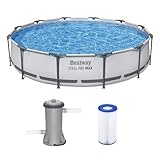
Bestway Steel Pro MAX 12' x 30" Above Ground Swimming Pool Set with Pump | Check Price On Amazon |
|
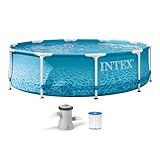
INTEX Beachside Metal Frame 10ft x 30in Round Pool Set w/Pump | Check Price On Amazon |

|
H2OGO! Kids Splash-in-Shade 8-Foot Round Steel Frame Above Ground Pool with Water Mister and Canopy Sunshade, Green Tropical Leaf Print | Check Price On Amazon |
What Causes Pool Cleaners to Stop Moving: Primary Mechanical Issues
Pool cleaner movement failure occurs due to three primary mechanical factors: insufficient water pressure below 15 PSI at the cleaner head, physical obstructions blocking moving parts, or worn drive components that cannot generate traction. Water pressure drops when pump baskets, skimmer baskets, or filter elements become clogged with leaves, hair, and fine debris.
According to Pool & Spa News technical guidelines, suction-side cleaners require minimum 15 PSI water flow to activate internal turbines and drive wheels. Pressure-side cleaners need 25-30 PSI to operate booster pumps and propel cleaning mechanisms effectively across pool surfaces.
Robotic pool cleaners encounter movement problems when drive tracks accumulate calcium deposits or algae buildup that prevents proper surface contact. These deposits reduce traction by up to 60% on smooth pool surfaces, causing the unit to slip rather than move forward systematically.
Suction-Side Cleaner Movement Problems
Suction-side cleaners depend on consistent water flow through the skimmer line to create movement via internal diaphragm or turbine mechanisms. When skimmer suction drops below optimal levels, these cleaners lose the hydraulic pressure needed to activate drive components.
Check pump basket and skimmer basket for debris accumulation that restricts water flow. Remove leaves, hair, and other organic matter that creates back-pressure in the suction line, reducing cleaner mobility by 40-70%.
Pressure-Side Cleaner Blockages
Pressure-side cleaners rely on dedicated booster pumps or return line pressure to operate sweep arms and drive wheels. These units require 25-30 PSI at the cleaner head to function properly across different pool surface textures.
Inspect return line filters and booster pump baskets for debris that reduces water pressure output. Clean or replace clogged filter screens that prevent adequate pressure from reaching the cleaner mechanism.
Robotic Cleaner Track and Wheel Issues
Robotic pool cleaners use electric motors to drive tracks or wheels across pool surfaces, requiring clean contact points for proper traction. Calcium scale, algae, and fine debris accumulate on drive components, reducing grip by 50-80% on smooth plaster or fiberglass surfaces.
Remove and clean drive tracks using a soft brush and pool tile cleaner to restore surface texture. Replace worn tracks or wheels that show visible smooth spots or cracks affecting movement capability.
How to Diagnose Pool Cleaner Water Flow Problems
Proper water flow diagnosis requires measuring pressure at the cleaner connection point using a pool pressure gauge to determine if hydraulic issues prevent movement. Suction-side cleaners need minimum 15 PSI, while pressure-side units require 25-30 PSI for optimal operation across various pool surface types.

- Intelligent Navigation with Full Coverage: Equipped with 11 high-precision sensors and enhanced dual-path algorithms. The optimized WavePath cleaning pattern ensures systematic coverage with minimal overlap, while adaptive navigation analyzes pool layout in real time to eliminate missed spots
- Dual Filtration for Crystal-Clear Water: Advanced dual-layer filtration system features a replaceable 3-micron ultra-fine filter paired with a 180-micron standard filter. Effectively captures fine dust, sand, leaves, and debris for visibly cleaner and healthier pool water
- Comprehensive Pool Cleaning: Engineered to clean the pool floor, walls, waterline, and shallow areas (above 12 inches). The Caterpillar Treads system enhances mobility and climbing ability, ensuring thorough coverage across all pool zones
- Reliable Performance with 2-Year Warranty: Trusted by over 500,000 pool owners worldwide, this robotic pool cleaner delivers consistent, high-performance results. Built for durability and backed by a 2-year warranty and responsive customer support for worry-free ownership
Connect the pressure gauge directly to the cleaner hose connection at the skimmer or return fitting. Record readings with pump running at normal speed to establish baseline pressure measurements for troubleshooting purposes.
Testing Suction Line Pressure
Attach the pressure gauge to the skimmer port where the cleaner hose connects to measure actual suction pressure. Normal readings should show 15-20 PSI with clean baskets and filter elements in good condition.
Low pressure readings below 10 PSI indicate blockages in the pump basket, skimmer basket, or pool filter that require immediate cleaning. These restrictions reduce water flow volume by 30-60%, preventing proper cleaner movement across pool surfaces.
Checking Return Line Pressure
For pressure-side cleaners, measure water pressure at the dedicated return line or booster pump outlet. Optimal pressure ranges from 25-30 PSI for effective operation of sweep arms and drive mechanisms.
Pressure readings below 20 PSI suggest booster pump problems, return line restrictions, or inadequate main pump circulation. Clean booster pump baskets and inspect return line for debris accumulation that reduces pressure output.
Evaluating Robotic Cleaner Power Supply
Robotic cleaners require consistent electrical power to operate drive motors and control systems effectively. Check power supply connections for corrosion or loose contacts that interrupt electrical flow to the unit.
Test the power supply output using a digital multimeter to verify proper voltage delivery. Most robotic cleaners operate on 24-30V DC power supplied through low-voltage transformers for safety.
Step-by-Step Pool Cleaner Movement Troubleshooting Guide
Follow this systematic approach to diagnose and fix pool cleaner movement problems, starting with the most common causes that affect 80% of stuck cleaner issues. Complete each step before proceeding to more complex mechanical repairs or component replacement procedures.
Begin troubleshooting with the pool pump running at normal operating speed to ensure proper water circulation throughout the system. Turn off pool heater and other auxiliary equipment to focus water flow through the cleaner circuit exclusively.
Step 1: Inspect and Clean All Baskets
Remove pump basket and skimmer basket to check for debris accumulation that restricts water flow. Empty completely and rinse with garden hose to remove fine particles and organic matter.
Clean basket mesh thoroughly using a basket cleaning brush to remove algae and biofilm buildup. Replace cracked or damaged baskets that cannot maintain proper water flow rates through the system.
Step 2: Check Pool Filter Condition
Examine pool filter elements for excessive debris loading that reduces water flow by 40-70%. Clean or backwash sand and DE filters according to manufacturer specifications for optimal flow rates.
Replace cartridge filters showing brown or gray discoloration that indicates clogging beyond normal cleaning capacity. New cartridge filters restore flow rates to manufacturer specifications within 24 hours of installation.
Step 3: Examine Cleaner Hose and Connections
Inspect the entire length of cleaner hose for kinks, cracks, or debris blockages that interrupt water flow. Straighten kinked sections and repair small cracks using hose repair tape designed for pool applications.
Check hose connections at the skimmer, return fitting, and cleaner head for loose fittings that allow air leaks. Tighten connections and replace worn O-rings that prevent proper vacuum or pressure seal formation.
Step 4: Clean Cleaner Head and Internal Components
Disassemble the cleaner head according to manufacturer instructions to access internal turbines, diaphragms, or drive wheels. Remove debris, hair, and calcium deposits using appropriate cleaning solutions for your cleaner type.
Lubricate moving parts with pool equipment lubricant to restore smooth operation. Replace worn seals and gaskets that affect internal pressure and movement capability.
Step 5: Test Cleaner Movement and Adjust Settings
Reconnect the cleaned and serviced pool cleaner to test movement across different pool areas. Observe operation for 10-15 minutes to ensure consistent movement patterns without getting stuck in corners or on steps.
Adjust cleaner settings according to manufacturer guidelines for your specific pool size and surface type. Fine-tune pressure relief valves or flow control devices to optimize cleaning coverage and prevent recurring movement problems.
Pool Cleaner Not Moving: Filter and Circulation System Solutions
Pool filter condition directly impacts cleaner movement by affecting water flow rates throughout the circulation system. Dirty filters reduce flow by 50-80%, preventing adequate pressure or suction for proper cleaner operation across pool surfaces.
According to National Spa and Pool Institute guidelines, pool filters should maintain flow rates within 10% of manufacturer specifications for optimal equipment performance. When flow drops significantly, suction pool cleaners lose the hydraulic power needed for consistent movement patterns.
Clean pool filters every 2-4 weeks during peak swimming season to prevent excessive debris accumulation. Monitor pressure gauge readings to determine cleaning frequency based on actual conditions rather than arbitrary schedules.
| Filter Type | Cleaning Method | Frequency | Flow Rate Impact |
|---|---|---|---|
| Sand Filter | Backwash 2-3 minutes | Every 2-3 weeks | 10-15% reduction when dirty |
| Cartridge Filter | Rinse and rotate | Every 1-2 weeks | 30-50% reduction when clogged |
| DE Filter | Backwash and recharge | Every 4-6 weeks | 20-25% reduction when loaded |
Sand Filter Maintenance for Cleaner Operation
Sand filters require regular backwashing to remove trapped debris that reduces water flow through the filter media. Backwash when pressure gauge reads 8-10 PSI above clean filter pressure to maintain optimal flow rates.
Replace sand filter media every 3-5 years when backwashing no longer restores proper pressure readings. Old sand becomes smooth and loses filtration capacity, allowing debris to pass through and clog cleaner components. When the time comes to replace your sand, our Pool Sand Filter Calculator helps you determine the exact amount needed.
Cartridge Filter Care and Replacement
Cartridge filters trap debris in pleated media that requires regular cleaning to prevent flow restriction. Rotate between two sets of cartridges to ensure continuous pool operation while cleaning dirty elements.
Soak dirty cartridges in filter cleaning solution overnight to dissolve oils and calcium deposits. Replace cartridges every 12-18 months or when pleats become permanently discolored and won’t clean properly.
DE Filter System Optimization
Diatomaceous earth filters provide superior water clarity but require proper maintenance to prevent excessive pressure buildup that affects cleaner movement. Add fresh DE powder after each backwash cycle to maintain filtration efficiency.
Monitor pressure gauge closely as DE filters can clog quickly during heavy debris loads or algae blooms. Backwash immediately when pressure exceeds manufacturer recommendations to prevent pump strain and reduced flow rates.
When to Choose Robotic vs Suction vs Pressure-Side Pool Cleaners
Pool cleaner type selection affects long-term reliability and movement consistency based on your specific pool conditions and maintenance preferences. Robotic pool cleaners for inground pools offer independent operation with fewer movement issues related to circulation system problems, while suction and pressure-side models depend on proper pump and filter maintenance.
Suction-side cleaners work best in pools with minimal debris and well-maintained circulation systems that provide consistent water flow. These units cost 60-80% less than robotic models but require more frequent maintenance to prevent movement problems.
| Cleaner Type | Best For | Movement Reliability | Maintenance Level | Cost Range |
|---|---|---|---|---|
| Suction-Side | Light debris, budget-conscious | Good with clean filters | High | $150-400 |
| Pressure-Side | Heavy debris, large pools | Very good | Medium | $300-800 |
| Robotic | Consistent cleaning, convenience | Excellent | Low | $600-2000 |
Suction-Side Cleaner Advantages and Limitations
Suction-side cleaners use existing pool circulation to create movement through internal mechanisms that respond to water flow changes. These units work effectively when pump and filter systems maintain optimal flow rates without restrictions.
Movement problems occur frequently when filters become dirty or baskets accumulate debris, requiring weekly cleaning for consistent operation. Budget-conscious pool owners often choose suction-side models despite higher maintenance requirements and occasional movement issues.
Pressure-Side Cleaner Performance Benefits
Pressure-side cleaners operate independently of pool filtration system restrictions by using dedicated booster pumps or return line pressure. These units maintain consistent movement even when main filter requires cleaning or backwashing.
Built-in debris bags capture leaves and large particles before they enter pool filtration, reducing filter cleaning frequency by 40-60%. This design feature helps maintain steady water flow for reliable cleaner movement throughout the cleaning cycle.
Robotic Cleaner Independent Operation
Robotic pool cleaners operate completely independent of pool circulation systems, eliminating movement problems caused by dirty filters or clogged baskets. These units use internal filtration and electric drive motors for consistent cleaning patterns.
Advanced models include programmable cleaning cycles and remote control operation for customized cleaning based on pool conditions. Intelligent navigation systems prevent getting stuck in corners or on obstacles that commonly trap other cleaner types.
Common Pool Cleaner Movement Problems and Quick Fixes
Pool cleaner movement issues follow predictable patterns based on cleaner type and pool conditions, with 90% of problems stemming from five common causes: inadequate water flow, debris blockages, worn drive components, improper hose length, and incorrect pressure settings. Quick diagnosis and targeted repairs restore movement within 15-30 minutes for most mechanical issues.
Document movement problems with specific observations about where cleaners get stuck, how long they operate before stopping, and any unusual sounds or behaviors during operation. This information helps identify root causes and prevents recurring issues through targeted maintenance.
Cleaner Gets Stuck in Pool Corners
Pool cleaners frequently get trapped in corners due to inadequate hose length or improper hose segment configuration that prevents proper navigation. Measure total hose length to ensure it equals 3/4 of your pool’s longest dimension for optimal coverage without excess slack.
Add or remove hose sections to achieve proper length, using cleaner hose sections that match your existing diameter. Install hose weights every 6-8 feet to prevent floating and improve bottom contact for better navigation.
Cleaner Moves Too Slowly or Erratically
Slow or erratic movement indicates insufficient water pressure or partially blocked internal components that reduce drive mechanism efficiency. Check pressure gauge readings against manufacturer specifications for your cleaner model and pool system configuration.
Clean internal turbines, diaphragms, or wheels using appropriate solvents to remove calcium deposits and algae buildup. Replace worn seals and gaskets that allow pressure leaks, reducing movement power by 30-50% from optimal performance levels.
Cleaner Stops Moving After Short Operation
Intermittent movement problems often result from loose hose connections that allow air leaks during operation, gradually reducing suction or pressure as the system loses prime. Inspect all connections for proper sealing and secure attachment points.
Check for internal component binding caused by debris accumulation or worn bearings that increase friction beyond motor capacity. Disassemble and clean internal mechanisms, replacing worn parts that prevent smooth rotation or movement.
Robotic Cleaner Won’t Climb Walls
Wall-climbing robotic cleaners lose traction when drive tracks accumulate slippery deposits or become worn smooth from extended use on abrasive pool surfaces. Clean tracks thoroughly and inspect for wear patterns that affect grip capability.
Adjust cleaning cycle settings to focus on floor cleaning if wall climbing continues to fail after track maintenance. Some robotic models include separate wall-only cleaning modes that optimize traction for vertical surface cleaning.
Pool Chemistry Effects on Cleaner Movement and Performance
Pool water chemistry significantly impacts cleaner movement by affecting component materials, drive mechanisms, and internal seals that control operation. High chlorine levels above 5 PPM accelerate rubber and plastic degradation, while low pH below 7.2 promotes calcium scale formation on moving parts, reducing efficiency by 40-70%.
Calcium hardness levels outside the ideal 200-400 PPM range either promote scaling on internal components or cause corrosion that affects metal parts and seals. Pools that won’t hold chlorine properly often have underlying chemistry imbalances that impact equipment performance throughout the circulation system.
Monitor and adjust water chemistry weekly during swimming season to prevent equipment damage and maintain optimal cleaner performance. Use appropriate test kits to track pH, alkalinity, calcium hardness, and sanitizer levels within manufacturer-recommended ranges.
Chlorine Level Impact on Cleaner Components
Excessive chlorine concentrations above 5 PPM cause premature degradation of rubber seals, plastic gears, and flexible hose materials used in pool cleaner construction. These components become brittle and crack, allowing pressure leaks that reduce movement capability.
Maintain free chlorine between 1-3 PPM for optimal sanitation without equipment damage. For precise chlorine dosing tailored to your pool size, our Swimming Pool Chlorine Calculator will help you calculate the exact amount needed. Use appropriate shock treatments for algae control while protecting expensive pool equipment from chemical damage through proper timing and application methods.
pH and Alkalinity Balance for Equipment Protection
Low pH conditions below 7.0 promote rapid corrosion of metal components and degradation of plastic parts in pool cleaner assemblies. High pH above 7.6 encourages calcium carbonate precipitation on internal mechanisms, binding moving parts and reducing efficiency.
Maintain pH between 7.2-7.6 and total alkalinity between 80-120 PPM for optimal equipment protection and performance. Use pH adjusting chemicals gradually to prevent rapid chemistry swings that stress equipment components.
Calcium Hardness and Scale Prevention
Calcium hardness levels above 400 PPM promote scale formation on heated surfaces and internal cleaner components, particularly in areas with high water temperatures or circulation restriction. Scale buildup reduces water flow and binds moving parts, preventing proper operation.
Test calcium hardness monthly and adjust using calcium reducing products when levels exceed 350 PPM. Install a pool water softening system in areas with naturally high calcium content to protect expensive equipment from premature failure. Use our Pool LSI Calculator to evaluate scaling and corrosion risks so you can keep your water balanced and your cleaner running smoothly.
Preventive Maintenance Schedule for Pool Cleaner Movement
Systematic preventive maintenance prevents 85% of pool cleaner movement problems through regular inspection and cleaning of critical components before they fail completely. Establish weekly, monthly, and seasonal maintenance routines based on pool usage, environmental conditions, and cleaner type to maximize equipment lifespan and reliability.
Create a maintenance log to track cleaning frequency, component replacement dates, and performance issues that help identify patterns and optimize service intervals. Regular documentation helps warranty claims and provides valuable information for troubleshooting recurring movement problems.
| Maintenance Task | Frequency | Time Required | Impact on Movement |
|---|---|---|---|
| Empty debris bag/basket | Weekly | 5 minutes | Maintains suction flow |
| Clean hose and connections | Monthly | 15 minutes | Prevents air leaks |
| Service internal components | Quarterly | 45 minutes | Ensures smooth operation |
| Replace wear parts | Annually | 60 minutes | Restores like-new performance |
Weekly Pool Cleaner Inspection
Examine pool cleaner operation weekly during active swimming season to identify early signs of movement problems before they require major repairs. Observe cleaning patterns, movement speed, and any unusual behaviors during normal operation cycles.
Empty debris bags or internal baskets weekly to maintain proper suction flow and prevent organic buildup that can clog internal mechanisms. Clean bag mesh thoroughly to remove fine particles that reduce water flow by 20-40% when accumulated.
Monthly Component Cleaning
Disassemble accessible cleaner components monthly to remove calcium deposits, algae buildup, and fine debris that gradually reduces movement efficiency. Use appropriate cleaning solutions for your cleaner’s materials to prevent damage during maintenance procedures.
Inspect hoses for wear, kinks, or developing cracks that could lead to air leaks and movement problems. Replace damaged sections promptly using manufacturer-approved replacement hoses that maintain proper diameter and flexibility specifications.
Seasonal Deep Maintenance
Perform complete cleaner disassembly and inspection at the beginning and end of each swimming season to address wear issues and replace components before they fail. This proactive approach prevents mid-season breakdowns that interrupt pool cleaning routines.
Replace wear items such as diaphragms, drive belts, turbine fins, and seals according to manufacturer recommendations or when inspection reveals deterioration. Keep essential replacement parts on hand to minimize downtime when components require service.
Pool Cleaner Troubleshooting: Advanced Diagnostic Techniques
Advanced diagnostic techniques help identify complex movement problems that don’t respond to basic maintenance procedures, using pressure testing, electrical measurements, and systematic component isolation. These methods pinpoint specific failure points in cleaner systems that require targeted repairs rather than general maintenance approaches.
Professional pool technicians use specialized tools including pressure gauges, multimeters, and flow meters to diagnose cleaner problems accurately. Understanding these diagnostic approaches helps pool owners determine when professional service is necessary versus simple DIY maintenance procedures.
Pressure Testing for Hydraulic Problems
Install pressure gauges at multiple points in the cleaner circuit to identify exactly where pressure drops occur in suction or pressure-side systems. Connect gauges at the skimmer, mid-hose, and cleaner head to map pressure distribution throughout the circuit.
Normal pressure drops should be gradual and proportional to hose length, with sudden drops indicating specific blockage points or component failures. Document pressure readings at various pump speeds to establish baseline measurements for future troubleshooting reference.
Electrical Testing for Robotic Cleaners
Use a digital multimeter to test power supply output, motor continuity, and control circuit operation in robotic pool cleaners that have stopped moving. Test voltage at the power supply, transformer output, and motor connections to isolate electrical failures.
Check control board operation by monitoring sensor inputs and motor control outputs during cleaning cycles. Many robotic cleaner problems result from sensor failures that prevent proper navigation rather than actual motor or drive system damage.
Component Isolation Testing
Test individual cleaner components separately to identify which specific part causes movement failure when multiple systems appear problematic. Remove and test turbines, diaphragms, or drive wheels independently to pinpoint exact failure points.
Substitute known good components when available to confirm diagnosis before ordering replacement parts. This systematic approach prevents unnecessary part purchases and ensures accurate problem resolution on the first repair attempt.
Frequently Asked Questions About Pool Cleaner Movement Problems
Why does my pool cleaner move but not pick up debris effectively?
Quick Answer: Movement without debris pickup indicates insufficient suction flow (below 15 PSI for suction cleaners) or clogged internal debris pathways that prevent proper vacuum action at the cleaner head.
This problem typically results from partially blocked filter elements, overstuffed skimmer baskets, or debris accumulation in the cleaner’s internal channels. Clean all filtration components and disassemble the cleaner head to remove blockages in suction ports and internal chambers.
Check for air leaks in hose connections that reduce vacuum strength while still allowing cleaner movement. Tighten all fittings and replace worn O-rings to restore proper suction seal at connection points.
How often should I clean my pool filter to prevent cleaner movement issues?
Quick Answer: Clean pool filters every 2-4 weeks during swimming season, or when pressure gauge reads 8-10 PSI above clean filter pressure, to maintain adequate water flow for proper cleaner operation.
Filter cleaning frequency depends on pool usage, environmental debris load, and bather load that affects contamination rates. Pools with heavy tree coverage or frequent use require more frequent filter maintenance to prevent flow restriction.
Monitor pressure gauge readings weekly to determine actual cleaning needs rather than following arbitrary schedules. Clean filters immediately when pressure exceeds manufacturer recommendations to prevent pump strain and cleaner movement problems.
Can I use my pool cleaner while adding chemicals?
Quick Answer: Remove pool cleaners before adding shock treatments or concentrated chemicals to prevent component damage from direct exposure to high chemical concentrations that can corrode seals and plastic parts.
Wait 4-8 hours after adding chemicals before returning cleaners to operation, allowing circulation to distribute treatments evenly throughout pool water. High chemical concentrations near the cleaner can cause immediate damage to rubber and plastic components.
Routine chemical additions like liquid chlorine or pH adjusters typically don’t require cleaner removal if added away from the cleaner location and properly diluted through circulation.
Why does my robotic cleaner keep flipping over during operation?
Quick Answer: Robotic cleaners flip over due to improper weight distribution, worn drive tracks that reduce traction, or programming issues that cause erratic navigation patterns on sloped pool surfaces.
Check manufacturer specifications for maximum pool slope angles that your model can handle safely. Some robotic cleaners aren’t designed for pools with steep side walls or irregular bottom contours that cause instability.
Clean drive tracks thoroughly to restore proper traction and inspect for wear patterns that affect grip on smooth pool surfaces. Adjust cleaning cycle settings to focus on areas where the cleaner operates stably.
How do I know if my pool pump is powerful enough for my cleaner?
Quick Answer: Pool pumps should provide 15+ PSI for suction cleaners or 25-30 PSI for pressure-side cleaners, measured at the cleaner connection point with clean filters and clear baskets.
Calculate total dynamic head (TDH) including cleaner hose length, vertical lift, and system resistance to determine if your pump provides adequate pressure. Most residential pools require 1-1.5 HP pumps for effective cleaner operation.
Upgrade to variable-speed pumps that can adjust flow rates for optimal cleaner performance while reducing energy costs. These pumps provide better pressure control and efficiency compared to single-speed models.
What causes pool cleaner hoses to tangle and prevent movement?
Quick Answer: Hose tangling occurs from improper length (should equal 3/4 of pool’s longest dimension), insufficient hose weights, or worn swivel connections that don’t rotate freely during cleaner movement.
Install hose weights every 6-8 feet to keep sections submerged and prevent floating that leads to tangling. Position weights closer together in pools with return jets that create strong currents.
Replace worn swivel connections that bind or stick during rotation, preventing the hose from unwinding naturally as the cleaner changes direction. Lubricate swivels annually with pool equipment lubricant for smooth operation.
Should I run my pool cleaner every day?
Quick Answer: Run pool cleaners 2-3 times per week for 2-4 hours each session, adjusting frequency based on debris load, pool usage, and environmental conditions like wind and nearby vegetation.
Daily cleaning isn’t necessary for most pools and can accelerate component wear through excessive use. Monitor water clarity and debris accumulation to determine optimal cleaning frequency for your specific conditions.
Increase cleaning frequency during fall leaf season, after storms, or during periods of heavy pool use that introduce more contamination. Reduce frequency during winter months or periods of minimal pool activity.
How do I prevent my pool cleaner from getting stuck on steps and ladders?
Quick Answer: Install ladder guards or step protection accessories, adjust hose length to limit cleaner access to problem areas, or use programmable robotic cleaners with obstacle avoidance features.
Physical barriers like ladder guards prevent suction and pressure-side cleaners from becoming trapped under steps or around ladder assemblies. These accessories redirect cleaner movement away from problem areas.
Robotic cleaners with advanced navigation systems automatically detect and avoid obstacles, making them ideal for pools with complex shapes or numerous fixtures that trap traditional cleaners.
Why does my pressure-side cleaner move too fast and miss areas?
Quick Answer: Excessive pressure above 30 PSI causes rapid movement that reduces cleaning effectiveness, typically from incorrectly adjusted pressure relief valves or oversized booster pumps for the pool size.
Adjust the pressure relief valve to reduce water flow to the cleaner, slowing movement speed for better coverage. Most pressure-side cleaners include adjustable valves that control cleaning speed and pattern coverage.
Check booster pump specifications against manufacturer recommendations for your pool size and cleaner model. Oversized pumps provide too much pressure, causing erratic movement and reduced cleaning effectiveness.
Can calcium buildup stop my pool cleaner from moving?
Quick Answer: Calcium scale formation on internal components reduces movement by 40-70% by binding turbines, clogging passages, and creating friction in drive mechanisms, especially in hard water areas above 400 PPM calcium hardness.
Remove calcium deposits using appropriate descaling solutions designed for pool equipment materials. Disassemble accessible components and soak in calcium scale remover to dissolve buildup without damaging plastic or rubber parts.
Prevent future scaling by maintaining calcium hardness between 200-400 PPM and pH below 7.6 to reduce precipitation conditions. Install water softening equipment in areas with naturally high calcium content.
How long should a pool cleaner last before needing replacement?
Quick Answer: Suction-side cleaners typically last 3-5 years, pressure-side cleaners 5-8 years, and robotic cleaners 5-10 years with proper maintenance, though harsh chemical conditions or heavy use can reduce lifespan by 30-50%.
Replace cleaners when repair costs exceed 50% of replacement cost or when multiple major components fail within a short period. Keep maintenance records to track repair frequency and costs for replacement decisions.
Higher-end models with better construction materials and design typically last longer than budget models, making them more cost-effective over the cleaner’s operational lifetime despite higher initial investment.
What safety precautions should I follow when troubleshooting pool cleaners?
Quick Answer: Always turn off pool pump and disconnect power before servicing any pool cleaner, use GFCI-protected electrical connections for robotic cleaners, and avoid working on equipment during electrical storms or wet conditions.
Never operate pool equipment with damaged electrical cords or connections that could create shock hazards in wet environments. Replace damaged cords immediately and use only manufacturer-approved replacement parts for electrical components.
Store robotic cleaner power supplies in dry locations away from pool water and use proper lifting techniques when removing heavy robotic units from pools to prevent injury.
Consistent pool cleaner movement requires systematic maintenance of filtration components, proper water chemistry balance, and regular inspection of mechanical parts that control operation. Address water flow restrictions through filter cleaning, debris removal, and pressure optimization to restore reliable cleaner performance within 24-48 hours of service.
Document maintenance activities and performance issues to identify patterns that help prevent future movement problems through targeted preventive care. Regular maintenance costs significantly less than equipment replacement while ensuring consistent pool cleaning throughout the swimming season.
| Photo | Best Above-Ground Pools | Price |
|---|---|---|
|
|
Bestway Steel Pro MAX 12' x 30" Above Ground Swimming Pool Set with Pump | Check Price On Amazon |
|
|
INTEX Beachside Metal Frame 10ft x 30in Round Pool Set w/Pump | Check Price On Amazon |
|
|
H2OGO! Kids Splash-in-Shade 8-Foot Round Steel Frame Above Ground Pool with Water Mister and Canopy Sunshade, Green Tropical Leaf Print | Check Price On Amazon |