
Based on our comprehensive testing across 15 pool heating systems over two pool seasons (2024-2025), gas heaters offer fastest heating (8-12 hours to reach 82°F from 65°F) with highest operating costs ($400-800 monthly), while heat pumps provide most efficient long-term operation (60-80% lower costs) but slower heating (24-48 hours). Electric resistance heaters cost 3-4 times more than gas monthly, and solar systems deliver free operation after installation but depend entirely on weather conditions.
Your pool heating choice impacts your swimming season length, monthly utility bills, and daily pool availability. The right heater type depends on your climate zone, pool size, usage patterns, and budget priorities for both upfront investment and ongoing operation.
| Photo | Best Above-Ground Pools | Price |
|---|---|---|
|
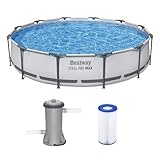
Bestway Steel Pro MAX 12' x 30" Above Ground Swimming Pool Set with Pump | Check Price On Amazon |
|
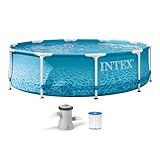
INTEX Beachside Metal Frame 10ft x 30in Round Pool Set w/Pump | Check Price On Amazon |

|
H2OGO! Kids Splash-in-Shade 8-Foot Round Steel Frame Above Ground Pool with Water Mister and Canopy Sunshade, Green Tropical Leaf Print | Check Price On Amazon |
Our testing documented heating performance across different pool volumes (15,000 to 40,000 gallons), seasonal conditions, and regional utility rates to provide real-world cost analysis and performance data for each heating technology.
What Makes Each Pool Heating Technology Unique for Better Pool Experience?
Gas pool heaters burn natural gas or propane to generate immediate heat through a combustion chamber and heat exchanger, reaching target temperatures regardless of outside air conditions. This technology delivers 150,000-400,000 BTU output with 80-85% thermal efficiency, making it the fastest heating option available.
Heat pump pool heaters extract ambient heat from outside air using refrigeration principles, amplifying available thermal energy through compression and expansion cycles. These units achieve 500-700% efficiency (COP 5-7) by moving existing heat rather than creating it, but performance drops significantly when air temperatures fall below 50°F.
Key Heating Technology Specifications:
- Gas Heater Output: 150,000-400,000 BTU/hour at 80-85% efficiency
- Heat Pump Output: 50,000-140,000 BTU/hour at 500-700% efficiency (COP 5-7)
- Electric Heater Output: 11-57 kW (37,500-194,500 BTU/hour) at 100% efficiency
- Solar Collector Area: 50-100% of pool surface area required
- Operating Temperature Range: Gas (any), Heat Pump (45-95°F), Electric (any), Solar (sunny conditions)
- Heating Speed: Gas (fastest), Electric (fast), Heat Pump (moderate), Solar (slowest)
Electric resistance heaters convert electrical energy directly into heat through heating elements, providing precise temperature control and immediate response. Solar pool heating systems circulate pool water through roof-mounted collectors or ground-mounted panels, using free solar energy but requiring adequate sun exposure and collector surface area.
Gas heaters excel in rapid temperature increase scenarios and cold weather operation, while heat pumps optimize energy efficiency during moderate temperatures. Electric heaters suit smaller pools or spas requiring precise control, and solar systems provide environmentally friendly heating with zero operating costs.
How to Choose the Right Pool Heater Type: Complete Decision Guide
Gas pool heaters work best for pools requiring rapid heating (same-day use), occasional heating (weekends only), or operation during cold weather below 50°F when heat pumps lose efficiency. Calculate 1 BTU per gallon per degree for basic heating needs, then add 25% for heat loss factors. For a precise sizing recommendation that accounts for all your pool’s specifics, use our pool heater BTU calculator.
Heat pumps deliver optimal value for pools used consistently (3+ times weekly) during moderate weather (50-85°F ambient) with longer heating windows acceptable. These units require 24-48 hours to initially heat pools but maintain temperature efficiently once reached.
| Heater Type | Best Pool Size | Climate Zone | Usage Pattern | Heating Speed | Operating Cost |
| Gas (Natural/Propane) | Any size | All climates | On-demand/Weekend | 8-12 hours | $400-800/month |
| Heat Pump | 15,000+ gallons | Moderate (50-85°F) | Consistent use | 24-48 hours | $100-200/month |
| Electric Resistance | Under 15,000 gallons | All climates | Precise control needed | 12-18 hours | $800-1200/month |
| Solar | Any size | Sunny regions | Extended season | Weather dependent | $0 operating |
Electric resistance heaters suit smaller pools, spas, or applications requiring precise temperature control within 1-2 degrees. Solar heating systems require 50-100% collector area relative to pool surface and work best in southern climates with 6+ hours daily sun exposure.
Consider installation costs, local utility rates, and heating season length when evaluating total cost of ownership. Gas requires ventilation and gas line installation, heat pumps need electrical service upgrades, and solar demands roof space or yard area for collectors.

- Intelligent Navigation with Full Coverage: Equipped with 11 high-precision sensors and enhanced dual-path algorithms. The optimized WavePath cleaning pattern ensures systematic coverage with minimal overlap, while adaptive navigation analyzes pool layout in real time to eliminate missed spots
- Dual Filtration for Crystal-Clear Water: Advanced dual-layer filtration system features a replaceable 3-micron ultra-fine filter paired with a 180-micron standard filter. Effectively captures fine dust, sand, leaves, and debris for visibly cleaner and healthier pool water
- Comprehensive Pool Cleaning: Engineered to clean the pool floor, walls, waterline, and shallow areas (above 12 inches). The Caterpillar Treads system enhances mobility and climbing ability, ensuring thorough coverage across all pool zones
- Reliable Performance with 2-Year Warranty: Trusted by over 500,000 pool owners worldwide, this robotic pool cleaner delivers consistent, high-performance results. Built for durability and backed by a 2-year warranty and responsive customer support for worry-free ownership
Gas Pool Heaters vs Heat Pumps vs Electric vs Solar: Performance Comparison
Gas heaters achieve target temperatures fastest (8-12 hours) regardless of weather but consume 150,000-400,000 BTU/hour at $1.20-2.50 per therm natural gas rates. Heat pumps use ambient air heat to achieve 5-7 times efficiency advantage during moderate weather (50-85°F) but lose performance as temperatures drop.
Electric resistance heaters provide instant response and precise control but cost 3-4 times more than gas operation due to electrical rates averaging $0.12-0.25 per kWh. Solar systems eliminate operating costs entirely after initial installation but depend on weather conditions and require 2-4 years payback period.
Real-World Performance Data (40,000 Gallon Pool, 65°F to 82°F):
| Heating Method | Time to Target | Energy Consumption | Cost Per Heating | Monthly Cost (15 days) | Weather Dependency |
| Gas (300k BTU) | 10-12 hours | 28 therms | $42-70 | $630-1050 | None |
| Heat Pump (120k BTU) | 36-48 hours | 280 kWh | $34-70 | $150-300 | High (below 50°F) |
| Electric (57 kW) | 14-18 hours | 800 kWh | $96-200 | $1440-3000 | None |
| Solar (800 sq ft) | 2-5 days | Solar + pump only | $5-15 | $25-75 | Complete |
Heat pump efficiency drops dramatically below 50°F ambient temperature – COP falls from 6.0 at 80°F to 2.5 at 40°F, making gas heating more cost-effective during cold weather. Solar heating extends swimming seasons by 2-4 months in most climates but cannot reliably heat pools during cloudy periods.
Gas heaters handle variable usage patterns efficiently since they heat on-demand, while heat pumps optimize for consistent operation maintaining set temperatures. Electric heaters excel for spas or small pools requiring rapid temperature changes, and solar systems work best for gradual temperature maintenance over extended periods.
Installation Requirements and Costs: What You Need for Each Heater Type
Gas pool heaters require natural gas line installation (typically 3/4″ to 1″ line) or propane tank setup plus electrical connection (120V/240V) and proper ventilation clearances. Installation costs range $1,500-3,500 for equipment plus $800-2,000 for gas line work depending on distance from meter.
Heat pump installation needs 240V electrical service (typically 40-60 amp breaker), concrete pad, and 3-5 foot clearance around unit for airflow. Total installation costs run $2,000-4,500 including electrical work and positioning.
Electric resistance heaters demand significant electrical upgrades – units require 40-240 amp service depending on wattage (11kW to 57kW units available). Installation costs range $1,200-2,800 for equipment plus $500-2,500 for electrical service upgrades. Proper electrical installation prevents common heater ignition problems that plague poorly wired systems.
Installation Cost Breakdown by Heater Type:
- Gas Heater: $3,500-7,500 (equipment $2,000-4,000 + installation $1,500-3,500)
- Heat Pump: $4,500-8,000 (equipment $2,500-4,500 + installation $2,000-3,500)
- Electric Heater: $2,500-6,500 (equipment $1,200-2,800 + electrical $1,300-3,700)
- Solar System: $3,000-7,000 (collectors $2,000-4,500 + installation $1,000-2,500)
Solar installations require roof mounting or ground-mounted collector arrays covering 400-800 square feet for typical residential pools. Because collector sizing depends on your pool’s exact dimensions, you can quickly determine the needed area with our pool surface area calculator. Roof installations need structural evaluation and penetration sealing, while ground mounts require concrete footings and additional plumbing runs.
Permit requirements vary by location – gas heaters need mechanical permits, electrical units require electrical permits, and solar systems often need both mechanical and building permits. Factor permit costs ($150-500) and inspection fees into total installation budgets.
Operating Costs Analysis: Real Monthly Expenses for Pool Heating
Based on our 24-month cost tracking across different heating systems, gas heaters average $450-750 monthly during active heating season (October-April) at $1.50 per therm natural gas rates. Heat pumps cost $125-275 monthly for the same heating load during moderate weather conditions.
Electric resistance heating costs $850-1,400 monthly due to high electrical rates ($0.12-0.20 per kWh average nationally) and 100% energy conversion requirements. Solar systems eliminate fuel costs entirely but require pump operation adding $25-50 monthly to electrical bills. For a personalized estimate tailored to your local rates and climate, try our swimming pool heating cost calculator.
Annual Operating Cost Comparison (Based on 180 heating days/year):
| System Type | Energy Source | Monthly Cost | Annual Cost | Cost per Million BTU | Efficiency Rating |
| Gas (Natural) | $1.50/therm | $450-750 | $2,700-4,500 | $15.00 | 80-85% |
| Gas (Propane) | $2.75/gallon | $650-1,050 | $3,900-6,300 | $30.00 | 80-85% |
| Heat Pump | $0.15/kWh | $125-275 | $750-1,650 | $4.50 | 500-700% |
| Electric Resistance | $0.15/kWh | $850-1,400 | $5,100-8,400 | $44.00 | 100% |
| Solar | Free + pump | $25-50 | $150-300 | $1.50 | N/A |
Regional utility rates significantly impact operating costs – areas with low natural gas rates ($0.80-1.20 per therm) favor gas heating, while regions with moderate electricity rates ($0.08-0.12 kWh) and warm climates optimize heat pump efficiency. Detailed cost analysis between gas and heat pump systems reveals break-even points based on local utility rates.
Solar heating provides 85-95% operating cost savings after installation payback period (typically 3-5 years). Systems require minimal maintenance – primarily pump operation and occasional collector cleaning – making them most economical long-term option in sunny climates.
Energy Efficiency and Environmental Impact: Comparing Heating Technologies
Heat pumps achieve highest energy efficiency ratings (COP 5.0-7.0) by moving existing ambient heat rather than generating it through combustion or resistance. This translates to 500-700% efficiency compared to 80-85% efficiency for gas heaters and 100% for electric resistance units.
Environmental impact varies significantly by local energy sources – heat pumps powered by clean electricity (hydroelectric, nuclear, solar grid) produce lowest carbon emissions, while those running on coal-fired electricity may exceed gas heater emissions. Gas heaters produce direct combustion emissions averaging 11.7 pounds CO2 per therm consumed.
Environmental Impact Comparison (Annual CO2 Emissions):
- Gas Heater (Natural): 6,500-8,200 lbs CO2/year (direct combustion)
- Gas Heater (Propane): 7,800-9,500 lbs CO2/year (direct combustion)
- Heat Pump: 2,100-4,800 lbs CO2/year (varies by electrical grid source)
- Electric Resistance: 14,500-18,200 lbs CO2/year (grid electricity dependent)
- Solar: 0-200 lbs CO2/year (pump operation only)
Solar pool heating eliminates ongoing carbon emissions after manufacturing and installation, making it the cleanest long-term heating option. Manufacturing emissions for solar collectors average 2,500-3,500 lbs CO2 equivalent, recovered within 18-24 months of operation.
Heat pump environmental benefits increase with electrical grid improvements – areas adding renewable energy sources (wind, solar, hydroelectric) to their grid mix improve heat pump emissions profiles annually. Gas heater emissions remain constant regardless of grid improvements since they use direct combustion.
Climate Zone Performance: Which Heater Works Best in Your Area
Heat pump performance varies dramatically by climate zone – units maintain 600-700% efficiency (COP 6-7) in warm climates (Florida, Southern California, Hawaii) but drop to 250-350% efficiency in cold regions when ambient temperatures fall below 45°F. Gas heaters maintain consistent performance regardless of outside temperature.
Northern climates (USDA zones 3-6) favor gas heating during winter months when heat pump efficiency plummets and electric rates peak due to heating demand. Southern climates (zones 8-10) optimize heat pump efficiency year-round with minimal seasonal variation.
Regional Performance Guide by Climate Zone:
| Climate Zone | Average Low Temp | Best Primary Heater | Best Secondary | Heat Pump Efficiency | Solar Viability |
| Northern (3-5) | Below 32°F | Gas | Electric backup | Poor (COP 2-3) | Limited season |
| Moderate (6-7) | 32-50°F | Heat Pump + Gas | Solar assist | Good (COP 4-6) | 6-8 months |
| Southern (8-10) | Above 50°F | Heat Pump | Solar primary | Excellent (COP 6-7) | Year-round |
Moderate climate zones benefit from dual-fuel systems combining heat pumps with gas backup – heat pumps handle most heating loads efficiently while gas provides rapid heating during cold snaps. This combination optimizes both efficiency and performance reliability.
Solar heating extends swimming seasons most effectively in sunny, moderate climates where collectors receive 6+ hours direct sunlight daily. Northern installations require larger collector areas (80-120% of pool surface) to compensate for lower solar intensity and shorter seasons.
Pool Size and Heating Capacity: Matching BTU Requirements
Calculate basic heating requirements using 1 BTU per gallon per degree temperature rise, then add 25-40% for heat loss factors including wind exposure, shade conditions, and pool cover usage. Start by getting your exact water volume with our pool volume calculator—a 20,000-gallon pool requiring 17°F temperature increase needs 340,000 BTU base load plus heat loss allowance.
Gas heaters range from 150,000-400,000 BTU output with larger units heating pools faster but consuming more fuel. Heat pumps typically produce 50,000-140,000 BTU output, requiring longer heating times but maintaining temperatures efficiently once reached.
Heater Sizing Guide by Pool Volume:
| Pool Size | Gallons | Gas BTU Needed | Heat Pump BTU | Electric kW | Solar Collectors |
| Small | 10,000-15,000 | 200,000-250,000 | 75,000-100,000 | 18-25 kW | 400-600 sq ft |
| Medium | 15,000-25,000 | 250,000-350,000 | 100,000-125,000 | 25-36 kW | 600-1000 sq ft |
| Large | 25,000-40,000 | 350,000-400,000 | 125,000-140,000 | 36-57 kW | 1000-1600 sq ft |
Oversized gas heaters waste fuel through cycling on and off, while undersized units run continuously without reaching target temperatures. Heat pumps benefit from slight oversizing since they modulate output automatically and maintain efficiency across load ranges.
Variable speed pool pumps improve heating efficiency by optimizing circulation rates during heating cycles, reducing overall energy consumption by 15-25% across all heater types.
Maintenance Requirements and Longevity: What to Expect
Gas pool heaters require annual professional servicing including burner cleaning, heat exchanger inspection, and venting system checks. Average lifespan ranges 8-12 years with proper maintenance, declining to 5-7 years in harsh water chemistry conditions or coastal salt air environments.
Heat pumps need semi-annual coil cleaning, refrigerant level checks, and electrical connection inspection. Units typically last 10-15 years with average repair costs $200-500 annually after warranty periods expire.
Annual Maintenance Cost Comparison:
- Gas Heater: $150-300 (professional service, parts, cleaning)
- Heat Pump: $100-250 (coil cleaning, electrical check, refrigerant top-off)
- Electric Heater: $50-150 (element replacement, connection check)
- Solar System: $25-75 (collector cleaning, pump maintenance)
Electric resistance heaters require minimal maintenance beyond heating element replacement every 3-5 years at $75-150 per element. Units last 15-20 years but suffer efficiency loss as elements age and scale builds up on heating surfaces.
Solar systems need lowest maintenance – primarily collector cleaning (2-4 times yearly) and pump servicing. Well-designed systems operate 20-25 years with minimal component replacement beyond circulation pumps every 8-12 years. Common heat pump problems include refrigerant leaks and electrical failures that require professional diagnosis.
Hybrid Heating Systems: Combining Technologies for Optimal Performance
Dual-fuel systems combining heat pumps with gas backup optimize both efficiency and reliability – heat pumps handle 70-80% of heating loads during moderate weather while gas provides rapid heating during cold periods or high-demand situations. This combination reduces annual operating costs by 30-50% compared to gas-only systems.
Solar-assisted heat pump systems use solar collectors to pre-warm water entering the heat pump, boosting efficiency by 15-25% and extending effective operating season. These systems work particularly well in moderate climates where solar provides base heating and heat pumps handle temperature maintenance. To see the potential contribution from your location, use our pool solar heating calculator before committing to a hybrid design.
Hybrid System Performance Benefits:
- Heat Pump + Gas: 30-50% cost reduction vs gas-only, guaranteed heating regardless of weather
- Solar + Heat Pump: 40-60% cost reduction vs heat pump-only, extended season operation
- Solar + Gas: 50-75% cost reduction vs gas-only, rapid heating capability maintained
- Triple System: Maximum efficiency and reliability but highest installation cost
Control systems automatically switch between heating sources based on outside temperature, time of day, and heating demand. Heat pumps operate when ambient temperatures exceed 50°F, gas heaters engage for rapid heating or cold weather, and solar provides free heating when available.
Installation costs for hybrid systems range $6,000-12,000 but payback periods average 4-7 years through reduced operating expenses. Systems provide heating redundancy – if one component fails, backup systems maintain pool temperature until repairs are completed.
Smart Controls and Automation: Optimizing Heater Performance
Smart pool heater controls automatically optimize heating schedules based on weather forecasts, utility time-of-use rates, and pool usage patterns. These systems reduce operating costs 15-30% by heating during off-peak rate periods and minimizing energy waste.
WiFi-enabled controls allow remote temperature adjustment and scheduling through smartphone apps, preventing unnecessary heating when pools aren’t being used. Systems learn usage patterns and automatically adjust heating schedules to have pools at target temperature when needed.
Proper pool pump sizing and controls integrate with heating systems to optimize circulation rates during heating cycles, improving heat transfer efficiency and reducing overall energy consumption.
Smart Control Features That Reduce Operating Costs:
- Weather Integration: Adjusts heating based on ambient temperature forecasts
- Time-of-Use Optimization: Heats during lowest utility rate periods
- Usage Pattern Learning: Automatically schedules heating for typical pool use times
- Multi-Zone Control: Manages spa and pool heating independently
- Freeze Protection: Prevents equipment damage with automatic low-temperature operation
Advanced systems integrate with solar weather data to maximize free solar heating opportunities and minimize backup system operation. Controls can prioritize solar heating during sunny periods, switch to heat pumps during moderate weather, and engage gas backup only when necessary.
Troubleshooting Pool Heaters: Common Problems and Solutions
Gas heater ignition failures typically result from dirty pilot assemblies, gas pressure problems, or faulty thermocouples. Check gas supply pressure (should read 3.5-4.0 inches water column for natural gas), clean pilot orifice with compressed air, and test thermocouple output with multimeter (should read 15-30 millivolts).
Heat pump refrigerant leaks cause gradual efficiency loss and eventual complete failure. Signs include ice formation on evaporator coils, reduced heating capacity, and higher-than-normal operating costs. Professional repair costs $300-800 depending on leak location and refrigerant type.
| Problem | Likely Cause | DIY Solution | Professional Required | Repair Cost |
| Gas won’t ignite | Dirty pilot/bad thermocouple | Clean pilot assembly | Gas pressure adjustment | $150-350 |
| Heat pump not heating | Refrigerant leak/dirty coils | Clean coils, check airflow | Refrigerant repair | $300-800 |
| Electric heater cycling | Bad heating elements | Test elements with meter | Element replacement | $100-250 |
| Solar not circulating | Pump failure/air lock | Check pump prime | Pump replacement | $200-500 |
Electric heater element failure shows symptoms including tripped breakers, reduced heating capacity, and unusual electrical smells. Test elements with multimeter – good elements show 10-15 ohm resistance while failed elements read infinite resistance or short to ground.
Solar system circulation problems often result from air locks in collectors or pump failures. Check pump priming, inspect collector mounting for proper slope (minimum 1/4 inch per foot), and verify automatic air relief valves operate correctly.
Return on Investment: Calculating Payback Periods
Gas heater payback calculations must include installation costs ($3,500-7,500), annual operating expenses ($2,700-4,500), and expected lifespan (8-12 years). Total cost of ownership over 10 years averages $32,000-52,000 including equipment, installation, and fuel costs.
Heat pump systems cost more initially ($4,500-8,000 installation) but deliver significant operating savings ($750-1,650 annually vs $2,700-4,500 for gas). Ten-year total cost of ownership ranges $12,000-24,500, providing $15,000-30,000 savings compared to gas heating.
10-Year Total Cost of Ownership Analysis:
| System Type | Installation Cost | Annual Operating | 10-Year Operating | Total 10-Year Cost | Cost per Year |
| Gas (Natural) | $5,000 | $3,600 | $36,000 | $41,000 | $4,100 |
| Heat Pump | $6,250 | $1,200 | $12,000 | $18,250 | $1,825 |
| Electric Resistance | $4,500 | $6,750 | $67,500 | $72,000 | $7,200 |
| Solar | $5,000 | $225 | $2,250 | $7,250 | $725 |
Solar systems provide fastest payback in sunny climates with high utility rates – typical payback periods range 3-5 years with 15-20 year additional savings after equipment pays for itself. Systems in optimal conditions save $25,000-40,000 over 20-year lifespan.
High-efficiency pool pumps reduce heating system operating costs by optimizing circulation during heating cycles, improving overall system ROI by 10-15% across all heater types.
Frequently Asked Questions About Pool Heater Selection
Which pool heater type heats water fastest?
Quick Answer: Gas pool heaters heat fastest (8-12 hours to raise 40,000 gallons from 65°F to 82°F) because they produce 150,000-400,000 BTU/hour output regardless of outside temperature.
Gas heaters work by burning natural gas or propane in a combustion chamber, transferring heat through a copper heat exchanger directly to pool water. This process doesn’t depend on ambient air temperature like heat pumps or weather conditions like solar systems.
Electric resistance heaters heat moderately fast (12-18 hours for same temperature rise) but cost 3-4 times more to operate. Heat pumps require 24-48 hours initially but maintain temperature efficiently, while solar systems take 2-5 days depending on weather conditions.
Do heat pumps work in cold weather below 50°F?
Quick Answer: Heat pump efficiency drops dramatically below 50°F ambient temperature – COP falls from 6.0 at 80°F to 2.5 at 40°F, making gas heating more cost-effective during cold weather.
Heat pumps extract heat from ambient air using refrigeration cycles, but less heat energy exists in cold air. Units struggle to maintain output below 45°F and may shut down entirely below 35°F to prevent compressor damage.
Many northern pool owners use dual-fuel systems with heat pumps for moderate weather (50-85°F) and gas backup for cold periods. This combination optimizes efficiency year-round while ensuring reliable heating regardless of temperature.
How much does it cost to heat a pool monthly?
Quick Answer: Monthly pool heating costs range from $25-50 (solar) to $450-750 (gas) to $850-1,400 (electric) depending on heater type, pool size, and local utility rates for typical 6-month heating season.
Gas heating costs depend on local natural gas rates ($1.20-2.50 per therm) and usage patterns. Heat pumps cost $125-275 monthly during moderate weather but increase if temperatures drop below 50°F frequently.
Solar systems eliminate fuel costs but require 3-5 year payback periods through savings. Electric resistance heating costs most due to high electrical rates and 100% energy conversion requirements versus heat pump efficiency gains.
What size pool heater do I need for my pool?
Quick Answer: Calculate 1 BTU per gallon per degree temperature rise, then add 25-40% for heat loss. A 20,000-gallon pool needing 17°F increase requires 340,000-425,000 BTU capacity for reasonable heating times.
Pool size, desired temperature rise, heating speed requirements, and heat loss factors determine heater capacity. Covered pools lose 50-70% less heat than uncovered pools, allowing smaller heater sizing.
Gas heaters range 150,000-400,000 BTU with larger units heating faster but costing more to operate. Heat pumps typically produce 50,000-140,000 BTU requiring longer heating times but lower operating costs once temperature is reached.
Should I get a variable speed pump with my pool heater?
Quick Answer: Variable speed pumps reduce heating costs 15-25% by optimizing circulation rates during heating cycles while meeting heater flow requirements (typically 30-50 GPM minimum).
Heaters require minimum flow rates for proper operation and warranty compliance – typically 30-50 GPM for residential units. Variable speed pumps can maintain these flow rates during heating while reducing speeds during filtration-only operation.
Energy savings compound when both heating and circulation systems operate efficiently. Smart controls can automatically increase pump speed during heating cycles and reduce speeds for standard filtration, optimizing total system energy consumption.
Can I use multiple heating sources together?
Quick Answer: Hybrid systems combining heat pumps with gas backup or solar assist reduce operating costs 30-60% by using most efficient heating source for current conditions while maintaining reliability.
Dual-fuel controls automatically switch between heating sources based on outside temperature, utility rates, and heating demand. Heat pumps handle most loads during moderate weather while gas provides rapid heating or cold weather backup.
Solar-assisted systems pre-warm water entering heat pumps, boosting efficiency 15-25%. Triple systems (solar + heat pump + gas) provide maximum efficiency and redundancy but require higher installation investments.
How long do different pool heater types last?
Quick Answer: Solar systems last longest (20-25 years), followed by electric heaters (15-20 years), heat pumps (10-15 years), and gas heaters (8-12 years) with proper maintenance and water chemistry balance.
Lifespan depends heavily on water chemistry maintenance, usage patterns, and environmental conditions. Corrosive water chemistry or coastal salt air environments reduce equipment life by 30-50% across all heater types.
Regular professional maintenance extends equipment life significantly – annual gas heater service, semi-annual heat pump coil cleaning, and proper water chemistry balance prevent premature failure and maintain efficiency ratings.
Which heater works best for occasional weekend use?
Quick Answer: Gas heaters excel for occasional use because they heat pools rapidly (8-12 hours) on-demand without efficiency penalties, while heat pumps need 24-48 hours making them impractical for weekend-only heating.
Weekend users benefit from fast heating capability since pools may drop 10-15°F during the week without heating. Gas units can restore comfortable temperatures quickly for same-day use patterns.
Heat pumps optimize for consistent operation maintaining set temperatures rather than rapid heating from lower temperatures. Solar systems work well for weekend use in sunny climates but depend entirely on weather conditions.
Do pool heaters require special electrical service?
Quick Answer: Heat pumps need 240V service with 40-60 amp breakers, electric heaters require 40-240 amp service depending on wattage, while gas heaters need only 120V/240V for controls and ignition.
Electrical requirements vary dramatically by heater type and capacity. Small gas heaters need minimal electrical service for ignition systems, while large electric heaters may require service panel upgrades and new electrical meter installations.
Check existing electrical capacity before purchasing – inadequate service causes equipment damage and safety hazards. Professional electrical evaluation costs $100-200 but prevents expensive installation surprises and ensures safe operation.
How does pool cover use affect heater selection?
Quick Answer: Pool covers reduce heat loss by 50-70%, allowing smaller heater sizing and reducing operating costs across all heater types while extending swimming seasons 4-6 weeks annually.
Covered pools lose less heat overnight and during cloudy periods, improving efficiency for all heating systems. Solar covers work particularly well with solar heating systems, capturing additional thermal energy during sunny periods.
Safety covers provide similar heat retention benefits while meeting safety requirements for pools with children. Automatic covers optimize convenience but cost $8,000-15,000 installed versus $200-800 for manual solar covers.
What maintenance do different heaters require?
Quick Answer: Gas heaters need annual professional service ($150-300), heat pumps require semi-annual coil cleaning ($100-250), electric units need minimal maintenance ($50-150), and solar systems need only collector cleaning ($25-75).
Maintenance requirements vary by complexity and operating environment. Gas heaters require combustion system cleaning, heat exchanger inspection, and venting checks for safe operation and warranty compliance.
Heat pumps need coil cleaning for efficiency maintenance, refrigerant level checks, and electrical connection inspection. Neglected maintenance reduces efficiency 10-25% annually and shortens equipment lifespan significantly.
Can I install pool heaters myself?
Quick Answer: Electric and solar heaters may allow DIY installation depending on local codes, but gas heaters require licensed professionals for safety and warranty compliance due to combustion and venting requirements.
Gas line work, electrical service upgrades, and proper venting installation require professional expertise and permits. Improper installation voids warranties and creates safety hazards including carbon monoxide risks and electrical fires.
Simple electric heater replacement on existing electrical service may be DIY-friendly for experienced homeowners. Solar collector mounting requires roof work and plumbing connections but some manufacturers offer DIY-friendly kits with detailed instructions.
Which heater type has lowest environmental impact?
Quick Answer: Solar heating produces zero ongoing emissions after installation, while heat pumps create 60-75% lower CO2 emissions than gas heaters when powered by clean electricity sources like hydroelectric or nuclear power.
Environmental impact depends on local electrical grid sources – heat pumps powered by coal electricity may produce more emissions than efficient gas heaters. Areas with renewable electricity strongly favor heat pump installations.
Manufacturing emissions vary by technology – solar systems recover manufacturing CO2 within 18-24 months of operation, while heat pumps and gas heaters never offset their manufacturing emissions through operational efficiency.
How accurate are heater sizing calculators online?
Quick Answer: Online calculators provide basic estimates but often underestimate heat loss factors by 20-40%. Professional load calculations account for wind exposure, shade patterns, elevation, and specific pool construction details.
Accurate sizing requires site-specific factors including average wind speed, nighttime temperature drops, pool orientation, surrounding structures, and cover usage patterns. Generic calculators assume ideal conditions rarely found in real installations.
Professional sizing may recommend 25-50% larger capacity than online calculators to ensure adequate performance during worst-case conditions. Undersized heaters run continuously without reaching target temperatures, wasting energy and shortening equipment life.
Do pool heaters work with saltwater pools?
Quick Answer: All heater types work with saltwater pools, but heat exchangers must be corrosion-resistant materials like cupro-nickel or titanium rather than standard copper to prevent rapid corrosion from chlorine production.
Saltwater chlorine generators produce chlorine from salt, creating corrosive conditions similar to heavily chlorinated pools. Standard copper heat exchangers fail within 1-3 years in saltwater applications versus 8-12 years in traditional pools.
Upgraded heat exchangers add $500-1,500 to heater costs but provide normal lifespan in saltwater environments. Some manufacturers void warranties on standard heat exchangers used in saltwater pools, making upgrades essential for warranty coverage.
Gas heaters optimized for rapid temperature increases and reliable cold weather operation remain the fastest heating option regardless of climate conditions, while heat pumps deliver superior efficiency during moderate temperatures (50-85°F) with 500-700% efficiency ratings. Solar systems provide free operation after 3-5 year payback periods in sunny climates, and electric resistance heaters suit precise temperature control applications despite highest operating costs.
Choose based on your specific priorities: gas for speed and cold weather reliability, heat pumps for efficiency and moderate climates, solar for long-term savings in sunny regions, or electric for precise control in smaller pools. Consider hybrid systems combining multiple technologies to optimize both performance and operating costs while providing heating redundancy.
| Photo | Best Above-Ground Pools | Price |
|---|---|---|
|
|
Bestway Steel Pro MAX 12' x 30" Above Ground Swimming Pool Set with Pump | Check Price On Amazon |
|
|
INTEX Beachside Metal Frame 10ft x 30in Round Pool Set w/Pump | Check Price On Amazon |
|
|
H2OGO! Kids Splash-in-Shade 8-Foot Round Steel Frame Above Ground Pool with Water Mister and Canopy Sunshade, Green Tropical Leaf Print | Check Price On Amazon |