
Most pool owners choose a liner color in under five minutes. They scroll through a sample book, pick a blue that looks pretty under showroom lights, and regret it for the next eight to twelve years. The truth is that liner color controls how your water looks, how warm it stays, how visible debris is, and how much algae growth you mistake for a pattern problem. A dark blue liner in a shaded backyard can make your pool look like a black hole.
A white liner under Texas sun can create so much glare you cannot see the steps. This guide covers every vinyl liner color family, every pattern style, and the physics of how light, depth, and surroundings change what you actually see once the water is in.
| Photo | Best Above-Ground Pools | Price |
|---|---|---|
|
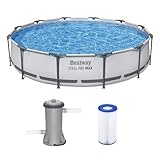
Bestway Steel Pro MAX 12' x 30" Above Ground Swimming Pool Set with Pump | Check Price On Amazon |
|
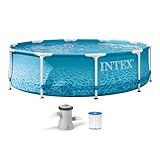
INTEX Beachside Metal Frame 10ft x 30in Round Pool Set w/Pump | Check Price On Amazon |

|
H2OGO! Kids Splash-in-Shade 8-Foot Round Steel Frame Above Ground Pool with Water Mister and Canopy Sunshade, Green Tropical Leaf Print | Check Price On Amazon |
By the Numbers
Pool Liner Colors — What the Data Shows
Sources: DOE Energy Saver, Latham Pool Products, Pool & Hot Tub Alliance, industry manufacturer surveys
What Determines How a Pool Liner Color Actually Looks Underwater?
Three factors override the color you see in a dry sample swatch. Water depth is the most powerful variable. Every foot of water filters out red wavelengths of light first, then orange, then yellow. At four feet deep, a tan liner looks greenish. At eight feet, a medium blue liner looks navy. This happens because water absorbs longer wavelengths as light travels through it. The deeper the water, the more blue shift occurs regardless of what color the liner is underneath.
The second factor is your surrounding environment. A liner that looks turquoise in a showroom under fluorescent lights will look completely different in a backyard surrounded by pine trees. Trees reflect green light into the water. A tan or brown fence reflects warm tones. A white pool deck bounces so much light into the water that a medium blue liner can look nearly white from certain angles. This is why two identical liners in different yards can produce water colors that do not match at all.

- Intelligent Navigation with Full Coverage: Equipped with 11 high-precision sensors and enhanced dual-path algorithms. The optimized WavePath cleaning pattern ensures systematic coverage with minimal overlap, while adaptive navigation analyzes pool layout in real time to eliminate missed spots
- Dual Filtration for Crystal-Clear Water: Advanced dual-layer filtration system features a replaceable 3-micron ultra-fine filter paired with a 180-micron standard filter. Effectively captures fine dust, sand, leaves, and debris for visibly cleaner and healthier pool water
- Comprehensive Pool Cleaning: Engineered to clean the pool floor, walls, waterline, and shallow areas (above 12 inches). The Caterpillar Treads system enhances mobility and climbing ability, ensuring thorough coverage across all pool zones
- Reliable Performance with 2-Year Warranty: Trusted by over 500,000 pool owners worldwide, this robotic pool cleaner delivers consistent, high-performance results. Built for durability and backed by a 2-year warranty and responsive customer support for worry-free ownership
The third factor is sky reflection and time of day. Water acts as a mirror at shallow angles. In the morning and evening, your pool reflects more sky than liner color. At midday with the sun overhead, you see the liner through the water column. A gray liner under a bright blue sky at noon produces distinctly blue water. The same gray liner under an overcast sky produces flat, dull gray water. You will experience all of these lighting conditions. The pool color you see at 2 PM on a sunny Saturday is not what you see at 8 AM before work.
How Does Liner Color Affect Water Temperature and Heating Costs?
Darker pool liners absorb more solar radiation and transfer that heat to the water. A black or charcoal liner in full sun adds 5 to 8 degrees Fahrenheit to your pool water compared to a white liner in the same conditions. This happens because dark surfaces have lower albedo. They reflect less sunlight and convert more of it to heat energy. A white surface reflects up to 80 percent of incoming solar radiation. A black surface reflects less than 10 percent.
The practical impact on heating costs is measurable. For a 20,000 gallon pool in a climate with a four month swim season, a dark liner can reduce gas heater runtime by 90 to 120 hours per season. At a natural gas cost of $1.50 per therm, that equals $150 to $200 in annual savings. Use our pool heater BTU calculator to compute precise heating savings for your pool size and energy rates. The tradeoff is that dark liners in hot climates like Arizona or South Florida can push water temperatures above 90 degrees Fahrenheit in July and August. Water above 85 degrees Fahrenheit accelerates chlorine consumption and creates conditions where algae blooms faster. If you live in a hot climate and do not want bathwater in August, a medium or light liner gives you more control.
A clear solar pool cover paired with a dark liner increases the solar gain effect by trapping heat at the surface overnight. The combination can extend your swim season by three to four weeks on both ends without running a heater. Use the table below to match liner darkness to your climate and heating priorities.
Climate Guide
Liner Darkness and Climate — What Works Best Where You Live
Recommended liner darkness based on average summer temperatures and sun exposure
| Climate Zone | Recommended Liner Darkness | Temperature Effect | Best Color Families |
|---|---|---|---|
| Northern (short season) | Dark to very dark | Adds 6-8°F | Charcoal, dark navy, deep teal |
| Mid-Atlantic / Midwest | Medium to dark | Adds 4-6°F | Deep blue, gray-blue, granite patterns |
| Southeast (humid, hot) | Light to medium | Adds 2-4°F | Medium blue, tan/sand, light gray |
| Southwest / Desert | Very light | Minimal heat gain | White, light blue, light gray, sand |
| Pacific Northwest (shaded) | Dark | Adds 5-7°F | Dark blue, charcoal, dark mosaic |
Temperature gains assume full sun exposure for 6+ hours daily. Shaded pools in any climate will see reduced solar gain regardless of liner color.
The Complete Color Family Guide: What Each Shade Produces in Real Water
Deep Blue and Navy Liners: The Classic Caribbean Look
Deep blue liners produce the richest, most saturated water color of any option. At six feet deep, the water reads as a true ocean blue. In shallow areas like steps and sun shelves, the blue shifts lighter but stays vibrant. Deep blue hides debris well because leaves, dirt, and algae blends into the dark background at depth. This is the most popular liner color family by a wide margin. Manufacturer data from Latham Pool Products shows that deep blue and navy shades account for roughly 45 to 50 percent of all vinyl liner sales.
The downside is visibility. A dark blue liner paired with dark water makes it harder to see a child or pet at the bottom of the deep end. This is a real safety consideration. If you have young children or non-swimmers who use the pool, a lighter liner gives you better underwater visibility. Deep blue also shows calcium scaling and white waterline deposits more than any other color family. The contrast between white scale and dark blue is extreme.
Medium Blue and Aquamarine: The Safe, Versatile Choice
Medium blue produces a bright, inviting water color that most people picture when they imagine a swimming pool. It reflects enough light to keep the water looking clean and clear. It does not heat the water as aggressively as dark blue. It shows debris well enough that you can see what needs vacuuming without every leaf being an eyesore. This is the safest choice for resale value. A medium blue liner with a subtle tile border pattern appeals to the broadest range of future homebuyers.
The tradeoff is that medium blue is also the most common liner color in America. Your pool will look like most other pools. If you want a distinctive look, medium blue alone will not deliver it. Pairing a medium blue base with a decorative tile border or mosaic pattern adds personality without sacrificing broad appeal.
Gray and Granite: The Modern, Architectural Look
Gray liners produce water that shifts from silvery-blue to deep teal depending on depth and sky conditions. At two feet deep on a sunny day, the water looks like liquid mercury. At six feet deep, it reads as a moody blue-green. Gray liners with granite or stone texture patterns are the fastest growing segment in vinyl liner design. They create a natural pond or quarry look that pairs well with modern architecture and natural stone coping.
The debris visibility tradeoff is real with gray liners. Dirt and fine sediment show easily on the floor. If your pool gets a lot of leaf litter, a gray liner with a heavy pattern breaks up debris better than a smooth solid gray. Gray also shows less calcium scaling than dark blue because the scale deposits are similar in color to the liner. For pools with hard fill water measuring above 300 ppm calcium hardness, gray is a practical choice that ages gracefully.
Tan, Sand, and Beach: The Tropical Lagoon Effect
Tan and sand liners exist to create lagoon style pools. The water color ranges from pale turquoise to greenish-teal depending on depth and sunlight. These liners look most natural in freeform pools surrounded by tropical landscaping, rocks, and waterfalls. A tan liner in an angular, geometric pool shape creates a visual clash that most owners find jarring. The lagoon look requires the pool shape and landscaping to support the liner choice.
Tan liners hide some types of debris well. Sand, dirt, and light colored sediment disappear on the floor. Green algae, however, stands out vividly against a tan background. A small algae bloom that would be nearly invisible on a dark blue liner looks like a green stain on a tan liner. This forces earlier intervention on water chemistry, which is actually a benefit. You catch algae sooner and treat it before it spreads. For owners who want to know immediately when their water chemistry drifts, a tan or sand liner provides early warning.
White and Ice Blue: The Crystal Clear, High-Glare Option
White liners produce the brightest, lightest blue water possible. They maximize light reflection. The water looks almost Caribbean-bright in shallow areas. White liners make small pools feel larger because the high reflectivity eliminates the dark-hole effect at the deep end. They also provide the best underwater visibility of any color. A white or ice blue liner in a pool with good lighting is the safest configuration for visibility of swimmers and objects at the bottom.
The drawbacks are significant. White liners show every speck of dirt, every leaf, and every discoloration from metal stains. They require more frequent vacuuming to look clean. They provide zero solar heating benefit. They create intense glare on sunny days that can make it uncomfortable to look at the water from certain angles. White liners also show fading faster than any other color. After 5 to 7 years, a white liner will show a visible yellow shift at the waterline from chemical exposure and UV degradation.
Black and Charcoal: The Mirror Effect with Maximum Heat
Black liners create a mirror reflection on the water surface unlike any other color. The water itself looks like dark glass. At depth, the pool appears bottomless. This is the most dramatic, architectural liner choice available. Black liners maximize solar heat gain. In full sun, a black liner pool can reach 90 degrees Fahrenheit without a heater running. The dark surface also hides algae and debris almost completely. You cannot see the bottom of a black liner pool unless you install powerful underwater lighting.
The tradeoffs are extreme. Black liners show every scratch, scuff, and chemical fade mark. They require perfect water chemistry because any slight imbalance that causes scaling or staining shows up as white or gray patches across the dark surface. Black liners fade fastest at the waterline from chlorine oxidation. Within 3 to 5 years, a distinct lighter band appears where the chlorine concentration is highest. Black liners also make nighttime swimming uneasy for some people because the dark bottom creates a sense of unknown depth. This is purely psychological, but it affects enjoyment for many pool owners.
For most home pool owners, a deep blue or charcoal liner with a subtle stone pattern provides the best balance of water color, heat gain, debris tolerance, and long term appearance as it ages.
Pool Liner Patterns: Border Tiles, Mosaics, and Textures Explained
Tile Border Patterns: The Classic Inground Look
A tile border pattern prints a row of faux ceramic tiles around the top 6 to 12 inches of the liner. This mimics the look of a real tile band at the waterline without the cost or installation complexity of actual tile. Tile borders are the single most popular liner embellishment. They create a finished, high end appearance from the deck and from inside the pool. The most common border styles replicate Mediterranean blue tiles, Grecian white and navy mosaics, and natural stone ledger tiles.
The visual effect works because the tile pattern sits right at the waterline where the eye naturally tracks. At night with pool lights on, the tile border catches light differently from the plain liner below it and creates a dimensional effect. A tile border does not cost significantly more than a plain liner. Most manufacturers charge a $100 to $300 upcharge for a border option on a standard 16 by 32 foot inground liner. The cost per year over an 8 to 12 year liner lifespan is negligible compared to the visual upgrade it provides.
Full Floor Mosaics and Pebble Textures: Hiding Imperfections
Full floor patterns print a repeating mosaic, pebble, or stone texture across the entire liner surface including the floor and walls. These patterns solve the single biggest complaint about solid color liners: every piece of debris, every wrinkle, and every chemical stain is visible. A pebble or stone texture pattern breaks up the visual surface so that small debris blends into the pattern. A leaf on a pebble print floor is harder to notice than the same leaf on a smooth solid blue floor.
The tradeoff is that heavy patterns can look busy and dated. The trend over the last five years has moved toward subtler patterns. Fine stone textures, small scale pebble prints, and low contrast mosaics are replacing the bold, large format pebble patterns that were popular in the 2000s. A good rule: stand ten feet away from a large sample. If the pattern looks like texture, it will work. If the pattern looks like a repeating design you can count, it is too bold and will dominate the pool’s appearance.
Mosaic Step and Bench Markers: The Safety Pattern You Need
Many liner manufacturers now offer contrasting mosaic panels that mark steps, benches, and depth transitions. These are printed sections of the liner with a distinctly different pattern or color from the surrounding area. Their purpose is safety. A solid color liner makes it hard to see where the step edge ends and the deep water begins. A mosaic step marker creates a clear visual boundary.
This is not a cosmetic upgrade. Step markers prevent injuries from people misjudging step edges, especially children and older swimmers. If you choose a dark liner, contrasting step markers are the single most important safety feature you can add. They cost $100 to $200 and are printed into the liner during manufacturing. You cannot add them later without replacing the entire liner.
Design Comparison
Liner Pattern Types — Function, Cost, and Visual Impact
What each pattern style does for your pool beyond decoration
| Pattern Type | Approximate Upcharge | Hides Debris | Shows Fading | Best For |
|---|---|---|---|---|
| Solid color (no pattern) | Baseline price | Poor | High | Modern aesthetic, easy cleaning visibility |
| Tile border only | $100-300 | Poor | High | Resale value, traditional pool look |
| Full pebble or stone texture | $200-500 | Excellent | Low | Heavy debris areas, pools surrounded by trees |
| Mosaic step markers | $100-200 | N/A (steps only) | Low | Safety on dark liners, accessibility |
| Full mosaic or tile print floor | $400-800 | Very good | Moderate | High-end aesthetic, unique pool design |
How Does Depth Change the Color You See?
Every pool liner color looks different at one foot deep versus eight feet deep. This is not a manufacturing defect. It is physics. Water absorbs light wavelengths selectively as depth increases. Red wavelengths disappear first, within the first two to three feet of water. Then orange and yellow fade. By six feet deep, only blue and green wavelengths remain. This means every liner color shifts toward blue-green at depth.
A tan liner at two feet deep looks like sandy tropical water. The same tan liner at eight feet deep looks greenish-gray. A medium blue liner at two feet looks bright and vibrant. At eight feet, it looks dark navy. A gray liner that reads as silver in the shallow end looks almost black in a deep diving well. This depth shift is most dramatic in pools with sudden depth transitions, like a sport pool with a deep center section. The contrast between the shallow and deep water color can be striking.
The practical takeaway: choose your liner based on how it looks at the average depth where people will view it. If your pool has a large shallow sun shelf where people sit and socialize, prioritize how the liner looks in one to two feet of water. If your pool is a diving configuration with an eight foot deep end, the deep water color is what you and your guests will see from the deck most of the time because the deep end dominates the visible water surface.
How Does Sun Exposure Affect Liner Color Over Time?
All vinyl pool liners fade. The question is how fast and how visibly. UV radiation from sunlight breaks down the pigments in the printed film layer on top of the vinyl. Chlorine accelerates this process because it oxidizes the plasticizers and pigments from the water side. The top 12 to 18 inches of a liner fade fastest because this is the zone where UV exposure from above meets chlorine concentration from the water.
Lighter liners show fading more because there is less pigment density to lose. A white liner that loses 20 percent of its pigment looks yellow. A dark blue liner that loses the same 20 percent still looks blue, just slightly lighter. Patterns hide fading better than solid colors because the eye averages the pattern rather than detecting a uniform color shift. A pebble texture liner at year eight looks closer to its original appearance than a solid color liner at year five.
The fastest way to destroy a liner’s color is running consistently high chlorine levels above 5 ppm in an outdoor pool with full sun exposure. Target 2 to 4 ppm free chlorine for vinyl liner pools. Anything above 5 ppm accelerates fading without improving sanitation. Cyanuric acid at 30 to 50 ppm protects chlorine from UV degradation in outdoor pools and indirectly protects your liner color by preventing chlorine spikes when you add chemicals.
Dark Liner vs Light Liner: A Complete Comparison
Use the table below to compare dark and light liners across every factor that affects daily pool ownership.
Product Comparison
Dark Liner vs Light Liner — Side by Side
Detailed comparison to help you choose based on your priorities
| Factor | Dark Liner (Navy, Charcoal, Black) | Light Liner (White, Ice Blue, Sand) |
|---|---|---|
| Solar heat gain | Adds 5-8°F in full sun | Minimal heat gain, 0-2°F |
| Debris visibility | Low (hides leaves, dirt, algae) | High (shows everything immediately) |
| Swimmer visibility | Poor (hard to see bottom of deep end) | Excellent (clear visibility at all depths) |
| Fading visibility | Low to moderate over 8-12 years | High (yellowing visible within 5-7 years) |
| Calcium scaling visibility | Very high (white on dark contrast) | Low (scale blends with light surface) |
| Glare on sunny days | Low (absorbs light) | High (reflects light, can be harsh) |
| Best climate fit | Northern, shaded, short season | Hot, sunny, long season |
Dark liners include navy, charcoal, black, deep teal, and dark granite. Light liners include white, ice blue, light gray, sand, and tan.
How to Match a Liner Color to Your Pool’s Surroundings and Architecture
The best liner color choice is the one that works with your backyard, not against it. Start by looking at your pool deck color. A light gray concrete deck pairs cleanly with gray, blue, or teal liners. It clashes with tan or sand liners because the warm and cool tones fight each other. A tan or brown paver deck works naturally with sand, tan, and lagoon green liners. It makes blue liners look synthetic and out of place.
Next, assess your landscaping. A pool surrounded by dark evergreens and heavy shade needs a liner that stays visible. Light blue, ice blue, or white liners prevent the pool from disappearing into the dark reflection of the trees. A pool in an open, sunny yard with no surrounding greenery can handle any color because the sky reflection dominates. In that setting, a dark blue or charcoal liner creates a dramatic reflective effect that pale liners cannot match.
Finally, match the liner to your home’s architecture and your pool’s shape. A modern, rectangular pool with clean lines and minimalist landscaping works best with solid colors or very subtle stone textures in gray, charcoal, or deep blue. A freeform, lagoon style pool with rock features and tropical plants comes alive with tan, sand, or pebble textures that mimic natural materials. A traditional colonial or suburban home with a classic rectangle pool benefits from a medium blue liner with a white tile border pattern. It looks intentional and finished rather than trendy.
Quick Reference
Pool Liner Terms — What They Actually Mean
Key terms used throughout this guide explained in plain language
The thickness of the vinyl sheeting in thousandths of an inch. Standard inground liners are 20, 27, or 30 gauge. Thicker gauge resists punctures but costs more.
The top layer of the liner where the color and pattern are printed. UV and chlorine attack this layer first. Once it fades, the color underneath is white vinyl.
The fraction of sunlight a surface reflects. White liners have high albedo (reflect ~80% of light). Black liners have low albedo (reflect less than 10%). This determines heat gain.
How water filters out red, orange, and yellow wavelengths as depth increases. At 6+ feet, only blue and green light remains, shifting every liner color toward blue-green.
A contrasting mosaic panel printed into the liner at steps, benches, and depth transitions. Marks edges that would otherwise be invisible, especially on dark liners.
The slow loss of the chemicals that keep vinyl flexible. Chlorine and heat accelerate this process. When plasticizers deplete, the liner becomes brittle and cracks.
White, crusty deposits that form when calcium hardness exceeds 400 ppm or pH stays above 7.8. Most visible on dark liners due to extreme contrast.
The track at the top of the pool wall that holds the liner’s top edge in place. Some liners use a bead system. Others use a J-hook that hangs directly on the wall.
What Liner Colors and Patterns Add the Most to Resale Value?
If you plan to sell your home within the lifespan of the liner, resale value should influence your color choice. Real estate professionals who specialize in homes with pools consistently report that medium blue liners with a white or tan tile border attract the broadest buyer pool. They look clean, traditional, and well maintained. Buyers who dislike the pool color may mentally deduct the cost of replacement from their offer. At a replacement cost of $1,200 to $4,500, that deduction is real money.
Dark, bold, or unusual liner colors polarize buyers. A deep charcoal or black liner pool looks stunning to the 20 percent of buyers who love modern design. The other 80 percent see a maintenance headache and a safety concern. A tan or lagoon style liner works for buyers who want a natural look, but it turns off buyers who expect a pool to be blue. The safest choice for resale is medium blue with a classic tile border pattern and no full floor mosaic. It offends the fewest people.
Pattern choice affects resale perception too. Bold, large format pebble prints from the 2000s read as dated to current buyers. They signal an older liner that needs replacement soon, even if the liner is structurally sound. Fine, subtle stone textures and small mosaic prints read as current. A liner that looks new helps sell the home. A liner that looks obviously ten years old works against you even if the pool equipment and structure are in perfect shape.
How to Choose a Liner Color: The Decision Framework
Start with climate. If you live in a northern climate with a short swim season and you do not want to run a heater constantly, choose a dark liner in navy, charcoal, or deep teal. If you live in a hot climate where water already hits 88 degrees Fahrenheit without a heater, choose a light or medium liner in light blue, gray, or sand.
Then consider debris. If your pool sits under oak trees and gets heavy leaf litter, choose a dark liner or a liner with a heavy pebble pattern to hide debris between cleanings. If your pool is in an open area with minimal debris, you can choose any color based purely on aesthetics.
Assess your safety needs. If you have young children, non-swimmers, or older adults using the pool, prioritize a lighter liner that gives good underwater visibility. Add step markers regardless of liner color. A dark liner without step markers is the least safe configuration for visibility.
Match your surroundings. Look at your deck color. Look at your landscaping. Choose a liner that harmonizes with what already exists rather than fighting it. A mismatched liner looks like a mistake even if the color is beautiful on its own.
Finally, consider longevity. If you want the liner to look good for the full 10 to 15 year lifespan without obvious fading, choose a medium to dark liner with a subtle pattern. Avoid solid white, solid black, and any high gloss finish. These show age faster than any other options.
Buying Guide
Before You Choose a Pool Liner — Decision Checklist
Check off each point before finalizing your liner color and pattern selection.
How Long Does a Vinyl Liner Hold Its Color Before Fading Becomes Obvious?
A standard 20 gauge vinyl liner in an outdoor pool with proper water chemistry will show visible fading at the waterline within 5 to 7 years. A thicker 27 or 30 gauge liner with UV inhibitors in the film layer may hold its color for 8 to 12 years before fading becomes obvious from the deck. The waterline band where chlorine concentration and UV exposure overlap fades first. This is irreversible and affects all liner colors, though dark and heavily patterned liners mask it best.
You can extend liner color life by keeping cyanuric acid between 30 and 50 ppm to stabilize chlorine, never letting free chlorine exceed 5 ppm, maintaining pH between 7.2 and 7.6 to reduce chemical aggression, and using a solar pool cover on a reel system to block UV when the pool is not in use. A cover blocks nearly 100 percent of UV at the water surface. Pools with automatic covers or disciplined solar cover use show dramatically less fading at the 10 year mark compared to uncovered pools.
When discoloration or fading indicates it is time for replacement, understanding the full inground pool liner replacement cost and process from measurement to water fill helps you budget and plan the timeline before the liner fails completely.
What Is the Most Popular Pool Liner Color?
Deep blue in various shades accounts for roughly 45 to 50 percent of all vinyl liner sales according to manufacturer surveys from Latham and Tara Manufacturing. The second most popular category is gray and granite, growing rapidly over the last five years from roughly 15 percent to approximately 25 percent of the market. Tan, sand, and lagoon colors make up about 15 percent of sales and hold steady year over year. White, ice blue, and specialty colors like black or dark teal make up the remaining 10 to 15 percent of the market.
The shift toward gray and granite reflects the broader home design trend toward cooler tones, modern architecture, and natural stone textures. Gray has replaced beige as the default neutral in home interiors over the last decade. That shift is now reaching the backyard. Gray liners with subtle stone or granite textures read as current and sophisticated in a way that solid blue liners do not.
Can I See a Full Size Liner Color in Person Before Ordering?
Yes, but not the way most people expect. Pool liner manufacturers provide sample swatches roughly 8 by 11 inches to pool builders and retail showrooms. Some builders have larger sample panels measuring 2 by 3 feet that show a section of the pattern including the tile border. These are the best available reference before installation. A small sample in a showroom under artificial light does not represent what the liner will look like submerged under 6 feet of water in your backyard.
The best approach: ask your pool builder or liner installer for the contact information of a previous customer who chose the same liner you are considering. Visit that pool in person. Look at the water at different times of day. See how the color reads in shallow and deep areas. This costs you an hour of time and gives you more useful information than months of staring at a sample swatch under different light bulbs. If visiting a pool isn’t feasible, you can use our free pool liner design visualizer to explore colors and patterns on a simulated pool shape and get a much better sense of the final look before committing.
Do Pool Liner Colors Look Different in Saltwater Pools?
Saltwater pools use a salt chlorine generator that produces chlorine from dissolved salt at 2,700 to 3,400 ppm salinity. This is about one tenth the salinity of seawater. The salt itself does not change liner color. However, saltwater pools tend to have higher and more stable chlorine levels because the generator produces chlorine continuously. This can accelerate fading at the waterline compared to a manually chlorinated pool where chlorine levels fluctuate more.
The bigger issue with saltwater pools and liners is not color but corrosion of metal components. Saltwater pools require a replacement salt cell for the chlorine generator roughly every 3 to 5 years at a cost of $300 to $700. The liner itself is not affected by salt at residential pool concentrations. The liner color choice for a saltwater pool is the same as for a manually chlorinated pool.
Does a Darker Pool Liner Hide Algae Better Than a Light One?
Darker liners absolutely hide green and mustard algae growth better than light liners. The dark background absorbs the green tint and makes early stage algae blooms nearly invisible. This is actually a disadvantage, not a benefit. By the time algae becomes visible on a dark liner, the bloom is already heavy and requires more aggressive treatment with higher chemical costs.
A light liner shows algae the moment it starts. The green tint against a white or light blue background is unmistakable. You catch it early, treat it with a normal copper free pool algaecide and a standard shock dose, and you are back to clear water in 24 to 48 hours. Over a season, a light liner pool may save $50 to $100 in chemical costs simply because problems are caught earlier. The safety of your pool water chemistry also benefits from knowing when algae is present. Swimmers swimming in a pool with visible algae are swimming in a pool with inadequate sanitation. A dark liner that hides this creates a false sense of security.
What Liner Pattern Hides Wrinkles Best?
Heavy pebble textures, stone prints, and full floor mosaics hide wrinkles better than any solid or subtle pattern. A wrinkle in vinyl creates a shadow line. On a solid color, that shadow line is a continuous dark streak across the floor. On a busy pebble texture, the shadow breaks up into the existing dark and light areas of the pattern and becomes nearly invisible.
If your pool floor has an uneven sand or vermiculite base, or if you are installing a replacement liner over an older base that is not perfectly smooth, a patterned floor is worth the upcharge for the wrinkle concealment alone. Thicker 27 or 30 gauge liners also wrinkle less than thin 20 gauge liners because the material is stiffer and resists the thermal expansion and contraction cycles that cause wrinkles to form over time.
Does a Pool Liner Color Affect How Much Chlorine I Need?
Yes, indirectly. Dark liners heat the water more through solar absorption. Warmer water accelerates chlorine consumption because chemical reactions happen faster at higher temperatures and because algae and bacteria reproduce faster in warmer water. A dark liner pool running 5 to 8 degrees Fahrenheit warmer than a light liner pool in the same climate will require roughly 10 to 20 percent more chlorine to maintain the same 2 to 4 ppm free chlorine residual.
A stabilized 3 inch chlorine tablet in a floater or automatic chlorinator helps maintain consistent levels. But the underlying principle holds: warmer water equals faster chlorine loss. If you choose a dark liner for the heat gain benefit, budget for slightly higher chemical costs over the season. For a 20,000 gallon pool, the difference might be $50 to $80 per year in additional chlorine.
What Is the Best Liner Color for a Pool That Gets a Lot of Leaves?
Dark colors with a heavy pattern. Leaves, especially brown oak leaves and dark green magnolia leaves, blend into a dark liner bottom. They stand out vividly on light blue or white liners. A charcoal or dark navy liner with a full pebble or stone texture pattern makes debris less visible between cleanings. You will still need to vacuum, but the pool will not look dirty 30 minutes after the last cleaning.
A robotic pool cleaner running daily handles leaf accumulation regardless of liner color. If you invest in automation, liner color matters less for debris aesthetics. If you clean manually once or twice a week, a dark patterned liner keeps the pool looking acceptable between sessions.
How Much More Does a Patterned Liner Cost Than a Solid Color?
A basic tile border pattern adds $100 to $300 to the liner cost. A full floor pebble or stone texture adds $200 to $500. A full mosaic or custom printed floor adds $400 to $800. These are manufacturer upcharges on top of the base liner price. For a typical 16 by 32 foot inground vinyl liner, the total liner cost including pattern ranges from $1,200 to $4,500 installed depending on thickness, pattern complexity, and local labor rates. Get a tailored estimate with our Pool Liner Cost Calculator.
The cost of pool liner replacement for above ground versus inground configurations varies significantly by pool type and wall height. The pattern upcharge is the same percentage whether the liner is for an above ground or inground pool, but the base cost difference between the two is substantial.
Can I Change My Pool Liner Color When I Replace It?
Yes. When you replace a vinyl liner, you are ordering a completely new custom fabricated liner measured to your pool’s exact dimensions. You can choose any color, any pattern, any tile border, and any thickness that your manufacturer offers. The old liner color has no bearing on the new one. This is one of the advantages of a vinyl liner pool compared to a plaster or pebble finish pool. A color change simply means ordering a different liner.
If you are resurfacing the pool floor at the same time, you may also want to consider the broader pool resurfacing process including how often different surface types need renewal. The liner itself is the surface in a vinyl liner pool. Making sure the sand or vermiculite base underneath is smooth and properly graded before the new liner goes in determines how flat and wrinkle free the final result will be.
Are There Any Safety Standards for Pool Liner Colors or Patterns?
There are no regulations mandating specific liner colors. However, the Virginia Graeme Baker Pool and Spa Safety Act requires compliant drain covers and, in some configurations, safety vacuum release systems or other entrapment prevention devices. Liner color does not affect VGB compliance, but visibility of the drain covers does. A dark liner with a dark drain cover creates a situation where swimmers cannot see the drain location. Choosing a contrasting drain cover color for a dark liner pool is a safety recommendation, not a legal requirement.
Pool safety extends beyond the liner to surrounding equipment and barriers. If your pool lacks a compliant fence or gate system, pool alarm systems for doors, surface detection, and wearable bands provide additional layers of protection that work regardless of what color liner you choose.
Do Liner Colors Look Different Under LED Pool Lights at Night?
Yes, and this is one of the most overlooked aspects of liner color selection. White LED pool lights are the most common. They render liner colors relatively accurately at night because they produce a full spectrum white light. However, many modern LED pool lights offer color changing modes. A blue LED light on a tan liner produces a muddy green that most owners find unattractive. A blue LED on a white liner produces a pure, bright blue that looks spectacular.
A warm white or amber LED on a gray liner produces a moody, sophisticated effect. The same warm LED on a deep blue liner nearly disappears because the dark blue absorbs most of the warm spectrum light. If you plan to use color changing color changing LED inground pool lights regularly, consider how your liner color interacts with the light colors you will use most often. A white or light blue liner reflects the most light and shows off color changing effects the best. A dark liner absorbs most colored light and mutes the effect significantly.
Myth vs Fact
Pool Liner Colors — Common Myths Debunked
Separating fact from fiction on the most common pool liner color misconceptions
✗ Myth
The sample swatch color is exactly what the water will look like.
✓ Fact
A dry swatch under showroom lights looks nothing like that same liner submerged under 6 feet of water in your backyard with trees, sky reflection, and your specific pool depth profile affecting the color.
✗ Myth
A dark liner always makes the pool too hot.
✓ Fact
Dark liners add 5 to 8 degrees Fahrenheit in full sun. In northern climates this is a benefit that extends the swim season. In hot climates it can push water above 90 degrees. The liner color needs to match the climate, not an absolute rule.
✗ Myth
A saltwater pool requires a special liner color or material.
✓ Fact
Standard vinyl liners work in saltwater pools without issue. The salt concentration (2,700 to 3,400 ppm) is far below seawater levels and does not damage the vinyl or affect the color. Metal components around the pool are the corrosion concern, not the liner.
✗ Myth
Thicker liners hold color longer than thin ones.
✓ Fact
Thicker liners (27 or 30 gauge) resist punctures and tears better. But the printed color layer on top is the same thickness regardless of the vinyl gauge underneath. UV inhibitors in the film formulation matter more for color retention than the gauge number. A 20 gauge liner with good UV inhibitors can outlast a 30 gauge liner without them on color alone.
✗ Myth
A patterned liner looks dated faster than a solid color.
| Photo | Best Above-Ground Pools | Price |
|---|---|---|
|
|
Bestway Steel Pro MAX 12' x 30" Above Ground Swimming Pool Set with Pump | Check Price On Amazon |
|
|
INTEX Beachside Metal Frame 10ft x 30in Round Pool Set w/Pump | Check Price On Amazon |
|
|
H2OGO! Kids Splash-in-Shade 8-Foot Round Steel Frame Above Ground Pool with Water Mister and Canopy Sunshade, Green Tropical Leaf Print | Check Price On Amazon |