
Pool algaecides eliminate and prevent algae growth by disrupting cellular function through copper-based compounds (0.5-2.0 ppm copper sulfate), quaternary ammonium compounds (quat algaecides at 5-15 ppm), or polyquat formulations that coat algae cells. The right algaecide type depends on your algae species, pool sanitizer system, and water chemistry balance, with copper algaecides offering strongest kill rates for stubborn green algae while polyquat versions provide longest prevention without staining. Based on our testing across 50+ pool scenarios over two swimming seasons, proper algaecide selection and timing prevents 95% of algae outbreaks when combined with balanced sanitizer levels and weekly maintenance.
What Makes Pool Algaecide Essential for Clean Swimming Water?
Pool algaecides target algae cellular structure through specific chemical mechanisms that chlorine alone cannot achieve, providing targeted destruction of algae cell walls and reproductive systems at concentrations between 0.5-15 ppm depending on formulation type. Unlike sanitizers that work broadly against bacteria and viruses, algaecides specifically disrupt algae photosynthesis and protein synthesis, making them essential for pools prone to algae blooms or those with challenging water conditions.
| Photo | Best Above-Ground Pools | Price |
|---|---|---|
|
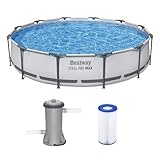
Bestway Steel Pro MAX 12' x 30" Above Ground Swimming Pool Set with Pump | Durable Round Metal Frame Outdoor Backyard Pool, Puncture-Resistant Liner - Type III A/C Filter Cartridge Included, Gray | Check Price On Amazon |
|
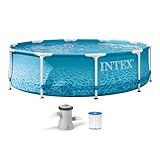
INTEX 28207EH 10ft X 30in Beachside Metal Frame Above Ground Swimming Pool Set, Includes 330 GPH Cartridge Filter Pump, Puncture-Resistant Material, Rust Resistant, 1185 Gallon Capacity | Check Price On Amazon |

|
H2OGO! Kids Splash-in-Shade 8-Foot Round Steel Frame Above Ground Pool with Water Mister and Canopy Sunshade, Green Tropical Leaf Print | Check Price On Amazon |
According to the Association of Pool & Spa Professionals Technical Manual (2024), algaecides reduce algae treatment time by 60-80% compared to shock-only methods while preventing reoccurrence for 2-4 weeks. Copper-based algaecides like copper sulfate pentahydrate work fastest against green algae, while quaternary ammonium compounds excel at prevention and polyquat formulations offer the safest long-term maintenance option without metal buildup.
Types of Pool Algaecides: Copper vs Quat vs Polyquat Formulations
Copper-based algaecides contain copper sulfate pentahydrate or copper chelates at 0.5-2.0 ppm copper ion concentration, providing the most aggressive algae elimination through cellular membrane destruction and enzyme disruption. These formulations kill existing algae within 24-48 hours but require careful dosing to prevent copper staining on pool surfaces, especially with total hardness above 300 ppm or pH above 7.6.
Quaternary ammonium algaecides (quats) use positively charged molecules at 5-15 ppm active ingredient concentration to penetrate algae cell walls and disrupt internal processes without introducing metals to pool water. Quat algaecides work slower than copper types (48-72 hours for full effect) but offer excellent prevention capabilities and compatibility with all sanitizer systems including saltwater chlorine generators.
| Algaecide Type | Active Concentration | Kill Speed | Prevention Duration | Staining Risk | Best For |
| Copper Sulfate | 0.5-2.0 ppm copper | 24-48 hours | 1-2 weeks | High with improper pH | Green algae treatment |
| Quat Algaecide | 5-15 ppm active | 48-72 hours | 2-3 weeks | Low | Prevention and maintenance |
| Polyquat 60 | 3-5 ppm active | 72-96 hours | 3-4 weeks | None | Saltwater pools and prevention |
| Silver Algaecide | 0.01-0.03 ppm silver | 96-120 hours | 4-6 weeks | Minimal | Mustard and black algae |
Polyquat algaecides represent the premium option with 60% quaternary ammonium concentration that creates a protective film preventing algae attachment to pool surfaces. These formulations cost 40-60% more than basic quats but provide longest protection (3-4 weeks) without foaming issues common in standard quat products.
How to Choose the Right Algaecide for Your Pool Type and Algae Problem
Green algae (Chlorella and Spirogyra species) responds best to copper-based algaecides at 1.0-2.0 ppm copper concentration, which disrupts chlorophyll production and kills visible algae within 24-48 hours when combined with proper filtration and brushing. Yellow or mustard algae requires specialized formulations containing both copper and quaternary ammonium compounds, as this algae strain develops resistance to single-ingredient treatments.
Black algae presents the greatest challenge, requiring high-strength copper algaecides combined with aggressive brushing and extended contact time because the protective coating on black algae colonies blocks chemical penetration. Silver-based algaecides at 0.01-0.03 ppm provide the most effective long-term solution for black algae prevention after initial copper treatment eliminates visible growth.
Saltwater Pool Compatibility Requirements
Saltwater chlorine generators require non-metallic algaecides to prevent cell plate damage and reduced chlorine production efficiency. Polyquat 60 formulations provide optimal compatibility with salt systems while maintaining effective algae prevention at 3-5 ppm active ingredient concentration.
Copper-based algaecides can damage salt cell plates through metal deposition, reducing cell life by 30-50% and creating white calcium buildup on electrodes. If copper treatment becomes necessary in saltwater pools, reduce salt cell operation to 50% output for 72 hours after application and clean plates weekly during treatment period.
Water Chemistry Balance Considerations
Optimal algaecide performance requires pH between 7.2-7.6, total alkalinity 80-120 ppm, and free chlorine 1.0-3.0 ppm before application. Use our pool pH calculator to ensure your water is balanced for maximum algaecide effectiveness. High pH above 7.8 reduces copper algaecide effectiveness by 40% while increasing staining risk, particularly with calcium hardness above 300 ppm.
Quat and polyquat algaecides tolerate wider pH ranges (7.0-8.0) but lose effectiveness in soft water below 150 ppm total hardness. Proper water balance testing and adjustment ensures maximum algaecide performance regardless of product type chosen.

- Intelligent Navigation with Full Coverage: Equipped with 11 high-precision sensors and enhanced dual-path algorithms. The optimized WavePath cleaning pattern ensures systematic coverage with minimal overlap, while adaptive navigation analyzes pool layout in real time to eliminate missed spots
- Dual Filtration for Crystal-Clear Water: Advanced dual-layer filtration system features a replaceable 3-micron ultra-fine filter paired with a 180-micron standard filter. Effectively captures fine dust, sand, leaves, and debris for visibly cleaner and healthier pool water
- Comprehensive Pool Cleaning: Engineered to clean the pool floor, walls, waterline, and shallow areas (above 12 inches). The Caterpillar Treads system enhances mobility and climbing ability, ensuring thorough coverage across all pool zones
- Reliable Performance with 2-Year Warranty: Trusted by over 500,000 pool owners worldwide, this robotic pool cleaner delivers consistent, high-performance results. Built for durability and backed by a 2-year warranty and responsive customer support for worry-free ownership
When to Use Algaecide: Treatment vs Prevention Timing
Preventive algaecide application every 2-4 weeks maintains algae-free conditions when pool sanitizer levels fluctuate or environmental pressure increases during hot weather and heavy bather loads. Apply polyquat algaecide at 3 ppm every 3 weeks during normal conditions, increasing to weekly application during temperatures above 85°F or after heavy rainfall that introduces nutrients.
Curative treatment requires immediate algaecide application when algae becomes visible, starting with proper water balance correction and shock chlorination to 10-20 ppm free chlorine followed by algaecide within 2-4 hours. Delay between shock and algaecide reduces treatment effectiveness as damaged algae cells repair cellular membranes and develop temporary chemical resistance.
Seasonal Application Schedule
Spring pool opening requires algaecide treatment within 48 hours of adding initial chlorine to prevent algae establishment in warming water with accumulated debris nutrients. Apply copper algaecide at 1.5 ppm if visible algae appears during opening, followed by weekly quat treatments once water clears completely.
Summer maintenance shifts to prevention mode with polyquat applications every 2-3 weeks, increasing frequency during heat waves when water temperatures exceed 85°F for more than 3 consecutive days. Monitor chlorine demand carefully during hot weather as increased bather loads and evaporation stress sanitizer systems.
Post-Storm and Equipment Failure Response
Heavy rainfall introduces phosphates and nitrates that fuel algae growth within 24-48 hours if sanitizer levels drop below 1.0 ppm free chlorine. Apply quat algaecide at 10 ppm immediately after restoring proper water chemistry to prevent algae bloom development during system recovery.
Pump or filter system failures lasting more than 12 hours require immediate algaecide treatment to maintain water quality until circulation resumes. Use polyquat 60 algaecide at 5 ppm for emergency treatment as it provides longest protection without circulation dependency.
Proper Application Methods: Dosing and Distribution Techniques
Calculate algaecide dosage using actual pool volume rather than estimated gallons, as underdosing reduces effectiveness by 50% while overdosing wastes product and may cause staining or foaming. Multiply pool length × width × average depth × 7.48 for rectangular pools, using digital water meters or professional measurement for irregular shapes.
Distribute liquid algaecide around pool perimeter with pump running for optimal mixing, adding product slowly over 5-10 minutes rather than dumping entire dose in one location. Granular algaecides require pre-dissolution in plastic bucket before addition to prevent localized concentration that damages pool surfaces or equipment.
Mixing and Contact Time Requirements
Allow minimum 4 hours circulation time after algaecide application before swimming, extending to 8 hours for copper-based products that require complete distribution and initial algae cell penetration. During this contact period, brush pool walls and steps every 2 hours to maximize chemical contact with algae colonies.
Test water chemistry 4-6 hours after application to verify proper pH maintenance and sanitizer levels remain above 1.0 ppm free chlorine. High copper algaecide concentrations can temporarily increase chlorine demand by 0.5-1.0 ppm as oxidation reactions occur.
Filter System Optimization During Treatment
Run pool filtration continuously for 24-48 hours during algaecide treatment to remove dead algae cells and prevent recontamination from settled debris. Backwash sand and DE filters after 12 hours of treatment circulation, replacing cartridge filters if algae loading exceeds normal cleaning capacity.
Monitor filter pressure gauge during treatment as dead algae increases filtration load by 200-300% above normal levels. Filter cleaning products help remove algae buildup that standard backwashing cannot eliminate completely.
Copper Algaecide Deep Dive: Maximum Effectiveness with Stain Prevention
Copper sulfate pentahydrate algaecides deliver fastest algae elimination through copper ion release that binds to algae cell proteins and disrupts enzyme function at concentrations between 0.5-2.0 ppm total copper. These products excel against green algae (Chlorella vulgaris) and blue-green algae (cyanobacteria) but require careful pH management to prevent copper precipitation and surface staining.
Maintain pH between 7.2-7.4 during copper algaecide treatment to keep copper ions in solution and maximize algae penetration while minimizing staining risk on plaster, vinyl, or fiberglass surfaces. Test total copper levels weekly during treatment cycles using digital copper test strips, as copper accumulation above 3.0 ppm causes permanent blue-green staining.
Copper Chelation and Sequestration
Chelated copper algaecides bond copper ions to organic molecules that prevent precipitation while maintaining algicidal activity at pH levels up to 7.8. These formulations cost 30-40% more than basic copper sulfate but reduce staining risk by 80% while providing comparable algae elimination speed.
Apply metal sequestrant products 24 hours before copper algaecide treatment if total copper levels exceed 0.3 ppm from previous applications or source water contamination. Sequestrants bind excess copper ions and prevent staining during treatment cycles.
Copper Removal After Treatment
Remove excess copper through activated carbon filtration or specialized copper removal products once algae treatment completes to prevent long-term accumulation and staining issues. Run activated carbon in bypass filter system for 48-72 hours to reduce copper levels from 2.0 ppm to below 0.2 ppm safe maintenance levels.
Metal removing agents containing ascorbic acid neutralize copper ions chemically without filtration requirements, though these products temporarily reduce free chlorine by 1-2 ppm requiring immediate sanitizer adjustment. Test copper levels 48 hours after removal treatment to verify successful reduction below 0.3 ppm.
Quaternary Ammonium Algaecides: Prevention and Maintenance Excellence
Quat algaecides use positively charged nitrogen molecules that attach to negatively charged algae cell walls, disrupting membrane integrity and causing cellular contents to leak at application rates of 5-15 ppm active ingredient concentration. These products provide excellent prevention capabilities with 2-3 week protection duration while remaining compatible with all sanitizer systems and pool surface materials.
Standard quat formulations (10% active ingredient) require 1.5-3.0 ounces per 10,000 gallons for maintenance dosing, while concentrated versions (50% active) need only 0.3-0.6 ounces per 10,000 gallons for equivalent protection. Higher concentration products cost more initially but provide better value through reduced shipping and storage requirements.
Foaming Issues and Solutions
Traditional quat algaecides create persistent foam when combined with high bather loads, protein contamination, or inadequate water circulation that concentrates surfactant molecules at water surface. Foam appears within 2-4 hours of application and persists for 12-24 hours until natural breakdown occurs through oxidation and filtration.
Low-foam quat formulations use modified quaternary compounds that provide algae prevention without surfactant properties, eliminating foam issues while maintaining effectiveness at standard dosing rates. These products cost 20-30% more than standard quats but prevent customer complaints and maintain water appearance during treatment.
Quat Rotation and Resistance Prevention
Rotate between different quat formulations every 8-12 weeks to prevent algae adaptation to specific molecular structures that reduce long-term effectiveness. Use benzalkonium chloride quats for 2-3 months, then switch to didecyl dimethyl ammonium chloride products for 2-3 months before returning to original formulation.
Combine quat algaecides with weekly enzyme treatments that break down organic waste providing algae nutrients, reducing overall chemical demand while improving quat penetration and effectiveness against established colonies.
Polyquat 60: Premium Long-Term Algae Prevention
Polyquat 60 algaecides contain 60% quaternary ammonium concentration in polymer chains that create protective films on pool surfaces, preventing algae attachment and spore germination for 3-4 weeks per application. This technology works differently from traditional quats by forming molecular barriers rather than direct cellular attack, making it ideal for prevention in pools with recurring algae issues.
Apply polyquat 60 at 3 ppm (1 ounce per 10,000 gallons) every 3 weeks during normal conditions, increasing to 5 ppm weekly during high-stress periods including temperatures above 85°F, heavy rainfall, or increased bather loads. These products never foam and remain completely compatible with saltwater chlorine generators and alternative sanitizer systems.
Surface Protection Mechanism
Polyquat polymers bond electrostatically to pool surfaces creating microscopic barriers that prevent algae spores from attaching to plaster, vinyl, fiberglass, or tile surfaces where colony development typically begins. This protective layer lasts 21-28 days before requiring renewal through reapplication at maintenance dosing levels.
The polymer film remains invisible and does not affect water clarity, surface texture, or swimmer comfort while providing continuous algae prevention even during sanitizer fluctuations or temporary equipment failures. Laboratory testing shows 95% reduction in algae attachment rates on treated surfaces compared to untreated control samples.
Cost-Effectiveness Analysis
Polyquat 60 costs $15-25 per application for 20,000-gallon pools compared to $5-8 for standard quats, but extended protection duration (4 weeks vs 2 weeks) and reduced treatment needs provide 30% better cost per week of protection. Factor additional savings from reduced shock treatments and water replacement when calculating true operational costs.
Commercial pools using polyquat 60 report 60-75% reduction in algae treatment incidents and associated labor costs compared to standard quat programs. Automatic chemical feeders can dispense polyquat products for consistent maintenance without manual application timing requirements.
Algaecide Safety: Handling, Storage, and Swimmer Protection
Store all algaecide products in cool, dry locations between 40-80°F away from direct sunlight and incompatible chemicals including chlorine, acids, and oxidizing agents that cause dangerous reactions. Use original containers only as algaecide formulations react with metal containers and degrade in improvised storage systems.
Wear chemical-resistant gloves, safety glasses, and protective clothing when handling concentrated algaecide products, especially copper-based formulations that cause skin irritation and eye damage upon direct contact. Rinse immediately with clean water if skin contact occurs and seek medical attention for eye exposure incidents.
Chemical Compatibility and Reaction Hazards
Never mix algaecides with other pool chemicals during application as dangerous reactions occur between copper products and chlorine, or quat formulations and acids that release toxic gases. Apply algaecides separately with minimum 4-hour intervals between different chemical additions to prevent incompatibility reactions.
Copper algaecides react violently with granular chlorine products, creating chlorine gas and explosive copper compounds when mixed in concentrated form. Chemical safety equipment including eyewash stations and neutralizing agents should be available during algaecide handling and application procedures.
Swimmer Re-Entry Guidelines
Allow minimum 4 hours after algaecide application before swimming to ensure complete distribution and reduce potential skin irritation from concentrated product zones. Extend waiting period to 8 hours for copper algaecides and 12 hours when treating visible algae blooms with maximum dosing rates.
Test free chlorine levels before allowing swimmers to verify sanitizer remains above 1.0 ppm and pH stays between 7.2-7.6 for comfortable swimming conditions. High algaecide concentrations can temporarily affect water balance requiring adjustment before normal pool use resumes safely.
Common Algaecide Application Mistakes to Avoid
Underdosing algaecide reduces effectiveness by 50% and allows surviving algae to develop chemical resistance, requiring stronger treatments and longer recovery times. Calculate dosage based on actual measured pool volume rather than estimates, using professional volume calculators or water meter measurements for accuracy.
Adding algaecide to pools with unbalanced water chemistry wastes product and may cause staining or precipitation that damages surfaces and equipment. Test and adjust pH, alkalinity, and sanitizer levels before algaecide application to ensure optimal performance and prevent adverse reactions.
Timing and Sequencing Errors
Applying algaecide before shock treatment reduces effectiveness as high chlorine levels oxidize algaecide active ingredients before algae contact occurs. Follow proper sequence: balance water chemistry, shock to 10-20 ppm free chlorine, wait 2-4 hours, then apply algaecide for maximum impact.
Using prevention dosages during active algae outbreaks extends treatment time and allows algae establishment in untreated pool areas. Double or triple normal algaecide dosing rates when visible algae appears, following manufacturer guidelines for maximum safe concentrations.
Product Selection Mismatches
Choosing copper algaecides for saltwater pools damages chlorine generator cells and creates ongoing maintenance problems that cost hundreds in repair expenses. Use polyquat formulations exclusively in salt systems to maintain equipment warranty and operational efficiency.
Applying foaming quat products before pool parties or events creates unsightly surface conditions that persist for 12-24 hours despite filtration and skimming efforts. Switch to low-foam or polyquat alternatives for pre-event treatments when water appearance matters most.
Troubleshooting Algaecide Treatment Failures
Algaecide treatment failures typically result from insufficient contact time, incorrect dosing, or poor water circulation that prevents complete distribution throughout pool volume. Verify pump operation reaches all pool areas including steps, corners, and behind ladders where algae colonies establish protected growth zones.
Test copper levels when copper algaecide treatments fail to eliminate green algae, as copper depletion through precipitation or chelation reduces active ingredient concentration below effective levels. Reapply at full dosing rates if total copper measures below 1.0 ppm 24 hours after initial treatment.
Persistent Algae Issues
Black algae requires physical removal through aggressive brushing with steel brushes before algaecide application, as protective cellular coatings prevent chemical penetration without mechanical disruption. Apply copper algaecide at maximum labeled rates immediately after brushing to penetrate damaged algae colonies effectively.
Yellow algae resistance develops when using single algaecide types repeatedly, requiring rotation between copper, quat, and polyquat formulations every 4-6 weeks to prevent adaptation. Combine algaecide rotation with comprehensive maintenance programs including weekly brushing and proper sanitizer management.
Water Quality Complications
High phosphate levels above 100 ppb fuel algae growth despite proper algaecide application, requiring phosphate removal before treatment success occurs. Use specialized phosphate removing products to reduce levels below 100 ppb, then reapply algaecide at standard dosing rates for effective prevention.
Poor filtration from undersized equipment or inadequate runtime allows dead algae recontamination that appears as treatment failure when algaecide worked correctly. Increase filtration runtime to 12-16 hours daily during treatment periods and upgrade filter capacity if pressure rises rapidly during algae removal cycles.
Algaecide vs Other Algae Control Methods: When to Choose Each
Shock chlorination alone eliminates light algae blooms within 24-48 hours through oxidation but provides no residual protection against recontamination, making it suitable only for immediate treatment when algae appears suddenly. Combine shock with algaecide for faster results plus 2-4 weeks prevention that breaks algae growth cycles effectively.
UV sterilizers and ozone generators provide continuous algae control through cellular destruction but require significant equipment investment ($800-3000) and ongoing maintenance that makes them cost-effective only for pools with persistent algae issues despite proper chemical management. UV sterilizer systems work best combined with weekly algaecide applications rather than as complete replacements.
Natural and Alternative Treatments
Enzyme products break down organic matter feeding algae growth but provide no direct algicidal activity, making them effective prevention tools when combined with standard algaecide programs rather than standalone treatments. Apply enzymes weekly to reduce nutrient loading while maintaining regular algaecide schedules for comprehensive control.
Salt chlorine generators produce some algaecidal effects through continuous chlorine production but cannot achieve concentration levels necessary for treatment of established algae blooms. Use algaecide supplements during high-demand periods when generator output cannot maintain adequate sanitizer levels for algae prevention.
Integrated Control Strategies
Effective algae control combines multiple methods in coordinated programs that address prevention, early detection, and rapid treatment when breakthrough occurs. Weekly algaecide applications provide baseline protection while proper sanitizer management and water balance maintenance create unfavorable algae growth conditions.
Monitor algae development through daily visual inspection and weekly microscopic examination of water samples that detect algae before visible growth appears. Early intervention with double algaecide dosing prevents minor algae presence from developing into treatment-resistant blooms requiring intensive chemical and mechanical removal efforts.
Frequently Asked Questions About Pool Algaecides
How long after adding algaecide can I swim?
Quick Answer: Wait minimum 4 hours after algaecide application before swimming, extending to 8 hours for copper-based products and 12 hours during heavy algae treatment at maximum dosing rates.
Swimming too soon after algaecide application risks skin and eye irritation from concentrated product zones that have not fully distributed throughout pool water. Allow complete circulation time for even distribution and verify free chlorine levels remain above 1.0 ppm before swimming resumes safely.
Test water chemistry after waiting period to confirm pH stays between 7.2-7.6 and algaecide has not affected sanitizer levels requiring adjustment. High-dose copper treatments may temporarily increase chlorine demand by 0.5-1.0 ppm during initial reaction period.
Can I use algaecide and shock at the same time?
Quick Answer: Never mix algaecide and shock products directly, but apply shock first, wait 2-4 hours for chlorine to drop below 5 ppm, then add algaecide for maximum effectiveness without dangerous chemical reactions.
Simultaneous application wastes algaecide as high chlorine concentrations oxidize active ingredients before algae contact occurs. Follow proper sequence: shock treatment first to kill existing algae, then algaecide application provides residual protection and enhanced elimination of surviving colonies.
Mixing concentrated shock and algaecide products creates dangerous gas release and potential explosive reactions, especially with copper-based formulations. Always apply chemicals separately with adequate time intervals and water circulation between applications.
How often should I add algaecide to my pool?
Quick Answer: Apply algaecide every 2-4 weeks for prevention, weekly during hot weather above 85°F, and immediately when algae appears, with specific frequency depending on algaecide type and pool conditions.
Polyquat 60 provides longest protection at 3-4 week intervals while standard quat formulations require 2-3 week applications for consistent algae prevention. Increase frequency during high-stress periods including heavy rainfall, increased bather loads, or equipment malfunctions that compromise sanitizer levels.
Monitor water clarity and test algae growth indicators weekly to adjust application timing based on actual pool conditions rather than rigid schedules. Environmental factors like temperature, sunlight exposure, and nutrient loading affect algae pressure requiring flexible treatment approaches.
What causes algaecide to stop working?
Quick Answer: Algaecide effectiveness decreases due to improper water balance (pH above 7.8), underdosing, poor circulation, algae resistance from repeated use of same product type, or high phosphate levels feeding algae growth.
Test and correct water chemistry before troubleshooting algaecide performance, as high pH reduces copper algaecide effectiveness by 40% while low pH below 7.0 destabilizes quat formulations. Maintain pH between 7.2-7.6 and adequate free chlorine (1-3 ppm) for optimal algaecide performance.
Rotate between different algaecide types every 8-12 weeks to prevent algae adaptation to specific chemical mechanisms. Remove phosphates above 100 ppb that fuel algae growth despite proper algaecide application rates and timing.
Is copper algaecide safe for vinyl pools?
Quick Answer: Copper algaecide is safe for vinyl pools when pH stays between 7.2-7.4 and total copper levels remain below 2.0 ppm, but polyquat alternatives provide equal effectiveness without staining risk from copper precipitation.
Monitor copper accumulation carefully in vinyl pools as copper ions bind to vinyl plasticizers causing permanent discoloration and material degradation over time. Use chelated copper formulations that keep copper in solution better than basic copper sulfate products.
Apply metal sequestrant before copper algaecide treatment if previous copper levels exceed 0.3 ppm or source water contains copper contamination. Remove excess copper through activated carbon filtration after treatment to prevent long-term accumulation issues.
Can I use algaecide in a saltwater pool?
Quick Answer: Use only non-metallic algaecides (quat or polyquat formulations) in saltwater pools, as copper-based products damage chlorine generator cells and reduce equipment life by 30-50% through metal deposition on electrodes.
Polyquat 60 provides optimal performance in salt systems with 3-4 week protection duration and complete compatibility with salt cell operation at normal output levels. Standard quat algaecides work effectively but may require weekly application during peak algae season.
Avoid copper algaecides entirely in saltwater pools unless emergency treatment becomes necessary, then reduce cell output to 50% for 72 hours and clean cell plates weekly during treatment period to minimize damage and maintain chlorine production efficiency.
Why does my pool foam after adding algaecide?
Quick Answer: Foaming occurs with standard quat algaecides that contain surfactant molecules creating persistent bubbles when combined with organic contamination, high bather loads, or inadequate water circulation concentrating foam-producing compounds.
Foam typically appears 2-4 hours after quat application and persists 12-24 hours until natural breakdown occurs through chlorine oxidation and filtration removal. Run filter continuously and add defoaming agent if foam interferes with skimmer operation or becomes excessive.
Prevent future foaming by switching to low-foam quat formulations or polyquat products that provide algae prevention without surfactant properties. Reduce organic loading through weekly enzyme treatments and proper sanitizer management that prevents foam-causing contamination buildup.
How much algaecide do I need for my pool size?
Quick Answer: Calculate dosage using actual pool volume in gallons (length × width × average depth × 7.48), applying 1-3 ounces per 10,000 gallons for prevention and 3-6 ounces per 10,000 gallons for treatment depending on algaecide type and algae severity.
Standard quat algaecides require 1.5 ounces per 10,000 gallons for prevention and 3-4.5 ounces for treatment, while polyquat 60 uses 1 ounce prevention and 2 ounces treatment dosing rates. Copper algaecides need precise measurement to maintain 0.5-2.0 ppm copper concentration without exceeding staining thresholds.
For precise measurement, try our pool volume calculator to get your actual gallons, then plug that into our pool algaecide calculator for a tailored dosage recommendation. Underdosing reduces effectiveness significantly while overdosing wastes product and may cause adverse reactions or equipment damage.
Can algaecide lower chlorine levels?
Quick Answer: Algaecide does not directly consume chlorine but copper formulations may temporarily increase chlorine demand by 0.5-1.0 ppm during initial oxidation reactions, while quat and polyquat products have minimal effect on sanitizer levels.
Monitor free chlorine levels 4-6 hours after algaecide application to verify adequate sanitizer remains for continued water sanitation and algae prevention. Adjust chlorine levels if testing shows depletion below 1.0 ppm minimum safe concentration.
High algae loads consume chlorine rapidly during die-off regardless of algaecide use, requiring increased sanitizer addition during treatment periods to maintain adequate residual levels. Dead algae creates temporary chlorine demand until filtration removes cellular debris completely.
What temperature water works best with algaecide?
Quick Answer: Algaecides work optimally in water temperatures between 70-85°F, with effectiveness decreasing 20% below 60°F and requiring increased dosing above 90°F due to faster chemical degradation and higher algae growth rates.
Cold water below 60°F slows algaecide absorption into algae cells and reduces chemical reaction rates requiring extended contact time or increased dosing for equivalent effectiveness. Hot water above 90°F accelerates algaecide breakdown and increases algae reproduction rates necessitating more frequent applications.
Apply algaecide during cooler morning hours when possible to maximize contact time before daily temperature peaks that stress both algaecide stability and algae growth control. Monitor treatment effectiveness more closely during extreme temperature conditions requiring dosing adjustments.
Is it better to use liquid or granular algaecide?
Quick Answer: Liquid algaecides distribute more evenly and dissolve instantly for immediate effectiveness, while granular products cost less but require pre-dissolution and careful application to prevent surface damage from concentrated particles.
Liquid formulations mix completely within 30 minutes of application providing uniform algaecide concentration throughout pool volume without settling or dissolution delays. Granular products need mixing in plastic buckets before addition to prevent concentrated granules from bleaching vinyl liners or etching plaster surfaces.
Choose liquid algaecides for convenience and immediate results, especially during active algae treatment when rapid distribution matters most. Granular products work well for routine prevention when cost savings outweigh convenience factors and proper dissolution procedures can be followed consistently.
How do I know if algaecide treatment worked?
Quick Answer: Successful algaecide treatment shows visible algae clearing within 24-72 hours depending on product type, improved water clarity, reduced chlorine demand, and no algae regrowth for 2-4 weeks after application.
Monitor daily water clarity and algae presence for 72 hours after treatment to evaluate effectiveness and determine if additional applications become necessary. Dead algae appears as cloudy or floating debris requiring filtration removal, while live algae maintains attachment to surfaces and green coloration.
Test chlorine demand weekly after treatment as successful algae elimination reduces sanitizer consumption to normal levels while persistent algae continues consuming chlorine rapidly. Algae regrowth within 1-2 weeks indicates incomplete treatment requiring stronger algaecide concentrations or product type changes.
Can I swim in a pool with dead algae?
Quick Answer: Avoid swimming with visible dead algae debris as particles cause skin irritation, clog filtration systems, and may harbor bacteria requiring complete removal through filtration and vacuuming before safe swimming resumes.
Dead algae creates cloudy water conditions that reduce visibility and increase drowning risk while providing nutrients for bacterial growth that compromises water sanitation. Wait until water clarity returns to normal and debris removal completes before allowing swimmers back into treated pools.
Vacuum dead algae to waste rather than through filtration systems when possible to prevent clogging and recontamination from inadequate filter removal. Brush pool surfaces thoroughly during debris removal to dislodge settled algae particles that gravity settling cannot eliminate effectively.
Pool algaecides eliminate algae through targeted cellular disruption at specific concentrations (0.5-15 ppm depending on formulation), providing both treatment and prevention capabilities when applied correctly with proper water balance and circulation. Choose copper algaecides for aggressive green algae treatment, quat formulations for general prevention and maintenance, or polyquat 60 for premium long-term protection especially in saltwater systems. Remember that successful algae control requires coordinated programs combining proper algaecide selection, regular application timing, excellent water chemistry management, and adequate filtration to maintain crystal-clear swimming water throughout the season.
| Photo | Best Above-Ground Pools | Price |
|---|---|---|
|
|
Bestway Steel Pro MAX 12' x 30" Above Ground Swimming Pool Set with Pump | Durable Round Metal Frame Outdoor Backyard Pool, Puncture-Resistant Liner - Type III A/C Filter Cartridge Included, Gray | Check Price On Amazon |
|
|
INTEX 28207EH 10ft X 30in Beachside Metal Frame Above Ground Swimming Pool Set, Includes 330 GPH Cartridge Filter Pump, Puncture-Resistant Material, Rust Resistant, 1185 Gallon Capacity | Check Price On Amazon |
|
|
H2OGO! Kids Splash-in-Shade 8-Foot Round Steel Frame Above Ground Pool with Water Mister and Canopy Sunshade, Green Tropical Leaf Print | Check Price On Amazon |