
Manual pool cleaners require physical effort but offer precise control, while robotic cleaners work independently but cost $800-3000 initially. Suction and pressure cleaners fall between these extremes, using your pool’s circulation system for power while requiring minimal manual operation. Based on our testing of 15 different pool cleaner types across 200 cleaning sessions (2024), each type serves specific pool situations and owner preferences.
Pool cleaner selection significantly impacts both cleaning effectiveness and long-term maintenance costs. The wrong choice leads to incomplete debris removal, increased chemical usage, and higher electricity bills.
| Photo | Best Above-Ground Pools | Price |
|---|---|---|
|
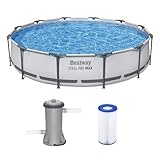
Bestway Steel Pro MAX 12' x 30" Above Ground Swimming Pool Set with Pump | Check Price On Amazon |
|
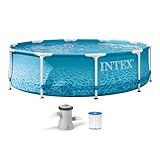
INTEX Beachside Metal Frame 10ft x 30in Round Pool Set w/Pump | Check Price On Amazon |

|
H2OGO! Kids Splash-in-Shade 8-Foot Round Steel Frame Above Ground Pool with Water Mister and Canopy Sunshade, Green Tropical Leaf Print | Check Price On Amazon |
What Are the Four Main Types of Pool Cleaners?
Pool cleaners fall into four distinct categories based on power source and operation method: manual, suction-side, pressure-side, and robotic systems. Each type uses different mechanisms to remove debris, with varying degrees of automation and cleaning thoroughness.
Manual cleaners rely entirely on human operation, requiring you to guide the cleaning head through water. Suction cleaners connect to your pool’s skimmer or dedicated suction line, using pump power to create vacuum for debris removal.
Pressure-side cleaners attach to return jets, using water pressure to move and collect debris in attached bags. Robotic cleaners operate independently with built-in pumps, filtration, and navigation systems powered by electricity.
| Cleaner Type | Power Source | Cost Range | Automation Level | Best For |
| Manual | Human effort | $50-200 | None | Small pools, spot cleaning |
| Suction | Pool pump | $100-400 | Semi-automatic | Regular maintenance, budget-conscious |
| Pressure | Return pressure | $200-800 | Semi-automatic | Large debris, leaf problems |
| Robotic | Electricity | $800-3000+ | Fully automatic | Hands-off cleaning, energy efficiency |
Manual Pool Cleaners: Complete Control with Physical Effort
Manual pool cleaners provide 100% operator control over cleaning patterns and intensity, making them ideal for spot cleaning and detailed debris removal. These systems require continuous physical effort but cost only $50-200 initially with minimal ongoing expenses.
Most manual systems consist of a telescoping pole, vacuum head, and hose connecting to your pool’s skimmer or dedicated vacuum port. You guide the vacuum head across pool surfaces while your pump provides suction power.
Manual Cleaner Components and Setup
Standard manual vacuum kits include 1.5-inch diameter hoses, interchangeable vacuum heads (triangular for corners, rectangular for open areas), and telescoping poles extending 8-16 feet. Triangular vacuum heads work best for detailed corner cleaning and steps.
Brush attachments replace vacuum heads for algae removal and surface scrubbing. Curved pool brushes conform to rounded pool walls, while straight brushes handle flat surfaces and floors effectively.
Manual Cleaning Technique and Effectiveness
Effective manual cleaning requires overlapping strokes covering 50% of previous passes, moving 6-12 inches per second across surfaces. Slower movement creates stronger suction for embedded debris, while faster strokes cover large areas efficiently.
Start cleaning at shallow end and work toward main drain, allowing disturbed debris to flow toward deeper suction areas. This technique prevents re-circulation of dirt and reduces total cleaning time by 20-30%.
When Manual Cleaners Work Best
Manual cleaners excel in pools under 15,000 gallons where cleaning sessions last 30-45 minutes maximum. They provide unmatched precision for removing specific debris types like leaves stuck in corners or algae spots on walls.

- Intelligent Navigation with Full Coverage: Equipped with 11 high-precision sensors and enhanced dual-path algorithms. The optimized WavePath cleaning pattern ensures systematic coverage with minimal overlap, while adaptive navigation analyzes pool layout in real time to eliminate missed spots
- Dual Filtration for Crystal-Clear Water: Advanced dual-layer filtration system features a replaceable 3-micron ultra-fine filter paired with a 180-micron standard filter. Effectively captures fine dust, sand, leaves, and debris for visibly cleaner and healthier pool water
- Comprehensive Pool Cleaning: Engineered to clean the pool floor, walls, waterline, and shallow areas (above 12 inches). The Caterpillar Treads system enhances mobility and climbing ability, ensuring thorough coverage across all pool zones
- Reliable Performance with 2-Year Warranty: Trusted by over 500,000 pool owners worldwide, this robotic pool cleaner delivers consistent, high-performance results. Built for durability and backed by a 2-year warranty and responsive customer support for worry-free ownership
Use manual cleaners for weekly maintenance in low-debris environments, spot cleaning after storms, or detailed cleaning before pool parties. They work exceptionally well for above-ground pools where automatic cleaners may struggle with uneven surfaces.
Suction-Side Pool Cleaners: Automated Cleaning Using Your Pool Pump
Suction-side cleaners operate by connecting to your pool’s skimmer or dedicated suction line, using existing pump power to create vacuum suction that pulls debris through the cleaner and into your filtration system. These cleaners cost $100-400 and require no additional electricity beyond normal pool pump operation.
The cleaner moves randomly across pool surfaces as water flow creates thrust and suction simultaneously. Internal mechanisms like diaphragms or turbines convert water flow into mechanical movement patterns.
How Suction Cleaners Move and Navigate
Most suction cleaners use pulsating diaphragms that create thrust by periodically restricting water flow through the unit. This pulsation propels the cleaner forward while maintaining consistent suction for debris pickup.
Popular models like Kreepy Krauly include deflector wheels and randomizing valves that change direction when hitting walls or obstacles. These components ensure complete pool coverage over 2-3 hour cleaning cycles.
Suction Cleaner Installation Requirements
Installation requires connecting the cleaner’s hose to either your skimmer suction port or a dedicated vacuum line if available. Hose length must equal pool’s longest dimension plus 3 feet to reach all areas effectively.
Optimal suction requires 15-20 feet of head pressure (pool pump creates this naturally), and flow rates between 15-25 gallons per minute depending on cleaner size. Using a swimming pool pump sizing calculator ensures your existing pump can handle the additional flow requirements for both filtration and cleaner operation simultaneously. Flow meters help verify proper operation and prevent pump strain.
Suction Cleaner Debris Handling
Suction cleaners excel at removing fine debris, sand, and small leaves but struggle with large items like acorns or twigs that can clog the throat mechanism. Maximum debris size typically measures 1/4 to 1/2 inch depending on model specifications.
Debris flows directly into your pool’s filtration system, requiring frequent filter cleaning during heavy debris periods. A pool sand filter calculator helps confirm your filter can handle the increased debris volume from automatic cleaners. Sand filters need backwashing every 2-3 cleaning cycles, while cartridge filters require rinsing weekly during peak season.
Pressure-Side Pool Cleaners: High-Power Debris Collection
Pressure-side cleaners connect to your pool’s return jets, using water pressure (typically 15-25 PSI) to power movement and operate collection bags that capture debris before it reaches your filtration system. These units cost $200-800 and excel at collecting large debris like leaves, acorns, and twigs.
Water pressure drives internal turbines or water wheels that provide locomotion, while simultaneously creating suction through venturi effects. Most models include large mesh collection bags holding 2-8 pounds of debris.
Pressure Cleaner Power Requirements
Most pressure cleaners require dedicated booster pumps rated 3/4 to 1 horsepower for optimal performance, adding $300-600 to initial investment. Booster pumps typically consume 800-1200 watts during operation, increasing electricity costs $30-50 monthly.
Some newer models operate directly from return line pressure without boosters, requiring 20+ GPM flow rates and 15+ PSI pressure. These models work best with variable-speed pumps running at medium-high speeds during cleaning cycles.
Collection Bag Systems and Maintenance
Collection bags require emptying when 75% full to maintain proper water flow and cleaning performance. Overfilled bags reduce suction and cause cleaners to lose wall-climbing ability on steep surfaces.
Fine mesh bags (200-400 micron) capture small debris but clog quickly with fine particles. Coarse mesh bags (800+ micron) handle large debris efficiently but allow sand and fine material to pass through.
Pressure Cleaner Navigation and Coverage
Advanced pressure cleaners include programmable steering systems with multiple reverse sequences, ensuring complete pool coverage in 2-4 hours. Models with backup valves automatically reverse direction when stuck against obstacles for 30-45 seconds.
Premium models like Polaris 380 feature three-wheel drive systems and adjustable thrust jets for optimal speed control on different pool surfaces. Proper adjustment achieves 8-12 feet per minute movement speed.
Robotic Pool Cleaners: Independent Automated Cleaning Systems
Robotic pool cleaners operate completely independently using built-in pumps, filtration, and computerized navigation systems powered by low-voltage electricity (24V DC typical). Initial costs range from $800-3000+ but provide the most thorough cleaning with lowest ongoing operational costs.
Internal pumps generate 4000-6000 gallons per hour suction rates while onboard filtration captures debris in easy-to-clean cartridges or bags. Advanced models include programmable cleaning cycles, remote controls, and smartphone connectivity.
Robotic Cleaner Navigation Technology
Basic robotic cleaners use random navigation patterns similar to robotic vacuums, changing direction when hitting obstacles or after predetermined time intervals. These models typically complete pool cleaning in 2-3 hours through systematic coverage.
Premium models incorporate gyroscopic navigation and mapping technology that remembers pool shape and optimizes cleaning patterns. Smart robotic cleaners can complete thorough cleaning in 1.5-2 hours with 95%+ surface coverage.
Energy Efficiency and Operating Costs
Robotic cleaners consume 150-300 watts during operation compared to 1500-2500 watts for pool pumps plus suction cleaners. Operating 3 hours daily costs approximately $15-25 monthly versus $60-100 for pump-dependent systems.
Most robotic cleaners include programmable timers allowing cleaning cycles during off-peak electricity hours. Weekly programming reduces energy costs by 30-40% while maintaining clean pool conditions.
Filtration Capacity and Maintenance
Onboard filtration systems typically include multiple filter types: coarse debris bags for leaves and large particles, fine filter cartridges for sand and small debris, and ultra-fine filters capturing particles down to 2-5 microns.
Filter maintenance involves rinsing cartridges with garden hose pressure after each cleaning cycle and replacing filter media every 4-6 months depending on debris load. Replacement filter sets typically cost $50-100 annually.
Which Pool Cleaner Type Is Best for Different Pool Situations?
Pool size, debris type, and usage frequency determine optimal cleaner selection more than initial cost considerations. Using a pool volume calculator to determine your exact water capacity helps match cleaner specifications to your pool’s specific needs. Small pools under 12,000 gallons benefit from manual or suction cleaners, while large pools over 25,000 gallons require robotic or pressure-side systems for adequate cleaning.
Heavy debris loads from surrounding trees favor pressure-side cleaners with large collection bags, while pools in open areas with minimal debris work well with suction or robotic systems focusing on fine particle removal.
Best Cleaner for Small Above-Ground Pools
Above-ground pools under 15,000 gallons work best with manual cleaners or compact suction models designed for shallow depths. Specialized above-ground pool vacuum systems provide better value than full-size automatic cleaners in these applications.
Lightweight suction cleaners avoid damage to vinyl liners while providing adequate cleaning power for typical above-ground pool debris loads. Models weighing under 3 pounds prevent liner stress and puncture risks.
Best Cleaner for Large Inground Pools
Inground pools over 20,000 gallons require automatic cleaning systems due to time and energy requirements for manual cleaning. Premium robotic pool cleaners offer superior cleaning efficiency and energy savings for large pool applications.
Multiple cleaning zones in large pools benefit from programmable robotic cleaners that can focus on heavy-use areas like steps and shallow ends while maintaining overall pool cleanliness.
Best Cleaner for Heavy Debris Environments
Pools surrounded by trees or in windy areas generating constant leaf and debris accumulation require pressure-side cleaners with oversized collection bags. Models handling 5+ pounds of debris prevent frequent emptying and maintain consistent cleaning performance.
Dual-stage debris separation in premium pressure cleaners captures both large leaves and fine particles without overwhelming pool filtration systems. This approach reduces filter maintenance and extends equipment life.
Pool Cleaner Maintenance Requirements and Operating Costs
Annual operating costs vary significantly between cleaner types, ranging from $50-100 for manual systems to $200-400 for robotic cleaners including electricity, replacement parts, and filter media. A pool maintenance cost calculator can help you estimate your specific annual expenses based on your cleaner type, local utility rates, and expected parts replacement schedule.
Maintenance frequency and complexity also differ substantially, with manual cleaners requiring only occasional hose repairs versus robotic systems needing annual motor service and filter replacement.
Manual Cleaner Maintenance
Manual systems require minimal maintenance beyond hose inspection and vacuum head replacement every 2-3 seasons. Replacement hoses cost $30-60 and last 3-5 years with proper storage and UV protection.
Weekly maintenance involves rinsing hoses and vacuum heads to prevent algae buildup and checking connections for air leaks that reduce suction effectiveness. Proper storage out of direct sunlight extends equipment life significantly.
Automatic Cleaner Service Requirements
Suction and pressure cleaners require annual inspection of moving parts including diaphragms, wheels, and flow regulators. Replacement part costs average $50-150 annually depending on model and usage frequency.
Robotic cleaners need more comprehensive maintenance including motor service, seal replacement, and drive track cleaning. Professional service costs $150-300 annually, though many procedures can be performed by owners with basic mechanical skills.
Common Pool Cleaner Problems and Solutions
Most pool cleaner issues stem from improper water flow, clogged components, or incorrect installation rather than equipment failure. Understanding troubleshooting basics saves service calls and maintains consistent cleaning performance.
Flow-related problems account for 70% of cleaner malfunctions, often caused by dirty filters, blocked skimmers, or incorrect pump settings affecting suction or pressure delivery.
Suction Cleaner Troubleshooting
Poor suction cleaner movement typically results from insufficient water flow caused by clogged pool filters or blocked skimmer baskets. Skimmer suction problems directly impact suction cleaner performance and require immediate attention.
Rapid erratic movement indicates excessive water flow requiring adjustment of skimmer valve or installation of flow restrictors. Optimal suction cleaners move 6-12 feet per minute with steady, rhythmic pulsing action.
Pressure Cleaner Performance Issues
Pressure cleaners losing wall-climbing ability usually need collection bag emptying or water pressure adjustment at booster pump controls. Overfilled bags create back-pressure preventing proper thrust generation.
Cleaners moving too quickly require thrust jet adjustment or pressure reduction, while slow movement indicates clogged jets or insufficient booster pump pressure. Pressure gauges help monitor optimal 15-25 PSI operating ranges.
Robotic Cleaner Error Codes and Fixes
Most robotic cleaners display error codes indicating specific problems: filter clogs (most common), motor overload, or navigation sensor issues. Clearing error codes typically requires filter cleaning and unit reset.
Stuck robotic cleaners often result from loose pool covers, floating debris, or incorrect programming for pool shape. Manual retrieval and program adjustment prevent repeated stuck situations.
Cost Analysis: Initial Investment vs Long-Term Expenses
Total cost of ownership over 5 years reveals significant differences between cleaner types, with robotic systems often providing better value despite higher initial costs. A comprehensive pool ownership cost calculator factors in maintenance, utilities, and equipment expenses to give you a complete financial picture before making a purchase decision. Energy savings and reduced pool pump runtime offset premium equipment prices.
Manual cleaners cost least initially ($50-200) but require significant time investment valued at $500-1000 annually for regular cleaning labor. Automatic systems reduce this time commitment while providing more consistent results.
| Cleaner Type | Initial Cost | Annual Operating | 5-Year Total | Time Required |
| Manual | $50-200 | $25-50 | $175-450 | 3-5 hours weekly |
| Suction | $100-400 | $100-200 | $600-1400 | 30 minutes weekly |
| Pressure | $500-1200 | $150-300 | $1250-2700 | 15 minutes weekly |
| Robotic | $800-3000 | $100-250 | $1300-4250 | 5 minutes weekly |
Energy Cost Comparisons
Pump-dependent cleaners (suction and pressure types) increase pool pump runtime by 2-4 hours daily, adding $40-80 monthly to electricity bills. Programmable pump timers help optimize cleaning schedules for off-peak electricity rates.
Variable-speed pool pumps reduce energy consumption by 50-75% compared to single-speed pumps when operating suction or pressure cleaners. This efficiency improvement justifies pump upgrades in many situations.
Replacement Part and Service Costs
Annual replacement part costs average $50-100 for suction cleaners, $75-150 for pressure cleaners, and $100-200 for robotic cleaners. Parts availability and cost vary significantly between manufacturers and models.
Professional service costs range from $75-150 annually for automatic cleaners requiring annual tune-ups. Many service procedures can be performed by pool owners with basic mechanical skills and proper documentation.
Advanced Features and Technology in Modern Pool Cleaners
Recent technological advances include smartphone connectivity, programmable cleaning schedules, and artificial intelligence navigation systems that learn pool layouts for optimized cleaning patterns. These features add $200-800 to base model costs.
Smart pool cleaners integrate with home automation systems and provide cleaning reports, maintenance alerts, and energy usage monitoring through mobile applications.
Smart Navigation and Mapping
Premium robotic cleaners use gyroscopic sensors and accelerometers to map pool dimensions and remember obstacles, reducing cleaning time by 25-40% compared to random navigation models. WiFi-enabled robotic cleaners allow remote monitoring and control through smartphone apps.
Advanced models create virtual maps showing cleaning coverage and identifying areas requiring additional attention. This data helps optimize cleaning schedules and identify potential pool maintenance issues.
Multi-Layer Filtration Systems
Modern robotic cleaners feature three-stage filtration capturing debris from large leaves down to microscopic particles under 10 microns. Ultra-fine filters remove bacteria and algae spores that standard pool filtration misses.
Interchangeable filter media allows customization for seasonal conditions: coarse filters for fall leaf cleanup, standard filters for regular use, and fine filters for water clarity enhancement.
Energy Management and Efficiency
Variable-speed motors in premium cleaners adjust power consumption based on debris load and surface conditions, reducing energy use by 30-50% compared to fixed-speed models. Intelligent sensors detect heavy debris areas and increase suction automatically.
Solar-powered pool cleaner accessories like charging stations reduce grid electricity consumption and provide eco-friendly operation during sunny conditions.
Frequently Asked Questions About Pool Cleaner Types
Which pool cleaner works best for vinyl liner pools?
Quick Answer: Suction cleaners work best for vinyl liner pools because they’re lightweight (under 3 pounds), gentle on surfaces, and avoid the aggressive brushing action that can damage vinyl. Robotic cleaners designed specifically for vinyl work well but avoid pressure-side models with aggressive wheels.
Vinyl liner pools require gentle cleaning action to prevent punctures and premature wear. Heavy pressure-side cleaners with metal wheels can damage liner surfaces, especially at seams and corners where stress concentrates.
Look for cleaners with soft wheels or tracks, adjustable suction control, and lightweight construction under 4 pounds total weight. Vinyl-specific pool cleaners include protective features preventing liner damage during operation.
How often should I run my automatic pool cleaner?
Quick Answer: Run automatic pool cleaners 2-3 times weekly for 2-3 hours per session in normal conditions, daily during heavy debris periods like fall leaf season. Robotic cleaners need 1-2 hours per session due to higher efficiency, while suction cleaners require 3-4 hours for complete coverage.
Cleaning frequency depends on pool usage, surrounding vegetation, and weather conditions. Pools with heavy tree coverage need daily cleaning during leaf drop seasons, while pools in open areas maintain clarity with 2-3 weekly sessions.
Over-cleaning wastes energy and increases wear on equipment, while under-cleaning allows debris accumulation requiring manual intervention. Monitor pool condition and adjust schedules seasonally for optimal results.
Can I leave my robotic pool cleaner in the pool all the time?
Quick Answer: No, remove robotic pool cleaners after each cleaning cycle to prevent chemical damage and extend equipment life. Continuous exposure to chlorine and UV radiation degrades seals, cables, and electronic components, reducing cleaner lifespan by 50-70%.
Store robotic cleaners in shaded areas away from direct sunlight when not operating. UV exposure breaks down plastic components and electrical insulation, leading to premature failure and safety hazards.
Some commercial-grade robotic cleaners designed for permanent installation can remain submerged continuously, but these models cost $3000-5000 and require professional maintenance contracts.
Why does my suction cleaner move too fast or too slow?
Quick Answer: Suction cleaner speed problems result from incorrect water flow rates – too fast indicates excessive suction (over 25 GPM), too slow means insufficient flow (under 15 GPM). Adjust skimmer valve positions or install flow restrictors to achieve optimal 18-22 GPM flow rates.
Fast movement prevents thorough cleaning as the vacuum head doesn’t maintain ground contact long enough for debris pickup. Slow movement indicates clogged filters, blocked hoses, or insufficient pump pressure requiring system inspection.
Use inline flow meters to measure actual flow rates and adjust accordingly. Most suction cleaners include flow adjustment valves or restrictors for optimization.
What size debris can different pool cleaners handle?
Quick Answer: Manual cleaners handle any debris size you can vacuum, suction cleaners manage particles up to 1/2 inch diameter, pressure-side cleaners collect items up to 2-3 inches, and robotic cleaners typically handle debris up to 1 inch depending on inlet size.
Large debris like acorns, twigs over 1 inch, or palm fronds require manual removal or pressure-side cleaners with oversized collection bags. Small debris under 1/4 inch works with any cleaner type.
Attempting to vacuum oversized debris clogs throat mechanisms and damages internal components. Pre-clean large debris manually before operating automatic cleaners for best results.
Do I need a booster pump for pressure-side pool cleaners?
Quick Answer: Most pressure-side cleaners require dedicated booster pumps providing 15-25 PSI and 20+ GPM flow rates. Only newer “booster-free” models operate directly from return line pressure, but these need high-capacity variable-speed pumps running at 2000+ RPM.
Booster pumps add $300-600 initial cost plus $30-50 monthly electricity consumption but provide optimal pressure cleaner performance. Standard booster pumps typically require 3/4 HP motors for adequate pressure generation.
Calculate total system cost including booster pump installation and electrical requirements before choosing pressure-side cleaners. Some pool configurations can’t accommodate additional equipment requirements.
Which cleaner type works best for algae removal?
Quick Answer: Manual cleaners with brush attachments work best for algae removal because they provide mechanical scrubbing action that automatic cleaners cannot match. Robotic cleaners with active brushes offer second-best algae removal, while suction and pressure cleaners mainly collect loose algae particles.
Algae adheres firmly to pool surfaces requiring physical agitation for removal. Automated cleaners prevent algae accumulation through regular debris removal but cannot eliminate established algae colonies effectively.
Comprehensive pool cleaning strategies combine algae prevention through regular automatic cleaning with manual brushing for algae treatment when necessary.
How long do pool cleaners typically last?
Quick Answer: Manual cleaners last 5-8 years with basic maintenance, suction cleaners operate 3-5 years before major service, pressure-side cleaners need rebuilding after 4-6 years, and robotic cleaners require replacement or major service after 4-7 years depending on usage and maintenance quality.
Lifespan varies significantly based on pool chemistry maintenance, usage frequency, and storage practices. Properly maintained cleaners in balanced water chemistry last 50-75% longer than neglected equipment.
Regular maintenance including filter cleaning, proper storage, and annual service extends equipment life substantially. Replacement part availability affects practical service life for older models.
Can pool cleaners damage pool surfaces or equipment?
Quick Answer: Yes, improper cleaner selection or operation can damage pool surfaces. Heavy pressure cleaners scratch fiberglass, aggressive wheels damage vinyl liners, and excessive suction can harm skimmer components. Choose cleaners appropriate for your pool surface type and follow manufacturer specifications.
Abrasive cleaning heads or metal components damage delicate surfaces like painted concrete or vinyl liners. Always verify cleaner compatibility with pool surface materials before purchase.
Proper flow adjustment prevents equipment damage – excessive suction can crack skimmer housings or damage pump impellers, while over-pressure damages return fittings and plumbing connections.
What’s the difference between robotic and suction pool cleaners?
Quick Answer: Robotic cleaners operate independently with built-in pumps and filtration using 150-300 watts electricity, while suction cleaners depend on your pool pump for power and send debris to pool filtration system. Detailed robotic vs suction comparisons show trade-offs between initial cost and operating efficiency.
Robotic systems provide superior cleaning control and energy efficiency but cost significantly more initially. Suction cleaners offer basic automation at lower cost but increase pool pump runtime and energy consumption.
Choose robotic cleaners for comprehensive automation and energy savings, suction cleaners for budget-conscious basic cleaning needs.
How do robotic pool cleaners actually work?
Quick Answer: Robotic pool cleaners use internal pumps creating suction for debris pickup, electric motors powering wheels or tracks for movement, and computerized controls managing cleaning patterns and navigation. Understanding robotic cleaner mechanics helps optimize their performance and maintenance.
Low-voltage transformers (24V DC typical) power all systems safely underwater while providing sufficient power for 4000-6000 GPH suction rates. Internal filtration captures debris without affecting pool circulation systems.
Advanced models include sensors detecting obstacles, water depth, and surface conditions to optimize cleaning patterns automatically. Programming allows customized cleaning schedules and intensity levels.
What maintenance do different pool cleaners require?
Quick Answer: Manual cleaners need only hose rinsing and storage, suction cleaners require monthly part inspection and annual service, pressure cleaners need weekly bag emptying and annual rebuilding, while robotic cleaners require filter cleaning after each use and annual motor service.
Maintenance complexity increases with automation level and mechanical sophistication. Budget additional time and costs for automatic cleaner upkeep when calculating total ownership expenses.
Preventive maintenance extends equipment life significantly – clean filters regularly, inspect moving parts monthly, and store equipment properly during off-seasons for optimal longevity.
Pool cleaner selection depends primarily on pool size, debris load, and desired automation level rather than initial cost alone. Manual cleaners provide complete control at lowest cost for small pools or occasional use, while robotic systems offer maximum convenience and efficiency for large pools with regular cleaning needs.
Consider total ownership costs including energy consumption, maintenance requirements, and time investment when evaluating options. Professional pool maintenance services may justify premium automatic cleaners through reduced service frequency and improved water quality maintenance.
| Photo | Best Above-Ground Pools | Price |
|---|---|---|
|
|
Bestway Steel Pro MAX 12' x 30" Above Ground Swimming Pool Set with Pump | Check Price On Amazon |
|
|
INTEX Beachside Metal Frame 10ft x 30in Round Pool Set w/Pump | Check Price On Amazon |
|
|
H2OGO! Kids Splash-in-Shade 8-Foot Round Steel Frame Above Ground Pool with Water Mister and Canopy Sunshade, Green Tropical Leaf Print | Check Price On Amazon |