

Most people overpay for their inground pool by at least $20,000. They pay for labor they could do themselves. They pay for a general contractor to hire subcontractors. A DIY inground pool kit strips out every dollar of labor markup and hands the project to the homeowner directly.
The tradeoff is time, skill, and risk. Some DIY pool kits deliver a finished pool indistinguishable from a $75,000 professional installation. Others sit half-buried in backyards for years, surrounded by torn-up landscaping and municipal code violation notices. The difference comes down to the kit type you choose and how honestly you assess your own abilities before digging.
| Photo | Best Above-Ground Pools | Price |
|---|---|---|
|
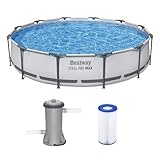
Bestway Steel Pro MAX 12' x 30" Above Ground Swimming Pool Set with Pump | Check Price On Amazon |
|
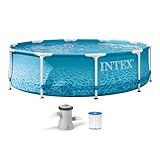
INTEX Beachside Metal Frame 10ft x 30in Round Pool Set w/Pump | Check Price On Amazon |

|
H2OGO! Kids Splash-in-Shade 8-Foot Round Steel Frame Above Ground Pool with Water Mister and Canopy Sunshade, Green Tropical Leaf Print | Check Price On Amazon |
This guide covers steel wall and vinyl liner kits, polymer wall kits, fiberglass shell kits, and shipping container pool kits. You will find real cost breakdowns, step-by-step installation overviews, common failure points, and the questions every pool dealer hopes you never ask.
What Is a DIY Inground Pool Kit?
A DIY inground pool kit is a complete structural package shipped directly to your property. It contains the pool walls, bracing, liner or shell, plumbing components, skimmer, returns, and basic equipment such as pump and filter. You handle all labor including excavation, assembly, backfilling, electrical work, and finishing.
These kits are not toy above-ground pools. They are the same structural components professional builders use. The difference is that you act as the general contractor and most of the labor crew instead of paying a pool company $45,000 to $100,000 for the completed project.
A typical steel wall kit for a 16×32-foot rectangular pool includes galvanized steel panels that bolt together, a concrete footing, bracing, a custom-fit vinyl liner, and standard equipment rated for approximately 20,000 gallons of water. The kit ships on a flatbed truck and weighs between 2,000 and 5,000 pounds depending on pool size and type.
Kit manufacturers include Radiant, Pool Warehouse, Royal Swimming Pools, and several regional suppliers. Each offers different wall materials, engineering specifications, and warranty terms. The structural components in a quality kit meet the same engineering standards as professionally built pools when installed correctly to the manufacturer specifications.
What Do DIY Inground Pool Kits Cost?
A complete DIY inground pool project costs $12,000 to $35,000 for a standard rectangular pool between 12×24 and 18×36 feet. The kit itself accounts for $6,000 to $16,000 of that total. The rest covers excavation equipment rental or contractor costs, concrete for the footing, backfill material, electrical work, decking or coping, and basic landscaping repair.
Excavation alone costs $1,500 to $5,000. You cannot dig a 20,000-gallon hole with a shovel and a weekend. The hole must be excavated to within plus or minus one inch of level across the entire floor. Most DIY builders hire an excavation contractor for this step. It is the single most common point of catastrophic failure when attempted without proper equipment.
The kit price varies by wall material. Steel wall kits cost $6,000 to $10,000 for a standard 16×32 rectangle. Polymer wall kits cost $7,500 to $12,000 for the same size. Fiberglass shell kits run $12,000 to $20,000 for the shell alone plus shipping. Shipping container pool kits start at $15,000 to $25,000 depending on container size and included components.
A variable speed pool pump included in most mid-range kits adds approximately $800 to $1,200 to the equipment package cost. Budget kits often include single-speed pumps that cost $400 to $600 less upfront but consume significantly more electricity over the life of the pool.
Permit costs run $500 to $2,000 depending on your municipality. Fencing requirements mandated by code, electrical bonding inspections, and setback compliance all add cost. Many first-time DIY builders overlook these expenses entirely. A professional pool builder factors these costs into the project timeline from day one.

- Intelligent Navigation with Full Coverage: Equipped with 11 high-precision sensors and enhanced dual-path algorithms. The optimized WavePath cleaning pattern ensures systematic coverage with minimal overlap, while adaptive navigation analyzes pool layout in real time to eliminate missed spots
- Dual Filtration for Crystal-Clear Water: Advanced dual-layer filtration system features a replaceable 3-micron ultra-fine filter paired with a 180-micron standard filter. Effectively captures fine dust, sand, leaves, and debris for visibly cleaner and healthier pool water
- Comprehensive Pool Cleaning: Engineered to clean the pool floor, walls, waterline, and shallow areas (above 12 inches). The Caterpillar Treads system enhances mobility and climbing ability, ensuring thorough coverage across all pool zones
- Reliable Performance with 2-Year Warranty: Trusted by over 500,000 pool owners worldwide, this robotic pool cleaner delivers consistent, high-performance results. Built for durability and backed by a 2-year warranty and responsive customer support for worry-free ownership
Types of DIY Inground Pool Kits Compared
By the Numbers
DIY Inground Pool Kits — What the Research Shows
Sources: HomeAdvisor Pool Cost Survey, Pool & Hot Tub Alliance industry data, verified homeowner project reports
Four distinct kit types dominate the DIY market. Each has different engineering, installation complexity, longevity, and warranty coverage. Your choice determines whether your pool lasts 15 years or 50 years with minimal intervention.
Steel wall kits use galvanized steel panels with a baked-on enamel or epoxy coating. The panels bolt together to form the pool perimeter. A concrete footing locks the base in place. Once the walls are assembled and braced, a custom vinyl liner drops in over a sand or vermiculite floor. These are the most common DIY kits and represent roughly 70 percent of the market.
Polymer wall kits replace steel with injection-molded thermoplastic panels. They cannot rust or corrode. This matters most in areas with high water tables, acidic soil conditions, or coastal salt exposure. Polymer panels cost approximately 20 to 30 percent more than steel. The tradeoff is zero corrosion risk over the life of the pool.
Price Comparison
DIY Pool Kit Types — Price Comparison for 16×32 Foot Pool
Kit price only, excluding excavation, concrete, electrical, decking, and permits. Prices verified at time of publication.
$6,000-$10,000
$7,500-$12,000
$12,000-$20,000
$15,000-$25,000
$45,000-$80,000
Professional installation price shown for comparison only — represents the same 16×32 pool built by a licensed contractor with all subcontractor labor included.
Fiberglass pool shells come as a single molded piece delivered on a flatbed truck. A crane lowers the shell into the excavation. This sounds simpler than panel assembly but is not. The excavation must match the shell contour almost perfectly. The shell must rest on a compacted stone bed free of voids. Any void under the shell creates a stress point that can crack the gelcoat or delaminate the fiberglass layers over time.
Shipping container pools convert a steel cargo container into a pool structure. A fabricated liner or fiberglass insert goes inside the container. The steel container walls must be reinforced, coated against corrosion, and fitted with through-wall fittings for plumbing. These are niche products popular in modern architectural settings. They are not a budget alternative to traditional kits.
Product Comparison
DIY Pool Kit Types — Side by Side Comparison
Use the table below to match your budget, soil conditions, and skill level to the right kit type.
| Feature | Steel Wall | Polymer Wall | Fiberglass Shell | Container Pool |
|---|---|---|---|---|
| Kit price range | $6,000-$10,000 | $7,500-$12,000 | $12,000-$20,000 | $15,000-$25,000 |
| Lifespan | 20-30 years | 25-35 years | 25-50 years | 20-30 years |
| Corrosion risk | Moderate | Zero | Zero (gelcoat dependent) | High without coating |
| Installation difficulty | Moderate | Moderate | High (excavation critical) | High (crane required) |
| Shape flexibility | Rectangle, L-shape, freeform | Rectangle, L-shape, freeform | Fixed by mold shape | Rectangle only |
| Best for | Budget-focused DIY, dry soil | High water table, coastal | Long-term investment, smooth finish | Architectural projects, small yards |
Lifespan estimates assume correct installation per manufacturer specifications. Poorly installed pools of any type can fail within 5 years.
For most DIY builders in standard soil conditions, a steel wall vinyl liner kit represents the best balance of cost, installation complexity, and long-term reliability. The comparison between concrete and fiberglass pools applies differently in the DIY context since concrete gunite construction requires specialized equipment and skills that place it firmly outside DIY territory.
DIY Pool Kit vs Professional Installation: Which Is Better?
Professional installation costs $45,000 to $100,000 for the same pool a DIY kit delivers at $12,000 to $35,000. The $25,000 to $65,000 savings represents the labor markup you avoid. That markup covers excavation crews, panel assemblers, liner installers, electricians, plumbers, concrete finishers, and a general contractor coordinating all of them.
Professional builders complete a standard inground pool in 4 to 8 weeks. A DIY installation takes 4 to 12 weeks for a first-time builder and sometimes significantly longer. Every week the project extends means another week your backyard is a construction site. Your marriage may also clock overtime during this period. Pool projects test relationships in ways few other undertakings can.
The structural warranty on a professionally installed pool typically covers labor and materials for 5 to 10 years. DIY kit warranties cover materials only, usually for 20 to 30 years on the wall structure and 15 to 25 years on the liner. If your DIY installation fails because of an assembly error, the manufacturer warranty does not apply. You pay for all repairs out of pocket.
For readers comparing pool types beyond the DIY context, gunite pools represent the premium end of professional construction with costs starting at $65,000 and extending well past $150,000 for custom designs with spas, tanning ledges, and water features. No DIY kit replicates a gunite structure.
How to Install a DIY Inground Pool Kit: Step-by-Step Overview
Installation follows a strict sequence. Skipping steps or changing the order creates problems that are expensive to fix later. The process below describes a standard steel wall vinyl liner installation. Fiberglass shells and container pools follow different sequences.
Step-by-Step Guide
How to Install a Steel Wall DIY Pool Kit — Step by Step
9 steps · 4 to 12 weeks total · Requires excavation contractor, concrete mixer, and basic hand tools
Obtain permits and mark utilities
Contact your local building department for pool permit requirements. Call 811 for utility marking. Never dig before this step is complete.
Excavate to plan dimensions plus overdig
Hire an excavation contractor with pool experience. The hole must be 2-3 feet larger than pool dimensions on all sides. Floor must be level within 1 inch across the entire area.
Pour the concrete footing
The footing runs around the entire pool perimeter. It must be level, square, and properly reinforced. This is load-bearing concrete. Errors here compound through every subsequent step.
Assemble and brace pool walls
Bolt wall panels together on the footing. Install bracing according to manufacturer spacing requirements. A 16×32 pool may require 20 to 30 braces. Each brace must be precisely positioned.
Install plumbing, skimmer, and returns
Run schedule 40 PVC lines from skimmer and returns to equipment pad location. Pressure test all lines before backfilling. A leak underground after backfill means breaking concrete and excavating again.
Prepare floor and install liner
Spread and compact a sand or vermiculite base to form the pool floor. Carefully unfold the vinyl liner and hang it on the wall track. Use a vacuum to pull the liner tight against walls and floor before filling.
Begin filling with water while backfilling
Fill the pool to approximately 12 inches of water, then begin backfilling around the outside. Continue filling and backfilling in stages. This balances pressure on the walls so they do not bow inward.
Install equipment and electrical
Mount the pump, filter, and any heater on a concrete equipment pad. Hire a licensed electrician for bonding and equipment wiring. Pool bonding is a life safety requirement, not optional.
Complete decking, fencing, and final inspection
Pour concrete decking or install paver coping around the pool perimeter. Install code-compliant safety fencing with self-closing gates. Schedule final inspection with the building department.
A pool liner vacuum fitting kit for step six costs approximately $40 and prevents wrinkles that would otherwise require draining and resetting the liner. Skimping on small specialty tools during installation creates problems that cost hundreds or thousands to correct later.
Step eight requires a pool pump and filter combination system sized correctly for your pool volume. For a 20,000-gallon pool, target a pump delivering 50 to 70 GPM and a filter with at least 3.5 square feet of surface area for cartridge models. You can use a pool pump sizing calculator to verify the flow requirements and turnover rate for your specific pool. Undersized equipment runs longer, costs more to operate, and fails sooner.
Common DIY Pool Kit Mistakes to Avoid
Most DIY pool failures share the same root causes. These mistakes appear repeatedly in abandoned projects and warranty claims. Understanding them before you break ground is the difference between a pool that lasts 30 years and one that needs $10,000 in repairs within three seasons.
Excavation errors top the list. A floor that is not level by more than one inch creates uneven liner stress. A hole dug too deep creates overdig that wastes concrete and backfill. A hole dug too shallow means the pool sits above grade and looks wrong permanently. Hire an excavation contractor who has dug pools before. This is not the place to save money.
Inadequate backfilling destroys pool walls. The soil outside the pool must be compacted in lifts of six to eight inches with proper drainage. Loose fill settles over time and leaves the walls unsupported. When the pool is drained for liner replacement years later, unsupported walls can collapse inward. This failure mode appears frequently in DIY pools during liner replacement projects where the original installation was not properly backfilled.
Plumbing leaks behind backfilled walls are expensive to find and repair. Every PVC joint must be properly primed and glued. Every line must be pressure tested at 25 PSI for a minimum of 15 minutes before any backfill goes in. A pressure drop of even 2 PSI during the test means a leak exists. Find it before backfilling.
Electrical bonding errors are life safety risks. The pool shell, all metal components within five feet of the water, the pump motor, the water itself, and any metal decking must be connected to a common bonding grid. This prevents voltage gradients that can cause electric shock drowning. A licensed electrician must verify the bonding installation. This is not a task for a homeowner reading instructions online.
Ignoring local codes and permits creates legal and financial liability. An unpermitted pool must be disclosed when selling the property. Many home insurance policies exclude unpermitted structures from coverage. The building department can require you to expose buried work for inspection. In some jurisdictions, they can require removal of the entire pool.
What Can Go Wrong with DIY Inground Pool Kits?
The failure modes are well documented. A pool wall develops a rust spot behind the liner where the protective coating was scratched during assembly. Five years later, that rust spot becomes a hole. The liner bulges through and eventually tears. Repair requires draining the pool, removing the liner, cutting out the rusted section, welding in a patch panel, recoating, and installing a new liner. Total cost with a new liner: $4,000 to $7,000.
A pool installed with the floor two inches out of level develops deep wrinkles in the liner at the low corner. The wrinkles trap dirt and algae. The liner wears thin at the fold lines. Replacement comes five to eight years earlier than a properly installed liner would require. The root cause was rushing the excavation floor leveling step to save half a day of work.
A pool built without adequate drainage behind the walls collects groundwater whenever it rains heavily. Hydrostatic pressure builds against the outside of the walls. When the pool is eventually drained for cleaning or repair, the walls buckle inward from the external water pressure. This is a catastrophic failure. The repair often costs more than the original installation.
For homeowners considering alternatives to the full DIY route, semi-inground pools offer a middle ground with reduced excavation depth and lower structural demands. These pools sit partially above grade, require less digging, and present fewer groundwater management challenges than fully inground installations.
Myth vs Fact
DIY Inground Pool Kits — Common Myths Debunked
Separating fact from fiction on the most common DIY pool misconceptions
✗ Myth
DIY pool kits are just above-ground pools buried in the ground.
✓ Fact
Quality DIY inground kits use the same 14-gauge galvanized steel panels, bracing systems, and engineering standards as professionally installed pools. Above-ground pools use thin single-layer walls not rated for lateral soil pressure. The structural requirements are fundamentally different.
✗ Myth
You save exactly the labor cost shown in the kit brochure.
✓ Fact
Kit prices exclude excavation at $1,500 to $5,000, concrete at $800 to $2,500, electrical work at $1,500 to $4,000, backfill material, tool rental, permit fees, and finishing. Actual total cost including all these items is $12,000 to $35,000, not the $6,000 to $10,000 kit price.
✗ Myth
Warranties on DIY kits cover installation errors.
✓ Fact
Manufacturer warranties cover defects in materials only. They explicitly exclude damage caused by installation errors, improper backfilling, inadequate drainage, or failure to follow the installation manual. Read the warranty exclusion section before buying any kit.
✗ Myth
Any handy homeowner can install a pool kit over a few weekends.
✓ Fact
Approximately 15 to 25 percent of DIY pool projects are either abandoned mid-installation or require professional intervention to correct critical errors. Success requires excavation experience, concrete forming skills, precision leveling ability, PVC plumbing knowledge, and a realistic timeline measured in weeks, not weekends.
✗ Myth
You do not need a permit if you install it yourself.
✓ Fact
Inground pools require building permits, electrical permits, and safety barrier permits in virtually every municipality. The permitting process exists regardless of who performs the labor. An unpermitted pool creates disclosure obligations at sale, potential insurance coverage denials, and possible removal orders from code enforcement.
Who Should Buy a DIY Pool Kit?
The ideal DIY pool kit buyer has construction experience, a realistic timeline, the physical fitness for manual labor, and a willingness to learn from manufacturer documentation. This person has built decks, finished basements, or completed major renovation projects. They understand that building codes exist for safety reasons and permits are not optional.
This buyer also has a stable relationship with a partner who is fully on board with the project. A pool installation that drags on for three months of weekends while the backyard remains a mud pit puts stress on any household. Both adults must understand the scope and timeline before the first shovel of dirt moves.
The ideal buyer has an extra $1,500 to $3,000 in contingency funds above the budgeted project cost. Unexpected expenses appear on every pool build. Hitting rock during excavation, discovering a high water table, needing additional drainage, or requiring extra concrete because the footing trench collapsed are all common surprises. Running out of money halfway through installation means an abandoned hole filled with water and a much larger eventual repair bill.
The ideal buyer does not need the pool by a specific date. Projects that start in April with a target completion of Memorial Day weekend create pressure to rush steps. Rushed excavation floor leveling, rushed concrete curing time, and rushed backfill compaction all produce failures that appear years later. Plan to start in early spring and accept that the pool is ready when it is ready.
Buying Guide
Before You Buy — DIY Pool Kit Checklist
Check off each point before making your decision. If any item remains unchecked, reconsider the DIY approach.
Who Should Not Buy a DIY Pool Kit?
People with no construction experience should not buy a DIY pool kit. If your most ambitious home project to date is painting a room or assembling furniture, a pool installation is beyond your current skill level. The learning curve is too steep, the mistakes too expensive, and the safety stakes too high.
People with physical limitations should not attempt a DIY pool. Installing pool walls requires lifting steel panels that weigh 50 to 100 pounds each. Backfilling requires moving tons of stone and soil. Concrete work is physically punishing even for young, fit people. The project requires sustained physical effort over weeks, not hours.
People on tight timelines should hire a professional. If a graduation party, wedding, or family reunion is scheduled for the summer, a DIY pool will not be ready. Professional builders can commit to a specific completion window. A DIY installation finishes when it finishes, and rushing creates failures that cost more than the professional premium would have cost upfront.
People in areas with complex soil conditions need professional assessment. High water tables, expansive clay soils, rocky excavation conditions, and steep slopes all complicate pool installation significantly. A professional builder has encountered these conditions before. A first-time DIY builder discovers them when the hole starts filling with groundwater and the wall panels will not stay in place.
How Long Does a DIY Inground Pool Kit Last?
A correctly installed steel wall pool with a quality vinyl liner lasts 20 to 30 years for the wall structure. The vinyl liner typically lasts 10 to 15 years before requiring replacement at a cost of $2,500 to $5,000 for a replacement inground vinyl liner including installation. Polymer wall pools last 25 to 35 years with no corrosion risk. Fiberglass shells last 25 to 50 years with proper installation and gelcoat maintenance.
These lifespans assume correct installation with proper drainage, compacted backfill, and no significant soil movement. A poorly installed pool of any type can fail within five years. Wall corrosion from scratched coatings, liner tears from uneven floors, and structural failures from inadequate bracing all shorten the lifespan dramatically.
The equipment lifespan is independent of the structural lifespan. Pool pumps last 8 to 12 years. A pool filter cartridge lasts 2 to 5 years depending on cleaning frequency and water chemistry. Sand filter media lasts 5 to 7 years. Heaters last 7 to 15 years. Budget for equipment replacement on these timelines regardless of who installed the pool.
How Much Does a DIY Pool Kit Save vs Hiring a Pro?
A DIY steel wall vinyl liner pool completed for $18,000 saves approximately $32,000 to $57,000 compared to the $50,000 to $75,000 professional installation of the same pool. The savings breakdown is roughly 40 to 60 percent of the professional total. The exact percentage depends on how much subcontractor work you hire out versus perform yourself.
The largest single savings comes from eliminating the general contractor markup, which typically adds 15 to 25 percent to the total project cost. Additional savings come from performing panel assembly, plumbing, backfilling, and finishing work yourself rather than paying subcontractors. Excavation and electrical work are usually hired out even on DIY projects, so savings in those categories are minimal.
A steel wall inground pool kit from a reputable manufacturer includes detailed engineering specifications. These specifications ensure the structural components meet the same standards used in professional builds. The savings come from labor, not from cheaper materials.
For the savings to be real and not theoretical, the installation must be done correctly. A DIY pool that requires $15,000 in professional repairs after three years did not save anything. It cost more than hiring a professional would have cost from the start. The financial case for DIY rests entirely on execution quality.
Cost Reference
DIY Pool Kit — Total Project Cost by Kit Type and Pool Size
All values include estimated excavation, concrete, electrical, permits, backfill, and basic decking. Find your pool size and kit type to see the estimated total.
| Kit type ↓ Pool size → | 12×24 ft (small) | 16×32 ft (medium) | 18×36 ft (large) | 20×40 ft (XL) |
|---|---|---|---|---|
| Steel wall / vinyl liner | $12,000-$18,000 | $16,000-$25,000 ★ most common | $22,000-$30,000 | $28,000-$38,000 |
| Polymer wall / vinyl liner | $14,000-$20,000 | $18,000-$28,000 | $24,000-$34,000 | $30,000-$42,000 |
| Fiberglass shell | $20,000-$28,000 | $26,000-$38,000 | $32,000-$45,000 | $38,000-$55,000 |
| Professional install (comparison) | $35,000-$50,000 | $50,000-$75,000 | $65,000-$90,000 | $80,000-$110,000 |
All DIY estimates include kit cost, excavation, concrete, plumbing, electrical, permits, backfill, basic concrete decking, and contingency allowance. Professional install figures represent turnkey pricing from licensed builders for comparison. ★ highlights the most common DIY scenario.
What Equipment Comes with a DIY Pool Kit?
Standard kits include the structural package plus basic equipment. The structural package contains wall panels, bracing, hardware, skimmer, returns, main drain assembly, gaskets, and the vinyl liner. The equipment package typically includes a single-speed or dual-speed pump, a sand or cartridge filter, and basic plumbing fittings.
Premium kits add upgraded equipment such as a variable speed pool pump with Energy Star certification, a larger filter, LED lighting, and a salt chlorine generator. These upgrades add $1,500 to $4,000 to the kit price. A variable speed pump alone saves $400 to $700 per year in electricity compared to a single-speed pump on a 20,000-gallon pool running 8 hours per day.
Items not included in most kits include the concrete for the footing, backfill material, plumbing lines from kit components to the equipment pad, electrical wiring and bonding materials, decking, coping, fencing, and any water features. These excluded items represent $5,000 to $15,000 in additional spending beyond the kit purchase.
A salt chlorine generator system added during installation costs $800 to $1,500 and reduces ongoing chemical costs by $200 to $400 per year compared to tablet chlorine. The payback period is approximately three to five years in most markets.
Do You Need a Permit for a DIY Pool Kit?
Yes. Every municipality requires permits for inground pools. The permitting process is identical regardless of whether a professional or a homeowner performs the work. Permit requirements typically include a site plan showing pool location relative to property lines, structures, and easements, engineered drawings of the pool structure, electrical plans showing bonding and equipment wiring, and a safety barrier plan for fencing and gates.
The permit costs $500 to $2,000 depending on your jurisdiction. Inspections occur at multiple stages including pre-excavation setback verification, footing inspection before concrete pour, bonding inspection before backfill, electrical inspection at equipment connection, and final safety barrier inspection. Each inspection must be passed before work proceeds to the next phase.
Building without a permit creates problems when selling the property, filing insurance claims, or encountering code enforcement. Unpermitted pools are a disclosure requirement in real estate transactions. Buyers can demand retrofit permitting or pool removal as a condition of sale. Homeowners insurance may deny claims related to unpermitted structures.
Can You Finance a DIY Pool Kit?
Most pool kit manufacturers and retailers offer financing through third-party lenders. Interest rates typically range from 6 to 15 percent depending on credit score, loan amount, and term length. Loan terms range from 24 to 144 months. A $20,000 kit financed over 120 months at 9 percent interest results in a monthly payment of approximately $253.
Home equity loans and home equity lines of credit (HELOCs) often offer lower interest rates than pool-specific financing because the loan is secured by the property. These loans typically require 15 to 20 percent equity in the home and a credit score above 660. Interest on home equity loans used for home improvement may be tax deductible subject to IRS guidelines.
Cash-out refinancing, personal loans, and credit cards are less optimal financing methods. Personal loan rates for borrowers with good credit currently range from 8 to 18 percent. Credit card rates exceed 20 percent in most cases. Financing a pool on a credit card creates interest costs that can exceed the pool kit price over a multi-year repayment period.
What Is the Best Time of Year to Install a DIY Pool Kit?
Start excavation in early spring after the ground thaws and before summer heat arrives. This gives you the full construction season to complete the project without weather pressure. An April start date provides four to six months of workable weather in most regions before winter temperatures return.
Avoid starting in late fall or winter. Cold weather complicates concrete curing. Frozen ground cannot be excavated. Snow and ice create dangerous working conditions around an open excavation. A pool project left incomplete over winter requires significant remediation in spring including pumping out accumulated water and repairing erosion damage.
Summer starts are possible but difficult. High temperatures make outdoor physical labor dangerous. Concrete cures too quickly in extreme heat unless you use retarding admixtures or schedule pours for early morning. Summer is also when professional subcontractors such as excavators and electricians are busiest and most expensive.
Why Does a DIY Pool Kit Sometimes Cost More Than Expected?
The single largest source of budget overruns is excavation surprises. Hitting bedrock adds $2,000 to $8,000 for rock breaking or hammering equipment. Discovering a high water table adds $1,500 to $4,000 for dewatering pumps and drainage systems. Finding buried debris, old foundations, or undocumented utility lines adds time and cost that no kit brochure accounts for.
Equipment upgrades during installation are the second largest overrun source. The basic pump included in the kit may be undersized, noisy, or energy-inefficient. Upgrading to a variable speed pump adds $600 to $1,200. Adding a heater adds $2,000 to $5,000. Adding a salt system adds $800 to $1,500. These upgrade decisions often happen mid-installation when the pool is already half built and the homeowner is committed.
Finishing costs exceed expectations because kit pricing focuses on the structural package. Concrete decking around the pool costs $3,000 to $10,000 for a basic broom-finish slab. Pavers cost $8,000 to $20,000 for the same area. Fencing required by code costs $2,000 to $8,000. Landscaping repair adds $1,000 to $5,000. These costs are real and unavoidable regardless of who installs the pool.
What Does Pool Maintenance Cost After DIY Installation?
Annual maintenance costs for an inground pool range from $1,200 to $3,500 depending on pool size, equipment efficiency, chemical choices, and whether you perform maintenance yourself or hire a service. Chemical costs alone are $400 to $800 per year for a 20,000-gallon pool using standard chlorine tablets and balancing chemicals. For a personalized estimate of your ongoing costs, try our pool maintenance cost calculator.
Electricity for the pool pump represents $300 to $1,200 per year depending on pump type and local utility rates. A single-speed pump running 8 hours per day costs $600 to $900 annually at 12 cents per kilowatt-hour. A variable speed pump running the same daily turnover at 1,500 RPM costs $150 to $250 annually. The savings difference pays for the pump upgrade within two to three years.
A Taylor K-2006 liquid drop test kit for accurate water chemistry testing costs approximately $60 to $80 and lasts one to two seasons. Accurate testing prevents chemical overdosing, algae blooms, and equipment damage from corrosive water. Test strips are cheaper but less accurate for the free chlorine, pH, and alkalinity readings that matter most for daily pool care.
Quick Reference
DIY Pool Kits — Key Terms Explained
Quick reference for the terms used throughout this guide
— Steel coated with a zinc layer to resist corrosion, typically 14-gauge thickness, used in the most common and least expensive DIY pool kits.
— A custom-fitted PVC membrane that holds water inside the pool structure, typically 20 to 30 mil thick, replaced every 10 to 15 years.
— A continuous reinforced concrete base around the pool perimeter that the wall panels bolt to, typically 8 to 12 inches wide and 6 to 8 inches thick.
— The extra width excavated beyond the pool wall dimensions, typically 2 to 3 feet on all sides, required for working space and backfill material.
— Material placed between the pool wall and the excavation edge after the pool is assembled, compacted in lifts to provide structural support to the walls.
— A copper wire grid connecting all metal components, the water, and the pool shell to equalize electrical potential and prevent shock hazards, required by NEC Article 680.
— Injection-molded thermoplastic panels used as an alternative to steel, immune to rust and corrosion, preferred for high water table and coastal installations.
— A one-piece molded fiberglass structure lowered into an excavation by crane, requires precise excavation matching the shell contour to prevent stress cracking.
— The time required to circulate the entire pool volume through the filter once, typically 6 to 8 hours for residential pools per PHTA guidelines.
— Water pressure from groundwater outside the pool walls, which can collapse empty pool walls inward if drainage is inadequate or the pool is drained without relief.
Can I install a pool heater with a DIY pool kit?
Yes. Gas heaters, heat pumps, and solar heating systems can all be added to a DIY pool kit installation. A pool heat pump rated for 20,000 gallons costs $2,000 to $4,000 and extends the swim season by two to three months in most climates. Gas heaters cost $1,500 to $3,500 and heat water faster but have higher operating costs.
The gas line or electrical circuit for the heater must be installed by a licensed contractor and permitted separately. Gas heaters require proper venting per manufacturer specifications and local code. Heat pumps require a dedicated electrical circuit sized for the unit’s amp draw, typically 30 to 50 amps at 240 volts.
What is the difference between a DIY pool kit and a professional gunite pool?
A gunite pool is a custom structure built by spraying a concrete and sand mixture over a steel rebar framework. The surface is then finished with plaster, aggregate, or tile. Gunite pools cost $65,000 to $150,000 or more. There is no DIY gunite option because the equipment and skill required are specialized professional tools.
A DIY pool kit produces a vinyl liner or fiberglass pool. These are distinct pool types with different maintenance requirements, lifespans, and aesthetic characteristics. The cost difference between a DIY vinyl liner pool at $18,000 and a professional gunite pool at $75,000 reflects both labor savings and fundamental differences in materials and construction method.
Why does my DIY pool kit manual specify exact backfill procedures?
Backfill is structural support for the pool walls. Incorrectly backfilled walls shift, bow, or collapse when the pool is drained. The manual specifies compacted lifts of specific material types, typically clean stone or sand free of organic matter, placed in layers no thicker than six to eight inches and mechanically compacted before the next lift is added.
This procedure prevents settlement voids from forming behind the walls. Voids concentrate stress on unsupported wall sections during ground freeze and thaw cycles. Over years, this stress permanently deforms the wall panels. The deformation shows up as a liner fit problem or a visible bow that cannot be corrected without excavation.
Can I use a DIY pool kit for a saltwater pool?
Yes, but you must select a kit rated for saltwater use. Saltwater accelerates corrosion on standard galvanized steel. Kits intended for saltwater use specify upgraded corrosion protection on steel components or use polymer walls that are immune to salt corrosion. Using a standard steel kit with a salt system voids most manufacturer warranties.
A salt chlorine generator for inground pools costs $800 to $1,500. It produces chlorine from dissolved salt at a concentration of 2,700 to 3,400 ppm. This is approximately one-tenth the salinity of seawater. The salt level must be monitored and adjusted seasonally using a salt test kit or digital meter. A pool salt calculator makes it easy to calculate the amount of salt needed based on your pool’s gallonage and current salinity.
What happens if I hit rock while excavating for my DIY pool?
Rock encountered during excavation adds significant cost and time. A standard excavation contractor using a backhoe or excavator cannot break bedrock or large boulders. You need a rock hammer attachment, a hydraulic breaker, or in extreme cases, blasting by a licensed demolition contractor. Rock removal costs $2,000 to $8,000 or more depending on rock type, depth, and volume.
The best mitigation is a pre-excavation soil survey. A geotechnical engineer can assess subsurface conditions with test borings for $500 to $1,500. This confirms soil type, rock depth, and water table elevation before the project starts. The survey cost is minor compared to the cost of discovering rock after the excavation contractor is on site with equipment running.
Why do some DIY pool kits fail within five years?
Five-year failures trace to incorrect installation in almost every case. The most common chain of events is an unlevel excavation floor leading to uneven liner stress, combined with inadequately compacted backfill that settles and leaves wall sections unsupported. The combination produces liner tears at stress points and wall deformation that worsens with each seasonal freeze and thaw cycle.
Other five-year failure causes include scratched wall coatings that rust through behind the liner, plumbing leaks from improperly glued PVC joints that erode backfill support, and inadequate drainage that allows groundwater to press against walls whenever the pool water level drops. All of these are installation errors, not manufacturing defects.
Can I build a DIY pool on a slope?
Yes, but the excavation and wall engineering become significantly more complex. Sloped sites require a retaining wall on the downhill side or a partially raised wall system that transitions from inground on the uphill side to above ground on the downhill side. This is not a standard kit installation and requires custom engineering.
Sites with more than a 12-inch elevation change across the pool footprint need professional site evaluation. The cost premium for a sloped installation ranges from $5,000 to $20,000 depending on slope severity and soil conditions. A semi-inground pool is often a better solution for sloped sites because it is designed for partial burial from the start.
What do I do if water starts filling the excavation before the pool is built?
Groundwater entering the excavation must be managed immediately. A dewatering pump rated for continuous duty with an automatic float switch pumps water out of the excavation and away from the work area. A submersible dewatering pump costs $100 to $300 and should be on site before excavation begins if groundwater is a known concern.
Long-term groundwater management requires a well point system or a permanent French drain around the pool perimeter. This adds $1,500 to $4,000 to the project cost. Without proper drainage, hydrostatic pressure will eventually damage the pool structure. This is one of the most common reasons DIY pool projects should be abandoned or handed to professionals if groundwater is discovered during excavation.
How much does pool insurance cost for a DIY-installed pool?
Most homeowners insurance policies classify an inground pool as an “attractive nuisance” and require specific liability coverage. The additional premium ranges from $50 to $300 per year on top of standard homeowners insurance. Some insurers require an umbrella policy with $1 million or more in liability coverage, which costs $200 to $500 per year.
Insurers may ask whether the pool was professionally installed or DIY. A professionally installed pool with permits and passed inspections faces no additional scrutiny. A DIY pool may require documentation of permits, inspections, and code-compliant safety barriers before coverage is approved. An unpermitted pool may result in denial of coverage or policy cancellation.
Can I sell my house with a DIY-installed pool?
Yes, but the pool must have been installed with proper permits and passed all required inspections. Disclose the DIY installation to buyers. Provide copies of permits, inspection reports, manufacturer warranty documentation, and records of any professional subcontractor work. An unpermitted pool becomes a negotiation liability at sale that can reduce the sale price or kill the deal entirely.
A properly permitted and well-maintained DIY pool adds value comparable to a professionally installed pool of the same type and age. Pool appraisals focus on condition, code compliance, and market comparables, not on who installed the pool. A pool that looks and functions like a professional installation appraises similarly.
DIY inground pool kits work when the installer respects the engineering requirements and follows the manufacturer instructions exactly. They fail when corners are cut on excavation precision, concrete curing time, backfill compaction, plumbing pressure testing, or electrical bonding. The savings are real. The risks are real. Your project outcome depends entirely on execution quality and honest self-assessment of your construction abilities before the first shovel breaks ground.
If you have construction experience, a realistic timeline, and a budget that includes a healthy contingency fund, a DIY pool kit can deliver a 20 to 30 year pool at roughly half the cost of professional installation. If you lack any of those three things, the professional premium is money well spent.