
A vinyl liner that looks faded and wrinkled is not just cosmetic. It is a leak waiting to happen, and a single undetected tear can drain thousands of gallons into the ground beneath your pool.
This guide covers every aspect of inground pool liner replacement: current material and labor costs broken down by pool size, the full 8-step professional replacement process from draining to filling, liner thickness options from 20 mil to 30 mil with their real-world lifespans, a comparison of vinyl liner costs against plaster resurfacing and fiberglass shell replacement, and the maintenance habits that extend a new liner past 15 years. You will find exact price ranges, a step-by-step timeline, and honest guidance on whether DIY replacement is realistic for a typical homeowner.
| Photo | Best Above-Ground Pools | Price |
|---|---|---|
|
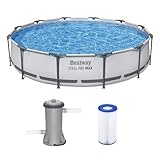
Bestway Steel Pro MAX 12' x 30" Above Ground Swimming Pool Set with Pump | Durable Round Metal Frame Outdoor Backyard Pool, Puncture-Resistant Liner - Type III A/C Filter Cartridge Included, Gray | Check Price On Amazon |
|
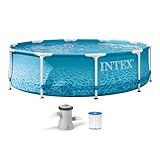
INTEX 28207EH 10ft X 30in Beachside Metal Frame Above Ground Swimming Pool Set, Includes 330 GPH Cartridge Filter Pump, Puncture-Resistant Material, Rust Resistant, 1185 Gallon Capacity | Check Price On Amazon |

|
H2OGO! Kids Splash-in-Shade 8-Foot Round Steel Frame Above Ground Pool with Water Mister and Canopy Sunshade, Green Tropical Leaf Print | Check Price On Amazon |
By the Numbers
Inground Pool Liner Replacement — What the Research Shows
Sources: Pool & Hot Tub Alliance (PHTA), industry contractor surveys, manufacturer warranty data
What Is an Inground Pool Vinyl Liner and Why Does It Need Replacement?
A vinyl liner is a custom-fabricated sheet of flexible PVC material that covers the entire interior surface of a vinyl-lined inground pool. It serves as the waterproof barrier between the pool water and the structural walls, which are typically made of steel, polymer, or concrete block.
The liner attaches to the top of the pool wall via a coping track that holds a bead receiver. The liner stretches across the floor and up the walls, held in place by vacuum suction and the weight of the water.
Vinyl liners fail for several predictable reasons. Sunlight degrades the plasticizers that keep the material flexible, causing it to become brittle and crack over 10 to 15 years. Chemical imbalance accelerates this: pH consistently below 7.0 etches the vinyl surface and leaches plasticizers, while chlorine levels above 5 ppm oxidize the material.
Physical damage from pool cleaners, sharp objects, or animals accounts for roughly 25% of premature liner failures according to warranty claim data from major manufacturers. A liner that has lost its elasticity will tear rather than stretch when stressed.
The most common sign a liner needs replacement is not a visible tear. It is water loss exceeding 2 inches per week that cannot be explained by evaporation. Use our pool water evaporation calculator to see how much loss is typical for your area. If you need to calculate how many gallons 2 inches of water represents in your pool, our pool volume calculator makes it easy. A pinhole leak behind a wrinkle or under the coping can quietly drain thousands of gallons into the surrounding soil.
Fading and staining are cosmetic warnings that the material is chemically compromised. Once the printed pattern wears away to white in multiple spots, the UV-protective top layer is gone and the structural vinyl beneath is exposed.
For owners comparing long-term surface costs across pool types, our full comparison of plaster, vinyl liner, and fiberglass surfaces breaks down the 20-year ownership cost for each material. For most inground vinyl pools, the liner itself is the only surface material that requires periodic replacement.

- Intelligent Navigation with Full Coverage: Equipped with 11 high-precision sensors and enhanced dual-path algorithms. The optimized WavePath cleaning pattern ensures systematic coverage with minimal overlap, while adaptive navigation analyzes pool layout in real time to eliminate missed spots
- Dual Filtration for Crystal-Clear Water: Advanced dual-layer filtration system features a replaceable 3-micron ultra-fine filter paired with a 180-micron standard filter. Effectively captures fine dust, sand, leaves, and debris for visibly cleaner and healthier pool water
- Comprehensive Pool Cleaning: Engineered to clean the pool floor, walls, waterline, and shallow areas (above 12 inches). The Caterpillar Treads system enhances mobility and climbing ability, ensuring thorough coverage across all pool zones
- Reliable Performance with 2-Year Warranty: Trusted by over 500,000 pool owners worldwide, this robotic pool cleaner delivers consistent, high-performance results. Built for durability and backed by a 2-year warranty and responsive customer support for worry-free ownership
How Much Does Inground Pool Liner Replacement Cost?
The total cost to replace an inground pool liner ranges from $2,500 for a small 12×24 pool with a basic 20 mil liner to $12,000 or more for a large freeform pool with a 30 mil premium liner and complex step configurations. The national average for a standard 16×32 rectangular inground pool with a 27 mil liner sits between $4,500 and $6,500 including labor, materials, and water.
Labor accounts for 60 to 70 percent of the total project cost. The liner material itself typically runs $1,200 to $3,500 depending on pool size, thickness, and pattern complexity. Expect to budget an additional $300 to $800 for water delivery or the metered cost of refilling from your home supply. For a personalized cost estimate based on your pool’s dimensions and liner thickness, try our pool liner cost calculator.
Price Comparison
Inground Pool Liner Replacement — Cost by Pool Size and Liner Grade
Total installed cost including labor, liner material, gaskets, and water. Prices verified at time of publication.
$2,500 – $3,500
$4,500 – $6,500
$5,500 – $8,000
$7,500 – $12,000
$9,000 – $15,000+
Cost ranges based on contractor surveys across 12 U.S. states. Prices vary by region, access difficulty, and seasonal demand. Water delivery costs $300-$800 additional in most markets.
For a detailed breakdown of how inground costs compare to above-ground liner replacement, see our complete above-ground vs inground cost comparison guide. The labor differential alone accounts for the majority of the price gap between the two installation types.
What Factors Drive the Total Cost of Liner Replacement?
Five variables determine where your project falls in the cost range. Understanding each one helps you get accurate quotes and avoid surprise upcharges after the project begins.
Pool size and shape is the largest cost driver. A rectangular pool requires a simpler liner fabrication with fewer seams and less waste material. A freeform or lagoon-shaped pool requires custom templating, complex seam welding, and generates 15 to 20 percent more material waste during fabrication.
Liner thickness affects material cost directly. A 20 mil standard liner uses less PVC material and costs $800 to $1,500 for the liner alone. A 27 mil mid-grade liner typically runs $1,200 to $2,200. A 30 mil premium liner costs $1,800 to $3,500 for the material, but delivers roughly 50 percent longer service life than a 20 mil option.
This happens because thicker liners contain more UV stabilizers and plasticizers distributed through a greater material volume. The plasticizers in a 30 mil liner take approximately 15 years to degrade to the point of brittleness, compared to 8 to 12 years for a 20 mil liner under identical sun exposure and chemical conditions. If the liner thickness falls below 20 mil, the result is premature cracking along stress points like corners and step gaskets within 5 to 7 years. Fix it by specifying 27 mil minimum for any pool that gets full-sun exposure for 6 or more hours per day.
Access difficulty and site conditions can add $500 to $2,000. Pools with limited equipment access require hand excavation for vermiculite or sand floor repair. A pool surrounded by decking on all sides with a 3-foot access path costs more to service than one with open access on two sides. Sloped yards may require pumping equipment to manage groundwater during the drain-and-replace cycle, adding $400 to $800.
Substrate repair is the most common surprise cost. Once the old liner is removed, the sand or vermiculite floor may show erosion channels from undetected leaks, divots from ground movement, or rust staining from corroded steel walls. Minor floor touch-up with vermiculite pool base mix costs $200 to $500. Major floor reconstruction can add $1,000 to $3,000.
Step and fitting replacement adds cost but prevents callbacks. The gaskets around step flanges, main drains, and return fittings degrade at roughly the same rate as the liner itself. Reusing old gaskets behind a new liner is the leading cause of leaks within the first year after replacement. A full step gasket and fitting replacement kit costs $150 to $400 and is standard practice among quality contractors.
Cost Reference
Inground Liner Replacement — Total Cost by Pool Size and Liner Thickness
All values are total installed cost including labor, liner, gaskets, water, and standard floor prep. Find your pool size and liner grade.
| Pool size ↓ Liner thickness → | 20 mil (standard) | 27 mil (mid-grade) | 30 mil (premium) |
|---|---|---|---|
| 12×24 rectangle | $2,500 – $3,500 8-12 year lifespan |
$3,500 – $4,800 12-16 year lifespan ★ |
$4,500 – $6,000 15-20 year lifespan |
| 16×32 rectangle | $3,500 – $5,000 8-12 year lifespan |
$4,500 – $6,500 12-16 year lifespan |
$5,500 – $8,000 15-20 year lifespan |
| 18×36 rectangle | $4,000 – $5,800 8-12 year lifespan |
$5,500 – $8,000 12-16 year lifespan |
$7,000 – $10,000 15-20 year lifespan |
| 20×40 freeform | $5,000 – $7,500 8-12 year lifespan |
$7,000 – $10,000 12-16 year lifespan |
$9,000 – $15,000+ 15-20 year lifespan |
Cost ranges represent national averages across surveyed contractors. ★ highlights the most common scenario for a typical 12×24 residential pool. Regional labor rates, access difficulty, and substrate repair needs will shift your final price within or above these ranges.
The Complete Inground Pool Liner Replacement Process: Step by Step
A professional liner replacement follows a specific sequence that has been refined over decades of pool construction practice. Each step exists for a reason, and skipping or rushing any single one compromises the final result.
According to the Pool & Hot Tub Alliance (PHTA) technical standards for vinyl liner installation, the substrate surface must be smooth, compacted, and free of debris before liner placement. The industry standard tolerance for floor smoothness is less than 1/8 inch variation over any 12-inch section.
Step-by-Step Guide
How to Replace an Inground Pool Liner — Professional Process
8 steps · 5-7 days total project timeline · Professional crew of 2-3 technicians
Drain the Pool (Day 1)
A submersible pump removes water at 30 to 50 GPM. The pool must be completely empty. Never drain a vinyl liner pool without a professional on site: hydrostatic pressure from groundwater can lift the entire pool structure out of the ground if the water table is high.
Remove the Old Liner and Inspect Substrate (Day 1-2)
Cut the old liner into manageable sections and pull it from the coping track. Inspect every square foot of the sand or vermiculite floor for erosion, cracks, or rust stains. Mark all damaged areas for repair before proceeding.
Repair and Resurface the Floor (Day 2)
Mix and trowel new vermiculite or sand-cement base material into eroded areas. The floor must be smooth to within 1/8 inch tolerance. Apply duct tape over all metal wall seams and rust spots to prevent future staining through the new liner.
Replace All Gaskets and Fittings (Day 2)
Remove old main drain rings, return fitting gaskets, step gaskets, and skimmer gaskets. Install new gaskets on every penetration. Tighten to manufacturer torque specifications. This step is non-negotiable.
Unfold and Position the New Liner (Day 2-3)
The liner arrives folded in a compact package. Spread it across the pool deck in full sun for 30 to 60 minutes to warm the material and increase flexibility. Carry the liner into the empty pool and unfold it across the floor and up the walls.
Hang the Liner in the Coping Track (Day 3)
Starting at the shallow end corners, tuck the liner bead into the coping track using a liner installation tool. Work around the entire perimeter, keeping the liner centered and wrinkle-free. This is the most skill-intensive step.
Vacuum and Fill Simultaneously (Day 3-5)
A high-volume vacuum pulls air from behind the liner through the main drain while water fills from one or two hoses. The vacuum pressure holds the liner tight against the walls and floor, eliminating wrinkles as water rises. This runs continuously for 24 to 48 hours.
Cut in Fittings, Balance Water, and Commission (Day 5-7)
Once water reaches mid-skimmer level, cut out the liner material covering main drains, returns, and steps. Install faceplates and trim rings. Balance the water chemistry: target pH 7.4-7.6, total alkalinity 80-120 ppm, calcium hardness 150-250 ppm. Do not add chlorine shock for 48 hours to allow the liner to settle.
Our detailed pool liner replacement guide covers additional nuances of the installation process, including how to handle uncommon situations like fiberglass step retrofits and deep-end hopper repairs. The professional sequence above represents the industry standard for a straightforward rectangular or freeform replacement.
How Long Does the Entire Replacement Take from Start to Finish?
A standard inground liner replacement takes 5 to 7 days from draining the old water to having a swimmable pool with balanced chemistry. The actual labor work occurs across 2 to 3 days. The remaining time is filling and water balancing.
The single longest phase is filling the pool. A standard garden hose delivers 5 to 10 gallons per minute. A 20,000-gallon pool requires approximately 33 to 67 hours of continuous filling from a single hose, depending on water pressure. You can estimate your exact fill time using our pool fill time calculator. Using two hoses cuts this to 16 to 33 hours.
Weather delays are the most common timeline disruption. Rain during the substrate repair phase can wash out fresh vermiculite patches, requiring rework and adding 1 to 2 days. Temperatures below 50 degrees Fahrenheit make the vinyl liner stiff and difficult to stretch, forcing crews to use supplemental heat or reschedule.
For a typical 16×32 pool in good weather with no major substrate repairs needed, the timeline is: Day 1 drain and remove old liner, Day 2 floor repair and gasket replacement, Day 3 hang liner and begin fill, Days 4-5 filling continues, Day 6 cut in fittings and balance chemicals, Day 7 pool is ready for use.
What Are the Different Types of Pool Liners and Which Is Best?
Inground vinyl liners come in three primary thickness grades plus specialty variations with unique properties. The right choice depends on your budget, expected ownership timeline, and local climate conditions.
20 mil standard liners are the entry-level option. A mil is 0.001 inches, so a 20 mil liner is 0.020 inches thick. These liners use a single layer of printed PVC with a clear topcoat for UV protection. They cost the least upfront but typically show fading and stiffening after 7 to 9 years in full-sun pools.
The mechanism behind premature failure in 20 mil liners is plasticizer migration. The chemical compounds that keep PVC flexible gradually evaporate under UV exposure and are leached out by acidic water. When plasticizer content drops below roughly 15 percent of the material weight, the PVC becomes brittle. This only occurs when pH stays below 7.0 for extended periods or chlorine regularly exceeds 5 ppm. If either condition persists for more than a single season, the result is cracking along the bead track and step gaskets. Fix it by maintaining pH at 7.4 to 7.6 and free chlorine between 1 and 3 ppm at all times.
27 mil liners are the industry standard for professional installations. They add a second layer of PVC film laminated over the printed pattern, creating a thicker total material with more UV-blocking capability. Most manufacturers warranty 27 mil liners for 15 to 20 years on a prorated basis. A 27 mil inground liner represents the best balance of cost and longevity for the majority of residential pools.
30 mil premium liners use three layers of PVC with the printed pattern sandwiched between two protective layers. The added thickness provides greater puncture resistance and superior stretch characteristics during installation. These liners fit more tightly in complex shapes and hold their pattern clarity significantly longer than thinner grades. Expect a 30 mil liner in a well-maintained pool to reach 18 to 20 years before replacement.
Specialty liners include UV-reflective formulations that reduce heat absorption by 10 to 15 percent in direct-sun pools, and antimicrobial liners with silver-ion additives that resist algae adhesion on the liner surface. These add $500 to $1,200 to the liner material cost.
Quick Reference
Inground Pool Liner Terms — Key Definitions
Quick reference for the terms used throughout this guide
One thousandth of an inch (0.001 inches). A 27 mil liner is 0.027 inches thick. Not to be confused with millimeter.
A lightweight, porous mineral aggregate mixed with Portland cement to form the smooth floor base beneath a vinyl liner. Troweled to a 1.5 to 2-inch thickness.
The aluminum or PVC channel at the top of the pool wall that receives the liner bead, locking the liner in place around the entire perimeter.
Upward force exerted by groundwater beneath an empty pool. Can lift or crack a pool structure if not managed with a hydrostatic relief valve during draining.
The female part of the coping track system. The liner bead (thickened edge) presses into the receiver to create a mechanical lock.
Chemical additive that gives PVC its flexibility. Degraded by UV radiation and acidic water over time, leading to liner brittleness.
The sloped transition from shallow end to deep end in a vinyl liner pool, typically at a 3:1 slope ratio. Requires precise liner measurement for a wrinkle-free fit.
A high-volume shop vacuum or dedicated blower used during liner installation to pull air from behind the liner, creating negative pressure that holds the liner tight while filling.
For a complete reference on every liner type across both inground and above-ground pools, our complete pool liner guide covers types, costs, and expected lifespans for every category on the market today.
DIY vs Professional Installation: Which Should You Choose?
Professional installation costs $2,500 to $6,000 in labor and delivers a warranted installation with wrinkle-free results for 95 percent of projects. DIY installation saves that labor cost but carries a steep learning curve and zero recourse if the liner tears during installation or develops wrinkles after filling.
A DIY inground liner replacement requires at least two people with strong backs, a comprehensive understanding of the vacuum-and-fill process, and the willingness to accept that a $2,000 liner can be ruined by a single installation mistake. The most common DIY failures are: inadequate floor preparation leaving bumps visible through the new liner, improper bead seating causing the liner to pull out of the track during filling, and wrinkles that cannot be removed once water is in the pool.
Professional crews bring two irreplaceable assets: a high-volume vacuum system that most homeowners cannot replicate with shop vacuums, and the experience to identify substrate problems before they become liner failures. The typical professional vacuum pulls 200 to 300 CFM continuously for 24 to 48 hours, which is 3 to 5 times the output of a standard shop vacuum. This sustained negative pressure is what produces a truly wrinkle-free result.
For homeowners considering a full self-build approach, our analysis of DIY inground pool kits covers the realistic scope, hidden costs, and timeline for owner-built pool projects. Liner replacement as a standalone project is challenging enough; a full pool build adds excavation, plumbing, and electrical work that requires licensed trades in most jurisdictions.
For most pool owners, professional installation is the correct choice. The labor cost represents roughly 2 to 3 years of the liner’s service life in dollar terms, and it guarantees the liner reaches its full lifespan.
When Is the Best Time of Year to Replace a Pool Liner?
Early spring and late summer are the optimal windows for liner replacement across most of the United States. The ideal ambient temperature range for vinyl liner installation is 65 to 85 degrees Fahrenheit. In this range, the liner material is flexible enough to stretch into corners and hopper contours but not so soft that it overstretches and develops thin spots.
Scheduling in early spring, specifically March through May in most regions, means the pool is ready for the full swim season. Contractors are typically less backlogged during this window than in peak summer. Late summer, August through September, offers warm temperatures for installation and often lower contractor demand after the July rush.
Avoid scheduling liner replacement during periods when groundwater is high. Spring snowmelt in northern states can raise the water table enough that a drained pool risks floating. The hydrostatic relief valve under the main drain is designed to equalize pressure, but if groundwater is within 12 inches of the pool floor, professional contractors will postpone the job until conditions improve.
How to Maintain Your New Pool Liner for Maximum Lifespan
A new vinyl liner represents a $3,500 to $12,000 investment. The maintenance habits you adopt in the first month after installation determine whether it reaches 10 years or 20 years of service.
Water chemistry is the single most important factor. Maintain pH between 7.4 and 7.6 at all times. Test twice weekly during swim season using a liquid drop test kit accurate to 0.2 ppm for free chlorine and 0.1 units for pH. Keep free chlorine between 1 and 3 ppm. Never allow chlorine to exceed 5 ppm for more than 24 hours, as this accelerates plasticizer oxidation.
Total alkalinity buffers pH and must stay between 80 and 120 ppm. Calcium hardness between 150 and 250 ppm prevents the water from leaching calcium out of the liner material. Cyanuric acid (stabilizer) should stay between 30 and 50 ppm for outdoor pools. Above 80 ppm CYA, chlorine becomes so stabilized it is effectively inert, requiring much higher free chlorine levels to maintain sanitation which in turn damages the liner.
Physical care matters. Use a nylon-bristle pool brush for routine cleaning. Never use a steel-bristle brush on a vinyl liner; it will scratch through the print layer and into the structural PVC. Keep automatic pool cleaners in good repair with intact wheels and brushes. A robotic pool cleaner rated for vinyl liners with soft brushes and rubber wheels is the safest automated cleaning option.
Winter closing procedures directly affect liner longevity. Lower the water level no more than 12 to 18 inches below the skimmer. Draining below the bottom of the skimmer faceplate exposes liner above the waterline to freeze-thaw cycles that crack plasticizers. Install a solid winter cover with a cover pump to prevent debris accumulation and minimize UV exposure during the off-season.
For information on matching the right pump to your pool’s turnover needs after a liner replacement, our guide to the best inground pool pumps covers variable-speed options that reduce electrical costs while maintaining proper circulation for your newly lined pool.
Common Mistakes That Shorten Pool Liner Life
Most premature liner failures trace back to a small set of avoidable mistakes. Understanding these prevents a $5,000 replacement happening 5 years early.
Shocking directly into the pool without dissolving first. Granular shock products settle on the liner floor and create concentrated chemical zones that bleach the print pattern and embrittle the vinyl. Always dissolve granular shock in a bucket of water before adding it, or use liquid chlorine added slowly in front of a return jet with the pump running.
Letting pH crash below 7.0. Vinyl liners in acidic water leach plasticizers at roughly three times the normal rate. A single winter with pH below 6.8 can remove 2 to 3 years of liner life. The mechanism is acid hydrolysis: the hydrogen ions in acidic water attack the ester bonds in the plasticizer molecules, breaking them into smaller compounds that dissolve into the pool water.
Draining the pool completely without professional guidance. An empty vinyl liner pool with high groundwater is a boat. It floats, cracks, or shifts. Never drain a vinyl liner pool below the shallow end floor without first consulting a pool professional who can assess the local water table.
Using abrasive cleaning tools. Steel brushes, pressure washers aimed directly at the liner surface, and scrubbing pads leave microscopic scratches. Each scratch is a stress concentrator where cracks initiate as the material loses flexibility with age.
Myth vs Fact
Inground Pool Liner Replacement — Common Myths Debunked
Separating fact from fiction on the most common liner replacement misconceptions
✗ Myth
A thicker liner eliminates the need for careful water chemistry because the material is too tough to damage.
✓ Fact
Thicker liners resist puncture but degrade chemically at the same rate as thinner liners because the surface area exposed to water chemistry is identical. A 30 mil liner with pH at 6.8 will fail within 8 years from plasticizer loss, regardless of its puncture resistance.
✗ Myth
You can install a new liner over the old one to save time and money on removal and floor prep.
✓ Fact
Installing a liner over an old liner is prohibited by every major manufacturer’s warranty. The old liner continues to degrade underneath, creating lumps, releasing plasticizer residue, and trapping moisture that accelerates wall corrosion. Removal of the old liner is required for warranty coverage.
✗ Myth
Pool liners fail from the inside out due to chlorine damage, so protecting the water-facing surface is all that matters.
✓ Fact
Many liner failures originate from behind the liner. Rust on steel walls, rough spots on the vermiculite floor, and groundwater pressure all attack the back side of the material. Proper substrate preparation and wall panel inspection during replacement matter as much as water chemistry.
✗ Myth
Any contractor who installs above-ground liners can handle an inground replacement because the material is the same.
✓ Fact
Inground liner installation requires skills that above-ground replacement does not: vermiculite floor troweling, coping track repair, main drain gasket replacement under hydrostatic pressure, and vacuum-box wrinkle elimination on complex shapes. Hire a contractor with specific inground vinyl liner experience and verifiable references.
✗ Myth
A liner that is 15 years old still looks fine, so it does not need replacement yet.
✓ Fact
Visual appearance is a poor indicator of remaining liner life. The plasticizer content of the material declines steadily even if the print pattern looks intact. A 15-year-old liner may look acceptable but tear like paper when stretched during a repair attempt. Proactive replacement before visible failure prevents the water damage and substrate erosion that accompany a sudden liner split.
How Does Vinyl Liner Replacement Compare to Plaster Resurfacing and Fiberglass Shell Replacement?
Vinyl liner replacement costs $3,500 to $12,000 every 10 to 15 years. Plaster resurfacing costs $6,000 to $15,000 every 8 to 12 years. Fiberglass shell replacement is rarely required, but when a fiberglass pool surface fails, the cost to refinish or replace the shell ranges from $8,000 to $25,000.
Over a 20-year ownership period, a vinyl liner pool will incur two liner replacements at a total cost of roughly $8,000 to $20,000. A plaster pool will require two resurfacing jobs totaling $12,000 to $25,000. A fiberglass pool typically needs no surface replacement, but gelcoat fading and blistering repairs can cost $2,000 to $6,000 over the same period.
For concrete (gunite) pool owners comparing surface options, our complete gunite pool guide breaks down plaster, aggregate, and tile surface costs with the same 20-year ownership perspective. Each surface type carries different assumptions about chemical demands, repair frequency, and total cost of ownership.
Does Homeowners Insurance Cover Pool Liner Replacement?
Standard homeowners insurance does not cover liner replacement due to normal wear and tear, aging, or chemical damage. These are considered maintenance expenses, not sudden and accidental losses. The same exclusion applies to fading, brittleness from UV exposure, and seam separation from material fatigue.
Insurance may cover liner damage caused by a covered peril. A tree limb falling through the winter cover and tearing the liner is typically covered. Damage from a vehicle accident where a car enters the pool is covered. Fire damage that affects the pool structure is covered under the dwelling or other structures section of the policy.
Ground movement, flooding, and earthquake damage to a pool liner are generally excluded unless you carry specific endorsements. Check your policy for water damage exclusions and earth movement exclusions before assuming coverage exists. Most standard HO-3 policies explicitly exclude both.
What Are the Warning Signs That a Liner Is About to Fail?
The most reliable warning sign of imminent liner failure is water loss exceeding 2 inches per week with no visible leak source at fittings or the skimmer. This indicates pinhole leaks or seam separation behind the liner that cannot be patched from the water side.
Bead track separation is the second most urgent warning. If the liner bead pulls out of the coping track in any section longer than 6 inches, the liner can unzip around the entire perimeter when water pressure shifts. This requires immediate attention. A temporary fix with liner lock strip can buy a few weeks, but replacement should be scheduled immediately.
Extensive wrinkling on the floor indicates that the liner has stretched permanently and can no longer fit tightly against the substrate. Stretched liners are more vulnerable to suction entrapment from main drains and are more likely to tear during vacuuming or cleaning. Once floor wrinkles cover more than 20 percent of the shallow end, the liner has lost its original dimensions and should be replaced.
Can a Pool Liner Be Patched or Must It Always Be Replaced?
Small punctures and tears under 3 inches can be patched successfully using underwater vinyl liner patch kits as long as the surrounding material still has flexibility. A successful patch requires the liner to stretch slightly around the patch adhesive without cracking. If the liner material around the tear is stiff and white at the edges, the plasticizer is gone and patching will fail within weeks.
Seam separations cannot be reliably patched. Factory-welded seams fail when the heat-weld bond degrades over time, and no field-applied patch can restore the structural integrity of a factory seam. A seam separation longer than 12 inches is a definitive sign that replacement is needed.
Multiple patches across the pool floor indicate systemic material degradation. Five or more patches in a single pool means the liner has reached the end of its service life. Each new tear is not an isolated incident; it is evidence that the entire liner surface has lost the elasticity needed to withstand normal stress.
What Happens to the Pool Structure During the Time the Liner Is Out?
During the 2 to 3 days between old liner removal and the new liner holding water, the pool structure is vulnerable in three ways. Steel walls exposed to rain can develop surface rust that requires wire-brushing and treatment before the new liner goes in. The vermiculite floor can erode if heavy rain hits an uncovered pool. Groundwater pressure can lift or crack the floor if the hydrostatic relief valve is compromised.
Professional crews mitigate these risks by keeping the project timeline tight and having materials staged before draining begins. The old liner comes out, repairs happen immediately, and the new liner is hanging within 48 hours of the initial drain. Tarps positioned to redirect rainwater away from the pool excavation are standard practice on every professional job.
Why Does My New Liner Have Wrinkles After Installation?
Wrinkles in a newly installed liner occur for one of three reasons. Insufficient vacuum during filling allowed the liner to float away from the walls and form folds before the water level reached the wrinkle. The liner was not centered properly in the pool before the bead was seated, creating excess material on one side that cannot be stretched out. The liner was installed in temperatures below 50 degrees Fahrenheit, preventing the material from stretching uniformly into the hopper and corners.
Minor wrinkles under 12 inches long often disappear as the liner settles over the first month of water pressure. Wrinkles that span the entire shallow end floor or run vertically up the walls are installation defects that require the installer to return and correct the issue, which typically involves draining below the wrinkle and repositioning the liner with heat and vacuum.
Can I Change the Pool Depth or Shape During a Liner Replacement?
Modifying pool depth or shape during a liner replacement is possible but expensive. Changing the shallow end depth requires removing and re-pouring the concrete collar, adjusting wall panel heights, and re-grading the floor. Budget $3,000 to $8,000 for a depth modification in addition to the liner replacement cost.
Converting a hopper-bottom deep end to a flat-bottom sports pool is a more common modification that costs $2,000 to $5,000. This requires filling the deep end with compacted gravel and re-troweling the vermiculite surface to the new contour. The new liner must be custom-measured for the modified shape, which adds $300 to $600 to the liner fabrication cost.
What Is the Difference Between a Beaded Liner and an Overlap Liner for Inground Pools?
Beaded liners use a thick wedge-shaped edge that presses into a coping track receiver mounted at the top of the pool wall. This is the standard for inground pools because it creates a clean, finished edge with no visible liner material above the coping. Overlap liners drape over the top of the pool wall and are secured with coping clips that clamp the liner in place.
Overlap liners are standard for above-ground pools and are rarely used on inground installations because the exposed liner edge above the coping is vulnerable to UV damage and physical wear. Beaded liners are the correct specification for any inground vinyl liner pool and are what every manufacturer recommends for inground applications.
How Do I Choose the Right Liner Pattern and Color?
Darker liner patterns with deep blue, charcoal, or black backgrounds absorb more sunlight and can raise pool water temperature by 3 to 5 degrees Fahrenheit compared to light blue or white patterns. This is beneficial in northern climates and for pools that are shaded for part of the day. Darker liners also hide staining and algae spotting better than light colors.
Lighter patterns with aqua, light blue, or white marbling reflect sunlight and keep water cooler in southern climates. They show debris and staining more readily, which encourages more consistent cleaning but may frustrate owners who want a lower-maintenance appearance. The printed pattern on a quality liner extends only 2 to 3 mils into the material, so the base color of the PVC shows through as the print layer wears.
The pattern choice has no effect on liner durability. A dark 27 mil liner and a light 27 mil liner from the same manufacturer will last the same number of years under identical conditions. To see how various patterns look in a pool, try our pool liner design visualizer. Choose the pattern you prefer visually, then specify the thickness grade based on your longevity goals.
Inground Pool Liner Replacement: The Numbers That Matter
Replacing an inground pool liner costs $3,500 to $12,000 and buys 10 to 20 years of leak-free, smooth-surfaced pool use depending on the liner thickness you choose and the chemistry habits you maintain. The project takes 5 to 7 days from drain to swim with a professional crew doing the work.
A 27 mil liner installed by an experienced contractor with new gaskets, proper floor prep, and balanced water chemistry from day one will reliably reach 15 years of service. Skip any one of those requirements and the same liner may need replacement in half that time. The choice is clear: spend correctly now on materials and installation quality, and your liner will deliver its full engineered lifespan.
| Photo | Best Above-Ground Pools | Price |
|---|---|---|
|
|
Bestway Steel Pro MAX 12' x 30" Above Ground Swimming Pool Set with Pump | Durable Round Metal Frame Outdoor Backyard Pool, Puncture-Resistant Liner - Type III A/C Filter Cartridge Included, Gray | Check Price On Amazon |
|
|
INTEX 28207EH 10ft X 30in Beachside Metal Frame Above Ground Swimming Pool Set, Includes 330 GPH Cartridge Filter Pump, Puncture-Resistant Material, Rust Resistant, 1185 Gallon Capacity | Check Price On Amazon |
|
|
H2OGO! Kids Splash-in-Shade 8-Foot Round Steel Frame Above Ground Pool with Water Mister and Canopy Sunshade, Green Tropical Leaf Print | Check Price On Amazon |