
A leaking pool liner loses up to 1 inch of water per day in warm weather, not from evaporation but from tears you cannot see. If you’re trying to distinguish between a leak and normal evaporation, a swimming pool evaporation rate calculator can provide clarity. Most pool owners replace their liner 2 years later than they should, paying for the delay in wall damage and rusted panels that triple the total repair cost.
This guide covers every step of vinyl pool liner replacement, from spotting early failure signs to filling the pool after installation. You will learn exact costs for above-ground and inground pools, how to choose the right liner thickness, the complete DIY process, and when hiring a professional saves you money in the long run.
| Photo | Best Above-Ground Pools | Price |
|---|---|---|
|
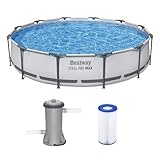
Bestway Steel Pro MAX 12' x 30" Above Ground Swimming Pool Set with Pump | Check Price On Amazon |
|
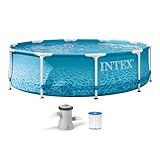
INTEX Beachside Metal Frame 10ft x 30in Round Pool Set w/Pump | Check Price On Amazon |

|
H2OGO! Kids Splash-in-Shade 8-Foot Round Steel Frame Above Ground Pool with Water Mister and Canopy Sunshade, Green Tropical Leaf Print | Check Price On Amazon |
By the Numbers
Pool Liner Replacement: What the Research Shows
Sources: PHTA industry data, manufacturer warranty records, contractor pricing surveys
How Do You Know Your Pool Liner Needs Replacement?
A vinyl pool liner fails in predictable ways long before it actually tears. Cracks above the waterline, fading that exposes the scrim fabric, and beads that pull out of the track are the three clearest signs the liner has 12 months or less remaining.
This happens because vinyl loses plasticizers over time. Plasticizers are chemical compounds that keep the liner flexible. UV exposure, low pH below 7.0, and calcium hardness above 500 ppm accelerate plasticizer loss. The liner shrinks, stiffens, and eventually cracks at stress points like corners and stairs.

- Intelligent Navigation with Full Coverage: Equipped with 11 high-precision sensors and enhanced dual-path algorithms. The optimized WavePath cleaning pattern ensures systematic coverage with minimal overlap, while adaptive navigation analyzes pool layout in real time to eliminate missed spots
- Dual Filtration for Crystal-Clear Water: Advanced dual-layer filtration system features a replaceable 3-micron ultra-fine filter paired with a 180-micron standard filter. Effectively captures fine dust, sand, leaves, and debris for visibly cleaner and healthier pool water
- Comprehensive Pool Cleaning: Engineered to clean the pool floor, walls, waterline, and shallow areas (above 12 inches). The Caterpillar Treads system enhances mobility and climbing ability, ensuring thorough coverage across all pool zones
- Reliable Performance with 2-Year Warranty: Trusted by over 500,000 pool owners worldwide, this robotic pool cleaner delivers consistent, high-performance results. Built for durability and backed by a 2-year warranty and responsive customer support for worry-free ownership
Stretching is the second major indicator. A liner that has stretched so much the floor pattern is distorted or wrinkles cannot be pulled flat has permanently deformed. This only occurs when groundwater pressure builds behind the liner or when the pool is drained and the liner shifts. If you refill a liner that has shifted off the wall, it will not seat back into the track correctly.
Water loss is the third and most urgent sign. A vinyl liner pool losing more than 0.25 inches of water per day after accounting for evaporation has a leak. Fix a leaking liner by patching small holes, but widespread seam failure or floor deterioration requires full replacement. The Pool and Hot Tub Alliance (PHTA) recommends replacing any liner with more than 3 patches within 2 feet of each other.
Step-by-Step Guide
How to Replace an Above-Ground Pool Liner: Step by Step
9 steps · 6-10 hours total for two people · Best done on a warm day above 70°F
Drain the Pool Completely
Use a submersible pump rated for at least 2,000 GPH. A standard pool pump loses prime as water drops below the skimmer. Disconnect all electrical to the pump and filter before draining.
Remove the Old Liner
Pull the liner bead out of the track starting at a seam. Cut the liner into manageable sections with a utility knife. Wear gloves: old liners tear into sharp edges that cut skin.
Inspect and Repair the Pool Structure
Examine every inch of the pool wall, bottom track, and floor for rust, sharp spots, or insect damage. Sand down rust spots to bare metal and apply a rust-inhibiting primer. Replace any wall sections with holes larger than a quarter.
Install Wall Foam and Floor Padding
Wall foam goes up first, taped in place at the top. Floor padding or a gorilla pad covers the sand base. These layers protect the new liner from punctures and smooth out imperfections in the floor.
Unfold and Center the New Liner
Spread the new liner in the sun for 20-30 minutes first. Warm vinyl is flexible and easier to work. Unfold the liner across the pool floor and center the floor seam on the pool’s centerline. Walk barefoot or in socks to avoid punctures.
Hang the Liner on the Walls
Start hanging at the wall seam and work outward in both directions. Push the liner bead into the track using a liner bead tool. Do not stretch the liner upward: the weight of water will pull it down and create wrinkles if it is hung too tight.
Work Out Wrinkles as Water Fills
Start filling with 1-2 inches of water, then smooth every wrinkle toward the wall with bare feet. Work from the center outward. Continue adding water in stages, smoothing at each 6-inch mark until the water reaches the cove.
Cut in the Skimmer and Return Openings
Wait until water is 3 inches below the skimmer opening before cutting. Mark the exact opening with a pencil. Cut an X shape from corner to corner, then trim the flaps. Install the skimmer gasket and faceplate immediately to seal the opening.
Complete the Fill and Balance Water Chemistry
Fill to the middle of the skimmer opening. Balance water immediately: target pH 7.4-7.6, total alkalinity 80-120 ppm, and calcium hardness 150-250 ppm. A new liner releases plasticizer residue for the first week, so run the filter continuously for 48 hours before adding any sanitizer.
Every above-ground pool owner attempting this project needs a submersible pump rated for 2,000 GPH or higher and a liner bead tool. These two tools prevent the most common DIY failures: incomplete draining and liner bead pull-out.
How Much Does Pool Liner Replacement Cost?
Above-ground pool liner replacement costs $1,200 to $3,500 total for a standard round or oval pool. The liner itself costs $150 to $800 depending on size and thickness. Labor adds $500 to $1,500. Inground vinyl liner replacement runs $3,000 to $8,000 with the liner costing $1,000 to $4,000 and labor consuming the rest.
Thickness drives the largest price swing. A 20-mil above-ground liner costs $150 to $300. A 30-mil liner costs $400 to $800. For a detailed breakdown of thickness versus cost across both pool types, our guide to vinyl pool liner thickness and mil ratings covers the numbers with real pricing data.
Pool shape and wall height increase cost faster than any other factor. A 24-foot round pool liner costs less than a 16×32-foot oval liner even though the surface area is similar, because round liners are manufactured in higher volume. A 54-inch wall pool liner costs 20 to 30 percent more than the same diameter 48-inch liner. For inground pools, the inground replacement cost breakdown explains how stair sections, deep-end hoppers, and custom patterns add $500 to $2,000 above the base price. To get an instant estimate tailored to your pool’s exact dimensions and liner thickness, try our pool liner cost calculator.
Price Comparison
Pool Liner Replacement Cost by Pool Type and Size
Price ranges include liner material, standard installation labor, and disposal. Prices verified at time of publication.
$1,200 – $1,800
$1,800 – $2,500
$2,500 – $3,500
$3,000 – $5,000
$5,500 – $8,000
Inground prices assume standard depth profile without a diving hopper. Custom patterns, deep-end expansions, and stair sections increase cost. See our complete above-ground versus inground cost comparison for line-by-line pricing.
What Pool Liner Thickness Should You Choose?
Pool liner thickness is measured in mils (thousandths of an inch) and ranges from 20 mil to 30 mil for most residential pools. Thicker liners last longer and resist punctures better. They also cost significantly more. The right choice balances your budget against how long you plan to stay in the home.
A 20-mil liner is the standard for above-ground pools and lasts 8 to 10 years with proper water chemistry maintained at pH 7.4 to 7.6 and chlorine at 2 to 4 ppm. A 28-mil or 30-mil liner lasts 12 to 15 years under the same conditions because the extra vinyl thickness provides more plasticizer volume and greater tear resistance at seams.
This longevity difference happens because vinyl liner failure is a surface-area problem. UV radiation and chemical oxidation attack the outer 2 to 3 mils of material over a decade. A 20-mil liner loses 25 to 30 percent of its structural thickness to degradation before it cracks. A 30-mil liner loses only 15 to 20 percent of its thickness to the same environmental exposure, leaving far more intact material.
For inground pools with stairs, diving wells, or irregular shapes, a 28-mil minimum liner is worth the extra cost. The stretching required to fit complex contours creates stress concentrations that thin liners handle poorly. If you have a pool with steps or a deep-end hopper, choosing a thinner liner to save $400 to $800 upfront often results in seam failure at the 7-year mark. Our complete liner thickness guide covers the mil-by-mil differences with manufacturer warranty comparisons.
How to Measure for a Replacement Pool Liner
Accurate liner measurement is the single most important step in the replacement process. A liner ordered 2 inches too small will pull out of the track within weeks. A liner ordered 2 inches too large will wrinkle and never lay flat. Both mistakes require draining the pool and starting over.
Above-ground pools use standard sizes based on diameter for round pools or length and width for ovals. Measure the wall-to-wall inside diameter of a round pool at three different angles and use the largest measurement. For oval pools, measure the longest straight wall section and the width at its widest point. Wall height is measured from the floor cove to the bottom of the top rail, and most above-ground pools use 48-inch, 52-inch, or 54-inch wall heights.
Inground pool measurement requires an A-B plot or CAD template provided by the liner manufacturer. Professional installers measure the pool perimeter at 1-foot intervals along every wall, plus depth measurements at 2-foot grid intervals across the entire floor. A single measurement error of 0.5 inches in a corner radius can cause the finished liner to bridge the corner instead of fitting into it. Learn the complete measuring protocol in our pool liner measurement guide before ordering an inground liner.
Buying Guide
Before You Order: Pool Liner Buying Checklist
Check off each point before placing your liner order. An error in any one of these items means the liner will not fit.
DIY vs Professional Installation: Which Saves More Money?
DIY above-ground pool liner replacement saves 25 to 30 percent of the total job cost, typically $500 to $1,000. The tradeoff is 6 to 10 hours of physical labor for two people and a learning curve that cannot be skipped. Inground liner replacement should almost always be handled by a professional installer. The measurement precision and vacuum equipment required make DIY inground replacement a high-risk project with a failure rate above 40 percent for first-timers.
The most common DIY failure is rushing the wrinkle removal step. Water weight locks wrinkles into place permanently after the pool reaches 12 inches of depth. A professional crew brings a vacuum system that holds the liner tight against the walls while water fills, eliminating wrinkles before they form. Homeowners working without a vacuum must smooth every wrinkle manually at each 6-inch fill stage, which takes patience and at least two people walking the floor continuously for 2 to 3 hours.
Professional installers also catch structural problems that homeowners miss. Rusted wall panels, cracked bottom tracks, and deteriorating cove are visible only after the old liner comes out. A pro arrives with replacement parts on the truck. A DIY installer discovers the problem on Saturday afternoon, cannot source parts until Monday, and leaves the pool structure exposed to weather and animals for two days.
What Preparation Work Must Happen Before the New Liner Goes In?
The pool floor and walls must be absolutely smooth and clean before any new liner touches them. Even a grain of sand trapped under the liner creates a visible bump that becomes a wear point. Sweep the entire floor with a soft-bristle broom, then vacuum with a shop vac. Run your bare hand over every inch of the floor from center to cove. Any roughness you feel will telegraph through the new liner.
Rust treatment on steel walls is non-negotiable. Wire-brush every rust spot down to shiny metal, then apply a rust-inhibiting primer rated for submerged use. A rust-inhibiting primer spray dries in 30 minutes and prevents rust from bleeding through the new liner. Do not skip this step. Rust will eat through a new liner from behind within 3 seasons if left untreated.
The pool cove, which is the angled transition where the floor meets the wall, must be rebuilt if it shows any erosion or collapse. Sand coves wash out over time as groundwater moves beneath the pool. Preformed foam coves last longer and install in minutes. A peel-and-stick foam pool cove provides a consistent 45-degree angle and eliminates the sand erosion problem entirely.
For inground pools, the pool coping condition directly affects the new liner’s lifespan. Cracked or loose coping allows water to seep behind the liner and cause wall damage. If your pool coping shows visible cracks or gaps between stones, address it before the liner replacement. Our guide to pool coping types and replacement costs explains which coping materials work best with vinyl liner pools.
What Water Chemistry Steps Are Critical After Liner Installation?
New vinyl liners release plasticizer residue into the water for the first 7 to 10 days. This residue consumes chlorine rapidly and creates a slightly oily surface film. Run the filter continuously for the first 48 hours without adding any chemicals to let the initial residue dissipate. After 48 hours, add a vinyl liner startup chemical kit that includes a sequestering agent to bind the plasticizer residue.
Balance water chemistry in this exact order: first adjust total alkalinity to 80 to 120 ppm using sodium bicarbonate (use our baking soda calculator to find exactly how much to add), then adjust pH to 7.4 to 7.6 using muriatic acid or soda ash, then add calcium hardness increaser to reach 150 to 250 ppm. Calcium below 150 ppm causes the water to leach plasticizers from the liner, shortening its life. Finally, add cyanuric acid to 30 to 50 ppm and chlorine to 2 to 4 ppm free chlorine.
Test the water daily for the first two weeks using a liquid drop test kit like the Taylor K-2006. Test strips cannot give you the 0.2 ppm precision needed for a new liner startup. The first 14 days of water chemistry set the trajectory for your liner’s entire lifespan. Low pH during this period etches the liner surface permanently, creating roughness that algae clings to for years afterward.
Inground Pool Liner Replacement: Special Considerations
Inground vinyl liner replacement differs from above-ground in three critical ways: measurement complexity, the vacuum-fitting process, and stair and fitting cut-ins. Inground liners are custom-made for each pool from A-B plot measurements. The manufacturing lead time is 3 to 6 weeks. A single measurement error results in a liner that cannot be installed, with no refund from the manufacturer.
The vacuum system used for inground installation pulls 2 to 3 PSI of negative pressure between the liner and the pool wall. This holds the liner tight against every contour while water fills. Without vacuum, the liner will bridge across corners and stair contours, creating air pockets that eventually collapse and tear. Professional installers run the vacuum continuously for the entire 8 to 16 hour fill process and monitor the liner position hourly.
Stair sections, swim-outs, and light niches require precise cutting after the water reaches the appropriate level. Cut too early and the liner can shift and tear. Cut too late and water pressure makes the cut ragged. For the full process breakdown including step-by-step timing for each fitting, see our inground pool liner replacement cost and process guide.
Myth vs Fact
Pool Liner Replacement: Common Myths Debunked
Separating fact from fiction on the most common pool liner misconceptions
Myth
A thicker liner always lasts longer regardless of water chemistry.
Fact
Water chemistry matters more than thickness. A 20-mil liner with pH consistently at 7.4-7.6 and chlorine at 2-4 ppm outlasts a 30-mil liner exposed to pH below 7.0 for even one season. Low pH attacks vinyl at the molecular level and no thickness compensates for chemical damage.
Myth
You can replace a pool liner in one day by yourself.
Fact
A solo DIY above-ground liner replacement takes 2 days minimum when you account for draining time, wall inspection and repairs, and staged filling with wrinkle removal. Rushing the fill stage is the number one cause of permanent wrinkles. Two people working together can finish in 8-10 hours, but never alone.
Myth
You can reuse your old skimmer and return gaskets if they look fine.
Fact
Gaskets compress permanently after their first installation. A reused gasket will not seal correctly against the new liner thickness. Water leaks behind the liner at the skimmer faceplate cause wall rust that destroys the pool structure within 2-3 years. New gaskets cost $15-30 and are the cheapest insurance against this failure.
Myth
Pool liner warranties cover liner failure regardless of water chemistry.
Fact
Every major liner manufacturer voids the warranty if water chemistry records are not maintained. pH below 7.0, chlorine above 5 ppm, or calcium hardness below 100 ppm are standard warranty exclusions. Keep a logbook of weekly test results for the life of the liner. That logbook is your only proof if you need to file a warranty claim for seam separation or premature fading.
Myth
Draining a vinyl liner pool is safe as long as you refill it quickly.
Fact
A drained vinyl liner pool is structurally vulnerable. Groundwater pressure can lift the entire floor, shifting the liner permanently. Inground pools are at highest risk: hydrostatic pressure from saturated soil can float a drained pool shell out of the ground. Always check the water table depth before draining. If the ground is wet within 2 feet of the surface, postpone the replacement until dry conditions return.
How Does Pool Resurfacing Compare to Liner Replacement?
Pool resurfacing applies to concrete and gunite pools, not vinyl liner pools. If you own a concrete pool with a failing plaster surface, resurfacing is the correct repair path. Vinyl liner pools do not get resurfaced; the liner is the surface. When it fails, it gets replaced. For concrete pool owners comparing options, our pool resurfacing cost and process guide covers plaster, pebble, and quartz finish options with pricing.
What Safety Steps Should You Take During Liner Replacement?
A drained pool is an active safety hazard. A child or pet falling into an empty pool with exposed walls can suffer serious injury. Install temporary fencing around the drained pool for the entire duration of the project. A temporary safety fence with locked gate is the minimum standard. Never leave a drained pool unattended without a barrier.
Electrical safety is equally critical. Disconnect all power to the pump, filter, heater, and any pool lighting at the breaker panel before draining begins. Water and electricity are a lethal combination during the drain and fill stages. Tag the breakers so no one accidentally restores power mid-project. For permanent pool safety after the project is complete, our guide to the best pool alarms for doors, surfaces, and wearable options helps you meet code requirements for pool barriers and detection systems.
What Is the Difference Between Overlap, Beaded, and J-Hook Liners?
Above-ground pool liners come in three attachment styles. Overlap liners fold over the top of the pool wall and are held in place by plastic coping strips that snap over the wall edge. Beaded liners have a thick bead sewn into the top edge that presses into a track mounted on the inside of the pool wall. J-hook liners have a J-shaped top edge that hooks directly over the top of the pool wall without any separate track or coping.
Overlap liners are the most affordable and the least forgiving to install. The liner must be pulled evenly over the wall from all sides simultaneously. Uneven tension causes the liner to pull out of the coping on one side. Beaded liners install faster because the bead snaps into the track section by section, but the track itself must be in perfect condition. J-hook liners are the newest design and combine the simplicity of overlap installation with the cleaner look of a beaded liner. They work only on pools with standard flat-top wall panels.
Can You Install a New Liner Over the Old One?
Installing a new liner over an old one is not recommended by any liner manufacturer. The old liner’s wrinkles, wear patterns, and potential hidden leaks create an uneven surface that shortens the new liner’s life. Any water trapped between the two liners becomes stagnant and creates chemical degradation that attacks the new liner from below. Remove the old liner completely. The extra 2 to 3 hours of work saves you a premature liner failure in 5 years.
What Causes a Pool Liner to Float or Bubble?
Liner floating happens when groundwater pressure builds up behind the liner and lifts it off the pool floor. This creates large bubbles or floating sections that feel spongy underfoot. The most common cause is draining the pool during a wet season when the water table is high. The weight of the water inside the pool normally counteracts groundwater pressure. Remove the water and the liner can float up from the floor.
Small bubbles that form in the liner within the first month after installation are usually air pockets from the vacuum-fitting process. These are cosmetic and do not affect the liner’s function. Large bubbles that grow over time indicate a leak behind the liner. Water flowing behind the liner from a skimmer gasket leak or a plumbing leak creates hydrostatic pressure that lifts the vinyl. Fix the leak source, then use a shop vac to pull the liner back down against the floor.
Quick Reference
Pool Liner Replacement: Key Terms Explained
Quick reference for the terms used throughout this guide
One thousandth of an inch (0.001 inch). Pool liner thickness is measured in mils. Common thicknesses are 20 mil, 25 mil, 28 mil, and 30 mil. A 20-mil liner is 0.020 inches thick.
The thickened top edge of a beaded liner that presses into a track mounted on the pool wall. The bead holds the liner in place around the entire perimeter and allows the liner to hang without folding over the wall top.
The angled transition where the pool floor meets the wall, typically at a 45-degree incline. The cove prevents the liner from stretching at a sharp 90-degree corner, which would cause premature wear and tearing.
A chemical compound added to vinyl to keep it flexible. Plasticizers slowly leach out over time due to UV exposure, chemical attack, and normal aging. When plasticizer levels drop too low, the vinyl becomes brittle and cracks.
The woven polyester fabric layer sandwiched between two layers of vinyl in a pool liner. The scrim provides tear resistance and dimensional stability. When a liner fades and you see white threads, you are seeing the exposed scrim.
Water pressure exerted by groundwater in the soil surrounding the pool. When the pool is drained, hydrostatic pressure can lift the liner off the floor or push walls inward. This is the primary structural risk of draining a pool.
The process of using a vacuum pump to pull a liner tight against the pool walls and floor during filling. The vacuum removes air from between the liner and the pool structure, eliminating wrinkles and ensuring the liner conforms to every contour.
The cap or edging installed on top of the pool wall. For above-ground pools, plastic coping strips hold an overlap liner in place. For inground pools, coping is typically stone, concrete, or aluminum and secures the liner bead while providing a finished edge.
The rubber or neoprene seal that sits between the pool wall and the skimmer faceplate or return fitting. Gaskets create a watertight seal that prevents water from leaking behind the liner. They must be replaced every time a liner is changed.
How Long Should You Wait Before Swimming in a Newly Lined Pool?
Wait 48 hours minimum before swimming in a pool with a new vinyl liner. This allows the initial chemical startup to complete and the plasticizer residue to be filtered out. The first 48 hours are when the liner settles into its final position against the walls and floor. Heavy activity during this period can shift the liner and create wrinkles that become permanent.
During the first two weeks, keep chlorine at 2 to 3 ppm rather than the standard 3 to 4 ppm range. High chlorine concentration during the plasticizer leaching period can accelerate chemical attack on the new vinyl surface. Run the pump continuously for the first 7 days at a rate that achieves one complete water turnover every 8 hours. For a 15,000-gallon pool, that means a flow rate of approximately 31 GPM. You can use our pool turnover calculator to determine the exact flow rate needed for your pool volume.
What Is the Best Time of Year to Replace a Pool Liner?
Late spring through early summer is the optimal time for pool liner replacement in most North American climates. Air temperatures above 70°F make the vinyl flexible and easy to work. Groundwater levels are typically lower in late spring than in early spring, reducing hydrostatic pressure risk during draining. Scheduling replacement for May or June also means the pool is ready for peak swimming season.
Avoid fall and winter replacement if possible. Cold vinyl is stiff and difficult to stretch into the bead track. Temperatures below 50°F can cause the liner to crack during installation. If you must replace a liner in cold weather, warm the vinyl indoors for several hours before unrolling it and work on the warmest available day with direct sunlight on the pool area.
How Do You Dispose of an Old Pool Liner?
Most municipal trash services will not accept a full pool liner in curbside pickup. The liner must be cut into sections no larger than 4 feet by 4 feet and placed in heavy-duty contractor bags. Roll each section tightly and tape it closed. Some waste management facilities accept rolled liners as construction debris for a disposal fee of $20 to $50.
Pool liner recycling is limited but growing. A small number of vinyl recycling facilities accept pool liners if they are clean and free of sand and debris. Call local recycling centers and ask specifically about flexible PVC recycling. If no recycler accepts pool liners nearby, landfill disposal is the default option. Never burn a pool liner: burning PVC releases hydrogen chloride gas and dioxins that are hazardous to human health and the environment.
Can You Patch a Pool Liner Instead of Replacing It?
Small punctures and tears up to 3 inches long can be patched successfully with a vinyl pool liner patch kit. Patches work best on flat surfaces away from seams and corners. The patch material must match the liner type exactly. A patch on a 20-mil liner requires 20-mil patch vinyl and the correct vinyl adhesive, not general-purpose glue.
Seam separations, cracks at the bead, and tears longer than 3 inches are not repairable with patches. Seam failure indicates the vinyl has degraded to the point where the entire liner is approaching the end of its life. Patching a failing seam buys weeks, not years. Multiple patches within a small area also signal that the liner material is brittle and will continue to tear. At three or more patches within a 2-foot radius, replacement becomes more cost-effective than continued patching.
What Happens If You Install a Pool Liner Backward?
Most pool liners have a designated inside surface with the printed pattern and a plain outside surface that faces the wall. Installing the liner inside-out means the printed pattern faces the pool wall and the plain vinyl faces the water. The pattern will appear faded and blurred through the thicker base vinyl. The skimmer and return cutouts will be on the wrong side of the wall.
Correcting a backward liner requires draining the pool completely. The liner cannot be flipped while the pool is full or even partially full. Water weight holds the liner against the wall with thousands of pounds of force. If you discover the liner is backward after filling has started, the only fix is to drain, remove the liner, and reinstall it correctly. This is a costly mistake that wastes an entire day and the water that was already added.
Why Do Pool Liners Fade and How Can You Slow It Down?
Pool liner fading is caused by UV radiation breaking down the pigments in the top vinyl layer. Chlorine acts as an accelerant by oxidizing the degraded pigment molecules. Fading happens first at the waterline where UV intensity is highest and the liner is exposed to air as well as water. Darker colors and bold patterns show fading more noticeably than light, solid-colored liners.
Maintaining cyanuric acid at 30 to 50 ppm protects the liner by stabilizing chlorine against UV breakdown. This reduces the free radical formation that attacks vinyl pigments. Keeping pH at 7.4 to 7.6 also slows fading because acidic water accelerates pigment oxidation. A solar pool cover reduces UV exposure by up to 95 percent during hours when the pool is not in use, directly extending the liner’s color life by several years.
Does Homeowners Insurance Cover Pool Liner Replacement?
Standard homeowners insurance does not cover pool liner replacement due to normal wear and tear, aging, or chemical damage. Coverage applies only when the liner is damaged by a covered peril listed in your policy. Common covered perils include falling trees or branches, fire, vandalism, and vehicle impact. Flood damage to a pool liner is typically excluded unless you carry a separate flood insurance policy.
Document any covered damage thoroughly with dated photographs before beginning cleanup or replacement. Contact your insurance adjuster before draining the pool. The adjuster needs to see the damage in place. If you drain and remove the liner before the inspection, the insurance company may deny the claim due to lack of evidence. Most policies also have a separate deductible for pool equipment and structures, typically $500 to $2,500, which may exceed the cost of a basic above-ground liner replacement.
Can You Replace a Pool Liner Without Draining the Pool?
You cannot replace a pool liner without draining the pool. The liner is the waterproof membrane that holds the water. Removing it requires removing the water first. There is no technique or tool that allows liner replacement in a full pool. Some contractors offer partial drain patching services for small repairs, but full liner replacement always requires complete drainage.
Summary: Key Takeaways for a Successful Pool Liner Replacement
Pool liner replacement is a project that rewards preparation and punishes shortcuts. Measure three times before ordering. Replace every gasket. Treat every rust spot. Smooth every wrinkle before the water reaches 12 inches. Balance water chemistry within 48 hours of filling. These five disciplines determine whether your new liner lasts 8 years or 15 years.
For above-ground pools, a competent DIY team of two can complete the job in a weekend and save $500 to $1,000. For inground pools, the measurement complexity and vacuum equipment requirements make professional installation the smarter financial choice despite the higher upfront cost. Start your project by reading our detailed measurement guide and our cost comparison between pool types. Accurate measurements and realistic budgeting prevent the two most expensive mistakes in liner replacement.
| Photo | Best Above-Ground Pools | Price |
|---|---|---|
|
|
Bestway Steel Pro MAX 12' x 30" Above Ground Swimming Pool Set with Pump | Check Price On Amazon |
|
|
INTEX Beachside Metal Frame 10ft x 30in Round Pool Set w/Pump | Check Price On Amazon |
|
|
H2OGO! Kids Splash-in-Shade 8-Foot Round Steel Frame Above Ground Pool with Water Mister and Canopy Sunshade, Green Tropical Leaf Print | Check Price On Amazon |