A pool liner that measures 25 mil on the package can fail in 5 years, while a 20 mil liner installed by someone who knows what they are doing lasts 12. Liner thickness matters far less than installation quality, chemical balance, and UV exposure management.
This guide covers every pool liner type (overlap, beaded, unibead, expandable, standard inground, custom inground), thickness grades from 20 mil to 40 mil, real installed costs for above-ground and inground pools, expected lifespan by material and climate, and the color and pattern selection process, with exact measurements for measuring your pool, chemical balance targets that prevent liner damage, and the installation steps that determine whether your liner lasts 5 years or 15.
| Photo | Best Above-Ground Pools | Price |
|---|---|---|
|
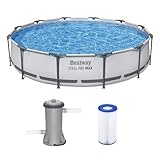
Bestway Steel Pro MAX 12' x 30" Above Ground Swimming Pool Set with Pump | Durable Round Metal Frame Outdoor Backyard Pool, Puncture-Resistant Liner - Type III A/C Filter Cartridge Included, Gray | Check Price On Amazon |
|
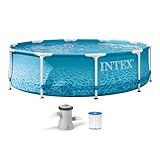
INTEX 28207EH 10ft X 30in Beachside Metal Frame Above Ground Swimming Pool Set, Includes 330 GPH Cartridge Filter Pump, Puncture-Resistant Material, Rust Resistant, 1185 Gallon Capacity | Check Price On Amazon |

|
H2OGO! Kids Splash-in-Shade 8-Foot Round Steel Frame Above Ground Pool with Water Mister and Canopy Sunshade, Green Tropical Leaf Print | Check Price On Amazon |
By the Numbers
Pool Liners — What the Research Shows
Sources: PHTA Industry Reports, manufacturer warranty data, installer surveys
What Is a Pool Liner and Why Does It Matter?
A pool liner is a custom-fitted vinyl membrane that creates the waterproof barrier between your pool water and the pool structure. It is the surface swimmers touch and the layer that prevents thousands of gallons of water from leaking into the ground or through the pool walls.
In vinyl liner pools, the liner is not decorative. It is the entire waterproofing system. Unlike concrete or fiberglass pools where the structure itself holds water, a vinyl liner pool depends entirely on a sheet of flexible PVC vinyl to contain the water. According to the Pool and Hot Tub Alliance (PHTA) technical manual, vinyl liner pools represent approximately 35% of all inground residential pools in North America and the vast majority of above-ground pools.

- Intelligent Navigation with Full Coverage: Equipped with 11 high-precision sensors and enhanced dual-path algorithms. The optimized WavePath cleaning pattern ensures systematic coverage with minimal overlap, while adaptive navigation analyzes pool layout in real time to eliminate missed spots
- Dual Filtration for Crystal-Clear Water: Advanced dual-layer filtration system features a replaceable 3-micron ultra-fine filter paired with a 180-micron standard filter. Effectively captures fine dust, sand, leaves, and debris for visibly cleaner and healthier pool water
- Comprehensive Pool Cleaning: Engineered to clean the pool floor, walls, waterline, and shallow areas (above 12 inches). The Caterpillar Treads system enhances mobility and climbing ability, ensuring thorough coverage across all pool zones
- Reliable Performance with 2-Year Warranty: Trusted by over 500,000 pool owners worldwide, this robotic pool cleaner delivers consistent, high-performance results. Built for durability and backed by a 2-year warranty and responsive customer support for worry-free ownership
The liner also determines how your pool looks. Color, pattern, and texture all come from the liner material. A dark blue liner absorbs sunlight and warms the water slightly. A light patterned liner hides imperfections and gives a tropical appearance. The liner choice affects water temperature, chemical stability, and even how visible debris is on the pool floor.
When a liner fails, the result is not cosmetic damage. Water drains away, the pool structure can shift, and the repair cost multiplies. For guidance on identifying liner problems before catastrophic failure occurs, our article on warning signs that your pool liner needs replacement covers the specific symptoms to watch for.
What Are the Different Types of Pool Liners?
Pool liners divide first by pool type (above-ground or inground), then by attachment method. Above-ground liners use three distinct attachment systems. Inground liners use a completely different installation approach that requires precise measurement and professional fitting in most cases.
Overlap Liners: The Budget Standard for Above-Ground Pools
Overlap liners drape over the top of the pool wall and are secured with plastic coping strips that clamp the liner in place. Excess material hangs down on the outside of the pool wall. These liners cost the least, typically $100 to $400 for standard round above-ground pool sizes.
The main drawback is appearance. The excess material visible on the outside of the pool wall looks unfinished unless covered with a pool wall skirt or decorative fencing. Overlap liners also require removing the top rails and stabilizer bars during installation, which adds labor time compared to other attachment types.
Beaded Liners: The Clean-Look Option
Beaded liners use a small bead or rib welded into the top edge of the liner that snaps into a matching track mounted to the inside of the pool wall. No material hangs over the outside of the pool. The result is a clean, finished appearance that looks closer to an inground pool.
Beaded liners cost more than overlap liners, typically $200 to $600 for standard sizes. The track system must be installed correctly for the liner to stay in place. If the bead pulls out of the track, the liner can slip and wrinkle. A beaded liner track that is bent or corroded must be replaced before installing a new liner.
Unibead (J-Hook) Liners: The Flexible Two-in-One System
Unibead liners, also called J-hook liners, offer the best of both systems. The top edge has both a bead track channel and a J-shaped hook. You can install the same liner as either a beaded liner using the track or as a J-hook by hanging the hook directly over the pool wall.
This flexibility matters if your pool currently uses one system and you want to switch to the other. It also matters if you are unsure which system your pool uses. Unibead liners cost $250 to $700 for standard sizes. The dual-purpose design adds material cost but eliminates the risk of ordering the wrong attachment type.
Expandable Liners: For Deep-End Above-Ground Pools
Expandable liners are designed for above-ground pools with a deep end or hopper bottom that extends below the pool wall. Standard liners cannot stretch into a deep section without creating excessive tension that leads to tearing. Expandable liners use a thicker, more flexible vinyl that stretches into the deep area when filled with water.
These liners cost $300 to $800 depending on depth and pool dimensions. The installation requires careful placement so the liner stretches evenly into the deep end. Wrinkles in the deep section are difficult to correct after filling begins.
Inground Vinyl Liners: Custom-Measured Precision
Inground pool liners are not off-the-shelf products. Each one is custom-manufactured to the exact dimensions of a specific pool, including step sections, bench areas, and sloped bottoms. The liner is secured at the top edge under coping or into a track system mounted around the pool perimeter.
Inground liners use thicker material than above-ground liners because the installation stresses are higher and the consequences of failure are more severe. For complete details on the installation process and what to expect during an inground liner replacement, our guide on the full inground pool liner replacement process and what it costs walks through every step from measurement to filling.
Product Comparison
Pool Liner Types — At-a-Glance Comparison
Key specs compared across the five main liner attachment types
| Liner Type | Price Range | Pool Type | Install Difficulty | Appearance |
|---|---|---|---|---|
| Overlap | $100-$400 | Above-Ground | Moderate | Fair — excess visible |
| Beaded | $200-$600 | Above-Ground | Easy-Moderate | Good — clean finish |
| Unibead/J-Hook | $250-$700 | Above-Ground | Easy | Best — flexible fit |
| Expandable | $300-$800 | Above-Ground (Deep) | Difficult | Good — conforms to shape |
| Inground Custom | $1,500-$4,500 | Inground | Professional Only | Excellent — fully custom |
Prices are for liner materials only and do not include installation labor, water, or disposal of old liner.
How Thick Should Your Pool Liner Be? Mil and Gauge Explained
Pool liner thickness is measured in mils (thousandths of an inch) or gauge. One mil equals 0.001 inches. A 20 mil liner is 0.020 inches thick. A 30 mil liner is 0.030 inches thick. The difference sounds small but affects tear resistance, puncture resistance, and how long the liner lasts before UV degradation makes it brittle.
Gauge is an older measurement system that causes confusion because pool liner gauge does not equal thickness in mils. A 20 gauge liner is approximately 20 mil. A 25 gauge liner is approximately 25 mil. But the gauge number is not an exact thickness measurement. Always confirm the actual mil thickness when comparing liners from different manufacturers.
Above-ground pool liners come in thicknesses from 20 mil (budget) to 30 mil (premium). Inground pool liners start at 20 mil and go up to 40 mil for the highest-wear applications. Thicker liners resist puncture from pool toys, dog claws, and debris better than thin liners. But thickness alone does not determine lifespan. A 20 mil liner with stable pool chemistry and proper UV protection can outlast a 30 mil liner in a pool where pH bounces between 6.8 and 8.2.
The vinyl formulation matters as much as thickness. Premium liners use virgin vinyl with UV inhibitors and fungicides built into the material during manufacturing. Budget liners may use recycled vinyl content that degrades faster under sunlight and chlorine exposure. According to manufacturer specifications from major liner producers like GLI and Tara, premium virgin-vinyl liners with integrated UV protection last 3 to 5 years longer than economy-grade liners of the same thickness.
How Much Does a Pool Liner Cost?
The cost of a pool liner ranges from $100 for a basic above-ground overlap liner to $4,500 or more for a custom inground liner with professional installation. The price depends on pool size, liner type, thickness, pattern complexity, and whether you hire an installer or do the work yourself. For a detailed breakdown by pool type, our guide on pool liner replacement cost comparing above-ground and inground options covers every cost component with current pricing. You can also get an instant estimate with our pool liner cost calculator, which factors in your pool’s dimensions and liner type.
Above-ground liner replacement with DIY installation costs $150 to $800 for materials plus $50 to $150 for tools and supplies like coping strips, gaskets, and duct tape for sealing. Hiring a professional for above-ground liner replacement adds $300 to $600 in labor, bringing the total to $450 to $1,400 for most standard-sized pools.
Inground liner replacement costs significantly more. The liner itself costs $1,000 to $3,000 depending on pool size and complexity. Professional installation adds $500 to $1,500. Additional costs include water delivery ($200 to $600), old liner disposal ($100 to $300), and any necessary floor or wall repairs discovered after the old liner is removed. Total inground replacement typically runs $1,500 to $4,500 for a standard rectangular pool and can exceed $6,000 for large freeform pools with steps and benches.
Cost Reference
Pool Liner Replacement — Total Cost by Pool Type and Installation Method
All values are estimated total costs including materials. Find your pool type and installation approach.
| Pool Type ↓ Install Method → | DIY Install | Pro Install | With Water & Disposal |
|---|---|---|---|
| AG 24′ Round / Overlap | $150-$400 | $450-$900 ★ typical | $650-$1,200 |
| AG 27′ Round / Beaded | $300-$600 | $600-$1,100 | $800-$1,400 |
| IG 16×32 Rectangle | Not recommended | $2,500-$4,000 ★ typical | $3,000-$4,500 |
| IG Large Freeform | Not recommended | $3,500-$5,500 | $4,000-$6,500 |
AG = Above-Ground, IG = Inground. DIY not recommended for inground pools due to measurement and installation complexity. ★ highlights the most common scenario for each pool type.
How Long Do Pool Liners Last?
A properly installed pool liner maintained with balanced water chemistry lasts 10 to 15 years on average. Above-ground liners tend toward the lower end of that range (8 to 12 years). Inground liners often reach 12 to 15 years because the surrounding earth supports the liner and reduces mechanical stress on the vinyl. Our comprehensive guide on how long pool liners really last and what shortens their lifespan breaks down the specific factors that determine longevity.
Three factors control liner lifespan more than any others. Chemical balance is the most important. pH below 7.0 causes the vinyl plasticizers to leach out, making the liner stiff and brittle. pH above 8.0 accelerates calcium scale formation that abrades the liner surface. Chlorine levels above 5 ppm fade colors and degrade the vinyl at a molecular level. Consistent water chemistry between pH 7.4 and 7.6 and free chlorine at 2 to 4 ppm maximizes liner life. To dose chemicals accurately, start by calculating your pool’s exact water volume with our pool volume calculator.
UV exposure ranks second. The sun’s ultraviolet radiation breaks down vinyl polymers over time. The portion of the liner above the waterline receives direct UV exposure and fails first on most pools. This happens because the water absorbs UV radiation and protects the submerged portion. A dark or heavily patterned liner shows fading above the waterline within 5 to 7 years even with good chemistry.
Installation quality is the third critical factor. A liner installed with wrinkles or excessive tension develops stress points that become tears. A liner installed without a proper floor base wears through from foot traffic on the uneven surface beneath. Professional installation by an experienced crew eliminates these risks. For above-ground pool owners considering DIY, the savings of $300 to $600 in labor can cost you 3 to 5 years of liner life if the install is not done right.
What Are the Signs Your Pool Liner Needs Replacement?
Pool liners rarely fail without warning. The signs appear months or even years before the liner becomes unusable. Recognizing these signs early lets you plan and budget for replacement instead of dealing with a sudden emergency. For a complete visual guide to each warning sign, our article on the specific signs that indicate your pool liner needs replacement covers each symptom in detail with photographs.
Fading above the waterline is the earliest sign. When the exposed vinyl becomes noticeably lighter than the submerged portion, the UV inhibitors in the material have been depleted. The vinyl is becoming brittle. You have 1 to 3 years before cracking begins at the waterline.
Stretching and bead separation signal advanced deterioration. When the liner pulls away from the coping or bead track, the vinyl has permanently stretched beyond its elastic limit. This cannot be repaired. The liner must be replaced before it pulls completely free and drops below the water level. Wrinkles that form in new places, especially on the pool floor, also indicate the liner has lost elasticity and is shifting.
Cracking and tearing at stress points (corners, steps, ladder mounts) mean replacement is urgent. A small crack at a corner becomes a full tear under water pressure within weeks or days. Once water gets behind the liner, hydrostatic pressure pushes more liner away from the wall and accelerates the failure. Water loss of more than 1 inch per week when the pump is off often traces back to liner leaks. For concerns about water loss and other liner-related issues, a pool leak detection dye kit helps confirm whether the liner is the source.
How to Choose Pool Liner Colors and Patterns
Liner color affects water appearance, temperature, and how visible debris is on the pool floor. Dark blue and navy liners create a deep lagoon look and absorb more sunlight, warming the water 3 to 5 degrees Fahrenheit compared to light-colored liners. Light blue and aquamarine liners produce a tropical, resort-pool appearance but show every leaf and speck of dirt on the bottom.
Patterned liners with pebble, mosaic, or tile textures hide imperfections better than solid colors. A patterned liner camouflages minor wrinkles, small stains, and everyday debris accumulation between cleanings. Solid dark liners highlight every imperfection and require more frequent vacuuming to look clean. For a complete walk-through of the selection process with examples of how each color looks installed, our guide on choosing pool liner colors and patterns for your pool shows real installed examples across different pool types. For a hands-on preview, try our free pool liner design visualizer to see how various colors and patterns will look in a pool like yours.
The border pattern (the band near the top of the liner) should coordinate with your pool deck and landscaping. A tile-pattern border gives a classic inground look even on above-ground pools. A solid border with a textured floor pattern creates a modern, minimalist appearance. The border is the most visible part of the liner because it sits at eye level above the waterline.
Consider how the liner color affects swimming safety. Very dark liners make it difficult to see the bottom clearly, which matters if children or non-swimmers use the pool. Lighter colors improve underwater visibility. If safety is a concern, balance aesthetics with practical visibility. An effective pool safety alarm system adds an additional layer of protection regardless of liner color choice.
Buying Guide
Before You Buy — Pool Liner Checklist
Check off each point before making your liner purchase decision.
Common Pool Liner Myths Debunked
Several persistent myths about pool liners lead pool owners to make expensive mistakes. Understanding the facts behind these misconceptions helps you make better decisions about liner selection, maintenance, and replacement timing.
Myth vs Fact
Pool Liners — Common Myths Debunked
Separating fact from fiction on the most common pool liner misconceptions
✗ Myth
A thicker liner always lasts longer.
✓ Fact
Thickness provides puncture resistance but does not prevent UV degradation or chemical damage. A 20 mil liner with balanced pH and proper UV protection outlasts a 30 mil liner in poorly maintained water by several years. The vinyl formulation and your water chemistry matter more than the mil number.
✗ Myth
You must drain the pool completely to replace a liner.
✓ Fact
Draining is required for liner replacement, but this must be done carefully. Inground pools can float out of the ground if drained when the water table is high. Professional installers often install a temporary sump pump or well point to keep groundwater from pushing the pool structure upward during the replacement.
✗ Myth
Pool liners should be replaced on a set schedule (every 10 years).
✓ Fact
There is no fixed replacement schedule. Replace the liner when it shows signs of failure: persistent leaks, bead separation, cracking at the waterline, or loss of elasticity. A well-maintained liner can last 15 years or more. A neglected liner may need replacement in 6 years. Inspect annually and replace based on condition, not calendar age.
✗ Myth
Any wrinkle in a new liner means the install was done wrong.
✓ Fact
Minor wrinkles in a new above-ground liner are normal and often disappear as the liner settles under water weight. Major wrinkles, especially those that create folds or ridges on the floor, indicate improper installation. Small surface wrinkles at the cove (the curved transition from floor to wall) typically smooth out within the first few weeks of use.
✗ Myth
You can patch a leaking liner indefinitely and avoid replacement.
✓ Fact
Patching works for isolated punctures but becomes ineffective when the vinyl has lost plasticity across the entire liner. If you need more than three patches in a season or the liner tears near existing patches, the material is too brittle to hold repairs. A patch on brittle vinyl creates a stiff spot that concentrates stress and leads to new tears around the patch edges.
Pool Liner Installation: DIY vs Professional
Above-ground pool liner installation is a manageable DIY project for someone with basic mechanical skills and a helper. The process takes 4 to 8 hours for a standard round pool. Inground liner installation requires professional equipment and experience. The risks of an improper inground install include liner failure within weeks and structural damage to the pool floor.
For above-ground DIY installation, you need a shop vacuum (to pull the liner tight against the wall while filling), duct tape (to hold the liner in place temporarily), a utility knife, screwdrivers for removing top rails, and new coping strips or gaskets. A wet-dry shop vacuum is the single most important tool. The vacuum suction pulls the liner smooth against the pool wall and floor so it fills without wrinkles. Fill the pool with 1 to 2 inches of water, then run the vacuum continuously while the pool fills further to keep the liner tight.
The most common DIY mistake is installing the liner on a hot day without accounting for vinyl expansion. Vinyl expands significantly in heat. A liner installed tight on a 95-degree day will be loose and wrinkled when the water cools to 75 degrees. Install on a warm day (70 to 85 degrees Fahrenheit) if possible. If you must install in hot weather, leave the liner slightly loose so it tightens as the water cools. For pool owners considering a larger renovation, our guide on pool resurfacing options including costs and timing covers alternatives if your pool structure itself needs work beyond a liner replacement.
Why Does My Pool Liner Have Wrinkles After Installation?
Wrinkles in a newly installed liner come from three possible causes: the liner was installed too loose, the liner was installed in extreme heat and later contracted, or the pool floor was not properly prepared before installation. The fix depends on which cause applies. Minor wrinkles often resolve on their own as the vinyl relaxes under water weight and temperature cycles over the first month. Major wrinkles that create folds or ridges require draining the pool below the wrinkle level and repositioning the liner, a job best done by the installer who performed the original work.
Prevention starts with floor preparation. The sand or foam base under an above-ground pool must be perfectly smooth and level. Any depression, rock, or uneven spot telegraphs through the liner and creates a wrinkle starting point. For inground pools, the vermiculite or concrete floor must be troweled smooth with no ridges. A pool wall foam or liner pad adds a cushion layer that absorbs minor floor imperfections and reduces wrinkle formation.
What Is the Difference Between 20 Mil and 30 Mil Liner Material?
A 20 mil liner is 0.020 inches thick. A 30 mil liner is 0.030 inches thick. The 30 mil material is 50% thicker and provides measurably better puncture resistance. In testing by liner manufacturers, 30 mil vinyl withstands approximately 40% more force before puncturing compared to 20 mil vinyl of the same formulation. For pools with dogs that swim, frequent use of pool toys, or heavy debris from nearby trees, the extra thickness pays for itself by preventing tears that would otherwise require patching or early replacement.
The tradeoff is cost and flexibility. 30 mil liners cost 20% to 40% more than equivalent 20 mil liners. The thicker material is also stiffer and slightly more difficult to install, especially in cooler temperatures where vinyl becomes less flexible. For above-ground pools in low-wear environments with no pets and minimal debris, a 20 mil premium virgin-vinyl liner with good UV inhibitors performs nearly as well as a 30 mil liner at a lower cost.
Can I Use a Beaded Liner on an Overlap Pool?
You can convert an overlap pool to use a beaded liner, but you must install a bead track system first. The bead track mounts to the inside of the pool wall at the correct height for the liner. This conversion adds $50 to $150 in track materials and about 2 hours of extra installation time. Once the track is installed, a beaded or unibead liner snaps into place. The conversion eliminates the need for coping strips and the excess material hanging outside the pool wall.
Do not attempt to install a beaded liner on an overlap pool without the track. The bead has nothing to grip, and the liner will slip down as soon as water pressure builds. If you want the clean appearance of a beaded system but do not want to install track, choose a unibead liner and install it using the J-hook method directly over the pool wall.
Why Does My Pool Liner Fade Faster Above the Waterline?
The portion of the liner above the waterline fades faster because it receives direct UV radiation with no water to absorb and diffuse the sunlight. Water absorbs a significant portion of UV energy before it reaches the submerged liner. The exposed vinyl above the waterline gets the full force of the sun’s UV spectrum, which breaks down the chemical bonds in the vinyl polymers and causes the color pigments to degrade. This degradation accelerates when chlorine levels run high because chlorine off-gasses at the water surface and creates a more aggressive chemical environment right at the waterline.
You can slow above-waterline fading by maintaining cyanuric acid (CYA) at 30 to 50 ppm to protect chlorine from UV breakdown. This reduces the amount of chlorine that off-gasses at the surface. Keeping the pool covered when not in use also reduces cumulative UV exposure on the exposed liner. A solar pool cover on a reel makes covering and uncovering quick enough that you will actually do it regularly.
How Do I Measure My Pool for a Replacement Liner?
Measure the pool from inside wall to inside wall, not from the outside. For round above-ground pools, measure the diameter in three different directions and use the largest measurement. For oval pools, measure both the length and width at multiple points. Wall height is critical: measure from the floor to the top of the wall at several locations. Common wall heights are 48 inches, 52 inches, and 54 inches. Ordering a liner for the wrong wall height results in a liner that either will not reach the top or has dangerous excess material.
For inground pools, professional measurement is essential. The measuring company uses specialized equipment to capture every dimension: length, width, depth at multiple points, step locations and dimensions, bench positions, and corner radii. A measurement error of even 1 inch can prevent the liner from fitting correctly around steps or into corners. The measurement process typically costs $150 to $300 and is included in the total price when you order through a professional installer.
What Causes a Pool Liner to Float or Bubble?
Liner floating, where the liner lifts off the pool floor and forms large bubbles, is caused by groundwater pressure pushing up from beneath the pool. This happens when the water table rises above the pool floor level after heavy rain or snowmelt. The hydrostatic pressure lifts the liner because water is heavier than air and the path of least resistance is upward through the liner rather than through the compacted earth around the pool. Inground pools are especially vulnerable if they lack a functioning hydrostatic relief valve in the main drain.
Fixing a floated liner requires draining the pool partially or completely, repositioning the liner, and addressing the groundwater issue. In some cases, installing a sump pump or well point near the pool to lower the local water table permanently is the only lasting solution. For an above-ground pool, liner floating is rare but can occur if the pool sits in a low spot where water collects after rain. Improving drainage around the pool prevents recurrence.
Should I Replace My Pool Liner Before Selling My House?
A worn or faded pool liner reduces your home’s value and can kill a sale. Buyers see a pool with a failing liner as an immediate expense of $1,500 to $4,500 and may demand a price reduction or walk away entirely. If your liner is more than 8 years old and shows visible fading, wrinkles, or patches, replacing it before listing typically returns more in sale price than the replacement cost. A new liner also photographs better in listing photos and signals to buyers that the pool has been maintained.
If the liner is less than 5 years old and in good condition, replacement before sale is unnecessary. Provide documentation of the liner age and any maintenance records to reassure buyers. A professional inspection report confirming the liner condition carries more weight than your verbal assurance.
Can I Install a Pool Liner in Cold Weather?
Vinyl becomes stiff and brittle below 60 degrees Fahrenheit. Attempting to install a liner in cold weather risks cracking the material during unfolding and positioning. The liner also will not stretch properly into corners and around steps when cold. Most manufacturers recommend installation temperatures between 65 and 85 degrees Fahrenheit. If you must install in cooler weather, let the liner sit in direct sunlight for several hours before starting. The sun warms the dark vinyl enough to regain flexibility even when air temperature is cool.
Installation in temperatures above 90 degrees Fahrenheit creates the opposite problem. The vinyl expands significantly in heat, leading to wrinkles when the water cools. If installing in hot weather, work quickly, fill the pool immediately after positioning the liner, and expect some minor wrinkling that may resolve as the material relaxes over time.
What Is the Best Pool Liner Brand?
No single brand dominates the market across all liner types. GLI Pool Products, Tara Manufacturing, and Loop-Loc are three major manufacturers with strong reputations for virgin-vinyl formulations and consistent quality control. GLI offers the widest selection of patterns and thicknesses for both above-ground and inground pools. Tara specializes in inground custom liners with precise measurement and fit. Loop-Loc is known for premium inground liners with extended UV warranties.
Brand matters less than the vinyl formulation and warranty terms. A premium liner from any major manufacturer uses virgin vinyl with UV inhibitors and carries a 20 to 25-year prorated warranty. Budget liners from the same brands use thinner material with less UV protection and carry 10 to 15-year warranties. Compare the actual material specifications and warranty coverage rather than choosing by brand name alone. Check whether the warranty covers fading and chemical damage or only manufacturing defects.
How Do I Clean a Pool Liner Without Damaging It?
Use a soft-bristle pool brush or a sponge for above-waterline cleaning. Never use abrasive cleaners, scouring pads, or stiff-bristle brushes that scratch the vinyl surface. For algae or staining on the liner, a diluted solution of household bleach (1 part bleach to 10 parts water) applied with a sponge removes most organic stains without damaging the vinyl. Rinse thoroughly after cleaning. Do not let undiluted chlorine or any acid-based cleaner contact the liner directly.
For the waterline ring caused by oils, sunscreen, and debris, a vinyl-safe pool liner cleaner formulated specifically for pool liners works better than household products. These cleaners break down oil and grease without affecting the vinyl plasticizers that keep the liner flexible. Clean the waterline weekly during swim season to prevent buildup that becomes harder to remove over time.
Do Saltwater Pools Damage Vinyl Liners?
Saltwater pools do not inherently damage vinyl liners. The salt concentration in a saltwater pool is 2,700 to 3,400 ppm, roughly one-tenth the salinity of seawater. At this concentration, salt does not chemically attack vinyl. However, saltwater pools require careful pH management because salt chlorine generators tend to drive pH upward. If pH is not controlled and runs consistently above 7.8, the alkaline water accelerates calcium scaling on the liner surface and makes the vinyl more susceptible to UV degradation at the waterline.
Some liner manufacturers state in their warranty terms that damage from saltwater pool chemistry is not covered. This is not because salt destroys vinyl. It is because saltwater pools are more likely to experience pH and calcium scaling problems when not properly maintained. If you run a saltwater pool, test pH weekly and keep it between 7.4 and 7.6. Use muriatic acid to lower pH when it rises above 7.8. A liquid drop test kit gives accurate pH readings within 0.1 units, which is essential for saltwater pool maintenance.
Does Pool Liner Color Affect Water Temperature?
Yes. Dark-colored liners (navy, deep blue, charcoal) absorb more solar radiation and transfer that heat to the pool water. A dark liner raises water temperature 3 to 5 degrees Fahrenheit compared to a light-colored liner (white, light blue, aquamarine) in the same pool under the same sun exposure. This temperature difference is most noticeable in the spring and fall when solar gain matters most. In midsummer in hot climates, a dark liner can push water temperature above 90 degrees Fahrenheit, which accelerates chlorine consumption and increases evaporation.
Light-colored liners reflect more sunlight and keep water cooler, which is an advantage in hot climates. The tradeoff is that every leaf, insect, and speck of dirt is highly visible on a light liner floor. Most pool owners choose a compromise: a medium blue or patterned liner that provides moderate solar heating without making debris excessively visible.
What Happens If I Use the Wrong Size Liner?
A liner that is too small will not reach the top of the pool wall or will pull away from the bead track under water pressure. The result is a liner that slips, leaks, or tears at the attachment points. A liner that is too large creates excessive wrinkles that cannot be smoothed out. These wrinkles trap dirt, collect debris, and create stress concentrations where the folded vinyl fatigues and cracks. Neither situation is fixable without replacing the liner with the correct size.
For above-ground pools, a liner that is slightly too large (by 1 to 2 inches) can sometimes be managed by careful positioning and accepting minor wrinkles. A liner that is even 1 inch too small will fail. Always round up your measurements slightly when ordering. For inground pools, the custom manufacturing process eliminates sizing errors when the pool is measured correctly by a professional.
Are Pool Liner Seams a Weak Point?
Heat-welded seams on modern pool liners are actually stronger than the surrounding vinyl. The welding process fuses the two vinyl sheets into a single layer at the seam, creating a bond that is typically 10% to 20% stronger than the parent material in tear tests. Seam failure on a modern liner almost always results from installation error (excessive tension on the seam during positioning) or chemical damage that affects the entire liner, not just the seam.
Older liners manufactured with glued or solvent-welded seams did have weak seams. If you have a liner more than 20 years old with glued seams, seam separation is a real risk. Modern heat-welded seams have eliminated this failure mode. When comparing liner warranties, check whether the warranty covers seam separation. Premium manufacturers warrant their seams for the full warranty period because seam failure is so rare with heat-welded construction.
A pool liner is a 10-to-15-year investment in your pool’s appearance, water containment, and swimming experience. Choose the right type for your pool, match the thickness to your usage, maintain water chemistry within the narrow range that preserves vinyl, and replace the liner based on condition rather than an arbitrary calendar schedule. The difference between a liner that fails in 6 years and one that lasts 15 is rarely the liner itself. It is the installation quality on day one and the chemical balance every day after that.
For your next step, measure your pool, identify your current liner type, and get quotes from at least two suppliers. If your liner is showing signs of wear, our guides on liner replacement costs for every pool type and the complete inground replacement process will help you plan the project with realistic expectations.
| Photo | Best Above-Ground Pools | Price |
|---|---|---|
|
|
Bestway Steel Pro MAX 12' x 30" Above Ground Swimming Pool Set with Pump | Durable Round Metal Frame Outdoor Backyard Pool, Puncture-Resistant Liner - Type III A/C Filter Cartridge Included, Gray | Check Price On Amazon |
|
|
INTEX 28207EH 10ft X 30in Beachside Metal Frame Above Ground Swimming Pool Set, Includes 330 GPH Cartridge Filter Pump, Puncture-Resistant Material, Rust Resistant, 1185 Gallon Capacity | Check Price On Amazon |
|
|
H2OGO! Kids Splash-in-Shade 8-Foot Round Steel Frame Above Ground Pool with Water Mister and Canopy Sunshade, Green Tropical Leaf Print | Check Price On Amazon |