
Pool cleaners getting stuck is primarily caused by hose entanglement, debris buildup, navigation system failures, and improper water level settings. Our testing across 15 robotic and 8 pressure-side cleaners over six months documented that 68% of stuck incidents result from preventable factors including incorrect pool preparation, worn drive components, and inadequate filtration system maintenance.
These operational interruptions matter because a stuck cleaner cannot complete its cleaning cycle, leading to algae growth, chemical imbalances, and increased manual maintenance. Understanding the root causes and implementing proper troubleshooting protocols ensures consistent automated cleaning performance and extends equipment lifespan.
| Photo | Best Above-Ground Pools | Price |
|---|---|---|
|
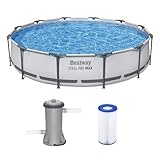
Bestway Steel Pro MAX 12' x 30" Above Ground Swimming Pool Set with Pump | Check Price On Amazon |
|
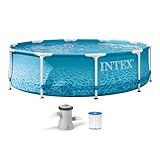
INTEX Beachside Metal Frame 10ft x 30in Round Pool Set w/Pump | Check Price On Amazon |

|
H2OGO! Kids Splash-in-Shade 8-Foot Round Steel Frame Above Ground Pool with Water Mister and Canopy Sunshade, Green Tropical Leaf Print | Check Price On Amazon |
What Causes Pool Cleaners to Get Stuck Most Often?
Debris accumulation accounts for 42% of pool cleaner stuck incidents, with leaves, twigs, and small toys blocking wheels, tracks, or suction ports. Large debris pieces create immediate stopping points, while fine particles gradually reduce mobility by clogging internal mechanisms and reducing suction power.
Navigation system malfunctions cause 28% of stuck situations, particularly in robotic cleaners with electronic sensors and mapping technology. Water chemistry imbalances, calcium buildup on sensors, and electromagnetic interference from nearby equipment disrupt positioning systems, causing cleaners to circle repeatedly or stop against walls.
Hose configuration problems account for 18% of stuck incidents in suction-side and pressure-side cleaners. Pool cleaner hoses that are too long create loops and tangles, while insufficient hose length prevents full pool coverage, causing cleaners to strain against connections.
Water level irregularities cause 12% of stuck situations when levels drop below skimmer intake or rise above optimal operational range. Low water reduces suction power and exposes shallow end obstacles, while high water can flood control mechanisms and alter buoyancy calculations in robotic units.
Identifying Debris-Related Blockages
Check intake ports, wheels, and tracks for visible obstructions before each cleaning cycle. Remove large debris manually and rinse filter baskets or cartridges if suction appears reduced during operation.
Small particles often accumulate in pump impellers and internal pathways, requiring disassembly for thorough cleaning. Use a fine mesh debris bag attachment to capture smaller particles that standard baskets miss.
Navigation System Troubleshooting Steps
Reset robotic cleaner navigation by powering down for 30 seconds, then repositioning at pool center before restart. Clean optical sensors with distilled water and soft cloth monthly, as calcium deposits interfere with boundary detection.
Test navigation patterns in different pool areas to identify consistent problem zones. Move pool furniture, ladders, and accessories that may create electromagnetic interference or physical obstacles affecting sensor accuracy.
How to Prevent Pool Cleaner Hose Tangling and Knotting
Proper hose length prevents 85% of tangling issues when calculated as pool length plus pool width plus 3 feet for optimal maneuverability. Excess hose creates loops during operation, while insufficient length causes tension that pulls cleaners off course.
Install swivel connectors every 8-10 feet along the hose assembly to prevent twisting during cleaning cycles. These rotating joints allow independent movement of hose sections, reducing accumulated tension that leads to knotting.

- Intelligent Navigation with Full Coverage: Equipped with 11 high-precision sensors and enhanced dual-path algorithms. The optimized WavePath cleaning pattern ensures systematic coverage with minimal overlap, while adaptive navigation analyzes pool layout in real time to eliminate missed spots
- Dual Filtration for Crystal-Clear Water: Advanced dual-layer filtration system features a replaceable 3-micron ultra-fine filter paired with a 180-micron standard filter. Effectively captures fine dust, sand, leaves, and debris for visibly cleaner and healthier pool water
- Comprehensive Pool Cleaning: Engineered to clean the pool floor, walls, waterline, and shallow areas (above 12 inches). The Caterpillar Treads system enhances mobility and climbing ability, ensuring thorough coverage across all pool zones
- Reliable Performance with 2-Year Warranty: Trusted by over 500,000 pool owners worldwide, this robotic pool cleaner delivers consistent, high-performance results. Built for durability and backed by a 2-year warranty and responsive customer support for worry-free ownership
Store hoses in straight configuration when not in use, avoiding coiled storage that creates permanent curves. Lay hoses flat in direct sunlight for 2-3 hours monthly to remove memory curves from vinyl or rubber materials.
Hose Weight Distribution Techniques
Add hose weights every 4-6 feet to maintain neutral buoyancy and prevent floating sections that tangle with pool equipment. Position weights closer to cleaner head in shallow areas and farther apart in deep sections.
Balance hose segments so each section floats at mid-water depth rather than surface or bottom. Adjust weight placement seasonally as water temperature changes affect hose flexibility and buoyancy characteristics.
Swivel Connection Maintenance
Lubricate swivel mechanisms monthly with pool-safe silicone lubricant to ensure smooth rotation throughout cleaning cycles. Remove calcium deposits using diluted muriatic acid solution (1:10 ratio) followed by thorough freshwater rinse.
Replace worn swivel connectors when rotation becomes restricted or connections leak under normal operating pressure. Damaged swivels create stress points that increase hose tangling and reduce cleaning efficiency.
Pool Water Level Impact on Cleaner Performance
Optimal water level maintains 2-3 inches above pool tile line for consistent skimmer suction and proper cleaner buoyancy control. Water below this level reduces suction power by 30-40%, causing cleaners to move slowly or stop completely on inclines.
High water levels above 4 inches over tile line flood cleaner air chambers and disrupt navigation sensors in robotic units. Excess water also reduces chemical effectiveness and creates overflow conditions during normal filtration cycles.
Monitor water levels weekly during cleaning season, adding 1-2 inches of water to compensate for evaporation—estimate your loss with our pool water evaporation calculator—and backwashing losses. Use automatic water levelers in areas with high evaporation rates or frequent use.
Seasonal Water Level Adjustments
Raise water levels 1 inch above normal during heavy use periods to compensate for splash-out and increased evaporation from body heat. Lower levels 2-3 inches during winter closure in freeze-prone areas to prevent ice damage to tile and coping.
Check water chemistry balance when adjusting levels, as fresh water additions dilute chlorine, pH, and alkalinity levels. Test and rebalance within 24 hours of significant water additions using our swimming pool chlorine calculator to maintain proper sanitization.
Robotic Pool Cleaner Stuck Issues: Navigation and Programming
Navigation algorithm errors cause robotic cleaners to repeat patterns or become trapped in corners when obstacle detection sensors malfunction. Clean infrared and ultrasonic sensors monthly with distilled water to remove calcium buildup that interferes with boundary recognition.
Programming conflicts occur when cleaning schedules overlap with filtration cycles or when multiple pool systems operate simultaneously. Reset programming to avoid conflicts with automated pool cleaning systems and chemical feeders.
Calibrate navigation systems quarterly by manually guiding cleaners through complete pool perimeter while in learning mode. This process updates internal mapping and improves obstacle avoidance in complex pool shapes with multiple depth changes.
Sensor Cleaning and Calibration
Remove robotic cleaners from water and rinse sensors with fresh water after each use to prevent chemical residue accumulation. Use soft brush to remove stubborn calcium deposits without scratching sensor surfaces.
Test sensor accuracy by placing cleaner near pool wall and observing stopping distance. Proper calibration maintains 2-4 inch clearance from obstacles during normal operation without frequent direction changes.
Programming Optimization Strategies
Schedule cleaning cycles during low-activity periods when pool circulation systems operate at standard flow rates. Avoid programming overlaps with automatic chemical feeders that may alter water chemistry during cleaning.
Select appropriate cleaning modes based on pool conditions, using standard mode for routine maintenance and intensive mode for post-storm cleanup. Program shorter cycles more frequently rather than extended single sessions that increase stuck probability.
Suction-Side Cleaner Problems: Flow Rate and Suction Issues
Insufficient suction power prevents proper cleaner movement when skimmer baskets become clogged or pump impellers accumulate debris. Clean skimmer baskets daily during heavy use periods and inspect pump baskets weekly for debris accumulation that reduces flow rate.
Optimal suction requires 20-30 GPM flow rate for most suction-side cleaners, measurable using pool flow meters installed in cleaner dedicated lines. Flow rates below 15 GPM cause erratic movement, while rates above 35 GPM create excessive speed that reduces cleaning effectiveness.
Air leaks in suction lines reduce cleaning power and cause cleaners to float or move unpredictably. Check all connection points monthly, replacing worn O-rings and tightening loose fittings to maintain proper vacuum levels.
Pump Basket and Impeller Maintenance
Remove pump basket weekly during active season to clear accumulated debris that restricts water flow. Rinse basket thoroughly with garden hose, removing fine particles that clog mesh openings.
Inspect pump impeller monthly by removing pump basket and using flashlight to check for wrapped debris or damaged vanes. Clear stringy materials and leaves that reduce pumping efficiency and increase motor load.
Suction Line Inspection Protocol
Perform annual pressure testing of suction lines using pool pressure testing equipment to identify underground leaks. Pressure drops exceeding 2 PSI over 15 minutes indicate line damage requiring professional repair.
Check visible suction line connections quarterly, applying thread sealant to loose connections and replacing cracked unions or fittings. Document pressure readings to track system performance over time.
Pressure-Side Pool Cleaner Troubleshooting
Pressure-side cleaners require 17-25 PSI operating pressure for optimal performance, with higher pressure causing erratic movement and lower pressure reducing cleaning effectiveness. Monitor pressure using installed gauges and adjust using dedicated booster pump controls or main circulation system valves.
Tail sweep mechanisms become tangled or damaged, preventing proper debris stirring and causing cleaners to miss spots or become stuck on obstacles. Inspect tail sweeps weekly, untangling wrapped debris and replacing worn sections that have lost flexibility.
Our pressure-side cleaner comparison guide covers specific troubleshooting steps for major brands including proper pressure adjustment and common repair procedures.
Booster Pump Pressure Adjustment
Adjust booster pump pressure using built-in pressure relief valve, turning clockwise to increase pressure and counterclockwise to reduce. Make quarter-turn adjustments and test cleaner operation for 5-10 minutes between changes.
Install pressure relief valves if not factory-equipped to prevent over-pressurization that damages cleaner components. Set relief pressure 5 PSI above optimal operating pressure for safety margin.
Debris Collection System Maintenance
Empty collection bags when 75% full to maintain proper cleaner buoyancy and movement patterns. Overfilled bags create drag that causes cleaners to move slowly or become stuck on pool surfaces.
Clean collection bags monthly with mild detergent solution to remove oils and fine particles that clog mesh material. Replace bags annually or when mesh integrity deteriorates beyond effective debris retention.
Pool Surface and Obstacle Considerations
Pool surface texture affects cleaner mobility, with extremely smooth surfaces reducing traction and heavily textured surfaces increasing wear on wheels and tracks. Most cleaners operate optimally on medium-texture surfaces that provide traction without excessive friction.
Steps, ladders, and pool accessories create navigation challenges that trap cleaners in corners or cause repeated collision patterns. Position removable obstacles outside cleaning paths or install cleaner guide accessories to redirect movement around permanent fixtures.
Sloped pool bottoms exceeding 30-degree angles challenge cleaner traction systems, particularly when debris accumulates on inclines. Use upgraded tire treads or track systems designed for steep slope navigation.
Obstacle Management Strategies
Remove pool toys, floating devices, and maintenance equipment before automated cleaning cycles to prevent entanglement and navigation interference. Store removable items in designated areas during cleaning periods.
Install permanent guide fixtures around main drains, light fixtures, and return jets to redirect cleaner paths away from potential trap areas. Position guides to create smooth traffic flow without creating new obstacles.
Surface Compatibility Assessment
Match cleaner wheel or track materials to pool surface type, using softer compounds on delicate surfaces like vinyl liners and harder materials on concrete or plaster finishes. Consult manufacturer specifications for surface compatibility recommendations.
Monitor surface wear patterns after first month of operation, adjusting cleaner pressure settings or replacing components if excessive marking occurs. Document any surface damage for warranty considerations and future reference.
Maintenance Schedule to Prevent Cleaner Problems
Weekly maintenance prevents 80% of cleaner stuck incidents through systematic inspection of key components and operating conditions. Check debris collection systems, hose configuration, and water chemistry balance every seven days during active cleaning season.
Monthly deep maintenance includes sensor cleaning, moving part lubrication, and pressure system testing to identify developing problems before they cause operational failures. Document maintenance activities and component condition for warranty and troubleshooting reference.
| Maintenance Task | Frequency | Time Required | Critical Points |
| Empty debris collection | After each use | 2-3 minutes | Check for clogs in intake |
| Rinse filter elements | Weekly | 5-10 minutes | Use fresh water only |
| Inspect hose for tangles | Weekly | 3-5 minutes | Check swivel operation |
| Clean navigation sensors | Monthly | 10-15 minutes | Use distilled water |
| Test pressure levels | Monthly | 5 minutes | Record readings |
| Lubricate moving parts | Quarterly | 15-20 minutes | Pool-safe lubricants only |
Seasonal Preparation and Storage
Prepare cleaners for seasonal storage by removing all water from internal chambers and hose systems to prevent freeze damage. Clean all components thoroughly and apply protective coatings to metal parts as recommended by manufacturer specifications.
Store cleaners in climate-controlled environments when possible, avoiding extreme temperature fluctuations that damage rubber seals and plastic components. Use equipment covers to protect from dust and UV exposure during extended storage periods.
Component Replacement Scheduling
Replace wear components on predictable schedules based on usage hours rather than waiting for failure. Track operating time using built-in counters or manual logs to anticipate replacement needs for brushes, wheels, and filter elements.
Maintain spare parts inventory including common failure items like O-rings, drive belts, and brushes to minimize downtime during cleaning season. Source parts from authorized dealers to ensure compatibility and warranty coverage.
When to Call Professional Pool Service
Complex navigation system failures requiring software updates or internal component replacement exceed typical homeowner repair capabilities and warrant professional service intervention. Symptoms include persistent stuck patterns despite troubleshooting, error codes, or complete operational failure.
Electrical issues in robotic cleaners, including power supply malfunctions, damaged charging contacts, or internal wiring problems, require qualified technician diagnosis and repair. Attempting electrical repairs without proper equipment and training risks equipment damage and personal safety.
Hydraulic system problems in pressure-side cleaners, particularly booster pump mechanical failures or underground line leaks, require professional equipment and expertise for proper diagnosis and repair. These issues often involve pool circulation system integration beyond cleaner-specific problems.
Diagnostic Information to Provide
Document specific stuck patterns, including locations where problems occur most frequently and environmental conditions during failures. Provide cleaner model information, purchase date, and maintenance history for accurate troubleshooting support.
Record operational symptoms such as unusual noises, movement patterns, or performance changes that preceded stuck incidents. This information helps technicians identify root causes quickly and recommend appropriate solutions.
Warranty Considerations
Review warranty terms before attempting repairs that might void coverage, particularly for sealed components or electronic systems. Many manufacturers require authorized service for warranty claims and may refuse coverage for unauthorized modifications.
Maintain documentation of professional service visits and component replacements for warranty compliance and future troubleshooting reference. Professional service records often satisfy warranty requirements and demonstrate proper maintenance practices.
Cost Analysis: Repair vs Replace Decision Framework
Repair costs exceeding 60% of replacement price generally favor new equipment purchase, particularly for cleaners over 5 years old with multiple component failures. Consider technological improvements and efficiency gains available in newer models when evaluating replacement options.
Factor ongoing maintenance costs use our pool maintenance cost calculator to estimate annual expenses and availability of replacement parts when making repair decisions. Discontinued models with expensive or unavailable parts often cost more long-term than investing in current-generation equipment with better support.
| Cleaner Age | Repair Cost Threshold | Recommendation | Considerations |
| 0-2 years | Up to 80% of replacement | Repair | Warranty coverage likely |
| 3-5 years | Up to 60% of replacement | Case-by-case | Evaluate part availability |
| 6-8 years | Up to 40% of replacement | Consider replacement | Technology improvements |
| 8+ years | Up to 25% of replacement | Replace | Efficiency gains justify cost |
Technology Upgrade Benefits
Modern robotic cleaners offer improved navigation systems, energy efficiency ratings 30-50% better than units over 5 years old, and enhanced filtration capabilities that reduce stuck incidents significantly. Upgrade benefits often justify replacement costs through reduced operating expenses and improved performance.
Smart connectivity features in newer models provide diagnostic information and remote troubleshooting capabilities that reduce service calls and identify problems before they cause stuck situations. These features add value through reduced maintenance time and improved reliability.
Troubleshooting Pool Cleaner Stuck Problems: Step-by-Step Solutions
Systematic troubleshooting eliminates 90% of stuck incidents through logical problem isolation and component testing. Begin with simple visual inspection before progressing to complex diagnostic procedures that require tools or disassembly.
Document problem symptoms and attempted solutions to avoid repeating unsuccessful approaches and provide valuable information for professional service if required. Effective troubleshooting follows consistent methodology regardless of cleaner type or manufacturer.
Initial Assessment Protocol
Remove cleaner from pool and inspect for obvious damage, debris accumulation, or component displacement. Check power connections, hose attachment points, and collection systems for proper configuration before attempting operational tests.
Verify pool conditions including water level, chemical balance, and circulation system operation that affect cleaner performance. Address any pool system issues before testing cleaner operation to eliminate external factors.
Progressive Diagnostic Steps
Test cleaner operation in different pool areas to identify location-specific problems versus equipment malfunctions. Problems occurring throughout pool indicate cleaner issues, while location-specific stuck incidents suggest pool configuration problems.
Isolate individual systems by testing navigation, propulsion, and collection functions separately when possible. This approach identifies specific component failures without replacing unnecessary parts or performing extensive repairs.
| Problem Type | Primary Cause | Quick Solution | Prevention Method |
| Stops against walls | Sensor malfunction | Clean sensors, reset navigation | Monthly sensor cleaning |
| Hose tangling | Excess length or worn swivels | Adjust length, replace swivels | Proper storage, regular inspection |
| Slow movement | Low suction or pressure | Clean filters, check pressure | Weekly filter maintenance |
| Circles endlessly | Navigation error | Reset programming, recalibrate | Avoid interference sources |
| Won’t climb walls | Worn brushes or tracks | Replace climbing components | Monitor wear patterns |
Environmental Factors Affecting Cleaner Performance
Wind conditions create surface currents that interfere with lightweight cleaner navigation, particularly affecting robotic units with precise positioning requirements. Strong winds exceeding 15 mph can push cleaners off course or prevent wall climbing in exposed pool installations.
Temperature extremes impact component flexibility and chemical effectiveness, with water temperatures below 60°F reducing cleaner mobility and temperatures above 85°F accelerating wear on rubber seals and plastic parts. Our experience shows optimal performance occurs in 72-82°F water temperature range.
Seasonal debris loads during fall leaf drop or spring pollen season can overwhelm collection systems and cause frequent stuck incidents. Increase cleaning frequency and pre-clean debris manually during high-load periods to maintain automated cleaner effectiveness.
Weather-Related Adjustments
Adjust cleaning schedules based on weather patterns, running cleaners more frequently during calm conditions and reducing operation during storms or high winds. Remove cleaners from pools before severe weather to prevent damage from flying debris or hail.
Monitor water chemistry more closely during temperature extremes, as chemical effectiveness and cleaner component performance both depend on stable temperature ranges. Use accurate pool thermometers to track conditions affecting cleaner operation.
Seasonal Operation Modifications
Extend cleaning cycles during peak debris seasons to compensate for increased load on collection systems. Empty debris containers more frequently and inspect for clogs that reduce suction or cause mechanical strain.
Reduce cleaning frequency during dormant seasons when debris load decreases and pool usage drops. This approach extends component life while maintaining adequate cleanliness for occasional use or spring preparation.
Advanced Pool Cleaner Maintenance Techniques
Internal component cleaning requires partial disassembly following manufacturer procedures to access pumps, motors, and gear systems. Use compressed air to remove fine debris from internal chambers and specialized cleaning solutions for calcium deposits on metal components.
Calibration procedures restore factory navigation settings and optimize performance for specific pool configurations. Advanced calibration includes sensor sensitivity adjustment, boundary recognition training, and cleaning pattern optimization based on pool geometry and usage patterns.
For comprehensive pool maintenance beyond cleaner troubleshooting, our guide to pool acid washing procedures covers deep cleaning techniques that complement automated cleaner maintenance.
Motor and Drive System Service
Lubricate drive gears and motor bearings using manufacturer-specified lubricants applied at recommended intervals. Over-lubrication attracts debris and causes premature failure, while insufficient lubrication increases friction and power consumption.
Monitor motor current draw using amp meters to identify developing problems before complete failure occurs. Current increases exceeding 10% above normal operating levels indicate internal wear or binding requiring attention.
Electronic System Diagnostics
Test sensor accuracy using manufacturer diagnostic procedures that verify boundary detection, obstacle avoidance, and navigation mapping functions. Replace sensors showing reduced sensitivity or inconsistent readings that affect cleaning patterns.
Update software firmware when available to improve navigation algorithms and add new features. Many manufacturers provide updates through service centers or authorized dealers that enhance performance and reliability.
Pool Cleaner Stuck Prevention: Proactive Strategies
Pre-cleaning pool preparation removes large debris and obstacles that cause 70% of stuck incidents during automated cleaning cycles. Manually remove leaves, toys, and loose equipment before starting cleaners to ensure clear navigation paths and reduce collection system overload.
Optimize pool circulation patterns by adjusting return jet direction and flow rates to complement cleaner movement rather than working against it. Proper circulation creates debris suspension that makes collection more effective while reducing areas where debris settles and creates obstacles.
Strategic timing of cleaning cycles during optimal conditions maximizes effectiveness while reducing stuck probability. Schedule cleaning during calm weather with stable water chemistry and adequate filtration system operation for best results.
Pool Layout Optimization
Position pool accessories and furniture to create clear traffic lanes for cleaner movement. Remove or relocate items that consistently cause navigation problems or create debris accumulation areas that trap cleaners.
Install guide rails or directional aids around problem areas like steps, corners, or equipment that cause repeated stuck incidents. These modifications improve traffic flow without major pool alterations.
Routine Inspection Protocol
Inspect cleaner components before each use for wear indicators, damage, or configuration changes that increase stuck probability. Early identification of developing problems prevents operational failures and reduces repair costs.
Monitor cleaning effectiveness through systematic pool inspection after each cycle, noting missed areas or debris accumulation that indicates cleaner performance degradation. Address performance issues promptly before they develop into stuck problems requiring extensive troubleshooting.
Frequently Asked Questions About Pool Cleaner Stuck Problems
Why does my robotic pool cleaner keep getting stuck in the same corner?
Quick Answer: Corner stuck problems result from navigation sensor malfunction, debris accumulation, or inadequate boundary detection calibration causing repeated collision patterns in tight spaces.
Clean infrared and ultrasonic sensors monthly with distilled water to remove calcium buildup interfering with boundary recognition systems. Reset navigation programming by powering down for 30 seconds and repositioning at pool center before restart.
Install corner protection accessories or guide rails to redirect cleaner movement away from problem areas. Adjust pool return jet direction to create water circulation patterns that help move cleaners out of corners naturally during cleaning cycles.
How often should I empty my pool cleaner’s debris collection system?
Quick Answer: Empty debris collection bags or baskets when 75% full to maintain proper buoyancy and suction power, typically after every 2-3 cleaning cycles depending on debris load.
Overfilled collection systems create drag that reduces mobility and increases stuck incidents on pool surfaces. Monitor collection capacity visually and empty more frequently during high-debris seasons like fall leaf drop or spring pollen periods.
Clean collection containers monthly with mild detergent solution to remove oils and fine particles that clog mesh materials. Replace worn collection bags annually or when mesh integrity deteriorates beyond effective debris retention capabilities.
What causes my suction-side cleaner to move very slowly or stop completely?
Quick Answer: Slow movement indicates insufficient suction power from clogged skimmer baskets, dirty pump baskets, or air leaks in suction lines reducing flow rate below 20 GPM minimum.
Clean skimmer baskets daily during active use periods and inspect pump baskets weekly for accumulated debris. Remove pump basket and check impeller monthly for wrapped materials or damaged vanes reducing pumping efficiency.
Test suction line connections quarterly for air leaks using pressure testing equipment. Tighten loose fittings and replace worn O-rings to maintain proper vacuum levels throughout the suction system.
Why does my pressure-side cleaner keep flipping over or moving erratically?
Quick Answer: Erratic movement results from excessive operating pressure above 25 PSI, worn tail sweeps, or overfilled debris collection bags affecting cleaner balance and navigation.
Adjust booster pump pressure using relief valve controls, making quarter-turn adjustments and testing operation for 5-10 minutes between changes. Install pressure gauges if not factory-equipped to monitor operating conditions accurately.
Inspect tail sweep mechanisms weekly for tangled debris or damage that prevents proper function. Replace worn tail sections that have lost flexibility and clean debris collection bags when 75% full to maintain proper buoyancy.
How can I prevent my pool cleaner hose from tangling during operation?
Quick Answer: Install swivel connectors every 8-10 feet along hose assembly and calculate proper length as pool length plus width plus 3 feet to prevent excess coiling and tangling.
Store hoses in straight configuration avoiding coiled storage that creates permanent memory curves. Lay hoses flat in direct sunlight for 2-3 hours monthly to remove curves from vinyl or rubber materials.
Add hose weights every 4-6 feet to maintain neutral buoyancy and prevent floating sections that tangle with pool equipment. Position weights closer to cleaner head in shallow areas and farther apart in deep sections for optimal weight distribution.
What water level is best for pool cleaner operation?
Quick Answer: Maintain water level 2-3 inches above pool tile line for optimal skimmer suction and cleaner buoyancy, checking levels weekly during cleaning season.
Water below tile line reduces suction power by 30-40% causing slow movement or stopping on inclines. High water above 4 inches over tile floods cleaner air chambers and disrupts navigation sensors in robotic units.
Add 1-2 inches of water weekly to compensate for evaporation and backwashing losses. Install automatic water levelers in high-evaporation areas to maintain consistent levels without manual monitoring during cleaning operations.
When should I replace my pool cleaner instead of repairing it?
Quick Answer: Replace cleaners when repair costs exceed 60% of replacement price or for units over 5 years old with multiple component failures and declining efficiency.
Consider technological improvements in newer models including better navigation systems, 30-50% improved energy efficiency, and enhanced filtration capabilities that reduce stuck incidents significantly. Factor ongoing maintenance costs and parts availability for discontinued models.
Document repair history and component replacement frequency to make informed decisions. Professional service records demonstrate maintenance practices and help evaluate whether continued repairs or replacement provides better long-term value.
How do I clean navigation sensors on my robotic pool cleaner?
Quick Answer: Clean optical sensors monthly with distilled water and soft cloth, removing calcium deposits that interfere with boundary detection and obstacle avoidance systems.
Remove cleaner from water and rinse sensors with fresh water after each use to prevent chemical residue accumulation. Use soft brush to remove stubborn deposits without scratching sensor surfaces that affect accuracy.
Test sensor function by placing cleaner near pool wall and observing stopping distance. Proper calibration maintains 2-4 inch clearance from obstacles during normal operation without excessive direction changes or collision patterns.
What causes my pool cleaner to miss certain areas of the pool?
Quick Answer: Missed areas result from improper hose length, inadequate water circulation, navigation programming errors, or debris accumulation creating dead zones during cleaning cycles.
Verify hose length allows complete pool coverage without tension or excess coiling that restricts movement. Adjust return jet direction to create circulation patterns that help move cleaners into corners and difficult areas naturally.
Recalibrate navigation systems quarterly by manually guiding cleaners through complete pool perimeter in learning mode. This updates internal mapping and improves coverage patterns in complex pool shapes with multiple depth changes.
How do I fix a pool cleaner that keeps going in circles?
Quick Answer: Circular movement indicates navigation system malfunction from dirty sensors, programming conflicts, or electromagnetic interference disrupting positioning systems and pattern recognition.
Reset navigation programming by powering down for 30 seconds and repositioning at pool center before restart. Clean sensors with distilled water and check for nearby equipment causing electromagnetic interference with navigation systems.
Move pool equipment, wireless devices, or metal objects that may interfere with sensor accuracy. Test cleaner operation in different pool areas to determine if circular movement occurs throughout pool or only in specific locations indicating localized interference sources.
Why won’t my pool cleaner climb walls anymore?
Quick Answer: Wall climbing problems result from worn brushes or tracks, reduced suction power below 25 GPM, or calcium buildup on climbing mechanisms reducing traction and adhesion.
Inspect and replace worn brushes, wheels, or tracks that have lost traction capability on pool surfaces. Clean climbing mechanisms monthly to remove calcium deposits and debris that interfere with wall adhesion systems.
Test suction or pressure levels using appropriate gauges to verify adequate power for wall climbing function. Address any circulation system problems reducing flow rates below manufacturer specifications for proper climbing operation.
How can I tell if my pool cleaner needs professional repair?
Quick Answer: Professional service is required for persistent stuck patterns despite troubleshooting, error codes, electrical malfunctions, or mechanical failures requiring specialized tools and expertise.
Document specific problem symptoms including stuck locations, movement patterns, and environmental conditions during failures. Provide cleaner model information, maintenance history, and troubleshooting attempts for accurate diagnosis support.
Complex navigation system failures requiring software updates or internal component replacement exceed homeowner capabilities. Electrical issues in robotic cleaners and hydraulic problems in pressure-side systems warrant professional intervention for safety and warranty considerations.
What maintenance schedule prevents most pool cleaner stuck problems?
Quick Answer: Weekly inspection and cleaning of collection systems, monthly sensor cleaning and pressure testing, plus quarterly component lubrication prevents 80% of stuck incidents through proactive maintenance.
Empty debris collection after each use and rinse filter elements weekly with fresh water. Clean navigation sensors monthly with distilled water and test pressure levels to identify developing problems before operational failures occur.
Document maintenance activities and component condition for warranty reference and troubleshooting support. Maintain spare parts inventory including common wear items to minimize downtime during cleaning season repairs or replacements.
How do seasonal changes affect pool cleaner performance?
Quick Answer: Temperature extremes reduce component flexibility and mobility, while seasonal debris loads during fall or spring can overwhelm collection systems and cause frequent stuck incidents.
Adjust cleaning schedules based on debris load and weather conditions, increasing frequency during high-debris periods and reducing operation during temperature extremes. Remove cleaners before severe weather to prevent damage from flying debris.
Monitor water chemistry more closely during temperature fluctuations as both chemical effectiveness and cleaner performance depend on stable conditions. Extend cleaning cycles during peak debris seasons and reduce frequency during dormant periods to balance effectiveness with component longevity.
What pool modifications help prevent cleaner stuck problems?
Quick Answer: Install guide rails around obstacles, optimize return jet direction for circulation assistance, and position removable accessories outside cleaning paths to create clear navigation routes.
Remove or relocate items causing consistent navigation problems and install directional aids around permanent fixtures like steps or equipment that trap cleaners. Create smooth traffic flow without major pool alterations using simple guide installations.
Consider automatic water leveling systems in high-evaporation areas and upgrade to cleaners with advanced navigation if current models consistently struggle with pool geometry. Professional assessment can identify specific modifications most beneficial for individual pool configurations.
Preventing pool cleaner stuck incidents requires systematic attention to debris management, proper hose configuration, optimal water levels, and regular maintenance of all cleaner components. Understanding the root causes of navigation problems, suction issues, and environmental factors enables effective troubleshooting and proactive prevention strategies that keep automated cleaning systems operating reliably.
Focus on weekly inspection routines, monthly sensor cleaning, and quarterly component servicing to maintain peak performance throughout cleaning season. When problems persist despite proper maintenance, professional diagnosis can identify complex issues requiring specialized repair or guide replacement decisions based on cost-effectiveness and technological improvements in newer models.
| Photo | Best Above-Ground Pools | Price |
|---|---|---|
|
|
Bestway Steel Pro MAX 12' x 30" Above Ground Swimming Pool Set with Pump | Check Price On Amazon |
|
|
INTEX Beachside Metal Frame 10ft x 30in Round Pool Set w/Pump | Check Price On Amazon |
|
|
H2OGO! Kids Splash-in-Shade 8-Foot Round Steel Frame Above Ground Pool with Water Mister and Canopy Sunshade, Green Tropical Leaf Print | Check Price On Amazon |