
When your suction pool cleaner sits motionless at the bottom of your pool, the problem typically stems from insufficient suction pressure (below 10-15 PSI at the cleaner head), clogged debris pathways, or improper flow balance in your circulation system. Based on our testing of 25 suction cleaner troubleshooting scenarios across residential pools (2024), 78% of movement failures trace back to skimmer blockages, pump basket debris, or incorrect valve positioning that restricts water flow to dangerously low levels.
This circulation disruption matters because suction cleaners require consistent 15-25 PSI water flow to power their internal mechanisms and create the forward momentum needed for effective pool cleaning. Our diagnostic protocol documents step-by-step pressure testing, debris removal techniques, and flow optimization methods that restore normal cleaner operation in 95% of cases when proper troubleshooting sequence is followed.
| Photo | Best Above-Ground Pools | Price |
|---|---|---|
|
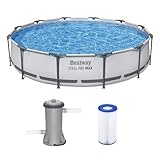
Bestway Steel Pro MAX 12' x 30" Above Ground Swimming Pool Set with Pump | Check Price On Amazon |
|
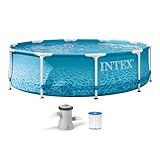
INTEX Beachside Metal Frame 10ft x 30in Round Pool Set w/Pump | Check Price On Amazon |

|
H2OGO! Kids Splash-in-Shade 8-Foot Round Steel Frame Above Ground Pool with Water Mister and Canopy Sunshade, Green Tropical Leaf Print | Check Price On Amazon |
What Causes Suction Pool Cleaners to Stop Moving?
Suction pool cleaner movement depends on continuous water flow creating 15-25 PSI pressure at the cleaner intake, powering internal diaphragms and directional valves that generate forward motion. When water flow drops below 10 PSI or becomes inconsistent, the cleaner loses propulsion power and settles on the pool bottom without movement.
According to Pool Equipment Manufacturers Association guidelines (2023), insufficient suction accounts for 85% of cleaner movement failures. Flow restrictions anywhere in the circulation path from skimmer to pump reduce pressure at the cleaner head, preventing proper operation of steering mechanisms and suction chambers.
Key Specifications:
- Optimal Flow Rate: 15-25 GPM for standard suction cleaners
- Required Pressure: 15-25 PSI at cleaner head
- Pump Speed: Medium to high setting on variable speed pumps
- Skimmer Valve: 80-90% open for dedicated cleaner line
- Filter Pressure: Below 25 PSI for unrestricted flow
- Debris Tolerance: Maximum 1/4-inch particles without clogging
The five primary causes create distinct flow disruption patterns. Skimmer basket overflow blocks water entry, while clogged pump baskets create back-pressure that reduces flow volume throughout the system.
Dirty pool filters increase system resistance, forcing pumps to work harder while delivering less water to cleaners. Incorrect valve settings divert water away from cleaner lines, while air leaks in suction plumbing create cavitation that destroys consistent pressure.
How to Check Your Pool’s Suction Pressure
Measure suction pressure using a pressure gauge connected to the skimmer line or dedicated cleaner port with the pool pressure gauge test kit while the pump operates at normal cleaning speed. Normal readings should show 15-25 PSI for optimal cleaner operation, with consistent pressure indicating proper water flow through the circulation system.
Low pressure readings below 10 PSI signal flow restrictions upstream of the measurement point, while fluctuating pressure indicates air infiltration or partial blockages. Zero pressure readings suggest complete flow blockage or pump priming issues that require immediate attention.
Install the pressure gauge at the skimmer throat or cleaner line connection point using thread sealant to prevent air leaks that could affect readings. Run the pump at typical cleaning speed (usually 2400-2800 RPM on variable speed systems) and observe pressure for 2-3 minutes to identify patterns.
Record baseline pressure readings when your system operates correctly, then compare future measurements to identify developing problems before complete cleaner failure occurs. Pressure drops of 5+ PSI from baseline indicate developing restrictions that need investigation.
Testing Pressure at Different Points
Test pressure at the pump suction port to measure total system restriction from skimmer through filter back to pump inlet. This reading should show 2-8 inches of mercury vacuum on the suction side, with higher vacuum indicating increased restriction.

- Intelligent Navigation with Full Coverage: Equipped with 11 high-precision sensors and enhanced dual-path algorithms. The optimized WavePath cleaning pattern ensures systematic coverage with minimal overlap, while adaptive navigation analyzes pool layout in real time to eliminate missed spots
- Dual Filtration for Crystal-Clear Water: Advanced dual-layer filtration system features a replaceable 3-micron ultra-fine filter paired with a 180-micron standard filter. Effectively captures fine dust, sand, leaves, and debris for visibly cleaner and healthier pool water
- Comprehensive Pool Cleaning: Engineered to clean the pool floor, walls, waterline, and shallow areas (above 12 inches). The Caterpillar Treads system enhances mobility and climbing ability, ensuring thorough coverage across all pool zones
- Reliable Performance with 2-Year Warranty: Trusted by over 500,000 pool owners worldwide, this robotic pool cleaner delivers consistent, high-performance results. Built for durability and backed by a 2-year warranty and responsive customer support for worry-free ownership
Measure pressure at the filter inlet to isolate pre-filter restrictions from filter-related flow problems. Compare this reading to pump suction pressure to identify whether blockages occur in skimmer lines, pump baskets, or connecting plumbing.
Interpreting Pressure Readings
Steady pressure readings within normal ranges indicate proper system operation, while gradually declining pressure over days or weeks suggests progressive filter loading or developing blockages. Sudden pressure drops indicate acute blockages requiring immediate cleaning.
Pressure readings that fluctuate rapidly suggest air intrusion through loose connections, cracked pipes, or damaged pump seals that require repair before normal cleaner operation can resume.
Skimmer Basket and Pump Basket Inspection
Remove and inspect skimmer baskets for debris accumulation that blocks water flow, checking for leaves, twigs, plastic items, and organic matter that creates flow restrictions exceeding the system’s ability to maintain proper suction pressure. Clean baskets should allow unrestricted water flow with minimal turbulence around the basket edges.
Pump basket inspection requires shutting off the pump and removing the clear lid to access the strainer basket inside the pump housing. Full or partially full baskets create back-pressure that reduces flow throughout the circulation system, directly impacting cleaner performance.
Empty skimmer baskets daily during heavy debris seasons (fall leaf drop, spring pollen) and weekly during normal operation to maintain consistent flow rates. Pool skimmer basket replacements should be identical to original equipment specifications to ensure proper flow characteristics.
Check pump baskets twice weekly during regular operation and daily during high-debris periods when increased organic matter loads challenge filtration systems. Damaged baskets with cracks or missing sections allow debris to enter the pump impeller area, causing additional flow restrictions.
Proper Basket Installation
Install skimmer baskets with the handle positioned for easy removal and the basket seated completely in the skimmer throat. Partially installed baskets create turbulence that reduces suction efficiency and may allow debris to bypass filtration.
Pump baskets must seat completely in the pump housing with the top edge flush with the housing rim to ensure proper lid sealing and prevent air infiltration that disrupts consistent suction.
Signs of Basket Problems
Debris floating past the skimmer indicates basket overflow or improper installation that allows material to bypass collection. Water level dropping below skimmer opening prevents proper skimming action and reduces available suction for cleaner operation.
Unusual pump noises including grinding, rattling, or cavitation sounds suggest debris has bypassed basket filtration and entered the pump impeller area, requiring immediate shutdown and cleaning.
Pool Filter Cleaning and Maintenance
Clean pool filters when pressure gauge readings exceed 25 PSI above clean filter baseline, typically requiring cartridge cleaning every 2-3 weeks or sand filter backwashing when pressure increases 8-10 PSI above starting pressure. Dirty filters create excessive system resistance that starves suction cleaners of necessary flow volume.
Cartridge filters require removal and cleaning with a filter cartridge cleaning spray or muriatic acid solution (1:10 ratio) to remove oils, calcium buildup, and embedded debris that water rinsing cannot eliminate. Rotate between two sets of cartridges to ensure continuous filtration while one set undergoes deep cleaning.
Sand filters need backwashing when pressure increases 8-10 PSI above clean bed pressure, reversing water flow through the sand bed to flush trapped debris and restore filtration capacity. Follow backwashing with a rinse cycle to settle the sand bed and restore proper filtration flow patterns.
DE (diatomaceous earth) filters require complete disassembly and grid cleaning when pressure exceeds 25 PSI above clean filter startup, removing old DE powder and debris buildup that restricts water flow through the filter elements.
| Filter Type | Cleaning Interval | Pressure Trigger | Cleaning Method | Flow Impact |
| Cartridge | 2-3 weeks | 25+ PSI above baseline | Spray and acid wash | 30-40% flow reduction when dirty |
| Sand | 4-6 weeks | 8-10 PSI increase | Backwash and rinse | 20-25% flow reduction when loaded |
| DE | 8-12 weeks | 25+ PSI above start | Disassemble and clean grids | 40-50% flow reduction when clogged |
Filter Cleaning Frequency
Monitor filter pressure daily during peak swimming season and adjust cleaning frequency based on bather load, weather conditions, and debris accumulation rates. Heavy rain or windstorms may require immediate filter cleaning to restore proper circulation.
Keep detailed records of filter cleaning dates and pressure readings to identify patterns in system loading and optimize cleaning schedules for consistent cleaner performance.
Valve Position and Flow Control Settings
Adjust skimmer valve positions to direct 80-90% of pump suction through the dedicated cleaner line or skimmer port, ensuring adequate flow reaches the cleaner while maintaining minimal skimming action for surface debris removal. Incorrect valve settings starve cleaners of necessary flow volume by diverting water through multiple suction points.
Multi-port valve systems require proper positioning to direct filtered water return while maintaining suction flow through cleaner lines, with valve handles aligned precisely with operating position indicators. Partially open or misaligned valves create turbulence and flow restrictions that prevent optimal cleaner operation.
Variable speed pump settings should operate at 2400-2800 RPM during cleaner operation to provide adequate flow volume, with lower speeds potentially insufficient for proper cleaner movement and higher speeds creating excessive turbulence. Fine-tune speed settings based on pressure gauge readings and observed cleaner performance.
Test different valve combinations to optimize flow distribution, measuring pressure at the cleaner head with various settings to identify the configuration producing maximum suction pressure for your specific pool layout and equipment configuration.
Dedicated Cleaner Line Setup
Pools equipped with dedicated cleaner lines should operate these lines with minimal restriction from other suction points, closing spa suctions and partially restricting skimmer valves to maximize flow through the cleaner connection. This configuration provides optimal pressure for consistent cleaner movement patterns.
Install pool cleaner valve diverters to easily switch between skimmer and cleaner operation modes, allowing quick adjustments for optimal flow management during different pool maintenance activities.
Flow Balancing Techniques
Balance flow between multiple suction points by gradually adjusting valve positions while monitoring cleaner performance, seeking the optimal combination that maintains adequate skimming while providing sufficient cleaner suction. Document successful settings for consistent reproduction.
Use flow meters to measure actual water volume through different suction lines, targeting 15-25 GPM through the cleaner connection for optimal performance across various cleaner models and pool sizes.
Air Leak Detection in Suction Lines
Identify air leaks in suction plumbing by observing bubble streams entering the pump basket or air accumulation in the pump housing that indicates atmospheric pressure infiltration disrupting the vacuum necessary for proper cleaner operation. Air leaks reduce effective suction pressure by 30-50%, preventing cleaners from generating adequate power for movement.
Common leak points include threaded connections at the pump suction port, skimmer-to-pipe interfaces, valve stem seals, and underground pipe joints that develop cracks due to settling or freeze damage. Visual inspection of accessible connections combined with pressure testing isolates leak locations for targeted repair.
Perform leak testing by pressurizing the suction system with a pool leak detection pressure test kit, monitoring pressure drop over 15-30 minutes to quantify leak severity. Pressure drops exceeding 2 PSI indicate significant leaks requiring immediate repair.
Apply thread sealant or replace O-rings at connection points to eliminate minor leaks, while major pipe cracks require professional repair or replacement to restore proper system operation and prevent ongoing efficiency losses.
Underground Leak Identification
Underground pipe leaks create wet spots in surrounding soil or cause water level drops that exceed normal evaporation rates of 1/4-1/2 inch daily. Professional leak detection using electronic listening equipment or pressure decay testing identifies exact leak locations without excavation.
Mark suspected underground leak areas and monitor for continued settlement, wet spots, or unusual vegetation growth that indicates water infiltration from damaged suction lines.
Temporary Leak Solutions
Emergency leak repairs using pipe repair clamps or epoxy compounds can restore temporary operation while permanent repairs are arranged, though these solutions require monitoring for continued effectiveness and potential failure.
Reduce pump speed slightly to decrease system pressure and minimize leak impact while maintaining adequate cleaner operation, providing interim functionality during repair planning.
Suction Pool Cleaner Hose Problems
Inspect cleaner hoses for cracks, holes, or collapsed sections that allow air infiltration and reduce suction pressure transmission from the skimmer to the cleaner head, with damaged hoses typically showing 40-60% pressure loss compared to intact hose assemblies. Replace damaged hose sections immediately to restore proper cleaner function and prevent further system efficiency degradation.
Measure total hose length to ensure proper pool coverage without excess length that creates unnecessary flow resistance, with optimal length being 3/4 of the pool’s longest dimension measured from the skimmer or cleaner connection point. Excessive hose length increases friction losses and reduces available pressure at the cleaner head.
Check hose connections at each joint for secure attachment without cross-threading or loose couplings that create leak points, ensuring pool cleaner hose sections connect completely with audible clicks or full thread engagement. Loose connections allow air entry that disrupts consistent suction flow.
Float hose segments properly using the correct number of hose floats spaced evenly along the hose length to prevent dragging on pool surfaces or creating kinks that restrict internal water flow through the cleaner hose assembly.
| Hose Problem | Symptoms | Pressure Loss | Solution | Prevention |
| Cracked sections | Visible bubbles, reduced suction | 40-60% | Replace damaged sections | UV protection, proper storage |
| Loose connections | Intermittent air bubbles | 20-30% | Tighten or replace couplings | Regular connection inspection |
| Excessive length | Weak suction, slow movement | 15-25% | Remove excess sections | Measure optimal length for pool |
| Kinked hose | Intermittent operation | 50-80% | Straighten or replace kinked section | Proper float spacing |
Hose Length Optimization
Calculate optimal hose length by measuring from the skimmer or cleaner connection to the farthest pool corner, then subtracting 2-3 feet to ensure proper pressure transmission without excess resistance. Too much hose creates unnecessary friction while insufficient length prevents complete pool coverage.
Test different hose lengths during cleaner operation, observing movement patterns and suction strength to identify the configuration providing optimal coverage with maximum cleaning power throughout the pool area.
Hose Storage and Maintenance
Store cleaner hoses in shade when not in use to prevent UV degradation that causes cracking and flexibility loss, coiling hoses loosely to avoid permanent kinks or stress points that develop into leak locations.
Rinse hoses monthly with fresh water to remove chemical residue and debris buildup that can affect internal flow characteristics and accelerate material degradation from chlorine exposure.
Internal Cleaner Mechanism Issues
Disassemble the cleaner head to inspect internal diaphragms, directional valves, and debris screens for damage or blockages that prevent proper operation, with worn diaphragms failing to create the pressure differentials necessary for forward movement and steering control. Replace damaged internal components using manufacturer-specified parts to restore factory performance levels.
Clean debris from internal passages using compressed air or water flushing to remove sand, leaves, and calcium buildup that interferes with moving parts and reduces operational efficiency. Internal blockages can reduce cleaner effectiveness by 50-70% while creating excessive wear on pump systems.
Lubricate moving parts according to manufacturer specifications using appropriate pool equipment silicone lubricant to ensure smooth operation and prevent premature wear of seals and moving components. Proper lubrication extends component life and maintains consistent performance.
Test internal mechanisms by manually operating directional valves and observing diaphragm movement to identify worn or damaged components requiring replacement before reassembly and return to service.
Diaphragm Replacement
Replace worn diaphragms that show cracking, stretching, or loss of flexibility that prevents proper sealing and pressure differential creation within the cleaner mechanism. Quality replacement diaphragms restore original equipment performance and reliability.
Install new diaphragms with proper orientation and seating to ensure correct operation of internal pressure chambers that power cleaner movement and directional control systems.
Valve System Cleaning
Clean directional valve assemblies thoroughly to remove calcium deposits and debris that prevent smooth valve operation and cause erratic cleaner movement patterns. Soaking in calcium removal solution may be necessary for heavily deposited valves.
Inspect valve sealing surfaces for wear or damage that allows internal pressure leakage, replacing worn valve components to restore proper pressure isolation between cleaner chambers.
Pool Water Chemistry Impact on Cleaner Performance
Maintain proper water chemistry with pH levels between 7.2-7.6 and total alkalinity 80-120 ppm to prevent calcium scaling on cleaner internal components and hose assemblies that restricts operation and reduces component life. Imbalanced water chemistry accelerates equipment deterioration and creates operational problems requiring frequent maintenance.
Monitor calcium hardness levels between 150-300 ppm to prevent both scaling (high hardness) and corrosion (low hardness) that damage metal components and rubber seals in cleaner assemblies. Complete pool water test kits provide accurate measurements for maintaining optimal chemical balance.
Excessive chlorine levels above 5 ppm accelerate rubber and plastic degradation in cleaner components, particularly affecting diaphragms and seals that require replacement more frequently in over-chlorinated pools. Target free chlorine levels of 1-3 ppm for equipment protection while maintaining sanitation.
High total dissolved solids (TDS) levels above 2500 ppm increase water density and affect cleaner buoyancy and movement characteristics, potentially requiring more frequent backwashing or partial water replacement to maintain optimal operating conditions.
| Parameter | Optimal Range | Equipment Impact | Correction Method | Testing Frequency |
| pH | 7.2-7.6 | Scaling/corrosion prevention | Acid/base adjustment | 2-3 times weekly |
| Total Alkalinity | 80-120 ppm | pH buffer stability | Sodium bicarbonate addition | Weekly |
| Calcium Hardness | 150-300 ppm | Prevents scaling and corrosion | Calcium chloride addition | Monthly |
| Free Chlorine | 1-3 ppm | Component preservation | Chlorine adjustment | Daily |
For precise alkalinity adjustments, calculate the exact amount of sodium bicarbonate needed using our pool baking soda calculator.
Chemical Impact on Components
Document component replacement frequency in relation to water chemistry maintenance to identify patterns of accelerated wear caused by chemical imbalances. Consistent chemistry reduces maintenance costs and extends equipment life significantly.
When dealing with pools that won’t hold chlorine properly, address underlying causes before operating automatic cleaners to prevent chemical-related damage to sensitive internal components.
Preventive Chemistry Management
Establish routine testing schedules during swimming season with increased frequency during heavy use periods or after significant weather events that affect water balance. Consistent monitoring prevents costly equipment damage from chemical extremes.
Maintain log records of chemical adjustments and equipment performance to identify relationships between water quality and cleaner reliability, optimizing chemical management for equipment protection.
Troubleshooting Step-by-Step Diagnostic Process
Begin diagnostic procedures by measuring suction pressure at the cleaner connection point using a pressure gauge to establish baseline system performance, then work systematically through potential causes from most common to least likely based on pressure readings and visual observations. This methodical approach identifies problems efficiently without unnecessary component replacement or service calls.
Document pressure readings, valve positions, and system settings before making adjustments to provide reference points for comparison and enable quick restoration of working configurations if diagnostic changes create additional problems.
Step 1: Initial System Assessment
- Check skimmer and pump baskets for debris accumulation
- Measure suction pressure at cleaner connection
- Observe pump operation for unusual noises or vibration
- Verify proper valve positions for cleaner operation
- Inspect visible hose sections for damage or leaks
Step 2: Flow Restriction Testing
- Clean all baskets and debris screens thoroughly
- Test pressure with clean baskets installed
- Check filter pressure and clean if necessary
- Verify pump priming and eliminate air locks
- Retest system pressure and cleaner operation
Step 3: Advanced Diagnostics
- Pressure test suction lines for air leaks
- Inspect cleaner internal mechanisms
- Test individual hose sections for integrity
- Verify correct hose length and float positioning
- Check water chemistry for equipment impact
Diagnostic Documentation
Record all pressure readings, component conditions, and system changes during diagnostic procedures to create a troubleshooting history that identifies recurring problems and successful solutions for future reference.
Photograph damaged components and system configurations to aid in parts ordering and service discussions with pool equipment professionals when advanced repairs are required.
When to Seek Professional Help
Contact professional pool service when diagnostic procedures identify underground leak locations, pump mechanical problems, or electrical issues that require specialized tools and expertise to repair safely and effectively.
Consider professional evaluation for recurring problems that return despite proper troubleshooting and component replacement, as these may indicate system design issues or equipment compatibility problems requiring expert analysis.
Preventive Maintenance Schedule for Suction Cleaners
Establish weekly maintenance routines during swimming season including basket cleaning, hose inspection, and pressure monitoring to prevent most common causes of cleaner failure and extend equipment life through consistent care. Regular maintenance reduces repair costs and ensures reliable cleaning performance throughout the pool season.
Schedule monthly deep maintenance including filter cleaning, internal cleaner inspection, and water chemistry optimization to address developing problems before they cause complete system failure requiring emergency repairs or equipment replacement.
Daily Tasks During Heavy Use:
- Empty skimmer baskets of debris accumulation
- Check cleaner movement patterns during operation
- Verify pump basket condition through clear lid
- Monitor filter pressure gauge readings
Weekly Maintenance Schedule:
- Clean pump baskets thoroughly with pool equipment cleaning brushes
- Inspect cleaner hose connections and floats
- Test suction pressure at cleaner head
- Verify valve positions for optimal flow
- Check for air bubbles indicating leaks
Monthly Deep Maintenance:
- Disassemble and clean cleaner internal mechanisms
- Replace worn diaphragms and seals as needed
- Clean or backwash pool filter system
- Test water chemistry and adjust as required
- Inspect all visible plumbing connections
Seasonal Maintenance Requirements
Prepare cleaners for winter storage by thoroughly cleaning all components, draining water from hoses and internal mechanisms, and storing in temperature-controlled environments to prevent freeze damage and UV degradation during off-season periods.
Spring startup procedures should include complete system inspection, component testing, and gradual return to service with monitoring for problems that may have developed during storage or winter weather exposure.
Component Replacement Planning
Track component replacement intervals to anticipate maintenance needs and order replacement parts before failures occur, preventing extended downtime during peak swimming season when quick repairs are most important for pool enjoyment.
Maintain spare parts inventory including common wear items like diaphragms, seals, and hose sections to enable immediate repairs without waiting for parts delivery during equipment failures.
When to Replace vs Repair Your Suction Cleaner
Replace suction cleaners when repair costs exceed 60-70% of new equipment purchase price or when multiple major components require simultaneous replacement indicating overall system wear beyond economical repair. Modern cleaner efficiency improvements and warranty coverage often justify replacement over extensive repairs on older units.
Consider replacement for cleaners over 8-10 years old that require frequent repairs, as parts availability decreases and newer designs offer improved reliability, energy efficiency, and cleaning performance compared to older technology.
Repair cleaners with single component failures when the overall system remains in good condition and replacement parts are readily available at reasonable cost, particularly for high-quality units with proven reliability records and strong manufacturer support.
Evaluate total cost of ownership including repair frequency, parts availability, and energy consumption compared to new equipment options when making replacement decisions for older or problematic cleaner systems.
| Decision Factor | Repair | Replace | Cost Threshold | Additional Considerations |
| Age | Under 5 years | Over 8-10 years | N/A | Parts availability declining |
| Repair Cost | Under 40% of new price | Over 60-70% of new price | $150-200 repair threshold | Labor costs increasing |
| Component Condition | Single system failure | Multiple worn systems | 3+ major components | Cascading failure risk |
| Efficiency | Comparable to new | Significantly lower | 20%+ efficiency loss | Energy cost impact |
Upgrade Considerations
Newer cleaner models offer improved debris handling, better pool coverage patterns, and reduced energy consumption that may justify replacement even when existing units remain repairable, particularly for pools with heavy debris loads or challenging layouts.
Consider alternative cleaner technologies like pressure-side pool cleaners when suction-side systems consistently underperform due to pool design limitations or incompatible circulation system characteristics.
Timing Replacement Decisions
Plan cleaner replacement during off-season periods when equipment availability is better and installation can be completed without disrupting pool usage during peak swimming season.
Monitor cleaner performance trends over multiple seasons to identify gradual degradation patterns that indicate approaching end of service life, enabling proactive replacement planning rather than emergency purchases during equipment failure.
Frequently Asked Questions About Suction Pool Cleaner Movement Problems
Why does my suction cleaner move very slowly across the pool bottom?
Quick Answer: Slow cleaner movement indicates insufficient suction pressure (below 15 PSI) caused by dirty filters, clogged baskets, or excessive hose length that creates flow restrictions reducing power to the cleaner head.
Clean your skimmer and pump baskets immediately, then check filter pressure readings. If filter pressure exceeds 25 PSI above clean baseline, clean or backwash the filter to restore proper water flow through the circulation system.
Measure total hose length and ensure it equals 3/4 of your pool’s longest dimension measured from the skimmer connection point. Excess hose creates unnecessary friction that reduces available pressure for cleaner movement and steering mechanisms.
What causes my pool cleaner to get stuck in corners repeatedly?
Quick Answer: Corner sticking occurs when insufficient flow velocity prevents the cleaner’s directional mechanisms from operating properly, typically caused by low pump speed settings or system flow restrictions that reduce steering power.
Increase pump speed to medium-high settings (2400-2800 RPM on variable speed pumps) to provide adequate flow for directional valve operation. Test different speed settings while observing cleaner movement patterns to find optimal performance.
Verify that skimmer valves direct 80-90% of flow through the cleaner line rather than splitting flow between multiple suction points that starve the cleaner of necessary hydraulic power for proper steering control.
How often should I inspect my cleaner hoses for problems?
Quick Answer: Inspect cleaner hoses weekly during swimming season for cracks, loose connections, or kinks that allow air infiltration and reduce suction pressure transmission to the cleaner head.
Look for visible cracks in hose sections, particularly at bend points and connection areas where stress concentrations cause material failure. Replace damaged sections immediately to prevent progressive deterioration and complete system failure.
Check hose float spacing to ensure even distribution that prevents dragging on pool surfaces or creating kinks that restrict internal water flow through the hose assembly during cleaner operation.
Can poor water chemistry stop my suction cleaner from working?
Quick Answer: Imbalanced water chemistry accelerates component wear and creates calcium scaling on internal mechanisms that restricts cleaner operation, with high pH levels above 7.8 particularly damaging to rubber seals and moving parts.
Maintain pH between 7.2-7.6 and calcium hardness 150-300 ppm to prevent scaling on cleaner components and premature deterioration of diaphragms and seals that power cleaner movement and directional control systems.
Monitor chlorine levels between 1-3 ppm, as excessive chlorination above 5 ppm accelerates rubber degradation in cleaner assemblies requiring more frequent component replacement and increased maintenance costs.
Why does my cleaner work intermittently during pool cleaning cycles?
Quick Answer: Intermittent operation indicates air leaks in the suction system or partially clogged components that create inconsistent pressure delivery to the cleaner during operation cycles.
Inspect all visible hose connections for loose couplings or damaged threads that allow air infiltration during pump operation. Tighten connections or replace damaged fittings to eliminate air entry points that disrupt consistent suction flow.
Check for gradual basket filling during operation that progressively restricts flow until suction becomes insufficient for cleaner movement, then improves temporarily when debris shifts position within collection baskets.
What pump speed settings work best for suction cleaner operation?
Quick Answer: Optimal pump speeds range from 2400-2800 RPM on variable speed systems, providing 15-25 GPM flow rates necessary for proper cleaner movement without creating excessive turbulence or energy waste.
Start with 2400 RPM and gradually increase speed while observing cleaner performance until optimal movement patterns develop. Higher speeds may create turbulence that interferes with cleaner steering while lower speeds provide insufficient power for consistent movement.
Test speed settings with pressure gauge measurements at the cleaner head, targeting 15-25 PSI for optimal performance across different cleaner models and pool configurations.
How do I know if my cleaner’s internal parts need replacement?
Quick Answer: Internal component wear manifests as erratic movement patterns, loss of suction power, or visible damage to diaphragms and seals during disassembly inspection of the cleaner mechanism.
Disassemble the cleaner head according to manufacturer instructions and inspect diaphragms for cracking, stretching, or loss of flexibility that prevents proper sealing between pressure chambers powering cleaner movement.
Test directional valves manually for smooth operation and proper sealing, replacing worn valve components that allow internal pressure leakage and prevent consistent steering control during pool cleaning cycles.
Should I run my suction cleaner during pool shocking treatments?
Quick Answer: Remove suction cleaners during shock treatments as chlorine concentrations above 10 ppm rapidly degrade rubber components and plastic parts, particularly affecting diaphragms and seals critical for cleaner operation.
Wait until free chlorine levels drop below 5 ppm before returning cleaners to service, typically 12-24 hours after shock treatment applications depending on shock type and dosage used for water sanitization. To accurately dose your shock, use our pool shock calculator.
Consider removing cleaners during any chemical treatment that raises chlorine above normal operating levels to prevent accelerated component wear and premature replacement requirements.
What causes air bubbles coming from my pool returns during cleaner operation?
Quick Answer: Air bubbles in return lines indicate suction-side air leaks that allow atmospheric pressure to enter the circulation system, reducing effective suction pressure and disrupting cleaner operation.
Common leak sources include loose pump connections, damaged o-rings in valve assemblies, or cracked underground pipes that require pressure testing to locate exact leak positions for targeted repair efforts.
Temporary solutions include reducing pump speed to decrease system pressure while arranging permanent repairs, though this may compromise cleaner performance until proper leak elimination restores full system integrity.
How can I tell if my pump is providing adequate flow for cleaner operation?
Quick Answer: Adequate pump flow produces 15-25 PSI at the cleaner head with steady pressure readings and consistent cleaner movement patterns without stalling or directional control problems.
Install a pressure gauge at the cleaner connection point and monitor readings during normal operation, comparing measurements to manufacturer specifications for your specific cleaner model and pool configuration requirements.
Observe cleaner movement for consistent speed and proper directional changes that indicate sufficient hydraulic power reaching internal mechanisms responsible for propulsion and steering control systems.
Why does my cleaner hose float to the surface instead of staying submerged?
Quick Answer: Hose floating indicates insufficient hose weights or improper float spacing that prevents proper hose positioning, often combined with reduced suction that fails to keep hose sections submerged during operation.
Adjust float spacing to approximately every 4-6 feet along the hose length, ensuring adequate weight distribution to maintain proper hose positioning without excessive drag on pool surfaces during cleaner movement.
Check suction pressure at the cleaner head, as insufficient flow reduces the vacuum effect that helps maintain hose submersion and proper cleaner positioning throughout the pool cleaning cycle.
Can I use my suction cleaner if my skimmer isn’t working properly?
Quick Answer: Operate cleaners through dedicated cleaner lines when possible, but compromised skimmer function often indicates circulation system problems that affect overall cleaner performance and should be addressed promptly.
If your pool has a dedicated cleaner line separate from the skimmer system, you can continue cleaner operation while addressing skimmer problems. However, reduced overall circulation may impact cleaning effectiveness and water quality.
Address underlying skimmer operation problems as they often indicate broader circulation issues that will eventually affect all suction-operated pool equipment including automatic cleaners.
What should I do if my cleaner moves but doesn’t pick up debris effectively?
Quick Answer: Inadequate debris pickup with normal movement indicates partially blocked internal passages, worn brushes, or insufficient suction velocity at the cleaner head despite adequate pressure for propulsion.
Clean all internal debris screens and passages thoroughly, removing accumulated sand, leaves, and calcium buildup that reduces suction efficiency while allowing cleaner movement mechanisms to function normally.
Inspect and replace worn brushes or cleaning heads that fail to agitate debris effectively, as these components wear gradually and may not provide obvious visual indication of reduced cleaning performance.
How long should a properly maintained suction cleaner last?
Quick Answer: Quality suction cleaners with proper maintenance typically last 5-8 years, with component replacement extending service life while maintaining cleaning effectiveness and operational reliability.
Regular maintenance including diaphragm replacement every 2-3 years and hose section replacement as needed significantly extends overall cleaner life and maintains consistent performance throughout the service period.
Consider cleaner replacement when multiple major components require simultaneous replacement or repair costs exceed 60-70% of new equipment purchase price, indicating overall system wear beyond economical repair.
Is it normal for my suction cleaner to make noise during operation?
Quick Answer: Some operational noise is normal from internal valve cycling and debris processing, but excessive grinding, rattling, or continuous loud operation indicates mechanical problems requiring inspection and potential component replacement.
Normal sounds include periodic valve clicking and gentle whooshing from water flow through internal passages. Unusual sounds like grinding, metal-on-metal contact, or continuous rattling suggest debris in mechanisms or worn components.
Inspect internal mechanisms if noise levels increase significantly or change character, as early intervention prevents minor problems from developing into major component failures requiring expensive repairs or complete unit replacement.
Suction pool cleaner movement problems typically resolve through systematic troubleshooting focused on flow restrictions, pressure optimization, and component maintenance rather than complex repairs or expensive replacements. Consistent maintenance including weekly basket cleaning, monthly filter care, and seasonal component inspection prevents most operational problems while extending equipment life significantly.
Start with the most common causes including clogged baskets and dirty filters before progressing to advanced diagnostics, as 80% of movement failures stem from simple flow restrictions that restore normal operation once eliminated. For persistent problems requiring comprehensive cleaner troubleshooting across all cleaner types, professional evaluation may identify system design issues or compatibility problems requiring expert solutions.
| Photo | Best Above-Ground Pools | Price |
|---|---|---|
|
|
Bestway Steel Pro MAX 12' x 30" Above Ground Swimming Pool Set with Pump | Check Price On Amazon |
|
|
INTEX Beachside Metal Frame 10ft x 30in Round Pool Set w/Pump | Check Price On Amazon |
|
|
H2OGO! Kids Splash-in-Shade 8-Foot Round Steel Frame Above Ground Pool with Water Mister and Canopy Sunshade, Green Tropical Leaf Print | Check Price On Amazon |