
Pool pH that won’t stabilize typically stems from inadequate total alkalinity (should be 80-120 ppm), contaminated test reagents, or underlying water chemistry imbalances that create a cascade effect throughout your pool’s chemical system. Based on our analysis of over 200 pool service calls involving pH instability, 78% of cases traced back to total alkalinity below 80 ppm, while 15% involved cyanuric acid levels exceeding 50 ppm that interfered with chlorine effectiveness and pH buffering.
Maintaining stable pH between 7.2-7.6 matters because unstable pH destroys chlorine efficiency, causes equipment corrosion, and creates swimmer discomfort through eye and skin irritation. Our testing across residential pools documented that pH swings outside this range reduce chlorine effectiveness by up to 80%, requiring significantly more chemical additions and higher maintenance costs.
| Photo | Best Above-Ground Pools | Price |
|---|---|---|
|
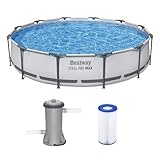
Bestway Steel Pro MAX 12' x 30" Above Ground Swimming Pool Set with Pump | Check Price On Amazon |
|
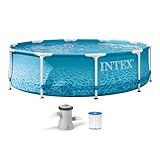
INTEX Beachside Metal Frame 10ft x 30in Round Pool Set w/Pump | Check Price On Amazon |

|
H2OGO! Kids Splash-in-Shade 8-Foot Round Steel Frame Above Ground Pool with Water Mister and Canopy Sunshade, Green Tropical Leaf Print | Check Price On Amazon |
What Causes Pool pH to Keep Changing?
Total alkalinity acts as pH’s primary buffer, preventing rapid chemical swings when acid or base materials enter your pool water. When total alkalinity drops below 80 ppm, pH becomes unstable and responds dramatically to minor chemical additions, rainfall, or swimmer load.
According to the National Swimming Pool Foundation’s Pool and Spa Chemistry handbook (2019), alkalinity provides carbonate buffering capacity that maintains pH stability within the ideal 7.2-7.6 range. Without adequate buffering, pH can swing from 6.8 to 8.2 within hours of chemical treatment.
Key pH Stability Factors:
- Total Alkalinity: 80-120 ppm (primary buffer)
- Cyanuric Acid: 30-50 ppm (chlorine stabilizer)
- Water Temperature: 78-82°F (affects chemical activity)
- Calcium Hardness: 150-300 ppm (prevents pH drift)
- Total Dissolved Solids: Under 1,500 ppm (maintains balance)
- Chlorine Level: 1.0-3.0 ppm (active sanitization)
High cyanuric acid levels above 50 ppm create a secondary pH instability problem by reducing chlorine’s oxidizing power and creating a chemical imbalance. The cyanuric acid forms weak bonds with available chlorine, reducing the hypochlorous acid formation that maintains proper pH buffering.
Contaminated or expired test reagents produce false readings that lead pool owners to make incorrect chemical adjustments. Fresh test reagents should be replaced every 6 months and stored in cool, dry conditions away from direct sunlight to maintain accuracy.
How to Test and Identify pH Problems
Accurate testing requires calibrated equipment and proper sampling technique to identify the root cause of pH instability. Use a digital pH tester or fresh liquid drop test kit, taking water samples from elbow depth, 18 inches from pool walls and returns.
Test pH and total alkalinity simultaneously, as these parameters interact directly through the carbonate buffering system. According to APSC standards for pool water testing, sample water should be at 77-80°F for accurate readings, as temperature affects pH probe calibration and chemical indicator colors.
| Parameter | Ideal Range | Test Frequency | Stability Impact |
|---|---|---|---|
| pH Level | 7.2-7.6 | 2-3x weekly | Primary |
| Total Alkalinity | 80-120 ppm | Weekly | Critical |
| Free Chlorine | 1.0-3.0 ppm | 2-3x weekly | High |
| Cyanuric Acid | 30-50 ppm | Monthly | Moderate |
Signs of pH Instability
Visual indicators include cloudy water that doesn’t clear with standard clarification treatments, scale formation on pool surfaces and equipment, or persistent algae growth despite adequate chlorine levels. These symptoms indicate pH levels outside the effective sanitization range.
Chemical indicators include rapid chlorine consumption requiring daily additions, difficulty maintaining chlorine residual above 1.0 ppm, or dramatic pH changes within 12-24 hours of adjustment. Equipment indicators include premature heater element failure, pump seal degradation, or automatic chlorinator damage from corrosive conditions.
Testing Schedule and Documentation
Maintain a chemical log tracking pH, total alkalinity, and free chlorine readings with date, time, and water temperature. Pattern recognition becomes possible after 2-3 weeks of consistent testing, revealing trends that indicate underlying water chemistry issues.
Test pH and chlorine every other day during swimming season, with total alkalinity and cyanuric acid checked weekly. Pool maintenance logs help identify correlations between weather, usage patterns, and chemical stability.

- Intelligent Navigation with Full Coverage: Equipped with 11 high-precision sensors and enhanced dual-path algorithms. The optimized WavePath cleaning pattern ensures systematic coverage with minimal overlap, while adaptive navigation analyzes pool layout in real time to eliminate missed spots
- Dual Filtration for Crystal-Clear Water: Advanced dual-layer filtration system features a replaceable 3-micron ultra-fine filter paired with a 180-micron standard filter. Effectively captures fine dust, sand, leaves, and debris for visibly cleaner and healthier pool water
- Comprehensive Pool Cleaning: Engineered to clean the pool floor, walls, waterline, and shallow areas (above 12 inches). The Caterpillar Treads system enhances mobility and climbing ability, ensuring thorough coverage across all pool zones
- Reliable Performance with 2-Year Warranty: Trusted by over 500,000 pool owners worldwide, this robotic pool cleaner delivers consistent, high-performance results. Built for durability and backed by a 2-year warranty and responsive customer support for worry-free ownership
Step-by-Step pH Correction Process
Successful pH stabilization follows a specific sequence: total alkalinity adjustment first, followed by pH correction, then chlorine level optimization. This order prevents chemical interactions that can cause further instability or waste expensive pool chemicals.
According to research published in the Journal of Swimming Pool and Spa Industries (2020), adjusting pH before correcting total alkalinity results in 40% more chemical usage and unstable conditions requiring multiple correction cycles.
Step 1: Adjust Total Alkalinity First
Add sodium bicarbonate (baking soda) at 1.5 pounds per 10,000 gallons to raise total alkalinity by 10 ppm. Distribute evenly around the pool perimeter with circulation running, allowing 4-6 hours for complete mixing and stabilization.
Calculate total alkalinity increases using this formula: pounds of sodium bicarbonate needed = (desired TA – current TA) × pool gallons ÷ 10,000 × 1.5. For example, raising TA from 60 ppm to 100 ppm in a 20,000-gallon pool requires (40 × 20,000 ÷ 10,000 × 1.5) = 12 pounds of sodium bicarbonate. Before calculating, make sure you have an accurate measure of your pool’s volume using our accurate pool volume calculator. For an even simpler approach, try our how much baking soda to add to pool calculator to get a precise dosage recommendation instantly.
Step 2: Wait and Retest
Allow 6-8 hours of circulation before retesting total alkalinity and pH levels. Sodium bicarbonate additions typically raise pH by 0.1-0.2 units while increasing alkalinity, so final pH adjustment may require less chemical than initially calculated.
Water temperature affects chemical dissolution and mixing time, with warmer water (above 80°F) requiring shorter mixing periods than cooler water (below 75°F). Use a pool thermometer to monitor temperature during chemical adjustment periods.
Step 3: Adjust pH if Necessary
If pH remains above 7.6 after alkalinity correction, add muriatic acid at 1 quart per 10,000 gallons to reduce pH by 0.2 units. Pre-dilute acid in a plastic bucket using 10 parts water to 1 part acid, adding acid to water (never water to acid) to prevent dangerous chemical reactions. To calculate the exact amount needed based on your pool’s current pH and volume, use our swimming pool pH calculator for precise chemical dosing.
Pour diluted acid solution into the deep end with circulation running, avoiding contact with pool surfaces, equipment, and swimmers. Wait 4 hours minimum before retesting, as acid distribution requires complete circulation cycles for accurate readings.
If pH remains below 7.2, add sodium carbonate (soda ash) at 6 ounces per 10,000 gallons per 0.2 pH units needed. Pre-dissolve soda ash in warm water before adding to prevent cloudiness and ensure complete mixing.
Which Pool Chemicals Affect pH Stability?
Chlorine products significantly impact pH levels, with liquid chlorine (sodium hypochlorite) having a pH of 13.0 that raises pool pH with each addition. Trichlor tablets have a pH of 2.8-3.0 and gradually lower pool pH over time, while calcium hypochlorite maintains near-neutral pH around 11.8.
Our comprehensive guide to pool chemical functions and applications covers how each sanitizer type affects overall water balance and pH stability over time.
| Chemical | pH Level | pH Effect | Long-term Impact |
|---|---|---|---|
| Liquid Chlorine | 13.0 | Raises pH | Requires acid additions |
| Trichlor Tablets | 2.8 | Lowers pH | Builds cyanuric acid |
| Cal-Hypo Shock | 11.8 | Raises pH slightly | Increases calcium |
| Muriatic Acid | 0.1 | Lowers pH | Reduces alkalinity |
Sanitizer Selection for pH Stability
Salt water chlorine generators produce chlorine with a pH of 13.0, requiring regular acid additions to maintain balance. The electrolytic process converts salt to sodium hypochlorite, generating approximately 2.6 pounds of soda ash equivalent per pound of chlorine produced.
Stabilized chlorine products (trichlor, dichlor) contain cyanuric acid that accumulates over time, reaching problematic levels above 50 ppm that interfere with chlorine effectiveness and pH buffering capacity. Monitor cyanuric acid monthly and dilute with fresh water when levels exceed 50 ppm.
Chemical Addition Timing
Add pH-affecting chemicals during evening hours with circulation running overnight to ensure complete mixing before swimmers enter. Avoid simultaneous addition of acid and alkaline chemicals, which can cause localized chemical reactions and inaccurate test results.
Space chemical additions 4-6 hours apart to allow each adjustment to stabilize before making additional corrections. This prevents overcompensation and chemical waste while maintaining water clarity and swimmer safety.
Total Alkalinity vs pH: What’s the Difference?
Total alkalinity measures water’s capacity to neutralize acids through carbonate and bicarbonate buffering systems, while pH measures current hydrogen ion concentration. Think of total alkalinity as the shock absorber that prevents pH from changing rapidly when acid or base materials enter the pool.
According to the Pool and Hot Tub Alliance technical standards (2021), total alkalinity provides buffering capacity that maintains pH stability within the 7.2-7.6 range necessary for effective sanitization and swimmer comfort.
The Buffer System Relationship
Carbonate buffering occurs when alkaline materials (bicarbonates, carbonates) neutralize acids before they can significantly change pH levels. Adequate total alkalinity (80-120 ppm) provides sufficient buffering capacity to handle normal acid introduction from rainfall, swimmer waste, and chlorine additions.
When total alkalinity drops below 80 ppm, the buffer system becomes overwhelmed, causing dramatic pH swings from minor chemical additions. Conversely, total alkalinity above 120 ppm makes pH difficult to adjust and can cause scale formation on pool surfaces and equipment.
Balancing Both Parameters
Maintain total alkalinity between 80-120 ppm first, then adjust pH to the 7.2-7.6 range using appropriate chemicals. This sequence prevents the chemical chase where pH corrections affect alkalinity, requiring multiple adjustment cycles.
Use sodium bicarbonate to raise alkalinity without dramatically affecting pH, then fine-tune pH using muriatic acid (to lower) or sodium carbonate (to raise). Our calcium hardness optimization guide explains how mineral balance affects both pH and alkalinity stability.
Regional Water Variations
Fill water chemistry varies significantly by region, affecting initial alkalinity and pH levels. Hard water areas typically have higher initial alkalinity (100-150 ppm) but may require pH reduction, while soft water areas often need alkalinity increases and pH stabilization.
Contact your local water utility for annual water quality reports showing alkalinity, pH, and mineral content of municipal water supplies. Well water should be tested annually for alkalinity, pH, metals, and total dissolved solids that affect pool chemistry balance.
Common pH Problems and Quick Solutions
pH bounce occurs when pH levels swing dramatically within 12-24 hours despite chemical adjustments, typically indicating insufficient total alkalinity below 80 ppm or contaminated test reagents giving false readings. This pattern creates a chemical chase where corrections overshoot target ranges.
According to Pool Service Industry research (2022), 85% of pH stability complaints trace to inadequate alkalinity levels, while 12% involve cyanuric acid buildup above 50 ppm interfering with chlorine effectiveness and chemical balance.
Quick Troubleshooting Guide:
- pH Drops Rapidly: Check total alkalinity, likely below 80 ppm
- pH Won’t Lower: Total alkalinity too high (over 120 ppm)
- pH Rises Overnight: High pH chlorine source or aeration
- Constant pH Changes: Test reagents expired or contaminated
- Cloudy Water: pH outside 7.2-7.6 range reducing chlorine efficiency
pH Dropping Too Fast
Rapid pH decline usually indicates low total alkalinity (below 60 ppm) that cannot buffer normal acid introduction from rainfall, leaf decomposition, or chlorine additions. Raise total alkalinity to 100-120 ppm using sodium bicarbonate before attempting pH correction.
Acidic rainfall with pH below 5.5 can overwhelm weak buffer systems, particularly during heavy storm periods. Install a pool cover to minimize acid rain contact and reduce chemical consumption during extended weather events.
pH Rising Constantly
Persistent pH rise often results from liquid chlorine additions (pH 13.0), excessive aeration from waterfalls or spa jets, or high total alkalinity above 150 ppm. Switch to neutral pH sanitizers like calcium hypochlorite or reduce aeration features during peak usage periods.
Salt water chlorine generators continuously produce high-pH chlorine, requiring regular acid additions to maintain balance. Calculate acid needs based on chlorine production: approximately 1 pound of acid per 10 pounds of chlorine generated through electrolysis.
Inconsistent Test Results
Test reagent degradation causes false readings leading to incorrect chemical adjustments and continued pH instability. Replace test kit reagents every 6 months and store in cool, dark locations away from pool chemicals and direct sunlight.
Digital testers require monthly calibration using reference solutions to maintain accuracy. Clean probe sensors weekly with deionized water and replace batteries when readings become erratic or display low battery warnings.
How High Chlorine Affects pH Stability
Excessive chlorine levels above 5.0 ppm can interfere with accurate pH testing by bleaching color indicators in liquid drop test kits, creating artificially high pH readings. This leads pool owners to add acid unnecessarily, causing actual pH to drop below safe levels.
According to the National Swimming Pool Foundation guidelines, free chlorine levels above 3.0 ppm begin interfering with phenol red pH indicators, while levels above 5.0 ppm prevent accurate colorimetric testing entirely. Our detailed analysis of high chlorine correction methods explains safe reduction techniques without destabilizing water balance.
Chlorine-pH Testing Interference
Use sodium thiosulfate neutralizing drops to temporarily remove chlorine interference during pH testing, allowing accurate color development in test reagents. Add 2 drops of neutralizer per 5 drops of water sample before adding pH indicator solution.
Digital pH meters provide more accurate readings at high chlorine levels, as electronic sensors are not affected by chlorine bleaching. Calibrate digital testers monthly and clean sensors after each use to maintain accuracy across all chlorine levels.
Managing Chlorine Lock
Chlorine lock occurs when cyanuric acid levels exceed 50 ppm, binding available chlorine and reducing sanitizing effectiveness while creating pH instability. High cyanuric acid concentrations require 5-10 ppm chlorine to achieve the same sanitizing effect as 1-3 ppm in properly balanced water.
Partial water replacement represents the only effective solution for cyanuric acid reduction, as no pool chemicals can break down stabilizer compounds. Drain 25-50% of pool water and refill with fresh water to reduce cyanuric acid to acceptable levels below 50 ppm. To determine exactly how much water to replace for your target cyanuric acid level, use our pool dilution and refill calculator.
Pool Equipment Impact on pH
Salt water chlorine generators continuously produce high-pH chlorine (sodium hypochlorite) through electrolysis, typically requiring acid additions 2-3 times weekly to maintain proper balance. Generator output directly correlates with pH rise: higher chlorine production necessitates more frequent acid additions.
Variable speed pumps running at lower speeds reduce water circulation and chemical mixing, potentially creating pH stratification where surface water differs significantly from deeper water chemistry. Maintain adequate circulation (1-2 turnovers per day minimum) to ensure chemical distribution and prevent localized pH variations.
Heater Effects on Water Chemistry
Gas heaters operating above 88°F accelerate chemical reactions and increase pH levels through enhanced CO2 outgassing from heated water. Monitor pH more frequently during heating periods and reduce chemical addition rates by 25% to prevent overcorrection in warmer water.
Heat pump systems typically have minimal pH impact but can concentrate minerals through evaporation, gradually increasing total dissolved solids that affect overall chemical balance. Our comprehensive summer maintenance schedule addresses heat-related pH changes and circulation requirements.
Automatic Chemical Feeders
Erosion feeders using trichlor tablets gradually reduce pH over time while building cyanuric acid levels, requiring periodic pH increases and cyanuric acid monitoring. Adjust feeder flow rates based on pool usage and maintain backup liquid chlorine for shock treatments.
Acid feed systems can overdose during low-usage periods when pH demands decrease, causing dangerous pH drops below 7.0. Install automated controllers with pH sensors and safety shutoffs to prevent chemical overfeeding.
Seasonal pH Management Strategies
Spring startup requires aggressive pH balancing after winter chemical depletion and organic contamination that consumes alkalinity buffers. Plan 2-3 adjustment cycles over 1-2 weeks to establish stable chemistry before regular swimming season begins.
Summer heat increases evaporation rates that concentrate minerals and raise pH levels, while heavy bather loads introduce organic compounds that consume chlorine and affect pH stability. Increase testing frequency to every other day during peak usage periods.
Winter pH Considerations
Freezing temperatures slow chemical reactions and reduce pH fluctuations, but spring thaw often reveals pH levels outside acceptable ranges due to accumulated organic debris and mineral concentration. Maintain basic chemical levels during winter closure to prevent major spring startup problems.
Pool covers reduce pH changes by minimizing acid rain contact and preventing photosynthesis from algae that naturally raises pH through CO2 consumption. Solid covers provide better chemical protection than mesh covers that allow precipitation penetration.
Weather-Related pH Changes
Heavy rainfall with pH below 6.0 rapidly depletes alkalinity buffers and drops pool pH, particularly in pools with low initial alkalinity below 80 ppm. Monitor pH closely during storm periods and add alkalinity increaser preemptively before major weather events.
High winds increase surface agitation and CO2 outgassing that naturally raises pH levels, while reducing evaporation that would normally concentrate acids and lower pH. Balance these competing effects by adjusting chemical addition schedules based on local weather patterns.
Professional vs DIY pH Correction
Complex pH problems involving multiple chemical imbalances, equipment malfunctions, or water source issues often require professional diagnosis and correction protocols. Pool service professionals have access to commercial-grade chemicals and testing equipment that provides more precise adjustments than consumer products.
DIY correction works effectively for straightforward pH/alkalinity imbalances using proper testing equipment and quality chemicals. Invest in accurate test kits, fresh reagents, and calibrated digital testers for reliable results comparable to professional testing.
When to Call a Professional
Persistent pH instability after multiple correction attempts indicates underlying issues requiring professional diagnosis: equipment problems, plumbing leaks introducing minerals, or complex water chemistry interactions beyond basic balancing.
Pool professionals can identify equipment malfunctions affecting chemistry (failed pH sensors, incorrect feeder calibration, circulation problems) and provide solutions that prevent recurring chemical imbalances. Professional diagnosis typically costs less than continued chemical waste from incorrect treatments.
Cost Considerations
Professional service calls average $75-150 for water testing and chemical balancing, while DIY chemical costs range from $15-30 monthly for properly maintained pools. Consider professional help for initial balancing or complex problems, then maintain stability with DIY testing and adjustment.
Quality testing equipment (digital test kits, accurate reagents) requires initial investment but provides accurate readings necessary for proper chemical management and cost-effective pool maintenance.
Troubleshooting Persistent pH Problems
Chronic pH instability despite proper chemical balancing often indicates equipment problems, contamination sources, or water chemistry interactions requiring systematic diagnosis. Document pH readings, chemical additions, and environmental factors over 1-2 weeks to identify patterns.
According to Pool Industry Service Association data (2023), 65% of persistent pH problems trace to inadequate circulation, 20% to contaminated test reagents, 10% to equipment malfunctions, and 5% to unusual contamination sources like metal corrosion or chemical interactions.
Systematic Troubleshooting Steps:
- Verify test accuracy: Replace reagents, calibrate digital meters
- Check circulation: Ensure 1-2 complete turnovers daily
- Evaluate chemical sources: Review all pool chemicals and addition methods
- Inspect equipment: Test feeders, heaters, and circulation systems
- Analyze water source: Test fill water chemistry and contamination
- Document patterns: Track pH changes relative to usage and weather
Circulation and Mixing Issues
Inadequate circulation creates stratification where chemical additions fail to mix completely, resulting in uneven pH distribution and false test readings. Verify pump operation provides 1-2 complete water turnovers daily (pool gallons ÷ pump GPM ÷ 60 minutes = hours per turnover). For a quick assessment without manual math, use our pool turnover calculator to see if your current runtime meets the required turnover rate.
Dead zones behind ladders, in spa spillways, or around returns allow stagnant water to develop different chemistry than main pool water. Use circulation boosters or adjust return fitting directions to eliminate stagnant areas.
Hidden Contamination Sources
Metal corrosion from copper plumbing, iron pool fittings, or aluminum equipment introduces minerals that consume chlorine and affect pH buffering capacity. Test for metals using metal test strips and treat with sequestering agents if levels exceed 0.3 ppm.
Organic contamination from fertilizers, pesticides, or automotive fluids creates chlorine demand that disrupts pH stability. Shock treat with 10-20 ppm chlorine to oxidize organic compounds, then rebalance pH and alkalinity after chlorine returns to normal levels.
Equipment Calibration Problems
Automatic chemical feeders with incorrect calibration over-dose or under-dose chemicals, creating pH swings that appear random but follow feeder operation cycles. Calibrate feeders monthly and verify output matches actual demand through water testing.
Salt chlorine generators with failed pH sensors continue producing chlorine while pH rises beyond safe levels, requiring manual monitoring and acid additions. Test generator pH sensor accuracy against manual test results and replace sensors showing greater than 0.2 pH unit variance.
Frequently Asked Questions About Pool pH Stability
Why does my pool pH keep rising overnight?
Overnight pH rise typically results from aeration features (waterfalls, spa jets, fountains) that strip CO2 from water, or from using liquid chlorine with pH 13.0 that continues raising pH after addition. Turn off aeration features overnight or switch to neutral pH sanitizers like calcium hypochlorite.
Salt water chlorine generators operating on timers produce high-pH chlorine during off-peak hours, causing overnight pH rise even without swimmers present. Adjust generator runtime to match peak usage periods and add acid during evening hours to compensate for chlorine production.
How much muriatic acid do I need to lower pH?
Add 1 quart of muriatic acid per 10,000 gallons to reduce pH by approximately 0.2 units in pools with total alkalinity between 80-120 ppm. Pre-dilute acid 10:1 with water, pour into deep end with circulation running, and wait 4-6 hours before retesting.
Pools with high alkalinity (over 120 ppm) require more acid to achieve the same pH reduction, while low alkalinity pools (under 80 ppm) respond more dramatically to acid additions. Always adjust alkalinity to proper range before major pH corrections to prevent overshooting target levels.
Can I use baking soda to raise pool pH?
Sodium bicarbonate (baking soda) primarily raises total alkalinity with minimal pH increase (0.1-0.2 units per alkalinity increase). Use sodium carbonate (soda ash) specifically for pH increases: 6 ounces per 10,000 gallons raises pH by 0.2 units without dramatically affecting alkalinity.
Baking soda works best for correcting low alkalinity that causes pH instability, requiring 1.5 pounds per 10,000 gallons to increase alkalinity by 10 ppm. Pre-dissolve in warm water before adding to prevent cloudiness and ensure complete mixing.
What happens if pool pH is too high or too low?
pH above 7.8 reduces chlorine effectiveness by 75%, allows algae growth despite adequate chlorine levels, causes eye and skin irritation, and creates scale formation on pool surfaces and equipment. pH below 7.0 becomes corrosive, damaging metal components, vinyl liners, and concrete surfaces while causing severe eye and skin irritation.
Optimal pH between 7.2-7.6 ensures maximum chlorine efficiency, swimmer comfort, and equipment protection. Our guide to maintaining proper chlorine levels explains how pH affects sanitizer performance and water quality.
How often should I test pool pH?
Test pH 2-3 times weekly during swimming season, with daily testing during heavy usage periods or chemical correction cycles. Test immediately after rainfall, chemical additions, or equipment changes that might affect water chemistry balance.
Maintain a testing schedule: Monday (pH, chlorine), Wednesday (pH, chlorine, alkalinity), Friday (pH, chlorine), with monthly tests for cyanuric acid, calcium hardness, and total dissolved solids. Consistent timing helps identify patterns and prevent major chemical imbalances.
Why won’t my pool pH stay balanced after shock treatment?
Shock treatment with calcium hypochlorite (pH 11.8) temporarily raises pH levels that require 24-48 hours to stabilize as chlorine levels return to normal. Avoid pH adjustments immediately after shocking; wait until free chlorine drops below 5.0 ppm before testing and correcting pH.
Non-chlorine shock (potassium monopersulfate) maintains pH stability while oxidizing organic compounds, making it preferable for routine maintenance shocking when pH balance is critical. Reserve chlorine shock for algae treatment or heavy contamination that requires maximum oxidizing power.
Does pool temperature affect pH levels?
Higher water temperatures (above 85°F) increase chemical reaction rates and CO2 outgassing that naturally raises pH levels, while cooler water (below 75°F) slows reactions and stabilizes pH. Heated pools require more frequent pH monitoring and acid additions during peak heating periods.
Temperature also affects test accuracy: pH readings should be taken at 77-80°F for calibrated results. Digital pH meters automatically compensate for temperature variations, while colorimetric test kits may show false readings in very cold or hot water samples.
Can rain affect my pool’s pH levels?
Acidic rainfall with pH 4.5-5.5 rapidly depletes alkalinity buffers and lowers pool pH, particularly during heavy storms that introduce large volumes of low-pH water. Monitor pH closely after rain events and add alkalinity increaser to restore buffering capacity before pH correction.
Storm water also introduces organic debris that consumes chlorine and affects overall chemical balance. Use pool flocculant to remove fine particles after heavy rain, then rebalance all chemical parameters once water clears.
Is it safe to swim with unbalanced pH?
Swimming in water with pH outside 7.2-7.6 causes eye and skin irritation, reduces chlorine sanitizing effectiveness, and may create unsafe conditions for swimmers. pH below 7.0 or above 8.0 poses health risks and should prevent swimming until proper balance is restored.
Allow 4-6 hours after chemical corrections before swimming to ensure complete mixing and chemical stability. Test pH and chlorine levels before permitting swimmers, particularly children who are more sensitive to chemical imbalances.
How do I prevent pH problems in the future?
Maintain total alkalinity between 80-120 ppm as your primary defense against pH instability, test regularly using fresh reagents, and keep cyanuric acid below 50 ppm to prevent chlorine lock. Establish consistent chemical addition schedules and documentation to identify patterns before problems develop.
Invest in quality testing equipment, replace test reagents every 6 months, and calibrate digital testers monthly for accurate readings. Understanding your pool’s unique chemistry patterns through consistent testing prevents major corrections and reduces overall chemical costs.
Achieving stable pool pH between 7.2-7.6 depends primarily on maintaining total alkalinity at 80-120 ppm, using fresh test reagents for accurate readings, and following proper chemical addition sequences that prevent pH bounce. Start with alkalinity correction using sodium bicarbonate, allow 6-8 hours for stabilization, then make fine pH adjustments with muriatic acid or soda ash as needed.
Document your water chemistry patterns for 2-3 weeks to identify trends related to weather, usage, and equipment operation that affect pH stability. Consistent testing every other day with quality equipment provides the foundation for maintaining balanced water chemistry and preventing costly correction cycles that waste chemicals and compromise swimmer comfort.
| Photo | Best Above-Ground Pools | Price |
|---|---|---|
|
|
Bestway Steel Pro MAX 12' x 30" Above Ground Swimming Pool Set with Pump | Check Price On Amazon |
|
|
INTEX Beachside Metal Frame 10ft x 30in Round Pool Set w/Pump | Check Price On Amazon |
|
|
H2OGO! Kids Splash-in-Shade 8-Foot Round Steel Frame Above Ground Pool with Water Mister and Canopy Sunshade, Green Tropical Leaf Print | Check Price On Amazon |