
Vacuuming a pool to waste bypasses the filter system entirely, sending dirty water straight to the backwash line or waste port instead of returning it to the pool. This method proves essential for removing heavy debris, algae, dirt, or cloudy water that would clog your filter media and reduce system efficiency.
The waste setting prevents contaminated water from cycling back through your pool, making it the preferred method for initial cleanups after storms, algae blooms, or winter opening. Most multiport valves include a dedicated waste position that diverts water flow directly to your drainage system.
| Photo | Best Above-Ground Pools | Price |
|---|---|---|
|
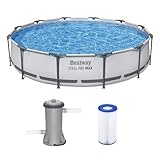
Bestway Steel Pro MAX 12' x 30" Above Ground Swimming Pool Set with Pump | Check Price On Amazon |
|
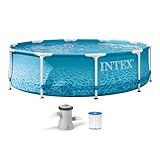
INTEX Beachside Metal Frame 10ft x 30in Round Pool Set w/Pump | Check Price On Amazon |

|
H2OGO! Kids Splash-in-Shade 8-Foot Round Steel Frame Above Ground Pool with Water Mister and Canopy Sunshade, Green Tropical Leaf Print | Check Price On Amazon |
What Is Pool Vacuuming to Waste and When Should You Use It?
Pool vacuuming to waste directs dirty water and debris straight to your backwash line or waste drain, completely bypassing your filtration system. This process prevents contaminated water from returning to your pool while maintaining proper water circulation through your pump and plumbing.
The waste function works by redirecting water flow at your multiport valve or push-pull valve, sending it to your waste line instead of back through the filter media. This approach protects expensive filter cartridges, sand, or DE powder from excessive contamination that could damage the media or reduce filtration effectiveness.
Use the waste setting when dealing with heavy algae blooms that turn water green or black, since returning algae-laden water through your filter spreads contamination throughout the system. Storm debris like leaves, dirt, and organic matter also requires waste vacuuming to prevent filter clogging and maintain water clarity.
Post-winter pool opening often necessitates waste vacuuming because accumulated debris and stagnant water contain high levels of bacteria and organic compounds. Flocculant treatments that settle suspended particles to the pool bottom also require waste removal, as the settled material would immediately clog standard filtration.
Key Situations Requiring Waste Vacuuming
Algae infestations create millions of microscopic organisms that overwhelm standard filtration systems and require direct removal. Green algae, mustard algae, and black algae all benefit from waste vacuuming followed by chemical shock treatment.
Flocculant or clarifier treatments bind tiny particles into larger clumps that settle to the pool floor within 8-12 hours. These settled particles bypass normal filtration since they’ve already been chemically processed and need direct removal to waste.
Heavy rain events introduce dirt, pollen, leaves, and runoff contaminants that exceed your filter’s capacity. Vacuuming this debris to waste prevents filter media saturation and maintains consistent water flow through your circulation system.
Initial spring opening often reveals accumulated organic matter, dead algae, and stagnant water requiring complete removal. Standard filtration cannot handle this contamination load without frequent backwashing that wastes chemicals and time.
How Does Pool Filter Bypass Work in Different Systems?
Multiport valve systems include six positions: Filter, Backwash, Rinse, Waste, Closed, and Recirculate, with the waste setting directing water flow straight to the backwash line. When set to waste, water enters the valve from your pump, passes through the waste port, and exits through your backwash hose or underground drainage without touching filter media.
The internal valve mechanism contains a rotating selector that aligns water passages with specific ports depending on your chosen setting. Waste position blocks the path to your filter tank while opening the direct route to your drainage system, maintaining full pump flow and suction power.

- Intelligent Navigation with Full Coverage: Equipped with 11 high-precision sensors and enhanced dual-path algorithms. The optimized WavePath cleaning pattern ensures systematic coverage with minimal overlap, while adaptive navigation analyzes pool layout in real time to eliminate missed spots
- Dual Filtration for Crystal-Clear Water: Advanced dual-layer filtration system features a replaceable 3-micron ultra-fine filter paired with a 180-micron standard filter. Effectively captures fine dust, sand, leaves, and debris for visibly cleaner and healthier pool water
- Comprehensive Pool Cleaning: Engineered to clean the pool floor, walls, waterline, and shallow areas (above 12 inches). The Caterpillar Treads system enhances mobility and climbing ability, ensuring thorough coverage across all pool zones
- Reliable Performance with 2-Year Warranty: Trusted by over 500,000 pool owners worldwide, this robotic pool cleaner delivers consistent, high-performance results. Built for durability and backed by a 2-year warranty and responsive customer support for worry-free ownership
Push-pull valve systems found on some DE and cartridge filters operate differently, using a sliding mechanism to redirect water flow. The waste position on these systems pulls the internal slide to bypass the filter housing entirely, sending water directly to the waste line.
Sand filter systems benefit most from waste functionality because sand media can become compacted with excessive debris, reducing filtration effectiveness. DE filters protect expensive diatomaceous earth powder from contamination that would require complete teardown and cleaning.
Multiport Valve Operation for Waste Mode
Turn off your pool pump completely before adjusting the multiport valve handle to prevent damage to internal valve components. Moving the valve under pressure can crack the internal spider gasket or damage the valve body, requiring expensive repairs.
Rotate the handle slowly to the waste position, ensuring proper alignment with the marked setting on your valve body. Some valves require slight lifting while turning to disengage the handle from its locked position.
Check that your backwash hose connects securely to the waste port and directs water away from your pool area, deck, or foundation. Waste water contains chemicals, debris, and contaminants that can damage landscaping or create drainage problems.
Start your pump and verify water flows steadily through the backwash hose without leaking around valve connections. Proper waste operation should maintain normal pump prime and suction power throughout the cleaning process.
Alternative Bypass Methods for Different Equipment
Cartridge filter systems without multiport valves require manual bypass using valves installed in your plumbing system. A three-way valve positioned before your filter housing can redirect water flow to a dedicated waste line while maintaining pump circulation.
Variable speed pumps work excellently for waste operations because you can adjust flow rates to optimize suction power while preventing excessive water loss. Lower speeds extend cleaning time while reducing the volume of water sent to waste.
Some pool systems include a dedicated waste line valve separate from the filter equipment, allowing waste operations without adjusting your primary filtration components. These systems often include dedicated waste pumps or secondary circulation loops for maximum flexibility.
Step-by-Step Guide: How to Vacuum Your Pool to Waste
Begin by turning off your pool pump and allowing all water movement to stop completely before making any valve adjustments. This prevents damage to your multiport valve internal components and ensures safe operation throughout the cleaning process.
Set your multiport valve to the waste position by rotating the handle to align with the waste marking on your valve body. Ensure your backwash hose connects securely to the waste port and extends away from your pool area to prevent water damage.
Equipment Preparation and Setup
Attach your pool vacuum head to your telescoping pole, ensuring the connection locks securely to prevent separation during cleaning. Choose a vacuum head with brush attachments for algae removal or smooth heads for fine debris collection.
Connect your vacuum hose to the vacuum head, using hose length appropriate for your pool size plus additional reach to your skimmer or dedicated vacuum port. Most residential pools require 30-40 feet of hose for complete coverage.
Prime your vacuum hose by submerging the vacuum head end completely while holding the other end above water level. Water should fill the entire hose length, eliminating air pockets that reduce suction power and pump efficiency.
Connect the primed hose to your skimmer suction port or dedicated vacuum line, ensuring a tight seal to maintain maximum suction. Some systems include vacuum plates that fit over your skimmer basket for improved suction control.
Vacuuming Technique for Maximum Efficiency
Start your pool pump and verify strong suction at your vacuum head before beginning the cleaning process. Proper suction should lift small debris easily while maintaining steady water flow through your waste line.
Begin vacuuming at the shallow end and work systematically toward the deep end, using slow, overlapping strokes to ensure complete debris removal. Moving too quickly allows fine particles to escape suction and settle back onto the pool floor.
Move the vacuum head in straight lines across the pool bottom, overlapping each pass by 6 inches to prevent missed areas. For algae removal, use a slightly faster pace to prevent algae from resettling while maintaining thorough coverage.
Pay special attention to corners, steps, and behind ladders where debris accumulates and water circulation remains minimal. These areas often require multiple passes or specialized corner brushes for complete cleaning.
Monitoring Water Level During Waste Operations
Check your pool water level frequently during waste vacuuming, as this process removes substantial amounts of water that must be replaced. Most pools lose 2-6 inches of water during complete waste cleaning, depending on debris load and pool size.
Stop vacuuming if your water level drops below the skimmer opening, as this can cause pump cavitation and damage your circulation system. Add fresh water using your garden hose before continuing the cleaning process.
Large debris loads like post-storm cleanup may require multiple sessions with water refilling between attempts. Plan for 20-30% water replacement during heavy waste cleaning operations to maintain proper system operation.
Monitor your pump for proper prime throughout the process, as air introduction through low water levels can cause pump damage. If your pump loses prime, stop immediately and refill your pool before continuing.
Which Pool Filter Systems Support Waste Function?
Sand filter systems universally include waste functionality through their multiport valve design, making them the most versatile choice for frequent waste operations. The six-position multiport valve provides dedicated waste, backwash, rinse, and filtration modes with simple handle rotation.
Diatomaceous earth (DE) filters typically include waste capability through either multiport or push-pull valve configurations. These systems benefit significantly from waste operations because DE powder costs $15-25 per filter cycle, making debris bypass economically important.
Cartridge filter systems vary in waste capability depending on your specific equipment configuration and valve setup. Many cartridge systems require manual valve manipulation or separate waste line installation to achieve filter bypass functionality.
High-end pool systems often include multiple circulation paths with dedicated waste pumps that operate independently of your primary filtration equipment. These systems allow simultaneous filtering and waste operations for maximum efficiency during heavy cleaning periods.
Sand Filter Waste Operations
Sand filters excel at waste operations because the multiport valve redirects water flow without affecting the sand bed inside your filter tank. This protects your filter media from contamination while maintaining full pump flow and suction power.
The sand bed remains undisturbed during waste operations, unlike backwash procedures that agitate and clean the sand media. This allows immediate return to normal filtration after waste cleaning without rinse cycles or settling time.
Premium sand filter systems include high-flow multiport valves rated for higher GPM capacities that maintain optimal suction during waste operations. Standard valves may restrict flow and reduce cleaning effectiveness on larger pools.
Regular waste operations actually extend sand filter life by preventing excessive debris accumulation that would otherwise require frequent backwashing. Proper sand filter maintenance includes scheduled waste cleaning for optimal performance.
DE Filter Waste Considerations
Diatomaceous earth filters require careful waste operation to prevent DE powder loss through improper valve positioning. The waste setting must completely bypass the filter grids to avoid disturbing the DE coating that provides filtration.
Some DE filter systems include bump-handle mechanisms that allow grid cleaning without valve adjustment, but waste operations still require proper valve positioning. Check your specific model’s manual for recommended waste operation procedures.
DE powder replacement costs make waste operations especially valuable for protecting your filter investment. Replacing contaminated DE powder can cost $20-40 per cleaning, while proper waste vacuuming prevents this expense.
Monitor your DE filter pressure gauge during waste operations to ensure no backpressure develops that could force debris through your filter grids. Proper waste settings maintain atmospheric pressure on the filter side while directing full flow to waste.
Cartridge Filter Bypass Options
Standard cartridge filter systems without multiport valves require additional plumbing modifications to achieve waste functionality. A three-way valve installed before your filter housing can redirect water flow to a dedicated waste line.
Some cartridge systems include removable cartridge elements that allow temporary bypass by removing the cartridges entirely during waste operations. This method requires careful attention to prevent debris from entering your return lines.
Aftermarket waste valve kits are available for cartridge filter retrofitting, typically costing $75-150 plus installation. These modifications add significant value for pools requiring frequent waste cleaning due to environmental conditions.
Consider upgrading to a multiport valve cartridge system if your current setup lacks waste functionality and you frequently encounter heavy debris situations.
Common Mistakes to Avoid When Vacuuming to Waste
Moving the multiport valve while the pump operates can crack internal valve components and create expensive repair situations. Always turn off your pump completely and allow water movement to stop before adjusting any valve positions.
Failing to monitor water level during waste operations leads to pump cavitation when the skimmer intake draws air instead of water. This damages pump impellers and seals, requiring costly repairs that exceed the cost of water replacement.
Using excessive vacuum speed stirs up fine debris and algae, creating a cloud that reduces visibility and cleaning effectiveness. Slow, methodical movements ensure complete debris removal while maintaining water clarity throughout the process.
Forgetting to reconnect your filter system after waste cleaning leaves your pool without filtration, allowing bacteria and algae growth within 24-48 hours. Always return your valve to the filter position and verify proper operation before leaving your equipment.
Valve Operation Errors
Forcing a stuck multiport valve handle can crack the valve body or damage internal spider gaskets that cost $50-100 to replace. Apply penetrating oil to stuck handles and allow 10-15 minutes for lubrication before attempting movement.
Incorrect valve positioning between settings creates internal leakage that reduces suction power and wastes water. Ensure the valve handle aligns precisely with marked positions and locks securely in place.
Operating with damaged or worn valve O-rings creates air leaks that reduce suction and allow debris to escape cleaning. Replace valve O-rings annually or whenever you notice air bubbles in your return lines.
Using incompatible backwash hoses that disconnect under pressure creates flooding and potential property damage. Match hose diameter and connection type to your specific valve requirements, typically 1.5-2 inch diameter for residential systems.
Water Management Mistakes
Allowing excessive water loss during waste operations concentrates pool chemicals to dangerous levels that can damage pool surfaces and equipment. Maintain water level above the skimmer opening throughout the cleaning process.
Refilling with untreated tap water immediately after waste cleaning dilutes sanitizer levels and creates chemical imbalance. Test and adjust water chemistry after refilling to maintain proper sanitization and pH balance.
Discharging waste water to storm drains or natural waterways violates environmental regulations in many areas and can result in substantial fines. Direct waste water to sanitary sewers or approved drainage areas only.
Failing to calculate replacement water volume leads to unexpected water bills and extended refill times. Using our pool dilution (drain & refill) calculator, you can accurately plan your water replacement needs. Estimate 500-1,000 gallons per hour of waste cleaning for accurate replacement planning and chemical adjustment.
When to Use Waste vs Normal Filtration for Pool Cleaning
Use waste vacuuming for algae blooms, heavy organic debris, or post-flocculant cleaning where returning contaminated water would immediately re-contaminate your pool. Normal filtration handles routine maintenance like leaves, insects, and light debris that your filter media can process effectively.
Waste operations prove essential after chemical shock treatments that kill large amounts of algae, creating dead organic matter that would clog standard filtration systems. The killed algae must be physically removed to prevent decomposition and water quality problems.
Storm cleanup often requires initial waste vacuuming followed by normal filtration for final polishing, combining the benefits of heavy debris removal with fine particle filtration. This two-stage approach minimizes filter maintenance while achieving optimal water clarity.
Regular weekly cleaning typically uses normal filtration unless specific contamination events occur, reserving waste operations for situations that exceed your filter’s processing capacity. Proper pool maintenance scheduling prevents most situations requiring waste cleaning.
Debris Load Assessment
Light debris loads including leaves, insects, and normal environmental contamination process effectively through standard filtration without waste operations. Your filter media can handle these materials while maintaining normal backwash intervals.
Moderate contamination like pollen, dust, or small amounts of algae may benefit from initial waste removal followed by normal filtration for final cleaning. This approach prevents filter overloading while maintaining water quality.
Heavy contamination from storms, algae blooms, or winter opening requires complete waste removal to protect your filtration system. Attempting normal filtration with heavy loads results in frequent backwashing and potential equipment damage.
Extreme situations like construction debris, major organic matter, or chemical precipitation demand waste-only cleaning until contamination levels decrease to manageable amounts. These conditions can permanently damage filter media if processed through normal filtration.
Chemical Treatment Considerations
Flocculant treatments require mandatory waste removal because the chemical process creates particles too large for standard filtration systems. These settled particles bypass normal filtration since they’ve already been chemically processed for removal.
Shock treatment aftermath often necessitates waste vacuuming to remove killed algae and organic matter before returning to normal filtration. Dead algae can decompose in your filter, creating secondary contamination problems.
Algaecide applications may require waste removal if large amounts of algae die rapidly, overwhelming your filter’s capacity. Gradual algae death allows normal filtration processing without waste operations.
pH adjustment chemicals that precipitate calcium or metals from water require waste removal of the precipitated material. These particles cannot be effectively filtered and may damage filter media if not removed directly.
Cost Considerations: Water Loss vs Filter Protection
Waste vacuuming typically removes 500-2,000 gallons depending on pool size, debris load, and cleaning duration, costing $5-20 in replacement water plus chemical rebalancing. This expense often proves less than filter media replacement or professional cleaning required after contamination damage.
Filter cartridge replacement costs $40-120 per set when damaged by excessive debris, while sand filter media replacement runs $50-100 plus labor. DE filter recharging adds $15-25 per cleaning when contaminated powder requires disposal.
Municipal water costs vary from $3-8 per thousand gallons, making typical waste operations cost $2-15 in water replacement. Chemical rebalancing adds $5-15 in sanitizer, pH adjuster, and stabilizer to restore proper water chemistry.
Professional pool service calls for filter cleaning or equipment repair range from $75-200, making preventive waste operations economically advantageous. Equipment damage from improper filtration of contaminated water can cost hundreds in pump or valve repairs.
Water Usage Calculations
Standard residential pools (15,000-25,000 gallons) typically lose 3-8% of total volume during complete waste cleaning operations. To get a precise figure for your specific pool, check out our pool volume calculator. This translates to 450-2,000 gallons depending on debris concentration and vacuum efficiency.
Calculate replacement water cost using your local utility rate multiplied by gallons used, typically ranging from $1.50 to $6.00 per thousand gallons. For a quick estimate, try our pool fill cost calculator. Add chemical costs for chlorine ($2-5), pH adjustment ($1-3), and alkalinity correction ($1-2).
High-debris situations like post-storm cleanup may require 1,000-3,000 gallons replacement over multiple cleaning sessions. Budget $10-25 total cost including water and chemical replacement for major cleaning operations.
Monitor your water meter before and after waste operations to track actual usage for budgeting purposes. Some municipalities offer rebates for pool water replacement due to equipment malfunction or contamination events.
Filter Protection Value
Sand filter media lasts 3-5 years with proper care but may require annual replacement if repeatedly contaminated with algae or organic debris. Quality filter sand costs $30-60 per filter, plus professional installation fees.
Cartridge filter elements designed for 6-12 month service life may need monthly replacement when processing contaminated water without waste pre-cleaning. Premium cartridges cost $15-30 each, with most systems requiring 2-4 cartridges.
DE filter powder represents ongoing operational costs that increase dramatically when contaminated material requires disposal. Each contamination event can cost $20-40 in wasted DE powder plus disposal fees.
Equipment protection extends beyond filter media to include pump seals, valve gaskets, and plumbing components that suffer accelerated wear from processing contaminated water. These repairs can cost $100-500 depending on equipment age and damage severity.
Troubleshooting Common Waste Vacuuming Problems
Poor suction during waste operations usually indicates air leaks in your vacuum system, incorrect valve positioning, or inadequate pump prime. Check all hose connections, ensure proper valve alignment, and verify your pump basket is full of water before operation.
Water level dropping too quickly suggests excessive flow rate or large debris restricting normal vacuum operation. Reduce pump speed if using a variable speed system, or vacuum in shorter intervals with water level monitoring.
Cloudy water after waste cleaning typically results from insufficient waste time allowing fine particles to remain, or chemical imbalance from water replacement. Continue waste operations until water runs clear, then rebalance chemistry completely.
Equipment cavitation during waste cleaning indicates low water level, blocked suction lines, or pump prime loss. Stop operations immediately, refill to proper level, and check for skimmer basket blockages or suction line restrictions.
Suction and Flow Issues
Weak vacuum suction often stems from air leaks at hose connections, cracked vacuum hose, or improper hose priming. Submerge the entire hose length to eliminate air pockets, and check all connections for tight seals.
Intermittent suction loss indicates partial blockage in your vacuum head, hose, or skimmer basket. Clear debris from vacuum components and ensure skimmer baskets remain empty throughout cleaning operations.
Complete suction failure usually means pump prime loss, closed valves, or major air leaks in your circulation system. Check that your multiport valve sits properly in waste position and verify pump basket water level.
Reduced flow through waste line suggests backwash hose kinks, improper valve positioning, or internal valve damage. Inspect your backwash hose routing and confirm valve handle alignment with marked positions.
Water Quality Problems After Waste Cleaning
Persistent cloudiness after thorough waste vacuuming indicates incomplete debris removal or chemical imbalance from fresh water addition. Test water chemistry immediately and adjust sanitizer, pH, and alkalinity to proper ranges.
Algae return within 24-48 hours suggests insufficient shock treatment before waste cleaning or inadequate sanitizer levels after refilling. Maintain chlorine levels at 3-5 ppm for 24 hours after major cleaning operations.
Chemical staining or precipitation after waste cleaning may result from unbalanced water chemistry or interaction between pool chemicals and fresh fill water. Test total alkalinity, calcium hardness, and pH before adding chemicals.
Unusual water color or odor following waste operations could indicate contamination from your water source or chemical interaction. Test for metals, pH extremes, and consider professional water analysis for persistent problems.
Safety Considerations for Waste Vacuuming Operations
Always turn off electrical power to pool equipment before making valve adjustments or connecting vacuum equipment to prevent shock hazards from water contact with electrical components. Use GFCI-protected outlets for all pool equipment connections.
Direct waste water discharge away from pool decks, walkways, and building foundations to prevent slip hazards and structural damage. Excessive water accumulation around pool equipment can create electrical hazards and equipment corrosion.
Monitor chemical levels carefully during and after waste operations, as concentrated chemicals from water loss can cause skin and eye irritation during cleaning. Wear appropriate protective equipment when handling pool chemicals or working in chemically treated water.
Ensure proper ventilation when using chemical treatments before waste cleaning, particularly chlorine shock or algaecide applications that can create respiratory irritation. Avoid waste vacuuming during peak chemical treatment periods when possible.
Equipment Safety Protocols
Inspect all vacuum equipment for damage before use, including cracks in hoses, loose connections, or damaged vacuum heads that could create sharp edges. Replace damaged components immediately to prevent injury during cleaning operations.
Test pump operation briefly before beginning extensive waste cleaning to ensure proper function and avoid equipment damage from extended operation under adverse conditions. Monitor pump prime and pressure throughout cleaning operations.
Keep emergency pump shutdown procedures accessible and ensure all pool users know how to stop equipment quickly if problems develop. Install clearly marked electrical disconnects near pool equipment for emergency use.
Maintain clear pathways around pool equipment during waste operations to prevent trip hazards from hoses, extension cords, or accumulated water. Store loose equipment safely away from walking areas.
Chemical and Environmental Safety
Check local regulations regarding waste water discharge, as many municipalities prohibit pool water discharge to storm drains or natural waterways. Direct waste water to sanitary sewers or approved drainage areas only.
Avoid waste operations immediately after heavy chemical treatments, particularly shock chlorination or algaecide application that creates elevated chemical concentrations. Allow 4-6 hours after chemical addition before waste vacuuming.
Wear appropriate protective equipment including eye protection and gloves when handling vacuum equipment in chemically treated water. Chemical splash from vacuum operations can cause skin and eye irritation.
Ventilate indoor pool areas adequately during waste operations to prevent chemical vapor accumulation that can cause respiratory irritation. Use exhaust fans or open doors to maintain air circulation.
Frequently Asked Questions About Pool Waste Vacuuming
How long does it take to vacuum a pool to waste?
Quick Answer: Complete waste vacuuming takes 30-90 minutes depending on pool size (15,000-40,000 gallons), debris load, and equipment flow rate, removing 500-2,000 gallons of water during the process.
Standard residential pools (20,000-25,000 gallons) typically require 45-60 minutes for thorough waste cleaning with proper equipment. Larger pools or heavy debris conditions can extend cleaning time to 90 minutes or more.
Flow rate through your waste system determines cleaning speed, with higher-capacity pumps and larger plumbing completing jobs faster. Variable speed pumps allow adjustment between thorough cleaning at lower speeds and faster water processing at higher speeds.
Break large cleaning jobs into multiple sessions to prevent excessive water loss and allow time for water level monitoring. Plan for 2-3 sessions during extreme contamination events like major algae blooms or storm cleanup.
Can I damage my pump by vacuuming to waste?
Quick Answer: Waste vacuuming is safe for your pump when water levels remain above the skimmer intake, but pump damage occurs if low water levels cause cavitation or air intake through the system.
Proper waste operations maintain full pump prime and normal operating pressures because water flow continues through the pump to the waste line. The pump cannot distinguish between normal filtration and waste operation flow patterns.
Damage occurs when water levels drop below skimmer openings, allowing air into the suction line that causes pump cavitation. This damages impeller fins and shaft seals, requiring expensive repairs.
Monitor water level every 15-20 minutes during waste operations and stop immediately if levels approach the skimmer opening. Add water before continuing to prevent equipment damage.
How much water will I lose during waste vacuuming?
Quick Answer: Typical waste vacuuming removes 3-8% of total pool volume, ranging from 500-2,000 gallons for residential pools, costing $5-20 in replacement water plus chemical rebalancing.
Water loss depends on debris concentration, cleaning thoroughness, and equipment flow rate. Light cleaning may remove only 300-500 gallons, while heavy contamination cleanup can require 1,500-3,000 gallons.
Calculate expected loss by timing your waste flow rate: measure gallons per minute through your backwash hose, then multiply by expected cleaning time. Most residential systems flow 15-30 gallons per minute to waste.
Factor replacement costs including water ($3-8 per thousand gallons) plus chemicals for rebalancing ($5-15 total). Budget $10-25 for complete waste cleaning operations including all replacement costs.
Should I add chemicals before or after waste vacuuming?
Quick Answer: Add shock treatment and algaecide 4-6 hours before waste vacuuming to kill algae and organic matter, then rebalance all chemicals after refilling with fresh water following cleaning.
Pre-treatment with chlorine shock (use our pool shock calculator to determine the exact dosage) kills living algae and bacteria, making waste removal more effective. Dead algae vacuums more completely than living algae that can escape suction.
Wait 4-8 hours after chemical addition before waste vacuuming to allow complete kill action and settling. Immediate vacuuming wastes expensive chemicals that haven’t had time to work effectively.
Rebalance sanitizer, pH, alkalinity, and stabilizer after refilling because fresh water dilutes chemical concentrations. Test all parameters and adjust to proper ranges before returning pool to service.
Can I vacuum to waste with a cartridge filter system?
Quick Answer: Most cartridge filter systems lack built-in waste functionality but can be modified with bypass valves or three-way valves that redirect water flow around the filter housing to a dedicated waste line.
Standard cartridge systems require plumbing modifications to achieve waste capability, typically adding a three-way valve before the filter housing. This modification costs $75-150 plus installation but adds significant cleaning flexibility.
Some cartridge systems allow temporary bypass by removing filter elements entirely during waste operations. This method requires careful monitoring to prevent debris from entering return lines.
Consider upgrading to a multiport valve cartridge system if your current setup lacks waste functionality and environmental conditions frequently require heavy debris cleaning. The added versatility justifies the equipment cost for most pool owners.
What’s the difference between backwash and waste settings?
Quick Answer: Backwash reverses water flow through your filter to clean filter media, while waste bypasses the filter entirely, sending water directly to the drain without cleaning the filter.
Backwash mode sends water backwards through your sand or DE filter to remove trapped debris from filter media, then sends that dirty water to the waste line. This cleans your filter while removing accumulated contaminants.
Waste mode completely bypasses your filter, sending water directly from the pump to the waste line without touching filter media. This protects clean filter media from contamination during heavy cleaning operations.
Use backwash for routine filter cleaning when pressure rises 8-10 PSI above clean starting pressure. Use waste for removing heavy debris, algae, or contaminated water that would damage or overwhelm your filter media.
How often should I vacuum my pool to waste?
Quick Answer: Most pools need waste vacuuming only 2-4 times per year during spring opening, after storms, following algae treatment, or when using flocculant, with weekly cleaning using normal filtration.
Regular maintenance cleaning uses normal filtration to process routine debris like leaves, insects, and environmental contamination. Your filter system handles these materials effectively without waste operations.
Seasonal events requiring waste cleaning include spring pool opening, major storm cleanup, post-winter algae treatment, and flocculant application for water clarity improvement. These situations exceed normal filter capacity.
Pools in heavily wooded areas or regions with frequent storms may need waste cleaning monthly during peak seasons. Automated cleaning systems can reduce manual waste cleaning frequency through consistent debris removal.
Will vacuuming to waste remove all algae from my pool?
Quick Answer: Waste vacuuming removes dead algae and visible growth but requires chemical shock treatment first to kill living algae, followed by brushing to dislodge stubborn algae before vacuuming.
Living algae can escape vacuum suction and continue growing even after partial removal. Pre-treatment with chlorine shock (2-3 times normal dose) kills algae completely, making waste removal 95% effective.
Black algae and mustard algae require aggressive brushing with stainless steel brushes before waste vacuuming because these varieties attach strongly to pool surfaces and resist simple suction removal.
Multiple waste cleaning sessions may be necessary for severe algae blooms, allowing time for chemical treatment between sessions. Complete algae elimination requires proper sanitizer levels (3-5 ppm chlorine) for 24-48 hours after waste cleaning.
Can I use my robotic cleaner instead of manual waste vacuuming?
Quick Answer: Robotic cleaners cannot vacuum to waste because they filter debris internally and return clean water to the pool, making them unsuitable for heavy contamination requiring waste disposal.
Robotic pool cleaners process debris through internal filters and return filtered water to your pool, which defeats the purpose of waste operations. Heavy debris or algae would immediately re-contaminate your pool through the cleaner’s return system.
Use robotic cleaners for routine maintenance after waste operations to capture remaining fine debris through their filtration systems. Quality robotic cleaners excel at maintaining clean pools but cannot handle initial heavy contamination cleanup.
Manual waste vacuuming remains essential for situations requiring filter bypass, including algae blooms, storm debris, flocculant cleanup, and post-winter opening. Follow waste cleaning with robotic maintenance for optimal results.
What should I do if my multiport valve won’t turn to waste?
Quick Answer: Turn off your pump completely and apply penetrating lubricant to the valve handle and shaft, wait 10-15 minutes, then try gentle rotation while slightly lifting the handle to disengage internal mechanisms.
Stuck multiport valves usually result from mineral buildup, lack of lubrication, or internal spider gasket swelling. Never force the handle, as this can crack the valve body or damage internal components requiring expensive replacement.
Apply silicone-based valve lubricant around the handle shaft and allow penetration time before attempting movement. Some valves require slight upward pressure while rotating to disengage locking mechanisms.
If the valve remains stuck after lubrication, contact a pool professional for service rather than risk damage from excessive force. Valve replacement costs $150-400 plus installation, making professional service evaluation worthwhile.
Is it normal for the pump to work harder during waste operations?
Quick Answer: Pump effort should remain normal during waste operations because water flow bypasses the filter entirely, actually reducing system pressure compared to normal filtration through dirty filter media.
Properly functioning waste operations create lower system pressure because water flows directly to the waste line without passing through filter media. This reduces total dynamic head and pump workload compared to filtration mode.
Increased pump effort during waste operations suggests blockages in your waste line, improper valve positioning, or restrictions in your backwash plumbing. Check valve alignment and inspect waste line routing for kinks or blockages.
Monitor pump amperage during waste operations if available: current draw should equal or decrease compared to normal filtration. Higher amperage indicates system restrictions requiring professional diagnosis.
How do I know when waste vacuuming is complete?
Quick Answer: Waste vacuuming is complete when water flowing through your backwash hose runs clear without debris, vacuum head moves smoothly across all pool surfaces, and no visible contamination remains.
Water clarity provides the best completion indicator: initially murky waste water should run progressively clearer until it appears similar to your pool water. Continued murky discharge indicates remaining debris requiring additional cleaning.
Visual pool inspection reveals remaining contamination areas that need additional attention. Pay special attention to corners, step areas, and behind equipment where debris accumulates and circulation remains minimal.
Test vacuum suction in different pool areas to ensure consistent debris removal. Weak suction in specific areas may indicate remaining blockages or uneven debris distribution requiring targeted cleaning.
pH 7.4-7.6 pool waste vacuuming through multiport valve systems protects filter media while removing heavy debris, algae, and contaminated water that would overwhelm standard filtration. This process requires careful water level monitoring and proper valve operation to prevent equipment damage while achieving complete contamination removal.
Master waste vacuuming techniques for spring openings, post-storm cleanup, and algae treatment situations that exceed your filter’s capacity. Document your specific equipment’s waste flow rate and typical water usage to plan replacement costs and chemical rebalancing requirements for future cleaning operations.
| Photo | Best Above-Ground Pools | Price |
|---|---|---|
|
|
Bestway Steel Pro MAX 12' x 30" Above Ground Swimming Pool Set with Pump | Check Price On Amazon |
|
|
INTEX Beachside Metal Frame 10ft x 30in Round Pool Set w/Pump | Check Price On Amazon |
|
|
H2OGO! Kids Splash-in-Shade 8-Foot Round Steel Frame Above Ground Pool with Water Mister and Canopy Sunshade, Green Tropical Leaf Print | Check Price On Amazon |