
Pool skimming removes floating debris from your pool’s surface before it sinks and becomes harder to clean, requiring daily attention during swimming season and 2-3 times weekly during off-season for optimal water quality. This fundamental maintenance task prevents algae growth, reduces chemical demand, and maintains crystal-clear water that makes your pool inviting for swimmers.
Proper skimming technique involves more than just dragging a net across the surface. The timing, equipment selection, and systematic approach determine whether you’ll spend 5 minutes maintaining pristine water or 30 minutes fighting stubborn debris that has already begun decomposing.
| Photo | Best Above-Ground Pools | Price |
|---|---|---|
|
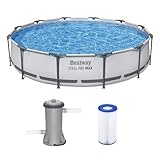
Bestway Steel Pro MAX 12' x 30" Above Ground Swimming Pool Set with Pump | Durable Round Metal Frame Outdoor Backyard Pool, Puncture-Resistant Liner - Type III A/C Filter Cartridge Included, Gray | Check Price On Amazon |
|
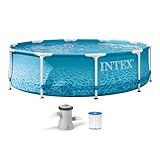
INTEX 28207EH 10ft X 30in Beachside Metal Frame Above Ground Swimming Pool Set, Includes 330 GPH Cartridge Filter Pump, Puncture-Resistant Material, Rust Resistant, 1185 Gallon Capacity | Check Price On Amazon |

|
H2OGO! Kids Splash-in-Shade 8-Foot Round Steel Frame Above Ground Pool with Water Mister and Canopy Sunshade, Green Tropical Leaf Print | Check Price On Amazon |
What Is Pool Skimming and Why Does It Matter?
Pool skimming is the process of removing floating debris from your pool’s water surface using a mesh net attached to a telescopic pole, performed before contaminants sink to the bottom where they decompose and create water quality issues. This preventive maintenance task directly impacts your pool’s chemical balance because organic matter like leaves, grass, and insects consume chlorine as they break down.
Skimming matters because debris removal within 24 hours prevents up to 80% of water contamination issues that lead to cloudy water, algae blooms, and increased chemical costs. When leaves and organic matter sink to the pool floor, they begin decomposing immediately, releasing tannins that stain surfaces and phosphates that feed algae growth.
The process works by capturing debris while it’s still floating and easier to remove. Surface tension keeps most lightweight materials on top for several hours after they enter the water, giving you an optimal window for effortless removal using a pool skimmer net.
Primary Benefits of Regular Skimming
Daily skimming reduces your pool’s chemical demand by 20-30% because you’re removing organic contaminants before they consume sanitizer. Clean surface water also improves circulation efficiency since your skimmer baskets won’t clog as frequently with debris.
Visual appeal improves dramatically with consistent skimming practices. Clear water reflects light properly and maintains that inviting blue appearance that makes pools attractive gathering spaces.
Common Skimming Mistakes That Create More Work
Many pool owners skim too aggressively, creating waves that push debris away from the net rather than capturing it. Gentle, steady movements parallel to the pool wall capture more material with less effort than rapid back-and-forth motions.
Skimming only visible debris while ignoring fine particles creates ongoing water quality issues. Use overlapping passes to ensure complete surface coverage, even in areas that appear clean.
How to Choose the Right Pool Skimming Equipment
Select a skimmer net with fine mesh (1-2mm openings) for capturing small debris like grass clippings and insect parts, while coarse mesh nets (5-8mm openings) work better for large leaves and twigs that would tear fine mesh. The net frame should measure 15-18 inches wide for residential pools, providing optimal coverage without being unwieldy during extended use.
Your telescopic pole should extend 2-3 feet beyond your pool’s width to reach the center without leaning over the edge. Aluminum poles offer the best combination of strength and lightweight handling for daily use, while fiberglass poles provide durability for commercial applications. Before purchasing equipment, determine your exact pool dimensions using a pool surface area and square footage calculator to ensure you select the right pole length and net size for complete coverage.
| Net Type | Mesh Size | Best For | Durability |
| Fine Mesh | 1-2mm | Grass, insects, small particles | Replace every 6-12 months |
| Medium Mesh | 3-4mm | Flower petals, medium leaves | 12-18 months typical lifespan |
| Coarse Mesh | 5-8mm | Large leaves, twigs, toys | 18-24 months with proper care |
| Deep Bag Net | 2-3mm | Heavy debris loads, commercial use | 2-3 years professional grade |
Evaluating Net Frame Construction
Reinforced aluminum frames resist bending under load better than plastic alternatives, especially important when removing waterlogged debris. Look for frames with welded corners rather than riveted joints, which fail more frequently under stress.

- Intelligent Navigation with Full Coverage: Equipped with 11 high-precision sensors and enhanced dual-path algorithms. The optimized WavePath cleaning pattern ensures systematic coverage with minimal overlap, while adaptive navigation analyzes pool layout in real time to eliminate missed spots
- Dual Filtration for Crystal-Clear Water: Advanced dual-layer filtration system features a replaceable 3-micron ultra-fine filter paired with a 180-micron standard filter. Effectively captures fine dust, sand, leaves, and debris for visibly cleaner and healthier pool water
- Comprehensive Pool Cleaning: Engineered to clean the pool floor, walls, waterline, and shallow areas (above 12 inches). The Caterpillar Treads system enhances mobility and climbing ability, ensuring thorough coverage across all pool zones
- Reliable Performance with 2-Year Warranty: Trusted by over 500,000 pool owners worldwide, this robotic pool cleaner delivers consistent, high-performance results. Built for durability and backed by a 2-year warranty and responsive customer support for worry-free ownership
The net attachment method affects longevity significantly. Nets sewn directly to the frame last longer than those attached with clips or rings that create stress concentration points during use.
Pole Selection for Different Pool Sizes
For pools up to 16 feet wide, an 8-foot telescopic pole provides adequate reach from the deck. Pools measuring 18-24 feet require 12-foot poles to access the center without stretching, while larger pools need 16-foot poles for comfortable operation.
Consider pole sections and locking mechanisms carefully. Twist-lock connections stay secure better than push-button locks, especially when working with heavy debris loads that create side stress on extended poles.
What’s the Proper Pool Skimming Technique?
Start skimming at the downwind side of your pool where debris naturally accumulates, working in overlapping parallel passes from one end to the other rather than random circular motions that redistribute debris. Move the net slowly through the water at 6-8 inches per second to maintain laminar flow that doesn’t disturb settled particles on the bottom.
Keep the net frame just below the water surface, creating a slight bow in the mesh that acts as a collection pocket for debris. Lifting the net too high allows debris to fall through, while pushing too deep stirs up settled material from the pool floor.
Systematic Skimming Pattern for Maximum Efficiency
Begin at the pool’s corners where debris collects due to circulation patterns, then work along the perimeter in a clockwise direction. Make your first pass within 6 inches of the wall to capture material trapped by surface tension near the coping.
Follow the perimeter pass with parallel lanes across the pool’s width, overlapping each pass by 25% to ensure complete coverage. This systematic approach captures 95% of surface debris in a single session compared to 60-70% with random skimming patterns.
Handling Different Types of Debris Effectively
For lightweight materials like grass clippings, use smooth gliding motions that allow the debris to settle into the net naturally. Quick jerky movements create turbulence that scatters fine particles before they can be captured.
Heavy debris like waterlogged leaves requires a scooping motion where you approach from below and lift quickly to prevent material from sliding off the mesh. Empty your net frequently when dealing with dense debris to maintain maximum collection efficiency.
When Should You Skim Your Pool for Best Results?
Skim your pool in the morning before wind activity increases and water circulation redistributes overnight debris accumulation, typically between 7-9 AM when surface conditions are calmest. Morning skimming captures 80% more debris per session compared to afternoon attempts when wind and circulation have spread materials throughout the pool.
During peak swimming season (May through September), daily skimming prevents debris buildup that overwhelms your filtration system and creates water quality issues. In off-season months, skim 2-3 times weekly to maintain water clarity and reduce spring opening workload.
Seasonal Skimming Schedule Optimization
Spring requires intensive daily skimming as trees release pollen, new growth debris, and winter accumulation surfaces with warming water. Expect to empty your net 3-4 times per session during peak pollen season in April and May.
Summer skimming focuses on grass clippings, insects, and pool usage debris like sunscreen residue on surface tension. Even with daily use, morning skimming before swimmers enter maintains optimal water quality throughout the day.
Fall demands the most intensive skimming schedule with leaf drop creating heavy debris loads that can overwhelm circulation systems if not removed promptly. Consider skimming twice daily during peak leaf drop periods to prevent system clogs.
Weather-Based Skimming Adjustments
After storms, prioritize skimming within 2-3 hours to remove organic debris before it begins decomposing and affecting water chemistry. Heavy rain introduces contaminants that increase chlorine demand if not promptly removed.
High wind days require modified technique with shorter, more frequent skimming sessions. Work during calm periods between wind gusts for maximum effectiveness, as constant wind redistribution makes comprehensive debris removal impossible.
How Does Pool Skimming Connect to Your Overall Cleaning Routine?
Pool skimming serves as the first line of defense in a comprehensive cleaning system that includes brushing, vacuuming, and chemical treatment, working together to maintain water quality and surface aesthetics. Effective skimming reduces the workload on subsequent cleaning steps by removing contaminants before they sink or decompose.
Coordinate skimming with your pool cleaning schedule by completing surface debris removal before brushing walls and floors, preventing redistributed debris from contaminating newly cleaned surfaces. This sequence maximizes the effectiveness of each cleaning step while minimizing total maintenance time.
Integration with Automatic Pool Equipment
Manual skimming complements automatic skimmer baskets by removing debris before it reaches mechanical collection systems. Clean your skimmer baskets immediately after manual skimming sessions to prevent overflow and maintain optimal circulation flow rates.
Robotic cleaners work more effectively when large debris is pre-removed through manual skimming. Surface debris can clog robotic units or create tracking patterns that reduce their cleaning efficiency on pool floors.
Chemical Treatment Timing Considerations
Complete skimming before adding chemicals to prevent organic debris from consuming sanitizers intended for water treatment. Fresh debris can absorb 20-30% of chlorine additions, reducing the effectiveness of shock treatments and routine sanitization. For precise dosing guidance tailored to your pool, use a swimming pool chlorine calculator to determine the exact amount needed after debris has been removed.
Schedule skimming 2-3 hours before testing water chemistry to ensure accurate readings that reflect actual water conditions rather than temporary chemical demand from floating organic matter. This timing provides more consistent baseline measurements for treatment decisions.
What Common Pool Skimming Problems Should You Avoid?
Over-aggressive skimming creates water turbulence that lifts settled debris from the pool bottom, making subsequent cleaning more difficult and clouding previously clear water. Maintain gentle, steady movements that work with water surface tension rather than fighting against it.
Infrequent skimming allows debris to sink and decompose, creating stains on pool surfaces and increasing chemical demand by 40-60% compared to daily maintenance routines. Organic matter begins releasing tannins and phosphates within 6-8 hours of entering the water, making prevention far more effective than remediation.
| Problem | Cause | Solution | Prevention |
| Net tears quickly | Sharp debris, over-stuffing | Replace with reinforced mesh | Empty net when 75% full |
| Debris escapes during removal | Lifting net too quickly | Drain water through mesh slowly | Use scooping motion from below |
| Can’t reach pool center | Inadequate pole length | Purchase longer telescopic pole | Measure pool width before buying |
| Skimming takes too long | Random pattern, wrong timing | Follow systematic grid pattern | Skim during calm morning hours |
Equipment Maintenance Issues
Neglecting net and pole maintenance reduces equipment lifespan by 50-70% and creates safety hazards during use. Rinse nets thoroughly after each use to prevent organic buildup that degrades mesh materials and harbors bacteria growth.
Store telescopic poles in extended position to prevent section seizure from corrosion and debris accumulation in locking mechanisms. Apply silicone spray to twist-lock connections monthly to maintain smooth operation and prevent thread damage.
Timing and Technique Errors
Skimming during high circulation periods fights against water movement and reduces collection efficiency by up to 60%. Turn off water features and wait 10-15 minutes for surface calming before beginning skimming sessions for optimal results.
Attempting to clear heavy debris loads in single passes overloads nets and creates spillage that redistributes material throughout the pool. Work in smaller sections and empty nets frequently when dealing with storm aftermath or seasonal leaf drop.
How to Maintain Your Pool Skimming Equipment
Rinse skimmer nets thoroughly with fresh water after each use, paying special attention to mesh corners where organic matter accumulates and begins decomposing. Weekly deep cleaning with mild detergent solutions removes oils, algae, and bacteria that degrade net materials over time.
Inspect net frames monthly for stress cracks, bent corners, or loose attachment points that indicate impending failure. Replace nets showing 25% or more mesh damage to maintain collection efficiency and prevent complete failure during use.
Proper Equipment Storage Practices
Hang nets vertically in shaded areas to prevent UV degradation of mesh materials, which become brittle and tear easily after extended sun exposure. Avoid storing wet nets in enclosed spaces where mold and mildew growth weakens fibers and creates odor issues.
Store telescopic poles horizontally on wall brackets to prevent warping from their own weight during extended storage periods. Lubricate extension mechanisms quarterly with marine-grade grease to prevent corrosion and ensure smooth operation when equipment is needed.
Replacement Timeline Guidelines
Fine mesh nets typically require replacement every 8-12 months with daily use, while coarse mesh versions last 15-18 months under similar conditions. Heavy debris loads and frequent cleaning accelerate wear rates, requiring more frequent replacement to maintain effectiveness.
Quality telescopic poles last 5-7 years with proper maintenance, though locking mechanisms may need repair or replacement every 2-3 years depending on usage frequency. Invest in commercial-grade poles if you maintain large pools or multiple properties to justify the higher upfront cost through extended service life.
Which Pool Types Require Special Skimming Considerations?
Saltwater pools require more frequent net rinsing because salt residue accelerates mesh deterioration and creates rough textures that tear easily during use. Fresh water rinses after each session followed by monthly thorough cleaning with non-metallic brushes extend net life in salt environments by 40-50%.
Above-ground pools present unique challenges due to limited deck space and higher sides that require longer poles for effective reach. The saltwater pool maintenance differences extend to equipment selection and replacement schedules that account for accelerated corrosion effects.
Vinyl Liner Pool Considerations
Vinyl liner pools demand extra care during skimming to prevent net frame contact with liner surfaces that can cause tears or permanent impressions. Use nets with smooth, rounded frame edges and maintain adequate water depth to avoid scraping the liner during debris collection.
Liner pools accumulate debris along step areas and shallow end corners where circulation patterns create dead zones. Focus extra attention on these areas during skimming sessions to prevent organic buildup that can stain or damage vinyl surfaces.
Natural and Pond-Style Pool Skimming
Natural pools with biological filtration systems require gentle skimming techniques that don’t disturb beneficial bacteria colonies growing on surfaces. Use fine mesh nets exclusively to avoid disrupting the delicate ecosystem balance while removing only harmful organic debris.
Pond-style pools often have irregular shapes and planted areas that require specialized skimming approaches. If you’re considering this type of installation, explore natural swimming pool design ideas and layout visualizers to understand how organic shapes influence ongoing maintenance requirements. Focus on open water areas first, then carefully work around plant margins to remove debris without damaging aquatic vegetation or disturbing fish habitats.
How to Handle Seasonal Pool Skimming Challenges
Winter pool skimming in covered pools focuses on removing debris that penetrates safety or solar covers through small openings, requiring specialized tools like cover pumps to access water surfaces. Debris accumulation under covers creates anaerobic conditions that produce hydrogen sulfide and other odorous compounds if not addressed promptly.
Spring opening requires intensive skimming sessions to clear winter accumulation before circulation systems restart, preventing pump and filter damage from debris overload. Remove large material manually before using automatic equipment to avoid clogging circulation systems during initial startup.
Fall Leaf Management Strategies
During peak leaf drop periods, consider installing temporary leaf nets over the pool surface to reduce daily skimming workload by 70-80%. These covers catch falling leaves while allowing rain to pass through, simplifying debris removal to periodic net cleaning rather than daily pool skimming.
For pools without covers, implement twice-daily skimming schedules during heavy leaf drop periods. Morning sessions remove overnight accumulation, while evening sessions clear daily fall before debris can sink overnight and create bottom cleaning challenges.
Storm and Weather Event Recovery
Post-storm skimming requires systematic approaches that prevent circulation system damage from debris overload while efficiently clearing contaminated water. Begin with manual removal of large debris before restarting pumps and filters that could clog or damage from overwhelming debris loads.
Heavy rain events introduce additional challenges including overflow contaminants, pH fluctuations, and increased organic loading that affects chlorine demand. Prioritize skimming within 6 hours of storm passage to prevent water quality deterioration that complicates chemical rebalancing efforts.
What Advanced Skimming Techniques Improve Efficiency?
Figure-8 skimming patterns maximize debris collection efficiency by creating overlapping coverage zones that capture materials missed in single-direction passes, increasing collection rates by 25-30% compared to basic back-and-forth methods. This technique works particularly well in rectangular pools where systematic patterns ensure complete surface coverage.
Wind-assisted skimming uses natural air movement to concentrate debris in specific pool areas, allowing targeted removal rather than chasing scattered material across the entire surface. Position yourself downwind and allow air currents to push floating material toward your net for easier collection.
Multi-Net Technique for Large Debris Loads
Using two nets simultaneously during heavy debris periods allows continuous collection while one net is being emptied, reducing total cleaning time by 40-50% during peak maintenance periods. This technique requires two telescopic poles but proves invaluable during storm cleanup or seasonal transitions.
Alternate between fine and coarse mesh nets during the same session to optimize collection for different debris types. Start with coarse mesh to remove large items quickly, then finish with fine mesh to capture remaining particles and small organic matter.
Surface Tension Utilization Methods
Work with surface tension forces by approaching debris at shallow angles that allow materials to flow naturally into the net rather than being pushed away by water displacement. This technique proves especially effective for lightweight materials like pollen and fine organic particles that float on surface tension.
Create gentle water movement ahead of your net using slow, steady pressure that guides debris toward the collection area. Avoid breaking surface tension with aggressive movements that scatter materials and require additional passes for complete removal.
Frequently Asked Questions About Pool Skimming
How often should I skim my pool during swimming season?
Skim your pool daily during peak swimming season (May-September) when debris loads are highest from lawn maintenance, insects, and pool usage, with morning sessions providing optimal results before wind redistributes overnight accumulation. During moderate use periods, skim every other day, but increase frequency immediately after storms, lawn mowing, or heavy pool usage that introduces additional contaminants.
What’s the best time of day for pool skimming?
The optimal skimming time is early morning between 7-9 AM when wind activity is minimal and debris has settled overnight into concentrated areas for easy removal. Morning sessions capture 80% more debris per pass compared to afternoon attempts when circulation and wind have dispersed materials throughout the pool surface.
How do I know when my skimmer net needs replacement?
Replace skimmer nets when mesh damage exceeds 25% of the total surface area, frames show stress cracks or bending, or collection efficiency drops noticeably during normal skimming sessions. Fine mesh nets typically last 8-12 months with daily use, while coarse mesh versions endure 15-18 months under similar conditions before requiring replacement.
Can I skim my pool while the pump is running?
You can skim while the pump operates, but efficiency decreases by 30-40% due to water circulation that moves debris away from your net and creates surface turbulence. For optimal results, turn off pumps and water features for 10-15 minutes before skimming to allow surface calming, then restart circulation after debris removal.
Why does debris keep returning after I skim?
Debris returns because incomplete removal techniques leave particles floating just below the surface, or circulation patterns bring material from pool corners and dead zones back to previously cleaned areas. Use overlapping passes with 25% coverage redundancy and focus extra attention on circulation dead zones around steps, corners, and behind ladders where debris accumulates.
Should I skim before or after adding pool chemicals?
Always skim before adding chemicals because organic debris consumes chlorine and other sanitizers intended for water treatment, reducing chemical effectiveness by 20-30% when debris loads are present. Complete skimming 30 minutes before chemical additions to ensure accurate dosing and optimal chemical distribution throughout clean water.
How deep should I push the skimmer net into the water?
Keep the net frame 1-2 inches below the water surface with mesh forming a shallow collection pocket that captures floating debris without stirring bottom sediment. Pushing deeper disturbs settled particles and reduces collection efficiency, while keeping too shallow allows debris to escape over the net edges during collection.
What should I do with debris after skimming?
Empty debris into compost bins or yard waste containers immediately after skimming to prevent decomposition odors and insect attraction near your pool area. Rinse nets thoroughly with fresh water after emptying to remove residual organic matter that accelerates mesh degradation and bacterial growth during storage.
Can I use a leaf blower to help with pool skimming?
Use leaf blowers carefully to concentrate floating debris in specific pool areas before skimming, but avoid excessive air pressure that pushes lightweight materials underwater where they become harder to remove. Light air movement can improve collection efficiency by 15-20% when used to guide debris toward your net rather than scatter it.
Why is my pool still dirty after skimming?
Pools remain dirty after skimming when debris has already sunk to the bottom, requiring vacuuming rather than surface removal, or when fine particles suspended in water need filtration rather than manual collection. Skimming only removes floating surface debris; comprehensive cleaning requires brushing, vacuuming, and proper filtration for complete water clarity.
How do I skim a pool with a safety cover?
Remove safety covers completely before skimming because partial access creates incomplete debris removal and safety hazards from uneven footing around pool edges. Alternatively, use cover pumps to remove standing water and debris that accumulates on cover surfaces, preventing contamination when covers are removed.
What’s the difference between skimming and using automatic skimmers?
Manual skimming provides immediate, complete surface cleaning control and removes debris before it reaches automatic skimmer baskets, while automatic skimmers work continuously but only capture materials that float near skimmer intake areas. Use both methods together: manual skimming for comprehensive surface cleaning and automatic skimmers for continuous maintenance between manual sessions.
Should I skim differently for saltwater pools?
Saltwater pools require more frequent equipment rinsing because salt residue accelerates metal corrosion and mesh deterioration, but skimming techniques remain the same as traditional chlorine pools. Rinse nets and poles with fresh water after each use and apply monthly deep cleaning to remove salt buildup that creates rough surfaces prone to tearing.
How can I make pool skimming easier?
Make skimming easier by establishing consistent daily routines that prevent debris accumulation, using proper equipment sized for your pool dimensions, and working with natural wind and circulation patterns rather than against them. Invest in quality lightweight telescopic poles that reduce fatigue during extended cleaning sessions and maintain equipment properly to ensure reliable operation when needed.
Mastering proper pool skimming technique with daily consistency prevents 80% of water quality issues while reducing chemical costs and maintaining crystal-clear water that enhances your pool’s appeal. Focus on systematic patterns, appropriate timing, and quality equipment that makes this essential maintenance task efficient and effective.
Start implementing these skimming strategies immediately with morning sessions using overlapping patterns and proper net selection for your debris types. Your investment in consistent skimming practices will pay dividends through reduced maintenance time, lower chemical costs, and consistently inviting water that’s always ready for swimming.
| Photo | Best Above-Ground Pools | Price |
|---|---|---|
|
|
Bestway Steel Pro MAX 12' x 30" Above Ground Swimming Pool Set with Pump | Durable Round Metal Frame Outdoor Backyard Pool, Puncture-Resistant Liner - Type III A/C Filter Cartridge Included, Gray | Check Price On Amazon |
|
|
INTEX 28207EH 10ft X 30in Beachside Metal Frame Above Ground Swimming Pool Set, Includes 330 GPH Cartridge Filter Pump, Puncture-Resistant Material, Rust Resistant, 1185 Gallon Capacity | Check Price On Amazon |
|
|
H2OGO! Kids Splash-in-Shade 8-Foot Round Steel Frame Above Ground Pool with Water Mister and Canopy Sunshade, Green Tropical Leaf Print | Check Price On Amazon |