
A pool with dark stains, rough plaster, and stubborn algae that no shock treatment can remove needs more than chemicals. It needs an acid wash, which strips away a thin layer of plaster to expose a fresh, clean surface underneath.
An acid wash is the most aggressive cleaning method available for plaster pools. It removes embedded stains, calcium scale, and surface algae that chemicals alone cannot touch. But it also removes pool surface material. Done incorrectly or too often, it shortens the life of your plaster.
| Photo | Best Above-Ground Pools | Price |
|---|---|---|
|
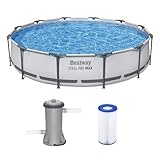
Bestway Steel Pro MAX 12' x 30" Above Ground Pool, Round Metal Frame Outdoor Swimming Pool Set with Filter Pump & Type III A/C Cartridge, Gray | Check Price On Amazon |
|
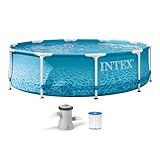
INTEX 28207EH Beachside Metal Frame Above Ground Swimming Pool Set: 10ft x 30in – Includes 330 GPH Cartridge Filter Pump – Puncture-Resistant Material – Rust Resistant – 1185 Gallon Capacity | Check Price On Amazon |

|
H2OGO! Kids Splash-in-Shade 8-Foot Round Steel Frame Above Ground Pool with Water Mister and Canopy Sunshade, Green Tropical Leaf Print | Check Price On Amazon |
By the Numbers
Pool Acid Washing: What the Data Shows
Sources: Pool & Hot Tub Alliance, industry service data, manufacturer specifications
What Is a Pool Acid Wash and How Does It Work?
An acid wash is a controlled chemical etching process that removes a thin layer (approximately 1/16 inch) of plaster from the pool interior surface. It uses a diluted muriatic acid solution, typically mixed at a ratio of 1 part acid to 3 or 4 parts water, applied directly to drained pool walls and floors.
This happens because hydrochloric acid (the active compound in muriatic acid) reacts with calcium carbonate in the plaster, dissolving the outermost surface layer where stains, scale, and embedded contaminants live. The reaction produces carbon dioxide gas and water as byproducts. After the acid sits for 15 to 30 seconds, it is immediately neutralized with water and scrubbed away, taking the discolored layer with it.

- Intelligent Navigation with Full Coverage: Equipped with 11 high-precision sensors and enhanced dual-path algorithms. The optimized WavePath cleaning pattern ensures systematic coverage with minimal overlap, while adaptive navigation analyzes pool layout in real time to eliminate missed spots
- Dual Filtration for Crystal-Clear Water: Advanced dual-layer filtration system features a replaceable 3-micron ultra-fine filter paired with a 180-micron standard filter. Effectively captures fine dust, sand, leaves, and debris for visibly cleaner and healthier pool water
- Comprehensive Pool Cleaning: Engineered to clean the pool floor, walls, waterline, and shallow areas (above 12 inches). The Caterpillar Treads system enhances mobility and climbing ability, ensuring thorough coverage across all pool zones
- Reliable Performance with 2-Year Warranty: Trusted by over 500,000 pool owners worldwide, this robotic pool cleaner delivers consistent, high-performance results. Built for durability and backed by a 2-year warranty and responsive customer support for worry-free ownership
According to the Pool & Hot Tub Alliance (PHTA) technical manual, acid washing is classified as a restorative surface treatment, not a routine maintenance procedure. It is the most aggressive cleaning method short of replastering. A pool can typically withstand only 2 to 3 acid washes over its plaster lifespan before the surface becomes too thin and requires full replacement.
Acid washing works only on plaster, quartz, and pebble interiors. It does not work on vinyl liners (the acid destroys the vinyl material) or fiberglass shells (the gelcoat is damaged by acid). For pools with those surfaces, alternative stain removal methods must be used.
When Should You Acid Wash Your Pool?
Acid washing is appropriate when a plaster pool has surface-level problems that chemical treatments, pressure washing, or aggressive brushing cannot solve. The most common trigger is visible staining that has penetrated the plaster, not just sitting on top of it. Metal stains from copper (blue or teal), iron (rust or brown), or manganese (dark purple or black) are classic candidates.
Calcium scale that has hardened into a rough, sandpaper-like texture across large areas of the pool surface is another clear signal. This only occurs when the pool’s calcium hardness exceeds 400 ppm and pH has been above 7.8 for extended periods. If the scale is thin and responds to a pumice stone or scale remover, the pool does not need an acid wash. If scale covers more than 30% of the surface and feels like 80-grit sandpaper, acid washing becomes the practical solution.
Algae staining that persists after multiple shock treatments and brushing can also justify an acid wash. Black algae in particular embeds roots into the plaster. If you have shocked the pool to 30 ppm free chlorine, brushed the spots with a stainless steel brush, and the black dots return within a week, the algae colonies are deep enough that an acid wash may be needed.
An acid wash also makes sense immediately before replastering or when preparing a neglected pool for a fresh start after a foreclosure purchase or long-term closure. In these cases, the surface damage is already done and the acid wash provides a clean substrate for the new finish or a fresh baseline for water chemistry.
Results
What Changes When You Acid Wash a Pool Correctly
Typical before-and-after comparison for a stained plaster pool
Before
- ✗Brown iron stains across steps and floor
- ✗Rough calcium scale on waterline tile and walls
- ✗Black algae spots that return after shocking
- ✗Dull, etched appearance with uneven color
After
- ✓Uniform white or original plaster color restored
- ✓Smooth surface texture without scale roughness
- ✓Stain-free surface ready for fresh water fill
- ✓Clean substrate that holds chemical balance better
Results depend on plaster thickness and stain depth. Deep metallic stains may require a second light wash.
When Should You NOT Acid Wash a Pool?
Acid washing is not the answer for every dirty or stained pool. The most important contraindication is thin plaster. If the plaster is already worn, with visible aggregate showing through in spots, an acid wash can expose the gunite shell underneath. A pool plaster layer is typically 3/8 to 1/2 inch thick when new. Each acid wash removes roughly 1/16 inch. If you can see dark gray gunite peeking through anywhere, the plaster is already too thin for an acid wash.
Vinyl liner pools must never be acid washed. Muriatic acid dissolves the plasticizers in the vinyl, causing the liner to become brittle and crack. For vinyl pools with stains, use a vinyl-specific stain treatment or a gentle enzyme cleaner instead. Fiberglass pools also cannot be acid washed because the acid etches the gelcoat finish permanently, creating a rough surface that traps dirt and algae more easily going forward.
If the staining is only in a few small spots, spot treatment with a stain remover or stain identification kit is safer and cheaper than draining and washing the entire pool. Ascorbic acid treatments for metal stains or sulfamic acid for calcium spots can resolve isolated issues without removing plaster thickness across the whole pool. This only works when stains affect less than 10% of the surface area and have not penetrated deeper than the outermost plaster pores.
Pools with active leaks, structural cracks, or hydrostatic pressure problems should not be drained and acid washed until those issues are repaired first. Draining a pool in a high water table area without proper dewatering can cause the entire shell to float out of the ground. If groundwater is within 3 feet of the surface in your area, consult a structural engineer before draining the pool under any circumstances.
How Much Does a Pool Acid Wash Cost?
A professional acid wash for a residential pool costs between $300 and $900 for most standard pools in the 15,000 to 25,000 gallon range. The price includes draining the pool (or coordinating with a pump truck), applying the acid solution, neutralizing and rinsing, and removing the acid wastewater. Smaller pools under 10,000 gallons may cost as little as $250. Large pools over 30,000 gallons or pools with attached spas can run $800 to $1,200.
The cost varies by region, pool size, and surface condition. In high-cost markets like California, Florida, and the Northeast, expect to pay at the upper end of these ranges. In lower-cost regions like the Midwest and parts of the South, the lower end is more common. Pools with heavy scale buildup that require a second acid application or extra scrubbing time will cost more. Always get a firm quote that includes water disposal, because some municipalities charge separate fees for acidic wastewater disposal.
A DIY acid wash costs $50 to $150 in materials: muriatic acid ($8 to $12 per gallon at home improvement stores), a pump sprayer ($25 to $50), safety gear including acid-resistant gloves and a full-face respirator ($40 to $80), and a submersible drain pump ($60 to $120 if you don’t already own one). The DIY savings are real, but the risk of acid burns, lung irritation from fumes, and plaster damage from over-etching makes professional service the better choice for most pool owners who have not done this before.
The real cost comparison is not DIY vs professional. It is acid wash versus the alternatives. A full replaster costs $5,000 to $15,000 for a standard residential pool. Even the most expensive acid wash at $1,200 is a fraction of that. But if an acid wash is done on plaster that is already thin, it accelerates the need for that $5,000 to $15,000 replaster. The acid wash only saves money when the plaster underneath is still thick and sound.
Buying Guide
Before You Decide on an Acid Wash: Checklist
Check off each point before committing to an acid wash.
How to Acid Wash a Pool: Step-by-Step Process
The acid wash process must follow a strict sequence. Skipping steps or rushing the timing creates permanent plaster damage. This is the professional method used by pool service companies across the country, adapted for a careful DIY approach with all safety precautions in place.
According to the National Plasterers Council (NPC) guidelines, acid washing should only be performed by trained professionals. If you choose to do this yourself, the following steps mirror the professional sequence. The safety precautions are not optional.
Step-by-Step Guide
How to Acid Wash a Pool: Complete Process
8 steps · Estimated total time: 4 to 6 hours for a standard residential pool
Drain the pool completely
Use a submersible pump rated for your pool volume. Do not use the pool circulation pump to drain below the skimmer. Verify the groundwater table is low before draining.
Put on full safety gear
Wear a full-face respirator with acid-rated cartridges, elbow-length acid-resistant gloves, chemical splash goggles under the respirator, and rubber boots. Muriatic acid fumes cause permanent lung damage.
Prepare the acid solution
Mix 1 part muriatic acid into 3 to 4 parts water in a plastic pump sprayer. Always add acid to water, never water to acid. Adding water to acid creates a violent exothermic reaction that can splash concentrated acid.
Apply acid in small sections
Spray a 3-foot by 3-foot section starting from the deep end moving toward the shallow end. Let the acid sit for 15 to 30 seconds. The surface will bubble and foam as the acid reacts with the plaster. If no bubbling occurs, the acid is too weak or the surface is not plaster.
Scrub immediately with a stiff brush
Use a T-bar pool brush with stiff nylon bristles. Scrub in small circles immediately after the acid foams. Work fast because the acid continues to etch. On heavy stains, a second light application may be needed.
Rinse with water immediately
Flood the scrubbed section with water from a garden hose to neutralize the acid reaction. The acid contact time must be brief. Over-etching from leaving acid too long creates permanent roughness and weakens the plaster.
Pump out acidic wastewater and rinse the entire shell
Remove all acid rinse water with the submersible pump. Rinse the entire pool surface once more with fresh water and pump again. Dispose of acidic water according to local regulations.
Refill the pool and balance chemicals immediately
Start refilling within hours, not days. An empty pool sitting in sun can crack. Test fill water first and adjust alkalinity to 80 to 120 ppm, pH to 7.4 to 7.6, and calcium hardness to 200 to 400 ppm as it fills.
What Chemicals Are Used in a Pool Acid Wash?
The active chemical in a pool acid wash is muriatic acid, which is 31.45% hydrochloric acid (HCl) by weight. This is the same muriatic acid sold at hardware stores for masonry cleaning and pH reduction. A typical residential pool acid wash uses 4 to 8 gallons of muriatic acid diluted with water at a 1:3 or 1:4 ratio. The exact amount depends on pool size and stain severity.
Some professionals add a small amount of algaecide to the acid mix for pools with black algae. This is a secondary additive, not a required component. The primary reaction is always between the hydrochloric acid and the calcium carbonate (CaCO3) in the plaster. The acid converts calcium carbonate into calcium chloride (which dissolves in water), carbon dioxide gas (which bubbles out), and water. This reaction strips away the top plaster layer where stains have embedded.
No other acids should be substituted. Sulfamic acid and oxalic acid are used for spot stain treatments and are gentler, but they do not etch plaster aggressively enough for a full acid wash. Dry acid (sodium bisulfate) is too weak for this application. Using anything other than muriatic acid for a full pool wash produces poor results and wastes time.
After the acid wash, some professionals apply a mild neutralizing solution of soda ash (sodium carbonate) dissolved in water to ensure all acid residue is neutralized before refilling. This step is optional if the pool has been thoroughly rinsed and pumped twice, but it adds a safety margin for pools where acid could pool in low spots or plumbing lines.
Acid Wash vs Other Pool Surface Treatments
Use the table below to compare acid washing with the other surface treatment options available for stained or aging plaster pools.
Treatment Comparison
Acid Wash vs Alternative Pool Surface Treatments
Compare cost, effectiveness, and impact on plaster lifespan
| Treatment | Cost | Plaster Removed | Stain Removal | Pool Must Be Drained | Best For |
|---|---|---|---|---|---|
| Acid Wash | $300–$900 | ~1/16 inch | Excellent | Yes | Widespread stains, scale, black algae |
| Ascorbic Acid Treatment | $30–$80 | None | Good (metal only) | No | Isolated metal stains on otherwise good plaster |
| Pressure Washing | $100–$300 | Minimal | Moderate | Yes | Surface dirt, loose scale, pre-acid prep |
| Chlorine Wash | $200–$500 | None | Good (organic only) | Yes | Heavy algae staining on vinyl or fiberglass pools |
| Replaster | $5,000–$15,000 | Full replacement | Complete | Yes | Thin plaster, structural issues, severe deterioration |
Cost ranges are national averages for a standard 15,000 to 25,000 gallon residential pool. Actual prices vary by region and contractor.
Risks and Safety Precautions for Acid Washing
Muriatic acid is one of the most dangerous chemicals a pool owner ever handles. The fumes alone can cause permanent lung damage. At 31.45% concentration, the vapor pressure of hydrochloric acid gas is high enough that opening the bottle indoors or in a confined space creates an immediate respiratory hazard. Always work outdoors with consistent airflow.
The acid solution used for washing (diluted to roughly 8% to 10% HCl) causes chemical burns on skin in under 30 seconds of contact. Eye exposure causes permanent corneal damage. Splash protection is mandatory. A PVC chemical splash suit worn over clothing, combined with the respirator and gloves already mentioned, is standard professional practice.
The acid reacts exothermically with the plaster. This generates heat that can build up inside enclosed pool areas. The reaction also releases carbon dioxide gas. In a deep empty pool, CO2 can accumulate in low spots because it is heavier than air. This creates a suffocation hazard in the deep end. The risk is higher on still days with no breeze. Using a portable fan to move air across the pool during the process mitigates this danger.
Acidic wastewater from the rinse process cannot be dumped into storm drains or directly onto soil in most municipalities. The pH of the rinse water typically measures between 2 and 4. Most local codes require neutralization with soda ash or sodium bicarbonate before disposal or transport to an approved wastewater facility. Check local regulations before starting. Fines for illegal acid disposal can exceed $1,000 in many jurisdictions.
How to Maintain Your Pool After an Acid Wash
The first 30 days after an acid wash determine how long your freshly exposed plaster surface lasts. Fresh plaster that has just been acid etched is more porous and reactive than aged plaster. The fill water chemistry and the first month of balancing are critical. Start by testing your fill water before it enters the pool. Municipal water sources vary widely in pH, alkalinity, and calcium content.
Adjust total alkalinity to 80 to 120 ppm first, then pH to 7.4 to 7.6, and calcium hardness to 200 to 400 ppm. These adjustments should happen as the pool fills, not after. Adding chemicals to a half-full pool and letting the filling process mix them works better than waiting until the pool is full. A liquid drop test kit is essential during this period because test strips are not accurate enough for the tight ranges required on fresh plaster.
For the first two weeks, brush the entire pool surface twice daily with a soft nylon brush. This removes plaster dust that naturally sheds from fresh or freshly etched surfaces. Run the pump 24 hours per day during this period to filter out plaster dust continuously. Backwash or clean the filter when the pressure gauge reads 8 to 10 PSI above the clean baseline pressure. The frequency of water changes after an acid wash is not a concern in the short term, but if plaster dust persists beyond 3 weeks, consult a professional about possible over-etching.
Do not add chlorine through the skimmer for the first 30 days. The concentrated chlorine can etch streaks into fresh plaster as it dissolves. Add chlorine by broadcasting granular shock around the perimeter or pouring liquid chlorine slowly in front of a return jet while the pump runs. Maintain free chlorine at 2 to 4 ppm and avoid levels above 5 ppm during the curing period.
Myth vs Fact
Pool Acid Washing: Common Myths Debunked
Separating fact from fiction on the most common acid washing misconceptions
✗ Myth
An acid wash is just a deep cleaning. It’s like pressure washing for pools.
✓ Fact
An acid wash permanently removes plaster material. It dissolves roughly 1/16 inch of your pool surface. Pressure washing removes dirt without destroying plaster. They are fundamentally different processes.
✗ Myth
You can acid wash a pool as many times as needed to keep it looking fresh.
✓ Fact
Most plaster can survive only 2 to 3 acid washes total before it becomes dangerously thin. Each wash removes permanent surface material. After the second wash, the next step is replaster, not another wash.
✗ Myth
Stronger acid mix means better results. Use a 1:1 ratio for heavy stains.
✓ Fact
A 1:1 ratio etches plaster too aggressively and unevenly. The standard 1:3 or 1:4 ratio is specified for safety and consistency. Stronger mixes cause deep gouging, rough texture, and thin spots that shorten plaster life dramatically.
✗ Myth
Acid washing fixes all pool surface problems including structural cracks.
✓ Fact
Acid washing only addresses surface-level stains and scale. It does not repair structural cracks, fix delamination, or stop leaks. Those problems require structural repair before any surface treatment is applied.
✗ Myth
A vinyl liner pool with bad stains can be lightly acid washed.
✓ Fact
Muriatic acid destroys vinyl. It leaches plasticizers from the material, causing it to become brittle, shrink, and crack within weeks. Vinyl liner stains must be treated with enzyme cleaners or liner-safe stain removers specifically formulated for vinyl.
Can You Acid Wash a Pool Without Draining It?
No. A full acid wash requires a completely drained pool. The acid solution is applied directly to dry plaster walls and floors. If water is present, it dilutes the acid and prevents the controlled etching reaction from working. Attempting to acid wash a pool with water still in it wastes chemicals and produces no meaningful stain removal.
There is a separate technique called a no-drain acid bath used for some commercial and large residential pools with severe scaling conditions. It involves lowering the pH to approximately 4.0 to 4.5 using large amounts of acid while the pool remains full, then circulating for several days while monitoring pH and alkalinity constantly. This is not an acid wash and does not produce the same result. It is a specialized procedure for calcium scale removal on pools that cannot be drained due to structural or groundwater concerns. It requires professional supervision and continuous pH monitoring equipment.
What Is the Difference Between an Acid Wash and a Chlorine Wash?
An acid wash uses muriatic acid to dissolve plaster and remove embedded stains. A chlorine wash uses highly concentrated liquid chlorine applied to drained pool surfaces to kill organic matter like algae, mold, and bacteria. The chlorine wash does not remove plaster material or address calcium scale. It is purely a sanitation treatment for pools with severe organic contamination.
A chlorine wash is the recommended treatment for vinyl and fiberglass pools that cannot be acid washed. The high chlorine concentration (typically 10 to 12% sodium hypochlorite applied directly) kills organic growth embedded in porous surfaces without damaging the vinyl or gelcoat. It costs $200 to $500 professionally. For plaster pools with both scale and organic stains, a chlorine wash is sometimes done before an acid wash to kill algae first, then the acid removes the dead algae stains along with scale.
What Happens If You Leave Acid on Pool Plaster Too Long?
Acid left on plaster for more than 30 to 45 seconds continues to dissolve plaster beyond the intended surface layer. This creates deep etching, uneven texture, and visible gouges. The plaster becomes permanently rough in those areas. Rough plaster traps dirt and algae more easily, so the pool will stain faster and require more frequent brushing going forward.
If acid pools in low spots or puddles on the floor rather than being scrubbed and rinsed evenly, those spots will be noticeably thinner and lighter in color after the pool is refilled. This is called acid burn or acid etching streaks. The only fix for severe over-etching is replastering those areas or the entire pool. This is why professional acid washers work in small sections and rinse immediately.
How Long Does an Acid Wash Take from Start to Finish?
A professional acid wash on a standard 15,000 to 25,000 gallon residential pool takes 4 to 6 hours from draining to the start of refilling. Draining takes 2 to 3 hours with a high-capacity submersible pump. The acid application and scrubbing takes 1 to 2 hours depending on pool size and stain severity. Rinsing, pumping, and cleanup adds another 1 to 2 hours.
Refilling the pool takes 12 to 24 hours depending on water pressure and hose diameter. The pool should be filled as quickly as possible after the acid wash is complete. Leaving a drained pool empty for more than 24 hours risks plaster cracking from sun exposure and temperature changes. In hot climates above 90°F, start refilling within 6 hours of completing the acid wash.
Why Does My Pool Plaster Look Dull After an Acid Wash?
A freshly acid-washed pool often looks dull or slightly chalky for the first 2 to 4 weeks after refilling. This is normal plaster dust shedding from the freshly exposed surface. The acid etch opens the pores of the plaster, and as water penetrates those pores, fine plaster particles release into the water. This creates a whitish haze on the surface and cloudy water.
Brushing twice daily and running the pump 24/7 for the first 2 weeks resolves this. If the dull appearance persists beyond 4 weeks, the acid mix may have been too strong or left on too long, causing excessive porosity. In that case, a professional can assess whether a light sanding or polish can restore the surface, or whether the damage is permanent. For more on maintaining clean pool surfaces, our guide on how to vacuum a pool correctly covers the proper technique for removing plaster dust during the curing phase.
Can I Use Bleach Instead of Muriatic Acid for Pool Cleaning?
Bleach cannot replace muriatic acid for an acid wash. Bleach (sodium hypochlorite) is a sanitizer and oxidizer. It kills organic matter and breaks down contaminants but does not dissolve plaster or remove embedded metal stains and calcium scale. Using bleach on drained plaster would sanitize the surface but leave all stains and scale intact.
Bleach is chemically the opposite of muriatic acid on the pH scale. Bleach has a pH of 11 to 13 (strongly alkaline). Muriatic acid has a pH below 1 (strongly acidic). They serve completely different functions in pool care. Mixing bleach and acid creates chlorine gas, which is highly toxic and potentially fatal. Never mix these chemicals in any context.
What Went Wrong When My Acid-Washed Pool Turned Green After Refilling?
Green water immediately after an acid wash and refill is almost always metals in the fill water reacting with the fresh plaster. The acid wash strips away the passivation layer on the plaster, exposing reactive calcium carbonate. If the fill water contains iron or copper (common in well water and some municipal systems), those metals oxidize on contact with the alkaline fresh plaster and produce green, brown, or blue-green water within hours of filling.
Test your fill water for metals before refilling. If iron is above 0.3 ppm or copper above 0.2 ppm, add a metal sequestrant to the pool as it fills. The sequestrant binds to the metals and keeps them in solution, preventing them from depositing as stains on the fresh plaster. Without a sequestrant, the metals will stain the new surface within days and you will be right back where you started.
Do I Need to Acid Wash a New Pool Before Using It?
New plaster pools do not require an acid wash. The plaster company performs a light acid rinse or hot start process to remove surface residue from the plaster curing process. This is not the same as a full acid wash. It uses a much weaker acid solution and is done only to remove plaster cream (fine surface particles), not to strip away stains that do not exist yet on a new pool.
Aggressive acid washing of brand-new plaster voids the plaster warranty in most cases. Major plaster manufacturers like SGM and CLI specify startup procedures that do not include full-strength acid washing. Follow the plaster installer’s startup instructions exactly. If you are unsure about the proper opening procedure, our complete guide on opening a pool for summer covers the chemical startup sequence for fresh plaster surfaces step by step.
Is Acid Washing Safe for Pool Plumbing and Equipment?
The acid wash solution should not contact pool plumbing or equipment directly. The acid is applied only to the plaster surface with the pool drained. Pool plumbing is made of PVC, which is resistant to hydrochloric acid at the concentrations and contact times used in an acid wash. However, concentrated acid sitting in plumbing lines for extended periods can potentially weaken glued joints.
The main equipment risk is to the pump, filter, and heater if acidic wastewater is circulated through them. Never use the pool pump to drain acid rinse water. Always use a separate submersible pump for drainage. The pool circulation pump, filter, and heater should be isolated from the acid rinse process entirely. If acidic water reaches the heater’s copper heat exchanger, it will cause corrosion damage.
Can You Acid Wash Just the Spa or Hot Tub Attached to a Pool?
Yes, an attached spa can be acid washed separately from the main pool if the spa can be isolated by valves and drained independently. Many pool/spa combinations have separate drain lines or the spa can be plugged and pumped separately. The process is the same as a full pool acid wash but on a smaller scale.
The cost for an isolated spa acid wash runs $100 to $250 professionally. DIY costs are proportionally lower. The main consideration is ensuring the acid solution does not flow into the main pool plumbing through shared lines. Plug the spa return lines before starting. If the spa cannot be isolated, the entire pool/spa system must be drained and washed together.
What Pool Cleaner Type Works Best After an Acid Wash for Removing Plaster Dust?
A manual vacuum head with brushes works best for the plaster dust settling phase after an acid wash. Robotic cleaners can also handle plaster dust but require frequent filter cleaning because the fine particles clog their internal filters rapidly. For the first 2 weeks while plaster dust is shedding, a manual vacuum or suction-side cleaner connected to the skimmer gives you the most control over where and when you clean.
Weighted vacuum heads with brush bristles on the bottom work better than wheeled vacuum heads for plaster dust because the bristles agitate the fine particles into suspension for the filter to capture. A wheeled vacuum rolls over dust and does not pick it up completely. After the dust shedding period ends (about 2 to 3 weeks), any pressure-side cleaner or robotic cleaner returns to being an effective daily maintenance option for the newly cleaned pool surface.
Is It Safe to Swim Immediately After Refilling an Acid-Washed Pool?
No. Wait until the water is chemically balanced and the chlorine level has stabilized at 2 to 4 ppm before swimming. This typically takes 24 to 48 hours after refilling. The fresh plaster surface is actively curing and absorbing chemicals during this period. Swimming too soon exposes skin and eyes to fluctuating pH and alkalinity levels that can cause irritation.
The more important concern is that freshly acid-etched plaster is rough on skin and swimsuits during the first week. The surface is more abrasive than aged plaster because the acid has opened the pores. Children and anyone with sensitive skin should wait a full week before spending extended time in a freshly acid-washed pool. The surface smooths out naturally as the plaster cures and the pool chemistry stabilizes. For winter maintenance after the swimming season, our complete winterization guide explains how to properly protect your newly cleaned pool surface through the off-season.
Should You Acid Wash a Pool Before Selling a House?
An acid wash can improve the visual appeal of a stained pool before a home sale, but only if the plaster is thick enough to handle it. A clean, uniform pool surface increases perceived value. Real estate agents in markets with high pool density (Florida, Arizona, Southern California) often recommend acid washing as a cost-effective alternative to replastering when preparing a home for listing.
The risk is that an acid wash on marginal plaster exposes thin spots that become visible to buyers and home inspectors. If the plaster is already near the end of its life, a fresh acid wash may reveal dark gunite patches that were not visible under the old stained surface. This can backfire during negotiations. Get a plaster thickness assessment from a pool professional before deciding. If the plaster has more than 1/4 inch remaining, an acid wash is a reasonable pre-sale investment. If less, disclose the condition honestly and let the buyer decide on replastering.
An acid wash is a powerful tool when used at the right time and on the right surface. It restores a stained, scaled, or algae-damaged plaster pool to a clean, uniform appearance without the $5,000 to $15,000 cost of replastering. But it removes permanent surface material and shortens plaster life by roughly 3 to 5 years per wash. A pool can survive two, maybe three acid washes total before the plaster becomes too thin to function.
Before you commit, verify your pool surface is plaster, quartz, or pebble (not vinyl or fiberglass). Confirm the plaster is thick with no exposed gunite. Test less aggressive methods like ascorbic acid spot treatments or enzyme cleaners on small areas first. If stains cover more than 30% of the surface and chemicals have failed, an acid wash at $300 to $900 is the most cost-effective way to buy several more years before a full replaster becomes necessary. Start with a professional assessment of your plaster thickness and proceed from there.
| Photo | Best Above-Ground Pools | Price |
|---|---|---|
|
|
Bestway Steel Pro MAX 12' x 30" Above Ground Pool, Round Metal Frame Outdoor Swimming Pool Set with Filter Pump & Type III A/C Cartridge, Gray | Check Price On Amazon |
|
|
INTEX 28207EH Beachside Metal Frame Above Ground Swimming Pool Set: 10ft x 30in – Includes 330 GPH Cartridge Filter Pump – Puncture-Resistant Material – Rust Resistant – 1185 Gallon Capacity | Check Price On Amazon |
|
|
H2OGO! Kids Splash-in-Shade 8-Foot Round Steel Frame Above Ground Pool with Water Mister and Canopy Sunshade, Green Tropical Leaf Print | Check Price On Amazon |
