Paying cash for a swimming pool is not the only path to owning one. Most pool buyers finance their project, and choosing the right loan structure can save you thousands of dollars in interest over the life of the payment.
| Photo | Best Above-Ground Pools | Price |
|---|---|---|
|
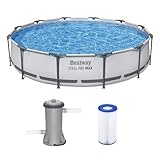
Bestway Steel Pro MAX 12' x 30" Above Ground Swimming Pool Set with Pump | Check Price On Amazon |
|
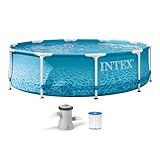
INTEX Beachside Metal Frame 10ft x 30in Round Pool Set w/Pump | Check Price On Amazon |

|
H2OGO! Kids Splash-in-Shade 8-Foot Round Steel Frame Above Ground Pool with Water Mister and Canopy Sunshade, Green Tropical Leaf Print | Check Price On Amazon |
This guide covers every major pool financing option available today: unsecured personal loans, home equity lines of credit (HELOCs), home equity loans, cash-out refinancing, dealer financing through pool builders, and specialized pool construction loans. Each option has different qualification requirements, interest rates, repayment terms, and tax implications that directly affect your total cost of ownership.
By the Numbers
Pool Financing — What the Research Shows
Sources: Federal Reserve Consumer Credit Data, PHTA Industry Reports, HomeAdvisor Survey Data
What Are Your Pool Financing Options?
Pool financing breaks into two main categories: secured loans that use your home as collateral and unsecured loans that do not. Each option serves different financial situations, and the wrong choice can cost you thousands more than necessary.
Unsecured personal pool loans require no home equity but carry higher interest rates, typically between 6.5% and 12.9% APR depending on your credit score. Secured options like HELOCs and home equity loans use your property as collateral, which lowers the lender’s risk and your interest rate to between 4.5% and8.5% APR in most cases.
Unsecured Personal Pool Loans
These loans do not use your home as collateral. Approval depends on your credit score, debt-to-income ratio, and income verification rather than your home’s value.
Loan amounts range from $5,000 to $100,000 with fixed interest rates and terms of 2 to 15 years. The biggest advantage is speed: you can receive funds in as little as 24 to 48 hours after approval, and there is no risk of foreclosure if you default.
Use our pool loan and payment calculator to compare loan offers. Run the numbers on total interest paid over the full term, not just the monthly payment.
Home Equity Line of Credit (HELOC)
A HELOC works like a credit card secured by your home’s equity. You can draw funds as needed during a draw period, typically 10 years, and then repay over a 15 to 20 year repayment period.

- Intelligent Navigation with Full Coverage: Equipped with 11 high-precision sensors and enhanced dual-path algorithms. The optimized WavePath cleaning pattern ensures systematic coverage with minimal overlap, while adaptive navigation analyzes pool layout in real time to eliminate missed spots
- Dual Filtration for Crystal-Clear Water: Advanced dual-layer filtration system features a replaceable 3-micron ultra-fine filter paired with a 180-micron standard filter. Effectively captures fine dust, sand, leaves, and debris for visibly cleaner and healthier pool water
- Comprehensive Pool Cleaning: Engineered to clean the pool floor, walls, waterline, and shallow areas (above 12 inches). The Caterpillar Treads system enhances mobility and climbing ability, ensuring thorough coverage across all pool zones
- Reliable Performance with 2-Year Warranty: Trusted by over 500,000 pool owners worldwide, this robotic pool cleaner delivers consistent, high-performance results. Built for durability and backed by a 2-year warranty and responsive customer support for worry-free ownership
Interest rates are variable and tied to the prime rate plus a margin. This means your rate can change over time, which makes HELOCs best for pool projects where you can pay down the balance quickly or when rates are expected to stay low.
Home Equity Loan
A home equity loan gives you a lump sum at a fixed interest rate. You repay it in equal monthly installments over 5 to 30 years, making budgeting predictable from day one.
These loans work well for pool projects with a known total cost because you receive all funds at closing. The fixed rate protects you from payment increases over time, unlike a HELOC.
Cash-Out Refinance
Cash-out refinancing replaces your existing mortgage with a new, larger loan and gives you the difference in cash. This option converts home equity into pool funding while potentially lowering your mortgage rate if current rates are below your existing rate.
This works best when mortgage rates are low and you have significant equity built up. Closing costs typically run 2% to 5% of the loan amount, so factor those into your total cost calculation.
Dealer and Builder Financing
Many pool builders partner with lenders to offer financing directly through the construction company. These programs often feature promotional rates, such as 0% APR for the first 12 months or deferred payment options during the construction phase.
Compare these offers carefully against bank and credit union rates. Builder financing can be convenient, but the interest rate after any promotional period may exceed what you would qualify for on your own.
How Do Pool Loans Work?
A pool loan is a personal installment loan used specifically for swimming pool construction or installation. You borrow a set amount, receive it as a lump sum or in construction draws, and repay it with fixed monthly payments over a predetermined term.
The application process mirrors any consumer loan. Lenders evaluate your credit score, income, employment history, and existing debt to determine your eligibility and interest rate. Most pool loans are unsecured, meaning no home equity requirement, but secured options exist for larger projects.
Loan Amounts and Terms
Pool loans range from $5,000 for above-ground pools to $250,000 for custom inground projects. Terms typically span 2 to 15 years, though some lenders offer terms up to 20 years for larger secured loans.
Your monthly payment on a $50,000 pool loan at 8% APR for 10 years would be approximately $607. The same loan at 12% APR rises to about $717 monthly. This is a difference of $13,200 in total interest over the loan term.
Interest Rate Factors
Your interest rate depends primarily on your credit score. Borrowers with scores above 740 qualify for the lowest rates, typically 6.5% to 8% APR. Scores between 640 and 739 see rates from 8% to 12%. Scores below 640 may face rates above 12% or may not qualify at all.
Loan term length also affects your rate. Shorter terms, 3 to 5 years, often carry lower rates than 10 to 15 year terms because the lender’s risk exposure is shorter. Always ask the lender for rate quotes at multiple term lengths to find your best total cost.
What Is a HELOC and How Does It Work for Pool Financing?
A Home Equity Line of Credit (HELOC) is a revolving credit line secured by the equity in your home. You can borrow up to a set limit, withdraw funds as you need them, and pay interest only on the amount you actually use during the draw period.
For pool projects, HELOCs offer flexibility that fixed loans cannot match. If your pool construction costs change mid-project, you can draw additional funds without applying for a new loan. This happens because HELOCs allow multiple draws up to your approved limit over the entire draw period rather than delivering a single lump sum at closing.
HELOC Requirements for Pool Financing
Lenders typically require at least 15% to20% equity in your home after accounting for the HELOC. If your home is worth $400,000 and you owe $250,000 on your mortgage, your current equity is $150,000 or 37.5%.
A lender allowing an 85% combined loan-to-value (CLTV) ratio would let you borrow up to $340,000 total across your mortgage and HELOC. With $250,000 remaining on your mortgage, you could access up to $90,000 through a HELOC for your pool project.
Variable Rate Risk
HELOC interest rates adjust based on changes in the prime rate. A rate of prime plus 1% means your rate moves whenever the Federal Reserve adjusts the prime rate, which can happen multiple times per year.
This variable structure means your monthly payment can increase over time. A $50,000 HELOC at 7% APR costs about $292 per month in interest-only payments during the draw period. If rates rise to 9%, that same payment increases to $375 monthly.
Pool Loan vs HELOC: Which Is Better for Your Situation?
The choice between a pool loan and a HELOC depends on how much equity you have, how soon you need funds, and whether you prefer a fixed or variable payment. Each option serves a different financial profile.
Pool loans work better for homeowners with limited equity or those who want predictable fixed payments. HELOCs work better for homeowners with significant equity who want flexible access to funds and can handle potential rate increases.
Product Comparison
Pool Loan vs HELOC — Side by Side
Detailed feature comparison to help you choose the right financing option.
| Feature | Unsecured Pool Loan | HELOC |
|---|---|---|
| Collateral Required | No | Yes (your home) |
| Typical APR Range | 6.5% to12.9% | 4.5% to8.5% (variable) |
| Funding Speed | 24 to 72 hours | 2 to 6 weeks |
| Repayment Term | 2 to 15 years | Draw: 10 years, Repay: 15-20 years |
| Tax Deductible Interest | No | Yes (if used for home improvement) |
| Best For | Limited equity, fast funding needed | High equity, flexible funding needs |
For most homeowners with at least 20% equity in their home and good credit, a HELOC offers the lowest interest cost over the life of the pool project. For homeowners with limited equity or those who need funds quickly and want a fixed payment, an unsecured pool loan is the better path despite higher rates.
What Credit Score Do You Need for Pool Financing?
Most pool loan lenders require a minimum credit score of 640 for unsecured financing and 620 for secured options like HELOCs and home equity loans. The best rates, however, go to borrowers with scores above 740.
A 100-point credit score difference on a $50,000 pool loan can mean paying an extra $8,000 to $15,000 in total interest over a 10-year term. This happens because each credit tier carries a progressively higher interest rate that compounds across every month of the repayment period.
Credit Score Tiers and Expected Rates
Borrowers with scores above 740 (excellent credit) qualify for pool loan rates starting around 6.5% APR. Those in the 700 to 739 range (good credit) typically see rates between 7.5% and 9% APR. Scores from 640 to 699 (fair credit) face rates from 9% to 12% APR.
Scores below 640 make unsecured pool loans difficult to obtain. In this range, a secured loan like a HELOC or home equity loan becomes the more viable option, provided you have sufficient equity. Some credit unions and online lenders specialize in pool financing for fair-credit borrowers, so shop multiple lenders before assuming you cannot qualify.
Other Factors Beyond Credit Score
Lenders also evaluate your debt-to-income (DTI) ratio, which is your total monthly debt payments divided by your gross monthly income. Most pool lenders cap acceptable DTI at 43% to 50%, including the new pool loan payment.
Your employment history and income stability matter as much as your score. Two years of consistent employment in the same field strengthens your application even if your credit score sits at the lower end of a tier. Self-employed borrowers should be prepared to provide two years of tax returns and profit-and-loss statements.
How Much Can You Borrow for a Pool?
The amount you can borrow depends on your income, existing debt, credit profile, and, for secured loans, your home equity. Unsecured pool loans typically max out at $100,000, while HELOCs and home equity loans can reach $250,000 or more for high-equity homeowners.
Your pool’s actual cost determines how much you need to borrow, not the lender’s maximum. Use our complete swimming pool cost guide with regional pricing breakdowns to estimate your total project budget before applying for financing.
Cost Reference
Pool Financing — Monthly Payment by Loan Amount and APR
All values pre-calculated for a 10-year fixed term. Find your row and column to see your estimated payment.
| Loan Amount ↓ APR → | 6.5% APR | 8% APR | 10% APR | 12% APR |
|---|---|---|---|---|
| $25,000 loan | $284/mo $34,080 total |
$303/mo $36,360 total |
$330/mo $39,600 total |
$359/mo $43,080 total |
| $50,000 loan | $568/mo $68,160 total |
$607/mo $72,840 total ★ |
$661/mo $79,320 total |
$717/mo $86,040 total |
| $75,000 loan | $852/mo $102,240 total |
$910/mo $109,200 total |
$991/mo $118,920 total |
$1,076/mo $129,120 total |
| $100,000 loan | $1,136/mo $136,320 total |
$1,213/mo $145,560 total |
$1,321/mo $158,520 total |
$1,435/mo $172,200 total |
Monthly payments calculated for 10-year (120-month) fixed term. Total represents principal plus all interest paid over the full term. ★ highlights the most common scenario for typical inground pool buyers.
Step-by-Step: How to Apply for Pool Financing
Applying for pool financing follows a clear sequence. Rushing into an application without preparation can result in higher rates or denial, so complete each step in order before submitting any loan application.
Step-by-Step Guide
How to Apply for Pool Financing — Step by Step
6 steps · 2 to 6 weeks total timeline
Check Your Credit Report and Score
Pull your free credit reports from all three bureaus at AnnualCreditReport.com. Dispute any errors before applying. Know your FICO score to set realistic rate expectations.
Calculate Your Total Pool Project Cost
Get at least three written quotes from pool builders. Add 15% to 20% for excavation surprises, permits, landscaping, and equipment upgrades that arise during construction. For a quick baseline estimate, use our inground swimming pool cost calculator before requesting quotes.
Determine Your Home Equity Position
Subtract your mortgage balance from your home’s current market value. If equity exceeds 20% of the home’s value, a HELOC or home equity loan may offer lower rates than unsecured financing.
Shop at Least Three Lenders
Compare unsecured pool loans from online lenders, credit unions, and banks. Also check HELOC and home equity loan rates from at least two local institutions. Submit all applications within a 14-day window to minimize credit score impact from multiple inquiries.
Review Loan Estimates and Compare Total Cost
Look beyond the monthly payment. Compare APR, origination fees, prepayment penalties, and total interest over the full loan term. Use a loan amortization calculator to compare offers side by side.
Finalize and Coordinate Funding with Your Builder
For unsecured loans, funds typically arrive within days and you pay the builder directly. For HELOCs, establish the line before construction starts and draw as needed against contractor invoices.
For a deeper understanding of what your builder will handle versus what you need to manage, review our complete pool installation guide covering every phase from permits to final fill before signing any contract.
Common Pool Financing Mistakes to Avoid
Pool financing mistakes compound across years of repayment. Each of these errors can cost you thousands, and they are all avoidable with careful planning before you sign.
Financing only the base pool cost without a contingency reserve is the most frequent mistake we see. Excavation can hit rock, electrical panels may need upgrades, and drainage solutions often emerge only after digging begins. Budget 20% above your contractor’s quote for these unknowns.
Not Comparing Enough Lenders
A single lender application produces one rate offer that may be 2 to 4 percentage points above what you could get elsewhere. Three to five lender comparisons typically reveal a spread of at least 2% APR between the highest and lowest offers for the same borrower.
Credit unions often beat bank rates on pool loans by 1 to2 percentage points. Online lenders may approve faster but charge higher rates. Include at least one credit union, one online lender, and one traditional bank in your comparison set every time.
Ignoring the Total Interest Cost
Monthly payment fixation blinds borrowers to total cost. A $50,000 pool loan at 8% APR for 15 years costs $57,960 in total interest. The same loan at the same rate for 10 years costs $22,840 in total interest. That shorter term saves you $35,120.
Longer terms lower your monthly payment but dramatically increase total cost. Choose the shortest term where the monthly payment still fits comfortably within your budget rather than stretching to the longest available term just to minimize the monthly number.
Forgetting About Ongoing Pool Operating Costs
Pool ownership costs extend well beyond the construction loan payment. Annual expenses for chemicals, electricity, water, and maintenance run $3,000 to $5,000 per year for a typical 20,000-gallon inground pool. These ongoing costs must fit into your budget alongside the loan payment. Use our pool ownership cost calculator to get a personalized estimate for your pool’s ongoing expenses.
Energy-efficient equipment reduces long-term operating costs significantly. A variable-speed pool pump running at 1,500 RPM uses up to 80% less electricity than a single-speed pump at 3,450 RPM. The upfront equipment investment pays back through lower monthly utility bills over the life of the pool.
Can You Finance an Above-Ground Pool?
Yes. Above-ground pool financing works identically to inground pool financing, just at lower loan amounts. Most above-ground pool installations cost between $3,000 and $15,000 including installation, which falls well within the minimum loan amounts offered by most pool lenders.
Many lenders offer personal loans starting at $1,000 to $5,000, making above-ground pools accessible through the same application channels as inground projects. The credit score requirements remain the same, but the smaller loan amounts mean faster approvals and lower monthly payments.
For a comparison of top models in every size category, see our detailed guide to the best above-ground pools with pricing and installation requirements.
Are There Special Financing Programs for Energy-Efficient Pool Equipment?
Yes. Some lenders and utility companies offer reduced-rate financing or rebates for pools built with energy-efficient equipment. The EPA’s Energy Star program certifies variable-speed pool pumps that qualify for utility rebates in many states, effectively reducing your total project cost.
PACE (Property Assessed Clean Energy) financing programs in certain states allow homeowners to finance energy-efficient pool equipment through property tax assessments. These programs focus on permanent improvements like solar pool heaters, high-efficiency heat pumps, and variable-speed pump upgrades rather than the pool structure itself.
Will Applying for Pool Financing Hurt My Credit Score?
A single loan application triggers a hard credit inquiry that typically lowers your FICO score by 3 to 5 points. Multiple applications within a short window, usually 14 to 45 days depending on the scoring model, count as a single inquiry for credit scoring purposes.
This rate-shopping window exists specifically so consumers can compare loan offers without penalty. Submit all your pool loan applications within two weeks to minimize the impact on your credit score. The inquiry effect fades entirely within 12 months, and the points recover gradually starting after the first month.
What Happens If I Cannot Make My Pool Loan Payments?
Missing payments on an unsecured pool loan results in late fees, credit score damage, and eventual default. The lender cannot foreclose on your home because the loan is not secured by property, but they can sue for the unpaid balance and garnish wages after obtaining a court judgment.
Missing payments on a HELOC or home equity loan carries more severe consequences because your home secures the debt. The lender can initiate foreclosure proceedings after multiple missed payments. If you face payment difficulty on any pool financing, contact your lender immediately to discuss hardship options, forbearance, or loan modification before missing a payment.
Can I Refinance My Pool Loan Later?
Yes. Pool loans can be refinanced just like any other consumer debt. If your credit score improves or market rates drop, you can apply for a new loan with better terms and use it to pay off the original pool loan.
Refinancing makes the most sense when you can reduce your APR by at least 2 percentage points. Closing costs and origination fees on the new loan should be recouped within 24 months through lower monthly payments for the refinance to be financially worthwhile. Run the numbers carefully before committing to a refinance.
Is Pool Loan Interest Tax Deductible?
Interest on unsecured pool loans is not tax deductible. Interest on HELOCs and home equity loans may be deductible if the funds are used to substantially improve your home and the loan meets IRS requirements for acquisition indebtedness.
The Tax Cuts and Jobs Act limits HELOC interest deductibility to situations where the loan proceeds directly and substantially improve the home securing the loan. A pool addition typically qualifies, but you must itemize deductions on your tax return to claim the benefit. Consult a tax professional to confirm eligibility based on your specific financial situation.
How Long Does Pool Financing Take from Application to Funding?
Unsecured pool loans fund fastest, often within 24 to 72 hours after approval. The full process from application to receiving funds typically takes 3 to 7 business days with online lenders and 7 to 14 days with traditional banks.
HELOCs and home equity loans take longer because they require property appraisal, title search, and underwriting. Expect 2 to 6 weeks from application to closing. Cash-out refinances take the longest, typically 4 to 8 weeks, because they replace your existing mortgage. Plan your pool construction timeline around these expected funding windows.
Should I Finance Pool Equipment Separately from the Pool Build?
Bundling equipment into your construction loan is usually simpler and costs less in total interest than financing equipment separately at higher consumer credit card rates. The exception is when you qualify for a 0% APR promotional financing offer on specific equipment purchases through a manufacturer or retailer.
If you plan to upgrade to a salt chlorine generator later, for instance, check our guide to the best salt chlorine generators for every pool size to estimate costs and factor that into your total financing amount upfront rather than taking on separate debt later.
What Is the Difference Between a Pool Loan and a Personal Loan?
There is no structural difference. A pool loan is a personal loan marketed specifically for pool financing. The loan terms, rates, and qualification requirements are identical to any unsecured personal installment loan from the same lender.
The only practical difference is that some lenders who specialize in pool financing may offer construction-friendly features like delayed funding, draw schedules, or seasonal payment deferral options that general personal loans do not include. These features can be valuable for coordinating payments with construction milestones.
Can I Get Pool Financing with Bad Credit?
Pool financing with a credit score below 640 is difficult but not impossible. Secured options like HELOCs and home equity loans remain available to borrowers with sufficient home equity, even if their credit score falls below the typical unsecured loan threshold.
Some credit unions and specialized lenders offer pool loans for fair-credit borrowers with scores as low as 580, though rates will be at the upper end of the range, often 12% to 18% APR. Improving your credit score by even 40 to 60 points before applying can reduce your rate by 2 to 4 percentage points and save thousands over the loan term.
What Happens to Pool Financing If I Sell My Home?
Unsecured pool loans remain your personal obligation after selling your home. You must either pay off the loan from sale proceeds or continue making payments from your new residence. The loan does not transfer to the buyer.
HELOCs and home equity loans must be paid off at closing when you sell the home because they are secured by the property being sold. The payoff amount is deducted from your sale proceeds before you receive any remaining equity. A pool that adds value to your home can help offset this payoff, though pool return on investment typically ranges from 5% to 8% of the home’s value.
Do Pool Builders Offer In-House Financing That Is Better Than Bank Loans?
Sometimes. Pool builder financing programs through partner lenders occasionally offer promotional rates like 0% APR for 12 months or no payments during construction. These promotions can be genuinely valuable if you pay off the balance before the promotional period ends.
After the promotional period, builder financing rates often reset to 15% to 25% APR, which is significantly higher than bank or credit union rates. Always check the post-promotional rate and compare the total cost against a traditional loan before choosing builder financing. The convenience of one-stop shopping through your builder should not come at the expense of paying thousands more in interest.
Buying Guide
Before You Sign — Pool Financing Checklist
Check off each point before committing to any pool loan or HELOC.
Financing a Pool Cover and Safety Equipment Alongside Your Build
Pool covers and safety equipment add $500 to $5,000 to your project cost depending on type and pool size. Use our pool cover cost calculator to see estimated costs for your pool size and cover type. Including these items in your initial financing rather than purchasing them separately later saves you from taking on additional debt at potentially higher rates.
Safety covers meeting ASTM F1346 standards are required by many local building codes and insurance policies. Finance them as part of your construction loan rather than buying later with a credit card at 18% to 25% APR.
For a complete breakdown of cover options by type and pool size, see our detailed pool cover guide comparing safety covers, winter covers, and solar options with pricing.
Buying Guide
Ask Yourself These Questions Before You Finance a Pool
Tap each card to reveal what your answer means for your financing decision.
Pool financing is a major financial commitment that rewards careful comparison shopping and honest budgeting. The right loan structure for your situation, whether a fixed-rate unsecured pool loan or a variable-rate HELOC, saves you thousands in interest and keeps your monthly payment manageable for the full loan term.
Start by checking your credit score and calculating your home equity position. Get multiple loan offers within a 14-day window. Choose the shortest term where the payment fits your budget. And always borrow enough to cover the full project plus a 20% contingency reserve. These four steps put you on the path to pool ownership without compromising your financial stability.
| Photo | Best Above-Ground Pools | Price |
|---|---|---|
|
|
Bestway Steel Pro MAX 12' x 30" Above Ground Swimming Pool Set with Pump | Check Price On Amazon |
|
|
INTEX Beachside Metal Frame 10ft x 30in Round Pool Set w/Pump | Check Price On Amazon |
|
|
H2OGO! Kids Splash-in-Shade 8-Foot Round Steel Frame Above Ground Pool with Water Mister and Canopy Sunshade, Green Tropical Leaf Print | Check Price On Amazon |