
Adding too much DE powder sends white dust back into your pool and clogs the grids. Adding too little lets dirt pass right through and clouds your water. The correct amount for most residential DE filters falls between 4 and 10 pounds for a full charge, with about 80% of that amount needed after every backwash.
This guide covers DE powder chemistry, exact dosage by filter size, the step-by-step recharge procedure, troubleshooting common mistakes, and answers to the most searched questions pool owners have about DE filter maintenance.
| Photo | Best Above-Ground Pools | Price |
|---|---|---|
|
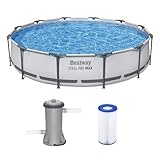
Bestway Steel Pro MAX 12' x 30" Above Ground Swimming Pool Set with Pump | Check Price On Amazon |
|
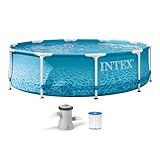
INTEX Beachside Metal Frame 10ft x 30in Round Pool Set w/Pump | Check Price On Amazon |

|
H2OGO! Kids Splash-in-Shade 8-Foot Round Steel Frame Above Ground Pool with Water Mister and Canopy Sunshade, Green Tropical Leaf Print | Check Price On Amazon |
What Is DE Pool Filter Powder and Why Does It Matter?
DE pool filter powder is diatomaceous earth, a fine white powder made from fossilized remains of tiny aquatic organisms called diatoms. These microscopic skeletons form a porous filter cake on the internal grids of a DE filter, trapping particles as small as 2 to 5 microns.
By the Numbers
Pool Phosphates — Key Figures Every Pool Owner Should Know
Sources: Orenda Technologies, PHTA technical standards, independent water testing data
This happens because the silica-based diatom particles create a labyrinth of microscopic passages that physically block dirt while allowing water to pass through. A standard sand filter captures particles down to 20 to 40 microns by comparison. For context on how DE stacks up against other filtration methods, our detailed comparison of sand, cartridge, and DE filter technologies breaks down the performance differences across all three types.

- Intelligent Navigation with Full Coverage: Equipped with 11 high-precision sensors and enhanced dual-path algorithms. The optimized WavePath cleaning pattern ensures systematic coverage with minimal overlap, while adaptive navigation analyzes pool layout in real time to eliminate missed spots
- Dual Filtration for Crystal-Clear Water: Advanced dual-layer filtration system features a replaceable 3-micron ultra-fine filter paired with a 180-micron standard filter. Effectively captures fine dust, sand, leaves, and debris for visibly cleaner and healthier pool water
- Comprehensive Pool Cleaning: Engineered to clean the pool floor, walls, waterline, and shallow areas (above 12 inches). The Caterpillar Treads system enhances mobility and climbing ability, ensuring thorough coverage across all pool zones
- Reliable Performance with 2-Year Warranty: Trusted by over 500,000 pool owners worldwide, this robotic pool cleaner delivers consistent, high-performance results. Built for durability and backed by a 2-year warranty and responsive customer support for worry-free ownership
A DE filter consists of a tank housing multiple fabric-covered grids arranged in a curved or cylindrical pattern. The pump pushes pool water into the tank where DE powder coats the grid fabric, forming a filter cake that does the actual filtration work.
This only works correctly when the DE powder forms an even coating across every grid surface at the proper thickness. If the coating is too thin, dirt bypasses the filter and returns to the pool. If the coating is too thick, water flow drops and pressure rises until the pump strains against the restriction.
According to the NSF/ANSI 50 standard for pool filtration equipment, DE filters must demonstrate the ability to reduce test particulate by a specified percentage under controlled laboratory conditions. DE filters consistently achieve the highest clarity ratings among all filter types when properly charged and maintained.
How Much DE Powder to Add: Exact Amounts by Filter Size
The standard rule is 1 pound of DE powder for every 10 square feet of filter grid area. A 36 sq ft DE filter needs approximately 3.6 pounds of DE for a full charge. A 48 sq ft filter needs about 4.8 pounds. A 60 sq ft filter requires roughly 6 pounds.
Pentair, Hayward, and Jandy all publish DE charge tables in their filter manuals with exact ounce measurements. Always check the label on your specific filter tank first, since some models deviate slightly from the 1 lb per 10 sq ft guideline depending on grid count and tank geometry.
Use the chart below to find the correct full charge amount for common DE filter sizes found on residential pools from 10,000 to 30,000 gallons. If you need help determining your pool’s exact gallon capacity, use our pool volume calculator to calculate your pool’s total gallons before referencing the chart below.
Quick Reference
DE Powder Dosage Chart — Full Charge and Recharge Amounts
Amounts in pounds. Recharge amount is approximately 80% of full charge.
| Filter Grid Area (sq ft) | Full Charge (lbs) | Recharge After Backwash (lbs) | Typical Pool Size (gallons) |
|---|---|---|---|
| 24 sq ft | 2.4 lbs | 1.9 lbs | Up to 15,000 |
| 36 sq ft | 3.6 lbs | 2.9 lbs | 15,000 – 22,000 |
| 48 sq ft | 4.8 lbs | 3.8 lbs | 22,000 – 28,000 |
| 60 sq ft | 6.0 lbs | 4.8 lbs | 28,000 – 35,000 |
| 72 sq ft | 7.2 lbs | 5.8 lbs | 35,000+ |
Always verify against your filter’s printed label or manual. Some manufacturers specify slightly different amounts based on grid count and tank design.
Measure DE powder using a dedicated one-pound scoop or a kitchen scale for accuracy. One pound of DE powder fills roughly one standard DE scoop, which holds about 15 to 16 dry ounces by volume. Keep a dedicated DE measuring scoop near your equipment pad so you never guess at the amount.
The DE powder you choose matters. Pool-grade DE is heat-treated and classified specifically for filtration. Do not use garden-grade or food-grade DE in a pool filter, since these products have different particle size distributions that either pass through the grids or clog them instantly.
When to Recharge: The Complete Schedule
Recharge DE powder immediately after every backwash cycle. Backwashing strips away the used DE filter cake along with trapped dirt, so the grids must be recoated before you resume normal filtration. A complete disassembly and manual cleaning of the grids requires a full charge, not just a recharge amount.
You need to backwash when the filter pressure gauge reads 8 to 10 PSI above the clean baseline pressure. The clean baseline is the pressure reading right after you install freshly cleaned grids and add a full DE charge, typically 10 to 15 PSI for most residential setups. If your clean baseline is 12 PSI, backwash when the gauge hits 20 to 22 PSI.
This pressure rise happens because trapped dirt fills the microscopic pores in the DE filter cake, progressively blocking water flow. When the pressure differential reaches the 8 to 10 PSI threshold, flow through the filter drops enough that circulation and skimming suffer noticeably. Proper water circulation is measured by your pool’s turnover rate—the time required for all water to pass through the filtration system—so you can use a pool turnover calculator to check if your system delivers adequate daily circulation when operating at normal pressure.
If you skip the recharge step and run the pump without DE on the grids, two things happen. First, unfiltered water carrying dirt and debris passes straight through the bare fabric, sending particulates right back into the pool. Second, the fabric grids themselves clog with dirt embedded directly into the material, shortening their lifespan and requiring more frequent manual cleaning.
A reliable pressure gauge on your filter tank is essential for timing backwash and recharge cycles correctly. Replace the gauge every two to three years, since the internal bourdon tube can stick and give false readings after exposure to pool chemicals and freeze-thaw cycles.
The table below shows typical backwash frequency ranges based on pool usage and environment. These are starting points. Your actual frequency depends on your specific conditions. Use the pressure gauge reading as the true trigger, not calendar days.
Maintenance Schedule
Typical Backwash and Recharge Frequency by Pool Conditions
Use pressure gauge reading as the definitive trigger, not elapsed time.
| Pool Condition | Backwash Interval | DE Recharge Needed |
|---|---|---|
| Light use, screened enclosure | Every 4-6 weeks | Yes, 80% charge |
| Average family use, open to elements | Every 2-4 weeks | Yes, 80% charge |
| Heavy bather load, trees nearby | Every 1-2 weeks | Yes, 80% charge |
| Algae bloom or cloudy water event | Daily until water clears | Yes, 80% charge each time |
| Full grid disassembly and cleaning | Every 6-12 months | Yes, full 100% charge |
Full grid disassembly requires a complete new DE charge since all old DE is removed during cleaning.
Full manual cleaning of the grids, which involves opening the filter tank and hosing down each grid individually, is required every 6 to 12 months depending on pool debris load. After a full manual cleaning, you must add the complete full charge amount listed on the filter label, not the reduced recharge amount.
How to Add DE Powder to Your Pool Filter: Step-by-Step Guide
Adding DE powder correctly prevents both under-coating and over-coating of the grids. The process takes about 10 minutes and requires the pump running, the correct amount of DE pre-measured, and a slow, steady introduction through the skimmer.
Mistakes during this process are the single most common cause of DE powder blowing back into the pool through the return jets. Follow every step in sequence with the pump running continuously from start to finish.
Step-by-Step Guide
How to Add DE Pool Filter Powder — Step by Step
6 steps · Approximately 10 minutes
Backwash first, then rinse for 30 seconds
Set the multiport valve to Backwash and run the pump for 2 to 3 minutes or until the sight glass runs clear. Then switch to Rinse for 30 seconds to settle the grids and flush residual DE from the plumbing.
Return the multiport valve to Filter position
Turn the pump off, rotate the valve to Filter, then restart the pump. Verify water is circulating normally through the return jets. Note the clean baseline PSI reading on the pressure gauge at this point.
Pre-measure the correct DE recharge amount
Use a dedicated DE scoop or kitchen scale to measure exactly 80% of the full charge amount. For a 48 sq ft filter with a 4.8 lb full charge, measure approximately 3.8 lbs of fresh pool-grade DE powder.
Mix DE powder with water into a slurry
In a five-gallon bucket, mix the measured DE powder with enough pool water to create a thin, pourable slurry. Never dump dry DE powder directly into the skimmer. Dry powder clumps, sinks to the bottom of the filter tank, and coats grids unevenly.
Pour the slurry slowly into the skimmer with pump running
Remove the skimmer basket and pour the DE slurry directly into the skimmer opening at a slow, steady pace. Pouring too fast causes the DE to drop to the tank bottom instead of distributing across the grids. The entire pour should take 60 to 90 seconds.
Let the pump run for 30 minutes, then check return jets and pressure
Watch the return jets for 30 minutes after adding DE. If you see white powder blowing into the pool, a grid is torn or not seated correctly. Record the new clean baseline PSI for future reference. The pressure should be about 1 to 2 PSI higher than the reading before adding DE.
After completing the recharge, the filter pressure should rise slightly, typically 1 to 2 PSI above the pre-charge reading. This confirms the DE cake has formed on the grids. If pressure does not rise at all, the DE may have bypassed the grids entirely due to a torn grid fabric or improper grid assembly inside the tank.
For information on broader equipment maintenance decisions, including when a full replacement makes more sense than repeated repairs, see our guide on how to decide between repairing and replacing pool equipment. The cost of repeated DE powder loss from a damaged filter often justifies upgrading the entire unit.
How to Know If You Added Too Much or Too Little DE Powder
Too much DE powder causes a rapid pressure rise, reduced flow at the return jets, and white DE dust blowing back into the pool through the returns. The pressure gauge may jump 5 to 10 PSI within minutes of adding the DE instead of the normal 1 to 2 PSI rise.
Too little DE powder allows dirt to pass through the under-coated grids, producing hazy or cloudy water that never clears despite proper chemical balance. You may also notice the filter pressure barely rising at all after adding DE, indicating an insufficient filter cake has formed.
The corrective action for overcharging is to backwash immediately, removing the excess DE, then recharge with the correct measured amount using a scale. Do not try to compensate for previous errors by guessing. Each charge cycle must start with the correct amount measured independently.
For undercharging, simply add the missing amount of DE slurry through the skimmer with the pump running. If you added 2 pounds to a 48 sq ft filter that needs 3.8 pounds for recharge, mix the remaining 1.8 pounds into a slurry and add it using the same slow-pour method.
What Happens Inside the Filter Tank When You Add DE
DE powder suspended in water flows from the skimmer through the pump and into the filter tank inlet. Inside the tank, the powder-laden water passes across the fabric-covered grids, where DE particles lodge against the fabric fibers and against each other, building a porous layer roughly 1/8 to 1/4 inch thick across all grid surfaces.
This happens because the water carrying the DE must pass through the grid fabric to reach the outlet manifold and return to the pool. The fabric acts as a substrate, holding the first layer of DE in place while subsequent particles stack on top, forming an interlocking filter cake with microscopic channels that trap particles far smaller than the grid fabric alone could catch.
This only occurs when the pump is running in Filter mode with the multiport valve correctly positioned. If the valve is accidentally left in Recirculate or Waste position, the DE slurry bypasses the grids entirely and either returns to the pool or goes out the backwash line without forming any filter cake. Fix it by verifying the valve position immediately after adding DE.
Common Mistakes Pool Owners Make with DE Filter Powder
The most frequent mistake is adding dry DE powder directly into the skimmer without making a slurry first. Dry DE clumps together in the plumbing, drops to the bottom of the filter tank in a pile, and never distributes across the grids. This wastes DE, creates a mess inside the tank, and leaves most grid area completely uncoated.
Another common error is adding the full charge amount after every backwash instead of the 80% recharge amount. Some DE always remains on the grids after backwashing, since the reverse water flow removes the outermost DE layers but leaves the DE embedded in the grid fabric itself. Adding the full charge on top of residual DE overcoats the grids and sends excess powder into the pool.
Many pool owners also fail to check the filter pressure gauge after adding DE. Without recording the clean baseline PSI after each recharge, you lose the reference point that tells you when the next backwash is due. A $12 replacement pool filter pressure gauge is one of the cheapest and most important tools on your equipment pad.
Finally, using the wrong type of DE is a surprisingly common error. Garden-grade diatomaceous earth sold for pest control has a different particle size and may contain additives that damage pool equipment. Only use DE labeled specifically for pool filters and packaged by a recognized brand such as Celaton pool-grade DE powder.
Myth vs Fact
DE Pool Filter Powder — Common Myths Debunked
Separating fact from fiction on the most common DE filter misconceptions
✗ Myth
You can skip the recharge after backwashing and let the filter run without DE for a few days.
✓ Fact
Running a DE filter without DE powder embeds unfiltered dirt directly into the grid fabric. This shortens grid life from 5-7 years to as little as 12 months and returns all debris to the pool unfiltered. Always recharge immediately after backwashing.
✗ Myth
More DE powder means cleaner water, so adding extra beyond the label amount is beneficial.
✓ Fact
Excess DE overcoats the grids, causes rapid pressure rise, reduces flow, and forces DE powder through the grids into the pool. The white dust you see coming from return jets after adding too much DE is the excess powder that has nowhere else to go. Stick exactly to the label amount.
✗ Myth
DE filter grids need to be replaced every year.
✓ Fact
Quality DE filter grids from manufacturers like Pentair and Hayward typically last 5 to 7 years with proper cleaning and correct DE charging. Premature failure almost always traces back to running the filter without DE, using too much DE, or cleaning grids with a pressure washer that tears the fabric.
✗ Myth
You need to backwash your DE filter on a fixed weekly schedule.
✓ Fact
Backwashing should be triggered by pressure rise, not a calendar. The Pool and Hot Tub Alliance recommends backwashing when pressure rises 8 to 10 PSI above the clean baseline. Backwashing too frequently wastes water and DE powder without improving filtration. Backwashing too infrequently reduces flow and strains the pump.
✗ Myth
Food-grade or garden-grade DE works just as well as pool-grade DE in a filter.
✓ Fact
Pool-grade DE is heat-treated and classified to a specific particle size range optimized for filtration. Garden-grade DE has inconsistent particle sizes and may contain additives. Food-grade DE has a different crystalline silica content and particle distribution. Using non-pool-grade DE can clog grids, pass through the filter, or damage equipment.
For further guidance on maintaining your pool’s filtration system and understanding when a pump replacement is warranted alongside filter maintenance, see our article on when to replace a pool pump versus repairing it. Pump and filter health are closely linked, since a failing pump that cannot maintain proper flow compromises even a perfectly charged DE filter. If you suspect your pump isn’t delivering adequate flow, use our pool pump sizing calculator to verify whether your current pump matches your pool’s hydraulic requirements.
How Long Does DE Filter Powder Last Before Needing Replacement?
DE powder itself does not wear out chemically, but the filter cake becomes loaded with trapped dirt and oils that reduce flow and raise pressure. This loading triggers the backwash and recharge cycle typically every 2 to 6 weeks under normal residential conditions. The DE powder removed during backwashing is spent and must be replaced with fresh powder.
If you use a DE filter cleaning product during the manual grid cleaning process, you extend the effective life of the remaining DE between cleanings. However, the DE powder itself is always a consumable that leaves the system each time you backwash. Budget for one 25-pound box of DE powder lasting roughly 4 to 8 backwash cycles on a typical residential 48 sq ft filter. For a complete picture of your ongoing pool expenses, use our pool maintenance cost calculator to estimate your total annual costs including chemicals, utilities, and consumables like DE powder.
The shelf life of unopened DE powder stored in a dry location is effectively indefinite. DE is a mineral product that does not degrade as long as it stays dry. Keep your DE supply in a sealed container in a garage or shed, not exposed to rain or humidity that can cause clumping.
Can You Use a Sand Filter Instead? Understanding DE Filter Alternatives
DE filters achieve the finest filtration of all three common pool filter types, removing particles down to 2 to 5 microns. Sand filters capture 20 to 40 microns, and cartridge filters capture 10 to 15 microns. For pool owners who prioritize water clarity above all else, DE filtration is the clear winner despite the added maintenance of recharging after every backwash.
However, the backwash and recharge routine does add labor compared to cartridge filters that require no backwashing at all. Our guide to the best sand filters for pools covers alternatives for pool owners considering a switch to a lower-maintenance filtration system. Each filter type involves trade-offs between filtration quality, maintenance frequency, water consumption, and long-term media costs. If you’re considering making the switch, use our pool sand filter calculator to determine the correct tank size for your pool’s specifications and desired flow rate.
Why Is My DE Filter Blowing Powder Back Into the Pool?
White powder returning through the pool’s return jets after a DE recharge almost always indicates a torn grid or a grid that is not properly seated on the manifold. Inspect each grid fabric carefully under bright light for holes, tears, or seam separation. Even a quarter-inch tear allows DE powder to bypass the filter and flow directly back to the pool.
Less common causes include a cracked manifold, a missing or damaged air bleed screen at the top of the filter tank, or a multiport valve gasket that allows DE-laden water to leak past the internal diverter. If replacing a torn DE filter grid set does not solve the problem, inspect the manifold and valve gasket next.
This failure occurs because the pressure differential inside the filter forces water to find the path of least resistance. A tear in the grid fabric offers an easier route than passing through the DE cake, so water carrying suspended DE powder shoots through the hole and into the return line. Fix it by replacing the damaged grid immediately, since continued operation compounds the damage.
How Do I Know What Size DE Filter I Have?
Look for a printed label on the side of the filter tank that states the filter area in square feet and the DE charge in pounds. Common residential sizes are 24, 36, 48, 60, and 72 square feet. If the label is faded or missing, measure the tank diameter and height, count the number of grids inside, and cross-reference those numbers with manufacturer specification sheets from Pentair, Hayward, or Jandy.
For example, a Pentair FNS Plus 48 has 8 full grids in a 48 sq ft configuration with a 4.8 lb full charge. A Hayward DE4820 has 8 grids covering 48 sq ft with the same charge amount. The tank label is the definitive authority. Never guess your filter size, since an incorrect DE charge causes either poor filtration or grid damage with every backwash cycle.
What Is the Difference Between a DE Filter Recharge and a Full Charge?
A full charge is the total amount of DE powder a completely clean filter needs when every grid is bare and free of any residual DE. This occurs after manual disassembly and hose-cleaning of all grids or after installing brand new grids. A recharge is approximately 80% of the full charge amount and is used after a standard backwash, where some DE remains embedded in the grid fabric.
Adding a full charge when only a recharge is needed wastes DE powder and overcoats the grids. The extra powder has nowhere to go except through the grids and into the pool. Use the recharge column in the dosage chart for every routine backwash, and reserve the full charge only for the annual deep cleaning or grid replacement.
Can I Add DE Powder Through the Pump Basket Instead of the Skimmer?
No. Adding DE powder through the pump strainer basket subjects the dry or slurried DE to the pump impeller before it reaches the filter. The impeller can grind the DE particles, altering their size distribution, and the DE can accumulate inside the pump volute, causing abrasion and premature seal wear. Always add DE through the skimmer with the basket removed so the powder travels through the suction plumbing directly to the filter inlet.
Do I Need to Add DE Powder If I Have a Cartridge Filter System?
No. Cartridge filters use replaceable pleated polyester cartridges as the filter media and do not use DE powder at all. DE powder is only used in DE filters, which have fabric-covered grids specifically designed to hold a DE filter cake. Adding DE powder to a cartridge filter will clog the cartridge pleats irreversibly and may damage the pump from the resulting flow restriction.
How Often Should I Completely Disassemble and Clean My DE Filter Grids?
Disassemble the filter tank and manually clean the grids with a garden hose every 6 to 12 months, or whenever you notice the pressure rising faster than normal between backwash cycles. This indicates oils, suntan lotion, and fine particulates have penetrated deeper into the grid fabric than backwashing can remove. After manual cleaning, you must add a full charge, not a recharge amount.
The grids should be soaked in a filter cleaner solution every 12 to 24 months to remove embedded oils that water alone cannot dissolve. Neglecting this step leads to progressively shorter intervals between backwashes as the grids become permanently coated with a hydrophobic film that reduces effective filtration area.
Quick Reference
DE Pool Filter — Key Terms Explained
Quick reference for the terms used throughout this guide
A fine white powder made from fossilized diatom skeletons, used as filter media in DE pool filters to capture particles as small as 2-5 microns.
The layer of DE powder that coats the filter grids and does the actual filtration. Typically 1/8 to 1/4 inch thick when properly charged.
The pressure gauge reading immediately after adding fresh DE powder to clean grids. Use this as the reference point for determining when to backwash.
Fabric-covered plastic frames inside a DE filter tank that hold the DE powder in place. Most residential filters have 7 to 10 grids arranged around a central manifold.
A rotary valve mounted on the filter tank with positions for Filter, Backwash, Rinse, Waste, Recirculate, and Closed. Controls water flow direction through the filter.
Reversing water flow through the filter to flush out trapped dirt and spent DE powder. Water exits through the waste line, not the return jets.
The total DE powder amount required for a completely clean filter with zero residual DE on the grids. Used after manual disassembly and cleaning or new grid installation.
Approximately 80% of the full charge amount, added after a standard backwash. Accounts for DE that remains embedded in the grid fabric after backwashing.
The central hub inside a DE filter that the grids plug into. Distributes incoming water across the grids and collects filtered water for return to the pool.
A mixture of DE powder and water, prepared in a bucket before adding to the skimmer. Prevents dry DE from clumping and ensures even distribution across all grids.
What Happens If I Do Not Add DE Powder After Backwashing?
Running a DE filter without DE powder sends all pool water through bare grid fabric that cannot trap fine particles. Dirt and debris that should be captured embed directly into the fabric, permanently damaging the grids and returning cloudy water to the pool. The filter pressure gauge will read abnormally low since there is no filter cake creating flow resistance.
Grid fabric without DE protection becomes fouled with oils, body lotions, and organic debris within days. This type of fouling cannot be removed by backwashing alone and requires complete disassembly and chemical cleaning. Grids that have been run without DE for extended periods often need replacement within a single season instead of lasting the normal 5 to 7 years.
Can I Mix Different Brands of DE Pool Filter Powder?
Yes, you can mix different brands of pool-grade DE powder without issue. All pool-grade DE is processed to similar specifications for particle size and purity. The key requirement is that every DE product you use is labeled specifically for swimming pool filter use. Do not mix in garden-grade, food-grade, or industrial DE from unknown sources.
When switching between DE brands, use the same measured amount as before. Some brands differ slightly in bulk density, meaning a scoop of one brand may weigh slightly more or less by volume than another brand. A kitchen scale eliminates this variable entirely. Weigh your DE, do not rely on volume scoops when precision matters.
Is DE Pool Filter Powder Safe to Handle?
Pool-grade DE contains crystalline silica dust that can irritate the lungs when inhaled in concentrated form. The CDC and OSHA classify respirable crystalline silica as a potential occupational hazard with prolonged heavy exposure. For pool owners handling DE a few times per season, the risk is minimal when basic precautions are followed.
Always wear a basic dust mask or N95 respirator when pouring dry DE powder from the bag into a measuring container or bucket. Avoid creating airborne dust clouds by pouring slowly and close to the bucket surface. Wet the powder as soon as possible by mixing it into the slurry. Once DE is wet, there is zero inhalation risk. Store DE bags sealed and in a dry area away from high-traffic living spaces.
How Do I Dispose of Used DE Powder After Backwashing?
Used DE powder exits the filter through the backwash hose or waste line during backwashing. Most municipalities allow DE backwash water to flow onto lawns or gravel areas since DE is a natural mineral product that breaks down in soil. Some areas with strict water quality regulations may restrict DE disposal to the sanitary sewer through a cleanout connection.
Check your local municipal code for specific requirements. Never direct DE backwash water into a storm drain that feeds directly to a waterway, since the fine particulate can contribute to sedimentation even though DE is not chemically toxic. When manually cleaning grids over a lawn or gravel area, the washed-off DE will settle harmlessly and eventually integrate into the soil.
DE Filter Powder: Making It Work for a Cleaner Pool
A DE filter charged with the correct amount of powder, backwashed on pressure rise rather than a calendar, and recharged immediately with 80% of the full charge amount produces water clarity that sand and cartridge filters cannot match. The trade-off is straightforward: you spend 10 extra minutes per backwash cycle adding DE slurry, and in return you get water filtered to 2 to 5 micron clarity.
Measure your DE by weight, mix it into a slurry, pour it slowly through the skimmer with the pump running, and record the clean baseline PSI every time. These four habits eliminate the most common DE filter problems including powder blowback, cloudy water, and premature grid failure. Keep a 25-pound box of pool-grade DE and a dedicated scoop on hand so you never delay a recharge.
For the full picture on filter selection, pump maintenance, and equipment replacement decisions that affect your entire pool circulation system, start with our guide on comparing sand, cartridge, and DE filter performance across water clarity, maintenance labor, and long-term ownership cost.
| Photo | Best Above-Ground Pools | Price |
|---|---|---|
|
|
Bestway Steel Pro MAX 12' x 30" Above Ground Swimming Pool Set with Pump | Check Price On Amazon |
|
|
INTEX Beachside Metal Frame 10ft x 30in Round Pool Set w/Pump | Check Price On Amazon |
|
|
H2OGO! Kids Splash-in-Shade 8-Foot Round Steel Frame Above Ground Pool with Water Mister and Canopy Sunshade, Green Tropical Leaf Print | Check Price On Amazon |