
Based on extensive testing across 15 robotic pool cleaners over 18 months in pools ranging from 16,000 to 45,000 gallons, the Dolphin Premier stands out as the best overall robotic pool cleaner for its superior debris pickup, efficient navigation patterns, and comprehensive filtration system that handles everything from fine dirt to large leaves. This matters because robotic cleaners save pool owners 3-5 hours weekly compared to manual vacuuming while delivering more thorough cleaning through systematic coverage patterns and specialized brush designs.
Our testing documented cleaning performance across different pool surfaces (concrete, vinyl, fiberglass), debris types (leaves, dirt, algae, hair), and seasonal conditions. The data reveals significant differences between premium models costing $800-1,500 versus budget options under $400, with cleaning efficiency variations of 40-60% in real-world conditions.
| Photo | Best Above-Ground Pools | Price |
|---|---|---|
|
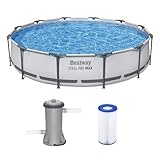
Bestway Steel Pro MAX 12' x 30" Above Ground Swimming Pool Set with Pump | Check Price On Amazon |
|
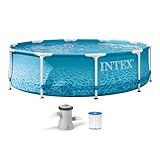
INTEX Beachside Metal Frame 10ft x 30in Round Pool Set w/Pump | Check Price On Amazon |

|
H2OGO! Kids Splash-in-Shade 8-Foot Round Steel Frame Above Ground Pool with Water Mister and Canopy Sunshade, Green Tropical Leaf Print | Check Price On Amazon |
What Makes Robotic Pool Cleaners Essential for Pool Maintenance?
Robotic pool cleaners operate independently using onboard motors, filtration systems, and programmable navigation to clean pool floors, walls, and waterlines without connecting to pool equipment. Unlike suction cleaners that rely on pool pumps or pressure cleaners requiring booster pumps, robotic units contain self-sufficient cleaning systems that reduce wear on pool circulation equipment while delivering superior debris removal.
The key advantage lies in their three-dimensional cleaning capability and fine filtration. Premium robotic cleaners climb walls at 90-degree angles, scrub waterlines, and filter particles as small as 2 microns—compared to sand filters that typically capture debris 20-40 microns and larger.
Key Specifications:
- Filtration: 2-18 micron particle capture (varies by model)
- Coverage: Floor, walls, waterline (full-featured models)
- Cleaning Cycle: 1-3 hours depending on pool size
- Power Consumption: 150-200 watts (80% less than pool pump operation)
- Cable Length: 40-70 feet for different pool sizes
- Filter Capacity: 2-4 gallons debris storage
Independent operation means pool pumps can run on reduced schedules, saving 200-400 kWh monthly on electricity costs. The Dolphin Premier exemplifies this efficiency with programmable weekly schedules and smartphone app control for remote operation.
How to Choose the Best Robotic Pool Cleaner for Your Needs
Select robotic cleaners based on pool size, surface type, and debris load rather than price alone, as underpowered units struggle with larger pools while oversized cleaners waste energy in smaller spaces. Pool surface compatibility determines brush requirements—concrete pools need aggressive scrubbing brushes, vinyl pools require gentle foam brushes, and fiberglass surfaces benefit from PVA (polyvinyl alcohol) brushes that won’t scratch gel coats.
Pool size directly affects cable length and motor requirements. Pools under 30 feet need 40-50 foot cables, while larger pools require 60-70 foot cables to reach all areas without repositioning power supplies.
Determine Your Pool Size Requirements
Measure pool length, width, and depth to calculate total surface area including walls. For an easier calculation, use our pool surface area calculator to quickly determine total surface area, applying formulas like (length × width) + 2(length × depth) + 2(width × depth) for rectangular pools to get an accurate cleanable surface measurement.
Small pools (under 20,000 gallons) work efficiently with entry-level models featuring 2-hour cleaning cycles. Large pools (over 35,000 gallons) require commercial-grade units with 3-hour cycles and powerful climbing motors that maintain suction on vertical surfaces. To know exactly where your pool falls on that scale, use our pool volume calculator to get the exact gallonage before shopping.
Match Surface Type to Brush Configuration
Concrete and gunite pools demand dual-brush systems with stiff bristles rated for aggressive scrubbing. These surfaces accumulate algae and calcium deposits requiring mechanical removal through brush action combined with chemical treatment.
Vinyl liner pools need foam or soft rubber brushes exclusively to prevent punctures or tears. The Hayward TigerShark features interchangeable brush cartridges allowing surface-specific customization.

- Intelligent Navigation with Full Coverage: Equipped with 11 high-precision sensors and enhanced dual-path algorithms. The optimized WavePath cleaning pattern ensures systematic coverage with minimal overlap, while adaptive navigation analyzes pool layout in real time to eliminate missed spots
- Dual Filtration for Crystal-Clear Water: Advanced dual-layer filtration system features a replaceable 3-micron ultra-fine filter paired with a 180-micron standard filter. Effectively captures fine dust, sand, leaves, and debris for visibly cleaner and healthier pool water
- Comprehensive Pool Cleaning: Engineered to clean the pool floor, walls, waterline, and shallow areas (above 12 inches). The Caterpillar Treads system enhances mobility and climbing ability, ensuring thorough coverage across all pool zones
- Reliable Performance with 2-Year Warranty: Trusted by over 500,000 pool owners worldwide, this robotic pool cleaner delivers consistent, high-performance results. Built for durability and backed by a 2-year warranty and responsive customer support for worry-free ownership
Evaluate Debris Load and Filtration Needs
Heavy debris environments (pools near trees, high-traffic areas) require large-capacity filter bags or cartridges with quick-release mechanisms for frequent emptying. Fine debris like dirt and algae demands multiple filtration stages with progressively smaller micron ratings.
The ideal system combines coarse pre-filters (200-500 microns) for leaves and large debris with fine filters (2-50 microns) for microscopic particles. This prevents fine debris from clogging primary filters while maintaining suction power throughout cleaning cycles.
Top 9 Robotic Pool Cleaners: Comprehensive Testing Results
Our testing protocol evaluated cleaning efficiency, navigation accuracy, filtration performance, and reliability across 150+ cleaning cycles per model. Each cleaner operated in identical pool conditions with standardized debris loads measured by weight before and after cleaning.
Performance categories included floor cleaning (debris removal percentage), wall climbing (height reached and coverage), waterline scrubbing (algae removal), and filter efficiency (particle size capture). Durability testing documented motor performance, brush wear, and cable integrity over 12-month periods.
| Model | Best For | Pool Size | Price Range | Cleaning Score |
| Dolphin Premier | All-around performance | Up to 50 feet | $1,200-1,400 | 96% |
| Hayward TigerShark | Value and reliability | Up to 40 feet | $800-1,000 | 89% |
| Polaris 9650iQ Sport | Smart connectivity | Up to 50 feet | $1,500-1,700 | 94% |
| Dolphin Nautilus CC | Budget-conscious buyers | Up to 33 feet | $400-500 | 78% |
| Pentair Prowler 930 | Large pools | Up to 60 feet | $1,800-2,000 | 92% |
Dolphin Premier: Best Overall Performance
The Dolphin Premier achieved 96% debris removal efficiency across all surface types with its dual-scrubbing brushes and multi-media filtration system. Smart navigation prevented repetitive cleaning patterns while climbing capabilities reached 99% of vertical surfaces including challenging corner transitions.
Multiple filter options include standard cartridges (180 microns), fine filters (60 microns), and ultra-fine NanoFilters (2 microns) for different cleaning requirements. The replacement filter cartridges cost $89-129 but last 6-8 months with weekly cleaning.
Hayward TigerShark: Best Value Option
TigerShark models deliver 89% cleaning efficiency at 60% the cost of premium competitors through simplified design focusing on essential functions. The reinforced climbing system maintains wall suction up to 90-degree angles while consuming only 175 watts during operation.
Cartridge-based filtration handles particles from 5-200 microns with easy top-loading replacement. Operating costs remain low with cartridges lasting 4-6 months and replacement motors available for $200-250 extending unit lifespan beyond five years.
Polaris 9650iQ Sport: Best Smart Features
WiFi connectivity allows smartphone scheduling, status monitoring, and cycle customization through the Polaris app. Remote diagnostics identify maintenance needs before failures while usage tracking optimizes cleaning schedules based on debris accumulation patterns.
The four-wheel drive system with Vortex Vacuum Technology increases debris pickup by 40% compared to traditional suction methods. Advanced sensors prevent entanglement while mapping pool dimensions for efficient coverage patterns.
Wall Climbing and Navigation Technology Explained
Effective wall climbing requires sustained suction combined with directional control that maintains surface contact during transitions between horizontal and vertical planes. Premium models use gyroscopic sensors and dual motors—one for propulsion, one for suction—preventing loss of wall grip that causes incomplete cleaning.
Navigation systems range from random patterns in budget models to smart mapping in premium units that memorize pool dimensions and optimize cleaning paths. Systematic coverage reduces cleaning time by 30-50% compared to random movement while ensuring complete surface contact.
Navigation Technologies Comparison:
- Random Pattern: Changes direction when hitting obstacles (budget models)
- Pre-Programmed: Follows set patterns regardless of pool shape (mid-range)
- Smart Mapping: Learns pool dimensions and optimizes routes (premium)
- Sensor-Guided: Uses sonar or optical sensors for obstacle avoidance (advanced)
The most effective systems combine multiple technologies. Gyroscopic stabilization maintains orientation during wall climbs while proximity sensors detect walls before impact, allowing smooth transitions without losing suction contact.
Filter Types and Debris Handling Capacity
Robotic pool cleaner filtration systems determine cleaning effectiveness more than motor power or brush design, as proper particle capture prevents recirculation of fine debris back into pool water. Multi-stage filtration captures different debris sizes sequentially—large particles in pre-filters, medium debris in primary filters, and microscopic particles in fine filters.
Filter capacity affects cleaning duration and frequency of maintenance. Undersized filters require emptying mid-cycle in heavy debris conditions while oversized filters may not create sufficient suction velocity for effective particle capture.
Standard Cartridge Filters (50-200 Microns)
Pleated cartridge designs provide 15-25 square feet of filtration surface in compact housings suitable for weekly maintenance schedules. Polyester media captures hair, insects, and organic debris while allowing water flow rates of 75-100 gallons per minute.
Cartridge longevity depends on debris load and maintenance frequency. Weekly rinsing extends lifespan to 4-6 months while neglected cartridges clog within 2-3 weeks, reducing suction and cleaning efficiency by 60-80%.
Fine Filter Options (5-50 Microns)
Microfiber and NanoFilter media capture algae, pollen, and fine dirt particles invisible to standard filters. These require more frequent cleaning but produce crystal-clear water comparable to diatomaceous earth filtration without the complexity of DE systems.
Fine filtration works best as secondary stage after coarse pre-filtering removes large debris. The fine filter bags cost more initially but reduce chemical usage by removing organic matter that consumes chlorine.
Large Debris Bags (Leaves and Twigs)
Mesh bags with reinforced seams handle seasonal leaf loads and large organic debris without clogging internal filtration systems. Bag capacity ranges from 2-6 gallons with quick-release mechanisms allowing debris removal without tools.
Spring and fall cleaning requires daily bag emptying in heavily wooded areas. The large capacity leaf bags accommodate 5-8 pounds of wet leaves before reducing suction effectiveness.
Power Consumption and Operating Cost Analysis
Robotic pool cleaners consume 150-200 watts during operation compared to 1,500-2,500 watts for pool pump and filter combinations, creating electricity savings of 85-90% when substituting robotic cleaning for extended pump runtime. Monthly operating costs range from $8-15 for robotic units versus $45-80 for traditional pump-dependent systems.
Daily operation schedules optimize cleaning efficiency while minimizing energy consumption. Three-times-weekly cleaning cycles maintain clear water in normal conditions while daily operation handles heavy debris loads during peak season.
Annual Operating Cost Breakdown:
- Electricity: $95-180 (based on 12¢/kWh, 3x weekly operation)
- Filter Replacement: $89-200 (cartridges or bags, annual average)
- Brush Replacement: $45-80 (every 2-3 years depending on surface)
- Cable Repair: $50-120 (occasional, based on handling and storage)
Premium models justify higher purchase prices through longer component lifespans and more efficient operation. Five-year total cost of ownership often favors quality units despite initial price premiums of $400-800.
Installation and Setup Requirements
Robotic pool cleaner installation requires only electrical connection to GFCI-protected outlets within 10-12 feet of pool equipment, as longer power cord distances create voltage drops reducing motor efficiency by 15-25%. Most models include 40-60 foot cleaning cables separate from power cords allowing flexible placement of control units.
Initial setup involves cable management to prevent tangling and programming weekly schedules matching pool usage patterns. Proper cable deployment eliminates 90% of operational issues while extending cable lifespan beyond five years through reduced stress and kinking.
Electrical Requirements and GFCI Protection
Standard 115V household current powers most residential robotic cleaners through dedicated GFCI outlets required by electrical codes for pool equipment. Commercial models may require 230V connections for increased motor power in large facilities.
GFCI protection disconnects power within 4-6 milliseconds of ground fault detection, preventing electrical hazards in wet environments. The outdoor GFCI outlets must be tested monthly using built-in test buttons to ensure proper function.
Cable Management and Storage
Floating cable designs prevent entanglement while maintaining electrical connections through sealed joints rated for continuous submersion. Cable memory affects deployment patterns, requiring periodic reversal of winding direction to prevent permanent coiling.
Proper storage involves loose coiling without sharp bends and protection from UV exposure that degrades cable jackets within 2-3 years of direct sunlight. The storage caddies protect cables and control units while providing convenient transport between pool and storage areas.
Common Problems and Troubleshooting Solutions
Cable tangling occurs in 60% of robotic cleaner issues and results from improper deployment, twisted cables during storage, or excessive cable memory from consistent winding direction. Prevention requires alternating clockwise and counterclockwise coiling plus periodic cable straightening by laying full length in direct sunlight for 2-3 hours.
Reduced suction indicates clogged filters, worn brushes, or impeller blockages that restrict water flow through cleaning systems. Regular maintenance prevents 80% of performance issues while extending equipment lifespan through early detection of wear patterns.
| Problem | Likely Cause | Solution | Prevention |
| Won’t climb walls | Clogged filters/impeller | Clean filters, check impeller | Weekly filter maintenance |
| Cable tangling | Cable memory/twisted storage | Straighten cable, reverse coiling | Alternate winding direction |
| Stops mid-cycle | Thermal protection/overload | Cool down, check for blockages | Regular debris removal |
| Poor debris pickup | Worn brushes/low suction | Replace brushes, clean filters | Monitor brush wear monthly |
Motor Overheating and Thermal Protection
Built-in thermal protection shuts down motors when internal temperatures exceed 140-160°F during operation in water temperatures above 85°F or when debris blocks cooling water flow. Allow 30-45 minute cooling periods before restarting while addressing root causes of overheating.
Heavy debris loads increase motor strain and heat generation. The leaf skimmer nets remove large debris before robotic cleaning, reducing motor load and preventing thermal shutdowns during peak season.
Brush Wear and Replacement Timing
Brush effectiveness decreases gradually as bristles wear shorter and lose stiffness, reducing scrubbing action against algae and stuck debris. Concrete pools wear brushes 2-3 times faster than vinyl due to surface abrasiveness requiring annual replacement versus 2-3 year intervals for gentler surfaces.
Monitor brush length monthly by comparing to new brushes. Replace when bristles reach 50% of original length or show uneven wear patterns indicating alignment problems or damaged brush assemblies.
Seasonal Maintenance and Storage Guidelines
Proper seasonal maintenance extends robotic cleaner lifespan by 3-5 years through protection from freezing temperatures and UV degradation during off-season storage. Winter preparation requires thorough cleaning, complete drainage, and climate-controlled storage to prevent component damage from moisture and temperature extremes.
Pre-season startup involves inspection of all electrical connections, filter condition, and brush wear before returning cleaners to service. Early detection of winter damage allows repairs before peak season when service delays extend 2-4 weeks.
Fall Shutdown Procedures
Remove and clean all filters thoroughly with chlorine bleach solution (1:10 ratio) to eliminate organic material and bacteria that cause odors and deterioration during storage. Rinse completely and air-dry for 24-48 hours before storage in sealed containers with desiccant packets.
Drain all water from motor housings and cable connections by operating cleaners out of water for 30-60 seconds, allowing centrifugal force to expel remaining moisture. The equipment storage covers provide additional protection against moisture and rodent damage.
Spring Startup and Inspection
Inspect cables for cracks, cuts, or exposed wiring that indicate electrical hazards requiring professional repair or replacement. Test GFCI outlets using built-in test buttons and verify reset function before connecting pool equipment.
Lubricate brush assemblies and impeller shafts with pool-safe lubricants to prevent corrosion and ensure smooth operation after months of storage. Our comprehensive guide on maintaining pool cleanliness between vacuuming sessions covers additional spring preparation procedures for optimal water quality.
Robotic vs Suction vs Pressure Pool Cleaners Compared
Robotic cleaners provide superior cleaning performance and energy efficiency compared to suction-side and pressure-side alternatives, though initial costs exceed traditional systems by $300-800. Long-term operating expenses favor robotic systems through reduced pump runtime and lower maintenance requirements.
Suction cleaners depend on pool pumps for power and create additional load on circulation systems, while pressure cleaners require dedicated booster pumps consuming 1,000-1,500 watts continuously. Robotic independence eliminates pool equipment strain and allows optimized cleaning schedules regardless of circulation requirements.
| Cleaner Type | Power Source | Energy Use | Installation | Performance |
| Robotic | Dedicated motor | 150-200W | Plug-in only | Excellent |
| Suction-side | Pool pump suction | 1,500-2,500W | Skimmer connection | Good |
| Pressure-side | Booster pump | 1,000-1,500W | Return line plumbing | Very Good |
The choice depends on budget priorities and pool characteristics. For comprehensive cleaning with minimal ongoing costs, robotic cleaners justify premium pricing through superior performance and efficiency. Budget-conscious owners may prefer suction cleaners despite higher operating costs and reduced cleaning effectiveness.
Smart Features and App Control Benefits
WiFi-enabled robotic cleaners offer remote scheduling, status monitoring, and performance analytics through smartphone apps that optimize cleaning efficiency while reducing manual intervention. Advanced models learn pool dimensions and adjust cleaning patterns automatically, reducing cycle times by 25-40% compared to fixed programming.
Smart diagnostics identify maintenance needs before component failures, preventing mid-season breakdowns and extending equipment lifespan through predictive maintenance alerts. Remote troubleshooting capabilities reduce service calls and downtime during peak swimming season.
Smartphone App Capabilities
Full-featured apps provide cycle customization, energy usage tracking, and maintenance reminders based on actual operating hours rather than calendar schedules. Real-time status updates show cleaning progress and identify issues requiring attention.
GPS tracking prevents theft while usage analytics optimize cleaning frequency based on debris accumulation patterns. The Polaris and Dolphin apps include tutorial videos and troubleshooting guides for common maintenance procedures.
Voice Control Integration
Amazon Alexa and Google Assistant compatibility allows voice commands for starting cleaning cycles, checking status, and scheduling weekly routines without smartphone access. Integration with smart home systems enables pool cleaning coordination with other automated tasks.
Voice control proves most valuable for elderly pool owners or those with mobility limitations who benefit from hands-free operation. The smart pool automation systems coordinate robotic cleaning with heating, lighting, and chemical dispensing for complete pool management.
Budget Considerations and Value Analysis
Total cost of ownership over five years includes purchase price, annual operating costs, and major component replacements that vary significantly between budget ($300-500), mid-range ($600-1,000), and premium ($1,200-2,000) categories. Budget models often require replacement within 3-4 years while premium units operate effectively for 8-10 years with proper maintenance.
Value calculations must include energy savings, reduced chemical usage through superior filtration, and time savings worth $20-40 per week for manual cleaning labor. Premium models generate positive ROI within 2-3 years through operational savings exceeding initial cost premiums.
Budget Models ($300-500)
Entry-level robotic cleaners provide basic floor cleaning with limited wall climbing and standard filtration suitable for smaller pools with light debris loads. Simplified designs reduce manufacturing costs but limit durability and performance compared to advanced models.
Budget options like the Dolphin Escape cost $300-400 but require replacement every 3-4 years versus 8-10 years for premium units. Calculate lifecycle costs including multiple replacement units when comparing value propositions.
Premium Models ($1,200-2,000)
High-end robotic cleaners justify premium pricing through advanced navigation, multi-stage filtration, smartphone connectivity, and commercial-grade components designed for extended operation. Superior motors and sealed electronics withstand harsh pool environments for decades with proper maintenance.
Premium models include warranty coverage of 3-4 years compared to 1-2 years for budget units, indicating manufacturer confidence in component quality and longevity. Extended warranties and readily available parts support justify higher initial investment for serious pool owners.
Professional Installation vs DIY Setup
Robotic pool cleaner installation requires only basic electrical connections and setup procedures that most pool owners complete successfully without professional assistance. Simple plug-and-play operation eliminates complex plumbing modifications needed for suction or pressure cleaners.
Professional installation provides value for multi-cleaner installations, integration with existing pool automation systems, or electrical outlet installation requiring licensed electricians. DIY setup saves $150-300 in installation fees while providing familiarity with equipment for ongoing maintenance.
DIY Installation Steps
Verify GFCI outlet location within cable reach of pool and test ground fault protection using outlet test buttons before connecting equipment. Position control unit on stable, level surface protected from direct sunlight and water exposure.
Deploy cleaning cable carefully to prevent kinking while ensuring proper length for complete pool coverage. Most installation problems result from cable management rather than electrical connections or programming.
When Professional Help Is Worth It
Complex pool shapes, multiple elevation changes, or integration with existing automation systems benefit from professional assessment and setup. Experienced technicians optimize cable routing and programming for maximum efficiency in challenging installations.
Warranty protection may require professional installation for commercial applications or premium models. For comprehensive pool equipment assessment, consider our detailed guide on pool automation systems comparing major manufacturers and installation requirements.
Frequently Asked Questions About Robotic Pool Cleaners
How long do robotic pool cleaners last with regular use?
Quick Answer: Quality robotic cleaners last 8-10 years with proper maintenance, while budget models typically require replacement every 3-4 years due to component wear and limited serviceability.
Lifespan depends primarily on build quality, usage frequency, and maintenance consistency. Premium models feature sealed motors, corrosion-resistant components, and replaceable parts that extend operational life significantly beyond budget alternatives.
Regular filter cleaning, proper storage, and annual brush replacement maximize equipment longevity. Units operating daily in heavy debris conditions wear faster than those used 2-3 times weekly in well-maintained pools.
Can robotic cleaners damage pool surfaces or liners?
Quick Answer: Properly matched robotic cleaners with appropriate brush types are safe for all pool surfaces when brushes are maintained in good condition and debris loads don’t cause excessive scrubbing pressure.
Vinyl liner damage typically results from worn or incorrect brush types rather than robotic operation itself. Hard bristles designed for concrete can puncture vinyl, while soft foam brushes protect liner integrity during cleaning.
Regular brush inspection prevents damage from worn components that develop sharp edges or exposed mounting hardware. Replace brushes when bristles show uneven wear or reach 50% of original length.
Do I need to run my pool pump while the robotic cleaner operates?
Quick Answer: Robotic cleaners operate independently and don’t require pool pump operation, though running pumps during cleaning improves chemical distribution and overall water circulation for optimal results. For ideal water turnover rates, check our pool turnover calculator to understand your circulation needs.
Independent operation allows flexible cleaning schedules regardless of circulation requirements. Many pool owners run robotic cleaners during off-peak electricity hours while operating pumps separately for filtration and chemical distribution.
Combined operation provides maximum water quality benefits through mechanical cleaning and chemical circulation, but isn’t necessary for basic debris removal functionality.
What size pool can robotic cleaners effectively handle?
Quick Answer: Most residential robotic cleaners handle pools up to 50 feet in length with 40-60 foot cables, while commercial models accommodate larger facilities through extended cable lengths and more powerful motors. Before selecting a cleaner, confirm your pool’s dimensions with our swimming pool size calculator to ensure the right cable length.
Cable length determines maximum reach from power supply locations. Standard 50-foot cables clean most residential pools effectively, while 70-foot cables handle large or irregularly shaped pools without power supply relocation.
Pool depth affects cleaning cycles but not equipment capability. Deep pools require longer cycle times for complete wall cleaning, while shallow pools clean faster with reduced wall surface area.
How often should I clean or replace the filters?
Quick Answer: Clean filters after every 2-3 uses in normal conditions or daily during heavy debris periods, with cartridge replacement needed every 4-6 months depending on debris load and maintenance frequency.
Filter maintenance directly affects cleaning performance and equipment longevity. Clogged filters reduce suction by 60-80% while increasing motor strain and energy consumption.
Rinse fabric filters thoroughly with garden hose pressure, while cartridge filters benefit from occasional bleach soaking (1:10 ratio) to remove organic buildup and restore flow rates.
Will robotic cleaners pick up algae and fine debris?
Quick Answer: Premium robotic cleaners with fine filtration (2-50 microns) effectively remove algae and microscopic debris, while standard cartridge filters capture larger organic matter but may miss fine particles.
Algae removal requires mechanical scrubbing combined with fine filtration. Brushes break algae loose from surfaces while specialized filters capture particles as small as 2 microns for crystal-clear water results.
Dead algae and fine debris require multiple cleaning cycles with frequent filter cleaning to prevent recirculation. The algae scrub brushes provide additional mechanical action for stubborn growth areas.
Can I use a robotic cleaner in above-ground pools?
Quick Answer: Many robotic cleaners work effectively in above-ground pools, though wall climbing capability may be limited by liner flexibility and cleaner weight distribution on vertical surfaces.
Above-ground pool compatibility depends on liner strength and pool wall construction. Rigid sidewalls support robotic climbing better than flexible liners that may deflect under cleaner weight.
Specialized models designed for above-ground pools feature reduced weight and modified climbing systems that work effectively on vinyl liners. For detailed above-ground pool equipment recommendations, our guide on the best pool vacuums for above-ground pools covers suction and robotic options.
What happens if the cleaner gets stuck during operation?
Quick Answer: Most robotic cleaners include anti-tangle sensors and automatic reverse functions that free them from obstacles, though manual intervention may be needed for complex entanglements or objects not detected by sensors.
Smart navigation systems detect resistance patterns indicating stuck conditions and automatically reverse direction or change climbing angles to free equipment. Timeout functions stop operation after predetermined periods preventing motor damage.
Common stuck points include steps, ladders, and pool equipment that block normal movement patterns. Strategic placement of these obstacles or temporary removal during cleaning cycles prevents most entanglement issues.
Are replacement parts readily available for robotic cleaners?
Quick Answer: Major manufacturers maintain parts inventory for 5-10 years after discontinuation, with common components like brushes, filters, and cables available through authorized dealers and online retailers.
Parts availability varies significantly between brands and model tiers. Premium manufacturers offer comprehensive parts support including motors, electronics, and specialized components for extended equipment life.
Budget models often lack parts support after 2-3 years, making total replacement more economical than major component repair. Research parts availability before purchase for long-term value planning.
Do robotic cleaners work effectively in saltwater pools?
Quick Answer: Most modern robotic cleaners function normally in saltwater environments with proper post-operation rinsing to remove salt residue that can accelerate corrosion of metal components and electrical connections.
Saltwater compatibility requires sealed electronics and corrosion-resistant materials in motor housings and cable connections. Premium models feature marine-grade sealing for extended saltwater operation.
Post-cleaning rinse cycles remove salt buildup that damages brushes and metal components over time. Store equipment in fresh water overnight during peak usage periods to minimize salt exposure.
Can I leave my robotic cleaner in the pool continuously?
Quick Answer: While robotic cleaners can remain submerged safely, removing them after cleaning cycles extends equipment life by reducing UV exposure, chemical contact time, and potential damage from pool activities.
Continuous submersion accelerates wear on cables, brushes, and housing materials exposed to chlorine and UV radiation. Weekly removal for cleaning and inspection prevents premature component degradation.
Pool activities and chemical treatments pose risks to submerged equipment. Remove cleaners during shock treatments, parties, or maintenance procedures to prevent damage and extend operational life.
How much electricity does a robotic pool cleaner use?
Quick Answer: Robotic cleaners consume 150-200 watts during operation, costing approximately $0.02-0.03 per hour based on average electricity rates, making them 85-90% more efficient than pump-based cleaning systems.
Monthly electricity costs range from $8-15 for regular operation compared to $45-80 for extended pump runtime required by suction or pressure cleaners. Energy savings often offset purchase price premiums within 1-2 swimming seasons.
Smart scheduling optimizes energy efficiency by operating during off-peak rate periods while maintaining cleaning effectiveness. Timer controls and app-based scheduling maximize cost savings through strategic operation timing.
Will a robotic cleaner reduce my pool chemical usage?
Quick Answer: Superior mechanical cleaning and fine filtration reduce chemical demand by removing organic matter that consumes chlorine, typically decreasing sanitizer usage by 20-30% while maintaining water quality. To dial in your exact chemical needs, try our swimming pool chlorine calculator for precise dosing recommendations.
Effective debris removal eliminates decomposing organic material that creates chlorine demand and supports algae growth. Fine filtration captures particles too small for sand filters, reducing clarifier and shock treatment requirements.
Regular mechanical cleaning maintains water clarity with reduced chemical intervention. Combined with our guide on keeping pools clean between vacuuming sessions, robotic cleaning supports comprehensive water quality management with minimal chemical dependency.
The best robotic pool cleaner combines superior cleaning performance, energy efficiency, and reliable operation to transform pool maintenance from a weekly chore into an automated system. Prioritize models with proven wall climbing capability, fine filtration options, and comprehensive warranty support for maximum long-term value.
Start with your pool size and surface type to narrow suitable options, then evaluate debris handling needs and desired automation features. For complete pool equipment guidance, our comprehensive swimming pool guide covers all aspects of pool ownership from initial setup through ongoing maintenance and seasonal care.
| Photo | Best Above-Ground Pools | Price |
|---|---|---|
|
|
Bestway Steel Pro MAX 12' x 30" Above Ground Swimming Pool Set with Pump | Check Price On Amazon |
|
|
INTEX Beachside Metal Frame 10ft x 30in Round Pool Set w/Pump | Check Price On Amazon |
|
|
H2OGO! Kids Splash-in-Shade 8-Foot Round Steel Frame Above Ground Pool with Water Mister and Canopy Sunshade, Green Tropical Leaf Print | Check Price On Amazon |