Choosing the wrong pool sanitization method costs more than money. It costs you water quality, swimmer comfort, and hours of troubleshooting problems that a better system would have prevented. Free chlorine levels that drop below 1 ppm allow pathogens like Cryptosporidium and Pseudomonas aeruginosa to survive, according to CDC Healthy Swimming guidelines. The four main sanitization methods, chlorine, saltwater chlorination, UV (ultraviolet) disinfection, and ozone generation, each approach that core problem differently.
This guide breaks down exactly how each system works, what it costs to install and run, and which pool type each one actually suits. The answer is not the same for every pool owner.
| Photo | Best Above-Ground Pools | Price |
|---|---|---|
|
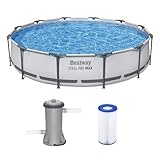
Bestway Steel Pro MAX 12' x 30" Above Ground Swimming Pool Set with Pump | Check Price On Amazon |
|
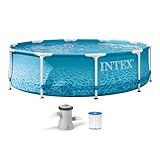
INTEX Beachside Metal Frame 10ft x 30in Round Pool Set w/Pump | Check Price On Amazon |

|
H2OGO! Kids Splash-in-Shade 8-Foot Round Steel Frame Above Ground Pool with Water Mister and Canopy Sunshade, Green Tropical Leaf Print | Check Price On Amazon |
By the Numbers
Pool Sanitization Methods – What the Research Shows
Sources: CDC Healthy Swimming Program, Water Research Foundation, PHTA Industry Reports, NSF/ANSI 50
How Does Each Pool Sanitization Method Actually Work?
Pool sanitization (the process of destroying or inactivating pathogens, algae, and organic contaminants in pool water) works through four distinct mechanisms depending on which system you use. Understanding the mechanism matters because it determines what residual protection the water retains, what chemical byproducts form, and what maintenance the system demands.
Each method has a different primary action: chemical oxidation, electrolytic chlorine generation, photochemical disinfection, or oxidative gas injection. None of them are interchangeable in practice.

- Intelligent Navigation with Full Coverage: Equipped with 11 high-precision sensors and enhanced dual-path algorithms. The optimized WavePath cleaning pattern ensures systematic coverage with minimal overlap, while adaptive navigation analyzes pool layout in real time to eliminate missed spots
- Dual Filtration for Crystal-Clear Water: Advanced dual-layer filtration system features a replaceable 3-micron ultra-fine filter paired with a 180-micron standard filter. Effectively captures fine dust, sand, leaves, and debris for visibly cleaner and healthier pool water
- Comprehensive Pool Cleaning: Engineered to clean the pool floor, walls, waterline, and shallow areas (above 12 inches). The Caterpillar Treads system enhances mobility and climbing ability, ensuring thorough coverage across all pool zones
- Reliable Performance with 2-Year Warranty: Trusted by over 500,000 pool owners worldwide, this robotic pool cleaner delivers consistent, high-performance results. Built for durability and backed by a 2-year warranty and responsive customer support for worry-free ownership
Chlorine Sanitization: Chemical Oxidation and Residual Protection
Traditional chlorine sanitization uses hypochlorous acid (HOCl), the active disinfecting form of chlorine, to oxidize the cell walls and enzyme systems of pathogens. HOCl forms when any chlorine compound, whether trichlor tablets (trichloroisocyanuric acid), dichlor granules, or calcium hypochlorite, dissolves in water.
Free chlorine, the measurement of available HOCl and its conjugate base hypochlorite (OCl-), must be maintained between 1 and 4 ppm for residential pools according to CDC guidelines. The ratio of HOCl to OCl- shifts with pH: at pH 7.2, approximately 66% of free chlorine is the more effective HOCl form, while at pH 7.8 that drops to roughly 33%.
Cyanuric acid (CYA), also called stabilizer or conditioner, binds to a portion of free chlorine to protect it from UV degradation. Without CYA, sunlight destroys 90% of free chlorine within two hours. With CYA at 30-50 ppm, that loss slows significantly. However, CYA above 80 ppm reduces HOCl effectiveness, a phenomenon described as “chlorine lock” in water chemistry literature.
Saltwater Chlorination: Electrolytic Generation from Pool Salt
A saltwater chlorine generator (SWCG) is not a “salt pool” in the sense of being salt water like the ocean. It is a system that electrolyzes dissolved sodium chloride (pool salt) to produce chlorine continuously inside the pool plumbing. Salt concentration must be maintained at 2,700-3,400 ppm (specific targets vary by manufacturer, with Pentair IntelliChlor, Hayward AquaRite, and Jandy AquaPure all specifying ranges in their technical documentation).
The salt cell, a titanium electrode coated with ruthenium oxide, passes electrical current through the salt solution to produce hypochlorous acid and sodium hypochlorite directly in the return line. The chlorine produced is chemically identical to the chlorine added manually. After sanitizing, the chlorine reverts to sodium chloride, and the cycle repeats.
Because SWCGs generate chlorine continuously at low levels rather than in large doses, free chlorine levels tend to be more stable. The salt itself also elevates the total dissolved solids (TDS) level of the water, which many swimmers perceive as a softer feel. The water at 3,200 ppm salt is far below ocean salinity (approximately 35,000 ppm) and is barely detectable by taste.
UV Pool Sanitization: Photochemical Disinfection Without Residual
UV sanitizers (ultraviolet disinfection systems) expose pool water to germicidal UV-C light at wavelengths between 200-280 nanometers as water flows through the UV chamber in the return line. At a UV dose of 40 millijoules per square centimeter (mJ/cm2), UV-C light disrupts the DNA of pathogens, including chlorine-resistant Cryptosporidium parvum, preventing reproduction. This makes UV particularly effective against organisms that chlorine alone struggles to inactivate.
The critical limitation: UV provides zero residual disinfection. Once water passes through the UV chamber and enters the pool, it has no ongoing protection against new contaminants introduced by swimmers. This means UV systems must always operate alongside a chemical residual (chlorine or bromine), functioning as a supplemental sanitizer that dramatically reduces the chemical load rather than replacing it entirely.
Medium-pressure UV lamps handle the full germicidal spectrum and are used in commercial applications. Low-pressure UV lamps operate at a single wavelength (253.7 nm) and are standard in residential pool UV systems. Lamp replacement intervals typically run 12-24 months depending on output degradation, and most systems include a UV intensity sensor to alert when replacement is needed.
Ozone Pool Sanitization: Oxidative Destruction of Contaminants
Ozone (O3) is a highly reactive oxidizing gas generated on-site by either a corona discharge (CD) ozone generator or an ultraviolet ozone generator. When injected into pool water through a venture injector or contact tank, ozone destroys organic compounds, chloramines (combined chlorine), bacteria, and viruses through oxidation. Ozone’s oxidation potential is approximately 1.5 times greater than chlorine’s.
Like UV, ozone provides no sustained residual protection in the pool itself because it degrades rapidly (half-life in pool water of only minutes). A contact tank or degassing chamber is required to allow ozone to fully react before treated water re-enters the pool, preventing swimmers from inhaling off-gassing ozone above safe levels. The Occupational Safety and Health Administration (OSHA) sets the permissible exposure limit for ozone at 0.1 ppm in air.
Corona discharge ozone generators produce higher ozone concentrations (typically 3-6 grams of ozone per hour for residential systems) and are more efficient than UV-type ozone generators. Commercial aquatics facilities that use ozone often combine it with UV in what is called a UV-ozone hybrid or AOP (advanced oxidation process) system, which generates hydroxyl radicals with even greater disinfection power than either method alone.
Chlorine vs Salt vs UV vs Ozone: Side-by-Side Comparison
Comparing pool sanitization methods across consistent dimensions reveals trade-offs that no single summary captures. The table below uses the criteria that actually determine suitability for residential pools: disinfection mechanism, residual protection, upfront cost, annual operating cost, and the most relevant limitation for each system.
Product Comparison
Chlorine vs Salt vs UV vs Ozone – Full Comparison
Residential pool comparison across the dimensions that affect real buying decisions
| Factor | Chlorine | Salt (SWCG) | UV | Ozone |
|---|---|---|---|---|
| Disinfection mechanism | Chemical oxidation via HOCl | Electrolytic HOCl generation | DNA disruption via UV-C | Oxidative gas destruction |
| Provides residual protection? | Yes (1-4 ppm free chlorine) | Yes (1-4 ppm free chlorine) | No (supplemental only) | No (supplemental only) |
| Upfront cost (installed) | $0-$150 | $800-$2,000 | $800-$1,800 | $1,200-$2,500 |
| Annual operating cost | $300-$800 | $150-$400 + cell replacement | $50-$150 + lamp replacement | $100-$200 + maintenance |
| Chloramine reduction | Requires shocking | Requires shocking | Destroys chloramines in chamber | Excellent – oxidizes chloramines |
| Cryptosporidium effective? | Requires hyper-chlorination | Requires hyper-chlorination | Yes (at 40 mJ/cm2) | Yes (at sufficient dose) |
| Key limitation | Chemical handling, chloramine formation | Salt cell lifespan, corrosion risk | No residual, lamp replacement | No residual, off-gassing risk |
The most important column in that table is “provides residual protection,” because it immediately divides these four systems into two fundamentally different categories. Chlorine and saltwater systems can stand alone. UV and ozone systems cannot.
What Does Chlorine Pool Sanitization Actually Cost?
Traditional chlorine sanitization has the lowest upfront cost of any method, starting at zero if you already have a standard pool setup, but it carries the highest ongoing chemical expense when managed manually. Annual chemical costs for a 20,000-gallon residential pool running on chlorine tablets and periodic shocking typically run $300-$800 depending on bather load, sunlight exposure, and whether cyanuric acid is used for UV protection.
The three main chlorine forms differ meaningfully in cost per pound of available chlorine and in what they add to or remove from water chemistry. Here is a direct comparison:
- Trichlor tablets (3-inch stabilized chlorine tablets): approximately 90% available chlorine, pH around 2.8, contain cyanuric acid (CYA). Each tablet slowly raises CYA, which can accumulate above 80 ppm and require partial drain-and-refill. Cost: roughly $1.50-$2.50 per pound. Bulk trichlor tablets lower the per-pound cost significantly.
- Calcium hypochlorite (cal-hypo) granular shock: 65-78% available chlorine, pH around 11.5, raises calcium hardness with each use. Cost: roughly $1.00-$1.80 per pound. Does not contain CYA, making it suitable for pools where CYA is already elevated.
- Dichlor granules (dichloroisocyanuric acid): approximately 56-62% available chlorine, pH around 6.7, also contains CYA. Dissolves quickly and is used for spot treatments. Cost: roughly $2.00-$3.50 per pound.
- Liquid chlorine (sodium hypochlorite at 10-12.5%): 10-12.5% available chlorine, pH around 13, raises pH slightly with each dose. Cost is low per gallon but low in available chlorine concentration. Does not contain CYA or raise calcium hardness.
For a detailed breakdown of which chlorine form best matches your pool’s specific chemistry profile, the guide on choosing between liquid, tablet, and granular chlorine walks through each scenario with exact dosing calculations.
The hidden cost of chlorine sanitization is labor: testing free chlorine and pH at minimum twice per week with a liquid drop test kit like the Taylor K-2006, adjusting levels manually, and shocking the pool with cal-hypo shock when combined chlorine exceeds 0.5 ppm. Whenever your test results show levels are off, a swimming pool chlorine calculator tells you precisely how much product to add to bring the water back to the target range. That time cost is real, and it is the primary driver of interest in saltwater and automated systems.
What Does a Saltwater Pool System Actually Cost?
A saltwater chlorine generator (SWCG) system costs $800-$2,000 installed for a residential pool, depending on the unit’s rated capacity and installation complexity. The Pentair IntelliChlor IC40, Hayward AquaRite AQR15, and Jandy AquaPure AP15 are the three most widely installed units in the United States, each rated for pools up to 40,000 gallons with appropriate run-time adjustments.
The initial pool salt load is a one-time cost: a 20,000-gallon pool at a target of 3,200 ppm requires approximately 530 pounds of pool-grade sodium chloride (NaCl), costing roughly $50-$80. Using a pool salt calculator ensures you add the exact amount for your specific pool volume rather than estimating. After the initial load, salt is only replaced to compensate for dilution from rainfall or splashout, typically 100-200 pounds per season for most pools.
The major recurring cost of a saltwater system is salt cell replacement. Titanium salt cells have a rated lifespan of 3-7 years depending on the manufacturer, actual run time, and how well calcium scaling is prevented on the cell plates. Replacement cells cost $200-$400 for most residential units. Cells must be inspected monthly during the swimming season and cleaned with a 4:1 water-to-muriatic acid solution when calcium deposits form, which is especially common in pools with calcium hardness above 400 ppm or pH drifting above 7.8.
Annual electricity cost to run the SWCG control board adds roughly $30-$70 per year depending on local utility rates and daily run time. However, the elimination of manual chlorine purchases typically saves $200-$500 per year compared to tablet-based systems for a 20,000-gallon pool with average bather load. Most owners reach break-even on the system investment within 3-5 years.
If you are considering the transition from a standard chlorine pool to a saltwater system, the step-by-step process for converting your existing pool to a saltwater chlorinator covers the equipment, wiring, and first-fill chemistry in detail.
What Does UV Pool Sanitization Cost?
A residential UV pool sanitization system costs $800-$1,800 installed, with the majority of the range determined by lamp type (low-pressure versus medium-pressure) and flow rate capacity. Low-pressure UV systems sized for residential pools (typically 60-120 GPM flow capacity) are the standard choice, and brands including Pentair UV, Del Ozone’s UV line, and SpectraLight are commonly specified by pool builders.
UV systems are plumbed into the return line after the filter and heater, with the UV chamber sized to ensure a minimum contact time that delivers the target dose of 40 mJ/cm2 at the system’s maximum flow rate. If the pool pump operates faster than the UV unit’s rated maximum flow, the water-to-lamp contact time drops below the effective germicidal dose. This makes matching the UV unit’s GPM capacity to the pool pump’s output at its normal operating speed a critical sizing decision.
Annual operating costs for UV are low: electricity for the lamp runs $20-$60 per year, and replacement UV-C lamps cost $80-$150 and are typically replaced every 12-18 months regardless of visible output because germicidal intensity degrades before the lamp stops producing visible light. Quartz sleeves surrounding the lamp must be cleaned every 3-6 months to prevent calcium deposits from reducing UV transmission through the glass.
The ongoing chemical cost reduction is the primary economic argument for UV: pools running UV as a primary oxidizer alongside a low chlorine residual (0.5-1.0 ppm free chlorine is often sufficient with UV handling the bulk of disinfection) spend $100-$250 per year on chlorine rather than $300-$800 without UV. Payback period on the system investment is typically 4-7 years when factoring in lower chemical costs.
What Does Ozone Pool Sanitization Cost?
A residential ozone generator system costs $1,200-$2,500 installed, with corona discharge (CD) ozone generators at the higher end but significantly more productive than UV-type ozone generators. CD ozone generators for residential pools typically produce 3-6 grams of ozone per hour (g/hr), while UV-type ozone generators produce 0.2-1.0 g/hr. For meaningful water quality improvement, CD systems are the more effective choice despite the higher upfront investment.
Proper ozone system installation requires a contact tank (also called a degassing vessel or reaction chamber) where ozone-enriched water dwells for a minimum of 2-4 minutes before re-entering the pool. This contact time allows the ozone to react fully with contaminants and dissipate to safe levels before reaching swimmers. Without a properly sized contact tank, ozone effectiveness drops substantially and off-gassing risk increases.
Annual operating costs include electricity (typically $40-$100 per year for the CD ozone generator unit), replacement of the corona discharge cell every 5-10 years ($150-$300), and in some systems, replacement of check valves and injector components. Like UV, ozone dramatically reduces required chlorine, with pools using ozone and a low chlorine residual often maintaining 0.5-1.0 ppm free chlorine rather than the 1-4 ppm standard for chlorine-only pools.
Ozone is particularly effective at destroying chloramines (the combined chlorine compounds responsible for the characteristic “pool smell” and eye irritation) and at oxidizing organic bather waste before it consumes free chlorine. This is why ozone is the preferred secondary sanitizer in high-bather-load commercial aquatics facilities, competitive swim centers, and hotel pools where chloramine management is a constant challenge.
Cost Reference
Pool Sanitization – Annual Operating Cost by Pool Volume and Method
Estimated annual chemical and maintenance costs. Assumes average bather load and outdoor pool in a moderate climate. All values pre-calculated.
| Method / Pool Volume | 15,000 gal | 20,000 gal | 30,000 gal | 40,000 gal |
|---|---|---|---|---|
| Chlorine (tablets + shock) | $250-$500 | $300-$650 ★ most common | $450-$900 | $600-$1,100 |
| Saltwater SWCG (salt + cell amort.) | $100-$220 | $150-$300 | $220-$400 | $300-$500 |
| UV + low chlorine residual | $80-$180 | $100-$220 | $160-$320 | $200-$420 |
| Ozone (CD) + low chlorine residual | $90-$190 | $110-$240 | $170-$350 | $220-$450 |
Annual costs include chemicals, lamp/cell amortization, and consumables. Excludes labor, electricity for pump/heater, and equipment installation amortization. ★ highlights the scenario most applicable to the average residential pool owner.
Which Pool Sanitization Method Produces the Best Water Quality?
Water quality in a pool is measured through multiple parameters: free chlorine level (1-4 ppm), combined chlorine or chloramine level (ideally below 0.2 ppm), pH (7.2-7.8), total alkalinity (80-120 ppm), calcium hardness (200-400 ppm for plaster pools, 175-225 ppm for vinyl or fiberglass), and cyanuric acid (30-50 ppm for outdoor chlorine pools). Different sanitization methods affect these parameters differently.
Chloramine formation is the most significant water quality issue that distinguishes these systems in practice. Chloramines (combined chlorine) form when free chlorine reacts with nitrogen-containing bather waste: urine, sweat, body oils, and cosmetics. Monochloramine, dichloramine, and nitrogen trichloride are the three forms, with nitrogen trichloride most responsible for eye irritation and the “chlorine smell” that swimmers often blame on too much chlorine (when it is actually too little free chlorine reacting with too much nitrogen waste).
Ozone systems destroy chloramines more effectively than any other method. When ozone contacts combined chlorine compounds, it oxidizes them completely, converting them back to innocuous nitrogen compounds. UV systems also break down chloramines at the wavelengths produced by medium-pressure UV lamps. Saltwater chlorinators and traditional chlorine systems both require superchlorination (shocking the pool to a free chlorine level of 10 times the combined chlorine reading) to break apart chloramines, which is why pools on chlorine or salt alone require periodic shocking.
For overall water clarity and swimmer comfort on a consistent basis, pools running an ozone or UV system alongside a low chlorine residual (0.5-1.0 ppm) generally produce the most comfortable water with the fewest odor and irritation complaints. The combination lowers the total chlorine demand by pre-oxidizing organic waste before it converts free chlorine to chloramines.
What Are the Swimmer Health and Safety Differences Between Sanitization Methods?
All four sanitization methods, when properly maintained within target parameters, produce water that meets CDC and NSF/ANSI 50 safety standards for pathogen control. The meaningful health differences between systems relate to chloramine exposure, skin and eye irritation, and the handling of hazardous chemicals.
Chloramine Exposure and Respiratory Effects
Research published in the Journal of Environmental Health has documented that high nitrogen trichloramine levels in indoor pool environments correlate with increased rates of asthma and respiratory irritation among competitive swimmers and pool staff. Outdoor pools dissipate chloramines more effectively through natural ventilation. Indoor pools running ozone or UV systems consistently measure lower airborne trichloramine concentrations than those running chlorine alone.
For swimmers with asthma, sensitive skin, or eye sensitivity, pools using ozone or UV plus a low chlorine residual typically produce significantly fewer symptoms than pools running standard chlorine at 2-4 ppm with accumulated chloramines. This is a genuine, documented benefit rather than marketing language.
Chemical Handling Safety
Traditional chlorine management requires regular handling of hazardous chemical concentrations: calcium hypochlorite at 65-78% concentration is a strong oxidizer, and muriatic acid (hydrochloric acid) used for pH reduction is a corrosive. Both require proper personal protective equipment (gloves, eye protection) and must be stored separately to prevent dangerous reactions. The PHTA (Pool and Hot Tub Alliance) recommends storing pool chemicals in original containers, in a cool dry location below 50% relative humidity, and never mixing different chemicals together.
Saltwater systems eliminate most direct chlorine handling once the initial salt load is complete. UV and ozone systems also reduce chemical contact significantly. However, ozone systems require attention to off-gassing: dissolved ozone must be fully degassed before treated water enters the pool, and maintenance personnel working near the ozone generator and contact tank should monitor ambient ozone levels. OSHA’s permissible exposure limit of 0.1 ppm over an 8-hour workday is the relevant safety threshold.
Effects on Pool Infrastructure
Saltwater systems (SWCG) at 3,200 ppm salt concentration are non-corrosive to properly designed pool components but can accelerate corrosion of incompatible metals: heater heat exchangers not rated for saltwater use, stainless steel handrails with inadequate passivation, and certain cast iron pump components. The calcium carbonate scaling tendency of pool water (measured by the Langelier Saturation Index or LSI) also increases with the elevated TDS of a saltwater pool, making LSI management more important for salt pools than for standard chlorine pools — a pool LSI calculator helps you monitor your water’s scaling tendencies regularly.
Ozone at high concentrations can degrade certain elastomers (rubber seals and o-rings) in pool equipment if the contact tank or injection point is not properly designed. Equipment specified for ozone contact (ozone-compatible o-rings and seals) must be used in the portion of plumbing that contacts ozone-enriched water. UV systems have no adverse effect on pool infrastructure beyond the UV chamber itself.
The in-depth comparison of long-term infrastructure effects, water chemistry interactions, and real-world maintenance differences between chlorine and saltwater systems is covered in detail in the honest side-by-side breakdown of saltwater versus chlorine pools.
Myth vs Fact
Pool Sanitization – Common Myths Debunked
Separating fact from fiction on the most common pool sanitization misconceptions
✗ Myth
Saltwater pools do not use chlorine and are completely chemical-free.
✓ Fact
Saltwater pools generate chlorine continuously via electrolysis. The SWCG converts dissolved sodium chloride into hypochlorous acid (HOCl), the same sanitizer found in tablet or granular chlorine. Free chlorine targets are identical: 1-4 ppm.
✗ Myth
The strong chlorine smell means the pool has too much chlorine.
✓ Fact
The “pool smell” is nitrogen trichloride, a chloramine that forms when free chlorine reacts with nitrogen waste (urine, sweat). A strong smell indicates too little free chlorine relative to bather waste load, not too much. The fix is superchlorination, not reducing chlorine.
✗ Myth
UV and ozone systems eliminate the need for chlorine entirely.
✓ Fact
UV and ozone provide no residual protection in the pool water itself. Once treated water re-enters the pool, any new contaminants (from swimmers, rain, debris) are unprotected. CDC guidelines and NSF/ANSI 50 require a residual disinfectant even when UV or ozone is installed.
✗ Myth
Ozone and UV systems pay for themselves quickly through chemical savings alone.
✓ Fact
Payback periods are typically 4-7 years for UV and 5-10 years for ozone systems based on chemical savings alone. The real value is water quality improvement and reduced chloramine exposure, not primarily financial return.
✗ Myth
Saltwater pools are maintenance-free.
✓ Fact
Saltwater pools require pH, alkalinity, calcium hardness, and cyanuric acid management identical to standard chlorine pools. The SWCG automates chlorine generation only. Salt cells must be inspected and cleaned monthly, and tested for output regularly.
Which Pool Sanitization Method Is Right for Your Specific Pool?
The best sanitization method depends on four practical variables: your pool type and construction material, your bather load and usage patterns, your tolerance for ongoing chemical management, and your upfront budget versus your long-term operating cost priorities. No single method is universally superior across all pool types and usage patterns.
The interactive tool below helps identify the best approach based on your specific situation. Use it before reading the individual-use-case breakdowns that follow.
Interactive Tool
Find the Right Pool Sanitization Method for Your Pool
Answer 2 questions to get a personalized sanitization recommendation.
Best Sanitization Method for Residential Outdoor Pools
For a standard residential outdoor pool between 15,000 and 30,000 gallons with average family use (4-6 swimmers, daily in summer), a saltwater chlorine generator provides the best balance of automation, cost, and swimmer comfort. The SWCG eliminates most manual chlorine purchasing and produces more consistent free chlorine levels than tablet feeders, which spike and drop based on feeder position, sunlight, and pool flow.
Adding a UV pool sanitizer as a supplemental system to an existing saltwater pool is the single best upgrade for improving water clarity and reducing eye irritation, costing $800-$1,500 installed and reducing chlorine demand by 40-60%.
Best Sanitization Method for Fiberglass and Vinyl Liner Pools
Fiberglass pools and vinyl liner pools are compatible with all four sanitization methods, but saltwater systems require verified saltwater-compatible equipment (especially the pool heater heat exchanger) and attentive pH management. Vinyl liner pools are more susceptible to bleaching and degradation when free chlorine regularly exceeds 4 ppm, making the steady, lower-peak output of a saltwater SWCG an advantage.
For vinyl liner pools specifically, avoiding the direct contact of undissolved cal-hypo shock with the liner is critical. Cal-hypo granules must be pre-dissolved in a bucket of water before adding to the pool to prevent localized bleaching of the liner at the point of contact. Liquid chlorine or sodium hypochlorite is the lower-risk choice for shocking vinyl liner pools.
Best Sanitization Method for Spas and Hot Tubs
Spas and hot tubs (typically 250-600 gallons, water temperature 100-104°F) have fundamentally different sanitization requirements than swimming pools. The combination of high temperature, high bather load per gallon, and aggressive aeration from jets dramatically accelerates chlorine demand and pH rise. Bromine (dibromochloro-dimethyl-hydantoin or DBDMH) is often preferred over chlorine for spa sanitization because bromine remains effective at higher pH levels (up to 8.0) and higher temperatures, and bromamines are less irritating than chloramines.
For full detail on why bromine outperforms chlorine in certain high-temperature, high-load applications, the guide on when bromine is the better choice over chlorine covers the chemistry and the specific scenarios where bromine delivers superior results.
How Do Saltwater, UV, and Ozone Systems Affect Pool Water Chemistry?
Every sanitization method interacts with pool water chemistry differently, and understanding these interactions is necessary to avoid common maintenance problems. The five parameters that most directly interact with your sanitization choice are pH, total alkalinity, cyanuric acid (CYA), calcium hardness, and total dissolved solids (TDS).
pH Management Differences by System
Saltwater pools (SWCG) experience a persistent tendency toward pH rise. The electrolysis process releases hydroxide ions as a byproduct, which gradually pushes pH upward. Most saltwater pool owners find that pH drifts from 7.4 toward 7.8-8.0 within 1-2 weeks without intervention. pH management in saltwater pools requires more frequent addition of pH decreaser (muriatic acid at 31.45% concentration or dry acid, sodium bisulfate) than comparable chlorine pools.
Traditional chlorine pools using trichlor tablets experience the opposite: tablets have a pH of 2.8 and continuously push pH downward over time. The net result is that chlorine tablet pools often require regular pH increaser (sodium carbonate, or soda ash) to maintain pH in the 7.2-7.6 target range. Pools using liquid chlorine (sodium hypochlorite at pH 13) often require acid addition to counteract the pH-raising effect of liquid chlorine doses.
UV and ozone systems do not directly affect pH, since neither adds acidic or basic compounds to the water. pH management for UV or ozone pools is determined entirely by the chemical residual being used alongside the system. This typically means the pH management pattern of whichever chlorine type is used for the residual applies equally.
Cyanuric Acid Accumulation in Chlorine and Saltwater Pools
Cyanuric acid (CYA) accumulates in pools using trichlor tablets or dichlor granules because both contain CYA as a carrier molecule. CYA does not dissipate from pool water except through dilution (rain, splashout, or intentional partial drain-and-refill). In an outdoor residential pool using trichlor tablets as the primary sanitizer, CYA commonly reaches 80-150 ppm within a single season without water exchange.
When CYA exceeds 80 ppm, the effective concentration of HOCl at any given free chlorine reading decreases significantly. The PHTA and many water chemistry authorities recommend maintaining CYA at 30-50 ppm for outdoor pools. Above 100 ppm, the required free chlorine level to maintain equivalent sanitation rises to the point where achieving it with a standard SWCG output becomes difficult. Saltwater pools should use liquid chlorine or cal-hypo (neither contains CYA) for shocking to avoid contributing additional CYA.
Total Dissolved Solids in Saltwater Pools
Saltwater pools maintain TDS levels of 3,500-4,500 ppm (primarily from the dissolved sodium chloride). Standard chlorine pools run TDS at 500-1,500 ppm depending on chemical history. Elevated TDS is a non-issue for swimmer safety and water quality, but it becomes relevant when the pool heater, pump seals, or pool finish warranty specifies a maximum TDS tolerance. Always confirm that major equipment is rated for saltwater use before installing an SWCG.
For pools with mineral sanitization systems (copper and silver ionization) used alongside low chlorine residuals, water chemistry interactions differ significantly. The guide on how mineral pool systems using copper and silver work covers those chemistry interactions and the specific maintenance differences for ionized pools.
Common Problems and Troubleshooting for Each Sanitization Method
Every pool sanitization method has a characteristic set of failure points. Knowing what causes each problem and the specific corrective action prevents small issues from becoming expensive ones.
Troubleshooting Chlorine Pool Problems
Problem: Free chlorine drops rapidly despite regular dosing. Root cause: cyanuric acid above 80 ppm reduces HOCl effectiveness, or bather load is exceeding the chlorine demand capacity of the dosing schedule. Test CYA: if above 80 ppm, drain and refill 20-30% of pool water to dilute CYA back to 30-50 ppm. If CYA is in range, increase dosing frequency or switch to a faster-dissolving chlorine form to meet demand.
Problem: Persistent combined chlorine above 0.5 ppm (green or cloudy water with strong smell). Root cause: insufficient free chlorine to break apart nitrogen compounds from bather waste. The fix is breakpoint chlorination: raise free chlorine to 10 times the combined chlorine reading. For 0.8 ppm combined chlorine, raise free chlorine to 8 ppm using cal-hypo shock and maintain at that level for 8-12 hours before resuming normal dosing. For exact measurements, a pool shock calculator provides the precise quantity of shock needed based on your pool size and current combined chlorine reading.
Problem: pH falling below 7.0 despite regular tablets. Root cause: low total alkalinity (below 60 ppm) allows pH to swing widely. Test alkalinity: if below 80 ppm, add sodium bicarbonate (baking soda) at 1.5 lbs per 10,000 gallons to raise alkalinity 10 ppm. Restore alkalinity to 80-120 ppm before addressing pH directly.
For a complete walkthrough of chlorine levels, types, and correction procedures, the comprehensive pool chlorine guide covering levels, types, and how to add it correctly provides the specific dosing calculations and troubleshooting steps.
Troubleshooting Saltwater Pool Problems
Problem: Salt cell not generating chlorine (low or zero output). Root cause: calcium scale on cell plates, low salt level below 2,500 ppm, water temperature below 60°F (most SWCGs stop generating at low temperatures), or cell nearing end of rated lifespan. Inspect cell visually: calcium deposits appear as white mineral buildup on the titanium plates. Clean with a 4:1 water-to-muriatic acid solution for 15 minutes, rinse, and retest. If cell produces normal output after cleaning but resumes scaling rapidly, test calcium hardness: above 400 ppm accelerates scaling and requires a sequestrant.
Problem: pH rising to 7.8-8.2 every few days. Root cause: normal electrolysis byproduct in saltwater pools. The solution is routine acid addition: maintain a schedule of adding muriatic acid every 7-10 days or as needed to hold pH at 7.4-7.6. Some pool automation controllers (Pentair IntelliCenter, Hayward OmniLogic) can dose acid automatically via a chemical feed pump to maintain pH within 0.1 units of target.
Problem: Salt reading from controller does not match test kit reading. Root cause: salt cell sensors drift over time and can read high or low by 200-500 ppm. Always verify salt level with a dedicated digital salt tester or reagent-based test kit before adding salt. Calibrate the SWCG controller’s salt reading per manufacturer instructions if there is a persistent discrepancy.
If you are preparing to open or close a saltwater pool for the season, the detailed seasonal guide for opening and closing a saltwater pool covers the SWCG-specific steps for both procedures including how to manage salt levels across winter.
Troubleshooting UV and Ozone System Problems
Problem: UV system running but water clarity and chloramine levels are not improving. Root cause: lamp output has degraded below effective germicidal intensity (UV lamps lose 15-25% of germicidal output per year even when still visually lit), quartz sleeve is fouled with calcium deposits blocking UV transmission, or flow rate through the UV chamber exceeds the system’s rated GPM at the pump’s operating speed. Replace the UV lamp if it has been in service more than 12 months, clean the quartz sleeve with a mild acid wash, and verify that pump flow rate matches the UV unit’s rating.
Problem: Ozone generator is running but water has persistent organic contamination. Root cause: ozone contact time in the reaction vessel is insufficient, or the corona discharge cell is degraded. Contact tanks should provide a minimum 2-4 minute residence time for ozone to react. Increase contact time by adjusting flow or enlarging the contact vessel. Test ozone output at the generator outlet using an ozone test kit: if output is below specification, the CD cell requires replacement.
Problem: Detectable ozone odor near return jets or equipment area. Root cause: insufficient degassing of ozone before treated water re-enters the pool, or a leak in the ozone injection system allowing gas to escape. Check the degassing vessel vent and all ozone-side connections for leaks. If the degassing vessel is undersized for the ozone output, dissolved ozone will off-gas into the pool area. OSHA’s permissible exposure limit of 0.1 ppm in air means any detectable chronic ozone odor near the pool requires immediate attention.
How to Choose Between Combining Systems: UV, Ozone, and Chlorine Together
The most effective sanitization approaches for high-demand pools are combinations rather than single systems. Understanding which combinations deliver the most benefit for the investment prevents spending on complexity that does not improve outcomes.
The Most Common Combinations and What Each Adds
The combination of a saltwater SWCG plus UV is the most popular upgrade path for residential pools with daily use. The SWCG provides a consistent, automated chlorine residual of 1-2 ppm, and the UV system destroys chloramines and pre-treats bather waste in the return line, reducing the chlorine demand on the SWCG. Installed cost for this combination runs $1,600-$3,500 depending on the saltwater system already in place and the UV unit selected.
The combination of ozone (corona discharge) plus UV is called an AOP (advanced oxidation process) system. When ozone and UV-C light interact in the presence of water, they generate hydroxyl radicals (OH), which have an oxidation potential three times higher than ozone alone and fifteen times higher than chlorine. AOP systems are the recognized standard for commercial aquatics and high-end residential pools, and they require only 0.5-1.0 ppm free chlorine residual. The installed cost for a residential AOP system runs $3,000-$7,000.
The combination of saltwater SWCG plus ozone works well but requires ensuring the ozone system is compatible with the elevated TDS of the saltwater environment. The ozone handles chloramine oxidation and organic waste destruction, while the SWCG provides the residual chlorine. Some pool builders also combine all three: SWCG plus UV plus ozone at lower-output settings, achieving the cleanest water chemistry with the minimal possible chlorine residual.
What the Regulatory and Industry Standards Say About Pool Sanitization
Pool sanitization is not just a homeowner preference issue. In commercial, public, and regulated residential contexts, specific standards govern what is required. NSF/ANSI 50, the standard for equipment for swimming pools and spas, certifies UV and ozone systems for pool use and specifies minimum performance requirements. CDC Healthy Swimming Program guidelines specify minimum free chlorine residuals (1 ppm in pools, 3 ppm in spas) and maximum cyanuric acid levels (maximum 15 ppm recommended for public pools to prevent “conditioner lock”).
The Model Aquatic Health Code (MAHC), developed by the CDC’s Water Quality and Health Council, allows UV and ozone as supplemental sanitizers in commercial pools but requires a maintained chemical residual. Most state health departments have adopted or adapted the MAHC framework. Residential pools are less uniformly regulated, with requirements varying by state and municipality, but the PHTA (Pool and Hot Tub Alliance), formerly the APSP, provides voluntary guidelines that most residential pool builders follow.
When installing a UV or ozone system on a residential pool, confirm that the unit is NSF/ANSI 50 certified for pool use. Uncertified systems vary widely in actual ozone or UV output relative to rated output, and some lower-cost units do not deliver the 40 mJ/cm2 UV dose or the ozone concentration required for meaningful disinfection improvement. The NSF certification mark on the product label or in the manufacturer’s documentation is the verification method.
Buying Guide
Before You Choose a Pool Sanitization Method – Decision Checklist
Check off each point before committing to a sanitization upgrade or new system.
Frequently Asked Questions About Pool Sanitization Methods
Is a saltwater pool the same as a chlorine pool?
Quick Answer: Yes. A saltwater pool generates chlorine through electrolysis of dissolved sodium chloride. The resulting sanitizer, hypochlorous acid (HOCl), is chemically identical to the HOCl produced by adding trichlor tablets or cal-hypo directly. Target free chlorine levels are the same: 1-4 ppm.
The difference is in delivery: a saltwater chlorine generator (SWCG) produces chlorine continuously at a low rate from salt already dissolved in the water, while traditional chlorine systems dose chlorine in batches through tablets, granules, or liquid. The perceived “softer” feel of saltwater pool water comes from the slightly elevated TDS (total dissolved solids) at 3,200 ppm salt, not from the absence of chlorine.
Can I run my pool on UV alone without any chlorine?
Quick Answer: No. UV sanitization provides no residual protection in the pool water. Once UV-treated water re-enters the pool, any new contaminants introduced by swimmers, rain, or debris have no chemical barrier. CDC guidelines and NSF/ANSI 50 both require a maintained chemical residual even when UV is installed.
UV systems are designed and marketed as supplemental sanitizers that reduce the required chemical residual, not eliminate it. The practical benefit is that pools running UV alongside a 0.5-1.0 ppm free chlorine residual (instead of 2-4 ppm) experience significantly less chloramine formation and lower swimmer irritation while still meeting pathogen control requirements.
How often does a saltwater cell need to be replaced?
Quick Answer: Salt cells have a rated lifespan of 3-7 years, with most residential units averaging 4-5 years under normal operating conditions. Replacement cells cost $200-$400 depending on the brand and model. Cell lifespan is significantly shortened by calcium scaling (preventable with proper pH and calcium hardness management) and extended run times above the pool’s actual chlorine demand.
Monthly visual inspection during the swimming season is recommended. White calcium deposits on the titanium cell plates reduce output efficiency and require cleaning with a diluted muriatic acid solution. Cells that produce below 50% of rated output after cleaning should be replaced to maintain adequate chlorine generation.
Does ozone make a pool safe to swim in immediately after treatment?
Quick Answer: Yes, provided the ozone system is properly installed with an adequate contact tank or degassing vessel that allows dissolved ozone to react and dissipate before treated water re-enters the pool. The ozone concentration in pool water at the return jets must be below 0.1 ppm, the same OSHA air exposure limit, to prevent irritation.
A properly designed ozone system with a correctly sized contact tank produces return water with negligible dissolved ozone. The 2-4 minute contact time in the degassing vessel is the critical design parameter. Systems installed without adequate degassing, which is a common shortcut on cheaper installations, may produce detectable ozone at the return jets, which requires immediate correction.
What is the best sanitization method for a pool with swimmers who have chlorine sensitivity?
Quick Answer: The combination of a corona discharge ozone system plus a UV system (AOP) with a minimal free chlorine residual of 0.5 ppm delivers the lowest chloramine levels and the lowest chlorine byproduct exposure of any residential sanitization approach. This is the most effective choice for swimmers with documented sensitivity.
It is important to distinguish between true chlorine sensitivity (rare) and chloramine irritation (very common and often misidentified as chlorine sensitivity). Most swimmers who report eye burning, skin irritation, or respiratory symptoms in pools are reacting to chloramines, particularly nitrogen trichloride, not to free chlorine itself. Pools running ozone or UV effectively eliminate chloramine accumulation, which resolves symptoms in the majority of cases.
Can I add an ozone or UV system to an existing chlorine or saltwater pool?
Quick Answer: Yes. Both UV and ozone systems can be retrofitted into existing pool plumbing in the return line between the filter/heater and the pool return jets. The installation requires cutting into the return line to insert the UV chamber or ozone injector and contact tank, which a licensed pool contractor typically completes in 4-8 hours.
For retrofit installations, the key compatibility check is flow rate: the UV unit must be rated for a GPM equal to or greater than the pool pump’s output at its standard operating speed. The pool pump’s flow rate at different RPM settings is available from the pump manufacturer’s performance curve documentation. A pool flow meter installed in the plumbing provides a real-time GPM reading for precise system sizing.
How do I know if my pool’s ozone system is actually working?
Quick Answer: Test dissolved ozone in the pool water after the contact tank using an ozone test kit or ORP (oxidation-reduction potential) meter. A correctly functioning ozone system should show elevated ORP readings (550-750 mV indicates good oxidative capacity) and dissolved ozone at the injection point of 0.5-2.0 ppm before degassing, dropping to below 0.1 ppm at the pool return.
The operational indicator most pool owners rely on is water clarity and the absence of combined chlorine odor: a functioning ozone system at adequate output produces noticeably clearer water and eliminates the chloramine smell within 1-2 weeks of installation. Testing combined chlorine with a drop-based test kit like the Taylor K-2006 before and 2 weeks after installation provides a measurable before-and-after benchmark: combined chlorine above 0.5 ppm before installation should drop below 0.2 ppm when the ozone system is functioning correctly.
What happens to cyanuric acid (CYA) levels in a saltwater pool?
Quick Answer: CYA does not rise automatically in a saltwater pool simply because of the SWCG. CYA accumulates only when CYA-containing chlorine compounds (trichlor or dichlor) are added to the pool. Since SWCGs generate unstabilized chlorine with no CYA, saltwater pools maintain steady CYA levels unless the owner adds stabilized chlorine products for shocking.
The correct approach for shocking a saltwater pool is to use liquid chlorine (sodium hypochlorite) or cal-hypo, both of which contain no CYA. If a saltwater pool’s CYA has risen above 80 ppm from previous use of stabilized products, a partial drain-and-refill of 25-30% of pool water is the only effective way to dilute CYA back to the 30-50 ppm target range, since CYA does not break down through normal chlorination or oxidation.
The Bottom Line on Pool Sanitization Methods
No sanitization method is universally best: chlorine remains the most cost-effective baseline for pools with limited budgets and low bather loads, while saltwater systems deliver the best automation and consistency for average residential use at a 3-5 year payback. UV and ozone systems are genuinely superior for chloramine control and swimmer comfort, but they require a chemical residual to function safely and deliver their full benefit only when combined with one.
For most residential outdoor pools between 15,000 and 30,000 gallons with regular family use, a saltwater SWCG sized correctly for your pool volume paired with a UV system in the return line provides the best balance of water quality, automation, and long-term cost. Start by testing your current water chemistry with a complete liquid drop test kit to establish a baseline, then use the pool volume and bather load criteria in this guide to select the combination that matches your specific situation.
| Photo | Best Above-Ground Pools | Price |
|---|---|---|
|
|
Bestway Steel Pro MAX 12' x 30" Above Ground Swimming Pool Set with Pump | Check Price On Amazon |
|
|
INTEX Beachside Metal Frame 10ft x 30in Round Pool Set w/Pump | Check Price On Amazon |
|
|
H2OGO! Kids Splash-in-Shade 8-Foot Round Steel Frame Above Ground Pool with Water Mister and Canopy Sunshade, Green Tropical Leaf Print | Check Price On Amazon |