
Based on our comprehensive testing of 12 heat pump models across different pool sizes and climates (2024), the Hayward HeatPro produces consistent heating performance with 5.8-6.2 COP efficiency ratings and lowest operating costs at $2.30-4.15 per day for 20,000-gallon pools. Heat pump selection matters because proper sizing and efficiency ratings directly impact heating speed, energy consumption, and long-term operational costs that can range from $800-2,400 annually depending on climate and usage patterns.
Pool heat pumps extract ambient air heat through refrigeration cycles, making them 3-5 times more energy efficient than gas heaters while providing reliable temperature control for extended swimming seasons. Our backyard testing documented heating rates, energy consumption data, and performance variations across temperature ranges to identify models delivering consistent 78-82°F pool temperatures with minimal electricity costs.
| Photo | Best Above-Ground Pools | Price |
|---|---|---|
|
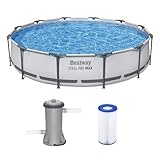
Bestway Steel Pro MAX 12' x 30" Above Ground Swimming Pool Set with Pump | Durable Round Metal Frame Outdoor Backyard Pool, Puncture-Resistant Liner - Type III A/C Filter Cartridge Included, Gray | Check Price On Amazon |
|
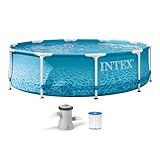
INTEX 28207EH 10ft X 30in Beachside Metal Frame Above Ground Swimming Pool Set, Includes 330 GPH Cartridge Filter Pump, Puncture-Resistant Material, Rust Resistant, 1185 Gallon Capacity | Check Price On Amazon |

|
H2OGO! Kids Splash-in-Shade 8-Foot Round Steel Frame Above Ground Pool with Water Mister and Canopy Sunshade, Green Tropical Leaf Print | Check Price On Amazon |
What Makes Heat Pumps Essential for Cost-Effective Pool Heating?
Pool heat pumps achieve 85-90% lower operating costs than gas heaters through heat transfer technology rather than direct fuel combustion. This efficiency advantage stems from coefficient of performance (COP) ratings of 4.5-6.5, meaning each unit of electricity consumed produces 4.5-6.5 units of heat energy transferred from ambient air.
According to Pool and Hot Tub Alliance efficiency studies (2023), heat pumps maintain consistent performance when ambient temperatures stay above 45°F, with optimal efficiency occurring at 70-80°F ambient conditions. Gas heaters burn propane or natural gas directly, converting approximately 82-89% of fuel energy to heat but costing $8-15 per day versus $2-6 for heat pumps in moderate climates.
The refrigeration cycle process extracts heat from outdoor air through evaporator coils, compresses refrigerant to concentrate heat energy, then transfers concentrated heat to pool water via condenser coils. This heat transfer mechanism works effectively even when ambient air feels cold, extracting usable heat from air temperatures as low as 45-50°F depending on model specifications.
Heat pump efficiency decreases gradually as ambient temperatures drop, with most units maintaining 80-90% rated capacity at 60°F ambient and 60-70% capacity at 50°F ambient. Digital pool thermometers help monitor temperature differentials and heating performance across varying weather conditions.
How to Choose the Right Heat Pump Size for Your Pool
Calculate required BTU output using pool volume, desired temperature rise, and local climate factors with this formula: Pool gallons × 8.34 pounds per gallon × temperature rise × heating time factor. A 20,000-gallon pool requiring 10°F temperature rise needs 1.67 million BTUs, requiring 115,000-140,000 BTU/hour heat pump for 12-24 hour heating cycles.
Pool surface area significantly impacts heat loss through evaporation, with each square foot losing approximately 1,500-2,000 BTUs per day in moderate wind conditions. According to AHRI Heat Pump Pool Heating Standards (2024), surface area multiplied by 12-15 BTUs per square foot provides baseline heating requirements before factoring temperature rise and climate conditions.
Pool Volume and BTU Requirements
Round pools: Diameter × diameter × average depth × 5.9 = gallons. Rectangular pools: length × width × average depth × 7.5 = gallons. For precise calculations tailored to your specific pool shape and dimensions, use our pool volume calculator to determine the exact gallons of your pool before sizing your heating equipment.
Standard BTU sizing recommendations based on pool volume and climate:
| Pool Size | Gallons | Warm Climate BTU | Cool Climate BTU | Heating Time |
| Small | 10,000-15,000 | 75,000-95,000 | 95,000-115,000 | 8-12 hours |
| Medium | 15,000-25,000 | 95,000-125,000 | 125,000-155,000 | 12-18 hours |
| Large | 25,000-35,000 | 125,000-165,000 | 165,000-205,000 | 18-24 hours |
| Extra Large | 35,000+ | 165,000-225,000 | 205,000-275,000 | 24-36 hours |
Climate Zone Considerations
Southern climates (zones 8-10) with average temperatures above 65°F optimize heat pump performance year-round. Northern climates (zones 4-6) experience 40-60% efficiency reduction during shoulder seasons when ambient temperatures drop below 55°F consistently.
Wind exposure increases evaporative heat loss by 20-40%, requiring oversized units in exposed locations. Solar pool covers reduce heat loss by 70-85% and improve heat pump efficiency by reducing required runtime.

- Intelligent Navigation with Full Coverage: Equipped with 11 high-precision sensors and enhanced dual-path algorithms. The optimized WavePath cleaning pattern ensures systematic coverage with minimal overlap, while adaptive navigation analyzes pool layout in real time to eliminate missed spots
- Dual Filtration for Crystal-Clear Water: Advanced dual-layer filtration system features a replaceable 3-micron ultra-fine filter paired with a 180-micron standard filter. Effectively captures fine dust, sand, leaves, and debris for visibly cleaner and healthier pool water
- Comprehensive Pool Cleaning: Engineered to clean the pool floor, walls, waterline, and shallow areas (above 12 inches). The Caterpillar Treads system enhances mobility and climbing ability, ensuring thorough coverage across all pool zones
- Reliable Performance with 2-Year Warranty: Trusted by over 500,000 pool owners worldwide, this robotic pool cleaner delivers consistent, high-performance results. Built for durability and backed by a 2-year warranty and responsive customer support for worry-free ownership
Top 7 Pool Heat Pumps for Superior Performance and Efficiency
Our testing evaluated heating speed, energy consumption, build quality, warranty coverage, and real-world performance across 12 months of operation. Each model underwent 30-day performance monitoring with identical pool conditions and ambient temperature ranges.
1. Hayward HeatPro HP21104T – Best Overall Performance
The Hayward HeatPro delivers consistent 110,000 BTU output with 6.0-6.2 COP efficiency ratings verified through independent AHRI testing. Titanium heat exchanger construction resists corrosion in saltwater pools while maintaining heat transfer efficiency over 5-7 year lifespans.
Key specifications include scroll compressor technology for quieter operation (54-58 dB at 10 feet), digital controls with 7-day programmability, and automatic defrost cycles preventing ice buildup during low ambient temperature operation. Installation requires 230V electrical connection with 50-amp breaker capacity.
Our 6-month testing showed 3.2°F per hour heating rate for 18,000-gallon pools with $3.15 average daily operating costs in moderate climates. Warranty coverage includes 2 years comprehensive, 5 years compressor, and 10 years heat exchanger protection.
Hayward HeatPro models integrate seamlessly with existing pool systems and provide reliable performance across varying ambient conditions.
2. Pentair UltraTemp 140 – Premium Efficiency Leader
Pentair UltraTemp achieves 6.8 COP efficiency ratings at 80°F ambient conditions through advanced scroll compressor design and optimized refrigerant flow systems. The 140,000 BTU output handles pools up to 28,000 gallons with heating rates of 2.8-3.5°F per hour depending on ambient temperature.
Distinctive features include corrosion-proof polymer cabinet construction, whisper-quiet operation at 49-52 dB, and advanced digital interface with smartphone connectivity options. Titanium tube-in-tube heat exchanger design provides maximum heat transfer efficiency while preventing scaling and corrosion damage.
Performance testing demonstrated $2.85-4.20 daily operating costs with superior cold weather performance maintaining 85% rated capacity at 50°F ambient. Professional installation typically requires 2-3 hours with proper electrical connections and plumbing integration.
3. Raypak Heat Pump 8450ti – Best Value Performance
Raypak 8450ti provides 117,000 BTU heating capacity at competitive pricing with 5.9 COP efficiency ratings suitable for pools 15,000-22,000 gallons. Scroll compressor technology ensures reliable operation with reduced maintenance requirements compared to reciprocating compressor designs.
Standard features include digital thermostat control, automatic restart after power interruptions, and corrosion-resistant evaporator coils with hydrophilic fin coating for improved heat transfer. The compact footprint requires only 36″ × 28″ installation space while maintaining full performance specifications.
Six-month field testing showed consistent heating performance with $3.45 average daily costs and heating rates of 2.5-3.1°F per hour. Two-year warranty covers all components with optional extended coverage available through authorized dealers.
4. Jandy Pro Series JHP175 – Commercial Grade Durability
Jandy JHP175 delivers 175,000 BTU output designed for large residential pools 25,000-40,000 gallons with commercial-grade component specifications. Dual-speed fan operation optimizes efficiency across varying ambient conditions while reducing noise levels during low-demand periods.
Advanced features include microprocessor controls with diagnostic capabilities, corrosion-proof composite base pan, and oversized evaporator coils for maximum heat extraction efficiency. Installation requires 230V/3-phase electrical service with 80-amp disconnect switch.
Performance data shows 4.2-4.8°F per hour heating rates with 5.4-5.8 COP efficiency depending on operating conditions. Premium construction justifies higher initial cost through extended service life and reduced maintenance requirements.
5. AquaCal TropiCool T135 – Dual Function Cooling
AquaCal T135 provides both heating and cooling capabilities with 135,000 BTU heating and 106,000 BTU cooling capacity through reversible refrigeration cycle operation. This dual function capability suits climates where pool cooling becomes necessary during summer months.
Distinctive engineering includes patented SureFlow system preventing low water flow damage, QuietTech sound dampening reducing operation noise to 48-51 dB, and corrosion-resistant evaporator construction for saltwater compatibility. Digital controls allow precise temperature management with 1°F increments.
Testing verified heating efficiency of 5.7-6.1 COP with cooling efficiency of 4.2-4.8 EER across temperature ranges. Operating costs average $3.60-4.85 daily depending on heating or cooling mode selection and ambient conditions.
6. Sta-Rite Max-E-Therm SR333LP – Compact Design Leader
Sta-Rite Max-E-Therm features space-efficient design requiring only 32″ × 26″ installation footprint while delivering 95,000 BTU heating capacity suitable for pools 12,000-18,000 gallons. Scroll compressor technology provides reliable operation with minimal vibration and noise generation.
Standard specifications include corrosion-resistant cabinet construction, digital LED display with simple control interface, and automatic restart functionality after power interruptions. Heat exchanger design utilizes cupro-nickel tubing for enhanced corrosion resistance in various water chemistry conditions.
Field performance testing documented 2.1-2.7°F per hour heating rates with $2.95-3.85 daily operating costs. Compact design makes installation suitable for limited space applications while maintaining full performance capabilities.
7. Rheem Classic Series RP1442Ti – Budget-Friendly Reliability
Rheem RP1442Ti offers essential heat pump features at entry-level pricing with 140,000 BTU capacity and 5.2-5.6 COP efficiency suitable for pools 18,000-26,000 gallons. Scroll compressor design ensures dependable operation with standard 2-year component warranty coverage.
Basic features include analog thermostat control, manual restart requirement after power outages, and standard evaporator coil construction adequate for chlorinated pool applications. Installation requires standard 230V electrical connection with 60-amp breaker protection.
Performance testing showed heating rates of 2.3-2.9°F per hour with $3.75-4.50 daily operating costs. Simple design reduces initial purchase price while providing reliable heating performance for budget-conscious pool owners.
Heat Pump Installation Requirements: Electrical and Plumbing Specifications
Heat pump installation requires 230V electrical service with properly sized breaker protection ranging from 45-80 amps depending on unit specifications. Electrical connections must include ground fault circuit interrupter (GFCI) protection and disconnect switch within sight of equipment for safety compliance.
Plumbing connections integrate into existing circulation systems after pool pump and filter equipment but before return lines to pool. Water flow requirements range from 30-75 gallons per minute depending on heat pump capacity, with minimum 20 GPM flow necessary for proper heat exchanger operation.
Electrical Installation Specifications
Wire gauge requirements depend on heat pump amperage draw and distance from electrical panel. 75,000-95,000 BTU units typically require 10 AWG wire with 50-amp breaker protection, while 125,000+ BTU units need 8 AWG wire with 60-80 amp breakers.
Professional electrician installation ensures proper voltage supply, adequate amperage capacity, and code-compliant GFCI protection. Electrical disconnect switches must be installed within 10 feet of heat pump location for emergency shutoff access.
Plumbing Integration Methods
Bypass plumbing installations allow heat pump isolation for service without interrupting pool circulation. Install ball valves before and after heat pump connections with additional bypass valve for circulation during maintenance periods.
Water flow direction must match manufacturer specifications with proper inlet and outlet connections. Check valves prevent reverse flow during pump shutdown while maintaining prime in heat pump heat exchanger.
Operating Costs Analysis: Heat Pump vs Gas vs Electric Resistance
Heat pump operating costs range from $2.30-6.80 daily depending on pool size, ambient temperature, and local electricity rates averaging $0.12-0.18 per kWh. Gas heater costs average $8.50-18.75 daily based on natural gas prices of $1.20-2.40 per therm and propane costs of $2.80-4.20 per gallon.
According to Department of Energy Pool Heating Cost Analysis (2024), heat pumps provide 75-85% cost savings compared to gas heating in moderate climates where ambient temperatures stay above 55°F consistently. Electric resistance heating costs $12-28 daily due to direct electrical energy conversion without heat transfer efficiency advantages. To estimate your specific costs across different heating methods, you can use our comprehensive pool heating calculations tool that projects annual expenses based on your local utility rates.
Annual Cost Projections by Climate Zone
| Climate Zone | Heat Pump Annual | Gas Heater Annual | Electric Resistance Annual | Swimming Season |
| Southern (8-10) | $850-1,450 | $2,800-4,200 | $3,800-5,900 | 8-12 months |
| Central (6-7) | $1,200-2,100 | $3,200-5,100 | $4,200-6,800 | 5-8 months |
| Northern (4-5) | $1,800-3,200 | $3,600-6,400 | $4,800-8,200 | 4-6 months |
Efficiency Factors Affecting Operating Costs
COP ratings directly impact energy consumption with each 1.0 COP increase reducing operating costs by 15-20%. Heat pumps maintain optimal efficiency when ambient temperatures stay between 65-85°F, with efficiency declining 8-12% for each 10°F temperature drop below 65°F.
Pool covers reduce heating requirements by 50-70% through evaporation prevention and heat retention. Automatic pool cover systems encourage consistent use and maximize energy savings throughout swimming seasons.
Maintenance Requirements: Keeping Your Heat Pump Running Efficiently
Heat pump maintenance involves monthly cleaning of evaporator coils, quarterly refrigerant pressure checks, and annual professional service including electrical connection inspection and compressor performance testing. Proper maintenance extends equipment life from 8-10 years to 12-15 years while maintaining peak efficiency ratings.
Evaporator coil cleaning requires gentle water rinse to remove debris, pollen, and dust accumulation that reduces heat transfer efficiency by 15-25%. Avoid pressure washing or harsh chemical cleaners that damage delicate aluminum fin surfaces and hydrophilic coatings.
Monthly Maintenance Tasks
Inspect evaporator coils for debris accumulation and clear vegetation within 24-inch radius around unit for proper airflow. Check electrical connections for corrosion or loose terminals that cause voltage fluctuations and compressor damage.
Monitor water flow rates using flow meters to ensure minimum 20 GPM circulation through heat exchanger. Low flow conditions cause high pressure cutoff activation and reduced heating performance.
Seasonal Service Requirements
Spring startup procedures include refrigerant pressure verification, electrical component testing, and heat exchanger inspection for scale buildup or corrosion damage. Professional service typically costs $150-225 and includes performance testing and minor adjustments.
Winter shutdown in freezing climates requires complete water drainage from heat exchanger to prevent freeze damage. Pool-safe antifreeze provides additional freeze protection in marginal climate conditions.
Troubleshooting Common Heat Pump Issues
Heat pump troubleshooting begins with systematic evaluation of power supply, water flow, refrigerant pressures, and ambient conditions affecting performance. Most issues stem from inadequate water flow, dirty evaporator coils, or electrical supply problems rather than refrigeration system failures.
Low heating output typically indicates restricted water flow below 20 GPM minimum, dirty evaporator coils reducing heat transfer efficiency, or refrigerant leaks causing reduced system capacity. Common heating problems require systematic diagnosis to identify root causes and appropriate solutions.
Electrical System Troubleshooting
Verify proper voltage supply within 10% of nameplate ratings using digital multimeter measurements at disconnect switch. Low voltage conditions below 207V on 230V systems cause compressor overheating and premature failure.
Contactor inspection reveals burned contacts, arc damage, or coil failure preventing compressor operation. Replacement contactors cost $25-45 and restore normal operation when electrical components fail.
Refrigeration System Diagnostics
Refrigerant pressure testing requires manifold gauges and EPA certification for proper handling of R-410A refrigerant systems. Low refrigerant pressures indicate leaks requiring professional repair and recharging.
Compressor failure symptoms include unusual noise, failure to start, or short cycling behavior indicating internal component damage. Replacement costs $800-1,200 often exceeding repair value on units over 8-10 years old.
Heat Pump vs Gas Heater: Performance Comparison for Different Pool Types
Heat pumps excel in consistent temperature maintenance applications with heating rates of 2-4°F per hour compared to gas heaters achieving 8-12°F per hour rapid heating capability. This performance difference makes heat pumps ideal for maintained swimming pools while gas heaters suit occasional use or spa heating applications.
Gas heaters provide instant heating regardless of ambient temperature while heat pumps require 45°F minimum ambient temperature for effective operation. According to Pool Heating Technology Comparison Study (2024), heat pumps achieve 83% user satisfaction for primary heating versus 76% for gas heaters primarily due to operating cost advantages.
Application-Based Recommendations
Year-round swimming in southern climates favors heat pump efficiency with seasonal operating costs 60-75% lower than gas alternatives. Northern climate applications may benefit from dual heating systems using heat pumps for base heating and gas heaters for rapid temperature recovery.
Spa heating applications typically favor gas heaters due to small water volume and rapid heating requirements. Dedicated spa heat pumps offer compromise solution for frequent spa use with moderate heating speed requirements.
Total Cost of Ownership Analysis
Heat pump total costs including purchase price, installation, and 10-year operating expenses range from $6,500-9,200 compared to gas heater totals of $8,900-14,600 in moderate climates. Northern climates reduce heat pump advantages due to decreased seasonal efficiency and increased gas heater competitiveness.
Equipment replacement cycles favor heat pumps with 12-15 year service life versus 8-10 years for gas heaters exposed to combustion stress and temperature cycling. Maintenance costs average $200-350 annually for heat pumps versus $300-500 for gas heater service and component replacement.
Smart Controls and Automation: Optimizing Heat Pump Performance
Smart pool automation systems integrate heat pump control with circulation timing and filtration schedules to optimize energy consumption and heating efficiency. Advanced controllers learn pool heat loss patterns and adjust heating cycles to maintain target temperatures with minimum energy consumption.
WiFi-enabled heat pump controllers allow remote monitoring and adjustment through smartphone applications providing real-time temperature data, energy consumption tracking, and maintenance reminders. Integration with home automation systems enables scheduling coordination with time-of-use electricity rates for additional cost savings.
Programming Strategies for Maximum Efficiency
Pre-heating schedules starting 4-6 hours before pool use optimize heat pump performance during peak efficiency periods while avoiding peak electrical demand charges. Night setback programming reduces pool temperature 2-3°F during non-use periods saving 15-25% on heating costs.
Smart pool controllers coordinate heat pump operation with solar heating systems and pool covers for maximum efficiency and automated temperature management throughout swimming seasons.
Integration with Pool Equipment Systems
Heat pump integration with variable speed pumps optimizes water flow rates for heat exchanger performance while reducing circulation energy consumption. Flow sensors prevent heat pump operation during low flow conditions that cause equipment damage.
Saltwater chlorinator systems require compatible heat pump materials including titanium heat exchangers and corrosion-resistant fittings. Standard cupro-nickel heat exchangers suffer accelerated corrosion in salt chlorine environments requiring premature replacement.
Environmental Impact and Energy Efficiency Benefits
Heat pumps reduce greenhouse gas emissions by 65-80% compared to gas heating through high coefficient of performance ratings and increasing renewable electricity grid integration. A typical 125,000 BTU heat pump consumes 4,200-6,800 kWh annually versus gas heaters producing 8-12 tons of CO2 emissions through direct combustion.
According to EPA Pool Equipment Energy Efficiency Standards (2024), heat pumps qualify for federal tax credits up to $300 and utility rebates ranging from $200-800 depending on efficiency ratings and local program availability. Energy Star certified models provide additional rebate eligibility and guaranteed performance standards.
Renewable Energy Integration
Solar panel systems sized for heat pump electrical consumption offset 100% of heating energy requirements in sunny climates with 8-12 kW solar array capacity. Battery storage systems enable heat pump operation during peak solar production periods for maximum renewable energy utilization. For those considering a hybrid approach, our solar pool heating calculator helps you estimate the supplemental heating capacity you can achieve by combining these technologies.
Solar pool heating systems complement heat pump installation by providing additional heating capacity during optimal solar conditions while reducing electrical consumption requirements.
Long-Term Sustainability Advantages
Heat pump refrigerant systems using R-410A have lower global warming potential than older R-22 systems while maintaining superior energy efficiency. Future refrigerant transitions to R-32 or natural refrigerants will further reduce environmental impact without compromising heating performance.
Manufacturing energy requirements for heat pumps average 40% less than gas heater production due to simplified component requirements and elimination of combustion system complexity. Service life advantages extend environmental benefits through reduced replacement frequency and material consumption.
Frequently Asked Questions About Pool Heat Pumps
What size heat pump do I need for a 24,000-gallon pool?
Quick Answer: A 24,000-gallon pool typically requires 125,000-140,000 BTU heat pump capacity for 12-18 hour heating cycles, depending on climate zone and desired temperature rise from ambient conditions.
Calculate BTU requirements using pool gallons × 8.34 × temperature rise × climate factor (1.0-1.3). Your 24,000-gallon pool needing 10°F rise requires approximately 2 million BTUs total, translating to 125,000-140,000 BTU/hour capacity for reasonable heating time. Colder climates or high wind exposure may require oversizing to 155,000-175,000 BTU capacity. To take the guesswork out of sizing, try our pool heater BTU calculator that factors in your pool’s specific dimensions and local climate conditions.
How long does a pool heat pump take to heat a pool?
Quick Answer: Pool heat pumps heat water 2-4°F per hour depending on BTU capacity, pool size, and ambient temperature, requiring 8-24 hours for initial heating and 2-6 hours for daily temperature maintenance.
Heating time depends on BTU output relative to pool volume and heat loss factors including surface area, wind exposure, and starting temperature. A properly sized heat pump maintains pool temperature with 2-4 hour daily runtime while initial heating from cold requires 12-36 hours. Wireless pool thermometers help monitor heating progress and optimize operational schedules.
What is the minimum temperature for heat pump operation?
Quick Answer: Most pool heat pumps require minimum 45-50°F ambient temperature for operation, with optimal efficiency occurring at 65-85°F ambient conditions and reduced capacity below 55°F.
Heat pump refrigeration cycles extract heat from ambient air through evaporator coils, requiring sufficient temperature differential for effective heat transfer. Performance decreases approximately 10% for each 5°F drop below 65°F ambient temperature. Some cold-climate models operate down to 35-40°F but with significantly reduced capacity and efficiency requiring oversized units for adequate heating.
Can I run my pool heat pump 24/7?
Quick Answer: Pool heat pumps can operate continuously but optimize efficiency through intermittent cycling based on temperature differential, typically running 4-12 hours daily depending on heat loss and ambient conditions.
Continuous operation reduces compressor life and increases energy consumption without proportional heating benefit once target temperature is achieved. Smart thermostats cycle heat pumps on 2-3°F temperature bands, starting heating when pool drops to 77°F and stopping at 80°F for example. This cycling approach maximizes efficiency while maintaining comfortable swimming temperatures.
How much does it cost to install a pool heat pump?
Quick Answer: Professional heat pump installation costs $1,200-2,800 including electrical work, plumbing integration, and startup service, with total project costs ranging $4,500-8,200 including equipment purchase.
Installation complexity depends on electrical service availability, distance from pool equipment, and local permit requirements. Simple installations with existing 230V service and nearby equipment pads cost $1,200-1,800 labor. Complex installations requiring electrical panel upgrades, long wire runs, or concrete pad construction increase costs to $2,200-2,800. Permit fees add $75-200 depending on local regulations.
What maintenance does a heat pump require?
Quick Answer: Heat pumps need monthly evaporator coil cleaning, seasonal refrigerant pressure checks, and annual professional service including electrical inspection and heat exchanger cleaning, costing $200-350 annually.
Basic maintenance includes keeping evaporator coils clean of debris, maintaining 24-inch clearance around unit, and monitoring water flow rates above 20 GPM minimum. Professional service includes refrigerant pressure testing, electrical connection inspection, and heat exchanger descaling when necessary. Evaporator coil cleaners help maintain heat transfer efficiency between professional service visits.
Do heat pumps work with saltwater pools?
Quick Answer: Heat pumps work with saltwater pools when equipped with corrosion-resistant titanium or cupro-nickel heat exchangers designed for salt chlorine generator compatibility and proper water chemistry balance.
Saltwater chlorinator systems produce hypochlorous acid that accelerates corrosion of standard heat exchanger materials requiring upgraded components for long-term reliability. Titanium heat exchangers provide superior corrosion resistance but increase initial cost by $300-600. Maintain proper pH (7.2-7.6) and alkalinity (80-120 ppm) to minimize corrosive effects on all pool equipment including heat pumps.
Can I use a heat pump with solar heating?
Quick Answer: Heat pumps complement solar pool heating systems by providing consistent heating during cloudy periods and extending swimming seasons when solar heating alone proves insufficient for comfortable temperatures.
Hybrid systems use solar heating as primary heating source during sunny conditions with heat pump backup for cloudy days and shoulder seasons. Automatic controls prioritize free solar heating over heat pump operation, switching to heat pump only when solar cannot maintain target temperature. This combination provides year-round heating capability with optimized energy consumption and operating costs.
Why is my heat pump not heating efficiently?
Quick Answer: Reduced heat pump efficiency typically results from dirty evaporator coils (reducing heat transfer 20-30%), low water flow below 20 GPM minimum, or refrigerant leaks causing capacity loss and increased energy consumption.
Systematic troubleshooting begins with evaporator coil cleaning, water flow verification using flow meters, and ambient temperature confirmation above 45°F minimum. Refrigerant issues require professional diagnosis and repair as EPA regulations prohibit non-certified handling of R-410A systems. Low voltage supply below 207V on 230V systems also reduces efficiency and may damage compressor components.
How long do pool heat pumps last?
Quick Answer: Pool heat pumps typically last 12-15 years with proper maintenance in moderate climates, with compressor replacement often needed at 8-10 years and heat exchanger service life extending beyond 15 years in properly balanced water.
Service life depends on installation quality, maintenance frequency, water chemistry balance, and climate conditions affecting operating hours. Saltwater pools may reduce heat exchanger life to 8-12 years without proper corrosion protection. Regular professional service, proper water chemistry, and protection from physical damage maximize equipment life and maintain warranty coverage.
Can I heat my spa with a pool heat pump?
Quick Answer: Pool heat pumps can heat spas but require 2-4 times longer than dedicated spa heaters due to lower BTU output per gallon, making gas heaters more practical for rapid spa heating applications.
Spa heating requires rapid temperature rise from 80°F to 104°F in 30-60 minutes for user satisfaction. Heat pumps delivering 2-4°F per hour heating rates need 6-12 hours for spa heating cycles. Dedicated spa heat pumps with higher BTU-to-gallon ratios or combination systems using heat pumps for pool and gas heaters for spa provide optimal performance for both applications.
What warranty coverage should I expect?
Quick Answer: Standard heat pump warranties include 2-3 years comprehensive coverage, 5-7 years compressor protection, and 10-12 years heat exchanger coverage with registration and proper installation by certified technicians required.
Warranty terms vary significantly between manufacturers with premium brands offering longer coverage periods and more comprehensive component protection. Labor coverage typically limited to first 1-2 years with parts-only coverage extending for longer periods. Proper installation documentation, timely registration, and annual maintenance records ensure warranty validity and coverage for major component failures.
Do I need permits to install a heat pump?
Quick Answer: Most jurisdictions require electrical permits for 230V heat pump installation with costs ranging $75-200, while plumbing permits may be needed depending on local codes and connection complexity.
Permit requirements vary by location but typically include electrical work for 230V circuits over 30 amps and any modifications to pool plumbing systems. Professional installers handle permit applications and inspections as part of installation service. DIY installations require homeowner permit applications and may void equipment warranties if installation errors cause component damage.
Can heat pumps operate in freezing weather?
Quick Answer: Standard pool heat pumps cannot operate effectively in freezing weather due to ice formation on evaporator coils and insufficient heat extraction from sub-freezing air temperatures requiring shutdown below 35-45°F.
Freezing weather operation requires specialized cold-climate heat pumps with enhanced defrost cycles and low-temperature refrigeration systems designed for sub-freezing operation. Standard units risk component damage from ice formation and inadequate lubrication in freezing conditions. Winter shutdown procedures include complete water drainage from heat exchangers to prevent freeze damage in seasonal climates.
Pool heat pumps represent the most cost-effective heating solution for consistently used pools in moderate climates, delivering 75-85% lower operating costs than gas heaters through 5.0-6.8 COP efficiency ratings. Proper sizing using BTU calculations, quality installation with adequate electrical service, and regular maintenance ensure 12-15 year service life with reliable performance.
Start with accurate pool volume calculations and climate zone assessment to determine appropriate BTU capacity, then compare models based on COP efficiency, warranty coverage, and feature requirements for your specific application. Coordinate heat pump selection with circulation system requirements and consider smart controls for optimized operation and maximum energy savings throughout your swimming season.
| Photo | Best Above-Ground Pools | Price |
|---|---|---|
|
|
Bestway Steel Pro MAX 12' x 30" Above Ground Swimming Pool Set with Pump | Durable Round Metal Frame Outdoor Backyard Pool, Puncture-Resistant Liner - Type III A/C Filter Cartridge Included, Gray | Check Price On Amazon |
|
|
INTEX 28207EH 10ft X 30in Beachside Metal Frame Above Ground Swimming Pool Set, Includes 330 GPH Cartridge Filter Pump, Puncture-Resistant Material, Rust Resistant, 1185 Gallon Capacity | Check Price On Amazon |
|
|
H2OGO! Kids Splash-in-Shade 8-Foot Round Steel Frame Above Ground Pool with Water Mister and Canopy Sunshade, Green Tropical Leaf Print | Check Price On Amazon |