
Pool filter pressure reading too low indicates insufficient water flow through your filtration system, typically caused by air leaks in suction lines, clogged skimmer baskets, or a failing pump impeller. Low pressure reduces circulation effectiveness by 40-60%, allowing debris accumulation and algae growth while preventing proper chemical distribution throughout your pool.
Understanding pressure readings matters because optimal filtration requires 8-12 PSI on sand filters and 10-15 PSI on cartridge systems to maintain turnover rates of 6-8 hours for residential pools. When pressure drops below these ranges, your pool water quality deteriorates rapidly.
| Photo | Best Above-Ground Pools | Price |
|---|---|---|
|
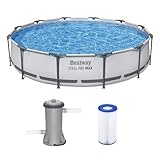
Bestway Steel Pro MAX 12' x 30" Above Ground Swimming Pool Set with Pump | Check Price On Amazon |
|
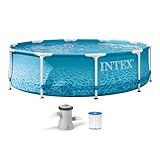
INTEX Beachside Metal Frame 10ft x 30in Round Pool Set w/Pump | Check Price On Amazon |

|
H2OGO! Kids Splash-in-Shade 8-Foot Round Steel Frame Above Ground Pool with Water Mister and Canopy Sunshade, Green Tropical Leaf Print | Check Price On Amazon |
What Causes Pool Filter Pressure to Drop Below Normal Operating Range?
Pool filter pressure drops below optimal range (8-15 PSI depending on system type) due to restricted water flow from suction-side problems, pump issues, or valve malfunctions. Air infiltration through loose connections reduces hydraulic pressure by creating bubbles in the system that displace water volume.
The most common cause involves air entering through deteriorated pump lid gaskets, cracked skimmer fittings, or loose pipe joints on the suction side before the pump. Even small air leaks create significant pressure drops because pumps cannot generate full hydraulic force when processing air-water mixtures instead of solid water columns.
Clogged skimmer baskets and pump baskets restrict water intake, forcing the pump to work harder while achieving lower flow rates. Pool filter channeling issues can also redirect water flow around filter media rather than through it, reducing both pressure and filtration effectiveness.
Pump impeller problems including clogs, damage, or wear reduce the pump’s ability to move water efficiently. Variable speed pumps running at insufficient RPM settings fail to generate adequate pressure for proper filtration cycles. Using a swimming pool pump sizing calculator helps ensure your pump is properly matched to your system’s hydraulic requirements for optimal pressure performance.
Air Leaks in Suction Lines
Suction-side air leaks occur most frequently at the pump lid o-ring, skimmer connections, and underground pipe joints subjected to ground movement or freeze-thaw cycles. These leaks allow atmospheric pressure to enter the closed system, disrupting the vacuum necessary for proper water flow.
Symptoms include visible air bubbles returning through jets, gurgling sounds from skimmers, and pressure readings 3-8 PSI below normal operating range. The pump may lose prime intermittently, especially after shutdown periods when air accumulates in high points of the suction plumbing.
Clogged Skimmer and Pump Baskets
Debris accumulation in skimmer baskets reduces effective basket area by 30-70%, creating flow restrictions that lower system pressure. Leaves, hair, and small debris create a mat effect that blocks water passage even when baskets appear partially full.
Pump basket clogs often contain finer debris that passes through skimmer baskets, including hair, small leaves, and organic matter. This debris creates a filtering effect at the pump inlet that severely restricts flow rates and drops pressure readings below acceptable ranges.
Pump Impeller Issues
Impeller problems include physical clogs from debris, cavitation damage from air infiltration, and wear from age or chemical corrosion. Damaged impeller vanes cannot move water efficiently, resulting in reduced flow rates and lower system pressure.
Hair and string commonly wrap around impeller hubs, creating an unbalanced condition that reduces pumping efficiency. Even partial impeller obstructions can decrease pressure by 20-40% while increasing motor load and energy consumption.

- Intelligent Navigation with Full Coverage: Equipped with 11 high-precision sensors and enhanced dual-path algorithms. The optimized WavePath cleaning pattern ensures systematic coverage with minimal overlap, while adaptive navigation analyzes pool layout in real time to eliminate missed spots
- Dual Filtration for Crystal-Clear Water: Advanced dual-layer filtration system features a replaceable 3-micron ultra-fine filter paired with a 180-micron standard filter. Effectively captures fine dust, sand, leaves, and debris for visibly cleaner and healthier pool water
- Comprehensive Pool Cleaning: Engineered to clean the pool floor, walls, waterline, and shallow areas (above 12 inches). The Caterpillar Treads system enhances mobility and climbing ability, ensuring thorough coverage across all pool zones
- Reliable Performance with 2-Year Warranty: Trusted by over 500,000 pool owners worldwide, this robotic pool cleaner delivers consistent, high-performance results. Built for durability and backed by a 2-year warranty and responsive customer support for worry-free ownership
How to Diagnose Low Pool Filter Pressure Step-by-Step
Start pressure diagnosis by recording current gauge readings and comparing to normal operating pressure for your specific filter type and pump configuration. Sand filters typically operate at 8-12 PSI when clean, while cartridge systems run 10-15 PSI under normal conditions. The pool sand filter calculator can help you verify that your filter is appropriately sized for your pool’s volume and desired turnover rate.
Check all visible suction-side connections including pump lid, skimmer fittings, and any unions or valves before the pump. Look for water stains, mineral deposits, or obvious cracks that indicate leakage points allowing air infiltration.
Inspect skimmer and pump baskets for debris accumulation that restricts water flow. Remove and clean both baskets completely, checking for cracks or damage that could allow debris bypass. Replace damaged baskets immediately to maintain proper filtration.
Examine the pump impeller by removing the pump housing and checking for clogs, damage, or excessive wear. Document impeller condition and clear any visible obstructions before reassembling the pump system.
Pressure Gauge Accuracy Testing
Test gauge accuracy by comparing readings with a known-good pressure gauge or by observing pressure changes during pump startup and shutdown cycles. Faulty gauges provide false readings that lead to incorrect diagnosis and unnecessary repairs.
Replace gauges showing erratic behavior, stuck needles, or readings that do not respond to system changes. Install gauges with appropriate pressure ranges (0-30 PSI for most residential systems) for accurate monitoring.
Visual Inspection Techniques
Perform visual inspections during pump operation to identify air infiltration points through bubble observation at return jets. Large bubbles indicate significant air leaks, while fine bubbles suggest minor seepage that still affects pressure readings.
Check for water level drops that expose skimmer openings, creating air infiltration during pump cycles. Maintain water levels at skimmer midpoint to ensure proper hydraulic function and prevent air entry.
Which Components Should You Check First for Low Pressure Issues?
Begin troubleshooting with pump basket and skimmer basket inspection because these components cause 60-70% of low pressure problems and require no tools for checking. Clogged baskets create immediate flow restrictions that dramatically reduce system pressure within hours of debris accumulation.
Next, examine the pump lid o-ring and gasket because this connection fails frequently due to chemical exposure, heat cycling, and UV degradation. A compromised pump lid seal allows air infiltration that reduces pressure while making diagnosis obvious through visible air bubbles at return jets.
| Component | Check Priority | Failure Rate | Repair Difficulty | Cost Range |
| Skimmer/Pump Baskets | First | 70% | Easy | $5-25 |
| Pump Lid O-Ring | Second | 45% | Easy | $3-8 |
| Impeller Clogs | Third | 30% | Moderate | $0-150 |
| Suction Line Leaks | Fourth | 25% | Difficult | $100-800 |
| Valve Problems | Fifth | 15% | Moderate | $25-200 |
Inspect suction-side valves including skimmer and main drain diverter valves that may be partially closed or damaged. Valves stuck in intermediate positions reduce flow rates significantly while creating pressure drops that mimic other system problems.
Check pump impeller condition after addressing obvious external factors because impeller problems require pump disassembly and may indicate deeper mechanical issues. Impeller damage often results from prolonged operation with air leaks or debris infiltration.
Complete Repair Solutions for Low Filter Pressure Problems
Repair low pressure issues systematically starting with simplest solutions and progressing to complex repairs only after eliminating basic causes. Most pressure problems resolve through cleaning, gasket replacement, or minor adjustments rather than major component replacement.
Clean all debris from skimmer baskets, pump baskets, and pump housing using a basket cleaning brush and garden hose. Remove fine debris and organic matter that creates flow restrictions even when baskets appear only partially full.
Replace pump lid o-rings and gaskets using chemical-resistant o-rings designed for pool applications. Apply thin coating of silicone lubricant to new gaskets for proper sealing and easier removal during future maintenance.
Repair suction line air leaks by tightening loose fittings, replacing deteriorated pipe sections, or applying appropriate pipe sealants. Use pressure testing techniques to locate hidden leaks in underground plumbing that may require professional excavation and repair.
Cleaning Pump Impeller Properly
Remove pump housing according to manufacturer instructions, photographing wire connections and component positions for accurate reassembly. Disconnect electrical power at breaker panel and verify power disconnection with voltage meter before proceeding.
Extract impeller by removing retaining bolts or clips, noting rotation direction and position for proper reinstallation. Clean impeller vanes thoroughly using impeller cleaning tools to remove hair, debris, and mineral deposits that reduce pumping efficiency.
Replacing Damaged Pump Components
Replace worn impellers showing cracked vanes, erosion damage, or significant wear patterns that affect water movement efficiency. Use OEM replacement parts or equivalent components meeting original specifications for proper hydraulic performance.
Install new pump seals and gaskets during impeller replacement to prevent future leakage problems. Apply proper torque specifications during reassembly to ensure secure connections without over-tightening that damages components.
When Does Low Pressure Indicate Pump Replacement Needs?
Consider pump replacement when impeller damage, motor problems, or housing cracks create repair costs exceeding 60-70% of new pump price or when repeated failures indicate systemic wear. Pumps operating beyond 8-10 years often develop multiple concurrent problems that make replacement more economical than continued repairs.
Motor bearing failure creates noise, vibration, and reduced efficiency that progressively worsens until complete failure occurs. Variable speed pool pumps offer 50-70% energy savings compared to single-speed units while providing better pressure control and system diagnostics.
Pump housing cracks from freeze damage, chemical corrosion, or mechanical stress compromise structural integrity and create progressive air leaks impossible to repair permanently. Wet-end replacements cost 60-80% of complete pump replacement while providing only short-term solutions for severely damaged housings.
Evaluate total system age and efficiency when making replacement decisions because newer pumps integrate with automation systems and provide variable speed control for optimal pressure management. Energy savings from efficient pumps typically offset replacement costs within 2-3 seasons of normal operation.
How to Prevent Future Low Pressure Problems
Maintain consistent cleaning schedules for skimmer baskets (weekly) and pump baskets (bi-weekly) to prevent debris accumulation that creates flow restrictions and pressure drops. Use fine mesh skimmer baskets to capture smaller debris before it reaches pump components.
Replace pump lid gaskets annually as preventive maintenance because chemical exposure and heat cycling cause gradual deterioration that leads to air leaks. Keep spare gaskets available for immediate replacement when leakage develops during swimming season.
Monitor water levels daily during peak usage periods to ensure skimmer openings remain submerged and prevent air infiltration. Install automatic water leveling systems for consistent water levels without manual monitoring requirements. A pool turnover calculator can help you verify that your system is achieving proper water circulation rates to maintain water quality and prevent stagnation issues.
Schedule professional system inspections annually to identify developing problems before they cause complete pressure loss or system failure. Pool heat pump maintenance often reveals circulation problems that affect overall system performance.
Proper Chemical Balance Impact on Pressure
Maintain proper chemical balance to prevent scale formation and corrosion that damage pump components and create flow restrictions. pH levels above 7.8 promote calcium scale deposits in pump housings and impellers that reduce efficiency over time.
Use accurate water testing equipment to monitor chlorine, pH, alkalinity, and calcium hardness levels weekly. Balanced water chemistry extends pump life and maintains optimal hydraulic performance throughout the operating season.
Winterization and Seasonal Preparation
Perform proper winterization procedures to prevent freeze damage that creates pressure problems during spring startup. Remove all water from pump housing, impeller chamber, and exposed plumbing using drain plugs and compressed air purging.
Store pump components in protected locations when possible, or cover exposed equipment with weatherproof materials. Proper pool vacuuming techniques help remove debris that could freeze in lines and create spring pressure problems.
Pool Filter Pressure Too Low: Common Questions Answered
What pressure reading indicates my pool filter needs attention?
Quick Answer: Pressure readings below 8 PSI on sand filters or 10 PSI on cartridge filters indicate flow problems requiring immediate attention, while readings 3-5 PSI below normal operating pressure suggest developing issues.
Normal operating pressure varies by filter type, pump size, and plumbing configuration, but most residential systems operate between 8-15 PSI when functioning properly. Record baseline pressure readings when your system operates optimally to establish comparison standards for troubleshooting.
Pressure drops of 20-30% below normal readings indicate significant flow restrictions or air infiltration problems that reduce filtration effectiveness. Address pressure issues promptly because continued operation at low pressure allows debris accumulation and algae growth.
Can I continue swimming with low filter pressure?
Quick Answer: Swimming with filter pressure below 8-10 PSI creates health risks because inadequate circulation prevents proper chemical distribution and allows bacterial growth in dead zones throughout the pool.
Low pressure indicates reduced water turnover rates that may extend circulation time from the recommended 6-8 hours to 12-16 hours or longer. During peak usage periods, insufficient circulation cannot maintain water quality standards necessary for safe swimming.
Stagnant areas develop in pools with inadequate circulation, creating breeding grounds for algae and bacteria that standard chemical treatments cannot reach effectively. Resolve pressure problems before allowing swimming activities to resume.
Why does my pool pressure drop only during certain times?
Quick Answer: Intermittent pressure drops typically result from air leaks that worsen when pumps cool down, variable debris loading, or electrical issues affecting pump performance during peak demand periods.
Temperature changes cause expansion and contraction of gaskets and pipe fittings that create temporary air leaks during startup or shutdown cycles. Morning pressure drops often indicate overnight air accumulation in high points of the suction plumbing.
Heavy bather loads or windy conditions increase debris input that can overwhelm basket capacity and create temporary flow restrictions. Monitor pressure during different operating conditions to identify patterns that indicate specific problem sources.
How often should I check my pool filter pressure gauge?
Quick Answer: Check pressure gauges daily during active swimming season and weekly during low-usage periods to identify developing problems before they cause system failure or water quality issues.
Daily monitoring during peak season allows immediate identification of clogged baskets, developing air leaks, or other problems that create gradual pressure drops. Early detection prevents minor issues from becoming major repairs requiring professional service.
Keep a maintenance log recording daily pressure readings, cleaning activities, and any observed system changes. This documentation helps identify patterns and provides valuable information for troubleshooting recurring problems.
What tools do I need to fix low pressure problems?
Quick Answer: Basic pressure repairs require screwdrivers, adjustable wrenches, replacement o-rings, and cleaning supplies, while complex repairs may need specialized tools like pressure testing equipment and pipe cutting tools.
Essential tools include pool maintenance tool kits containing basket cleaning brushes, o-ring picks, and basic hand tools. Keep replacement gaskets and o-rings available for immediate repairs when leaks develop.
Advanced troubleshooting may require pressure testing equipment to locate underground leaks or specialized tools for impeller removal and pump disassembly. Consider professional service for complex repairs requiring expensive specialized equipment.
Does filter type affect what pressure readings mean?
Quick Answer: Sand filters typically operate at 8-12 PSI while cartridge filters run 10-15 PSI, with pressure increases during normal operation indicating when cleaning or replacement is needed.
Sand filters show gradual pressure increases as debris accumulates in the sand bed, with backwashing required when pressure rises 8-10 PSI above clean starting pressure. DE filters follow similar patterns but require complete cleaning and fresh DE powder addition.
Cartridge filters demonstrate steady pressure increases as debris loads the pleated media, requiring cleaning when pressure exceeds 15-20 PSI or rises 8-10 PSI above clean baseline readings. Replace cartridges showing permanent staining or damaged pleats.
Can chemical imbalance cause low pressure readings?
Quick Answer: Chemical imbalance rarely causes low pressure directly, but severe scale formation from high pH or calcium levels can clog pump components and reduce flow rates over extended periods.
High calcium hardness combined with elevated pH promotes scale deposits in pump housings, impellers, and heat exchangers that gradually reduce flow capacity. Regular descaling prevents mineral accumulation that creates long-term pressure problems.
Low pH conditions promote metal corrosion that can damage pump components and create debris that clogs systems. Maintain pH between 7.2-7.6 and calcium hardness at 200-400 ppm to prevent chemistry-related equipment damage.
Should I repair or replace an old pump with pressure problems?
Quick Answer: Replace pumps over 8-10 years old with recurring pressure problems because new variable speed models provide 50-70% energy savings and better reliability than continued repairs on aging equipment.
Calculate total repair costs including parts, labor, and downtime against replacement costs for pumps experiencing multiple component failures. Modern variable speed pumps offer precise pressure control and diagnostic capabilities that prevent many pressure-related problems.
Consider system compatibility when replacing pumps because newer automation systems integrate with variable speed pumps for optimized operation. Energy rebates and long-term savings often offset higher initial costs within 2-3 operating seasons.
Pool filter pressure problems resolve through systematic diagnosis starting with basket cleaning and gasket replacement before progressing to complex pump repairs. Most low pressure issues result from simple maintenance oversights rather than equipment failure, making prevention through regular cleaning schedules more effective than reactive repairs.
Monitor pressure readings daily during swimming season and address drops below 8-10 PSI immediately to maintain proper water circulation and chemical distribution. Keep replacement gaskets and cleaning supplies readily available for quick repairs that prevent minor issues from becoming major problems requiring professional service calls.
| Photo | Best Above-Ground Pools | Price |
|---|---|---|
|
|
Bestway Steel Pro MAX 12' x 30" Above Ground Swimming Pool Set with Pump | Check Price On Amazon |
|
|
INTEX Beachside Metal Frame 10ft x 30in Round Pool Set w/Pump | Check Price On Amazon |
|
|
H2OGO! Kids Splash-in-Shade 8-Foot Round Steel Frame Above Ground Pool with Water Mister and Canopy Sunshade, Green Tropical Leaf Print | Check Price On Amazon |