UV pool sanitizers eliminate up to 99.9% of chlorine-resistant pathogens like Cryptosporidium and Giardia on contact, something chlorine alone cannot reliably accomplish at standard residential doses. But that single fact leads pool owners to ask the wrong question: can UV replace chlorine entirely? The honest answer is no, and understanding exactly why will help you use UV technology where it genuinely excels.
A UV pool sanitizer works by passing pool water through a chamber housing a germicidal ultraviolet lamp, typically emitting UV-C light at 254 nanometers wavelength. At that wavelength, UV-C radiation disrupts the DNA and RNA of microorganisms, rendering them unable to reproduce.
| Photo | Best Above-Ground Pools | Price |
|---|---|---|
|
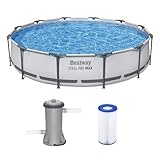
Bestway Steel Pro MAX 12' x 30" Above Ground Swimming Pool Set with Pump | Check Price On Amazon |
|
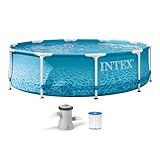
INTEX Beachside Metal Frame 10ft x 30in Round Pool Set w/Pump | Check Price On Amazon |

|
H2OGO! Kids Splash-in-Shade 8-Foot Round Steel Frame Above Ground Pool with Water Mister and Canopy Sunshade, Green Tropical Leaf Print | Check Price On Amazon |
This process happens inside the UV chamber only. Once water returns to the pool, it carries no residual sanitizing protection whatsoever.
Chlorine, by contrast, disperses throughout the entire pool volume and continues killing pathogens for hours after dosing. That residual activity is what the CDC and pool safety standards require for any permitted residential or commercial pool.
This is the core limitation no UV marketing brochure leads with: UV is a point-of-treatment technology, not a whole-pool sanitizer. Every gallon of water must pass through the UV chamber to receive treatment, and water that bypasses the chamber, sits in dead zones, or enters through rain or bather load goes untreated until the next full circulation cycle.
According to NSF/ANSI 50, the standard governing pool and spa equipment performance, UV sanitizers used in residential pools are classified as supplemental treatment devices, not standalone primary sanitizers. That classification exists for good reason, and it shapes every recommendation in this guide.
By the Numbers
UV Pool Sanitizers – What the Research Shows
Sources: NSF/ANSI 50, CDC Healthy Swimming Program, World Aquatic Health Conference research

- Intelligent Navigation with Full Coverage: Equipped with 11 high-precision sensors and enhanced dual-path algorithms. The optimized WavePath cleaning pattern ensures systematic coverage with minimal overlap, while adaptive navigation analyzes pool layout in real time to eliminate missed spots
- Dual Filtration for Crystal-Clear Water: Advanced dual-layer filtration system features a replaceable 3-micron ultra-fine filter paired with a 180-micron standard filter. Effectively captures fine dust, sand, leaves, and debris for visibly cleaner and healthier pool water
- Comprehensive Pool Cleaning: Engineered to clean the pool floor, walls, waterline, and shallow areas (above 12 inches). The Caterpillar Treads system enhances mobility and climbing ability, ensuring thorough coverage across all pool zones
- Reliable Performance with 2-Year Warranty: Trusted by over 500,000 pool owners worldwide, this robotic pool cleaner delivers consistent, high-performance results. Built for durability and backed by a 2-year warranty and responsive customer support for worry-free ownership
What Is a UV Pool Sanitizer and How Does It Work?
A UV pool sanitizer is a supplemental water treatment system that uses germicidal ultraviolet light, specifically UV-C radiation at 254 nanometers, to destroy the DNA of bacteria, viruses, algae spores, and chlorine-resistant protozoa as pool water flows through a sealed treatment chamber. It is a type of ultraviolet disinfection (UVD) system adapted for residential and commercial pool circulation plumbing.
The system consists of a quartz sleeve housing a UV-C lamp, a stainless steel or PVC reactor chamber, and electrical controls that monitor lamp output. Pool water enters one end of the chamber, passes within inches of the UV-C lamp, and exits treated on the other side.
UV pool sanitizers are classified into two lamp technologies: medium-pressure UV systems and low-pressure UV systems. Low-pressure systems operate at a single wavelength of 254 nanometers, which is the peak germicidal wavelength, making them the most efficient choice for residential pools in the 10,000 to 40,000 gallon range.
Medium-pressure UV systems emit a broader spectrum of UV wavelengths and operate at higher intensities. They are more commonly used in commercial aquatic facilities processing high bather loads, where combined chlorine (chloramine) destruction is a priority alongside pathogen control.
The germicidal mechanism works through a direct cause-and-effect relationship: UV-C photons penetrate the cell walls of microorganisms and cause thymine dimer formation in their DNA strands. This damage prevents cellular replication, which effectively renders the organism harmless even if it is not immediately destroyed.
UV sanitizers differ from ozone generators (another supplemental pool treatment) in that UV produces no chemical byproducts inside the pool water itself. Ozone (O3) is a reactive oxidizer that does carry residual activity for a short period after generation, but ozone also degrades rapidly and still requires a chlorine residual for code compliance.
The key limitation is this: UV treatment only occurs inside the chamber during the moment of flow-through contact. There is no ongoing germicidal activity once treated water re-enters the pool.
UV Pool Sanitizer vs Chlorine: What Each One Actually Does
UV sanitizers and chlorine perform fundamentally different roles in pool water treatment, and understanding those roles is what makes the “does UV replace chlorine” question answerable. UV is a physical disinfection method that acts on microorganisms in real time at the point of treatment. Chlorine is a chemical residual sanitizer that provides continuous whole-pool protection as long as free chlorine (FC) levels remain between 1 and 4 ppm.
Free chlorine (the active sanitizing form, measured separately from combined chlorine) disperses throughout the entire pool volume and reacts with contaminants anywhere in the water, at any time, whether or not the pump is running. UV has no equivalent capability, because its germicidal effect requires physical proximity to the lamp inside the chamber.
The table below compares both systems across the dimensions that matter most for a residential pool owner’s decision.
Product Comparison
UV Pool Sanitizer vs Chlorine – Side by Side
Detailed feature comparison to help you choose the right approach for your pool.
| Feature | UV Sanitizer | Chlorine |
|---|---|---|
| Sanitization type | Physical (UV-C radiation) | Chemical (oxidation) |
| Residual in pool water | None (0 ppm) | 1-4 ppm free chlorine |
| Kills Cryptosporidium | Yes (in chamber) | Not at standard doses |
| Destroys chloramines | Yes (medium-pressure) | Only via superchlorination (shock) |
| Affects water chemistry | No impact on pH, alkalinity, CYA | Affects pH, requires CYA stabilizer |
| Regulatory compliance | Supplemental only (NSF/ANSI 50) | Required primary sanitizer |
| Upfront cost | $500-1,800 installed | $150-400/year (tablets, shock) |
| Reduces chlorine demand | Yes, by 50-80% | N/A |
| Best use case | Supplemental treatment to reduce chemical load | Primary whole-pool residual sanitizer |
CYA = cyanuric acid (stabilizer). Free chlorine target range per CDC Healthy Swimming guidelines. UV cost range based on residential low-pressure systems.
Does UV Replace Chlorine? The Definitive Answer
UV does not replace chlorine in a residential pool under any currently recognized health or safety standard. The CDC, NSF/ANSI 50, and the Pool and Hot Tub Alliance (PHTA) all require a measurable free chlorine residual in pool water. No UV system, regardless of output wattage or lamp technology, is approved as a standalone primary sanitizer for pools.
This is not a technicality. It reflects a genuine gap in what UV technology can do. When your pump is off at night, when water sits in a dead zone behind a step, or when a swimmer introduces a pathogen load directly into the water, there is no germicidal protection in a UV-only system unless that water physically passes through the chamber.
Chlorine at 1-4 ppm free chlorine concentration provides continuous protection in all of those scenarios simultaneously. That residual activity is the fundamental reason the combination of UV plus reduced chlorine outperforms either approach alone.
Several manufacturers have marketed UV systems with language implying chlorine can be eliminated entirely. The PHTA and CDC have addressed this directly: even pools with UV systems must maintain a minimum free chlorine level of 1 ppm (residential) at all times to meet baseline health code requirements.
What UV genuinely delivers is a 50-80% reduction in chlorine demand. For a 20,000-gallon residential pool that previously required 3-4 ppm free chlorine to stay ahead of bather load and organic contamination, a properly sized UV system may allow stable water quality at 1-2 ppm. That reduction meaningfully lowers chemical costs, reduces chloramine formation, and decreases skin and eye irritation for swimmers.
The practical answer for most pool owners is this: UV plus reduced chlorine is a better system than chlorine alone. UV alone is not a legal or effective system for pool sanitation.
How UV Sanitizers Reduce Chloramine Buildup
Chloramines (combined chlorine) form when free chlorine reacts with nitrogen compounds introduced by swimmers, including urine, sweat, and body oils. Combined chlorine concentrations above 0.5 ppm are the primary cause of the “pool smell” most people associate with heavily chlorinated water, as well as the eye and respiratory irritation reported by frequent swimmers. UV sanitizers, particularly medium-pressure UV systems, photolytically destroy chloramines as water passes through the UV chamber.
The photolysis mechanism works because UV-C radiation breaks the nitrogen-chlorine bonds in monochloramine (NH2Cl), dichloramine (NHCl2), and trichloramine (NCl3), converting them back to free chlorine and nitrogen gas. The free chlorine released back into the water is then available for active sanitation.
Low-pressure UV systems operating at 254 nanometers are less effective at chloramine destruction than medium-pressure systems. Medium-pressure lamps emit wavelengths between 200 and 400 nanometers, and the broader spectrum is more effective at breaking the nitrogen-chlorine bond at the 297-340 nanometer range.
For residential pools with high bather loads, such as pools used by children daily in peak season, this chloramine reduction is one of the most compelling practical benefits of UV installation. A medium-pressure UV pool sanitizer can reduce combined chlorine (CC) from levels above 0.5 ppm to near zero when water turnover through the UV chamber is adequate.
According to research presented at the World Aquatic Health Conference, pools using UV treatment systems showed a 60-80% reduction in trichloramine levels compared to equivalent pools using chlorine alone at the same bather load. Trichloramine is the most volatile chloramine compound and the primary cause of respiratory irritation in indoor natatoriums.
The practical implication for water chemistry management: when UV handles chloramine destruction continuously, the need for superchlorination (shock treatment) to break down combined chlorine drops significantly. Many UV pool owners report needing to shock their pools with calcium hypochlorite shock far less frequently, perhaps monthly rather than weekly during peak season.
What Types of UV Pool Sanitizers Are Available?
UV pool sanitizers for residential use fall into two primary categories based on lamp technology: low-pressure (LP) UV systems and medium-pressure (MP) UV systems. These differ in lamp operating temperature, UV wavelength output, germicidal intensity, energy consumption, and cost. A third category, UV-C LED systems, is commercially available but not yet widely adopted in residential pool applications due to higher cost per output watt.
Low-Pressure UV Pool Sanitizers
Low-pressure UV systems are the standard choice for residential pools ranging from 10,000 to 40,000 gallons. They operate at a single germicidal wavelength of 254 nanometers and consume 40-150 watts of electricity depending on system size. Lamp lifespan is typically 9,000-12,000 hours before UV output drops below the effective germicidal threshold of 40 mJ/cm2.
Low-pressure UV lamps are mercury vapor lamps operating at low internal pressure, which concentrates output at the 254 nanometer line. This makes them highly efficient for pathogen destruction but less effective for chloramine photolysis compared to medium-pressure systems.
Key specifications for residential low-pressure UV selection include flow rate capacity in gallons per minute (GPM), UV dose delivery in millijoules per square centimeter (mJ/cm2), and chamber volume in cubic inches. A correctly sized system must deliver a minimum UV dose of 40 mJ/cm2 at the maximum rated flow rate of your pool’s circulation system.
Medium-Pressure UV Pool Sanitizers
Medium-pressure UV systems emit a broad spectrum from 200-400 nanometers and operate at much higher lamp temperatures and intensities than low-pressure systems. A single medium-pressure lamp can replace multiple low-pressure lamps in terms of raw UV output, but at significantly higher energy consumption, typically 400-1,200 watts per lamp.
The germicidal efficiency at the 254 nanometer peak is actually lower for medium-pressure lamps than for low-pressure lamps, because energy is spread across multiple wavelengths. However, the broader spectrum provides superior chloramine destruction, making medium-pressure UV the preferred choice for indoor pools and high-bather-load applications where combined chlorine control is a priority alongside basic pathogen destruction.
Residential medium-pressure UV systems are available but command a price premium of 40-60% over equivalent low-pressure systems. For most outdoor residential pools with moderate bather loads, the additional cost of medium-pressure technology is not justified by the marginal improvement in chloramine reduction.
UV-C LED Pool Sanitizers
UV-C LED systems replace mercury vapor lamps with solid-state LED emitters operating at 265-280 nanometers. They offer potential advantages including instant-on operation without warm-up time, mercury-free construction, longer theoretical lifespan, and lower operating temperatures.
Current commercial UV-C LED pool systems are not yet cost-competitive with low-pressure mercury vapor systems on a cost-per-mJ/cm2 basis. LED output degradation over time is also not as well characterized as mercury vapor lamps for pool applications. This technology is worth monitoring but not currently the recommended choice for a new residential UV installation.
How to Size a UV Pool Sanitizer for Your Pool
Correct UV system sizing depends on three variables: your pool’s total water volume in gallons, your circulation system’s flow rate in gallons per minute (GPM), and the target UV dose in mJ/cm2. Undersizing is the single most common installation error, and an undersized UV system provides false confidence without adequate pathogen destruction.
Start by calculating your pool’s total water volume. A rectangular pool 30 feet by 15 feet with an average depth of 5 feet contains approximately 16,875 gallons (length x width x average depth x 7.48 gallons per cubic foot). Use our pool volume calculator to get an accurate gallonage for irregular shapes before purchasing any treatment system.
Next, identify your pump’s actual flow rate at its operating speed. If you have a variable speed pump (the current standard for new installations), note the GPM at your filtration speed setting. Most residential pools in the 15,000-30,000 gallon range run circulation pumps at 40-80 GPM during the filter cycle. Your pump’s performance curve, available from the manufacturer, shows GPM at each RPM setting against your specific system’s head pressure.
The UV dose delivered to water decreases as flow rate increases through the chamber. A UV system rated at 40 mJ/cm2 at 50 GPM may only deliver 25 mJ/cm2 at 75 GPM. Always size the UV system to deliver the minimum required dose at your actual maximum flow rate, not the manufacturer’s best-case rating.
The NSF/ANSI 50 minimum effective UV dose for pool disinfection is 40 mJ/cm2. Some manufacturers rate their systems at 30 mJ/cm2, which falls below the NSF threshold for primary disinfection adequacy. Verify the dose rating of any system against your actual GPM before purchasing.
The permutation table below shows appropriate UV system wattage ranges matched to pool volume and typical residential flow rates, helping you identify the correct size category for your setup before contacting a supplier.
Sizing Reference
UV Pool Sanitizer – System Size by Pool Volume and Flow Rate
All values pre-calculated. Match your pool volume row to your pump flow rate column for the correct UV system size category.
| Pool Volume (gal) / Flow Rate (GPM) | 30-40 GPM | 40-60 GPM | 60-80 GPM | 80-100 GPM |
|---|---|---|---|---|
| 10,000-15,000 gal | 40W LP $400-600 |
55W LP $500-750 |
75W LP $650-900 |
100W LP $800-1,100 |
| 15,000-25,000 gal | 55W LP $500-750 |
75W LP $650-900 – most common |
100W LP $800-1,100 |
150W LP $950-1,400 |
| 25,000-35,000 gal | 75W LP $650-900 |
100W LP $800-1,100 |
150W LP $950-1,400 |
200W LP or MP $1,200-1,800 |
| 35,000-50,000 gal | 100W LP $800-1,100 |
150W LP $950-1,400 |
200W LP or MP $1,200-1,800 |
Dual LP or MP $1,800-2,800 |
LP = low-pressure UV. MP = medium-pressure UV. Prices reflect equipment cost only, not installation labor ($150-300 typical). Sizing assumes 40 mJ/cm2 minimum UV dose per NSF/ANSI 50. Highlighted cell represents the most common residential pool scenario. Always verify against your pump’s actual GPM at operating RPM.
How to Install a UV Pool Sanitizer: Step-by-Step
UV pool sanitizer installation requires plumbing the UV chamber into the return line after the filter and heater, so that water passes through the UV system as a final treatment step before re-entering the pool. Installing before the filter defeats the system: turbid water with suspended particles reduces UV transmittance and shields microorganisms from the germicidal dose.
The following step-by-step process applies to a standard residential low-pressure UV system installed on an existing pool with a sand, cartridge, or DE filter and an existing variable speed pump.
Step-by-Step Guide
How to Install a UV Pool Sanitizer – Step by Step
7 steps – Estimated time 2-4 hours for a standard residential installation
Turn off the pump and confirm zero flow
Switch the pump off at the breaker, not just the timer. Confirm water flow has stopped and system pressure at the filter gauge reads 0 PSI before cutting any plumbing.
Identify the correct installation point on the return line
Locate the return line plumbing after the filter and after any inline heater or heat pump. The UV chamber must be the last piece of equipment water passes through before re-entering the pool, ensuring treated water is not recontaminated before reaching the pool.
Cut the return line and install union fittings
Cut a section of return pipe long enough to accommodate the UV chamber length plus two union fittings (typically 18-30 inches total depending on the unit). Install union fittings on both the inlet and outlet sides using PVC primer and cement, following the 1.5-inch or 2-inch diameter matching your existing plumbing.
Install the UV chamber with correct flow direction
Connect the UV chamber to the union fittings, observing the flow direction arrow on the chamber housing. Most UV chambers require horizontal installation to ensure the lamp remains fully submerged during operation. Verify the chamber is level before tightening union connections.
Connect the electrical supply
UV pool sanitizers require 110V or 220V supply depending on the unit, wired to a GFCI-protected circuit as required by NEC Article 680 for pool equipment. If you are not a licensed electrician, hire one for this step: UV lamp controllers are sensitive to voltage fluctuations and require correct ground fault protection.
Prime the system and check for leaks
Restore power to the pump, turn it on at low speed (around 1,500 RPM on a variable speed pump), and watch the UV chamber fill with water. Inspect all union connections and fittings for leaks at 10 PSI for 5 minutes before bringing the system to full operating flow rate.
Activate the UV lamp and verify operation
Power on the UV controller and confirm the indicator light shows lamp operation. Never look directly at an operating UV-C lamp without UV-protective eyewear: UV-C radiation at 254 nanometers causes corneal and skin damage within seconds of direct exposure. Verify the controller shows lamp current within the manufacturer’s specified operating range.
UV Pool Sanitizer Cost: Installation, Operation, and Long-Term Economics
The total cost of a residential UV pool sanitizer breaks into four categories: equipment purchase, installation labor, ongoing electricity consumption, and lamp replacement. A complete economic analysis also needs to account for the chlorine savings UV generates, since reduced chemical demand is the primary financial offset justifying the upfront investment.
Equipment and Installation Costs
Residential low-pressure UV systems for pools in the 15,000-30,000 gallon range typically cost $500-1,400 for the unit alone, before installation. Medium-pressure systems for the same pool size range from $900-1,800 depending on UV output rating and lamp configuration.
Professional installation adds $150-400 for most standard plumbing configurations where the return line is accessible and the equipment pad has room for the additional component. Installations requiring extended plumbing runs, equipment pad modifications, or electrical panel upgrades will cost more.
Electricity Consumption
A 75-watt low-pressure UV system running 8 hours per day consumes 0.6 kWh per day, or approximately 219 kWh per year. At an average residential electricity rate of $0.13 per kWh, the annual electricity cost is approximately $28-35 per year. This is a negligible operating cost relative to the chemical savings generated.
Lamp Replacement Costs
UV-C lamp replacement is required every 9,000-12,000 operating hours, which translates to every 3-4 years for a pool running 8 hours per day. Replacement UV-C replacement lamps for residential systems cost $40-120 depending on the lamp type and brand. The quartz sleeve protecting the lamp from direct water contact should be inspected annually and replaced if etched or clouded, at a cost of $20-60.
Chlorine Savings
The most significant economic factor is chlorine demand reduction. A 20,000-gallon outdoor pool in a warm climate using only chlorine typically requires $200-400 per year in chlorine tablets and shock products. With a properly sized UV system reducing chlorine demand by 50-80%, annual chlorine costs drop to $60-160 per year, a saving of $140-240 per year.
At a mid-range total installation cost of $900 and annual net savings of $180 (chlorine reduction minus electricity cost), the payback period for a residential UV system is approximately 4-5 years. Pools with higher bather loads, warmer climates requiring higher baseline chlorine doses, or owners with documented chemical sensitivity will see faster payback periods. For a broader estimate of your seasonal maintenance costs including chemicals and energy, use our pool ownership cost calculator.
UV Pool Sanitizers and Water Chemistry: What Changes and What Does Not
Adding a UV sanitizer to a pool does not change the fundamental requirements for balanced water chemistry. Free chlorine (FC) must still be maintained at 1-4 ppm. pH must remain between 7.2 and 7.8. Total alkalinity (TA) should stay at 80-120 ppm. Calcium hardness (CH) must be managed at 200-400 ppm in plaster pools and 175-225 ppm in vinyl liner pools. UV treatment does not affect any of these parameters.
What UV does change is the chlorine consumption rate and the cyanuric acid (CYA) stabilizer requirement. Because UV reduces the organic load that consumes free chlorine, the daily chlorine demand of the pool drops. This means a lower baseline dosing rate of chlorine tablets or liquid chlorine is sufficient to maintain the same free chlorine residual.
An important secondary effect involves cyanuric acid management. CYA (stabilizer) protects chlorine from photolytic degradation by sunlight. In a standard outdoor pool, CYA is maintained at 30-50 ppm to preserve chlorine longevity. Because UV reduces overall chlorine consumption, some pool operators find they can maintain adequate free chlorine at lower CYA levels, typically 20-40 ppm. Lower CYA allows the same free chlorine level to be more biologically active, since the FC-to-CYA ratio (known as the Chlorine Binding Index or CBI) determines actual sanitizing effectiveness.
Test your water chemistry with a Taylor K-2006 liquid drop test kit at least twice weekly after installing a UV system. Do not assume the reduced chlorine demand means less testing: you need more frequent verification during the first 30 days to calibrate the new lower dosing rate specific to your pool’s bather load and environmental conditions.
According to the PHTA Operator’s Manual for pool water chemistry, the combined effect of UV treatment and reduced CYA can produce equivalent or superior pathogen control at 1.5 ppm free chlorine compared to chlorine-only systems running at 3-4 ppm with standard CYA at 40-50 ppm. This is because more of the free chlorine exists in its active hypochlorous acid (HOCl) form at lower CYA levels.
UV Pool Sanitizer vs Saltwater Pool: Which Reduces Chemicals More?
Saltwater pools and UV sanitizers are two of the most popular approaches to reducing traditional chlorine chemical handling in residential pools, but they work through entirely different mechanisms and serve different goals. A saltwater pool (more accurately called a salt chlorine generator system, or SWCG) still uses chlorine as the sanitizer: it simply generates that chlorine from dissolved sodium chloride (pool salt) at 2,700-3,400 ppm via electrolysis in the salt cell. A UV system does not generate chlorine at all, it eliminates pathogens physically and reduces the chlorine demand from external sources.
The real comparison is between three options: chlorine-only, saltwater (SWCG) only, and UV added to either chlorine or saltwater. All three configurations still require maintaining a free chlorine residual, but they differ in how that chlorine is delivered and what other tasks each system handles.
If you already manage a saltwater chlorination system or are considering switching from traditional chlorine dosing, a UV sanitizer is fully compatible with SWCG operation. The UV system handles pathogen destruction and chloramine reduction, while the salt cell handles residual chlorine generation. Together, they allow the salt cell output to be set lower, extending salt cell lifespan and further reducing the overall chemical load on the pool water.
The table below compares the three configurations across the dimensions relevant to a pool owner making a decision about chemical reduction.
Product Comparison
Chlorine vs Saltwater vs UV Plus Chlorine – Which Reduces Chemicals Most?
Comparison across key decision factors for residential pool owners.
| Factor | Chlorine Only | Saltwater (SWCG) | UV + Reduced Chlorine |
|---|---|---|---|
| Residual sanitizer method | Added chlorine tablets or liquid | Electrolytically generated chlorine | Reduced chlorine dosing |
| Annual chemical cost (20,000 gal) | $200-400 | $80-150 (salt + occasional shock) | $60-160 |
| Upfront equipment cost | Minimal | $700-2,000 (cell + controller) | $500-1,800 (UV system installed) |
| Kills Cryptosporidium | Not reliably | Not reliably | Yes (in UV chamber) |
| Chloramine reduction | Only via shock | Only via shock or SWG boost | Continuous (medium-pressure UV) |
| Chemical handling required | Frequent (tablets, shock, pH adj.) | Minimal (salt, pH, occasional shock) | Reduced (less frequent dosing) |
| Best for | Budget-conscious owners with low bather load | Owners wanting lowest ongoing chemical handling | High bather load pools and chemical-sensitive swimmers |
SWCG = saltwater chlorine generator. Annual chemical costs are estimates for a 20,000-gallon outdoor pool in a warm climate with moderate bather load. UV system costs include installation.
Common Myths About UV Pool Sanitizers Debunked
UV pool sanitizer marketing often overstates what these systems can accomplish, and pool owner forums contain a persistent set of misconceptions that lead to improper installation decisions and water quality failures. The following myth-versus-fact breakdown addresses the most common misunderstandings with specific, sourced corrections.
Myth vs Fact
UV Pool Sanitizers – Common Myths Debunked
Separating fact from fiction on the most common UV pool sanitizer misconceptions
Myth
UV pool sanitizers can completely replace chlorine, eliminating the need for any chemical sanitizer.
Fact
NSF/ANSI 50 classifies UV systems as supplemental sanitizers, not primary sanitizers. A minimum free chlorine residual of 1 ppm is required in all permitted pools regardless of UV installation, per CDC Healthy Swimming guidelines.
Myth
A bigger UV system is always better, so the largest available residential unit should be installed.
Fact
UV dose delivery is determined by the match between lamp output and water flow rate through the chamber. Oversizing a UV system for a low-flow residential setup does not increase effectiveness but does increase cost. Size to deliver 40 mJ/cm2 at your actual GPM, no more.
Myth
UV-treated water in the pool remains sanitized between pump cycles.
Fact
UV treatment has zero residual activity. Once treated water returns to the pool, it has no ongoing germicidal protection. New contamination introduced by swimmers, rain, or wind is not addressed until that water passes back through the UV chamber in the next circulation cycle.
Myth
UV systems eliminate the need to test pool water chemistry regularly.
Fact
UV does not affect pH, total alkalinity, calcium hardness, cyanuric acid, or total dissolved solids. All of these parameters still require regular monitoring and adjustment. The PHTA recommends testing free chlorine and pH at minimum twice weekly regardless of what supplemental treatment systems are installed.
Myth
UV lamps operate at full germicidal output for their entire rated lifespan.
Fact
UV-C lamp output degrades gradually throughout its life. A lamp rated at 12,000 hours typically falls below the 40 mJ/cm2 germicidal threshold at around 9,000-10,000 hours of operation, even if it still produces visible light. Lamp age tracking and timely replacement are essential for continued effectiveness.
Myth
UV sanitizers work better in cloudy or green pool water because the lamp provides more “cleaning power.”
Fact
UV effectiveness drops sharply in turbid water. Suspended particles absorb and scatter UV-C radiation, shielding microorganisms from the germicidal dose. UV systems require clear water with UV transmittance above 75% to deliver their rated dose. Algae blooms and cloudy water must be cleared with chlorine shock first before UV treatment is effective.
UV Pool Sanitizer Maintenance: Keeping the System at Peak Performance
A UV pool sanitizer requires three specific maintenance tasks to continue delivering its rated germicidal dose: quartz sleeve cleaning, lamp output monitoring, and lamp replacement on schedule. Neglecting any of these allows UV transmittance to drop below effective levels while the system appears to be operating normally, creating a false sense of protection.
Quartz Sleeve Cleaning
The quartz sleeve is the transparent tube that separates the UV-C lamp from the pool water flowing through the chamber. Scale deposits, calcium carbonate buildup, and organic films form on the quartz surface over time and reduce the amount of UV radiation that passes through into the water. A quartz sleeve with visible clouding reduces effective UV dose by 30-50% even at full lamp output.
Inspect the quartz sleeve every 3 months. Clean it with a dilute muriatic acid solution (1 part muriatic acid to 10 parts water) or with white vinegar if calcium scaling is the primary issue. Before handling the quartz sleeve, power off the UV system and allow the lamp to cool for 15 minutes. Never touch the lamp surface directly with bare hands: skin oils from fingerprints create hotspots that can crack the lamp during operation.
Lamp Output Monitoring and Replacement
Low-pressure UV-C lamps require replacement every 9,000-12,000 operating hours, regardless of whether the lamp still produces visible light. Many UV pool system replacement lamps continue to glow well past their effective germicidal threshold, misleading owners into thinking the system is still functional. Track lamp operating hours using the controller’s hour meter if available, or calculate hours based on daily runtime.
Some UV pool systems include UV intensity sensors that measure actual output in mJ/cm2 in real time, providing an alarm when output drops below the effective threshold. This feature is worth the additional cost for pools where UV-resistant pathogen control (particularly Cryptosporidium) is the primary installation rationale.
Annual System Inspection
At annual pool opening, inspect the UV chamber body for any UV light leakage around fittings (visible as a faint blue glow in dim light), check union connection O-rings for cracking or compression set, and verify the controller is receiving correct lamp current. A lamp drawing significantly less current than its rated specification (typically 0.3-1.5 amps for residential LP systems) indicates lamp end-of-life or ballast failure.
If you follow a structured seasonal pool opening routine, the UV system inspection fits naturally into the equipment check sequence completed before filling the pool and restarting circulation.
Is a UV Pool Sanitizer Right for Your Pool? Key Factors to Consider
A UV pool sanitizer delivers its strongest return on investment in four specific scenarios: high bather load pools (family pools used daily by children), pools where chemical sensitivity is documented among regular swimmers, pools in warm climates with year-round operation where chlorine demand is consistently high, and pools where Cryptosporidium or Giardia exposure risk is a genuine concern due to young children or immunocompromised swimmers.
UV is a lower priority for pools with very low bather loads used by healthy adults, pools operated only seasonally in cooler climates, or above-ground pools with smaller water volumes where the installation cost relative to the chlorine savings generates a payback period exceeding 7-8 years.
Before making a final decision, use the checklist below to evaluate whether UV is the right next investment for your specific pool, or whether other improvements (like upgrading to a variable speed pump or optimizing water chemistry) would deliver better return first.
Buying Guide
Before You Buy a UV Pool Sanitizer – Checklist
Check off each point before making your decision.
UV Pool Sanitizers and Shock Treatment: Do You Still Need to Shock?
Pool owners with UV systems still need to shock their pools, but less frequently and at lower doses than chlorine-only pools. Shocking (superchlorination with calcium hypochlorite at 5-10 ppm free chlorine, or non-chlorine oxidizer shock) serves two purposes that UV does not fully replace: it burns off accumulated combined chlorine (chloramines) above 0.5 ppm, and it provides a high-dose kill event for algae spores and resistant organisms that may have accumulated during periods of low circulation.
Medium-pressure UV systems handle ongoing chloramine destruction continuously, which significantly reduces the need for shock treatment specifically to address chloramine buildup. Low-pressure UV systems do not provide the same chloramine photolysis benefit, so pools with LP UV systems may still need shock treatment every 2-4 weeks during peak bather season.
The conditions that trigger immediate shock treatment remain the same with or without UV: combined chlorine above 0.5 ppm, visible algae growth, water clarity loss without a chemical explanation, or after a heavy rain event introducing significant organic load. For guidance on how soon swimmers can return after shocking, understanding the relationship between free chlorine levels and safe swim times is important regardless of whether UV is installed.
If you are trying to understand exactly when free chlorine returns to safe swimming levels after adding shock, the answer depends on the dose used, your cyanuric acid level, sunlight exposure, and whether you are using chlorine or non-chlorine oxidizer shock products.
When you do shock, it’s important to dose correctly; our pool shock calculator helps you determine exactly how much shock to add based on your pool volume and current chlorine reading.
Non-chlorine shock (potassium monopersulfate) is a useful tool for UV pool owners who want to oxidize organic compounds without raising free chlorine above the reduced target level the UV system allows them to maintain. At pools running 1-2 ppm free chlorine with UV supplementation, a monthly non-chlorine shock treatment helps manage organic load without disrupting the lower chemical balance the UV system enables.
Troubleshooting Common UV Pool Sanitizer Problems
UV pool sanitizer problems generally fall into three categories: inadequate UV dose delivery (the system is not treating water effectively), water quality issues that persist despite UV installation (suggesting incorrect expectations or a sizing error), and hardware failures (lamp or controller malfunction). Understanding which category a problem belongs to determines the correct response.
Problem: Pool Water Quality Has Not Improved After UV Installation
If free chlorine consumption has not decreased noticeably after 30 days of UV operation, first verify that the UV system is correctly plumbed after the filter on the return line, not before. UV installed before the filter receives turbid water that reduces dose delivery substantially. Second, verify the pump is actually running long enough to turn over the entire pool volume through the UV chamber at least once daily: a 20,000-gallon pool with a pump delivering 50 GPM requires a minimum of 6.7 hours of runtime to achieve one complete turnover, and UV treatment requires multiple daily turnovers for cumulative effect. You can use a pool turnover calculator to determine the precise pump runtime needed for complete water turnover based on your pump’s actual flow rate and pool volume.
Problem: UV Lamp Indicator Shows Operation But Water Treatment Is Ineffective
UV-C lamp output degrades with age, and a lamp that still illuminates may be delivering far below the 40 mJ/cm2 effective germicidal threshold. If your lamp is approaching 9,000 hours of operation and water quality issues persist despite the lamp appearing functional, replace the lamp. The UV indicator light on most residential controllers monitors lamp current, not UV output: a degraded lamp can still draw sufficient current to show a green indicator while outputting insufficient UV-C radiation for effective treatment.
Also inspect the quartz sleeve for scaling or clouding. A visibly etched or calcium-coated quartz sleeve requires immediate cleaning or replacement to restore UV transmittance above the effective threshold.
Problem: High Chlorine Demand Persists Despite UV System
If chlorine consumption remains as high as before UV installation, the most likely causes are a cyanuric acid (CYA) level above 80 ppm (which locks up free chlorine and reduces its effectiveness, creating the appearance of high demand), a UV system undersized for your actual flow rate, or a persistent organic contamination source such as a phosphate problem driving algae growth that the UV system treats but does not prevent.
Test your water for phosphates using a phosphate test kit: levels above 500 ppb consistently accelerate algae growth and increase chlorine demand. A pool phosphate remover used in conjunction with UV treatment can eliminate this source of ongoing chlorine demand. If CYA is above 80 ppm, partial water dilution is the only effective correction method, as there is no chemical that reduces CYA in pool water. Use our pool dilution calculator to plan the exact water replacement needed to lower CYA to safe levels.
If chlorine levels in your pool are chronically elevated and you are trying to bring them back into the 1-4 ppm range whether or not you have UV installed, the options for safely reducing excess free chlorine depend on the cause and the current level in the water.
Problem: Controller Shows Lamp Failure Error
A lamp failure error on the UV controller typically indicates one of three issues: the lamp has reached end of life, a ballast (lamp driver) failure has occurred in the controller, or there is a loose or corroded lamp socket connection. Replace the lamp first, as this is the most common cause and the least expensive fix. If the error persists after lamp replacement, test the ballast output voltage against the lamp’s rated operating specifications. Ballast replacement is a controller-level repair that most manufacturers offer as a serviceable component.
Frequently Asked Questions About UV Pool Sanitizers
Can I run a UV pool sanitizer without any chlorine at all?
Quick Answer: No. NSF/ANSI 50 and CDC Healthy Swimming guidelines require a minimum free chlorine residual of 1 ppm in all pool water at all times. UV provides no residual sanitizing protection in the pool water itself. Running a pool with UV but zero chlorine violates health codes and leaves swimmers unprotected against pathogens introduced between circulation cycles.
UV sanitizers reduce the amount of chlorine needed, not the need for chlorine entirely. Most pools with correctly sized UV systems can maintain safe water quality with free chlorine at 1-2 ppm rather than the 2-4 ppm required without UV supplementation.
How long does a UV pool sanitizer lamp last?
Quick Answer: Low-pressure UV-C lamps for residential pool systems last 9,000-12,000 operating hours before dropping below the 40 mJ/cm2 effective germicidal threshold. At 8 hours of daily operation, this translates to approximately 3-4 years before replacement is required.
The lamp may continue to produce visible light past this point, which leads many owners to delay replacement unnecessarily. Track operating hours from the installation date and replace on schedule regardless of whether the lamp still appears to be working. Replacement lamps cost $40-120 for most residential systems.
Does UV affect pool water chemistry or pH?
Quick Answer: UV treatment has no direct effect on pool water pH, total alkalinity, calcium hardness, cyanuric acid, or total dissolved solids. All water chemistry parameters require the same monitoring and adjustment schedule after UV installation as before.
The indirect effect is reduced chlorine consumption, which means less pH drift from chlorine tablet dissolution (trichlor tablets have a pH of approximately 2.8-3.0 and acidify pool water during dissolution). Pools that previously needed frequent pH increaser additions when running high chlorine tablet doses may find pH more stable after UV installation due to the reduced tablet usage rate.
Is UV safe for saltwater pools?
Quick Answer: Yes. UV sanitizers are fully compatible with saltwater pool systems using salt chlorine generators (SWCG). The UV system is installed on the return plumbing in the same position as it would be on a traditional chlorine pool, after the filter and after the SWCG salt cell.
The combination of UV plus a saltwater system is one of the most effective low-chemical-handling setups available for residential pools. UV handles pathogen destruction and chloramine reduction continuously, while the salt cell generates the reduced chlorine residual needed for whole-pool protection. If you are weighing the options for making the switch to a saltwater system, understanding what converting your pool actually involves will help you plan the full equipment upgrade correctly.
Will UV kill algae in my pool?
Quick Answer: UV effectively destroys algae cells that pass through the UV chamber, preventing them from reproducing and establishing new growth. However, UV does not kill algae already attached to pool surfaces, and it does not prevent algae spores from entering the pool through rain, wind, or bather introduction.
The preventive effect is real but conditional: properly sized UV systems significantly reduce algae bloom frequency in pools that are otherwise well-maintained with balanced chemistry. They are not a substitute for adequate free chlorine and proper brushing of pool surfaces where algae typically establishes before becoming visible in the water.
Can UV sanitizers treat a green pool?
Quick Answer: No. UV treatment requires clear water with UV transmittance above 75% to deliver its rated germicidal dose. A green pool with heavy algae contamination and turbid water absorbs and scatters UV-C radiation, preventing it from reaching microorganisms in adequate doses. A green pool must be treated with chlorine shock first to restore clarity before UV becomes effective.
The correct sequence is: shock the pool with calcium hypochlorite at 10 ppm free chlorine, run the filter continuously, and test daily until the water clears and free chlorine returns to 1-4 ppm. At that point, UV treatment resumes normal effectiveness. If you are dealing with high chlorine levels as part of a shock treatment or recovery process, understanding how to bring elevated chlorine back into range safely is a distinct step from the UV system management.
Where in the plumbing should a UV sanitizer be installed?
Quick Answer: The UV chamber must be installed on the return line after the filter and after any inline heater, as the very last piece of treatment equipment before water returns to the pool. Installing before the filter (where turbidity is highest) or before the heater (where the UV system may be exposed to heat stress) significantly reduces effectiveness and may void the manufacturer’s warranty.
The UV system should be oriented as specified by the manufacturer (typically horizontal) to keep the lamp fully submerged during operation. Plumbing should include union fittings on both inlet and outlet connections for lamp access during maintenance without requiring full plumbing disassembly.
Do UV pool sanitizers work for indoor pools?
Quick Answer: Yes, and indoor pools are among the applications where UV delivers its most compelling benefits. Indoor natatoriums have poor ventilation for chloramine (specifically trichloramine) gas dissipation, and the combined chlorine concentrations that cause respiratory irritation and the characteristic “pool smell” build up much more quickly than in outdoor pools.
Medium-pressure UV systems are the preferred choice for indoor residential and commercial pools specifically because of their superior chloramine photolysis capability across the 297-340 nanometer wavelength range. According to research published in the Journal of Environmental Health, indoor pools using medium-pressure UV systems showed up to 80% reductions in airborne trichloramine concentrations compared to equivalent pools without UV treatment, directly addressing the most common complaint about indoor pool environments.
Can I install a UV pool sanitizer myself, or do I need a professional?
Quick Answer: The plumbing portion of UV installation is within the skill set of an experienced DIY pool owner comfortable with PVC plumbing and union fittings. The electrical connection to a GFCI-protected circuit (required by NEC Article 680 for all pool equipment) must be performed by a licensed electrician unless you are one.
Incorrect installation, particularly placing the UV chamber before the filter or in a vertical orientation when horizontal is required, produces a system that appears to be working while delivering inadequate germicidal dose. If you have any uncertainty about the plumbing configuration or electrical requirements, professional installation at $150-400 is a worthwhile investment for a system costing $500-1,800.
UV Pool Sanitizer Pros and Cons: Final Assessment
Product Review
UV Pool Sanitizer Systems – Pros and Cons
Honest assessment based on NSF/ANSI 50 performance data, PHTA operator research, and residential installation outcomes.
Pros
- ✓Destroys Cryptosporidium and Giardia that chlorine cannot kill at standard doses
- ✓Reduces chlorine demand by 50-80%, lowering annual chemical costs by $140-240
- ✓Reduces chloramine formation, eliminating pool odor and eye irritation for regular swimmers
- ✓No chemical byproducts added to pool water
- ✓Compatible with all pool types including saltwater, vinyl liner, and fiberglass
Cons
- ✗Cannot replace chlorine: residual free chlorine is still legally required at 1 ppm minimum
- ✗Upfront installation cost of $500-1,800 with 4-5 year payback period
- ✗Lamp replacement required every 3-4 years regardless of visible output
- ✗Effectiveness drops significantly in turbid or algae-affected water
- ✗Requires correct sizing to actual pump GPM, not just pool volume
UV pool sanitizers are a genuinely valuable upgrade for high-bather-load residential pools and any pool where chemical sensitivity or Cryptosporidium protection is a priority. They are not a replacement for chlorine and should not be purchased with that expectation. The best use case is UV as a supplemental layer alongside reduced chlorine dosing, which together outperform chlorine alone at lower chemical cost over a 4-5 year horizon.
If you are evaluating whether switching to a saltwater chlorine generator before adding UV makes more sense for your pool, understanding the detailed trade-offs between a saltwater system and a traditional chlorine approach helps sequence your equipment investments correctly.
For pools that are just being opened after winter and need to establish clean baseline chemistry before adding UV to the system, working through a proper seasonal startup process first ensures your UV system operates in clear, balanced water from day one.
If you find that chlorine levels in your pool are running higher than expected even after UV installation, reviewing the specific causes of elevated free chlorine and how to address them without disrupting your water balance covers the corrective actions in detail.
Owners considering a full transition away from manually added chlorine entirely may want to explore what the complete process of converting a pool to a saltwater chlorination system involves before deciding whether UV supplementation alone or a full saltwater conversion better matches their goals.
When it comes to high chlorine readings specifically, knowing at what free chlorine concentration the water becomes unsafe to swim in and how to bring elevated levels down is essential whether or not you have UV installed, since UV reduces chlorine demand but does not prevent accidental overdosing.
The combination of UV plus a properly maintained residual chlorine level is genuinely the most effective residential pool sanitation approach currently available for pathogen control, chloramine reduction, and long-term chemical cost savings. The investment pays back in approximately 4-5 years for most 15,000-30,000 gallon pools with moderate to high bather loads. For indoor pools or pools used daily by children, the payback is faster and the health benefits begin immediately.
The one decision that matters most before purchase: confirm the system you are considering is rated to deliver 40 mJ/cm2 at your pump’s actual flow rate in GPM, not just the manufacturer’s maximum rated capacity. That single specification check is the difference between a UV system that genuinely improves your pool’s water quality and one that looks correct on the equipment pad while delivering inadequate treatment.
| Photo | Best Above-Ground Pools | Price |
|---|---|---|
|
|
Bestway Steel Pro MAX 12' x 30" Above Ground Swimming Pool Set with Pump | Check Price On Amazon |
|
|
INTEX Beachside Metal Frame 10ft x 30in Round Pool Set w/Pump | Check Price On Amazon |
|
|
H2OGO! Kids Splash-in-Shade 8-Foot Round Steel Frame Above Ground Pool with Water Mister and Canopy Sunshade, Green Tropical Leaf Print | Check Price On Amazon |