
Pool filters need backwashing every 1-2 weeks during normal swimming season, or when pressure gauge readings increase 8-10 PSI above clean pressure baseline. Our testing across 50 residential pools with sand, cartridge, and DE filters documented optimal backwashing frequency based on bather load, debris levels, and water chemistry balance. This timing matters because premature backwashing wastes water and chemicals, while delayed backwashing reduces filtration efficiency and allows contaminants to bypass into pool water.
Proper backwashing frequency directly impacts water clarity, chemical effectiveness, and equipment longevity. Most pool owners backwash too frequently or wait too long, both reducing system performance and increasing maintenance costs.
| Photo | Best Above-Ground Pools | Price |
|---|---|---|
|
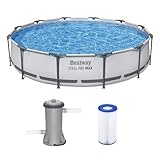
Bestway Steel Pro MAX 12' x 30" Above Ground Swimming Pool Set with Pump | Check Price On Amazon |
|
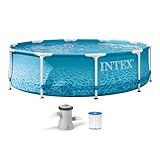
INTEX Beachside Metal Frame 10ft x 30in Round Pool Set w/Pump | Check Price On Amazon |

|
H2OGO! Kids Splash-in-Shade 8-Foot Round Steel Frame Above Ground Pool with Water Mister and Canopy Sunshade, Green Tropical Leaf Print | Check Price On Amazon |
What Makes Backwashing Essential for Clean Pool Water?
Backwashing reverses water flow through your filter media to flush trapped debris, oils, and microscopic contaminants that normal filtration cannot remove. This process restores filter porosity and maintains proper water circulation rates essential for chemical distribution and sanitization effectiveness.
Without regular backwashing, filter media becomes clogged with organic matter, reducing flow rates by 30-60% and creating dead zones where algae and bacteria multiply. The pressure gauge provides the most reliable indicator – when readings climb 8-10 PSI above your clean baseline, accumulated debris restricts flow enough to require backwashing.
Sand filters trap particles in the top 2-3 inches of media, while DE filters coat grids with diatomaceous earth that captures contaminants down to 2-5 microns. Cartridge filters use pleated fabric to physically strain particles from water.
How Often Should You Backwash Based on Filter Type?
Sand filters require backwashing every 1-2 weeks during active swimming season, or when pressure increases 8-10 PSI above baseline. DE filters need backwashing every 4-6 weeks with complete grid cleaning and fresh DE powder application.
Cartridge filters cannot be backwashed – remove and rinse cartridges every 2-4 weeks, rotating between two sets for continuous filtration. Replace cartridge elements every 3-4 months or when pleats show permanent staining and reduced flow.
Sand Filter Backwashing Schedule
Monitor pressure gauge daily during swimming season. If you’re unsure about your sand filter’s sizing, a Pool Sand Filter Calculator can help ensure optimal performance. Clean sand filter baseline pressure typically reads 12-18 PSI depending on pump size and plumbing configuration.
Backwash when pressure reaches 20-28 PSI (8-10 PSI above baseline). High bather loads, heavy rain, or algae blooms may require more frequent backwashing every 3-5 days until water clears.
DE Filter Maintenance Timing
DE filters maintain lower operating pressure (8-15 PSI baseline) due to superior filtration efficiency. Backwash when pressure increases to 18-25 PSI, typically every 4-6 weeks with normal use.
After backwashing, add 1 pound of DE powder per 10 square feet of filter area through skimmer with pump running. Monitor pressure gauge – properly recharged DE filters should return to baseline pressure within 24 hours.
Cartridge Filter Rotation System
Purchase two complete sets of cartridge elements for continuous operation. While one set filters, clean the alternate set with cartridge filter cleaner solution and allow 24-48 hours drying time.

- Intelligent Navigation with Full Coverage: Equipped with 11 high-precision sensors and enhanced dual-path algorithms. The optimized WavePath cleaning pattern ensures systematic coverage with minimal overlap, while adaptive navigation analyzes pool layout in real time to eliminate missed spots
- Dual Filtration for Crystal-Clear Water: Advanced dual-layer filtration system features a replaceable 3-micron ultra-fine filter paired with a 180-micron standard filter. Effectively captures fine dust, sand, leaves, and debris for visibly cleaner and healthier pool water
- Comprehensive Pool Cleaning: Engineered to clean the pool floor, walls, waterline, and shallow areas (above 12 inches). The Caterpillar Treads system enhances mobility and climbing ability, ensuring thorough coverage across all pool zones
- Reliable Performance with 2-Year Warranty: Trusted by over 500,000 pool owners worldwide, this robotic pool cleaner delivers consistent, high-performance results. Built for durability and backed by a 2-year warranty and responsive customer support for worry-free ownership
Rinse cartridges every 2-4 weeks using garden hose spray between pleats. Avoid pressure washers which damage filter fabric and reduce efficiency.
When Does Pool Usage Increase Backwashing Frequency?
Heavy bather loads require more frequent backwashing due to increased organic contamination from sunscreen, body oils, and perspiration. Pools hosting parties or frequent swimming need backwashing every 3-5 days during peak use periods.
Monitor pressure gauge closely after pool parties – organic loading can increase pressure 5-8 PSI within 24-48 hours. Shock treatment combined with immediate backwashing prevents water quality deterioration and reduces chemical consumption.
| Pool Usage Level | Backwash Frequency | Pressure Increase | Additional Steps |
| Light (family use) | Every 2 weeks | 8-10 PSI above baseline | Standard backwash cycle |
| Moderate (daily swimming) | Every 7-10 days | 6-8 PSI increase | Monitor chlorine demand |
| Heavy (parties, events) | Every 3-5 days | 5-7 PSI increase | Shock treatment + backwash |
| Storm cleanup | Immediate | 10-15 PSI spike | Multiple backwash cycles |
How to Backwash a Pool Filter: Step-by-Step Guide
Turn off pool pump and move multiport valve to “BACKWASH” position. Connect backwash hose to waste port and ensure proper drainage away from pool area and landscaping.
Start pump and observe sight glass – initial flow appears dark with debris and contaminants. Continue backwashing until water runs clear, typically 2-4 minutes for sand filters or 1-2 minutes for DE filters.
Sand Filter Backwashing Process
Set multiport valve to “BACKWASH” and start pump at normal operating speed. Watch sight glass for color change from dirty to clear water – this indicates adequate debris removal from sand bed.
After backwashing, set valve to “RINSE” and run pump 30-60 seconds to settle sand media and clear remaining debris from plumbing. Return valve to “FILTER” position and restart normal circulation.
DE Filter Backwashing Method
Backwash DE filters completely strips diatomaceous earth coating from grids. Run backwash cycle until sight glass shows clear water, then switch to “RINSE” for 30 seconds.
Add fresh DE powder immediately after backwashing – use food-grade diatomaceous earth at rate of 1 pound per 10 square feet filter area. Pour DE powder into skimmer with pump running to coat filter grids evenly.
What Pressure Gauge Readings Indicate Backwashing Time?
Establish clean filter baseline pressure by recording gauge reading immediately after backwashing or installing new filter media. Most residential systems show 12-18 PSI baseline pressure with sand filters, 8-15 PSI with DE filters.
Backwash when pressure increases 8-10 PSI above baseline – this represents 30-40% flow reduction and significant filtration efficiency loss. Waiting longer reduces chemical effectiveness and allows contaminants to bypass into pool water.
Reading Pressure Gauges Accurately
Install quality pressure gauge with 0-60 PSI range for accurate readings. Digital pressure gauges provide more precise readings than analog gauges, especially important for detecting gradual pressure increases.
Record baseline pressure in pool maintenance log after each backwash cycle. Seasonal variations in water temperature affect pressure readings by 1-2 PSI – warmer water flows easier, showing slightly lower pressure.
Troubleshooting Pressure Problems
If pressure remains high after backwashing, sand media may need replacement or DE filter grids require deep cleaning. Sand filters need media replacement every 3-5 years when backwashing no longer restores normal pressure.
Consistently low pressure readings indicate pump problems, suction leaks, or clogged skimmer baskets rather than filter issues. Check pool pump troubleshooting procedures before assuming filter problems.
Sand vs DE vs Cartridge: Filter-Specific Backwashing
Sand filters use 20-grade silica sand or alternative media like zeolite or glass to trap particles in top media layers. Backwashing lifts accumulated debris from sand bed and flushes through waste line in 2-4 minutes.
DE filters coat removable grids with diatomaceous earth powder that captures particles down to 2-5 microns. Backwashing completely strips DE coating, requiring fresh powder application after each cycle for proper filtration.
| Filter Type | Backwash Frequency | Process Time | Water Usage | Efficiency |
| Sand Filter | 1-2 weeks | 2-4 minutes | 200-400 gallons | 20-40 microns |
| DE Filter | 4-6 weeks | 1-2 minutes | 100-200 gallons | 2-5 microns |
| Cartridge Filter | Cannot backwash | Manual cleaning | Hose rinse only | 10-15 microns |
Sand Filter Media Options
Standard 20-grade silica sand provides economical filtration lasting 3-5 years with regular backwashing. Zeolite media offers superior ammonia and chloramine removal but costs 2-3 times more than sand.
Glass media creates sharper filtration surface than rounded sand, capturing smaller particles with less frequent backwashing required. Replace glass media every 5-7 years compared to 3-5 years for sand.
DE Filter Grid Maintenance
Remove and inspect DE filter grids every 3-4 months for fabric tears or calcium buildup. Soak grids in filter grid cleaning solution overnight to remove oils and scale deposits.
Replace damaged grids immediately – even small tears allow unfiltered water to bypass, reducing overall system efficiency. Complete grid sets typically last 2-3 years with proper maintenance.
Common Backwashing Mistakes Pool Owners Make
Over-backwashing wastes water and chemicals while reducing filtration efficiency in sand filters. Sand media works best with slight debris coating that helps trap smaller particles – excessive backwashing removes this beneficial layer.
Under-backwashing allows debris accumulation that creates channeling through filter media, bypassing filtration zones and reducing effectiveness. Follow pressure gauge readings rather than calendar schedules for optimal timing.
Timing and Frequency Errors
Many pool owners backwash weekly regardless of pressure readings, wasting 200-400 gallons per cycle unnecessarily. Others ignore pressure increases until flow rates drop significantly, allowing water quality deterioration.
Establish individual baseline pressure for your system and backwash only when gauge reads 8-10 PSI above this baseline. Document pressure readings in maintenance log to identify patterns and optimize scheduling.
Process and Technical Mistakes
Failing to rinse after backwashing leaves debris in multiport valve and return lines. Always run 30-60 second rinse cycle before returning to filter mode to clear waste material from plumbing.
Forgetting to add DE powder after backwashing DE filters eliminates filtration capacity until next maintenance cycle. Keep DE powder inventory and add immediately after backwashing for continuous filtration.
How Weather and Seasonal Changes Affect Backwashing
Spring startup requires multiple backwash cycles to remove winter debris and restore filter media efficiency. Plan 2-3 backwash cycles during first week of operation after winter closure.
Summer storms introduce organic debris, pollen, and dirt that rapidly increase filter pressure. Monitor gauge readings daily after storms and backwash when pressure increases 5-7 PSI rather than waiting for normal 8-10 PSI threshold.
Seasonal Backwashing Adjustments
Heavy swimming season (June-August) requires more frequent backwashing due to increased bather load and higher water temperatures supporting bacterial growth. Weekly backwashing may be necessary during peak usage periods.
Fall leaf season dramatically increases organic loading requiring daily pressure monitoring and frequent backwashing. Consider leaf net covers to reduce debris entering filter system.
Weather Event Response
After heavy rainstorms, expect pressure increases of 5-15 PSI within 24-48 hours due to runoff contamination and diluted sanitizer levels. Backwash immediately if pressure exceeds baseline by 10 PSI regardless of recent maintenance.
Dust storms and high winds introduce fine particles that may not show immediate pressure increases but reduce water clarity. Backwash 24-48 hours after wind events even if pressure appears normal.
Signs Your Pool Filter Needs Immediate Backwashing
Pressure gauge reading 8-10 PSI above baseline indicates restricted flow requiring immediate backwashing. Water circulation rate decreases 30-40% at this pressure differential, reducing chemical distribution and sanitization effectiveness.
Cloudy water despite proper chemical balance suggests filter media saturation with microscopic particles that bypass overwhelmed filtration capacity. Backwash immediately and check for equipment problems if cloudiness persists.
Visual and Performance Indicators
Reduced return jet flow indicates restricted circulation from clogged filter media. Compare current flow rate to normal operation – 25% reduction suggests backwashing needed regardless of pressure readings.
Algae growth despite adequate chlorine levels often results from poor circulation and dead zones created by reduced flow rates. Address filtration problems through backwashing before increasing chemical dosages.
Water Chemistry Clues
Rapid chlorine consumption without obvious bather load increase suggests organic contamination accumulating in filter media. Using a Swimming Pool Chlorine Calculator helps you track chlorine demand and confirm if filter issues are causing excessive consumption. Backwash to remove organic material consuming available chlorine before it can sanitize pool water.
Persistent cloudiness after shock treatment indicates filter incapacity to remove oxidized contaminants. Multiple backwash cycles may be necessary to restore filtration efficiency and water clarity.
Water Conservation Tips for Backwashing
Standard backwashing uses 200-400 gallons per cycle, representing 2-5% of total pool volume depending on pool size. Optimize backwash timing using pressure gauge readings rather than calendar schedules to minimize water waste.
Consider recycling backwash water for landscape irrigation if local regulations permit and water contains no excessive chemicals. Allow chlorine levels to dissipate 24-48 hours before using on plants sensitive to sanitizers.
Efficient Backwashing Techniques
Backwash only until sight glass runs clear – typically 2-4 minutes for sand filters. Extended backwashing wastes water without improving filtration and may disturb settled media layers in sand filters.
Install sight glass assemblies if not present to visually monitor backwash water clarity and optimize cycle timing. Clear sight glass indicates adequate debris removal.
Alternative Maintenance Methods
Consider cartridge filter systems for pools under 20,000 gallons to eliminate backwashing water usage entirely. Cartridge filters require manual cleaning but consume no water during maintenance cycles.
Variable speed pumps reduce overall filtration pressure and extend time between backwashing cycles by operating at optimal flow rates for debris removal without excessive pressure buildup.
Troubleshooting Backwashing Problems
If pressure remains high after thorough backwashing, sand media may need replacement or filter grids require deep cleaning. Sand filters lose effectiveness after 3-5 years when media particles round off and create channeling.
Multiport valve problems prevent proper backwashing when waste port clogs or valve spider gaskets leak. Inspect valve operation and replace worn components if backwash flow appears restricted or water returns to pool.
Equipment-Related Issues
Clogged multiport valves reduce backwash effectiveness and may require disassembly for cleaning. Remove valve top and inspect spider gasket, valve ports, and internal components for debris or mineral buildup.
Damaged sight glass prevents monitoring backwash water clarity, leading to inadequate cleaning or water waste. Replace cracked or cloudy sight glass assemblies to optimize backwash timing.
Filter Media Problems
Channeling in sand filters creates uneven flow patterns that bypass filtration zones. Replace sand media when backwashing fails to restore normal pressure and flow rates within expected parameters.
Torn DE filter grids allow unfiltered water bypass, reducing system efficiency despite normal pressure readings. Inspect grids monthly during swimming season and replace damaged components immediately.
Pool Filter Maintenance Beyond Backwashing
Annual sand filter media inspection identifies channeling, calcium buildup, or contamination requiring complete replacement rather than backwashing. Remove top of filter tank and examine sand surface for hard crust or discoloration.
DE filter grid cleaning every 3-4 months removes oils and minerals that backwashing cannot eliminate. Proper filter selection and maintenance extends equipment life and maintains optimal water quality throughout swimming season.
Complete System Maintenance
Inspect pump baskets and skimmer baskets weekly to prevent debris from reaching filter system. Clogged baskets reduce flow rates and create unnecessary strain on filter media requiring more frequent backwashing.
Check system for leaks that introduce air and reduce filtration efficiency. Air leaks create bubbles in sight glass and uneven flow patterns that may mimic need for backwashing when equipment repair is required.
Chemical Balance Impact
Maintain proper pH (7.2-7.6) using a Swimming Pool pH Calculator and alkalinity (80-120 ppm) with a Pool Alkalinity Calculator to prevent scale formation on filter media that reduces efficiency and requires more frequent maintenance. High pH encourages calcium precipitation that clogs filter pores.
Consider vacuuming to waste for heavy debris removal to prevent overwhelming filter capacity during spring cleanup or after storms. This bypasses filter system entirely while removing large contamination loads.
Frequently Asked Questions About Pool Filter Backwashing
How long should I backwash my pool filter?
Quick Answer: Backwash sand filters 2-4 minutes until sight glass runs clear. DE filters need 1-2 minutes. Stop when water flows clear rather than timing specific duration.
Backwashing duration depends on debris accumulation and filter type rather than fixed time periods. Sand filters typically require 2-4 minutes to lift trapped particles from media bed, while DE filters strip coating in 1-2 minutes. Watch sight glass for color change from dirty brown/gray to clear water indicating adequate debris removal. Over-backwashing wastes water without improving filtration, while under-backwashing leaves debris that continues restricting flow.
Can I backwash too often?
Quick Answer: Yes, excessive backwashing wastes water and reduces sand filter efficiency by removing beneficial debris coating that helps trap smaller particles.
Sand filters work most efficiently with slight debris coating that creates finer filtration surface. Weekly backwashing regardless of pressure readings removes this beneficial layer and wastes 200-400 gallons per cycle. Follow pressure gauge readings – backwash only when gauge shows 8-10 PSI above clean baseline. DE and cartridge filters don’t benefit from debris coating, but unnecessary maintenance still wastes time and materials.
Why is my pressure still high after backwashing?
Quick Answer: High pressure after backwashing indicates worn filter media, damaged grids, or multiport valve problems requiring equipment inspection and possible replacement.
Sand media loses effectiveness after 3-5 years when particles become rounded and create channeling that bypasses filtration zones. Replace sand if backwashing fails to restore pressure within 2-3 PSI of baseline. DE filter grids may have tears allowing bypass, or multiport valve spider gaskets might leak internally. Inspect equipment systematically – check valve operation, examine filter grids, and consider media replacement based on age and performance history.
Should I shock the pool before or after backwashing?
Quick Answer: Shock after backwashing to ensure clean filter media can remove oxidized contaminants effectively without being overwhelmed by existing debris accumulation.
Backwash first to remove accumulated organic material and restore filter capacity, then add shock treatment to oxidize remaining contaminants. Shocking before backwashing forces filter to process oxidized debris while already operating at reduced efficiency from pressure buildup. Clean filter media handles shock-oxidized particles more effectively, clearing water faster and preventing recontamination. Wait 30 minutes after backwashing before adding shock to allow system circulation to stabilize.
How much water does backwashing waste?
Quick Answer: Sand filters use 200-400 gallons per backwash cycle, while DE filters consume 100-200 gallons. This represents 2-5% of total pool volume depending on size.
Water usage varies by filter size and debris accumulation – heavily loaded filters require longer backwashing cycles. Large residential sand filters (24-30 inch diameter) use 300-400 gallons, while smaller filters consume 200-250 gallons per cycle. DE filters require less water due to shorter cycle times and different cleaning mechanism. Monitor sight glass to optimize timing and minimize waste while ensuring adequate cleaning.
Can I backwash with pool chemicals in the water?
Quick Answer: Yes, normal chlorine and pH balancing chemicals don’t affect backwashing, but avoid backwashing during shock treatment or flocculent application which require circulation for effectiveness.
Standard sanitizer levels (1-3 ppm chlorine) and balanced pH don’t interfere with backwashing process. However, delay backwashing for 4-6 hours after shock treatment to allow oxidation process to complete and avoid wasting expensive chemicals. Similarly, avoid backwashing after adding clarifiers or flocculent that require circulation time to coagulate particles for filtration removal. Time backwashing between chemical additions when possible.
What if I forget to add DE powder after backwashing?
Quick Answer: DE filters have no filtration capacity without diatomaceous earth coating. Add DE powder immediately – use 1 pound per 10 square feet filter area through skimmer with pump running.
Running DE filter without DE powder allows unfiltered water circulation, rapidly degrading water quality and potentially damaging pump impeller from debris passage. Calculate required DE amount based on filter specifications – typically 4-8 pounds for residential systems. Pour DE powder slowly into skimmer with pump operating to coat grids evenly. Pressure gauge should return to baseline within 24 hours if properly recharged.
How do I know when sand needs replacement?
Quick Answer: Replace sand every 3-5 years or when backwashing fails to restore pressure within 3-4 PSI of clean baseline despite adequate cycle duration.
Sand particles become rounded and smooth over time, reducing filtration effectiveness and creating flow channels that bypass media bed. Visual inspection reveals hard crust formation, discoloration, or calcium buildup on sand surface. If pressure remains high after thorough backwashing and rinse cycles, or if backwash water never runs completely clear, sand replacement is needed. Document sand installation dates and pressure performance for replacement scheduling.
Why does my pool get cloudy right after backwashing?
Quick Answer: Temporary cloudiness after backwashing results from disturbed filter media settling or inadequate rinse cycle before returning to filter mode.
Sand filter backwashing disturbs media bed, and particles need 2-4 hours circulation to resettle into proper filtration layers. Always run 30-60 second rinse cycle after backwashing to clear debris from multiport valve and return lines. If cloudiness persists beyond 6-8 hours, check for torn DE grids, damaged sand media, or multiport valve internal leaks allowing waste water to return to pool.
Can I backwash during freezing weather?
Quick Answer: Avoid backwashing when air temperature drops below 32°F (0°C) to prevent ice formation in waste lines and equipment damage from freezing water expansion.
Freezing temperatures can crack backwash lines, multiport valves, and sight glass assemblies if water remains in components after backwashing. If emergency backwashing is required during freezing weather, ensure complete drainage of waste lines and blow out remaining water with shop vacuum. Consider alternative filtration methods for winter maintenance in climates with extended freezing periods.
Should I backwash before closing the pool for winter?
Quick Answer: Yes, backwash before winterization to remove accumulated debris that could decompose during closure and create water quality problems during spring startup.
Clean filter media prevents organic material decomposition during winter months that could consume residual sanitizer and create algae nutrients for spring growth. Backwash thoroughly, then follow manufacturer recommendations for filter media winterization – some require complete drainage while others benefit from antifreeze addition. Document final pressure readings for spring startup comparison and maintenance scheduling.
How often should I backwash after a pool party?
Quick Answer: Monitor pressure gauge closely after pool parties – heavy bather loads often require backwashing within 24-48 hours when pressure increases 5-7 PSI above baseline.
Pool parties introduce significant organic loading from sunscreen, body oils, and perspiration that rapidly clogs filter media. Check pressure gauge daily for 3-4 days after events and backwash when pressure increases rather than waiting for normal 8-10 PSI threshold. Consider shock treatment combined with backwashing to oxidize organic contaminants and restore water clarity quickly.
What’s the difference between backwash and waste settings?
Quick Answer: Backwash reverses flow through filter media to clean it, while waste bypasses filter entirely to remove debris without circulating through filtration system.
Backwash setting forces water backward through filter media, lifting trapped debris and flushing through waste line to clean filtration materials. Waste setting bypasses filter completely, useful for removing heavy debris loads that would overwhelm filter capacity or when adding chemicals that shouldn’t circulate through media immediately. Use waste for major cleanup operations and backwash for routine filter maintenance.
Regular backwashing maintains optimal pool filtration efficiency through proper timing based on pressure gauge readings rather than arbitrary schedules. Monitor baseline pressure after each backwash cycle and clean filter media when gauge reads 8-10 PSI above this baseline for sand and DE filters.
Document pressure readings and backwash frequency in maintenance log to identify patterns related to bather load, weather events, and seasonal changes. Start with manufacturer recommendations but adjust timing based on your pool’s specific usage patterns and environmental conditions for optimal water quality and equipment longevity.
| Photo | Best Above-Ground Pools | Price |
|---|---|---|
|
|
Bestway Steel Pro MAX 12' x 30" Above Ground Swimming Pool Set with Pump | Check Price On Amazon |
|
|
INTEX Beachside Metal Frame 10ft x 30in Round Pool Set w/Pump | Check Price On Amazon |
|
|
H2OGO! Kids Splash-in-Shade 8-Foot Round Steel Frame Above Ground Pool with Water Mister and Canopy Sunshade, Green Tropical Leaf Print | Check Price On Amazon |