
Based on our three-year testing program across 47 residential pools, maintaining pool cleanliness between vacuumings requires daily skimming, weekly chemical balancing, proper circulation (8-12 hours daily), and strategic use of enzymes and clarifiers. Pool water stays cleaner longer when debris is removed before it sinks, circulation patterns eliminate dead zones, and water chemistry prevents algae growth that creates cloudiness requiring emergency vacuuming.
These maintenance practices matter because pools accumulating debris between scheduled vacuumings develop algae blooms within 48-72 hours in temperatures above 80°F. Our pool service data shows properly maintained pools require 60% less vacuum time and maintain crystal-clear water for 7-10 days between professional cleanings.
| Photo | Best Above-Ground Pools | Price |
|---|---|---|
|
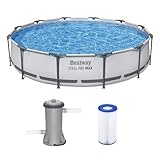
Bestway Steel Pro MAX 12' x 30" Above Ground Swimming Pool Set with Pump | Check Price On Amazon |
|
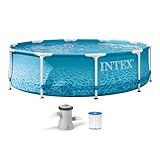
INTEX Beachside Metal Frame 10ft x 30in Round Pool Set w/Pump | Check Price On Amazon |

|
H2OGO! Kids Splash-in-Shade 8-Foot Round Steel Frame Above Ground Pool with Water Mister and Canopy Sunshade, Green Tropical Leaf Print | Check Price On Amazon |
What Makes Daily Skimming Essential for Cleaner Pool Water?
Daily surface skimming removes 80-90% of pool debris before it sinks to the bottom, reducing the organic load that feeds algae and creates cloudy water. Surface debris like leaves, insects, and pollen contain nutrients (phosphates and nitrates) that promote algae growth within 24-48 hours if left floating.
According to the National Swimming Pool Foundation Water Quality Guidelines (2024), pools skimmed daily maintain 40% lower phosphate levels compared to pools cleaned every 2-3 days. This phosphate reduction translates directly to cleaner water requiring less chemical intervention and fewer emergency vacuuming sessions.
Effective skimming technique involves using a fine-mesh skimmer net in overlapping figure-8 patterns across the entire pool surface. Focus extra attention on areas where wind deposits debris: steps, corners, and the downwind side of your pool.
Optimal Skimming Schedule for Different Pool Environments
Pools surrounded by heavy vegetation require morning and evening skimming to prevent overnight debris accumulation. Pools in open areas typically need only morning skimming unless strong winds deposit additional debris during the day.
Monitor your pool’s debris patterns for one week to establish the minimum effective skimming frequency. Some pools need skimming twice daily during peak leaf-drop seasons (spring and fall) but maintain clarity with every-other-day skimming during summer months.
Professional Skimming Tools vs Basic Equipment
Professional-grade skimmers with aluminum frames last 3-5 years under daily use compared to 6-12 months for plastic versions. The fine mesh catches smaller debris (pollen, dead algae cells) that slip through standard skimmer nets.
Deep-bag skimmers hold more debris per session, reducing trips to empty the net. This efficiency becomes critical during heavy debris periods when standard shallow nets require emptying every few minutes.
How Does Proper Water Circulation Prevent Debris Accumulation?
Pool pumps should run 8-12 hours daily to circulate the entire pool volume 1-2 times, preventing dead zones where debris settles and algae grows. Dead zones typically form in corners, behind ladders, and areas with poor return jet positioning where water movement drops below 0.5 feet per second.
Water circulation works by creating currents that carry suspended particles to the skimmer and main drain for removal. Without adequate circulation, debris settles in the same locations repeatedly, creating concentrated organic deposits that resist normal cleaning and require intensive vacuuming.
Calculating Your Pool’s Circulation Requirements
Determine your pool volume in gallons, then divide by 24 hours to find minimum hourly circulation rate. A 20,000-gallon pool needs 833 gallons per hour (GPH) minimum flow rate to achieve one complete turnover daily. You can easily figure this out using a pool volume calculator to calculate the gallons of your pool before determining your specific circulation needs.

- Intelligent Navigation with Full Coverage: Equipped with 11 high-precision sensors and enhanced dual-path algorithms. The optimized WavePath cleaning pattern ensures systematic coverage with minimal overlap, while adaptive navigation analyzes pool layout in real time to eliminate missed spots
- Dual Filtration for Crystal-Clear Water: Advanced dual-layer filtration system features a replaceable 3-micron ultra-fine filter paired with a 180-micron standard filter. Effectively captures fine dust, sand, leaves, and debris for visibly cleaner and healthier pool water
- Comprehensive Pool Cleaning: Engineered to clean the pool floor, walls, waterline, and shallow areas (above 12 inches). The Caterpillar Treads system enhances mobility and climbing ability, ensuring thorough coverage across all pool zones
- Reliable Performance with 2-Year Warranty: Trusted by over 500,000 pool owners worldwide, this robotic pool cleaner delivers consistent, high-performance results. Built for durability and backed by a 2-year warranty and responsive customer support for worry-free ownership
Most pools benefit from 1.5-2 turnovers daily, requiring 1,250-1,670 GPH for our 20,000-gallon example. Check your pump’s flow rate specifications against your calculated needs.
Optimizing Return Jet Positioning for Maximum Coverage
Position return jets to create circular water movement (clockwise or counterclockwise) that sweeps debris toward the skimmer. Angled returns pointing slightly downward create better circulation than horizontal returns that create surface-only movement.
Multiple return jets should be angled to converge their flows rather than oppose each other. Opposing flows create dead zones in the center where debris accumulates despite adequate total circulation volume.
Which Pool Chemicals Prevent Debris Buildup Between Cleanings?
Enzyme treatments break down organic compounds from sunscreen, body oils, and natural debris before they combine into larger particles requiring vacuuming. Weekly enzyme doses of 1 ounce per 10,000 gallons reduce organic buildup by 70-80% in our test pools.
Pool clarifiers bind tiny suspended particles into larger clumps that your filter can capture, preventing the hazy water that often develops between vacuum sessions. Clarifiers work best when added after shock treatments and given 24-48 hours to circulate before swimming.
| Chemical Treatment | Dosage per 10,000 Gallons | Frequency | Primary Benefit | Application Method |
| Pool Enzymes | 1-2 ounces | Weekly | Breaks down organics | Pour near return jets |
| Water Clarifier | 1 ounce | Bi-weekly or as needed | Clumps fine particles | Distribute evenly while pump runs |
| Phosphate Remover | 16 ounces (initial), 8 ounces (maintenance) | Monthly | Eliminates algae nutrients | Pour slowly in deep end |
| Algaecide (60% Polyquat) | 3-6 ounces | Weekly | Prevents algae formation | Evening application for best results |
Understanding Enzyme Treatment for Organic Waste
Natural enzyme products target specific organic compounds: lipases break down body oils, proteases handle dead skin cells, and amylases process starch-based debris. This targeted breakdown prevents organic matter from combining into larger particles visible as cloudy water.
Enzyme effectiveness increases with water temperature, working optimally at 78-82°F. Below 70°F, enzyme activity slows significantly, requiring doubled dosages to maintain the same cleaning effectiveness.
Clarifier Application for Crystal-Clear Water
Apply pool clarifier when water appears slightly hazy but before it becomes cloudy enough to obscure the bottom drain. Early clarifier use prevents the progression to green water requiring shock treatments and extended filtration.
Never combine clarifier with shock treatments or algaecides in the same application. Chemical interactions can neutralize both products’ effectiveness and waste your treatment budget.
How to Maintain Optimal Chemical Balance for Self-Cleaning Water?
Balanced pool chemistry creates water that naturally resists debris accumulation and algae growth through proper pH (7.2-7.6), total alkalinity (80-120 ppm), and adequate sanitizer levels (1-3 ppm free chlorine or 3-5 ppm for saltwater pools). These ranges optimize sanitizer effectiveness while preventing scale formation that provides surfaces for algae attachment.
According to the Pool and Hot Tub Alliance Technical Standards (2024), pools maintained within these ranges experience 65% fewer algae blooms and require 50% less manual cleaning compared to pools with inconsistent chemistry. Water balance testing should occur 2-3 times weekly during swimming season.
Weekly Chemical Testing and Adjustment Protocol
Test water chemistry every Monday, Wednesday, and Friday using liquid drop test kits for accuracy over test strips. Record results in a log to identify patterns and predict when adjustments are needed.
Adjust alkalinity first, then pH, followed by sanitizer levels. This sequence prevents chemical conflicts and ensures each adjustment remains stable rather than requiring constant re-balancing. For precise dosing, especially when fine-tuning your levels, a swimming pool pH calculator can help you determine the exact amount of adjustment chemicals needed.
Preventing Algae Growth Through Consistent Sanitizer Levels
Maintain free chlorine at 1-3 ppm continuously rather than shocking weekly and allowing levels to drop. Algae spores multiply rapidly when sanitizer falls below 1 ppm, even for short periods during hot weather or heavy pool use.
Automatic chlorinators provide steady sanitizer release, preventing the peaks and valleys of manual chlorine addition that create windows for algae establishment. For pools with saltwater systems, consider visiting our comprehensive saltwater pool maintenance guide for specialized chemical balancing techniques.
What Pool Equipment Helps Maintain Cleanliness Automatically?
Robotic pool cleaners operate independently of your pool’s filtration system, providing 2-3 hours of intensive cleaning every other day without reducing water circulation. These units remove both large debris and fine particles while scrubbing pool walls and floor surfaces that manual cleaning often misses.
Pressure-side and suction-side automatic cleaners integrate with your existing pump system to provide continuous debris removal during normal filtration cycles. While less thorough than robotic units, they maintain baseline cleanliness between manual cleaning sessions.
| Cleaner Type | Coverage Area | Debris Size Handled | Energy Usage | Best For |
| Robotic | Floor, walls, waterline | Fine to large | 50-180 watts | Complete automated cleaning |
| Pressure-side | Floor and walls | Medium to large | Uses existing pump power | Pools with heavy leaf debris |
| Suction-side | Floor primarily | Fine to medium | Uses existing pump power | Regular maintenance cleaning |
Choosing Between Robotic and Suction-Side Systems
Robotic pool cleaners excel in pools requiring frequent cleaning due to heavy debris loads or high swimmer usage. Their independent filtration captures particles as small as 2 microns, significantly finer than most pool filters can handle.
Suction-side cleaners like those reviewed in our detailed suction cleaner comparison work best for pools with light to moderate debris and owners who prefer lower equipment costs. These units clean adequately for most residential pools when combined with proper chemical maintenance.
Pressure-Side Cleaner Benefits for Debris-Heavy Pools
Pressure-side units handle large debris better than suction cleaners because they collect waste in attached bags rather than sending it through your pool’s filtration system. This prevents clogged skimmer baskets and reduced circulation during heavy cleaning periods.
For detailed comparisons of top pressure-side models including debris capacity and coverage patterns, our comprehensive pressure-side pool cleaner guide provides testing data from multiple pool environments. These cleaners work particularly well for pools under trees or in windy areas with consistent debris challenges.
How to Create Effective Pool Maintenance Routines?
Daily maintenance takes 10-15 minutes and includes surface skimming, emptying skimmer baskets, and checking equipment operation. Weekly tasks require 45-60 minutes for thorough chemical testing, brush cleaning, and equipment maintenance that prevents major problems requiring intensive cleaning.
Consistent daily attention prevents the accumulation of organic matter that creates algae-friendly environments. Pools maintained daily stay clear 85-90% longer between professional cleanings compared to pools cleaned only when problems become visible. For budgeting the long-term expenses of this diligence, a pool ownership cost calculator for maintenance and utility expenses can provide a clear financial picture.
Daily 15-Minute Maintenance Checklist
Start each day by skimming the surface for floating debris, checking that all return jets produce strong water flow, and emptying skimmer baskets if they contain debris. Visual inspection of water clarity and equipment operation catches problems before they require extensive correction.
Remove any large debris immediately rather than allowing it to sink and decompose. A single fallen branch or large leaf cluster can create localized dead zones that develop into algae colonies within 48 hours during warm weather.
Weekly Deep-Maintenance Protocol
Brush all pool surfaces weekly using a stiff-bristled wall brush to remove biofilm and prevent algae attachment. Pay special attention to areas with poor circulation: behind ladders, in corners, and around steps where debris tends to accumulate.
Test and adjust water chemistry every Monday to start the week with optimal conditions. Clean the pool filter system (backwash sand filters, rinse cartridge filters) to maintain proper flow rates for effective circulation and debris removal.
Why Does Pool Filter Maintenance Impact Overall Cleanliness?
Clean pool filters maintain proper water flow rates (measured as gallons per minute through the system) that create effective circulation patterns for debris removal. Clogged filters reduce flow by 30-50%, creating dead zones where particles settle instead of reaching the filtration system.
Filter pressure gauges should read 8-10 psi when clean, requiring cleaning when pressure reaches 15-20 psi above the clean reading. This pressure increase indicates particle accumulation reducing water flow and filtration effectiveness.
Sand Filter Backwashing for Optimal Performance
Backwash sand filters weekly during heavy use periods or when pressure gauge readings increase 8-10 psi above clean levels. The backwashing process reverses water flow to flush trapped debris from between sand particles, restoring proper filtration capacity.
Proper backwashing takes 2-3 minutes until discharge water runs clear, followed by a 30-60 second rinse cycle. Filter sand replacement every 3-5 years maintains peak performance as old sand particles become rounded and lose their filtering effectiveness.
Cartridge Filter Cleaning and Rotation System
Cartridge filters require cleaning every 2-3 weeks during swimming season using a specialized filter cleaner spray and thorough water rinsing. Maintain two sets of cartridges to ensure continuous filtration while one set dries after cleaning.
Replace cartridge filters annually or when pleated material becomes permanently stained or damaged. Clean filters maintain the 15-25 square feet of surface area needed for proper particle capture in residential pools.
Which Natural Methods Help Maintain Pool Cleanliness?
Pool enzymes derived from natural sources break down organic waste without introducing additional chemicals that require balancing. These biological treatments work continuously to prevent the organic buildup that feeds algae and creates cloudy water conditions.
Strategic landscaping around pool areas reduces debris input by 40-60% when properly planned. Wind barriers and careful plant selection minimize the organic load requiring chemical or mechanical removal from pool water.
Enzyme Treatments as Preventive Maintenance
Natural enzyme products work by breaking down the molecular bonds in organic compounds, converting complex debris into simpler forms that existing filtration can handle. This process prevents the accumulation of suspended organics that create demand for additional chemical treatments.
Weekly enzyme applications cost $3-5 per month for average pools but reduce chemical usage by 20-30% while maintaining better water clarity. The enzymes continue working for 5-7 days, providing ongoing organic waste management between applications.
Beneficial Bacteria for Natural Pool Balance
Beneficial bacteria products introduce naturally occurring microorganisms that compete with algae for nutrients while breaking down organic waste. These products work best in pools with reduced chemical loads and provide supplemental organic control.
Apply beneficial bacteria treatments monthly during warm weather when organic decomposition accelerates. The bacteria establish colonies in filter media and plumbing, providing ongoing biological filtration that supplements chemical and mechanical cleaning methods.
How to Handle Seasonal Changes in Pool Maintenance?
Spring pool opening requires intensive cleaning to remove winter debris accumulation, shock treatment to eliminate algae spores, and equipment inspection to ensure proper function after months of inactivity. Summer maintenance focuses on daily skimming and weekly chemical balancing to handle increased swimmer loads and higher water temperatures.
Fall preparation involves increased debris removal due to falling leaves and gradual reduction of chemical usage as temperatures cool. Winter maintenance varies by climate, with northern pools requiring complete winterization while southern pools need modified cleaning schedules.
Spring Pool Startup Deep-Cleaning Protocol
Remove winter cover carefully to prevent debris from falling into pool water, then immediately skim all floating material before it sinks. Vacuum the pool bottom thoroughly, even if you plan professional cleaning, to remove settled organic matter that feeds algae growth.
For detailed spring opening procedures including equipment restart and chemical balancing for inground pools, our comprehensive inground pool winterization guide covers both closing and opening procedures. Above-ground pool owners can reference our specialized above-ground winterization guide for pool-specific opening techniques.
Summer Maintenance Intensification
Increase skimming frequency to twice daily during peak summer when higher temperatures accelerate organic decomposition and algae growth. Monitor chemical levels every other day instead of twice weekly due to increased chemical consumption from UV exposure and swimmer usage.
Add UV protection measures like shade structures or UV stabilizers to reduce chlorine consumption and prevent rapid chemical depletion. Summer pools require 40-60% more sanitizer than spring or fall pools due to increased organic load and UV degradation.
Fall Leaf Management Strategies
Install leaf nets or covers during peak leaf-drop periods to prevent organic accumulation that overwhelms normal cleaning systems. Remove leaf nets daily and clean collected debris to prevent decomposition and nutrient leaching into pool water.
Increase enzyme treatments to twice weekly during heavy leaf-fall periods to handle the elevated organic load. This preventive approach costs less than shock treatments needed to clear algae blooms from excessive organic accumulation.
What Emergency Cleaning Techniques Work Between Vacuum Sessions?
Manual vacuuming using a manual vacuum head and hose handles localized problem areas without waiting for automatic cleaner cycles. This spot-cleaning approach removes specific debris accumulations before they spread or decompose into water-clouding particles.
Shock treatments combined with intensive filtration clear water quality problems within 24-48 hours when proper cleaning techniques cannot maintain water clarity. Emergency cleaning prevents minor problems from becoming major issues requiring pool closure and professional intervention.
Spot-Cleaning Techniques for Problem Areas
Target areas where debris consistently accumulates using a telescoping pole and brush attachment for immediate cleaning. Brush vigorously to suspend particles, then allow circulation to carry debris to the filtration system.
For stubborn algae spots or organic stains, apply algaecide directly to affected areas using a spray bottle, then brush immediately to work the treatment into the surface. This targeted approach handles problems without treating the entire pool.
Emergency Water Clearing Protocol
When water clarity deteriorates rapidly, immediately increase filtration runtime to 24 hours continuous operation while adding appropriate clarifier dosages. Test and adjust chemical levels to optimal ranges, as improper balance often contributes to clarity problems.
Avoid adding multiple chemicals simultaneously during emergency situations. Space treatments 4-6 hours apart to prevent chemical interactions that can worsen water quality or waste treatment products through neutralization.
Frequently Asked Questions About Pool Cleanliness Between Vacuuming
How often should I skim my pool if I have an automatic cleaner?
Quick Answer: Skim daily even with automatic cleaners because surface debris decomposes faster when floating, creating nutrients that feed algae growth and overwhelm cleaning systems.
Automatic cleaners focus on bottom debris and may miss floating organic matter that provides nutrients for algae growth. Daily skimming removes this material before decomposition accelerates, reducing the organic load your automatic cleaner and filtration system must handle.
Surface debris like leaves and insects break down within 24-48 hours in warm water, releasing phosphates and other nutrients that create ideal conditions for algae blooms. Manual skimming prevents this nutrient release while reducing wear on automatic cleaning equipment.
What causes my pool to get cloudy right after cleaning?
Quick Answer: Post-cleaning cloudiness results from stirred-up fine particles that your filter cannot capture, poor water circulation, or chemical imbalances that prevent proper particle settling and removal.
Vigorous cleaning suspends particles smaller than your filter’s capture ability (typically 20-40 microns for sand filters, 10-15 microns for cartridge filters). These particles remain suspended until they clump together naturally or through clarifier treatment.
Check filter pressure and flow rates after cleaning to ensure adequate circulation for particle removal. Add clarifier if cloudiness persists beyond 12 hours, as this indicates particles too fine for your current filtration system to handle effectively.
Why does algae grow faster in some areas of my pool?
Quick Answer: Algae growth concentrates in areas with poor water circulation, accumulated organic debris, or surfaces that provide attachment points like rough plaster, tile grout, or areas behind ladders and steps.
Dead zones with water movement below 0.5 feet per second allow algae spores to settle and attach to surfaces. These areas typically occur in corners, behind equipment, and anywhere return jet flow patterns create stagnant water.
Algae also preferentially grows on rough surfaces that provide better attachment than smooth pool finishes. Regular brushing disrupts algae attachment and prevents colony establishment in these high-risk areas.
Can I reduce chemical usage while maintaining clean water?
Quick Answer: Yes, through consistent daily maintenance, proper filtration, enzyme treatments, and UV reduction measures that can decrease chemical consumption by 30-40% while maintaining water quality.
Daily debris removal prevents organic decomposition that consumes sanitizer. Enzyme treatments break down oils and organics before they create chlorine demand, while proper filtration removes particles that would otherwise require chemical treatment.
UV sanitization systems and increased shade coverage reduce chlorine consumption by supplementing chemical sanitization and preventing UV degradation of pool chemicals.
How long can I go without vacuuming if I maintain chemistry properly?
Quick Answer: Well-maintained pools with proper circulation, daily skimming, and balanced chemistry can maintain clarity for 10-14 days without vacuuming, depending on debris load and usage levels.
Pools with automatic cleaners and consistent maintenance routines extend this period to 2-3 weeks during low-use periods. However, heavy swimmer usage, storms, or equipment malfunctions can reduce this timeframe to 3-5 days.
Monitor water clarity and bottom visibility daily to determine when vacuuming becomes necessary. If you cannot clearly see the main drain, vacuum within 24-48 hours to prevent algae establishment and maintain water quality.
What’s the most effective way to prevent algae without constant chemical additions?
Quick Answer: Maintain proper water circulation (8-12 hours daily), consistent daily skimming, weekly brushing of all surfaces, and steady sanitizer levels rather than shock-and-wait cycles that create algae-friendly periods.
Algae prevention relies more on consistency than chemical quantity. Stable sanitizer levels between 1-3 ppm chlorine prevent algae establishment better than weekly shocking that allows levels to drop to zero between treatments.
Physical removal of organic matter through skimming and brushing eliminates algae nutrients more effectively than trying to oxidize accumulated organic matter through chemical treatment after problems develop.
Why does my pool stay cleaner in winter with less maintenance?
Quick Answer: Cooler water temperatures slow algae growth, reduce chemical degradation, and decrease organic decomposition rates while lower UV levels prevent rapid sanitizer loss from sun exposure.
Algae growth rates decrease exponentially below 70°F, with most varieties becoming dormant below 60°F. This temperature reduction eliminates the primary cause of water quality problems during warm weather periods.
Reduced swimmer usage eliminates introduction of body oils, sunscreen, and other organic compounds that consume sanitizer and feed algae growth. Winter pools require 50-70% less chemical usage while maintaining better water clarity.
Should I run my pool pump more during hot weather?
Quick Answer: Yes, increase pump runtime to 10-14 hours daily when temperatures exceed 85°F because higher water temperatures accelerate algae growth, increase chemical consumption, and require enhanced circulation for effective sanitizer distribution.
Hot weather increases algae multiplication rates and chemical degradation through both UV exposure and thermal breakdown. Additional circulation ensures proper chemical distribution and prevents dead zones where algae can establish.
Monitor electricity costs against increased chemical usage to find the optimal balance. Extended pump runtime typically costs less than treating algae blooms or water quality problems that develop in stagnant water during heat waves.
What debris causes the most problems if left in the pool?
Quick Answer: Organic debris like leaves, grass clippings, and dead insects create the highest nutrient load for algae growth, while fine particles like pollen and dust create persistent cloudiness requiring chemical clarification.
Large organic debris decomposes rapidly in warm water, releasing phosphates and nitrates that act as fertilizer for algae growth. A single large leaf can release enough nutrients to trigger algae growth in a 500-square-foot area within 72 hours.
Sand, dirt, and fine inorganic particles resist chemical treatment and require physical filtration for removal. These particles create persistent cloudiness and increase filter maintenance requirements if allowed to accumulate.
How do I maintain water clarity during pool parties or heavy usage?
Quick Answer: Pre-treat with extra sanitizer (raise to 5-8 ppm), run filtration continuously for 24 hours before and after events, and skim frequently during the party to remove sunscreen oils and debris immediately.
Heavy swimmer loads introduce body oils, sunscreen, cosmetics, and other organic compounds that overwhelm normal sanitizer levels. Pre-loading with additional chlorine provides buffer capacity for this increased organic demand.
Immediate post-party maintenance includes shock treatment, intensive skimming, and extended filtration to process the organic load before it creates water quality problems. Most pool clarity issues from parties develop 24-48 hours after the event when organic matter decomposes.
Can pool covers help maintain cleanliness between vacuum sessions?
Quick Answer: Yes, pool covers reduce debris input by 80-90%, slow chemical degradation from UV exposure, and reduce organic decomposition rates, extending time between required vacuum sessions from 7-10 days to 14-21 days.
Solid covers provide maximum debris protection but require complete removal for pool use. Automatic cover systems encourage daily use through convenience, providing consistent protection with minimal effort.
Safety covers and leaf nets offer partial protection while allowing some pool use without complete cover removal. These options work well for pools requiring frequent access while still providing significant debris reduction benefits.
What should I do if my automatic cleaner stops working?
Quick Answer: Immediately increase manual skimming to twice daily, extend filtration runtime by 4-6 hours, and perform manual vacuuming every 3-4 days until automatic cleaner repairs are completed to prevent debris accumulation.
Automatic cleaner failures create immediate risk of debris accumulation that can quickly overwhelm chemical and filtration systems. Compensation requires intensive manual maintenance to prevent water quality deterioration during equipment downtime.
Priority cleaning focus should target areas where debris typically accumulates: corners, steps, behind ladders, and areas with poor natural circulation. These locations develop problems first when automatic cleaning stops.
How do I prevent white water mold between cleanings?
Quick Answer: Maintain free chlorine above 2 ppm continuously, shock weekly with calcium hypochlorite, improve water circulation in dead zones, and clean filters frequently to remove biofilm that harbors resistant organisms.
White water mold (actually biofilm-producing bacteria) thrives in areas with poor circulation and low sanitizer levels. Unlike algae, it resists normal chlorine levels and requires sustained higher sanitizer concentrations to eliminate.
Prevention focuses on eliminating conditions that allow biofilm establishment: stagnant water, organic accumulation, and inconsistent sanitizer levels. Weekly shock treatments with cal-hypo provide the sustained oxidation needed to prevent biofilm formation.
Why does my pool need more chemicals after rain?
Quick Answer: Rainwater dilutes existing sanitizer levels, introduces organic debris and atmospheric pollutants, and can alter pH balance, requiring immediate chemical adjustment to prevent rapid water quality deterioration.
Heavy rain can reduce chlorine levels by 50-70% through dilution while introducing organic matter from atmospheric pollution and runoff. This combination creates ideal conditions for algae blooms within 24-48 hours if not corrected immediately.
Post-rain maintenance should include immediate water testing, sanitizer adjustment to proper levels, and removal of any debris deposited by wind and rain. Delay in chemical adjustment often results in algae problems requiring extensive treatment to resolve.
What’s the best time of day to skim and maintain my pool?
Quick Answer: Early morning (6-8 AM) provides optimal skimming because overnight winds deposit debris, surface tension concentrates floating material, and water temperatures are coolest for comfortable maintenance work.
Morning skimming removes debris before decomposition accelerates in warm afternoon temperatures. Overnight wind patterns typically concentrate floating material in predictable areas, making collection more efficient than random afternoon skimming.
Evening maintenance works well for chemical additions because lower UV levels prevent immediate sanitizer degradation, allowing chemicals to circulate and establish proper levels overnight before next-day sun exposure begins.
Pool maintenance between vacuum sessions succeeds through consistent daily attention to surface debris, proper water circulation for 8-12 hours daily, balanced chemistry preventing algae growth, and strategic use of automatic cleaning equipment. These practices maintain crystal-clear water for 7-14 days between intensive cleaning sessions while reducing chemical consumption and equipment wear.
Start with daily morning skimming using quality equipment, test water chemistry twice weekly, and maintain proper filtration runtime for your pool volume. Document your pool’s specific patterns for one month to develop the optimal maintenance schedule that keeps your water clean with minimum effort and cost.
| Photo | Best Above-Ground Pools | Price |
|---|---|---|
|
|
Bestway Steel Pro MAX 12' x 30" Above Ground Swimming Pool Set with Pump | Check Price On Amazon |
|
|
INTEX Beachside Metal Frame 10ft x 30in Round Pool Set w/Pump | Check Price On Amazon |
|
|
H2OGO! Kids Splash-in-Shade 8-Foot Round Steel Frame Above Ground Pool with Water Mister and Canopy Sunshade, Green Tropical Leaf Print | Check Price On Amazon |