
An air pillow placed under your winter cover is not optional fluff. It is the single cheapest insurance policy against a cracked pool wall. Freezing water expands with roughly 25,000 psi of force. That force has to go somewhere, and without an air pillow, it goes straight into your pool structure.
A pool air pillow costs between $15 and $60 depending on size. A cracked above-ground pool wall repair starts at $500 and often means replacing the entire pool. The math is simple. This guide covers exactly what an air pillow does, how to install one correctly, what size you need, and the mistakes even experienced pool owners make every winter.
| Photo | Best Above-Ground Pools | Price |
|---|---|---|
|
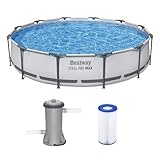
Bestway Steel Pro MAX 12' x 30" Above Ground Swimming Pool Set with Pump | Check Price On Amazon |
|
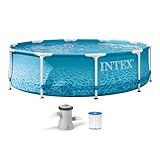
INTEX Beachside Metal Frame 10ft x 30in Round Pool Set w/Pump | Check Price On Amazon |

|
H2OGO! Kids Splash-in-Shade 8-Foot Round Steel Frame Above Ground Pool with Water Mister and Canopy Sunshade, Green Tropical Leaf Print | Check Price On Amazon |
By the Numbers
Pool Air Pillows — What the Research Shows
Sources: Pool & Hot Tub Alliance, insurance claim data, manufacturer specifications
What Is a Pool Air Pillow and What Does It Actually Do?
A pool air pillow is a heavy-duty inflatable vinyl bladder placed on top of the pool water before the winter cover goes on. It sits centered under the cover and absorbs the crushing force of expanding ice. Ice does not crush the pillow. It crushes the pillow inward instead of crushing your pool walls outward.
This works because of a simple hydraulic principle. Water expands by approximately 9% when it freezes. In a closed system like a winterized pool with a tight cover, that expansion pressure seeks the path of least resistance. The air-filled pillow provides that path because air compresses far more easily than steel, aluminum, or resin pool walls.

- Intelligent Navigation with Full Coverage: Equipped with 11 high-precision sensors and enhanced dual-path algorithms. The optimized WavePath cleaning pattern ensures systematic coverage with minimal overlap, while adaptive navigation analyzes pool layout in real time to eliminate missed spots
- Dual Filtration for Crystal-Clear Water: Advanced dual-layer filtration system features a replaceable 3-micron ultra-fine filter paired with a 180-micron standard filter. Effectively captures fine dust, sand, leaves, and debris for visibly cleaner and healthier pool water
- Comprehensive Pool Cleaning: Engineered to clean the pool floor, walls, waterline, and shallow areas (above 12 inches). The Caterpillar Treads system enhances mobility and climbing ability, ensuring thorough coverage across all pool zones
- Reliable Performance with 2-Year Warranty: Trusted by over 500,000 pool owners worldwide, this robotic pool cleaner delivers consistent, high-performance results. Built for durability and backed by a 2-year warranty and responsive customer support for worry-free ownership
Without an air pillow, the expanding ice sheet pushes directly against the pool wall in all directions. With an air pillow present, the ice pushes the pillow inward first, compressing the trapped air. The pressure on the pool walls drops dramatically. According to the Pool & Hot Tub Alliance technical manual, an air pillow can reduce lateral ice pressure on above-ground pool walls by up to 60%.
How Does an Air Pillow Protect Your Pool from Ice Damage?
Ice damage happens through two mechanisms: direct expansion pressure and hydraulic jacking. Direct expansion pressure is the 25,000 psi force mentioned earlier. Hydraulic jacking occurs when ice lifts the pool wall upward as it freezes and expands vertically. An air pillow addresses both problems simultaneously.
The pillow compresses as ice forms around it. This compression absorbs the volume increase that would otherwise push outward on the pool structure. The air inside the pillow acts as a spring, giving the ice somewhere to expand into. This is the mechanism. The physics is straightforward: compressible air beats incompressible ice every time.
This protection only occurs when the pillow is properly inflated and centered. The pillow must have enough air to hold its shape but not so much that it becomes rigid. A rigid, over-inflated pillow cannot compress and provides almost no protection. Target inflation is firm to the touch but still yielding when you press with your thumb. This soft-firm balance is critical and is the single most common mistake pool owners make.
If the pillow is under-inflated, it collapses under the weight of snow and ice on the cover and provides no compression chamber. If it is over-inflated, it cannot compress and transfers force directly. The sweet spot is approximately 60-70% of the pillow’s maximum inflation capacity. At this level, the pillow has enough structure to hold the cover up and enough give to absorb ice expansion.
What Size Air Pillow Do You Need for Your Pool?
Air pillow sizing follows a simple rule: the pillow should be approximately 2 feet narrower than your pool in both directions. For a 24-foot round above-ground pool, you need a 4-foot by 12-foot pillow or a 4-foot by 15-foot pillow centered under the cover. The pillow does not need to fill the entire pool surface. It needs to be large enough to create a meaningful compression zone in the center.
For oval pools, match the pillow length to roughly 50-60% of the pool’s length. A 12-foot by 24-foot oval pool needs an air pillow 4 feet wide and 12 to 15 feet long. For smaller round pools under 18 feet in diameter, a 4-foot by 8-foot pillow is sufficient. The key measurement is the compression zone the pillow creates, not the percentage of pool surface it covers. Before you buy, it helps to use a calculate pool surface area tool to confirm your pool’s square footage, which makes matching the pillow size to your pool dimensions straightforward.
Use the table below to match your pool size to the correct air pillow dimensions.
Sizing Guide
Air Pillow Size by Pool Dimensions
Match your pool type and size to the recommended pillow dimensions.
| Pool Type | Pool Size (ft) | Recommended Pillow | Typical Price |
|---|---|---|---|
| Round Above-Ground | 12-18 ft diameter | 4×8 ft | $15-$25 |
| Round Above-Ground | 21-24 ft diameter | 4×12 ft | $25-$40 |
| Round Above-Ground | 27-33 ft diameter | 4×15 ft | $35-$60 |
| Oval Above-Ground | 12×24 ft | 4×12 or 4×15 ft | $25-$45 |
For oval pools, position the pillow lengthwise. Two smaller pillows can be used instead of one large pillow if needed.
Many pool owners ask whether they can use two smaller pillows instead of one large one. The answer is yes, with conditions. Two 4-foot by 8-foot pillows positioned side by side work just as well as a single 4-foot by 15-foot pillow for larger pools. Place them with a 6-inch gap between them to allow independent compression. Secure both to the center of the pool using the tethering method described in the installation section below.
Buying Guide
Before You Buy — Pool Air Pillow Checklist
Check off each point before making your decision.
How to Install a Pool Air Pillow: Step-by-Step Guide
Installing an air pillow correctly takes about 20 to 30 minutes. Doing it wrong takes one winter to discover the consequences. Follow these steps in order. Skipping the tethering step is the most common mistake and it guarantees the pillow will drift to one side before the first hard freeze.
Before you start, gather your materials. You need the air pillow, an electric air pump or shop vac with inflation capability, 25 to 40 feet of nylon rope, two to four water-filled gallon jugs or sandbags for anchors, and your winter cover ready to go. Do not use a high-pressure air compressor. Over-inflation from a compressor can burst the pillow seams in under 10 seconds.
Step-by-Step Guide
How to Install a Pool Air Pillow — Step by Step
6 steps · 20-30 minutes total
Lower the water level first
Drain pool water to 4-6 inches below the skimmer opening. This is the standard winterizing water level that gives the pillow room to compress without pushing water out through the skimmer.
Inflate the pillow to 60-70% capacity
Use an electric pump or shop vac on inflate mode. Stop when the pillow is firm but your thumb can depress it about an inch. A fully rigid pillow cannot compress under ice pressure.
Attach tether ropes to the pillow grommets
Thread nylon rope through the grommets on each side of the pillow. Tie secure knots. Run each rope end to the pool edge where you will attach anchors.
Center the pillow and anchor it
Push the inflated pillow to the exact center of the pool. Tie rope ends to filled gallon jugs or sandbags placed outside the pool on opposite sides. The pillow should not be able to drift more than 6 inches in any direction.
Install the winter cover over the pillow
Pull the winter cover over the pool, centering it so the pillow creates a slight dome in the middle. This dome shape sheds rain and snow instead of collecting it in a sagging pool on top of the cover.
Add a cover pump on top after the first rain or snow
Place a submersible cover pump on top of the cover near the pillow peak. Standing water on the cover weighs 8.34 lbs per gallon and can collapse the pillow under its weight.
For a complete walkthrough on how the winter cover itself goes on over the pillow, our pool winter cover installation guide covers every step in detail. Getting the cover tension right over the pillow makes the difference between a dome that sheds water and a sag that collects it.
Common Mistakes When Using a Pool Air Pillow
Most air pillow failures are not product defects. They are installation errors that repeat year after year because pool owners follow the same wrong advice. Here are the five mistakes that destroy pillows and leave pools vulnerable to ice damage.
Over-inflation is the number one mistake. A pillow inflated to maximum firmness acts like a rigid structure, not a compression device. Ice pushes against a rigid pillow and the force transfers straight through to the pool walls. The pillow must yield under pressure. If you cannot depress the surface with your thumb, let air out until you can.
Skipping the tether ropes is the second most common error. An untethered pillow drifts. It ends up against one side of the pool within weeks, leaving 80% of the pool surface unprotected. Ice on the unprotected side expands directly against the wall. Two ropes, two anchors, and two minutes of extra work prevent this entirely.
Using a high-pressure air compressor instead of an electric pump destroys pillow seams. Air pillows are made of vinyl with heat-welded seams rated for low-pressure inflation only. A compressor delivers air at 90-150 psi into a pillow designed for under 2 psi. The seams split before you realize what happened.
Neglecting to remove standing water from the cover throughout winter is a slow-motion pillow killer. Snow melts, water pools on the cover, and the combined weight of water and ice presses the pillow flat. A flat pillow is a useless pillow. A cover pump that activates automatically solves this problem without requiring you to check the pool after every storm.
Do You Really Need an Air Pillow for Winter Closing?
For above-ground pools in climates where temperatures stay below freezing for more than 48 consecutive hours, the answer is an unambiguous yes. The $15 to $60 cost of an air pillow is insignificant compared to the $500 to $3,000 cost of replacing a split pool wall or a collapsed frame. The risk is not theoretical. Insurance adjusters see ice-damaged above-ground pools every spring in northern states. If you’re budgeting for the entire winterization process, you can estimate your total swimming pool winterization costs using our calculator to see how the pillow fits into the bigger picture.
For inground pools, an air pillow is not necessary. Inground pool walls are backed by soil and concrete, which resist outward expansion far better than the unsupported walls of an above-ground pool. The ice sheet in an inground pool pushes against the surrounding earth, not just the pool wall. If you have an inground pool, skip the air pillow entirely. It adds no meaningful protection and it complicates spring opening.
For above-ground pools in mild climates where freezing is rare and brief, an air pillow is insurance against the unexpected cold snap, not a mandatory piece of equipment. A freeze that lasts 24 hours is unlikely to cause damage even without a pillow. A freeze that lasts five days in a pool without a pillow is a different story entirely. If your region gets even one hard freeze per winter, buy the pillow.
Air Pillow vs No Air Pillow: What Happens Without One
A pool without an air pillow under its winter cover faces the full force of ice expansion with no buffer. The ice sheet forms a solid disc across the entire pool surface. As temperatures drop further, that disc expands outward against the pool walls with nowhere else to go. The pool wall is the only compressible element in the system. It should not be compressible at all.
The damage is not always immediate or visible. A pool wall can survive one winter without a pillow and fail on the second or third. Each freeze-thaw cycle stresses the wall material at the microscopic level. Aluminum walls develop fatigue cracks. Steel walls rust at stress points. Resin walls, which are increasingly common on modern above-ground pools, are more brittle and can crack suddenly rather than bending gradually.
Results
What Changes When You Use an Air Pillow Correctly
The difference between protected and unprotected winter pool closing
Without Air Pillow
- ✗Ice pushes directly on pool walls at 25,000 psi
- ✗Cover sags and collects hundreds of pounds of water
- ✗Multiple freeze-thaw cycles fatigue wall material
- ✗Wall replacement costs $500 to $3,000 on average
With Air Pillow
- ✓Ice compresses the pillow, not the walls
- ✓Cover domes upward and sheds rain and snow
- ✓Wall stress is reduced by up to 60%
- ✓Cost is $15 to $60 and the pillow lasts 3-5 winters
A properly installed air pillow turns a winter stress test into a non-event for your pool structure.
The other consequence of skipping the air pillow is cover performance. A winter cover without a pillow underneath sags in the middle, collecting water, leaves, and debris that freeze into a heavy block. This weight stresses cover anchors, cables, and the cover fabric itself. A pillow creates a dome that sheds precipitation naturally. The cover lasts longer. Spring opening is faster because there is less debris to pump off and clean up.
How to Keep the Air Pillow in Place All Winter
A drifting air pillow is a failed air pillow. The whole point is to keep it centered under the cover so ice pressure is absorbed evenly across the pool surface. Securing the pillow requires two things done correctly: the right rope and the right anchors.
Use 1/4-inch braided nylon rope, not cotton or polypropylene. Nylon resists rot and UV degradation for multiple seasons. Run a separate rope from each grommet to a dedicated anchor outside the pool. Do not run a single rope through multiple grommets. A single rope creates a pivot point, not a fixed position, and the pillow will spin and drift.
For anchors, filled one-gallon water jugs work well and cost nothing. Place them on opposite sides of the pool, outside the wall, with the rope running under the top rail. Sandbags or concrete pavers also work. The anchor needs to weigh at least 8 lbs each to resist the pull of the pillow when wind moves the cover. Two anchors on opposite sides is the minimum. Four anchors, one at each corner of an oval pool, is better.
For pools in areas with sustained winter winds above 20 mph, double up the anchors on the windward side. A 4-foot by 12-foot pillow acts like a sail when wind gets under the cover. The force on the ropes can exceed 30 lbs in a strong gust. Two 8-lb anchors on each side handle this easily. One anchor on each side may not.
What Type of Pool Cover Works Best with an Air Pillow?
Air pillows are designed to work with solid winter covers, not mesh covers. A solid winter cover creates the closed system that makes the pillow effective. The cover traps the air pillow underneath and forces ice to compress it rather than pushing around it. A mesh cover allows water and air to pass through, which defeats the hydraulic principle that makes the pillow work.
If you have a mesh safety cover installed for winter, an air pillow is unnecessary. Mesh covers are typically used on inground pools, where the surrounding soil provides the structural support against ice. If you have an above-ground pool and you want to use a mesh cover, you still need an air pillow underneath for ice protection. The mesh cover keeps debris out but does nothing to absorb ice expansion forces.
The choice between cover types matters for more than just the air pillow decision. Our breakdown of solar covers, safety covers, and winter covers explains which type fits your pool and climate. For winter closing with an air pillow, a solid winter cover is the correct pairing in nearly every case. If you want to estimate what a dedicated winter cover will cost for your specific pool, our pool cover cost calculator provides a detailed breakdown based on pool type and size.
How Long Does a Pool Air Pillow Last?
A quality air pillow lasts three to five winters with proper care. Store it deflated, dry, and folded loosely in a temperature-controlled space during the off-season. Do not store it in an unheated shed where freezing temperatures can embrittle the vinyl. Do not fold it in sharp creases. Do not leave it inflated in direct summer sun.
The main cause of premature air pillow failure is not cold. It is UV exposure. Vinyl left in the sun for even one summer season degrades rapidly. A pillow that lives in a box in the basement for 10 months out of the year will outlast one left in a sunny backyard corner by a factor of three. If you see cracking, peeling, or stiff spots when you unfold the pillow in the fall, replace it. A pillow with compromised vinyl will split under ice pressure exactly when you need it most.
Can You Use a Pool Air Pillow with a Solar Cover?
No. An air pillow is a winter closing tool used with a winter cover. A solar cover is a thin bubble-wrap sheet used during the swimming season to retain heat and reduce evaporation. These are completely different products for completely different purposes. Do not place an air pillow under a solar cover expecting winter protection.
If you want to understand how a solar cover actually works during the swimming months, our guide on choosing the best solar pool cover explains heat retention, evaporation reduction, and how to match thickness to your climate. For winter, use the air pillow with a solid winter cover. For summer, use the solar cover alone. The two never go together.
Does an Air Pillow Help with Spring Opening?
Yes, in one specific and valuable way. The dome created by the pillow under the winter cover sheds rain and snow throughout the winter. This means less standing water on top of the cover when spring arrives. Less standing water means less pumping, less debris removal, and less chance of dirty cover water spilling into the pool during cover removal.
When you are ready to remove the cover in spring, the pillow dome also prevents the cover from sagging into the pool water. A cover that sits flat on the water surface is heavy, awkward, and nearly impossible to remove without dumping debris into the pool. For the complete process of taking off the cover without creating a mess, our guide on removing a pool cover in spring without dumping debris walks through every step.
Why Does My Air Pillow Keep Deflating During Winter?
A pillow that goes flat by January has one of three problems. The valve is leaking air slowly. The vinyl has a pinhole leak from manufacturing or handling damage. Or the pillow was under-inflated at installation and the cold temperatures caused the air inside to contract, reducing internal pressure by 10-15%.
Air contracts when cooled. A pillow inflated at 60 degrees Fahrenheit on a fall afternoon loses roughly 1 psi of internal pressure for every 10-degree temperature drop. If you installed it on a warm day and the first hard freeze hits, the pillow will look partially deflated even if there is no leak. Inflate the pillow in the coolest part of the day, close to the temperature it will experience under the cover. This minimizes the thermal contraction effect.
To find a slow leak, inflate the pillow fully and spray it with a mix of water and a few drops of dish soap. Bubbles will form at the leak point. Small pinholes can be patched with a vinyl repair patch kit rated for pool use. Leaks at the valve usually require replacing the valve or the entire pillow, as valve repairs rarely hold under sustained winter conditions.
What Is the Difference Between an Air Pillow and a Winter Pillow?
There is no difference. The terms “air pillow,” “winter pillow,” “ice compensator,” and “pool winter pillow” all refer to the same product: an inflatable vinyl bladder placed under a winter cover to absorb ice expansion pressure. Some retailers use “winter pillow” to suggest heavier construction, but the specification that matters is vinyl thickness, not the product name.
Look for pillows made with 0.20 mm to 0.30 mm thick vinyl. Thinner pillows cost less but are significantly more likely to develop pinhole leaks during their first winter. The price difference between a 0.15 mm pillow and a 0.25 mm pillow is usually under $10. Buy the thicker one. It lasts twice as long and the insurance it provides is literally protecting a pool worth thousands of dollars.
Can I Use an Inner Tube Instead of a Pool Air Pillow?
No. A truck or tractor inner tube is not a substitute for a purpose-built pool air pillow. Inner tubes are round with a hole in the center. They create an uneven compression surface. Ice forms in the open center area and pushes against the pool cover and walls with no buffer. The tube’s round cross-section also creates a peak under the cover that concentrates stress on a single point rather than distributing it across a wide, flat pillow surface.
Inner tube rubber is also not formulated for prolonged cold-water submersion. Rubber stiffens and cracks in freezing temperatures far more than the plasticized vinyl used in pool pillows. What seems like a clever money-saving shortcut turns into a mid-winter failure that leaves the pool completely unprotected. Spend the $25 on a real air pillow.
Should I Leave the Air Pillow Inflated When I Store It?
No. Store the air pillow completely deflated, rolled or folded loosely, in a dry indoor location. Leaving it partially inflated puts constant stress on the seams and valve. Folding it tightly creates permanent crease lines that weaken the vinyl. Both mistakes shorten the pillow’s usable life.
Before storing, let the pillow dry completely inside and out. Any moisture trapped inside during storage promotes mildew growth that degrades the vinyl from the inside out. Hang it over a railing or clothesline for a full day in the shade before packing it away. A large storage tote with a lid protects the pillow from accidental punctures and keeps it clean for next season.
What Causes the Water Under the Cover to Smell Bad in Spring?
That swampy odor when you remove the cover is caused by anaerobic bacteria that thrive in stagnant, oxygen-depleted water. An air pillow does not prevent this smell directly. The smell comes from organic matter decomposing in the water under a sealed cover over several months. Proper water chemistry at closing is what prevents it.
If your pool water smells terrible at spring opening, the air pillow is not to blame. The fix involves better chemical preparation at closing: shock the pool to 10-12 ppm free chlorine, add a winter algaecide, and make sure the pH is between 7.2 and 7.6 before the cover goes on. These steps matter far more for spring water quality than whether an air pillow is present.
Why Does the Cover Sag Even with an Air Pillow Under It?
Cover sag is usually caused by one of two problems. The pillow is under-inflated or the cover tension is too loose. A properly inflated pillow pushes the center of the cover up 12 to 18 inches above the pool water level. If the cover is installed too loosely, even a correctly inflated pillow cannot maintain the dome shape under the weight of rain and snow.
Check the cover cable tension first. A winter cover cable should be tight enough that you can barely lift the cover edge with two fingers. If the cover is loose, tighten the cable using the winch or ratchet mechanism. If the cover is tight but the pillow still sits low, the pillow is under-inflated. Add air until the cover visibly domes in the center before the first freeze.
Does Running the Pump in Winter Affect the Air Pillow?
Pumps should not be running under a winter cover. The pool is closed. The pump and filter have been drained, winterized, and shut down. If water is circulating under the cover, the pool is not properly winterized and the air pillow is the least of your concerns. Circulating water under a winter cover defeats the entire purpose of closing the pool.
If you are considering keeping the pool partially open through winter with reduced pump runtime, you do not need an air pillow because you do not have a solid winter cover installed. These are mutually exclusive scenarios. A winterized pool with a solid cover and air pillow has no pump running. A pool running its pump through winter has no cover and no need for an air pillow.
How Do I Know If My Air Pillow Failed During Winter?
You will not know for certain until you remove the cover in spring. A failed pillow leaves telltale signs. The cover sags deeply in the middle instead of maintaining a dome shape. Water and debris have pooled in the sag. When you pull the cover off, the pillow is either completely flat or has drifted to one side of the pool, deflated.
If the pillow failed, do not panic. The pool structure is not automatically damaged. Inspect the walls carefully at spring opening for any signs of buckling, cracking, or rust at stress points. Most pools survive a single winter without a functional pillow. The risk is cumulative damage over multiple winters, not catastrophic failure from one winter alone. Replace the pillow immediately for next season and inspect more carefully.
Can I Use the Same Air Pillow for a Heated Pool?
The question of heating and covers is separate from winter closing. An air pillow has no relationship to pool heating. It is a winterizing accessory used once per year at closing. If you are trying to heat your pool during the swimming season, the relevant comparison is between a heater and a solar cover for retaining warmth overnight.
Our analysis of pool heaters versus solar covers explains which actually heats your pool better for the money you spend. The air pillow discussion belongs entirely to the fall closing process. Do not confuse winter accessories with summer heating strategies.
What Is the Best Way to Patch a Leaking Air Pillow?
Find the leak first using the soapy water spray method described earlier. Mark the spot with a waterproof marker. Dry the area completely. Apply a vinyl adhesive patch cut to extend at least 1 inch beyond the hole in all directions. Press firmly and let it cure for 24 hours before inflating.
A patch is a temporary repair, not a permanent fix. A patched pillow will usually survive the rest of the current winter. It is unlikely to survive a second full winter. Treat the patch as a bridge to spring, then replace the pillow before next closing season. The $25 cost of a new pillow is not worth the risk of a mid-winter patch failure.
Where Should I Position the Air Pillow in an Oval Pool?
Center the pillow at the midpoint of both the length and width. For an oval pool that is 15 feet by 30 feet, the pillow center should sit 15 feet from each end and 7.5 feet from each side. Tether it with four ropes running to anchors at the four compass points around the pool. This four-point anchoring prevents the pillow from rotating or drifting in any direction.
Oval pools benefit from longer pillows oriented lengthwise. A 4-foot by 15-foot pillow in a 15-foot by 30-foot oval pool creates a compression zone that runs down the entire centerline of the pool, protecting the long walls where ice pressure is greatest. For very long oval pools over 35 feet, use two pillows in series with a 6-inch gap between them rather than trying to find a single 20-foot pillow.
Does an Air Pillow Prevent Algae Growth Under the Cover?
No. An air pillow does not affect water chemistry, algae growth, or water clarity under the cover. It is a mechanical device that absorbs ice expansion pressure. Nothing more. Algae prevention under a winter cover depends entirely on chemical preparation at closing.
Shock the pool properly, balance the pH, add winter algaecide, and use a winter closing chemical kit designed for your pool volume. These steps keep the water clear through winter. When the cover comes off in spring, clear water means faster opening and fewer chemicals to get the pool swim-ready. The air pillow contributed exactly zero to this outcome, and that is by design.
An air pillow does one job and it does it well. It protects your pool walls from ice damage during freezing winters. The installation takes 30 minutes. The cost is under $60. The alternative is a $500 to $3,000 wall repair or a full pool replacement. Buy the right size pillow for your pool dimensions. Inflate it to 60-70% capacity. Tether it securely. Place a cover pump on top after the first precipitation. Replace it every three to five winters. That is the complete strategy for using a pool air pillow correctly.
| Photo | Best Above-Ground Pools | Price |
|---|---|---|
|
|
Bestway Steel Pro MAX 12' x 30" Above Ground Swimming Pool Set with Pump | Check Price On Amazon |
|
|
INTEX Beachside Metal Frame 10ft x 30in Round Pool Set w/Pump | Check Price On Amazon |
|
|
H2OGO! Kids Splash-in-Shade 8-Foot Round Steel Frame Above Ground Pool with Water Mister and Canopy Sunshade, Green Tropical Leaf Print | Check Price On Amazon |