
Standing water breeds mosquitoes in under 72 hours at temperatures above 70°F. Your pool does not have to be one of those breeding sites.
A properly maintained swimming pool with active circulation and correct chemical levels is actually mosquito-resistant. The problem starts when circulation stops, chlorine drops, or water collects in nearby objects like pool covers, toys, and low spots on the deck.
| Photo | Best Above-Ground Pools | Price |
|---|---|---|
|
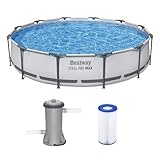
Bestway Steel Pro MAX 12' x 30" Above Ground Swimming Pool Set with Pump | Check Price On Amazon |
|
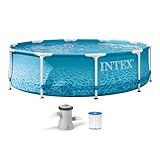
INTEX Beachside Metal Frame 10ft x 30in Round Pool Set w/Pump | Check Price On Amazon |

|
H2OGO! Kids Splash-in-Shade 8-Foot Round Steel Frame Above Ground Pool with Water Mister and Canopy Sunshade, Green Tropical Leaf Print | Check Price On Amazon |
By the Numbers
Pool Mosquito Control — What the Research Shows
Sources: CDC, American Mosquito Control Association, EPA
Why Mosquitoes Choose Your Pool as a Breeding Ground
Mosquitoes do not target the deep, chlorinated water in your pool. They target the thin films of still, untreated water that collect on top of pool covers, inside skimmer baskets, in deck cracks, and in any object holding water within 1,500 square feet of your pool area.
Female mosquitoes detect water sources using humidity gradients and carbon dioxide plumes. According to research published in the Journal of Medical Entomology by Cardé and Gibson, mosquitoes follow CO2 trails from up to 160 feet away and use visual contrast to confirm a dark, still water surface before landing to lay eggs.

- Intelligent Navigation with Full Coverage: Equipped with 11 high-precision sensors and enhanced dual-path algorithms. The optimized WavePath cleaning pattern ensures systematic coverage with minimal overlap, while adaptive navigation analyzes pool layout in real time to eliminate missed spots
- Dual Filtration for Crystal-Clear Water: Advanced dual-layer filtration system features a replaceable 3-micron ultra-fine filter paired with a 180-micron standard filter. Effectively captures fine dust, sand, leaves, and debris for visibly cleaner and healthier pool water
- Comprehensive Pool Cleaning: Engineered to clean the pool floor, walls, waterline, and shallow areas (above 12 inches). The Caterpillar Treads system enhances mobility and climbing ability, ensuring thorough coverage across all pool zones
- Reliable Performance with 2-Year Warranty: Trusted by over 500,000 pool owners worldwide, this robotic pool cleaner delivers consistent, high-performance results. Built for durability and backed by a 2-year warranty and responsive customer support for worry-free ownership
Your pool itself has multiple defenses. Chlorine at 1-3 ppm free chlorine creates an inhospitable environment for mosquito larvae. Surface agitation from return jets disrupts the still-water film necessary for egg laying. A mosquito cannot lay eggs on moving water and cannot complete its 7-10 day larval stage in circulating, filtered pool water.
The real breeding sites around pools are the solar covers with standing rainwater on top, the unemptied skimmer baskets, the kids’ plastic toys left on the pool deck, and the bird baths four feet from the diving board. Eliminate these and mosquitoes have no reason to stay.
How to Eliminate Standing Water Around Your Pool Area
Walk your property with a critical eye for anything that holds water after rain or sprinkler runoff. The most overlooked spots are folds in winter covers, concave deck surfaces, empty planter pots, and the dish under the poolside umbrella stand.
According to the CDC’s guidelines on mosquito prevention, water that stands for more than 48 hours is a confirmed breeding risk. A single bottle cap filled with water can support mosquito larvae. A 5-gallon bucket left out after pool maintenance produces hundreds of adult mosquitoes per week.
Start with the cover. A submersible cover pump removes standing water from the top of pool covers after rain. Standing water on a cover weighs 8.34 pounds per gallon and stretches the cover while also providing a 72-hour mosquito nursery directly above your pool water.
Check skimmer baskets daily during warm months. When the pump is off overnight, the water inside skimmers goes still. Mosquitoes enter through the open throat and find perfect conditions for egg laying in the debris-filled water of a skimmer that has not been emptied.
Inspect and empty these items every 48 hours during mosquito season: kayak or pool float storage bins, overturned buckets, children’s watering cans, clogged gutters draining toward the pool, saucers under potted plants on the pool deck, and the drain channel at the base of pool slides. Each one is a mosquito factory operating within flight range of your pool.
For items that must hold water, like a bird bath near the pool, use mosquito dunks containing Bacillus thuringiensis israelensis (Bti). Bti is a bacteria that kills mosquito larvae within 24 hours of ingestion and is harmless to birds, pets, and humans. One dunk treats 100 square feet of water surface for 30 days.
Managing water around your pool also connects directly to understanding how water levels behave in your system. Our guide on pool water evaporation explains how to distinguish normal water loss from leaks that create unintended wet zones attractive to mosquitoes.
Pool Circulation: Your Strongest Defense Against Mosquitoes
Mosquitoes need still water to lay eggs. This is a non-negotiable biological requirement. A pool with a running pump, active return jets, and skimmers pulling surface water is physically incapable of supporting mosquito breeding.
This happens because female mosquitoes land on the water surface using surface tension. Moving water disrupts that surface tension. At a flow rate of 40-60 GPM through properly angled return jets, the water surface ripples enough to prevent mosquito landing across the entire pool.
Run your pump for a minimum of 8 hours per day during mosquito season, which typically spans April through October in most regions of the United States. For pools in the Southeast and Gulf Coast where mosquito activity peaks between March and November, extend pump runtime to 10-12 hours.
A variable speed pool pump running at 1,500-1,800 RPM for 10-12 hours daily costs $15-30 per month in electricity. The same circulation at 3,450 RPM on a single-speed pump costs $60-90. Variable speed pumps make extended daily circulation affordable while providing mosquito prevention as a built-in benefit.
Angle your return jets slightly upward to create a visible ripple across the entire pool surface. A 20-degree upward angle on typical 1.5-inch eyeball fittings produces surface agitation that reaches 15-20 feet from the return wall. Two to three returns spaced evenly can cover a standard 16×32-foot pool surface completely.
If a return jet is broken, misaligned, or pointed downward, dead spots form where water stays still for hours. These dead spots in the corners and behind ladders become mosquito landing zones. A pool with even one dead zone is vulnerable. Inspect all returns weekly during swim season to confirm each one produces visible surface movement.
Understanding pump operation and water circulation helps prevent not just mosquitoes but many other issues. Our complete pool maintenance guide covers the full weekly and monthly routine every pool owner should follow for clean, pest-free water.
Chemical Treatments That Repel and Kill Mosquitoes Around Pools
Chlorine at standard pool levels of 1-3 ppm free chlorine kills mosquito larvae within 24-48 hours. The mechanism is oxidation. Chlorine destroys larval cell membranes on contact, and larvae cannot complete their 4-7 day development cycle in chlorinated water.
However, chlorine degrades within 24-48 hours in un-stabilized water exposed to UV sunlight. A pool running with zero cyanuric acid (CYA) can lose 2-4 ppm of free chlorine in a single sunny day. By the second day without chlorine addition, the water becomes viable mosquito habitat. Maintain CYA at 30-50 ppm to stabilize chlorine and prevent the daily chlorine crash that opens a window for mosquito breeding.
For pools that will sit unused for extended periods, like during a vacation, use mosquito-specific treatments as a secondary defense. Bti mosquito dunks are EPA-approved for standing water and can be placed in pools when the pump will be off for more than 3 days. One dunk per 100 square feet of surface area provides 30 days of protection.
Do not use standard household insecticides or DEET-based repellents directly in pool water. These products introduce oils and surfactants that clog filter media, create foam, and can react with chlorine to form unknown disinfection byproducts. The only EPA-registered larvicides approved for use in recreational water are Bti-based products like Mosquito Dunks and Mosquito Bits.
Enzyme-based products designed for pools offer another option for long-term mosquito deterrence. These products create a thin monolayer on the water surface that reduces surface tension, making it difficult for mosquitoes to land and lay eggs. Unlike oil-based monolayer products of the past, modern enzyme-based surface films break down naturally within 3-7 days and do not accumulate in filter media.
If mosquitoes are part of a broader wildlife problem around your pool, our guide on keeping ducks, frogs, and other animals away from your pool explains solutions for the larger ecosystem your pool sits within.
Physical Barriers: Pool Covers and Their Role in Mosquito Control
A properly fitted pool cover is the most effective mosquito barrier available to a pool owner. It creates a physical separation between the water surface and any mosquito attempting to access it. If you’re shopping for a new cover, a pool cover cost calculator can help you budget for different options. But the cover itself becomes the problem when rainwater collects on top and sits stagnant for more than 48 hours.
This only occurs when a cover has no drainage mechanism or when the cover pump has failed. A taut, properly secured cover with a functioning pump will not hold standing water. The water either drains through mesh covers rated for water passage or is removed by the pump within hours of rainfall.
Choose between solid covers, which require an active cover pump to stay dry on top, and mesh covers, which allow water to pass through into the pool below. A mesh safety pool cover rated to ASTM F1346 standards allows rainwater to drain through while keeping debris and mosquitoes out. The water that passes through enters the pool, where circulation and chlorine prevent mosquito breeding.
Solid covers keep everything out but create a rain-collection surface that demands active management. A submersible cover pump rated for 1,200-1,800 GPH removes standing water within 2-4 hours of a typical rain event. Place the pump in the lowest spot on the cover and confirm it runs automatically when water depth triggers the float switch.
For winter months when the pool is closed, a solid winter cover paired with a working cover pump is essential. Mosquito eggs can overwinter in frost-free climates and in the southeastern United States, mosquito activity continues well into December. Our complete winterization guide walks through the closing process step by step to ensure your pool stays pest-free through the offseason.
Step-by-Step Guide
How to Mosquito-Proof Your Pool Area — Step by Step
7 steps · Estimated total time: 2-3 hours initial setup, 10 minutes daily maintenance
Walk the property with a bucket and empty everything
Find and empty every container holding water within 100 feet of the pool. Dump planter saucers, flip over buckets, drain kids’ toys, and clear clogged gutters. This single walkthrough eliminates 80% of mosquito breeding sites.
Test and adjust pool chemistry to mosquito-resistant levels
Free chlorine at 2-3 ppm with CYA at 30-50 ppm. pH at 7.4-7.6. Run a full test with a liquid drop kit and adjust all parameters to the middle of recommended ranges. Mosquitoes avoid properly chlorinated water.
Set pump runtime to 8-12 hours daily and angle return jets upward
Program your pump timer for continuous daytime circulation. Adjust each return jet eyeball to a 20-degree upward angle so the entire pool surface ripples visibly. No still water equals no mosquito landing zone.
Install a cover pump if you use any type of pool cover
Place a submersible pump on the lowest point of the cover. Confirm the float switch activates automatically when water accumulates. A cover with standing water on top is worse than no cover at all.
Add Bti dunks to any permanent water features near the pool
Place one mosquito dunk per 100 square feet in bird baths, koi ponds, rain barrels, or decorative fountains within 100 feet of the pool. Replace every 30 days during mosquito season.
Trim vegetation and improve drainage around the pool deck
Cut back overhanging branches that drip onto the deck and create puddles. Fill low spots in the deck with leveling compound. Grade soil away from the pool so irrigation runoff drains within minutes instead of hours.
Empty skimmer baskets daily and inspect for larvae
Pull and empty skimmer baskets every evening during mosquito season. Look for tiny wriggling larvae in the debris. If you see any, shock the pool to 10 ppm free chlorine and run the pump continuously for 24 hours.
Landscaping Changes That Reduce Mosquito Populations
Mosquitoes rest during the heat of the day in dense, shaded vegetation within 100 feet of water sources. The ornamental grasses, thick ground cover, and overgrown shrubs you planted for poolside privacy are the same plants mosquitoes use as daytime shelter between egg-laying flights at dawn and dusk.
Trim vegetation to create 3-4 feet of open, sunny space between plantings and the pool deck edge. This open buffer zone lacks the humidity and shade mosquitoes require for daytime resting. Without nearby shelter, female mosquitoes expend more energy flying between breeding sites and resting areas, reducing their egg-laying efficiency.
Replace dense ground cover like English ivy and pachysandra with coarse mulch or gravel within 20 feet of the pool. Moisture-retaining ground covers create a humid microclimate at soil level where mosquitoes rest. A 2-inch layer of pea gravel or crushed stone drains quickly after rain, stays dry at the surface within hours, and provides zero mosquito resting habitat.
Remove or thin out plants known to trap water in their leaf axils. Bromeliads, elephant ears, and certain ornamental gingers hold water in leaf joints for days after rain. Each water-filled leaf cup supports 20-50 mosquito larvae. If you want tropical landscaping near the pool, choose self-draining varieties or treat water-holding plants with Bti granules monthly.
Fix irrigation overspray and low spots in the lawn within 50 feet of the pool. Soggy turf that stays wet for 48 hours after watering creates mosquito habitat you cannot see from the pool deck. Adjust sprinkler heads so they do not throw water onto hardscape, and regrade depressions so water drains to a lower area within 4 hours of irrigation or rain.
Natural Mosquito Control Methods That Actually Work Around Pools
Citronella candles and torches reduce mosquito landings on nearby humans by approximately 50% according to a study published in the Journal of the American Mosquito Control Association. The catch is their effective radius. Citronella works within 3-6 feet of the candle flame, and only when there is minimal wind to disperse the volatile oils.
A ring of citronella torches placed every 8-10 feet around the pool perimeter creates overlapping coverage zones when wind is calm. On breezy evenings, the protection collapses to zero because the repellent plume dissipates before it reaches mosquito flight height. Citronella is a wind-dependent tool, not a reliable solution.
Mosquito-repelling plants like lavender, rosemary, marigolds, and lemongrass contain volatile oils that repel mosquitoes when the leaves are crushed or brushed against. An undisturbed plant in a planter releases almost no repellent compounds into the air. To get mosquito deterrence from plants, you must actively bruise the leaves by walking through them or crushing them by hand, releasing the oils onto skin and clothing.
CO2-baited mosquito traps placed 30-40 feet from the pool on the upwind side can reduce the local mosquito population by 50-70% over a 4-6 week period according to research published in the Journal of the American Mosquito Control Association. These traps use propane-generated CO2 and octenol lures to attract and capture female mosquitoes actively seeking blood meals. They do not eliminate mosquitoes. They reduce the breeding-age female population over time.
Outdoor oscillating fans placed around the pool deck serve a dual purpose. A 20-inch fan moves air at 2,500-3,500 CFM, creating a wind barrier exceeding the 1-2 mph flight speed of most mosquito species. Mosquitoes are weak fliers. A steady breeze above 5 mph physically prevents them from reaching people sitting behind the fan. Fans cool your guests and exclude mosquitoes simultaneously.
Common Mosquito Control Mistakes Pool Owners Make
The most expensive and common mistake is running the pump for only 4-6 hours per day during mosquito season and assuming it is enough. A 20,000-gallon pool with a 50 GPM pump needs 6.7 hours for one complete turnover of water (use a pool turnover calculator to find your exact circulation time). Running less than one turnover leaves dead spots where water never fully circulates.
Another frequent error is neglecting the pool cover pump after a rainstorm. A solid cover with 2 inches of standing water across its surface holds approximately 600-800 gallons, depending on pool size. That water sits still, warms quickly in sunlight, and becomes a mosquito hatchery directly touching the pool you are trying to protect.
Spraying household bug spray or citronella oil directly onto pool water is ineffective and harmful. The oils in these products form a film that clogs filter cartridges within hours. A replacement pool filter cartridge costs $60-250 depending on size, and oil contamination voids most manufacturer warranties. Treat the perimeter, not the pool water itself.
Ignoring the pool when it is too cold to swim is another common oversight. In regions where daytime temperatures reach 75°F even when the water is too cold for swimming, mosquitoes remain active. Continue running the pump and maintaining chlorine levels until daytime temperatures stay consistently below 60°F. Mosquito activity in the southern United States extends through November and resumes as early as February.
Assuming one treatment will solve the problem is perhaps the most fundamental mistake. Mosquitoes produce a new generation every 7-10 days during warm weather. A single weekend of cleanup eliminates the current breeding sites, but new ones appear with the next rain, the next irrigation cycle, or the next windstorm that deposits leaves into skimmers. Mosquito control around a pool is a persistent weekly habit, not a one-time project.
Spring startup brings its own mosquito risks if water has sat stagnant over winter. Our step-by-step pool opening guide covers everything to check when bringing your pool back online for a mosquito-free summer season.
Buying Guide
Before You Buy — Mosquito Control Products Checklist
Check off each point before making your decision.
Myth vs Fact: Pool Mosquito Edition
Myth vs Fact
Pool Mosquito Control — Common Myths Debunked
Separating fact from fiction on the most common pool mosquito misconceptions
✗ Myth
Chlorinated pool water automatically prevents all mosquito breeding.
✓ Fact
Chlorine degrades within 24-48 hours without stabilizer. A pool with zero CYA and no fresh chlorine for 3 days has no active sanitizer and becomes mosquito habitat. Also, dead spots behind ladders and in corners may have locally depleted chlorine even in an otherwise balanced pool.
✗ Myth
Mosquitoes only breed in dirty, swampy water.
✓ Fact
Mosquitoes prefer clean, still water for egg laying because it has fewer predators. A clean bucket of rainwater on the pool deck is more attractive to a female mosquito than a muddy puddle. Aedes aegypti, the primary disease-transmitting mosquito species in the southern US, specifically seeks clean, artificial containers of water near human habitation.
✗ Myth
Citronella plants around the pool will keep mosquitoes away.
✓ Fact
Undisturbed citronella plants release almost no repellent compounds into the air. The oils must be physically released by crushing the leaves. A row of untouched citronella plants is decorative but provides zero mosquito deterrence. The same plant compounds, when concentrated into candle or torch oil and volatilized by heat, provide a 3-6 foot effective radius in calm conditions.
✗ Myth
A pool cover solves the mosquito problem completely.
✓ Fact
A cover without a working pump becomes the problem. Rainwater collecting on top of a solid cover creates a 600-800 gallon mosquito hatchery sitting directly on your pool. A cover only works as mosquito control when paired with automatic water removal within 48 hours of each rain event.
✗ Myth
Saltwater pools cannot support mosquito breeding.
✓ Fact
Saltwater pools at 3,000-4,000 ppm salt still produce chlorine through the salt cell. When the cell is off or failing, the water has no active sanitizer. Mosquitoes can breed in saltwater pools just as readily as freshwater pools when chlorine production stops. The salt concentration in a pool is far below the 35,000 ppm ocean salinity that actually deters mosquitoes.
What Level of Chlorine Keeps Mosquitoes Out of a Pool?
Free chlorine at 1 ppm or above deters mosquito egg laying and kills larvae within 24-48 hours. The Pool and Hot Tub Alliance recommends maintaining 1-4 ppm free chlorine for swimmer safety, and this same range provides effective mosquito prevention when paired with proper circulation.
Chlorine degrades faster in outdoor pools without cyanuric acid stabilizer. A pool with 30-50 ppm CYA retains 2-3 ppm free chlorine for 2-3 days. A pool with zero CYA can drop from 2 ppm to 0 ppm in a single sunny afternoon, creating a mosquito breeding window. Test CYA monthly with a liquid drop test kit and keep it at 30-50 ppm for outdoor pools during mosquito season.
Can Mosquitoes Breed in a Saltwater Pool?
Yes, mosquitoes can breed in a saltwater pool when the salt chlorine generator is off, failing, or undersized for the pool volume. A saltwater pool contains 3,000-4,000 ppm of dissolved salt, which is approximately one-tenth the salinity of ocean water at 35,000 ppm. This low salt concentration does not deter mosquito egg laying or larval development.
The mosquito protection in a saltwater pool comes from the free chlorine produced by the salt cell, not from the salt itself. If the salt cell fails, is turned down too low, or cannot keep up with bather load and UV demand, free chlorine drops to zero. At that point the saltwater pool is chemically identical to an unchlorinated freshwater pool from a mosquito’s perspective. Monitor free chlorine levels in saltwater pools with the same frequency as traditional chlorine pools.
Why Do I Have Mosquitoes Even Though My Pool Is Clean and Chlorinated?
Mosquitoes near a clean, well-maintained pool are breeding in something other than the pool water. The most common hidden breeding sites are rainwater in the folds of a pool cover, water trapped in the skimmer basket when the pump cycles off, plant saucers and kids’ toys on the pool deck, clogged gutters dripping onto the pool deck, and low spots in concrete that hold water for more than 48 hours after rain.
Walk the entire property within 100 feet of the pool edge with a flashlight at dusk, when female mosquitoes are most active searching for water. Check every container, every plant saucer, every fold in landscape fabric, every clogged downspout extension. A female mosquito needs only one-half inch of standing water to lay 100-300 eggs. The cleanest pool in the neighborhood will still have mosquitoes if a single 5-gallon bucket sits behind the pool shed holding rainwater.
Do Mosquito Dunks Work in Swimming Pools?
Mosquito dunks containing Bacillus thuringiensis israelensis (Bti) work in pools and are EPA-registered for use in recreational water. One dunk treats 100 square feet of water surface and kills mosquito larvae within 24 hours of ingestion. Bti is a naturally occurring soil bacteria that produces a protein crystal toxic only to mosquito, blackfly, and fungus gnat larvae. It is harmless to humans, pets, fish, birds, and beneficial insects.
Use mosquito dunks only when the pool will sit unused with the pump off for more than 3 days. In a normally circulating, chlorinated pool, Bti is unnecessary because chlorine and water movement already prevent mosquito breeding. Dunks are a backup for vacation periods, winter months in warm climates, or pools undergoing extended equipment repairs where circulation stops for more than 72 hours.
Does Running a Pool Pump at Night Prevent Mosquitoes?
Running a pool pump at night prevents mosquitoes from laying eggs during their peak activity window. Most mosquito species, including the Aedes and Culex species common around residential pools, are most active at dusk and during the first 2-3 hours after sunset. This is when females search for water surfaces to lay eggs.
Continuous pump operation through dusk and into the night keeps the water surface rippling during this critical window. If you must choose between daytime-only and nighttime-only pump schedules during mosquito season, prioritize the dusk-to-midnight window. A pump timer set to run from 6 PM to 2 AM covers the entire mosquito egg-laying period while keeping electricity costs low if your utility offers lower off-peak rates.
What Is the Difference Between Bti Dunks and Chemical Larvicides for Pools?
Bti dunks use a biological bacterium that targets only mosquito and blackfly larvae with zero impact on pool chemistry. Chemical larvicides like methoprene and temephos are synthetic insect growth regulators that prevent larvae from maturing into adults. These chemical larvicides are not approved for use in swimming pools because they introduce persistent synthetic compounds into water that people and pets will contact.
Bti dunks dissolve completely within 24-48 hours and leave no chemical residue that affects chlorine demand, pH, or alkalinity. Chemical larvicides can react with chlorine, increase combined chlorine levels, and require days of filtration to remove. For swimming pools, Bti is the only EPA-registered larvicide that is safe, effective, and compatible with pool chemistry.
How Often Should I Empty Skimmer Baskets to Prevent Mosquitoes?
Empty skimmer baskets every 24 hours during mosquito season, regardless of how full they appear. When the pump cycles off overnight, the water inside the skimmer goes completely still. Any debris in the basket creates a nutrient-rich stagnant pool inside the skimmer body. A female mosquito can enter through the skimmer throat, land on the debris-filled standing water, and lay eggs in under 30 seconds.
If you cannot empty skimmer baskets daily, install a skimmer basket with a built-in weir door that closes when the pump stops to physically block mosquito access. A closed weir door combined with a clean basket prevents the skimmer from becoming a breeding site even when the pump is off for part of the day.
Can I Use Bleach Instead of Pool Chlorine to Kill Mosquito Larvae?
Household bleach and pool chlorine contain the same active ingredient, sodium hypochlorite, but at different concentrations and with different additives. Household bleach is typically 5-6% sodium hypochlorite. Pool liquid chlorine is 10-12.5% concentration. Using household bleach in a pool is possible in an emergency but is not recommended as a regular practice because household bleach often contains fragrances, thickeners, and stabilizers not designed for pool water.
If you have mosquito larvae in the pool and no pool chlorine on hand, calculate your pool’s exact chlorine dosage using a chlorine calculator. One gallon of 6% household bleach raises free chlorine by approximately 6 ppm in 10,000 gallons of water. Dose to reach 2-3 ppm free chlorine based on your pool volume. Do not use splashless bleach, scented bleach, or any bleach containing additives. Run the pump continuously for 24 hours after dosing to distribute the chlorine evenly and flush dead larvae into the filter.
Why Do I See Mosquito Larvae in My Pool Skimmer but Nowhere Else?
Mosquito larvae appear in skimmer baskets because the skimmer is the one place in the pool system where water can become still and isolated when the pump stops. During pump-off cycles, the water inside the skimmer body sits stagnant for hours. The small volume of water, combined with organic debris from leaves and insects, creates an ideal larval nursery within the skimmer housing.
The rest of the pool may be perfectly clean with good circulation and chlorine levels of 2-3 ppm. But the skimmer water, separated from the main body of the pool by the weir door and not receiving fresh chlorinated water during pump-off periods, can have locally depleted chlorine and zero water movement. This is why daily skimmer basket emptying and prompt debris removal is the single most effective mosquito prevention habit for pool owners.
What Should I Do If My Pool Turned Green and Has Mosquito Larvae?
A green pool with mosquito larvae requires a combined approach of mechanical removal and chemical treatment. Start by netting out all visible debris including dead insects and floating algae mats. This physical removal reduces the organic load so the chlorine shock is not wasted oxidizing debris instead of killing larvae and algae.
Shock the pool to 10-12 ppm free chlorine using calcium hypochlorite shock or liquid chlorine. Run the pump continuously for 48-72 hours after shocking. Brush the walls and floor twice daily to dislodge algae from surfaces so chlorine can reach it. Backwash the filter when pressure rises 8-10 PSI above clean baseline. After 72 hours, test free chlorine. If it holds at 2-3 ppm overnight without dropping, the algae and larvae are dead. Adjust pH to 7.4-7.6 and resume normal maintenance.
Does Pool Water Level Affect Mosquito Breeding Risk?
Pool water level affects mosquito risk when it is too low for the skimmer to function. When water drops below the skimmer mouth, the pump pulls air instead of water, circulation stops to prevent pump damage, and the entire pool becomes still water within hours. A pool that loses prime due to low water level is a mosquito breeding ground regardless of chlorine levels because the chlorine is not circulating.
Maintain water level at the midpoint of the skimmer opening at all times during mosquito season. If water level drops due to evaporation or a leak, add water immediately to restore skimmer function. Our pool water level guide explains exactly where your water should sit and how to adjust it for optimal skimmer performance and mosquito prevention.
Are There Any Pool Chemicals Specifically Designed to Repel Mosquitoes?
There are no EPA-registered pool chemicals specifically labeled as mosquito repellents for use in swimming pool water. Products marketed as pool mosquito repellents are typically enzyme-based surface films or clarifying agents that reduce surface tension. These products make it harder for mosquitoes to land on the water surface but do not actively repel or kill adult mosquitoes.
The most effective chemical mosquito prevention for pools is maintaining standard sanitizer levels consistently. Free chlorine at 2-3 ppm with 30-50 ppm CYA, proper pH at 7.4-7.6, and continuous circulation during mosquito season provide more reliable mosquito prevention than any specialty product. Do not add DEET, picaridin, or any personal insect repellent to pool water. These products are designed for skin and clothing application, not for dilution in thousands of gallons of pool water.
A mosquito-free pool comes down to three non-negotiable habits. Maintain free chlorine at 2-3 ppm with CYA at 30-50 ppm so the sanitizer never drops to zero. Run the pump 8-12 hours daily during mosquito season with return jets angled to ripple the entire surface. Walk the property weekly to empty every container of standing water within 100 feet of the pool edge.
Build these three habits into the weekly pool maintenance routine and mosquitoes will find easier targets than your backyard. Your pool becomes a place where mosquitoes cannot breed, cannot rest, and eventually stop visiting.
| Photo | Best Above-Ground Pools | Price |
|---|---|---|
|
|
Bestway Steel Pro MAX 12' x 30" Above Ground Swimming Pool Set with Pump | Check Price On Amazon |
|
|
INTEX Beachside Metal Frame 10ft x 30in Round Pool Set w/Pump | Check Price On Amazon |
|
|
H2OGO! Kids Splash-in-Shade 8-Foot Round Steel Frame Above Ground Pool with Water Mister and Canopy Sunshade, Green Tropical Leaf Print | Check Price On Amazon |